Home Blog Page 471

Professor Urges Regulations to Prevent Further Fatal Building Collapses in Beirut

2

green design, sustainable design, beirut, architecture, environment, safety, urban planning, green space, unsustainable developmentAt least 19 people have died following the collapse of a 1940s apartment building in Beirut, Lebanon on Sunday.

The owner of the 5 storey building that collapsed on Sunday  killing 19 people has been arrested. The Daily Star reports that Lebanon’s Interior Minister Marwan Charbel told local media that Michel Saadeh is being questioned about the apartment building that once housed 50 people in the Fassouh neighborhood of Ashrafieh – one of the oldest Christian neighborhoods in Lebanon.

Lebanese American Univeristy’s Assistant Provost and Interim Dean of the School of Architecture and Design, Professor Elie A Badr told Green Prophet that it is too soon to guess at the causes and underlying circumstances that led to this disaster, but that he recalls similar incidents in the past that suggest that the country has yet to learn from its mistakes.

Sex Toys and Tips That Are Planet Safer

0

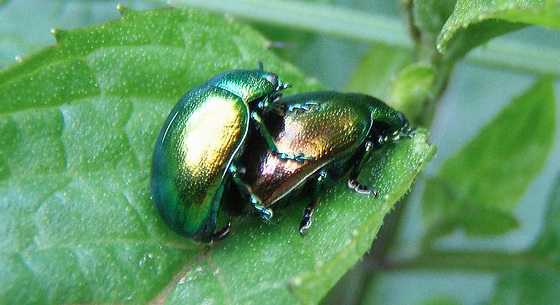
mating green beetlesValentine’s Day is less than a month away. Here are a few ways to get green and sexy all over the planet. 

The PIP breast implant recall has Green Prophet readers worried. The breast implants filled with industrial-grade silicon instead of medical grade, can leak – leading to not so good health effects in adult women.

This is sad news for Green Prophets everywhere especially those that advocate safe and green sex, words that go together for a healthier, less populated planet. Looking ahead to better more loving news, next month is the internationally celebrated holiday of love, Valentine’s Day. Let’s accentuate the positive looking at options for adult toys like glass dildos and adult ways of celebrating sex, the Green Prophet way.

1. Enhance Your Breasts Naturally. Send these tips to your your lover. Eating foods like fenugreek can increase your bust size naturally, without any serious health effects, unless you consider smelling like Maple Syrup really bad!

2. Buy an Ofer Zick silicon sex toy.

Made from medical grade silicon which is unusual for sex toys: these are a little more expensive adult toys than most, but they are eco friendly, and sexy!

Zick, whose name rhymes with… you know… says this: “Design is the ability to recognize, analyze interpret and translate necessity to a new user experience. What this means is that you have to find something people need, and then give them the full experience. It’s not just functional; aesthetic issues are part of it too.”

Tina’s review on the products make us a bit queasy, in fact this whole topic does, but click above if you want to know more. Warning, according to our research at the site below, penetrative sex toys are not allowed according to Islam.

3. Visit the El Asira website for eco Muslims.

If you live in the Middle East and want to buy for an eco-Muslim or Muslimah, you can shop online at El Asira, a discreet online store that sells adult sex aids aimed towards a savvy international Muslim community.

Keeping with halal standards, Tinamarie finds, there are two entry points, no pun intended, one for men and one for women. The site offers oils, candles, lubes and nutritional supplements intended to increase innuendo of the sexual variety in the Muslim way.

If you have any other safe, green and loving ways to celebrate sexuality, please leave your notes in the comments section.


420 Pound Cow Brain Seizure in Cairo Deprives Egyptians of Tasty Dish

1

Food and Health, Mad Cow Disease, Cow Brains, Fried Cow Brain Sandwich, Sudan, Smuggling, Cairo, EgyptEgyptians will spend up to $6 a pound for cow brains, which are then deep friend and served in a pita.  

News that Cairo International Airport authorities seized 420 pounds of frozen cow brains last week has flooded the wires. Smugglers buy the brains for less than $1 a pound in Sudan and sell them to Egyptian specialty restaurants for nearly $6 a pound. The fourth such foil in just one week cost the three Sudanese men $1,500 in profit – a massive sum for this struggling country. Airport officials told AP on condition of anonymity that the confiscated brains will be burned. But here’s a question we have to ask: shouldn’t Egyptians think twice about eating fried cow brains?

Geoscientists Say Oman is Sinking and Shrinking

6

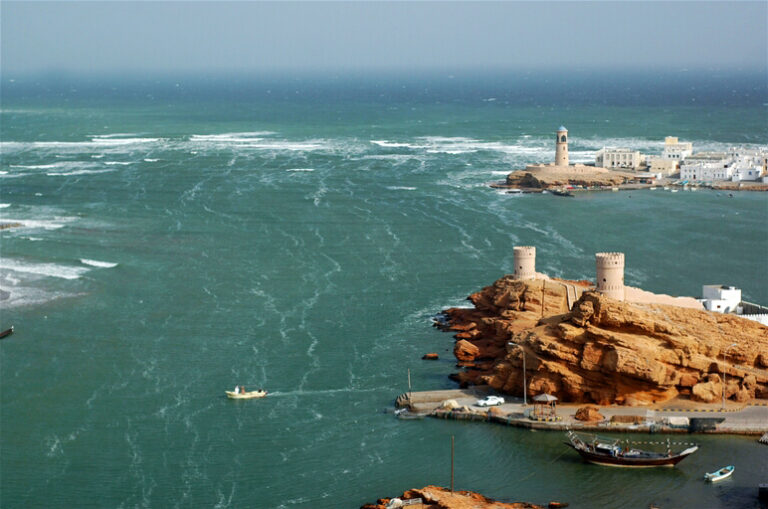
rising sea levels, melting glaciers, climate change, global warming, oman, development, coastal erosionScientists discover that every year Oman loses a little bit more of its landmass to rising sea levels.

Within the next 100 years, global sea levels are expected to rise by at least 1 meter and swallow up coastal towns and cities – a reality from which the Middle East is not exempt. Already geoscientists from the German University of Technology have noted that in certain parts of the Gulf country Oman – the landmass is sinking and shrinking, Gulf News reports.

Green Tours Across Palestine (PHOTOS)

2

palestine-tour-eco-sirajThe Siraj Centre is offering walk and bike tours across the West Bank as well as an environmental-focused trip in 2012

The ‘Environment and Occupation Trip 2012’ tour will explore issues such as freedom of access to water and sanitation in the West Bank and the Jordan Valley. It will also be looking at deforestation issues and the tense relationship between Israeli settlers in the West Bank and Palestinians with regards to waste and pollution. The programme highlights includes visiting the city of Jericho, learning about the falling water levels of the Dead Sea and exploring permaculture projects in the region.

Woman Builds Off-Grid Earth Bag Home in Turkey for $3,761

1

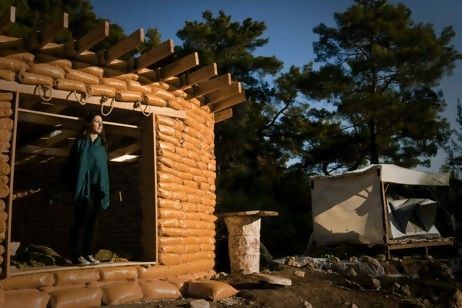
Kerry Bingham’s off-grid earth bag home in Turkey only cost $3,761 to build.

Everybody’s talking about earth bag construction lately, including The National, which reported this weekend that a British woman has built an earthbag home a la Iranian architecture Nader Khalili. Using dirt from her own 6,500 square foot plot of land, the artist and writer filled dozens of polypropylene sacks that were then stacked to create a striking circular structure overlooking Turkey’s magical Olympos Valley. Despite disbelieving critics, Kerry Bingham’s home is durable and doesn’t melt when it rains.

See this off grid solar solution kit for off grid inspiration.

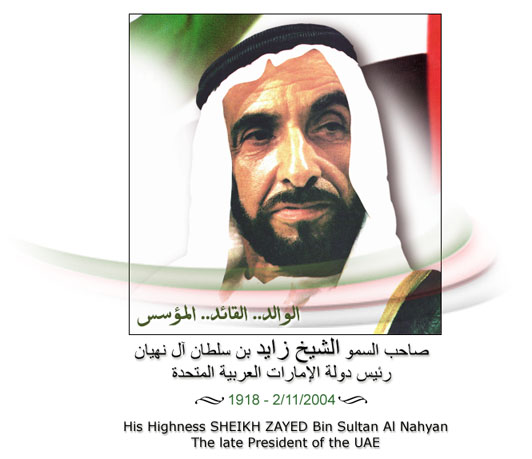
The Green Sheikh’s Eco-Hero: Sheikh Zayed Bin Sultan Al Nahyan

2

Green Sheikh, Sheikh Zayed Bin Sultan Al Nahyan, environmental hero, green hero, eco warrior, desalination, marine biodiversity, environmental protection The Green Sheikh explains why the late Sheikh Zayed Bin Sultan Al Nahyan is his eco-hero.

Not all country leaders are alike but I admire those who spread wisdom throughout their country in order to enhance every single aspect of their people’s lifestyle, such as our former President of the United Arab Emirates Sheikh Zayed Bin Sultan Al-Nahyan. Aware of his instincts, our leader was an earth and desert lover who loved falconry and horses and bred camels in order to preserve the natural heritage of his country. His love for the environment and culture was infinite and he was committed to each member of society.

Hydroelectric Dam In Turkey May Cause Environmental Catastrophe In Georgia

4

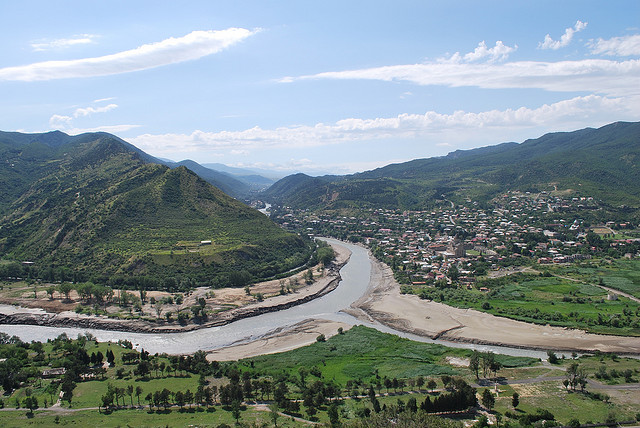
A hydroelectric project in Turkey’s northeastern Ardahan district will change the flow of the Mtkvari River, the biggest water artery in the South Caucasus.

A planned dam in northeastern Turkey, the Beshik Haya cascade reservoirs, will divert most of the Mtkvari River from the Caspian Sea to the Black Sea, according to Georgia’s Green Party. This could trigger an environmental catastrophe, warns the group, not to mention a crisis in local foreign relations.

Foster & Partners Used to be so Green. What the Bleep Happened?

5

masdar city, green design, sustainable design, eco architecture, green building, foster & partners, greenwashingThis Foster & Partner’s project completed in 2004 is green and deeply respectful of its environment – why did they change their design approach? 

In 2004, Foster & Partners completed this gorgeous Chesa Futura apartment building in Switzerland using a combination of modern modeling tools and ancient construction techniques. Situated on the edge of a steep slope, it is a humble but striking project that demonstrates deep respect for its spectacular natural environment.

Nearly a decade later and the firm is still at the cutting edge of design with accolades up the wazoo, but we have to ask, what happened? How did Norman Foster go from this project, which boasts carbon-absorbing larch shingles, to the glass and steel monstrosities that define so many of their so-called green developments in the Middle East?

Israeli School of Sustainability Funded By Major Polluting Firms

1

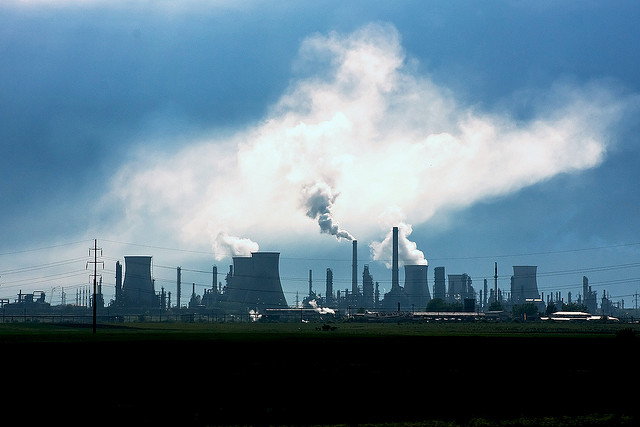
Israel Chemicals, which is a cause of major environmental hazards in Israel, is funding a School of Sustainability in Herzliya

With shale oil funding green education in Jordan and major polluting Israeli companies paying to set up sustainability schools, green education is looking more like ‘greenwash’ every day. It recently emerged that Israel Chemicals and Oil Refineries Ltd, will be the founding funders of the School of Sustainability at the Interdisciplinary Center in Herzliya. The two companies are better known for their environmentally unfriendly activities and exploitation of non-renewable resources such as oil and phosphates which are highly polluting.

Woman Spins Camel Wool to Prevent Slaughter of 1.2 Million Wild Australian Camels

8

camels, camel milk, greenhouse gas emissions, animal conservation, sustainable design, eco design

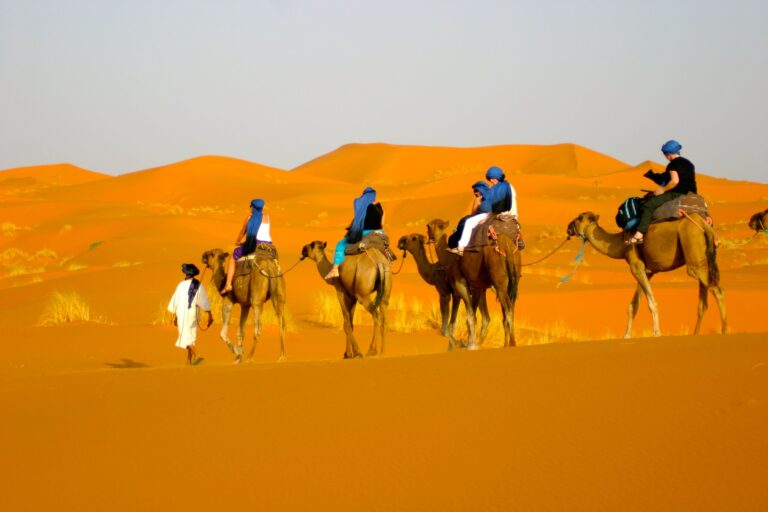
While the Arab world has close ties with their hardy camels, Australia considers their 1.2 million population of wild camels to be nothing more than pests. 

Camels are valued in the Arab world for their meat, milk, and leather, but in Australia, more than one million wild Dromedary camels are considered pests. They are also a source of greenhouse gas emissions since each releases one pound of methane into the atmosphere every year. (Read about giant plumes of gurgling methane that could fast track global warming.)

While this doesn’t compare with Australia’s coal pollution, last year Daily Mail reported that the government was considering a proposal to slaughter every single animal in order to “save the planet.” Unhappy with this plan, Helen Durrant with Camel Wool Products started making beautiful apparel of camel wool in order to prove that these animals are a valuable natural resource to be cherished, not culled. 

Desertec Nation Algeria to Host Huge Solar Trade Fair from Germany

3

algerian-solar-desertec-diiOne of 3 North African countries leading  renewable energy development programs, Algiers is hosting a solar trade fair in May.

Algiers will be the place to be for utility-scale solar developers this May. The German trade fair specialists Messe and their Algerian daughter company in Algiers will hold a solar trade fair at the Palais des Expositions d’Alger from 7 to 10 May, 2012. As one of three North African desert nations now at the forefront of responsible climate legislation, through its ambitious solar plans and its participation in the visionary Desertec project, Algeria is ideally situated to host the event.

Popular Egyptian Dive Spot Sharm el-Sheikh to be “Green” by 2020

3

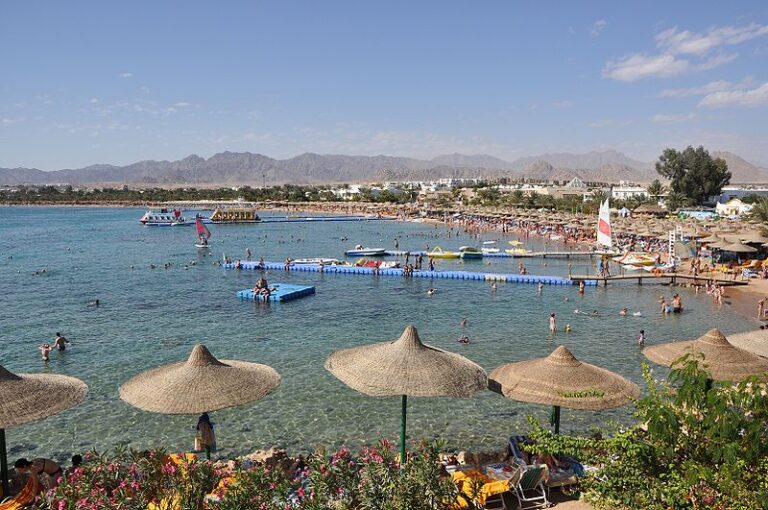
red sea, corals, pollution, carbon emissions, sharm el-sheikh, eco-city, green city, renewable energy, biodiversity preservationBiodiversity preservation, waste management, and securing water sources are just a few of the principles being applied to convert Egypt’s Sharm el-Sheikh diving destination into an “green city.”

Egypt’s Ministers of Environment and Tourism signed a tripartite agreement with the South Sinai governor to convert the popular Egyptian diving town Sharm el-Sheikh into a bonafide green city by 2020. The $.25 million deal signed by Dr. Mostafa Hussein Kamel, Minister of State for Environmental Affairs, Mounir Fakhri Abdel Nur, Minister of Tourism and Major General Khalid Fouda, Governor of South Sinai earlier this week lays out a comprehensive plan for implementing a whole series of steps that will protect the country’s crown jewel of tourism. More details after the jump.

13 Principles of Sustainable Architecture From Nader Khalili Student

7

green building, hassan fathy, nader khalili, earth architecture, green building, eco-building, sustainable building, eco design, akil sami house, egypt, earth architecture, sustainable architectureDesigned by Hassan Fathy, the Akil Sami House in Egypt is a fairly recent example of earth architecture that is both beautiful and functional.

If the architecture mentor is successful, his or her student will first absorb and then build upon their lessons until they eventually supersede the original teachings with new knowledge. Certainly this is true of Kelly Hart, a student of the Iranian architect Nader Khalili, who conspired with NASA to create earth architecture that has lunar and space applications. One of the folks behind Earthbag Building, Earth Bag Structures, and a host of other informed eco-building sites, his own legacy is very much grounded on this planet. Hit the jump for a look at our adapted list of Hart’s 13 principles of sustainable architecture.

1. Think Small

The combined problem of natural resource depletion and population growth is so serious that it’s no longer reasonable for anyone to use up more than their fair share of either. Not only that, but there’s something special about creating a home or office that speaks to the specific needs of your particular family. Small homes are more affordable, use fewer resources, have less of an environmental impact, and also require less energy to heat and cool.

2. Heat With the Sun

Speaking of heating, fossil fuels are on the wane but the sun is still going strong. Consult your local green building expert for the best way to orient your home in order to maximize solar gain when appropriate (and reduce it when there’s too much.) Orientation combined with a green building material that absorbs the sun’s energy during the day and then dispatches it slowly at night can drastically reduce your energy requirement.

3. Keep Your Cool

The same principle works for cooling a home, a particular challenge in the Middle East where there is no shortage of long hot days. Passive design, digging into the earth, and insulating a home well will work wonders, as will Islamic design techniques such as the Mashrabiya screen, which beats the heat at the same time as it promotes natural ventilation.

4. Use Renewable Energy

We know this is hard in the Middle East, where solar panels are still quite expensive, but an investment in the short term will pay off in the long run. Plus, who says it’s necessary to buy into the most expensive renewable technology? In Cyprus, Egypt and Israel, lower income people have been using the sun to heat their water for years. Theirs may not be the sexiest roofs in each country, but their energy bills are smaller, and their ability to withstand municipal price and supply fluctuations far greater than grid-dependent folks.

5. Conserve Water

There are as many ways to conserve water in your home as there are reasons to do so – particularly in our dry region. Firm up faucets, harvest rainwater, recycle gray water, take shorter showers, and turn off the tap when brushing your teeth. Also consider planting indigenous plants that don’t require a lot of irrigation, and if you must irrigate, trying using drip irrigation or other modern developments.

6. Use Local Materials

When you’re building a home out of materials harvested in some distant land, they have to travel a long way to make it to your little plot. This creates an unnecessarily high carbon footprint and also reduces the level of control you have over how those materials are harvested. But if you use local materials, as will be the case with Gaza’s 20 new Eco-Schools, your carbon footprint shrinks considerably and benefits your local economy.

7. Use Natural Materials

Natural materials not only have more aesthetic appeal, at least in our view, but it turns out that they are better for our health. A home that is built with a porous natural material such as mud or stone or lime breaths and promotes natural circulation in the home. Anything else creates a terribly unhealthy internal environment. Natural materials also promote daylighting and superior acoustics, whereas all kinds of interventions are required in more artificial surroundings.

8. Save the Forests

Our forests are beautiful and deserve to be protected in their own right. But they also serve important environmental services – including sucking the globe’s carbon. With escalating levels of greenhouse gases in our atmosphere and a bevy of attendant climatic changes, protecting our trees is more important than ever. The average timber home uses 100 trees – and that’s not sustainable at all. Kelly Hart recommends using wood carefully – for decoration or for roofing – and opting for abundant earthen materials to build the rest of the home.

9. Recycle Materials

We belong to a throwaway culture – something the earth’s finite resources simply can’t support. Recycling materials not only gives new life to something discarded or disused, but also provides an opportunity to be creative and resourceful. See how old windows have been given new life is this wonderful design project.

10. Build to Last

We have showcased several earth architecture buildings that have lasted centuries, such as Yemen’s Manhattan and these awesome cave homes in Iran. Despite stringent new building codes, many materials used in contemporary architecture are designed NOT to last so that the supplier can prolong their business opportunities. This makes absolutely no sense. Build to last as much as possible and save the earth while you’re at it.

11. Grow Your Food

Growing food at home improves quality control and increases resilience – both very necessary in our region where food security is poor and where environmental regulations regarding food quality are poorly enforced. We have published 7 agricultural solutions that will save the Middle East. Take a look and be inspired to start growing your own food immediately!

12. Store Your Own Food

This is something we haven’t considered in a long while, but it used to be that most people built pantries into the earth in order to keep their food cool and fresh. As demonstrated in Palestine’s numerous geothermal projects, the earth’s temperature remains constant even as our atmosphere warms and cools. If you use the right building material, you can build a wonderful earthen pantry that will keep most of your food fresh year ’round. Make sure to consult a professional until you get the hang of this.

13. Share Facilities

Finally, Kelly Hart promotes co-housing and eco-villages as a good way to save space and share facilities. He suggests that building common areas (like the Israeli Kibbutzniks have done for years) in addition to private areas in any housing project saves space and promotes social activity. We’d also like to add that a shared community is likely to grow into a more evolved and tolerant community, which promotes all kinds of goodness.

If you are considering building a new home, remember to consult this list to determine whether you have achieved the greatest amount of sustainability for your time and budget constraints.

More on Sustainable Architecture in the Middle East:

Why We Need an Earth Architecture Revolution (VIDEO)

Iranian Architect Nader Khalili Built Earth Architecture Fit For Space 

Hassan Fathy is the Middle East’s Father of Sustainable Architecture

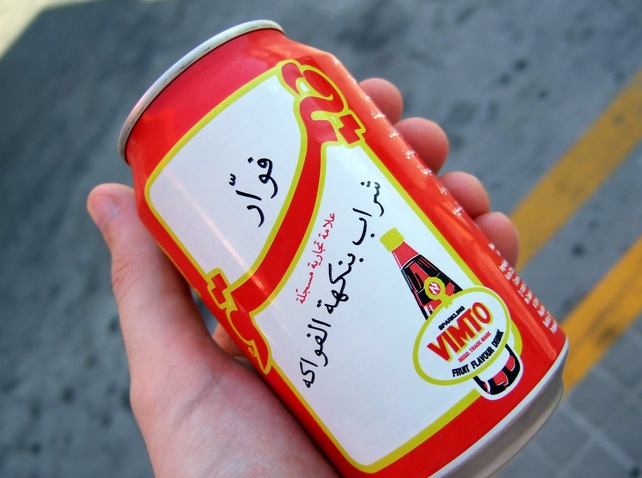
Vimto’s Moldy Soft Drink Recalled in Dubai

0

vimto mold dubai
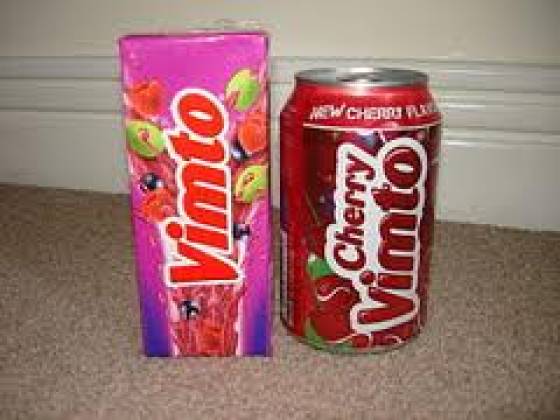
Dubai Municipality seizes thousands of Vimto soft drink bottles infested with floating fungi.

Vimto is the Middle East’s favorite soft drink. It’s especially appreciated as an instant energy boost after the daily fast during Ramadan month. We’re well aware that juice and sugary soft drinks increase risk of liver damage. To compound the soft-drink danger in the Middle East, thousands of  Vimto bottles have been found to contain gel-like substances formed of bacteria and fungi.

Rumors that the gel floating in the drink causes cancer were firmly squashed, but attempts to calm the public about its favorite soft drink were less than credible.