Before promoting sustainability progress, companies must ensure their initiatives are genuine and measurable. Today’s audiences are increasingly skeptical of vague environmental claims, particularly as awareness of “greenwashing” has grown.
Sydney is best known for the Opera House and the Harbour Bridge. If you’re looking to enjoy dinner with views of these landmarks, here are some great options.
It's sea turtles which may in the end save islands in the Seychelles. They may also better help us understand climate change. Like rings on a tree, scientists have found a way to read sea turtle shells and how they are impacted by climate change tells a story.
For centuries, the Sámi shaman drum was one of the most powerful sacred objects in northern Europe, and one of the most feared by church and state. If ISIS looks bad to us today for its religious fundamentalism, Christians were just as fervent.
Before promoting sustainability progress, companies must ensure their initiatives are genuine and measurable. Today’s audiences are increasingly skeptical of vague environmental claims, particularly as awareness of “greenwashing” has grown.
Sydney is best known for the Opera House and the Harbour Bridge. If you’re looking to enjoy dinner with views of these landmarks, here are some great options.
It's sea turtles which may in the end save islands in the Seychelles. They may also better help us understand climate change. Like rings on a tree, scientists have found a way to read sea turtle shells and how they are impacted by climate change tells a story.
For centuries, the Sámi shaman drum was one of the most powerful sacred objects in northern Europe, and one of the most feared by church and state. If ISIS looks bad to us today for its religious fundamentalism, Christians were just as fervent.
Before promoting sustainability progress, companies must ensure their initiatives are genuine and measurable. Today’s audiences are increasingly skeptical of vague environmental claims, particularly as awareness of “greenwashing” has grown.
Sydney is best known for the Opera House and the Harbour Bridge. If you’re looking to enjoy dinner with views of these landmarks, here are some great options.
It's sea turtles which may in the end save islands in the Seychelles. They may also better help us understand climate change. Like rings on a tree, scientists have found a way to read sea turtle shells and how they are impacted by climate change tells a story.
For centuries, the Sámi shaman drum was one of the most powerful sacred objects in northern Europe, and one of the most feared by church and state. If ISIS looks bad to us today for its religious fundamentalism, Christians were just as fervent.
Before promoting sustainability progress, companies must ensure their initiatives are genuine and measurable. Today’s audiences are increasingly skeptical of vague environmental claims, particularly as awareness of “greenwashing” has grown.
Sydney is best known for the Opera House and the Harbour Bridge. If you’re looking to enjoy dinner with views of these landmarks, here are some great options.
It's sea turtles which may in the end save islands in the Seychelles. They may also better help us understand climate change. Like rings on a tree, scientists have found a way to read sea turtle shells and how they are impacted by climate change tells a story.
For centuries, the Sámi shaman drum was one of the most powerful sacred objects in northern Europe, and one of the most feared by church and state. If ISIS looks bad to us today for its religious fundamentalism, Christians were just as fervent.
Before promoting sustainability progress, companies must ensure their initiatives are genuine and measurable. Today’s audiences are increasingly skeptical of vague environmental claims, particularly as awareness of “greenwashing” has grown.
Sydney is best known for the Opera House and the Harbour Bridge. If you’re looking to enjoy dinner with views of these landmarks, here are some great options.
It's sea turtles which may in the end save islands in the Seychelles. They may also better help us understand climate change. Like rings on a tree, scientists have found a way to read sea turtle shells and how they are impacted by climate change tells a story.
For centuries, the Sámi shaman drum was one of the most powerful sacred objects in northern Europe, and one of the most feared by church and state. If ISIS looks bad to us today for its religious fundamentalism, Christians were just as fervent.
Before promoting sustainability progress, companies must ensure their initiatives are genuine and measurable. Today’s audiences are increasingly skeptical of vague environmental claims, particularly as awareness of “greenwashing” has grown.
Sydney is best known for the Opera House and the Harbour Bridge. If you’re looking to enjoy dinner with views of these landmarks, here are some great options.
It's sea turtles which may in the end save islands in the Seychelles. They may also better help us understand climate change. Like rings on a tree, scientists have found a way to read sea turtle shells and how they are impacted by climate change tells a story.
For centuries, the Sámi shaman drum was one of the most powerful sacred objects in northern Europe, and one of the most feared by church and state. If ISIS looks bad to us today for its religious fundamentalism, Christians were just as fervent.
Before promoting sustainability progress, companies must ensure their initiatives are genuine and measurable. Today’s audiences are increasingly skeptical of vague environmental claims, particularly as awareness of “greenwashing” has grown.
Sydney is best known for the Opera House and the Harbour Bridge. If you’re looking to enjoy dinner with views of these landmarks, here are some great options.
It's sea turtles which may in the end save islands in the Seychelles. They may also better help us understand climate change. Like rings on a tree, scientists have found a way to read sea turtle shells and how they are impacted by climate change tells a story.
For centuries, the Sámi shaman drum was one of the most powerful sacred objects in northern Europe, and one of the most feared by church and state. If ISIS looks bad to us today for its religious fundamentalism, Christians were just as fervent.
Before promoting sustainability progress, companies must ensure their initiatives are genuine and measurable. Today’s audiences are increasingly skeptical of vague environmental claims, particularly as awareness of “greenwashing” has grown.
Sydney is best known for the Opera House and the Harbour Bridge. If you’re looking to enjoy dinner with views of these landmarks, here are some great options.
It's sea turtles which may in the end save islands in the Seychelles. They may also better help us understand climate change. Like rings on a tree, scientists have found a way to read sea turtle shells and how they are impacted by climate change tells a story.
For centuries, the Sámi shaman drum was one of the most powerful sacred objects in northern Europe, and one of the most feared by church and state. If ISIS looks bad to us today for its religious fundamentalism, Christians were just as fervent.
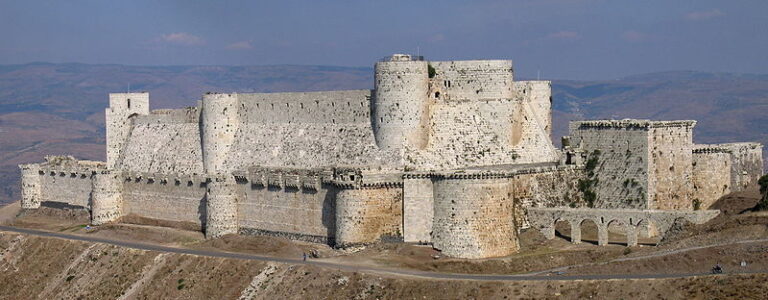
Five thousand Syrians have died since the uprising started but climate change could kill many more in this dry country.
Approximately 5,000 people have been killed in Syria since the uprising began in March last year, according to UN estimates, and an additional 600 detainees and political prisoners have died under torture. And yet there is a force at work that is just as sinister as President Bashar al-Assad, who calmly told ABC’s Barbara Walters that he was unaware of the torture taking place in his country. It’s name? Climate change.
This is especially true in Turkey, where a group of young nature enthusiasts are organizing the country’s first honey-tasting tour from Kars. A seven day walking trip, the unique Balyolu tour will introduce visitors to the special tastes and diversity of Turkish honey as well as ancient nomadic travel routes and artisan culture.
Experience life as a nature nomad
“Honey is so much more than a food. It is experiencing life as a nature nomad, moving with the tastes, and smells of flower blooms and nectar,” according to the Balyolu’s online literature.
Visitors interested in such a sweet journey can join the one-of-a-kind bee and honey celebration in Kars, just a short flight from Istanbul or Ankara or a historic, scenic train ride on the Eastern Anatolian Express. From there they will begin their seven day walk of 6-10 miles per day carrying basic gear including layers and water.
Four trips have been planned, the first starting on May 19th 2012, and the last ending on August 2nd, 2012.
Feasts and yurts
Women training to become world-class beekeepers and rural entrepreneurs will guide this hyper local and sustainable tour, which will include stops at villages along the way that each produce their own brand of honey, as well as feasts of locally sourced vegetables, cheese, yoghurt, pastries, wild greens and even goose for non-vegetarians.
At night, travelers can rest their contented weary bones in yurts, cabins, and private residences, which is included in the cost of the tour.
Although participants are asked to find their own way to Kars, Balyolu will provide guides, transportation, accommodation, honey, and food throughout the seven day tour.
Kickstarter
Green Prophet first learned of the Balyolu project on Kickstarter, a funding platform that allows the crowd (that’s you, me, and anyone else on the planet that has internet access) to support worthy creative projects. Their goal is to raise $35,000 by February 26th, though the trips will still proceed if a minimum of 10 people sign up for each date.
Visit Kickstarter to support this sustainable tourism initiative or Balyolu to sign up for your very own tour on the honey road.
Like Tel Aviv and Beirut, Gaza’s getting a boardwalk, but development threatens ancient Roman ruins.
For years, it was a dusty, often garbage-strewn asphalt ribbon winding along Gaza City’s otherwise beautiful Mediterranean coast. Today, it’s a construction site, with heavy equipment plowing sand into position, digging tunnels and laying pipes.
But if the plans proceed on schedule, Al-Rashid Road, popularly known as the Beach Road, will be transformed into a scenic seaside promenade, or corniche, in the style that has made the meeting between land and sea in places like Beirut, Alexandria and Nice tourist attractions and a gathering place for their residents.
That prospect has brought smiles to everyone from beachgoers to property owners, who are looking forward to seeing the value of their land rise. But not everyone is happy.
After being on the air for just a few weeks, “The Green Man” TV show has been temporarily shut down due to allegations of bribery and greenwashing. It is funded by an Israeli chemical company.
A new environmental television show called “The Green Man” debuted just a few weeks ago, hosted by well known Israeli news anchor Gadi Sukenik. The promotional video for the TV show, shown above, shows Sukenik walking through all kinds of environmentally polluted areas and finally asking the viewers how long they can remain detached from the environment. The real question may be, however, how detached from altruistic environmental goals “The Green Man” is.
Following numerous complaints, the show was temporarily suspended last week until further investigations can be conducted into whether the show received compensation for featuring certain companies, and the extent to which it is a conflict of interest that Israel Chemicals is one of the program sponsors.
The production company is currently being investigated under allegations that companies paid to be on the show, with prices dependent upon the amount of time that the company wished to be featured. Documents were found suggesting that companies could purchase small amounts of time (such as five minutes) or even an entire episode.
The broadcasting company issued a statement saying that “The Green Man will not be broadcast until the investigation of the production company has been completed. The results of the investigation will be send to us, and we will respond to the actions of the production company with great severity.”
The show may have been laden with problems since the very beginning, though, since Israel Chemicals is one of the main sponsors. Sukenik, the host of the show, sees no problem with the sponsor, however, and said that “if you ask me, it’s good that a polluting company takes steps to partly rectify its actions… I believe eventually they’ll repair… I hope it won’t be too late.”
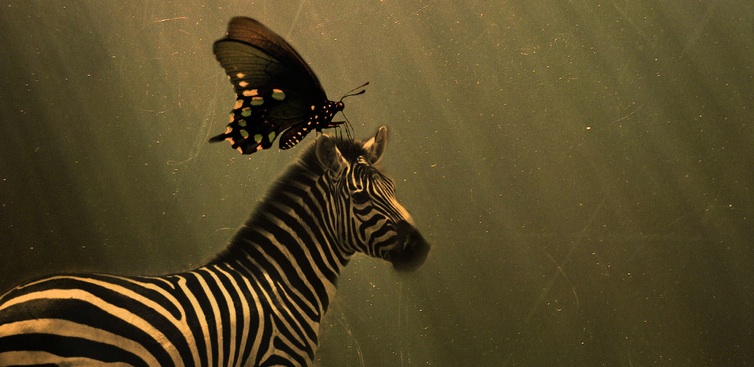
Making alcohol from sugars is easy; maybe the third oldest profession in the world. Making butanol from zebra droppings is another story.
Processors have made ethanol from cornstarch and sugar for decades, but using food products to make biofuel raises demand for staple commodities like corn and seed oils with disastrous impact to the food chain.
So let’s try again, back things up a step. Start with cellulose, not sugar. Add some enzymes that convert the cellulose into sugar. Next ferment the sugar into alcohol. Then distill the alcohol into fuel. Four simple steps and we’re juicing our cars with sawdust and coconut shells instead of Middle East oil. Scientists know how to turn plants into fuel, but doing it profitably is another thing: Cellulose is the problem.
Is a two year old study pitting the natural immune benefits of mothers’ milk against the machine of big pharma?
The Center for Disease Control and Prevention in the United States published a abstract in 2010 that is now alarming some environmental activists around the globe. Naturalnews.com took a strong stance against the recommendations – which suggest women who are nursing should refrain from it in order for vaccinations to work more effectively in their children – stating that “ludicrous notions like these that are birthed from philosophies that view drugs and vaccines as being equal, or even superior, to natural food.”
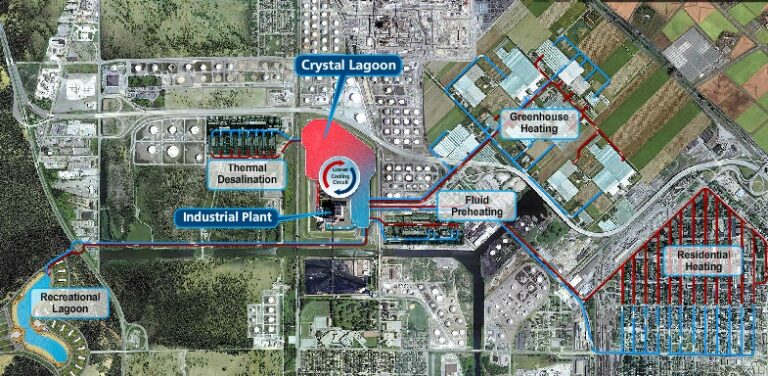
Crystal Lagoons has developed an alternative cooling and energy harvesting system for power plants that doesn’t require the use of seawater.
Gulf countries that lack freshwater resources rely deeply on seawater desalination to meet their daily needs and cool down thermal generation plants. According to Gulf News, the United Arab Emirates alone uses four trillion litres of Gulf seawater each year to cool down its power plants, foundries and desalination plants.
The byproduct of these operations produces a hot briny fluid that is then pumped back into the Gulf, seriously compromising coral reefs and the overall marine ecosystem. But Crystal Lagoons – the same people who were behind the worlds largest artificial lagoon planned for the Red Sea, is marketing a new closed-loop cooling system that would ensure that no more water would have to be extracted from the Gulf to cool down industrial plants!
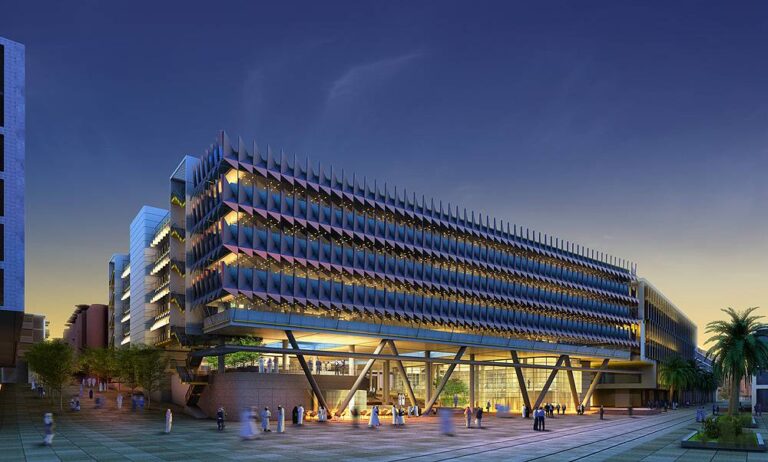
The new Siemens Headquarters in Masdar City will be 65, 617 square feet when completed by the end of this year.
We recently reported that Siemens has teamed up with Masdar to develop a new generation of sand-resistant solar panels that will make more sense for desert environments, and that building the firm’s Middle Eastern headquarters in Masdar City is part of their commitment to see that project through to completion. Now we’re happy to bring you the first round of pictures recently released by designers Sheppard Robson and spotted over on World Architecture News. Construction of the 65, 617 square foot building is well under way and should be complete by the end of 2012.
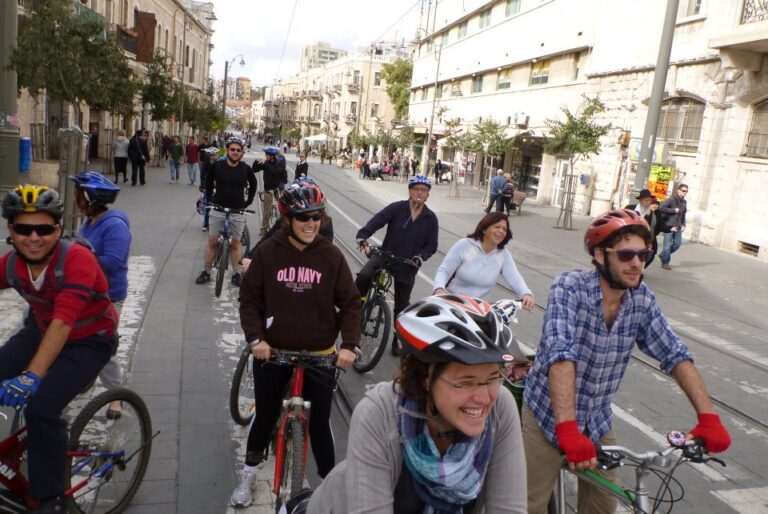
Jerusalem’s light rail may be a great way to encourage the use of public transportation, but why doesn’t it allow bikes on board?
Four months ago the much anticipated Jerusalem light rail was launched after years of construction. (The future of the Tel Aviv light rail has yet to be seen.) The new light rail provides another convenient, comfortable means of public transportation within the city and further eliminates the need for gas-guzzling and carbon emitting personal vehicles. It is not proving convenient for one environmentally significant group of Jerusalem residents, however: the cyclists. Despite the fact that the light rail cars have a device specifically for storing bikes, bicycles are forbidden aboard the Jerusalem light rail.
In just six hours, the deserts receive more energy from the sun than humankind produces in a year, and Desertec is harnessing it.
Right now hundreds of people are gathered at the World Economic Forum in Davos, Switzerland making the same kind of noises about the security of our future as the suits at COP 17 – mostly aimless. In the meantime, real people are doing real work to confront the day-to-day challenges of climate change and energy poverty, including the folks at Desertec. One of the most progressive organizations of our time founded in 2009, the Desertec Industrial Initiative (Dii) is slowly turning the Middle East and North African region into a serious solar powerhouse. Here is a roundup of the first four deals that make our energy future seem significantly more secure.
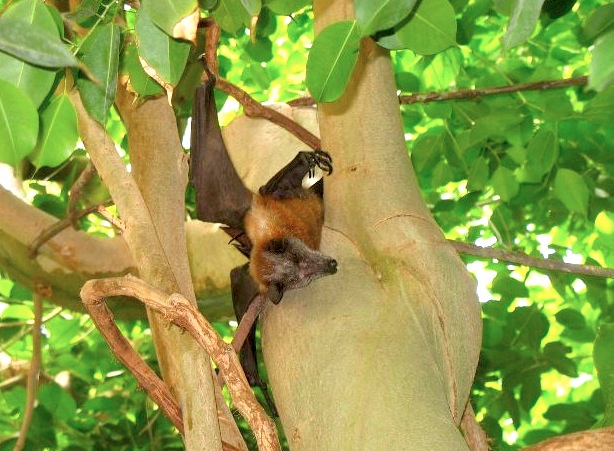
Thousands of fruit bats in Lebanon were sprayed with shotgun and AK-47 bullets over the weekend.
Thousands of fruit bats could have used Batman’s help last weekend when one or more unidentified assailants unleashed a spray of shotgun and AK-47 shells inside a cave in northern Lebanon. This senseless massacre wiped out at least 5,000 of these highly endangered flying mammals who populated the largest colony in the Middle East. Animal Encounter founder Dr. Mounir Abi-Said told The Daily Star that the bats didn’t die right away and that they probably crawled to shelter.
For those times when you can’t use electronic delivery methods and just need those paper products, eco-friendly suppliers like Flyerzone come in handy.
As much as we may try to avoid the need for paper products (or find creative ways to reuse paper), sometimes you just need to get something printed on good old-fashioned paper. Business cards are a classic example (and not everyone can stamp their business cards on the back of used railway tickets in the style of Israeli green business guru Erez Steinberg). So when you do need to create a paper product – such as leaflets, business cards, flyers, stationary, invitations, posters or postcards – it is best to go through an eco-friendly supplier. UK-based printing company Flyerzone fits the (paper) bill. Better news, they deliver around the world.
The Hezbollah is going green with an eco-jihad as a tactic of war against Israel.
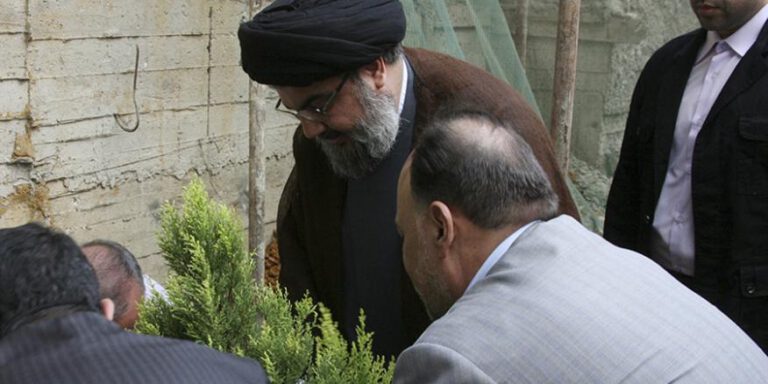
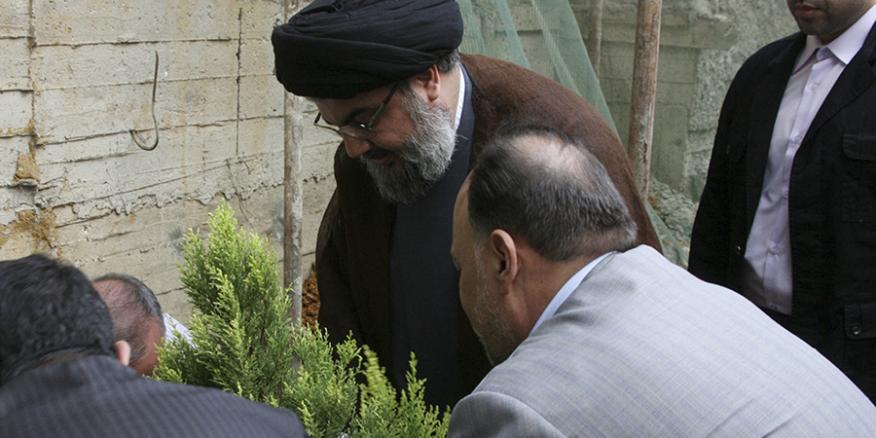
On October 9, 2010, Hezbullah‘s Secretary General, Sayyed Hassan Nasrallah, briefly came out of hiding to mark the end of Hezbullah’s campaign to plant million trees in Lebanon to restore the country’s forests. This campaign was organized by Jihad al-Binaa, Hezbullah’s reconstruction arm, and sponsored by the Lebanese Minister of Agriculture, Hussein Hajj Hassan.
Hezbollah is a Shiite Muslim political party and militant group based in Lebanon, where its extensive security apparatus, political organization, and social services network fostered its reputation as “a state within a state.” Founded in the chaos of the fifteen-year Lebanese Civil War, the Iran-backed group is driven by its opposition to Israel and its resistance to Western influence in the Middle East.
With a shovel on his hand, Hassan Nasrallah was shown on Hezbullah’s al-Manar television station digging a hole, planting and watering a small tree outside his home, which was destroyed by air raids during the July 2006 War. Hassan Nasrallah, who had been last seen in public in July 2008, was accompanied by the Lebanese Minister of Agriculture for the ceremony.
Nasrallah gave a speech at the event in which he praised Jihad al-Binaa for its role in organizing this campaign.
He said that “this is an ancient Jihad for Jihad Al Binaa. However and praise be to Allah Al Mighty it was an ascending jihad. Perhaps the only period of time in which the agricultural and tree-planting side retreated was in 2006 when Jihad Al Binaa was occupied with a greater priority – namely facing the repercussions of July War in 2006. This year the effort was advanced and made greater through the advertisement and the execution of the million tree campaign.”
Nasrallah plants a tree near his home
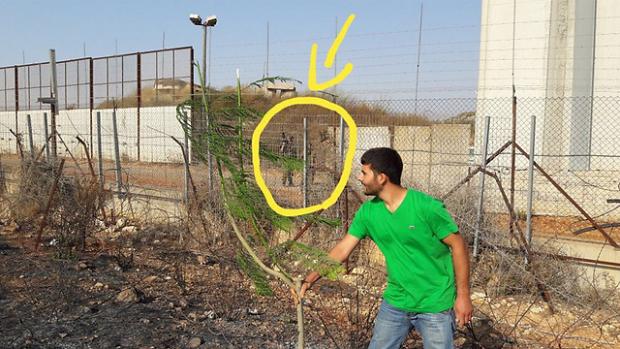
Terrorists as treehuggers or a cynical move to block Hezbollah from being seen by UN forces as they are south Lebanon
However, Nasrallah said that planting trees should not be organized and implemented only by Jihad al-Binaa, but “we must deal with it as an important great national issue which needs mustering all efforts. Hence was the cooperation between the Ministry of Agriculture in Lebanon, the various municipalities, the youths’ societies and others.”
He added that “We, Lebanese. Always extol the green Lebanon. Of course this will soon be a thing of the past.”
According to Nasrallah, green Lebanon is not going to last much longer due to desertification, rampant building and environmental neglect.
Another reason for that, according to Nasrallah’s speech, is that the trees have a very significant role as one of Lebanon’s natural defensive characteristic.
In this context, he blamed Israel for setting trees on fire, shelling and destroying trees within the territories occupied by her in south Lebanon and the Biqa’ between the years 1982 – 2000. Also during the July 2006 War, Israel shelled many forests without any reason other than destroying one of Lebanon’s natural defensive characteristics.
Therefore, Nasrallah urged all Lebanese to follow his example and plant trees outside their homes. Nasrallah gave religious justifications to his plea by citing Islamic traditions and hadiths.
He said that “afforestation is part of Lebanese national security”, since “Lebanon Protects the tree so that it will protect Lebanon.”
The Planting Activities of Jihad al-Binaa
This ceremony marked the end of Jihad al-Binaa’s campaign to plant one million trees throughout Lebanon during the year 2010. The campaign would not be possible without the help of Syria. Its Ministry of Agriculture donated more than 800,000 trees for the project. The campaign focused on reforesting green areas burned during the July 2006 War. About 290,000 of the trees were planted in south Lebanon.
Jihad al-Binaa’s General Manager, Architect Muhammad Hajj, said a few days before the end of the campaign that “throughout 18 years, we have planted around 7,300,000 trees. The average increases yearly.”
He stressed that during the past few years, Jihad al-Binaa had been successfully planting one million trees every year and the “one million tree campaign” in 2010 just emphasized this frame of work. According to him, in 2010, the tree plantings involved cooperation with around 4,700 groups throughout Lebanon including community groups, municipalities, organizations, farmers, associations and scout groups. This campaign is expected to continue to be conducted on a yearly basis, while each year a certain region will be prioritized.
Architect Muhammad Hajj further said that the aims of the 2010 one million tree campaign are manifold: “its major aim is to enhance the environment and fight desertification, which has become a phenomenon in Lebanon due to the fires, cutting trees and other reasons. Therefore, this campaign pours into recovering Lebanon’s green cover.”
However, this project had also other aims including education of the people concerning the importance of the land, of reconstruction, of recovering greenery and of resistance. Architect Muhammad Hajj mentioned that “the Holy Qur’an focused on the importance of reconstruction and agricultural works”. But, according to him, the most important thing is the resistance aspect of the trees, since they have served as shelter for thousands of Hezbullah fighters.
Architect Muhammad Hajj added that there have been efforts to make the Dahiyah quarter in Beirut green along with the process of its continued reconstruction following the damages that it suffered during the July 2006 War. These efforts are managed by Jihad al-Binaa in cooperation with the municipalities.
He said that “the municipalities own few lands in the suburbs, and these are rather used for public services like building schools and organizations. Therefore, they work on planting small fields instead, and plant greenery on the sides of the highways, roads, and sidewalks. Due to that, one of the ideas the municipalities consider is to plant green field on the buildings’ roofs as well”.
Jihad al-Binaa’s Environmental Activities
Nasrallah’s speech as well as the interview conducted with Jihad al-Binaa’s General Manager, Architect Muhammad Hajj, shed light on the environmental activities of Jihad al-Binaa, which began already in the late 1980s and have been going on uninterruptedly ever since, except for the July 2006 War.
Jihad al-Binaa (Holy Reconstruction Organ) is an organ within Hezbullah which provides support services to its members, new recruits, and supporters. These services range from medical care to financial aid, housing, and public utilities. It is divided into 8 committees. Three of these committees are engaged in environmental or environmental-related issues.
The Water and Power Resources Committees has fixed over one hundred water and power stations from the Biqa’ to the South. The Environmental Committee has been active in studying and surveying polluted areas, while the Agricultural Committee has established agricultural cooperatives selling insecticides, seeds, and fertilizers to farmers at prices lower than the market price. The work of all committees is supervised by a technical and administrative committee, which is part of Jihad al-Binaa, whose main aim is to study and provide help for impoverished regions of Lebanon.
Jihad al-Binaa’s environmental activity began in the late 1980s, when Hezbullah seized control of the Shi’ite Dahiyah quarter in Beirut after defeating the Amal faction. Then, the Hezbullah leaders found themselves responsible for finding immediate solutions for the social service crisis faced by about half million inhabitants of the quarter which was about to exacerbate even more because many families, who were displaced by the fierce fighting between the Shi’ite factions in the south, continued to find refuge there.
During that period, which overlapped General Michel Aoun’s administration (1988 – 1990), the Dahiyah was almost completely cut off from water and electricity services due to neglect and fighting. As a result, about 40 percent of the water from Ayn al-Dilbin, the Dahiyah’s major source of drinking water, had been lost and its purity had been gravely compromised. In an attempt to supply the ever-growing populace, water authorities dug artesian wells but this ultimately resulted in contamination of the whole water network.
On this background, Hezbollah decided to first deal with the severe public health hazards threatening the Dahiyah, i.e., the piling garbage and the short water and electricity supply, especially in the absence of any other effective local or central authorities. Already in 1988, it started to build daily garbage collection service to remove the mountains of waste that had built up over the years.
This mechanism replaced a basic governmental function in several municipalities. This service operated five years until the Lebanese Sanitation Department started to get back on its feet. Yet, Hezbullah is still operating its daily garbage collection service and treats it with insecticides to supplement the government’s service.
In addition, Jihad al-Binaa was engaged in the installation of drinking fountains and decent toilets at public school in the Dahiyah as well as in supplying its inhabitants with emergency water delivery and electricity. With help from the Iranian government, Jihad al-Binaa constructed public water containers, provided cisterns and employed several drivers to transport water to the suburbs from nearby sources, in addition to extending the water network by some 15,000 meters of water pipes.
It built 4,000-litre water reservoirs in each district of the southern suburbs and filling each of them five times a day from continuously circulating tanker trucks. Generators mounted on trucks also made regular rounds from building to building to provide electricity to pump water from private cisterns. For that aim, Jihad al-Binaa has been purchasing the portable water from the Beirut Water Board on a daily basis and the cistern fills up from the main reservoir of Bourj Abi Haidar in Beirut. To this date, the inhabitants of the Dahiyah are still dependent on Hezbullah to provide them with drinking water.
In order to solve the problem of regular supply of water for the residents of the Dahiyah, Jihad al-Binaa presented at the beginning of the 2000s a construction plan to build the Bisri Dam project on the Awali River, which would have the capacity of collecting 600,000 cubic meters of water, from which it would draw 120,000 cubic meters for the regular water supply of the Dahiyah’s residents.
The construction of the dam has not been finalized yet. On April 24, 2010, the Lebanese cabinet finally tasked the Council for Development and Reconstruction with completing the Bisri Dam Project despite its location near a major seismic fault line.
Jihad al-Binaa has also been engaged in environmental activities in rural areas in south Lebanon and in the Biqa’. In these areas, Jihad al-Binaa has been focused on agricultural projects including training, laboratories and forestation projects. Indeed, already in 1992, Jihad al-Binaa started the “Good Tree” Project, which has been conducted annually since then. The project has involved planting trees in the different Lebanese regions.
As of 2003, Jihad al-Binaa was planting some 40,000 trees annually in each reforestation campaign.
It developed an agricultural project in the Biqa’, which emphasized farming as a religious duty that met the needs of the Muslim people. Between 1998 and 2002, Jihad al-Binaa built or renovated seven agricultural center cooperatives.
As of 2004, Jihad al-Binaa served about 5,000 farmers across Lebanon, offering pesticides and fertilizers at cost as well as a free extension service. Its veterinarians held yearly vaccinations for cows, goats and sheep, and keep tabs on fish as well. Jihad al-Binaa is also engaged with organic farming to reduce environmental stress and help meet a new domestic demand for healthy food. It used to distribute every year about half a million forest and fruit-bearing seedlings in order to help combat desertification and prevent erosion.
Summary
From the late 1980s, Hezbullah has shown itself to be really engaged in environmental activities in the Dahiyah, south Lebanon and the Biqa’, regions populated heavily by Shi’ites, and also elsewhere throughout Lebanon. These environmental activities have included public health, agriculture, and organic farming.
In the absence of governmental, regional or local and municipal authorities, Hezbullah had first conducted these environmental activities without any competition and, thus, succeeded to win the Shi’ite Lebanese allegiance and loyalty, which later on would be translated into political power in the Lebanese parliament.
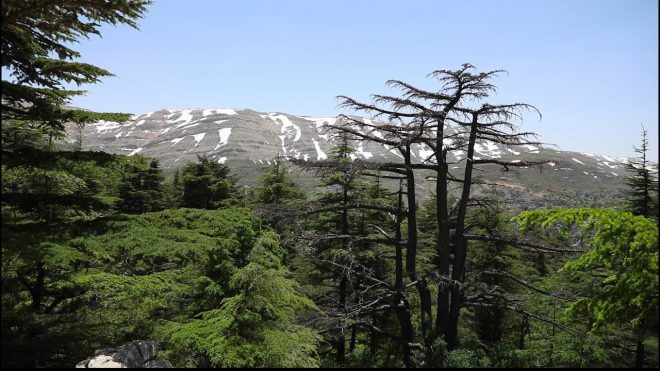
Alongside the above mentioned environmental activities, Hezbullah has also been engaged in planting trees. Indeed, trees are very important to the Lebanese. Trees, and especially cedar trees, have been connected with Lebanon from ancient times.
Climate report shows iconic cedars of Lebanon in distress
The cedar tree is the symbol of modern Lebanon and is shown on its flag. Lebanon without trees will not be the same country anymore. Hezbullah, as a Lebanese Islamic organization, has really worked hard on reforestation of the parts of Lebanon which have suffered deforestation and combating desertification is one of the stated goals of Jihad al-Binaa.
Green as a tactic of war
Yet, according to Hezbullah’s ideology, the greening of Lebanon has not been done for the sake of fighting desertification and afforestation of the country alone, but mainly as means of fighting against Israel.
The trees are a main strategic natural element in the struggle of Hezbullah against Israel. The trees have been serving as a place of refuge and hiding for Hezbullah’s fighters. The forests’ canopy used to hide ammunition, rocket launchers and other fighting means of Hezbullah. Thus, the trees have been an inseparable part of the strategy of Hezbullah’s ongoing struggle against Israel.
Therefore, from Hezbullah point of view, planting millions of trees in Lebanon is not only important from an environmental point of view, but it is also important for ensuring its present and future role, as it used to be in the past, as a vital strategic natural asset in the struggle against Israel.
Thus, the current plantation of trees and reforestation of south Lebanon, among other regions, might also serve from Hezbullah point of view as a preparation for the next cycle of fighting against Israel, when, as Nasrallah put it, “Lebanon protects the tree so that it will protect Lebanon.”
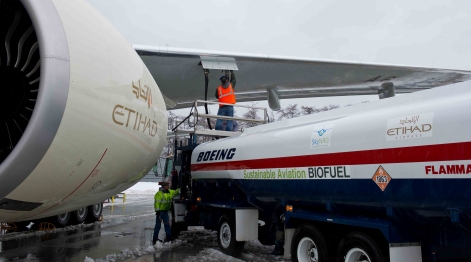
Etihad Airways operates first biofuel powered delivery flight with Boeing and Sky Energy
Etihad Airways from the United Arab Emirates scores a double play in the Green World Series: Becoming both the first airline to fly on biofuel directly from the factory and the first biofuel-flying Gulf carrier. Not yet on its fuel-efficient Dreamliners, Etihad’s new Boeing 777-300ER traveled from its Seattle birthplace to its home base at Abu Dhabi International Airport this past Wednesday.

 Five thousand Syrians have died since the uprising started but climate change could kill many more in this dry country.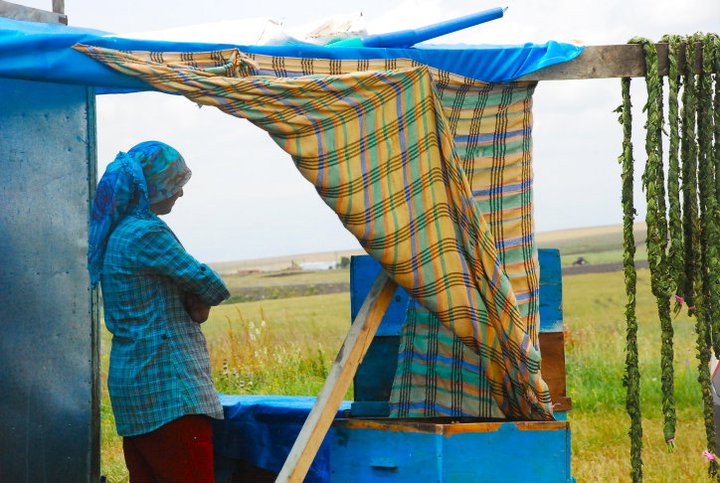

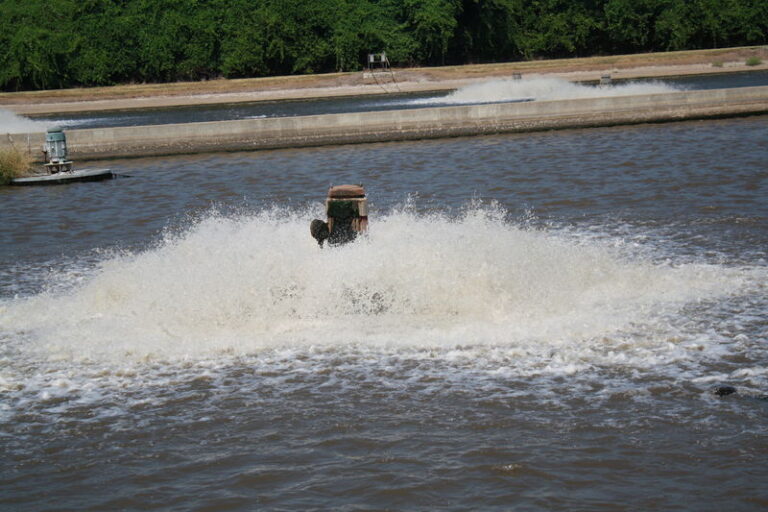
 Oxygen aerators at Israel’s IDF Nevatim Air Force Base are purifying sewage water for irrigation use. Photo: Trlabarge/Wikipedia