Home Blog Page 460

5 Natural Ways to Keep Your Skin Beautiful

50

natural beauty advisor
Inspired by our rueful post on skin care, Miriam offers 5 easy and totally natural ways to keep your face shining. Looking for a natural advisor? Search no more! 

Think of people you love – is it the light in their eyes, or the way they smile, that warms your heart, or is it their perfect appearance? Right, it’s their human beauty and warmth, not a resemblance to some fashion model. Still, everyone wants to look well. Here are some tips for preserving your natural beauty naturally.

1. Keep your skin clean, but never use commercial soap on your face. Most commercial bath soaps are really detergents. Buy handcrafted natural soap. Nowadays you can find handmade soap in drugstores and supermarkets as well as in health food stores.

Or use brown sugar for a gentle scrub that will clean but not dry or damage your skin: take a teaspoon of brown sugar in your damp hand and gently rub it all over your wet face and neck. The grains roll any dirt or grease out and the minerals in the dissolving sugar clean and nourish your skin. This is best done in the shower.

For oily skin and acne, you may use the sugar scrub twice a week. People with dry skin may do this once weekly. Those with delicate or damaged skin should not scrub, but should wipe their face with a soft cloth soaked in warm herbal tea or oatmeal water: 1 tsp. oatmeal in 1 cup water – boiled briefly, strained, and applied warm, not hot.

2. Treat your skin to a stimulating mask with once a week. Mix 1 tablespoon honey with 1 tablespoon mashed avocado, banana, or finely-grated apple.  For oily skin, add 1 tablespoon yogurt or kefir and a thick slice of cucumber. For very dry skin, blend 2 tablespoons almond, jojoba, or good olive oil with 2 tablespoons mashed fruit – avocado is especially good.

Apply to face and neck. Sit down with your feet up for 20 minutes. The mask will dry and you will feel it tighten. Rinse off carefully with warm water and pat your skin dry. Again, this is most practical just before a shower.

3. Use only warm water on the skin, never hot. Hot water dries the skin out and makes wrinkles. Forage for skin-friendly flowers to make a tonic facial rinse: purple mallow flowers, orange marigolds, yellow sow-thistle flowers and all yellow wild flowers except for mustard. Pick the flowers in season (now is the time in the Middle East) and dry them for future use. If that’s not realistic for you, use chamomile tea bags or buy your herbs from the health food store.

4. Drinking enough water is essential to flexible, healthy skin. Boost your water power by drinking at least one cup of  demulcent tea made with one of these wild herbs: plantain leaves, mallow leaves, hollyhock leaves, chickweed. Ratios are 1 tablespoon chopped herb to 1 cup boiling water. Cover and allow to infuse for 20 minutes. Strain and drink.

5. Eliminate regularly. Lack of sleep, a hangover, or constipation inevitably lead to dingy skin. One advantage to the herbal teas recommended above is that they provide slippery demulcent properties that soothe the digestive track and keep you regular.

And a bonus tip: Always, always moisturize. Learn to make your own natural lotions – there are hundreds of sites that teach how – or use plain almond or olive oil in a pinch. Commercial moisturizers promise all kinds of miraculous improvements, but they inevitably have preservatives and fillers that don’t do you any favors in the end. Good-quality oil – a few drops rubbed into your moist face – will protect and moisturize just as well, even if it doesn’t smell as glamorous. Whichever way you choose, never expose your face to sun or wind without protective moisturizer on it.

 Things you should know about commercial skin products:
 

What’s in season February

5

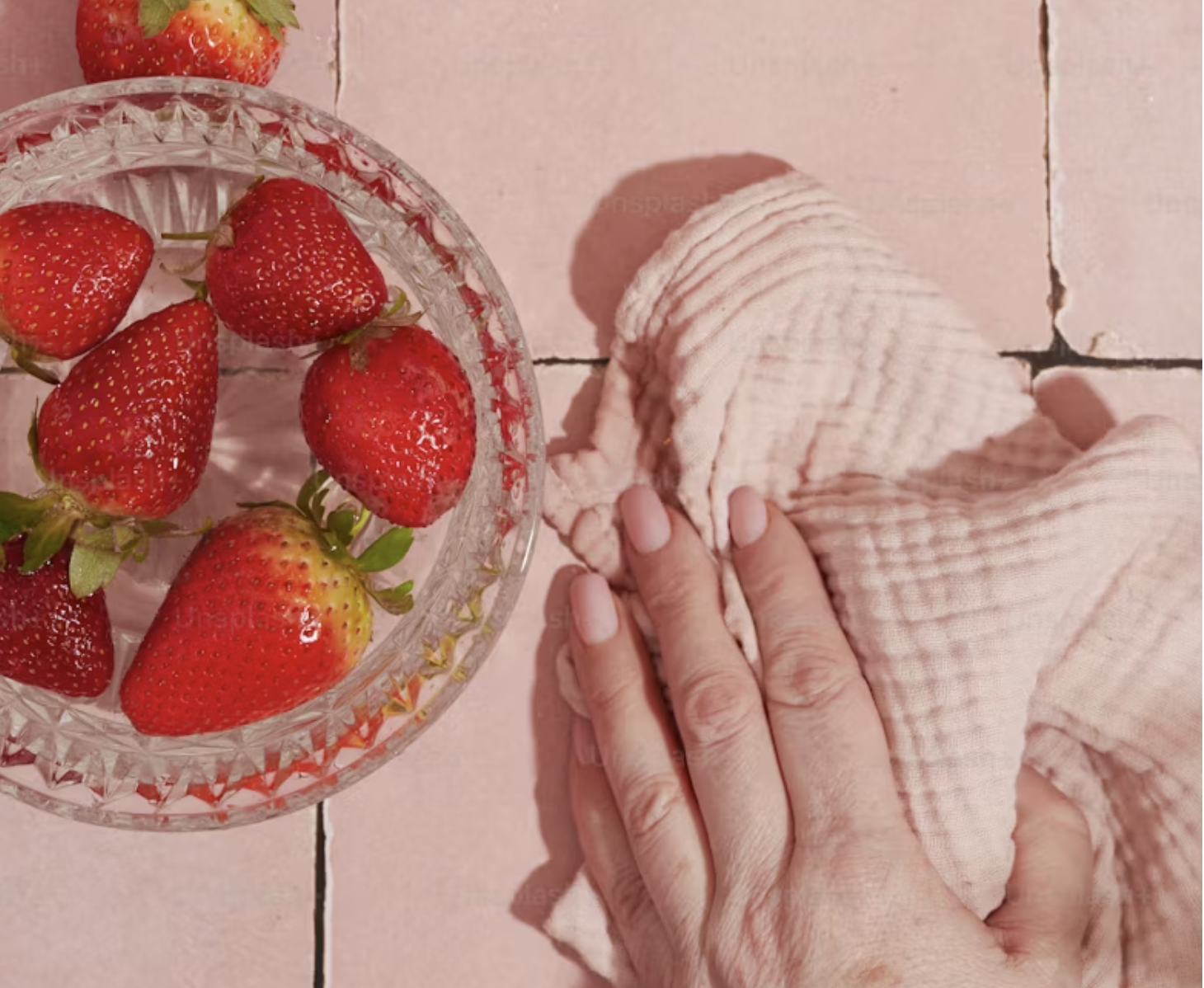
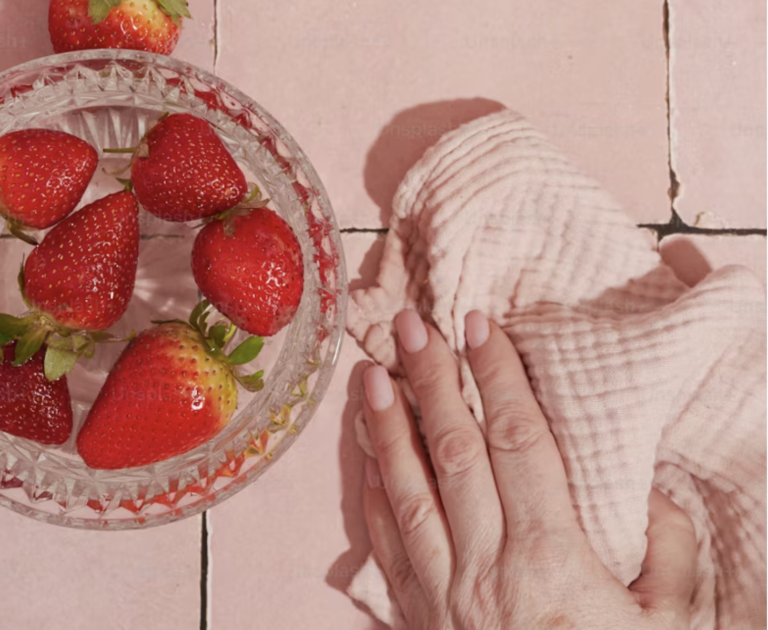
strawberry with hipster hand, pink nail polish

Late winter in the Middle East brings lower prices in the market

It’s strawberry time again in the Middle East. The sweet red berry’s price has come down to the point where even a careful shopper can allow herself a little indulgence. But let’s wait another 4 to 6 weeks for prices to fall even more; then we can economically make strawberry preserves to last the whole year.

All citrus continue in full flush. Big pomelos with thick rinds, thin-skinned clementines, oranges (see our Moroccan orange salad recipe), lemons – including the little, round lemons so good for pickling in salt – are still abundant and inexpensive. Kumquats are practically falling off the trees in gardens, and in the shuk their price is reasonable.

Vegetables

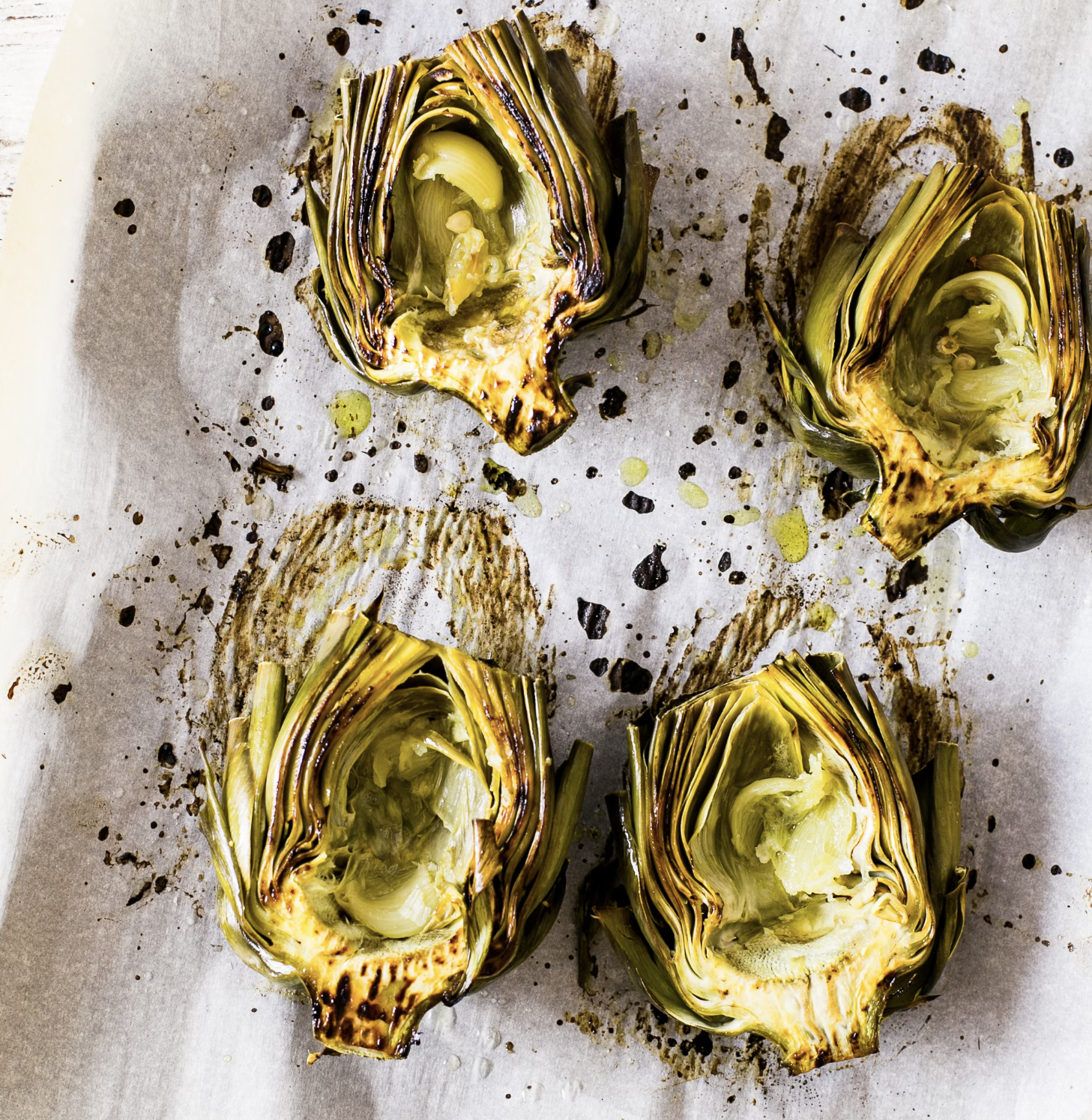
The name comes from ardishok which means "earth thorn" in Arabic. It is called kinress in the Jewish Mishna, a word used in modern Arabic, according to Nature's Wealth, a book on the healing plants based on the teachings of Rambam, a Jewish sage. According to the Rambam, artichoke can heal urinary stones, and it lowers blood pressure. It can help cardiac pain, depression, and it may be an aphrodisiac. They should be avoided if you have impaired kidneys.
Artichokes, one of the first vegetables known to mankind

Artichokes are in the markets and coming down in price, but still not in full season. Red and green cabbages are excellent and inexpensive. All the nightshade family vegetables are looking handsome, with fair prices: eggplants, tomatoes, peppers, red and white potatoes.

Root vegetables are always best in winter, when plants store most nutrition in their underground parts: carrots, kohlrabi, beets, turnips and radishes. Now we see black Spanish radishes, daikon and other white radishes as well as the usual round red ones. Celeriac and parsley root are excellent now – peel and put them in your soup, or roast them as you would potatoes. Jerusalem artichokes, full and lovely with their brown/pink coloring, are not cheap but worth buying for an excellent roast vegetable side dish, or soup.

Zucchini and all squashes are at reasonable prices although not at their very best. Pumpkins, however, are good, and not expensive now. Try a soup of pumpkin and squashes, with a bay leaf, some cilantro, an onion and a medium potato. Remove the bay leaf and blend the soup before serving. Simple and comforting.

Slender hot-house cucumbers are always stacked up high on the vendor’s tables. Indeed I wonder how Middle Easterners would survive without their tomatoes and cucumbers. Both are at surprisingly good prices, given that they’re really hot-weather plants. Yellow and red cherry tomatoes, probably hot-house produce, are good but expensive.

Local garlic isn’t worth buying now, being last year’s crop – withered and sprouting. Yet if you’re determined to avoid imported garlic which may be processed with chemicals, it’s a cook’s only choice. I’m still cooking with sprouted garlic – as long as it’s sound inside (not rotten), it still works. Onions are cheap but have to be chosen carefully at this time: most are also sprouting.

Fennel, cauliflower and broccoli are handsome and worth buying, even at the slightly higher price than January’s.

image-stir-fried-asparagus

Asparagus, never cheap but now quite attractive, has started its season. Mushrooms seem to be in season all the time nowadays – probably because they’re cultivated indoors. String beans and flat Italian green beans are good now – another slightly expensive vegetable treat.

Herbs in season

Fenugreek, watercress, sour grass (schav), parsley, bitter wormwood (sheba) coriander, dill, mint, Thai basil, tarragon, chives, scallions. Always displayed together with Swiss chard and lettuces, the herb displays at the shuk fill up big tables.

Lettuces are varied and good: cos (Arab) lettuce, iceberg, ruffled purple and green. Celery stalks are fat and good.

Avocados, which we treat as a vegetable although they’re a tree fruit, are very abundant and cheap. Now’s the time for guacamole.

Fruits in Season

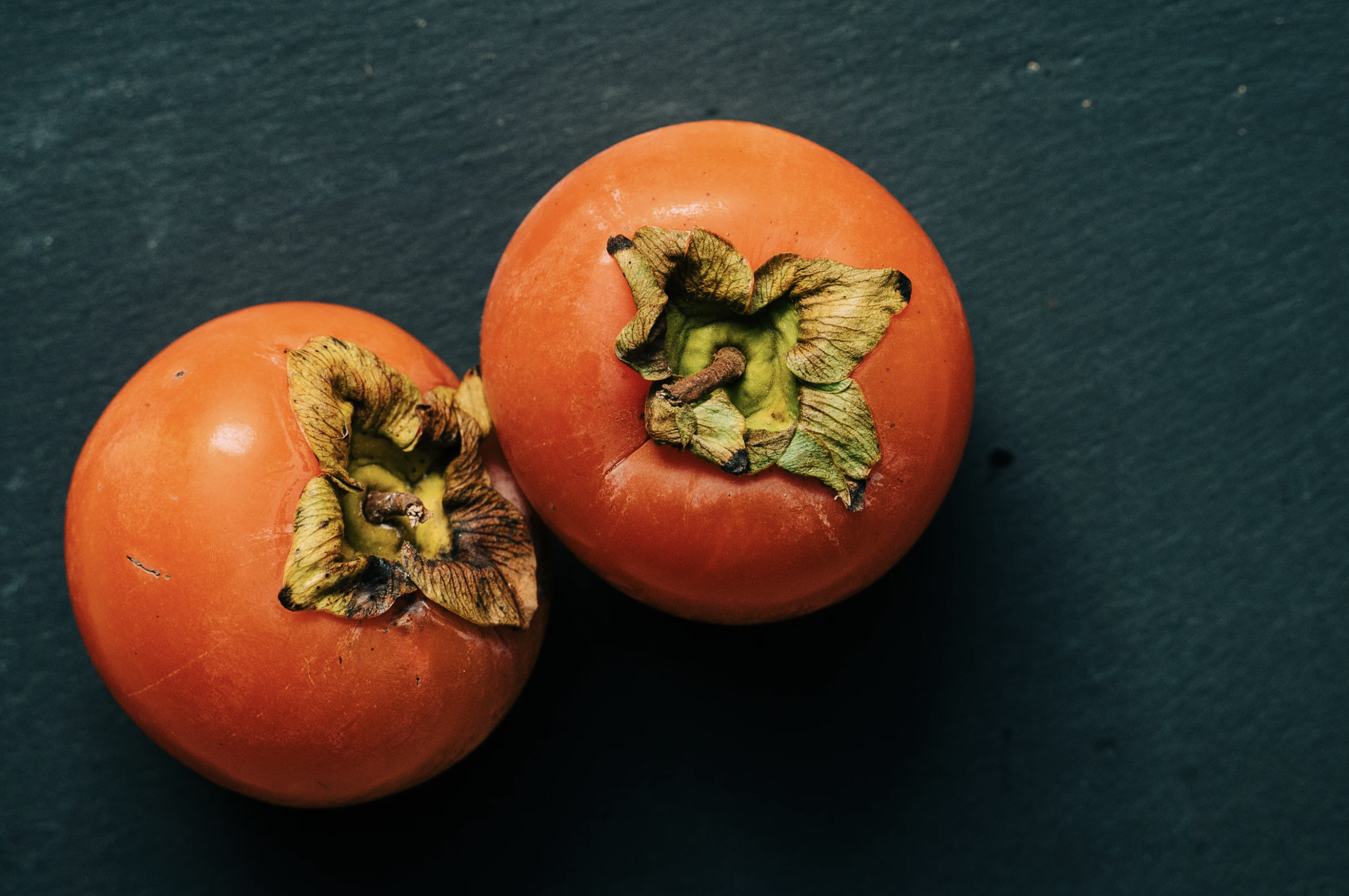
Fruit: There are still a surprising amount of beat-up pomegranates. Last season’s big food fad was pomegranate seeds, which is probably why there’s surplus now. Bananas are handsome and sweet. Apples are slightly higher priced. Pears are still in, but not very good – at least, the ones I’ve seen. Persimmons are in season and their high Vitamin A content makes it worth eating a couple every week.

Persimmons

Kiwis are also in full season, but are expensive. Passion fruit is in the shuk now. There are some grape varieties and melons, but unless you have a serious craving, they’re best left for their proper seasons. The yellow, angled carambola fruit is to be found, but being a specialty fruit, is more a treat than part of the daily diet. There are plenty of very small pineapples, each quite cheap but only yielding enough meat for 1-2 servings. The most worthwhile fruit right now is citrus.

Forager’s Notes for February

Wild mustard has turned empty fields and lots yellow now. These weeks are the best for picking wild edibles and medicinals. Pick now before they become infested with warm-weather snails and caterpillars:  nettles, mallows, plantain leaves, wild yellow and white mustard, cleavers, chickweed, henbit, chicory, shepherd’s purse, sow thistle, milk thistle, wild marigolds, wild beets, fumaria, herb Robert.  In hilly cold regions you may find early dandelions.

nettles with pink hipster background
Nettles make a great rinse for the hair and are replenishing in tea. Pick them before they flower like this.

Avid photographers may want to go on field trips to capture citrus and almond blooms on the trees. A lovely thing to do with citrus flowers is to stir them into a little honey. Close the jar loosely – the juices in the blooms will ferment on contact with the honey and you may get a pop! when you next open the jar. Leave the honey alone to infuse for a week or two – it will be deliciously flavored with the flowers then.

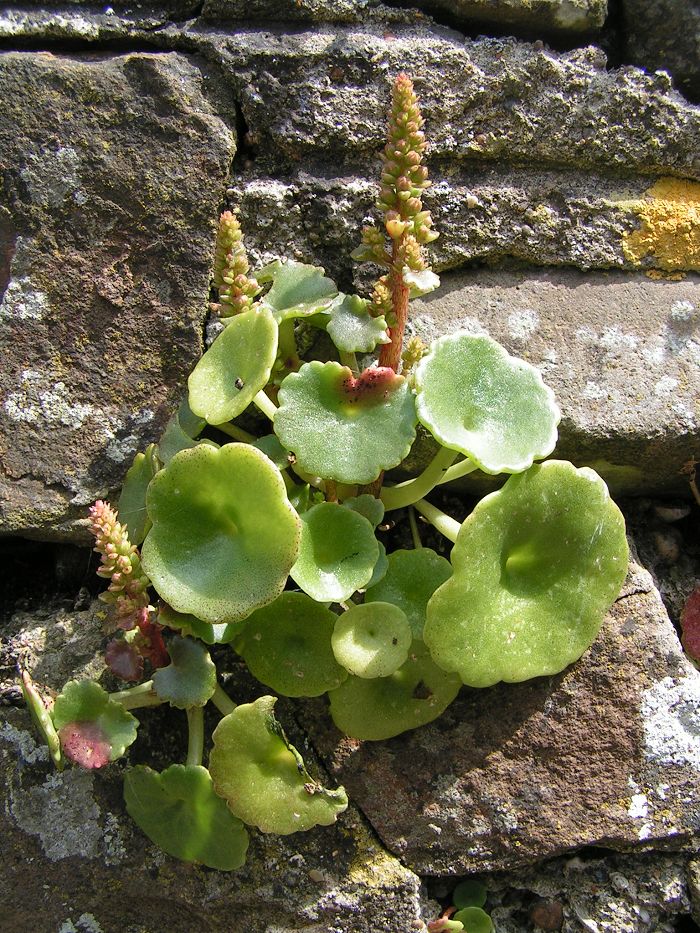
Navelwort

Start looking for navelwort if you make your own moisturizers – infusion of navelwort is wonderful in lotions. Easy wild skin care recipe: collect all the yellow flowers except for mustard: pour 1 cup boiling water over a good handful of them: allow to steep 4 hours. Strain, warm up gently (do not boil again) and use the tea as a cleansing facial rinse. Pat dry. (You do not want mustard flower tea on your face or in your eyes!)

Seasonal recipes using local ingredients on Green Prophet:


5 Things to Avoid to Keep Your Complexion Beautiful

8

smoking, complexion, eco products, skin care, healthy skin, water, beauty, Middle EastWhen professional photographer Alex Tricani sent this image, I couldn’t get past the giant red craters on my face. 

I’ve always been incredibly lazy about beauty. This isn’t because I don’t dream of being an illustrious goddess who rides into the sunset with an equally exotic suitor, but because tending to my mind and soul has always taken priority. Every so often I’ll spend money on a nice haircut, but most of the time I do as little as possible to retain my youthful looks.

This philosophy used to work pretty well for me and my friends were jealous of my unblemished skin – until I lived in Viet Nam for four months. My skin has never recovered from Ho Chi Minh City’s pollution, and I’ve done a terrible job of bringing it back to life. Don’t be like me. Avoid the following five things to keep your skin looking so much better than mine.

Exciting “Stars of Science” Reality TV Show Completely Lacks Green Vision

3

design, Stars of Science, Reality TV, green design, sustainable development, Arab, Clean Tech, Middle East, Qatar, peak oil, science and technologyThe Stars of Science reality TV show would be so much more exciting if it spurred sustainable ideas.

Perhaps we shouldn’t begrudge the Arab World’s first serious reality TV show, particularly since Stars of Science was designed to encourage more youth in the region to pursue science and technology. But it’s hard to turn a blind eye to some of the inventions coming from this show when the Qatari government is spending tens of millions of dollars to produce it.

Like Abu Dhabi, where Masdar City – the Middle East’s most ambitious study in sustainable development – was born, oil-rich Qatar is building a lagging knowledge base for the day that oil runs out, but that’s where their similarities end. While Abu Dhabi has been voted the “greenest” of Gulf countries, Qatar’s western-ish televised competition has yet to produce genuinely sustainable innovations. 

Siemens Sells First 100 MW of Turbines to Morocco

1

The German renewable energy giant Siemens Energy has just secured its first wind turbine orders within Africa, with orders for two new wind farms going up in Morocco.

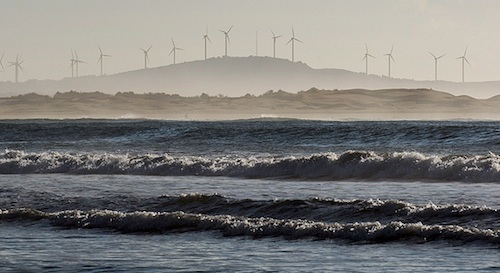
Siemens will supply turbines with a total capacity of 100 MW, 50 MW to the Haouma Wind Farm project in Northern Morocco, and 50 MW to Foum El Oued in Southern Morocco. Siemens has a 50 year history in Morocco, and supplied the electrical infrastructure for Morocco’s 60 MW-Essaouira wind farm (shown), so it would be natural for Morocco to turn to the engineering giant now that it is launching its renewable energy sector.

Plus – Siemens is one of the biggest backers of the Desertec Initiative – now beginning in Morocco.

Marrakech’s Organic Vegan/Vegetarian Earth Cafe a Delicious Alternative to Lamb Testicles

0

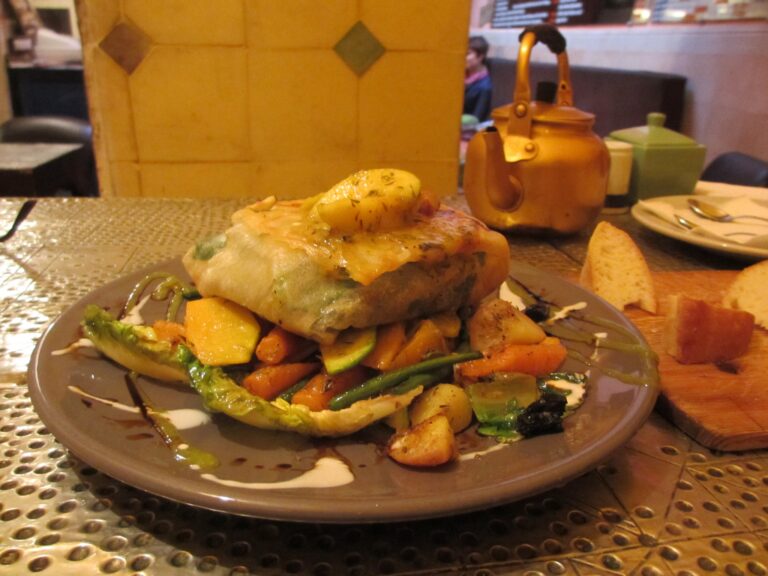
"vegetarian cafe marrakech"Vegetarian cuisine doesn’t have to be boring – Moroccan flavor can spice it up.

When people think of Moroccan cuisine, they may think of some pretty exotic dishes – such as, say, deep fried lamb testicles.  As someone with Moroccan roots I can testify that there are some out-of-the-ordinary Moroccan foods, such as pastilla filled with pigeon meat and lamb tongue, but the Moroccan kitchen is also filled with plenty of vegetable-based and vegetarian-friendly foods as well.

On a recent trip to Morocco (during which I had mentally prepared myself that I’d settle for eating vegetable tagines and vegetarian couscous the whole time), I was pleasantly surprised to discover a farm-to-table organic vegetarian/vegan cafe with two locations in Marrakech and one in Essaouira.  And after visiting two of the three locations, I was even happier to discover that they were delicious.

Long-Awaited Wildlife Corridor Becoming Reality In Turkey

5

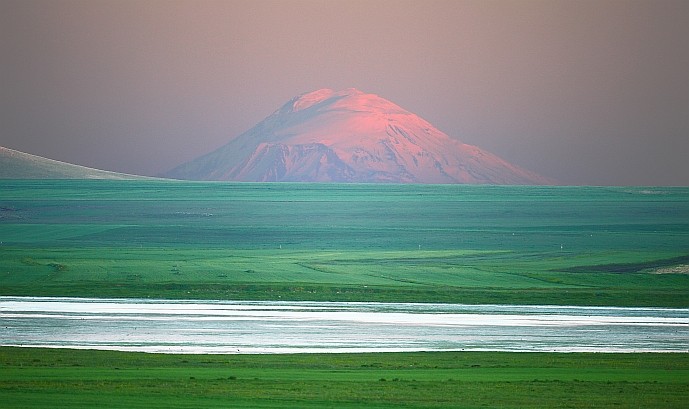
Majestic Mt. Ağri presides over Turkey’s Kars region, one of the world’s richest biodiversity areas and the entrance to a new protected area in eastern Anatolia.

The large mammals of Turkey aren’t doing so well these days. As new developments have eaten up more and more of their habitat, leaving them stranded in island forests, their food sources have dwindled and their encounters with human predators have risen.

For the past four years, Çağan Şekercioğlu has been lobbying the Turkish government to create a protected corridor for the country’s diverse wildlife, with the support of various international foundations. Last month, Turkey’s Ministry of Forestry and Water Works finally approved a plan for the corridor.

Boy Drowns In Sewage Water Basin in Gaza

3

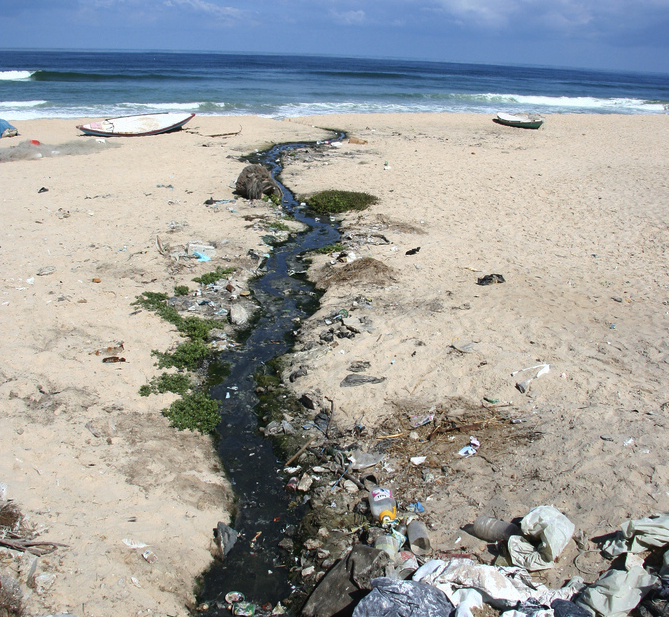
According to PCHR, poor sewage infrastructure in Gaza poses a threat to “the safety and security of Palestinians – especially children”

On the afternoon of 11th of February, Ahmed al-Zein, 10, from Beit Lahia in the Gaza Strip went out with his friends to hunt birds. They made their way to a sewage water basin near the Bedouin Village where the birds gather. Approximately an hour later, Ahmed’s family learnt that he had fallen into the sewage basin. His family rushed to the basin along with crews of civil defense workers, who managed to find his body three hours later.

The Palestinian Centre for Human Rights (PCHR) is now demanding an investigation into the drowning and for those responsible for providing protective measures around the basin to be identified and held responsible. 

The World’s Most Beautiful Mosque in Malaysia is Vulnerable to Rising Seas

1

design, architecture, rising sea levels, greenhouse gases, Malaysia, Malacca Mosque, Strait of Malacca, Mosque, global warming

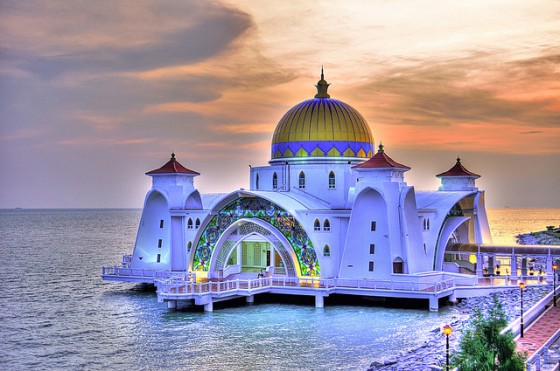
The Malacca Straits Mosque in Malaysia is arguably the world’s most beautiful and it is vulnerable to rising seas.

Malaysia is one of the few countries that share Dubai’s obsession with manmade islands and grandeur. We have often cast a critical eye on the Emirate’s core developers for building artificial islands that have wrecked havoc on the Gulf’s marine environment, but the danger doesn’t end there.

As increasing levels of greenhouse gases choke the planet and giant plumes of methane fast-track global warming, glaciers and ice caps melt, leaving all low-lying and coastal developments vulnerable to rising sea levels. Take a look at the beautiful Malacca Straits Mosque in Malaysia. It was propped up on concrete pillars, but how will it fare in a few decades when the Strait of Malacca is one meter higher?

Maltese Hunters Legally Massacre Egypt’s Protected Birds (Video)

1

BirdLife Malta, Maltese Hunters, wildlife Conservation, animal conservation, birds, Egypt, hunting, Lake NasserIn the video below the jump, Maltese hunters are depicted shooting Eagles, Falcons, Vultures and other protected bird species.

The Avian Influenza outbreak had at least one positive outcome in Egypt: it kept both local and migratory birds safe from hunters. But last year in December the government re-opened the country to what seems to be a permanent hunting season without any kind of regulatory oversight, leaving Maltese hunters and others free to conduct wild killing sprees that frequently result in the deaths of untold numbers of birds.

This video was released by the Committee Against Bird Slaughter (CABS) to raise awareness of what one conservationist called “crazy fanatics” from Malta, who aren’t hunting as much as they’re slaughtering even endangered species.

Architectural Symposium to Discuss Green Habitable Environments in the Negev Desert

0

"desert architecture eco-friendly"“Active Matters” symposium will discuss how desert living can become more eco-friendly.

Environmentalists agree that dense urban living is more eco-friendly (just ask Tel Aviv city architect Yoav David), but desert life is a little if-ier.  Living in a sprawling desert, far from water and other resources, could be taxing on the environment since it may require the transportation of food and utilities.  But it doesn’t have to be.  With some creativity – such as that found at the Israeli Shenkar College of Engineering, Design & Art – desert life can be greener.

After hosting a ten day interdisciplinary workshop exploring environmental studies, manufacturing technologies and parametric design, Shenkar will be holding a symposium about new green habitable environments in the desert (and specifically in the Negev desert).

McDonald’s Drops Pink Slime But Questionable Products Remain

3

pink slime mcdonaldsThis is not bubble gum or cotton candy folks; this is pink slime in all its glory! Photo via US News

Following McDonald’s announcement that they are no longer using pink slime in their hamburger patties, news of this issue has been spreading around the world. Since McDonald’s can be found from Israel to the United Arab Emirates, we have also addressed the issue. Such postings, including our meat glue article which was picked up on Snopes, are not intended to raise public hysteria but to fact find.  Similar topics have included possible ceramic coated cookware dangers and meat products containing the substance transglutaminse otherwise known as meat glue.

New El Mandara Eco-Haven Pops up in Fayoum, Egypt

0

eco-tourism, travel, nature, Fayoum Oasis, Cairo, tourism, eco-lodge, eco-resort, green building, local materials

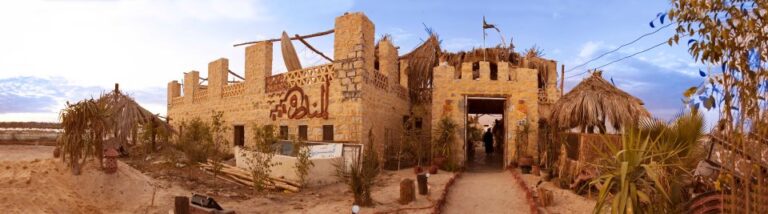
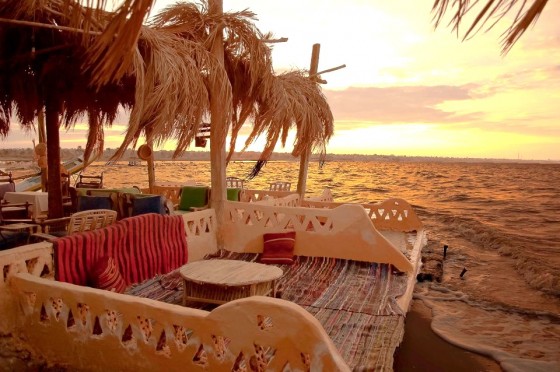
This new eco-resort in the Fayoum Oasis offers tourists and locals respite from Egypt’s ongoing chaos.

Without the steady influx of tourists and constant political trouble, Egyptians are wondering when their lives will ever return to normal. But the folks at El Mandara eco-resort in Fayoum promise that visitors to their new facility will experience the “real” Egypt and become re-acquainted with their inner selves. Sitting astride Lake Qarun in the Fayoum Oasis just one hour and fifteen minutes drive from Cairo, this tranquil eco-haven was built with environmentally-friendly building materials and pays deep respect to its incredible natural surroundings.

Is Light Pollution The End of Arabian Nights?

5
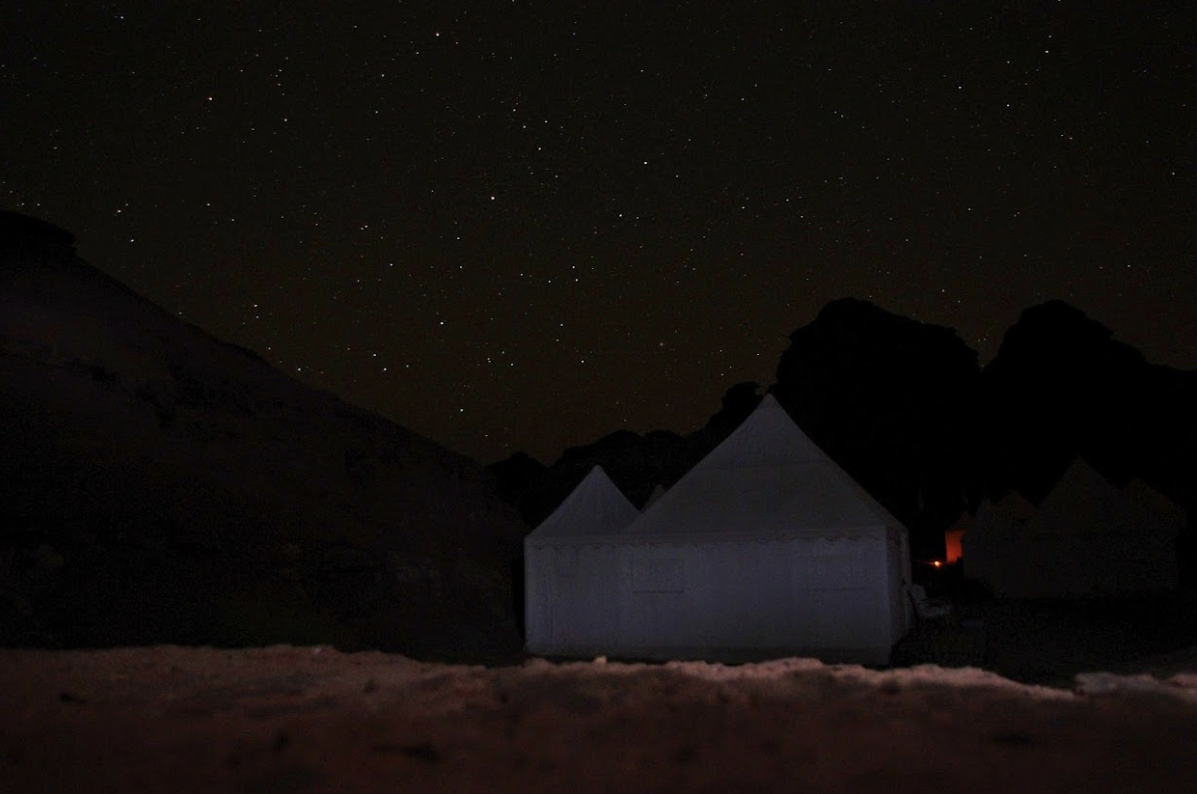
Wadi Rum camp and stars
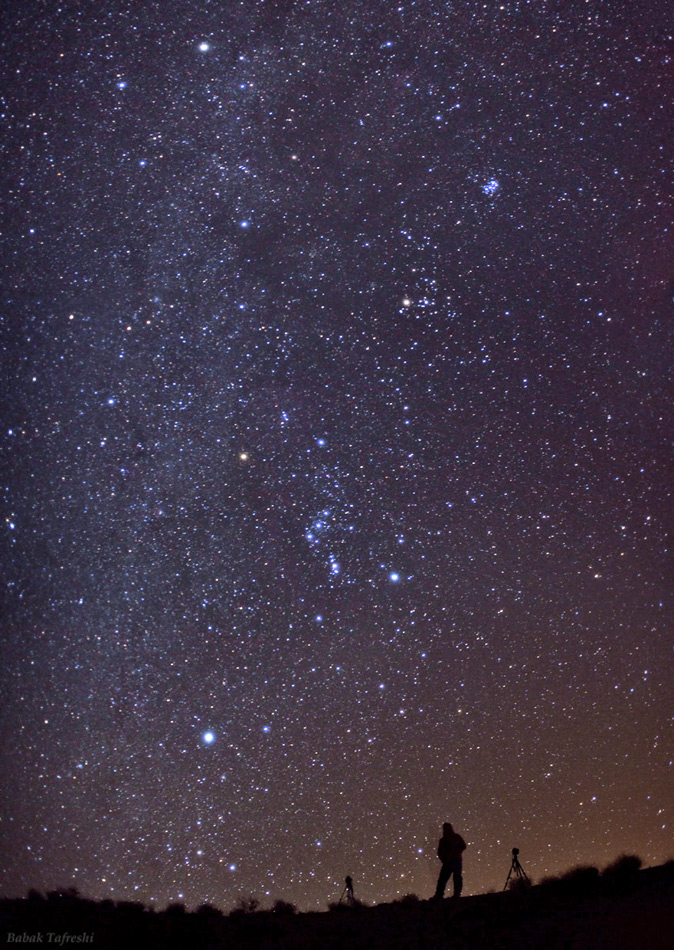
The stars come out in Wadi Rum at night

What if no one had ever witnessed the beauty of a dark night sky?  The ancient light of distant stars inspired Middle Eastern art, mythology and science. While Medieval European leaders shunned astronomical observances which challenged our place in the universe, Middle Eastern civilizations embraced the night sky.  It told them when they should plant, when they should harvest and when they should pray.  It was nature’s calendar and clock.

When the ancient Egyptians saw Sirius rise with the sun, they knew the Nile would soon overflow its banks at Memphis. Egyptian builders aligned the great pyramids at Giza with the three bright stars in Orion’s belt.

Aldebaran, Algor, Altair, Betelgeuse, Mizar and many more of the brightest stars in the sky bear Arabic names.  The stars tested our vision and gave us something to strive for.

The same winter constellations, this time the lights of Dubai blot out all but the brightest stars.Here you see the same winter constellations, this time the lights of Dubai blot out all but the brightest stars. The same constellations as those seen in Wadi Rum. Only the moon and a few stars are visible over Dubai’s glare.
But even as our civilization reaches for the stars, we are becoming increasingly detached from the night sky.  International organizations are considering whether to disconnect human time from the stars.  Christian Easter, Jewish Passover and the Muslim calendar maintain alignment with the phases of the moon, but will it soon be impossible to see the new moon in the glare of cities such as Dubai, which some astronomers consider to be the most light-polluted city on earth?

See NASA’s light pollution of the Middle East:

This video above taken from the International Space Station shows the extent of the light pollution problem across the Middle East.

All of the lights in this video represent wasted energy.  Millions of barrels of oil are burned to generate electricity to power lights whose energy escapes into outer space. In a bold attempt to glorify ourselves and our cities, we’re washing out the gift of the night sky.  Human insecurity also contributes to light pollution.  This ranges from misdirected home security lights to India’s terrible plan to illuminate 1248 miles of the India-Pakistan border with floodlights.

The first step in in solving the problem of light pollution in the Middle East is to recognize that it is a problem.  Dubai’s Environmental Protection and Safety Section  released a report indicating that light pollution is a problem.

Imagine if One Thousand and One Arabian Nights had ended on the third page with King Shahryar telling Scheherazade:

“The sun has risen.  I must fulfill my oath and execute my wife before she betrays me.”

And Schedherazade replies with her final words, “But master, that is not the sunrise. It is merely the lights of a new shopping center.”

Iraqis love Valentine’s Day. We don’t love new consumerism

0

Valentine's Day, Iraq, consumer culture, environment, green issues,

As it turns out, I haven’t received a Valentine’s Day gift since 2006, but even when I wasn’t single and out saving the world, I never encouraged my boyfriends to give me chocolates or flowers. A book? A sweet card? Maybe. But since anyone can go out and buy a box of chocolates at the last minute without putting any real heart into it, having red gifts never appealed to me.

So when I read that Iraqis are celebrating a surge of red-lined shelves this Valentine’s Day after enduring war for so long all kinds of complicated thoughts arose. On the one hand, I rue this wasteful “holiday:” chocolate production and cut flowers are often associated with human rights violations and environmental devastation, but on the other hand, how can I begrudge Iraqis a bit of lighthearted fun?

Valentine’s Day is for everybody

“Valentine’s Day is for everybody — not only for lovers,” an Iraqi school administrator named Lina told the Jordan Times, adding that, “It’s for you and I, for me and my brother, even for someone on the street. It’s not just about me and my fiancé… Iraqis need happy moments to make them forget what they have been through — we have had enough sadness.”

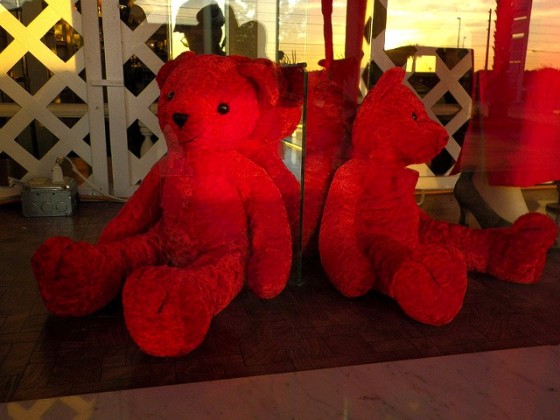
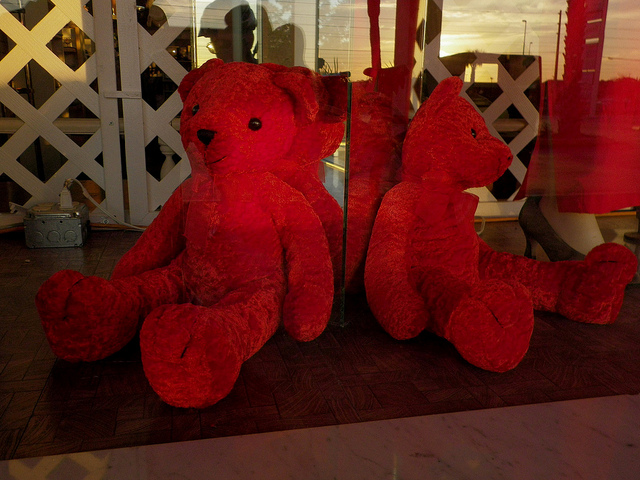
Nina was browsing through stocks of all kinds of red “stuff” – teddy bears, lip-shaped pillows, red scented candles, heart-shaped purses, and even silky nighties. Having access to this suggestive merchandise is a new thing in Iraq, which is a conservative country, and Nina associates it with a new found openness and happiness even as bombs continue to fall in certain neighborhoods.

Conservative Muslims are concerned about this new trend since they fear it will usher in a more casual western attitude toward relationships, but one shopkeeper told the paper that he expects to sell all of his love goods since the holiday is becoming increasingly popular.

This is a huge step in the right direction. Unmarried people can show their affection for one another without fear that the moral police will nab them and a more loving ethos will become increasingly acceptable. But what will it take to dispel the notion that love can be expressed with things? What will it take to de-commercialize the most sacred of all states of being?

Love can’t be expressed with things

The belief that anything about our true nature – our class, our status, our success, our love – can be revealed with material goods is at the root of our environmental and social problems.

In 2010, the Guardian reported that humanity’s cult of consumption and greed are the biggest threats to our planet. These traits are so powerful that they derail even the best laid government plans to mitigate climate change. So the idea that we (wealthy westerners) have spread this unloving quality to the rest of the world fills me with untold regret.

The Institute of HeartMath (IHM) reported that the heart is like a radio station that “broadcasts a pattern of information on a radio wave through its electromagnetic field. That pattern changes based on what we are feeling. The pattern that’s broadcasted through the heart’s electromagnetic field can be detected (measured) in another person’s brainwaves, when two people are touching or in close proximity. In other words, we are always transferring nonverbal emotional information to each other.”

The gift of dyed teddy bears will not make your partner feel special for more than a fleeting second, but touch, good thoughts, and genuine care can last a lifetime. The ancients have always known this. It’s time for us to turn our backs on consumer culture and reclaim our hearts.

:: Jordan Times

image via flickr, dno 1967b

More on Valentine’s Day:

Going Green for Valentine’s Day

Muslim Couples Required to Plant Trees Before Marriage

7 Ways to Green Your Wedding Day