Home Blog Page 452

Seimens and Volkswagen Drive the Middle East Green

VW Touareg HybridVW Touareg energy saving  Hybrids, like this one, will soon be seen on Arab Gulf roads

Luxury cars like white  gold Mercedes Benz coupes and American high line cars like Cadillacs  have been driven by affluent people living in the Arab Gulf for years. Due to the availability of oil there, not that much attention has been given to making these high priced cars more environmentally friendly; even though one gold Mercedes model is reported to run on biofuel.  This situation may soon be changing, however, due to two of Germany’s largest manufacturing companies, Seimens and Volkswagen are reportedly teaming up to make drivers that work for Seimens in the United Arab Emirates more environmentally conscious.

Eilat Energy Conference Aims to Green A Desert And A Country

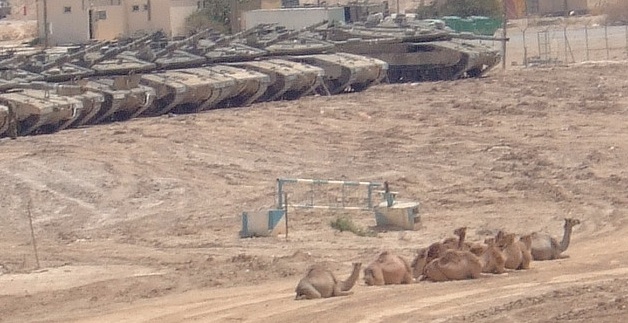
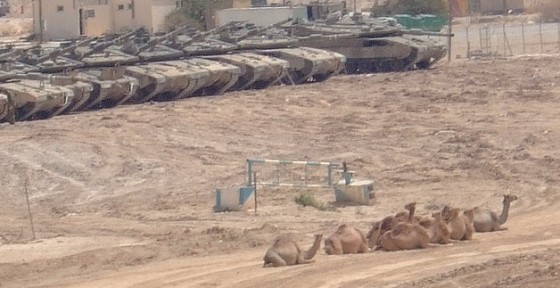
tanks camels israel negev desert

Israel’s vast and dry southern Negev desert may actually help the country go green and just in time for the country’s 2020 10% renewables goal.

At the Eilat-Eilot Forum for Renewable Energy Policy last week, energy experts discussed a recent report, still in draft form, of the Organization for Economic Cooperation and Development, called Cleantech in the Negev as an Engine for Regional Development. The report, composed of several local case studies, was carried out by request of the Ministry of Industry, Trade and Labour (MOITAL) and is part of the OECD review series on Boosting Local Entrepreneurship and Enterprise Creation.

World’s Largest Solar Yacht PlanetSolar Tours Mideast on Final Leg of Around the World Voyage

0

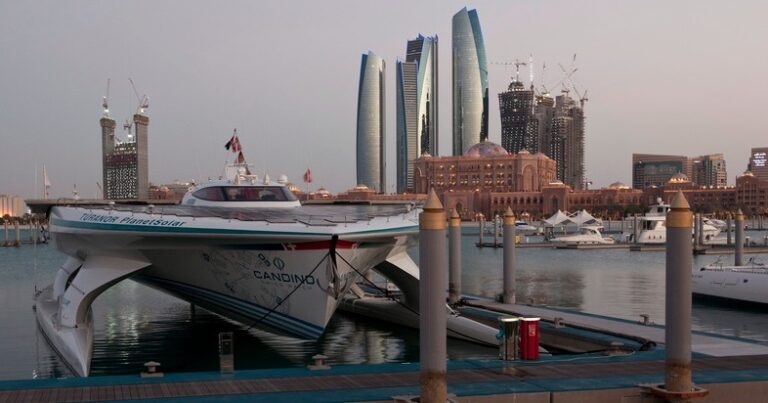
Tûranor PlanetSolar abu dhabi yacht

PlanetSolar’s solar yacht in Abu Dhabi.

After spending some time in Qatar, Tûranor PlanetSolar crossed the Persian Gulf into the United Arab Emirates. It overcame some bad weather and a severe technical problem with the pitch controller for one of its steering propellers to arrive in time for the World Future Energy Summit at the ANDEC convention center in Abu Dhabi.  After arriving back in Monaco it will have become the world’s first photovoltaic yacht to circumnavigate the globe.

US Researchers Clean Waste Water & Create Energy in One Generator

waste water treatment, energy, clean energy, reverse electrodialysis, microbial fuel cells, Penn State University, clean tech, Middle East, GulfThis machine cleans waste water and generates energy at the same time.

Researchers from Pennsylvania State University have developed technology that treats waste water and generates energy at the same time – two priorities for Middle Eastern municipalities. Combining Reverse Electrodialysis (RED) technology developed in the Netherlands and Norway, which harvests energy where fresh water and sea water meet, with Microbial Fuel Cells (MFC) that use organic matter to create an electric current, Professor Bruce Logan and his team have found the ultimate solution for developing countries that have limited access to water and power.

Saudi Arabia, Corals, Aviation and Basil – Green News Snippets

0

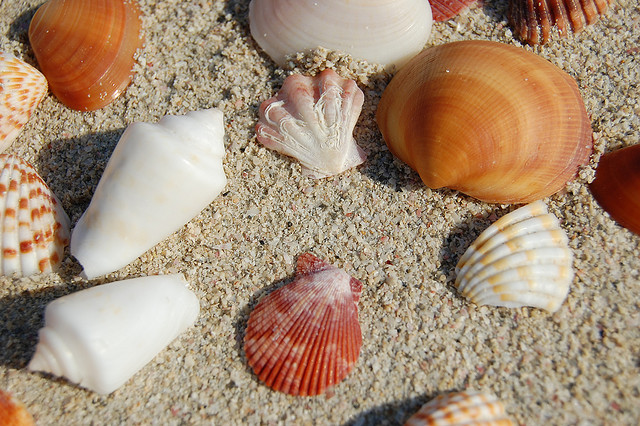
corals and shells saudi arabiaFrom  super corals in the Arabian Gulf, basil planting in Palestine to aviation and Saudi Arabia’s mixed climate message

It’s been another busy week here at GreenProphet and we hope you’ve been enjoying our news offerings. We’ve covered everything from pink farming (yep, you read right), the shocking NASA images of Iran’s salt lake Urmia and Laurie also launched our very own plastic bag challenge. If you are still after more green news from the region, then enjoy our hand-selected news snippets for the week.

Earth-Loving Kibbutzniks Help Build Luxury Waldorf-Astoria Hotel in Jerusalem

0

green building, earth architecture, Neot Smadar Kibbutz, green design, sustainable design, Jerusalem, Waldorf-Astoria, Palace Hotel

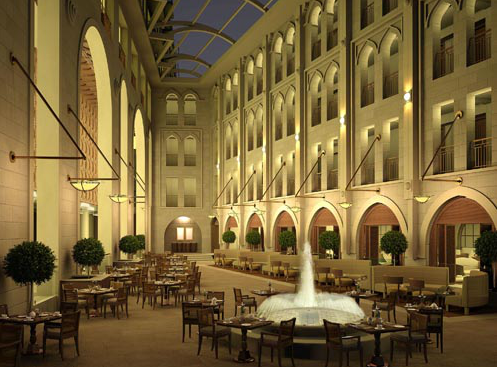
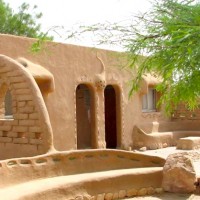
Earth-loving kibbutzniks applied their green building techniques to the luxury Waldorf-Astoria hotel in Jerusalem.

Residents of the Neot Semadar Kibbutz in Israel’s Negev desert have been constructing green buildings for decades, but they’ve never operated beyond their own turf – until now. Tasked with resurrecting Jerusalem’s Palace hotel as the 223 room Waldorf-Astoria, world-renowned Turkish architect Sinan Kafadar sought out their expertise while finishing off the interior.

A founding member of the kibbutz, Mordechai Corcos told Israel 21C that he and other kibbutzniks have never worked on a project outside of the desert, but he felt honored to employ techniques regularly practiced on the numerous colorful green buildings at Neot Semadar to restore the historic 1923 hotel.

Land and Sea Bridge To Connect Saudi Arabia and Egypt

11

red sea causeway, egypt, saudi arabiaPlans to build a Red Sea bridge connecting Saudi Arabia and Egypt have been revived but there are some serious environmental concerns

More than two decades after it was first planned, Egypt and Saudi Arabia may be about to start work on a land and sea bridge connecting the two countries. The proposed bridge would run 50 kilometres from the Tabuk region in Saudi, across the Red Sea to the Gulf of Aqaba in Egypt. Conservationists in Egypt have however raised concerns about the possible destruction of coastal and marine environments in the process of building the bridge. Some explain that the bridge could negatively impact protected areas including coral reefs, the nesting grounds of turtles and the Tiran Island sea birds.

CleanTech Group and WWF Name Israel as 2nd Top Cleantech Producer

Cleantech, oil, natural gas, WWF, Cleantech GroupIsrael tops the global clean tech charts once again!

A recent report compiled by Cleantech Group and the World Wildlife Fund shows that Israel is only behind Denmark in terms of its clean tech prowess. The tiny country beat out Sweden, Finland, the United States and other leading national innovators. Called “Coming Clean: The Global Cleantech Innovation Index 2012,” the report evaluated the top 38 countries investing in clean tech and ranked them according to their the establishment of startups in proportion to their overall financial strength.

6 Green Buildings That Won’t Break the Bank

0

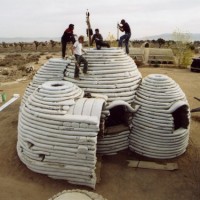
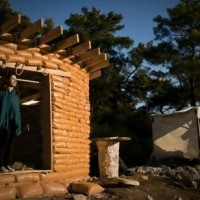
All suited to the Middle East climate and budget, here are 6 green buildings that just about anyone can build without a mortgage.

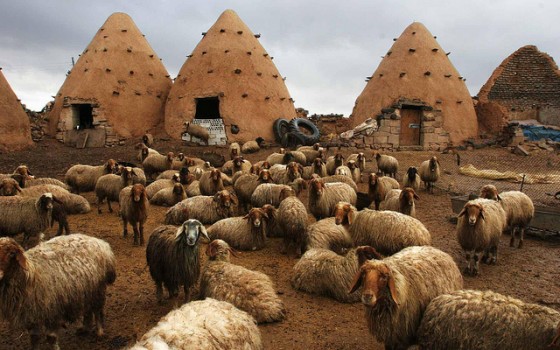
People often say of green building projects that they aren’t affordable. This is true if you’re shooting to live in a glittering LEED certified urban high rise in Dubai or Saudi Arabia, but if you belong to the 99% of the population who wants a relatively simple, soulful home in which to hang a few plants, grow some herbs and vegetables, tap into the sun, and live in peace without wondering if the electricity is going to get shut off, then this post is for you. Here are six sustainably-built structures that cost very little to build. Some have been around for hundreds of years and a couple of them are new, but in each case they are accessible to everyone.   

First Middle East Carbon Market – Dubai!

2

Dubai is not the first Middle Eastern country you think of when you think climate-friendly. That’s about to change.

Dubai will develop a strategy to reduce carbon dioxide and greenhouse gas emissions, as well as recommendations for ultimately monetising them through a groundbreaking carbon trading scheme, it was announced today.

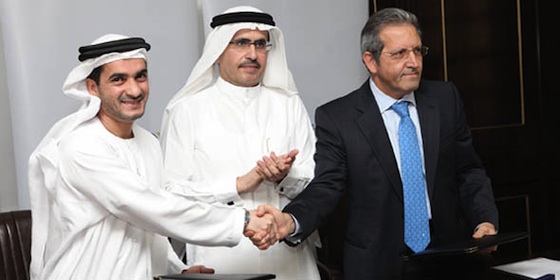
“Our commitment towards a green economy starts today with the creation of a platform to monitor and benchmark our carbon performance, ” said His Excellency Saeed Al Tayer, VP of Dubai Supreme Council of Energy (DSCE) who made the extraordinary announcement, flanked by Waleed Salman, Chairman of the Dubai Carbon Centre of Excellence (DCCE) and Nejib Zaafrani, CEO of DSCE.  “Any policy or activity cannot be properly assessed unless it is measurable and quantifiable.”

How Pink LEDs Grow Future Food with 90% Less Water

10,000 years after inventing agriculture, will we 7 billion take this strange next step?

A Netherlands-based company called PlantLab has devised a method for growing plants indoors using an unearthly pink-purple light made by a combination of red and blue LED lights, instead of sunlight.

Significantly, for a sustainable future anywhere on a planet with 7 billion already – and 9 billion by century’s end – this means we could grow crops with 90 percent less water. Agriculture uses most of the water around the world.

Nowhere is this need for managing on less water more crucial than in the countries of the Middle East and Africa – from Saudi Arabia and Israel, to Yemen and the Sudan – that face the threat of real water scarcity already.

Using lights to grow hydroponically

PlantLab has invented a way to grow plants under LED lights indoors, with all the water recycled within the indoor environment for reuse. Plants, it turns out, are not that dependent on using the sun for photosynthesis. And they certainly don’t mind being separated from their pests. And they are fine with 90 percent less water, if they get it over and over again.

Importantly, in an age of peak oil, PlantLab has also found a way to grow crops that eliminates the two ways that food is dependent on oil.

They have engineered the crops to be able to be grown using fewer fertilizers – which are made from oil.

(Related: 7 Agricultural Solutions That Will Save the Middle East)

The second huge use of oil is in transporting food. But because this indoor habitat can be replicated anywhere in the world, regardless of climate or season – food would no longer rack up unsustainable carbon miles on the way to your table.

The benefits of urban agriculture

Because these eerie new farms can be many stories high, crops can be grown within cities, leaving the most possible land to work naturally as nature’s utility, cleaning the air we breathe and the water we drink, instead of being used for agribusiness that pollutes our rivers with fertilizer runoff from agribusiness.

And, being indoors, away from their pests, there is no need for pesticides. You can imagine how that might ultimately begin to affect their evolution, if we change farming so much that we have have generations of plants grown separated from their natural pests in the open. We live in interesting times.

But PlantLab believes we must rethink food production to survive.

“In order to keep a planet that’s worth living on, we have to change our methods,” says PlantLab’s Gertjan Meeuws in an interview with the Associated Press.

“The methods PlantLab is suggesting are revolutionary. The company grows plants indoors, vertically stacking acres upon acres of plants. They use LED lamps to grow the plants and water them with a slow trickle that drains through the soil and is collected and reused. The neon pink light of the lamps make the space look more like a nightclub than an indoor farm.

Computers capture over 160,000 reports per second to determine the exact amount, cycle, and color spectrum of light that’s optimal for the plant, as well as water, so that no resource is wasted and the plant is neither undernourished nor overexposed.

How do LED grow lights work?

Karin Kloosterman, entrepreneur, founder of flux, and Green Prophet

Plants convert light from the sun into energy through the process of photosynthesis, but plants only need some parts of the sun’s color spectrum. Blue and red LEDs can provide just the light a plant needs, making the process more efficient and growing a stronger, healthier plant.

LEDs and climate-controlled indoor farms not only use less energy, less water, and less space than traditional agriculture; they also reduce the unpredictability of our food supply. Indoor farms aren’t at the mercy of droughts, torrential rains, unexpected frosts, and pests. They reduce the danger of food shortages and waste.

Apples from Chile, asparagus from Peru—an average of six to 12 percent of every dollar we spend on food goes to transportation costs.

Traditionally, most agriculture has been limited to large swaths of land with rich soil, controllable pests, and a predictable climate, but even under optimum conditions traditional methods of agriculture drain our water supply, require intensive resources, and produce a crop dependent on an undependable climate.

Until now, vertical greenhouses like AeroFarms Vertical Farming have seemed a little impractical, because our one and only real sun really needs to reach deep into each floor to ripen food crops, but this unearthly pink agriculture would solve that.

But are we ready for such a drastic step?

Related: 

Epic Sahara Forest Project Unveils Pilot Plant in Qatar
Water & The Middle East At A Glance (Infographic)
End Hunger: Food And Vertical Farming In The Middle East

Israeli Turbo Composter Makes Home Composting Easy

image-turbo-composter

Do you keep a covered bucket in the kitchen for the organic garbage? If you do, you know only too well how awful it can smell.

Hamamit, an Israeli supplier of greenhouses and composters, offers an odor-free home composter that turns kitchen scraps into dry compost in 18 hours.

Lebanon’s Bees are Freezing to Death

0

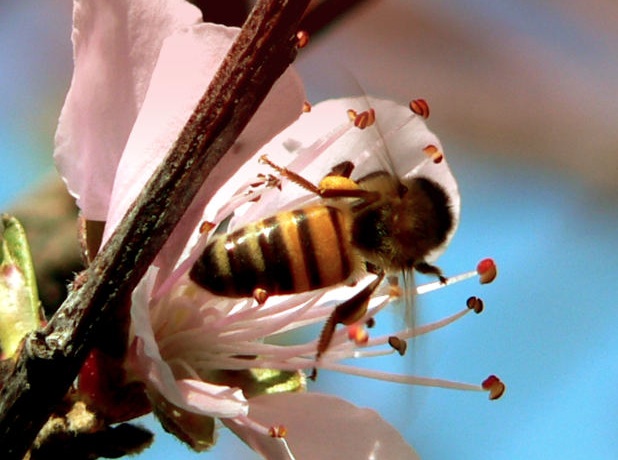
bees, honey, agriculture, colony collapse disorder, farming, Lebanon, winter, extreme weatherHuge bee die offs do not bode well for agriculture in Lebanon
A staggering proportion of bees in an important agricultural hub have frozen to death in Lebanon. A recent influx of extreme weather that produced ice and frost combined with a series of diseases has wiped out up to 75% of the bees in Hasbaya and Arqoub, according to The Daily Star. As pollinators, bees are essential to the agricultural industry, which accounts for approximately 7% of Lebanon’s GDP and employs up to 15% of the country’s population.

See how Iran’s Lake Urmia with Nasa photos

3

NASA, satellite images, Lake Urmia, Orumiyeh, climate change, shrinking lake, ecosystem collapse, Iran, environmental activism

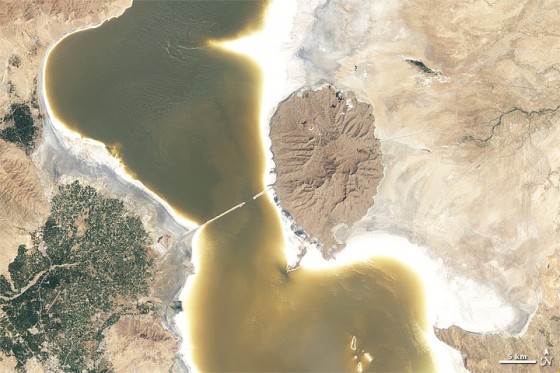
The most recent satellite image of Iran’s Lake Urmia demonstrates how drastically the lake has shrunk since 1998!

Last year an Iranian activists were beaten for protesting government projects that are detrimental to Lake Urmia – the largest landlocked salt lake in the country. Before and after images captured by the Thematic Mapper on NASA’s Landsat 5 satellite demonstrate how the lake shrunk 4 meters between August 25, 1998 and August 13, 2011, which doesn’t bode well for the 76 million people who live within its 500km radius. Recently the Center for Climate and Security warned that policymakers should pay closer attention to this environmental hazard as its unmitigated unfolding could further compromise the country’s “economic health and stability.”

Sustainable Break-up Tips To Turn Your Blues Green

0

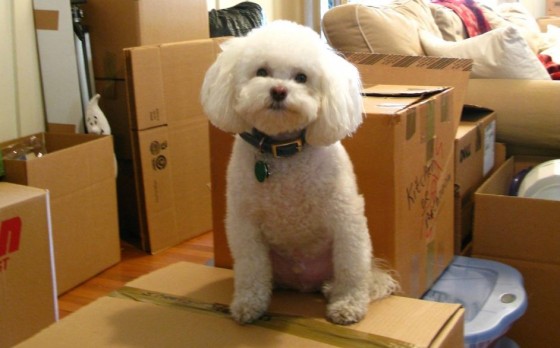
moving day dog poodle on boxes
Laura offers tips on unloading the stuff that comes between you and a broken heart.

Broken relationships may leave us sad, lonely, or even relieved, but they also leave us with a pile of stuff acquired over that love-lifetime.  Oh, the twaddle we collect in a romantic stupor. Maybe your lonely-heart loot has amped up value: pretty jewelry now tarnished by ugly memories, or the ultimate heartbreak flotsam: a wedding dress, tux, or the Ring?

Never Liked It Anyway offers post-relationship cleansing for your closets and your soul. It’s a website where “once-loved gifts from once-loved partners get a second chance”. The site was conceived when its owner, après wrenching break-up, realized she held a useless plane ticket for a now-cancelled getaway. With simple blogging software, she created a combination online group hug/swap meet. A brilliant website where newly singled users could vent their blues while offloading the detritus of disastrous unions, in an unintentionally green way.