Somehow vegetables with short seasons excite the imagination and appetite more sharply than produce that’s available all year around. Good Middle Eastern cooks have many recipes for delicate fava beans, and this turmeric-fragrant soup is one.
Somehow vegetables with short seasons excite the imagination and appetite more sharply than produce that’s available all year around. Good Middle Eastern cooks have many recipes for delicate fava beans, and this turmeric-fragrant soup is one.
Somehow vegetables with short seasons excite the imagination and appetite more sharply than produce that’s available all year around. Good Middle Eastern cooks have many recipes for delicate fava beans, and this turmeric-fragrant soup is one.
Somehow vegetables with short seasons excite the imagination and appetite more sharply than produce that’s available all year around. Good Middle Eastern cooks have many recipes for delicate fava beans, and this turmeric-fragrant soup is one.
Somehow vegetables with short seasons excite the imagination and appetite more sharply than produce that’s available all year around. Good Middle Eastern cooks have many recipes for delicate fava beans, and this turmeric-fragrant soup is one.
Somehow vegetables with short seasons excite the imagination and appetite more sharply than produce that’s available all year around. Good Middle Eastern cooks have many recipes for delicate fava beans, and this turmeric-fragrant soup is one.
Somehow vegetables with short seasons excite the imagination and appetite more sharply than produce that’s available all year around. Good Middle Eastern cooks have many recipes for delicate fava beans, and this turmeric-fragrant soup is one.
Somehow vegetables with short seasons excite the imagination and appetite more sharply than produce that’s available all year around. Good Middle Eastern cooks have many recipes for delicate fava beans, and this turmeric-fragrant soup is one.
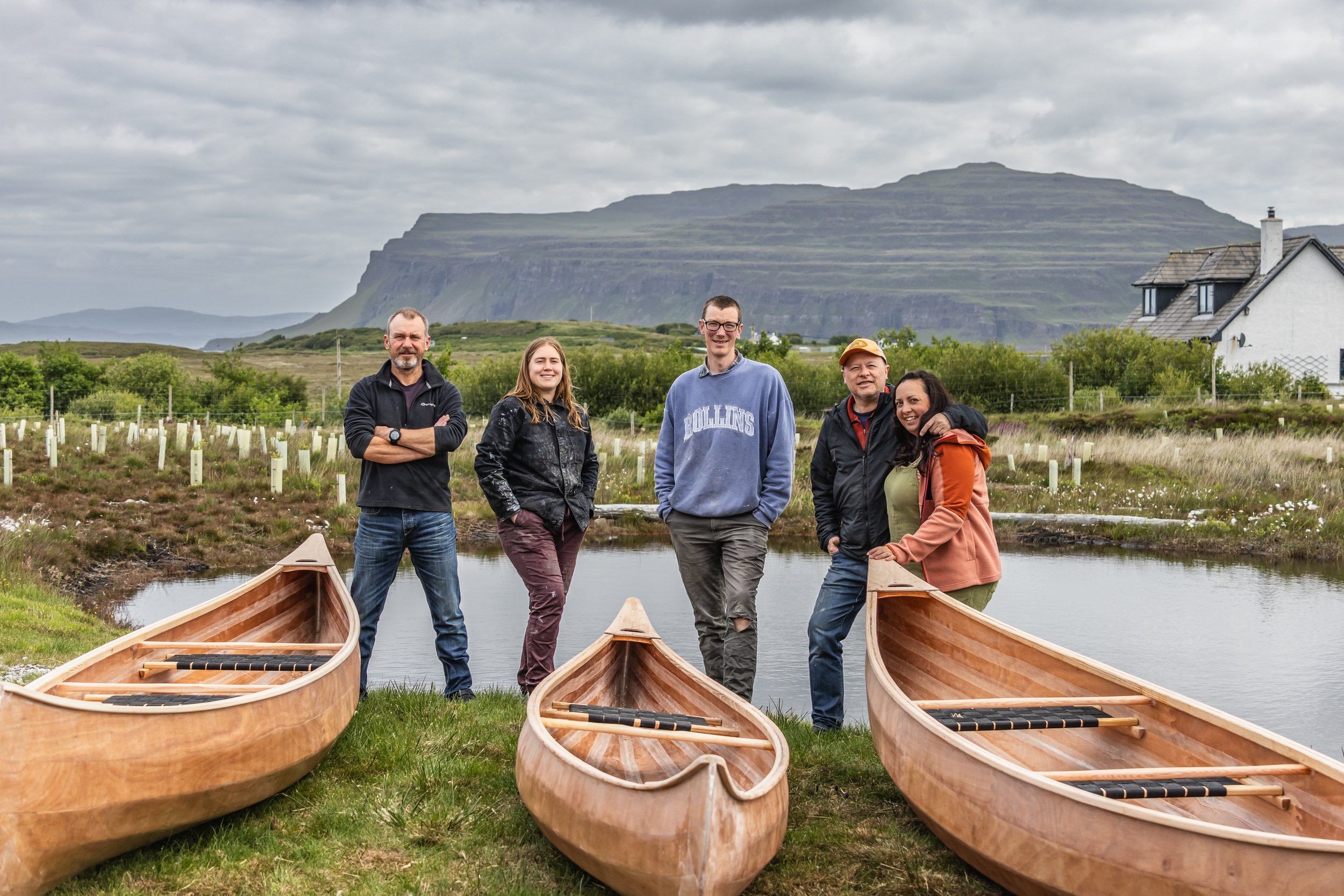
In a world where screens dominate our time and digital experiences often replace tangible ones, there’s something profoundly refreshing about using your hands to create. Imagine stepping away from the virtual world for a week and immersing yourself in the craft of boat building—transforming raw materials into something both beautiful and functional. If you’re looking for a vacation that’s as rewarding as it is unique, consider spending a week on the Isle of Mull, Scotland, where you can build your own boat and take home not just a masterpiece, but memories to last a lifetime.
A Hands-On Experience in a Stunning Location
Nestled on a croft overlooking the rugged beauty of Mull, this boat-building experience offers more than just a workshop—it’s an opportunity to reconnect with nature, craftsmanship, and yourself. Whether you’re a complete novice or have some experience with woodworking, this week-long course will take you through the entire process of crafting your own boat.
In just seven days, you’ll go from a beginner to the proud owner of a stunning canoe or kayak, built with marine plywood, solid Douglas fir, and fiberglass for strength and durability. Under expert guidance, you’ll learn essential woodworking skills, problem-solving techniques, and the satisfaction of creating something with your own hands.
A Challenge Worth Taking
Build your own wooden boat
Building a boat in a week is no small task. This is a fully immersive experience, with long but rewarding days in the workshop. Starting on a Saturday and working through to Friday, you’ll be on your feet, shaping, assembling, and fine-tuning your boat. But don’t let that intimidate you—people of all ages, from families with young children to retirees in their 80s, have successfully completed the course and launched their boats with pride.
Come solo or bring a partner—while solo builders are welcome, having an extra set of hands is especially helpful when constructing a canoe. At the end of the week, your boat will be ready to float, though an additional 40 hours of work at home will be needed to finish painting or varnishing.
More Than Just Boatbuilding
This experience isn’t just about constructing a vessel; it’s about community, connection, and adventure. You’ll share the workshop with fellow builders, forging friendships as you work toward a common goal. At the end of each day, unwind with breathtaking island views, explore nearby beaches, or simply enjoy the quiet of Mull’s natural beauty. A shared welcome meal on the first night sets the tone for a week of camaraderie.
For accommodations, you can camp on-site for free, with access to a self-catering kitchen, showers, and toilets. For those looking for extra comfort, a cozy yurt with a wood stove is available to rent.
2025 Course Dates and Pricing
May 17th – 24th
June 21st – 28th
July 19th – 26th
August 16th – 23rd
Pricing varies based on boat choice, but is charged per boat, whether built solo or with a partner:
Peterborough Canoe – £2200
Prospector Canoe – £2450
Shrike Kayak – £2100
Why Choose a Folk School Experience?
This boat-building school follows the tradition of Folk Schools, a Scandinavian concept that focuses on hands-on, communal learning. Unlike traditional education, folk schools emphasize practical skills, creativity, and personal enrichment. This is learning in its purest form—immersive, engaging, and deeply satisfying.
If you’ve ever dreamed of crafting something truly special, of feeling the grain of wood beneath your hands and seeing your efforts take shape before your eyes, this is the perfect opportunity. Escape the digital world, embrace the art of making, and set sail in a boat you built yourself.
Ready to build and explore? Book your 2025 spot now and embark on a journey of craftsmanship, adventure, and lifelong memories.
Young mice seem to try to revive an unconscious cage mate by grooming, biting, and even pulling its tongue to clear its airway. This surprising behavior suggests that caregiving may be more common in the animal kingdom than previously thought.
Large, social mammals, such as wild chimpanzees, dolphins, and elephants, are known to assist incapacitated members of their species. However, these kinds of acts have rarely been documented in smaller animals like mice.
Li Zhang and his team at the University of Southern California (USC) filmed interactions between laboratory mice and familiar cage mates that were either active or anesthetized and unresponsive. Over multiple tests, the mice spent approximately 47% of a 13-minute observation period engaging with the unconscious partner. Their interactions involved three key behaviors: sniffing, grooming, and more intense actions such as pulling at the unconscious mouse’s mouth and tongue.
Zhang explains, “They start with sniffing, then grooming, and then engage in more physical interactions.” These included licking the eyes and biting around the mouth, with tongue-pulling occurring in more than half of the observed cases.
In one test, the team placed a non-toxic plastic ball in the mouth of an unconscious mouse. In 80% of cases, the helping mouse successfully removed the object. “If we extended the observation window, we might see even higher success,” said Huizhong Tao, another researcher from USC.
The unconscious mice that were cared for revived and began walking sooner than those that weren’t attended to. Once the unconscious mouse started moving, the caregiver mouse gradually stopped its actions. Interestingly, the caregiving behavior was stronger when the mice were familiar with each other.
Zhang and his colleagues argue that this behavior should not be seen as an equivalent to cardiopulmonary resuscitation (CPR). Rather, it’s akin to the use of smelling salts or basic first aid techniques, like ensuring an unconscious person’s airway remains clear. In surgical settings, repositioning a patient’s tongue to prevent airway blockage is also a critical practice.
The researchers found that the caregiving behavior was linked to oxytocin-releasing neurons in the amygdala and hypothalamus, regions of the brain involved in caring actions across many vertebrate species.
Similar behaviors in mice have been observed by other research teams, reinforcing the idea that this is a robust and repeated finding. Cristina Márquez, a researcher from the Center for Neuroscience and Cell Biology in Coimbra, Portugal, points out that while such behavior hasn’t been seen in her lab, the fact that three independent laboratories have documented it suggests it’s not an isolated occurrence. However, she cautions against anthropomorphizing the behavior or assigning human-like intentions to non-human species.
Zhang’s team suggests that this caregiving behavior is likely innate, not learned, since the mice were only 2 to 3 months old and had never encountered unconscious cage mates before. They hypothesize that such instinctive actions help maintain social cohesion and could be more widespread among social animals than previously thought.
Although observing this behavior in wild mice would be difficult, given their tendency to hide and their status as prey animals, Márquez notes that the absence of direct observation does not imply it doesn’t occur.
Water, in its purest form, is typically a poor conductor of electricity. This is because it lacks a significant number of charge carriers, which are necessary for electrical conductivity. However, when water is sprayed or atomized into microdroplets, a fascinating phenomenon occurs. These tiny droplets, due to contact electrification, can become charged. When oppositely charged water droplets come into close proximity, they can discharge electricity, emitting light in the process.
This unexpected luminescence, known as “microlightning,” offers a window into understanding how water droplets can cause chemical reactions, including the synthesis of organic molecules. These reactions could provide a plausible mechanism for the formation of life’s building blocks on early Earth, according to researchers in a new paper in Science Advances.
Water droplets typically carry a charge when they are formed or disrupted. This charge is the result of a process called contact electrification, which occurs when water droplets come into contact with another surface, such as air or an insoluble mineral. A common observation is that smaller droplets tend to carry a negative charge, while larger droplets become positively charged. This charge separation happens due to the shear forces that act on the droplets during the splashing or spraying process.
The unique properties of water droplets extend beyond just carrying a charge. When oppositely charged droplets approach each other closely, the difference in charge can lead to an electrical discharge. This discharge is accompanied by the emission of light, similar to what is seen during a lightning strike. The phenomenon, known as microlightning, offers a new way to view the interaction between water droplets and gases in the atmosphere.
Microlightning: A Possible Spark for Life?
The energy from microlightning might have powered the chemical reactions that formed the basic building blocks for life on Earth. This theory is supported by findings where water, when sprayed as a fine mist—such as after a wave crashes on the shore—forms tiny, oppositely charged droplets. As these droplets come into close proximity, they generate an electrical discharge, accompanied by a tiny flash of light.
Researchers have discovered that when this microlightning occurs in the presence of certain gases, including nitrogen, methane, and carbon dioxide, the energy from the discharge can lead to the synthesis of organic molecules. Among the molecules synthesized are glycine, an amino acid that is a building block of proteins, and uracil, a key component of RNA. These findings mirror the famous Urey-Miller experiment from the 1950s, which demonstrated how organic molecules could form under conditions simulating early Earth’s atmosphere.
The electrical energy produced by microlightning is sufficiently intense to excite, dissociate, and ionize surrounding gas molecules, creating a reactive environment. When sprayed water microdroplets are introduced into a mixture of gases such as nitrogen (N₂), methane (CH₄), carbon dioxide (CO₂), and ammonia (NH₃), the electrical discharge generated by the oppositely charged droplets leads to the formation of organic molecules, including those that contain carbon-nitrogen (C─N) bonds. These molecules are crucial for life, as they form the backbone of many essential biological compounds, including amino acids and nucleotides.
The synthesis of these molecules occurs in less than 200 microseconds, illustrating how rapidly chemical reactions could occur in the presence of microlightning. The ability to form such molecules in these brief moments supports the idea that microlightning could have played a role in the prebiotic chemistry that led to the origin of life on Earth.
Implications for Early Earth and the Emergence of Life
The process of microlightning from sprayed water droplets offers a possible pathway for the abiotic formation of life’s building blocks. Unlike lightning, which is an unpredictable and intermittent phenomenon, water sprays are far more common in nature. As such, microlightning may have been a frequent and reliable source of energy that powered chemical reactions on early Earth, helping to form the basic organic molecules needed for life.
This process also emphasizes the unique reactivity at the gas-water interface, where the electrical discharges from oppositely charged water droplets create an environment conducive to chemical reactions. The ability of water droplets to create such an energetic environment through microlightning offers a plausible explanation for how life’s essential molecules—amino acids, nucleotides, and others—could have formed in the early Earth’s atmosphere.
Selecting bed sheets made from sustainable materials not only enhances your sleeping experience but also supports eco-friendly practices. Below is a curated list of ten top sheet sets crafted from sustainable materials, including notable brands like Parachute. Each listing includes the price for a queen-size set and a link to the company’s website for your convenience.
Parachute – Organic Percale Sheet Set
Made from 100% GOTS-certified organic cotton, this set offers a crisp and cool feel, ideal for hot sleepers. The sheets are free from harmful chemicals and synthetics, ensuring a healthy sleep environment. Price: $139.
Crafted from 100% organic cotton, these sheets are known for their softness and durability. Boll & Branch is Fair Trade certified and ensures that their products are produced in factories that prioritize fair labor practices. Price: $259.
Made from 100% organic linen, these sheets are breathable and durable. Coyuchi uses renewable energy sources and organic farming methods in their production process. Price: $168.
These sheets are made from 100% long-staple cotton and offer a silky feel. Brooklinen ensures their products are OEKO-TEX certified, meaning they are free from harmful chemicals. Price: $189.
Crafted from 100% GOTS-certified organic cotton, these sheets are both soft and sustainable. Avocado is committed to eco-friendly practices, including using renewable energy sources and recycled materials in their packaging. Price: $149.
Handcrafted from 100% organic linen, these sheets are breathable and durable. The Citizenry ensures fair wages and invests 10% of proceeds back into artisan communities. Price: $239.
These sheets are made from 100% GOTS-certified organic cotton and are OEKO-TEX® Made in Green certified. Under the Canopy prioritizes fair labor practices and offers affordable, high-quality bedding. Price: $88.
Made from 100% organic cotton, these sheets are soft and breathable. Pact is a GOTS-certified company that ensures fair labor practices and offsets their manufacturing impacts through various environmental initiatives. Price: $130.
These sheets are made from 100% GOTS-certified organic cotton and are known for their affordability and quality. Magnolia Organics focuses on sustainable and ethical production practices. Price: $50.
Crafted from 100% organic bamboo lyocell, these sheets are silky smooth and breathable. Ettitude focuses on sustainable production methods, ensuring their products are eco-friendly. Price: $178.
Investing in these sustainable sheet sets not only provides comfort but also supports environmentally responsible practices.
How to Wash and Care for Your Eco-Friendly Sheets
A green bedroom starts with an eco mattress like this one from Avocado
Taking care of your eco-friendly sheets properly will extend their lifespan and maintain their softness and breathability. Wash them in cold water using mild, plant-based detergents to avoid chemical buildup and fabric damage. Avoid fabric softeners, as they can coat the fibers and reduce absorbency—white vinegar is a great natural alternative.
For a DIY laundry detergent, mix 1 cup of washing soda, 1 cup of borax, and 1 bar of grated castile soap for a natural cleaning solution. Whenever possible, line dry your sheets to conserve energy and keep them fresh longer. Proper storage in a cool, dry place also helps prevent mildew and ensures your sheets remain crisp and clean for years to come. By adopting these sustainable care practices, you can enjoy high-quality, environmentally friendly bedding while minimizing your ecological footprint.
Sheep Inc sweater comes with an RFID tag so you can watch your sheep grow.
The fashion industry is undergoing a transformative shift towards environmental responsibility and innovation. Here are ten pioneering companies leading this change:
Sheep Inc.
This knitwear brand produces garments with a naturally negative carbon footprint. They source ZQ-certified Merino wool from regenerative farms, ensuring ethical animal treatment and sustainable land management. Utilizing 3D Wholegarment® knitting technology powered by solar energy, they create zero-waste products. Each sweater includes a unique tag allowing customers to trace its origins and environmental impact, fostering transparency and connection to the product’s lifecycle. Visit their website
Sampla:
Sampla vegan shoes. Do they come in green?
Specializing in vegan footwear, Sampla crafts shoes from innovative materials like AppleSkin™, derived from repurposed apple waste from the juice industry. This approach reduces reliance on animal products and utilizes agricultural by-products, minimizing waste. Their designs combine sustainability with contemporary aesthetics, offering eco-friendly alternatives without compromising style. Visit their website
Vivobarefoot:
Focused on minimalist footwear that promotes natural movement, Vivobarefoot uses sustainable materials such as recycled plastics and bio-based alternatives. Committed to regenerative practices, they collaborate with communities to restore natural ecosystems and incorporate circular economy principles by offering repair services and recycling programs for their products. Visit their website
Babaà:
A Spanish brand offering timeless knitwear made from 100% natural materials like cotton and wool. Babaà ensures local production in Spain, reducing transportation emissions and supporting local artisans. By focusing on creating durable, high-quality pieces, they encourage consumers to invest in long-lasting clothing, countering the fast-fashion mentality. Visit their website
Patagonia:
Renowned for its environmental activism, Patagonia integrates sustainability into every aspect of its business. They utilize recycled materials, such as turning discarded fishing nets into gear, and promote organic cotton through their Regenerative Organic Certified Cotton program. Patagonia also donates 1% of sales to environmental causes and encourages customers to repair and reuse products through their Worn Wear program, fostering a circular economy. Visit their website
Reformation:
Prioritizing sustainable fabrics and ethical manufacturing processes, Reformation uses materials like TENCEL™, deadstock, and vintage fabrics, reducing the demand for new resources. Their RefScale tool allows customers to track the environmental impact of their purchases, promoting transparency. Reformation’s factory in Los Angeles operates with sustainable practices and fair wages, ensuring social responsibility alongside environmental consciousness. Visit their website
Allbirds:
Known for comfortable shoes made from natural materials like merino wool and eucalyptus fibers, Allbirds has achieved carbon neutrality by focusing on renewable materials, responsible energy use, and carbon offset programs. Each product includes a carbon footprint label, educating consumers on its environmental impact and encouraging informed purchasing decisions. Visit their website
Stella McCartney:
A Stella McCartney decomposing shoe
A pioneer in sustainable luxury fashion, Stella McCartney avoids the use of leather and fur, opting for innovative materials like recycled polyester and organic cotton. The brand emphasizes transparency in its supply chain and collaborates with organizations promoting environmental awareness. By proving that luxury and sustainability can coexist, Stella McCartney sets a high standard for the fashion industry. Visit their website
Eileen Fisher:
Emphasizing simplicity and sustainability, Eileen Fisher uses organic and recycled materials in their designs. Their take-back program encourages customers to return old pieces, which are then upcycled into new creations, promoting a circular fashion model. The brand also prioritizes fair labor practices and supply chain transparency, ensuring ethical production alongside environmental responsibility. Visit their website
Girlfriend Collective:
Offering activewear made from recycled materials like water bottles and fishing nets, Girlfriend Collective uses eco-friendly dyes and ensures ethical manufacturing with fair wages and safe working conditions. Their ReGirlfriend program encourages customers to recycle old products, which are then transformed into new items, closing the loop and reducing textile waste. Visit their website
These companies exemplify how the fashion industry can innovate towards more sustainable and future-forward practices, setting benchmarks for others to follow.
Lucid Group, Inc. (Nasdaq: LCID) brands itself as a leader in sustainable mobility, even participating in the United Nations Global Compact, a voluntary initiative promoting corporate responsibility in human rights, labor, environmental practices, and anti-corruption.
“The UN Global Compact challenges companies to conduct business responsibly by aligning their operations and strategies with the UN’s Ten Principles.”
— Lucidmotors.com, April 19, 2023 news release
But while Lucid talks about sustainability, its financial health is anything but stable. Without financial sustainability, even the most promising environmental initiatives can collapse. Producing fewer than 10,000 cars per year, Lucid has burned through billions in losses. Yet, its biggest backer—the Saudi Public Investment Fund (PIF), which owns 59% of the company—continues to pump money into the struggling EV maker.
A Lucid Sedan, 2025
The Public Investment Fund is the sovereign wealth fund of Saudi Arabia. It is among the largest sovereign wealth funds in the world with total estimated assets of US$930 billion. Is this a genuine effort to build a sustainable American car company, or just a vanity project for the oil-rich kingdom?
The Saudi PIF has positioned itself as a major investor in renewable energy and electric vehicles, but its track record raises questions. The fund has spent heavily on flashy, high-tech projects, often with little regard for long-term profitability. Lucid is one of its most high-profile EV investments, yet the company has failed to scale production to a level that justifies its enormous costs. The PIF’s willingness to keep writing checks suggests that Lucid’s survival has less to do with financial success and more to do with Saudi Arabia’s broader ambitions in the global energy transition.
Peter Rawlinson CEO of Lucid
Meanwhile, Lucid’s board hasn’t been shy about rewarding its executives. In 2021, the company approved a $565 million compensation package for CEO Peter Rawlinson, at a time when the company had barely generated revenue. That meant awarding him nearly $1 in stock-based pay for every $1 in projected revenue—a model that doesn’t work unless explosive growth follows. It didn’t. Lucid’s stock has since plummeted, erasing billions in market value, and now, in 2025, Rawlinson is walking away—though not empty-handed. He’ll receive $120,000 per month for two years as part of a consulting contract, plus $2 million in restricted stock units.
Graph 1 shows Rawlinson’s pay for the past 5 years peaking at $565 million in 2021 and adjusting to a more normalize $6.8 million in 2023 a year and change before his departure from the struggling automaker.
While Lucid struggles to survive, the Saudi Fund has remained silent on whether it will keep bankrolling the company indefinitely. The financials tell a grim story: Lucid has lost $10 billion while generating just $2 billion in car sales over the past five years. This is not a sustainable business model, and if the PIF decides to cut its losses, Lucid may not have the means to continue.
Graph 2 shows Lucid’s revenue growing from $0 in 2020 to negligible in 2021 when Rawlinson was awarded a $1.00 in stock value for future $1.00 revenue performance.Graph 3 shows Lucid’s losing streak. Losing $10 billion while selling $2 billion worth of cars is not an obviously sustainable strategy. Rewarding, or trying to reward the CEO with over $500 million seems equally unsustainable. Rawlinson’s departure reinforces the point.
The bigger question is whether the Saudi Fund is serious about creating a thriving EV industry or simply using investments like Lucid for geopolitical leverage and reputation-building. With its deep ties to the fossil fuel industry, Saudi Arabia’s commitment to sustainability remains an open question. And if Lucid fails, it will be a lesson in how throwing money at a problem doesn’t always lead to real change.
__
Over the last couple years I have become increasingly aware of the large pay packages afforded to the C-Suite. I didn’t know if they were appropriate because organizing all the proxy documents to get some context would take many hours of work. So we built www.MySayOnPay.com to provide one-click access to; Executive Pay, Historical Context, Peer Group comparisons, Historical ROE of the Company and Net Profit.
These are the essential datapoints to get a quick idea on who is your CEO. Are his/her interests aligned with shareholders and other stakeholders. Check it out. Input a company symbol like Coca-Cola (NYSE:KO).
Cooper also provides a boutique investment advisory. Contact him at [email protected]
? BEER: Did you know that beer can be greenified? Green ingredients such as matcha and spirulina have hit the international market. Spirulina, a blue-green algae superfood packed with protein, copper, and B vitamins, in particular is growing in popularity among international brewers. RedDot Brewhouse, located next to the Singapore Botanical Gardens, offers a spirulina-infused lager.
Spirulina beer
Japan’s Okhotsk Brewery created the highly popular Okhotsk Blye Ryuhyo Draft with unique local ingredients including spirulina.
? SLÁINTE! Like so many people across the world, the Irish say “Health” to toast to one another’s well-being. Try this nutrient-packed six-seed soda bread to moderate your libations.
? SHAMROCK: Four-leaf clovers are believed to occur every one in one thousand. For a shot at finding one of these rare shoots, consider cultivating a clover lawn. Decimated by the herbicide revolution in the mid-twentieth century, clover lawns are making a comeback as a sustainable alternative or addition to turfgrass. They are heat and drought-tolerant, able to thrive in partial shade, and attractive to pollinators.
? LEPRECHAUN: Leprechauns are often depicted as cobblers. Ireland’s shoe-making traditions are increasingly innovative; Sampla is a sustainable Irish footwear brand pioneering designs made with vegan leather formed from apple waste.
Sampla vegan shoes. Do they come in green?
? RAINBOW: Check out these rainbow-wrapped pencils that are wood and plastic-free, using recycled paper instead. Eco-conscious retailer Friendsheep makes multicolor pom pom coasters out of natural wool.
? GOLD: E-waste is glittering on the economic horizon after Cornell University researchers developed a non-toxic method for extracting 99.9 percent of gold from recycled electronic waste. As an added bonus, the process catalyzes carboxylation, or converts carbon dioxide into organic compounds.
Following the breakdown of the Colombia-hosted COP16 summit in November, global leaders reconvened in Rome in late February for a fresh round of the U.N.’s annual biodiversity summit. While fraught negotiations have this time led to a last-minute deal, critics have already lamented that the agreement lacks the ambition needed to meaningfully tackle biodiversity challenges.
The previous COP16 gathering notably collapsed without a deal on nature restoration financing in developing countries, creating ongoing tensions between Global North and South governments. Deepening geopolitical disputes have since compounded the negotiations’ obstacles, with the new U.S. administration’s aversion to environmental multilateralism and sweeping foreign aid cuts underscoring the ongoing obstacles facing global cooperation.
In this climate, relying on government-led action to curb the global biodiversity crisis is no longer viable, making the private sector’s contribution increasingly vital. Moving forward, large companies from industries traditionally associated with biodiversity loss must now step up, with leading players in the mining, energy and maritime sectors already showing the way.
Political action outpaced by global crisis
Adopted at the COP15 conference in December 2022, the global goal of halting and reversing nature loss by 2030 is rapidly slipping out of reach, with political will failing to match the gravity of a deepening biodiversity crisis. Since 1970, global wildlife populations have plummeted by over 70% and one million species are now on the brink of extinction, while unsustainable agriculture, pollution and deforestation continue ravaging ecosystems at an alarming pace.
Although the fresh deal struck at COP16 has been embraced by certain leaders as a breakthrough for international cooperation, many others – particularly from the Global South – have expressed frustration at its lack of urgency and concrete action. Bolivia’s negotiator, Juan Carlos Alurralde Tejada, has notably decried the agreement’s failure to deliver real progress, warning that prolonged bureaucratic delays will only worsen the environmental collapse. The so-called solutions – such as agreeing to a global biodiversity fund in 2028 and establishing the voluntary Cali Fund without any financial pledges – reflect the international community’s “kick-the-can-down-the-road’ approach to biodiversity.
This insufficiently-ambitious agreement comes amid a broader backdrop of global challenges: trade disputes, shrinking foreign aid and rising political tensions. The absence of the U.S. at the summit – having refused to sign the UN Convention on Biological Diversity – further undermines hopes for meaningful action. The burden of biodiversity preservation thus continues to fall on the shoulders of the private sector, which must now fill the leadership void left by political inertia. As global leaders in their respective sectors, TotalEnergies, CMOC and CMA CGM are setting the stage for a new era of corporate responsibility in biodiversity conservation.
Private firms rising to the occasion
TotalEnergies, with its commitment to the United Nations Sustainable Development Goals, integrates biodiversity into every stage of its operations. Notably, during the construction of the Shetland Islands gas plant in Scotland, the company invested $100 million to excavate and preserve peatlands – critical ecosystems for carbon sequestration and wildlife, ensuring these wetlands are restored to their original state over time.
Building on this momentum, TotalEnergies is also advancing its Tilenga project in Uganda, where the company’s efforts aim for a net gain in biodiversity. The project will protect 10,000 hectares of forest from deforestation and restore 1,000 hectares of tropical woodland. Additionally, TotalEnergies is focused on boosting populations of endangered species, including lions and elephants, in the Murchison Falls National Park. Equally crucial are the actions Total has pledged to avoid, with the company emerging as a pioneer in voluntary conservation, excluding operations in sensitive areas such as UNESCO World Heritage sites and the Arctic.
Chinese mining group CMOC shares this commitment to overhauling the practices of its sector. Guided by its Biodiversity Vision, CMOC Brasil has implemented significant conservation actions, such as a reforestation program in the country, where it has planted over 89,000 saplings and reforested 1,448 hectares. What’s more, CMOC’s environmental control plan includes 34 biodiversity monitoring sites, ensuring ongoing efforts to protect animal and plant populations in Brazil’s Cerrado and Atlantic Forest biomes.
At CMOC’s TFM copper-cobalt mine in the Democratic Republic of the Congo, meanwhile, the company is focused on conserving local plants adapted to the challenging conditions of the area. Through its partnership with the University of Lubumbashi, CMOC has advanced scientific understanding of heavy-metal-tolerant plants and is helping to restore copper-rich soil areas. In 2022, CMOC cultivated over 2,500 plants, with some used for revegetation programs and others donated to local communities. As a result of these efforts, CMOC has protected roughly 40 copper flora species around its TFM site over the last 15 years.
Meanwhile, CMA CGM, a French leader in maritime shipping, is protecting marine biodiversity through its innovative “zero loss” policy, prioritising container security and fleet management to prevent environmental harm. Since 2020, the company has launched its Reef Recovery program, aimed at restoring coral reefs – critical ecosystems that support a quarter of marine biodiversity. Working closely with WWF, CMA CGM is supporting conservation efforts in France, South Africa and the Philippines, underscoring its commitment to healthy oceans and the vital biodiversity they sustain.
The bottom line
Moving forward, governments have a critical role to play in facilitating and expanding the private sector’s contribution to biodiversity, even if they fail to deliver meaningful political cooperation. At a minimum, the public sector must remove barriers that stifle corporate investment in sustainability, offering a clear, consistent regulatory framework that incentivises long-term environmental responsibility. From creating tax breaks for companies that invest in nature restoration to establishing carbon markets and setting mandatory reporting standards for biodiversity-related risks, government measures can empower businesses to act, ensuring they can make meaningful strides in preserving ecosystems.
Given the fragile COP16 deal offering little progress from the breakdown of November’s talks last November, the private sector must fill the gap left by governments’ ongoing inaction. With their resources, technological capabilities and influence, leading companies in industries such as mining and energy are in a unique position to lead meaningful change – now is the time for others to follow suit to drive nature restoration efforts and set the standard for global biodiversity leadership.
If you were presented with an opportunity to reduce waste, cost, and risk while simultaneously driving resilience, innovation, and competitive advantage—would you not seize it? In an era of backlash against ESG, regulatory shifts, and economic uncertainty, it has never been more critical for businesses to demonstrate clear returns on sustainability investment.
Positive Luxury, the leading sustainability expert in the luxury industry, has released a new briefing report that outlines a compelling business case for sustainability, revealing 12 key commercial benefits that brands cannot afford to ignore.
We are entering a new era—the climate era. A period of rapid and accelerating climate transformation, with record-breaking temperatures, stronger storms, and ecosystem shifts that will increasingly disrupt our modus operandi. This is a certainty. It comes with risk and opportunity in equal measure. The question is: will you be sufficiently prepared?” asks Amy Nelson-Bennett, CEO of Positive Luxury.
Amy Nelson-Bennet
Key Takeaways from the Report:
Understand the business case for sustainability
Unlock 12 commercial benefits
Calculate your Return on Sustainability Investment (ROSI)
Sustainability as a Competitive Imperative
Businesses face a clear choice in 2025: integrate sustainability as a core strategy or risk falling behind in the race for talent, investment, and consumer trust. To remain competitive, brands must leverage sustainability to drive business growth. The report identifies four key areas where sustainability creates value:
1. Direct Benefits:
Premium pricing power – Sustainability-conscious consumers are willing to pay more for responsible luxury.
Consumer appeal, engagement & loyalty – Strengthening brand trust through sustainable practices.
New revenue streams – Opportunities in circular business models and sustainable innovations.
2. Cost Savings:
Operational efficiencies – Reducing energy, water, and material waste.
Resource & supply chain optimisation – Securing raw materials and ensuring long-term stability.
Regulatory cost reduction – Avoiding fines and penalties by staying ahead of compliance.
3. Indirect Benefits:
Supply chain resilience – Mitigating risk through responsible sourcing and ethical partnerships.
Talent retention – Employees increasingly prioritize working for purpose-driven companies.
Investor confidence – Attracting ESG-conscious investors and long-term capital.
4. Cost of Inaction:
Reputation risks – Greenwashing and unsustainable practices can lead to consumer backlash.
Climate-related resource risks – Scarcity of raw materials and rising operational costs.
Competitive risks – Falling behind more agile, sustainability-focused competitors.
Positive Luxury’s latest briefing provides luxury brands with the insights and tools needed to measure and maximize their sustainability impact. By making informed decisions today, businesses can ensure they thrive in the climate era.For more information, download the full report from 6th March here.
Sheep Inc sweaters come with a chip to trace your sheep who gave you its comfy wool
It’s not every day you hear about a slow fashion company securing VC capital: welcome to the new world where sustainability in matter, matters.
Sheep Inc., the pioneering fashion brand—co-founded by Edzard van der Wyck & Michael Wessely — renowned for its industry-first carbon-negative supply chain and premium Merino wool garments, has successfully completed its £5 million Series A funding round. The investment was led by Inside Out LLC. Created by environmental advocate, visionary entrepreneur, Founder and CEO Suzy Amis Cameron, Inside Out is an impact investment holding company. Amis Cameron is joined at Inside Out alongside seasoned entrepreneur Erik Stangvik, and former Deloitte Partner Blair Knippel.
This investment fuels Sheep Inc.’s mission to radically redefine the fashion industry, proving that unparalleled quality and unprecedented impact can — and should — coexist. At the heart of this transformation is Sheep Inc.’s naturally carbon-negative supply chain and proprietary Connected Dot technology, which allows customers to trace every garment’s journey — from regenerative farms to the final stitch — offering an unmatched level of transparency in fashion.
Each sheep has an RFID tag in its ear. Allowing you to follow its daily goings on. Tap the tag on your sweater and you get to see what it’s been up to. Where it’s spending its time. When it has a haircut, when it gives birth.
Crafted with precision, built to endure. Sheep Inc. fuses cutting-edge technology with the world’s finest Merino wool, sourced exclusively from regenerative farms. Every piece is meticulously designed to deliver quality and durability without compromise. This is knitwear engineered to set new benchmarks in luxury, impact, and craftsmanship.
Inside Out’s Fashion, Textiles and Home vertical (one of six divisions at Inside Out LLC), was developed to drive industry-wide environmental and social impact, bringing deep expertise in business for the environment, and extensive specialist knowledge and innovation in responsible business practices. Their additional investments across Science Research Technology, Food, Education, Media and Wellness, further cement their commitment to deliver revolutionary solutions to the world’s most urgent challenges.
As a flagship investment within Inside Out’s Fashion, Textiles, and home vertical, Sheep Inc. has the potential to scale its regenerative supply chain expertise and Connected Dot technology across Inside Out’s broader portfolio, accelerating change beyond its own brand.
“We are incredibly excited to partner with Inside Out,” said Edzard van der Wyck and Michael Wessely, co-founders of Sheep Inc. “Suzy, Erik, and Blair share our vision for redefining the fashion industry — environmentally, socially, and technologically. This partnership not only fuels our growth but accelerates our ability to set new industry standards. We are inspired by the vision Inside Out is creating and look forward to what we will build together.”
“Sheep Inc. stands at the forefront of responsible fashion,” said Founder and CEO Suzy Amis Cameron. “With its pioneering carbon-negative production, regenerative Merino wool, and innovative Connected Dot technology, Sheep Inc. is setting a new benchmark for transparency and quality. We are thrilled to support their expansion, knowing their unwavering commitment to ethical business practices and craftsmanship aligns perfectly with our mission to drive meaningful change across industries.”
Sheep Inc. is a pioneering fashion brand dedicated to transforming the industry through innovation, transparency, and uncompromising quality. By integrating carbon-negative production, regenerative farming, and meticulous craftsmanship, Sheep Inc. creates premium Merino wool garments that merge ethics with exceptional design and durability.
Inside Out LLC is a new wayfinding collective dedicated to creating bold, revolutionary solutions for the world’s most pressing challenges. Inside Out (IO) designs ecologically responsible and ethical innovations across six key areas: IO Science Research Technology, IO Fashion Textiles Home, IO Food, IO Education, IO Media, and IO Wellness.
Founded by renowned environmental advocate, visionary entrepreneur and CEO Suzy Amis Cameron, IO champions the mantra “Business for the Environment.” Amis Cameron is joined at IO by seasoned social entrepreneur Erik Stangvik and former Deloitte Partner Blair Knippel.Through the integration of pioneering science, technology, and education, IO balances commercial success with meaningful environmental and social impact.
Isabella Rossellini has been a beacon of sensual health for decades now.
When you notice changes in your body, it’s easy to question yourself, placing unnecessary blame on your shoulders. In reality, bodies change, especially female bodies, whose luteal phase makes each week a new experience. As women age, reproductive organs shift from a season of fertility to one of menopause. This natural, normal change in hormone composition sends waves of change throughout the body, which may be a surprise. Take note of changes in detail so you can give your healthcare provider a thorough answer to, “how are things?”
1. Changes in Vaginal Moisture
In the early days, you may not have paid much attention to your vaginal moisture levels. But now that things seem a bit dry, it’s all you can think about. Changes in vaginal moisture can be disruptive and painful, and even make urinary tract infections (UTIs)more likely.
If you notice less-than-typical vaginal moisture, have pain during intimacy, or feel uncomfortable during regular activities, dryness may be the issue. Your doctor may recommend a vaginal moisturizer formulated to rehydrate the delicate vaginal area. Make sure that your moisturizer is pH-balanced and fragrance-free to reduce potential irritation and imbalance in the pelvic region.
2. Hair in New Places
You might be surprised to see hair growing from places previously fuzz-free, but it happens to most women. Hormonal changes due to pregnancy, menopause, and medication can make new hair grow or cause existing hair to become darker.
Some hair growth is normal and expected, but other times, it can be a warning sign. If you notice excessive facial hair growth, it could be a symptom of polycystic ovarian syndrome or menopause. Speak with your provider about the changes you’ve noticed to determine if testing is needed.
3. Differences in Menstrual Flow
Women’s bodies can do a lot, but they are often subject to changes due to external factors. Stress, hormones, and even diet changes can shift women’s menstrual flow and frequency, and even stop it altogether.
If your typical cycle habits change, consider what else in your life has changed, too. Your body may be entering perimenopause or your body may be protecting itself from stress. Track your periods as soon as you notice changes so you can provide your doctor with specifics. Include details like the length of your period, flow rate, and consistency so they can make an informed assessment.
4. Pain During Intimacy
Sex is supposed to be fun, so when it starts to hurt, it takes a toll on your life. Not only does the act of intimacy change from one of pleasure to pain, but so does life surrounding it. Women may shy away from tender moments, recoiling at the potential advancement toward painful intercourse.
First, communicate this change with your partner so you can have an open dialogue. Without this conversation, they may begin to wonder if there’s an issue within the relationship, adding unnecessary stress to the situation. Get on the same page as you identify the cause, which could be hormonal, an infection, or a medical condition. Your provider can counsel you on next steps for treatment and improving vaginal moisture.
5. Shifts in Mood
The rollercoaster of hormone-driven emotions is real, even though it’s often over-dramatized in the media. Hormones greatly influence mood, and your body’s natural estrogen and progesterone levels shift as you age.
Hormonal birth control can mask the natural fluctuations of estrogen and progesterone, making it harder to recognize early hormonal changes. When women stop using hormonal birth control and transition into perimenopause, the shift in hormone levels can feel more abrupt. In many cases, mood changes are one of the earliest signs of perimenopause, which can start as early as your 30s.
If you’re postpartum, your provider will give you a questionnaire to assess your risk for depression. Answer the questions honestly and, if you notice depressive or anxious thoughts later, reach out right away. Your provider is there to help you throughout your lifetime and through every phase of reproductive health.
6. Unusual Odor or Discharge
You likely know what your body’s “normal” scents are, so when something is off, pay attention. Typical female vaginal discharge ranges from clear to milky in appearance and is most often a smooth texture. An especially different odor, color, or appearance might indicate an infection like bacterial vaginosis or a yeast infection.
Report any other body odors that seem different to you, including those driven by perspiration, which could indicate hormonal imbalances. Your diet, supplements, and stress levels can influence your body odors, too, so report your typical habits thoroughly. Changes during menopause often cause hot flashes, so you may be sweating more than normal. Here, your provider may have recommendations to make you more comfortable, like changes in clothing or using whole-body deodorant.
Nothing is Off Limits When it Comes to Your Health
Providers specializing in obstetrics and gynecology have dedicated their careers to women’s health, not just pregnancy. Your provider wants to hear from you, even if the changes you’ve noticed feel foreign or embarrassing. Consider your annual appointment your safe space to communicate concerns, ask questions, and get solutions. Prioritize your health, voice your concerns, and learn how to manage your symptoms throughout every stage of womanhood.
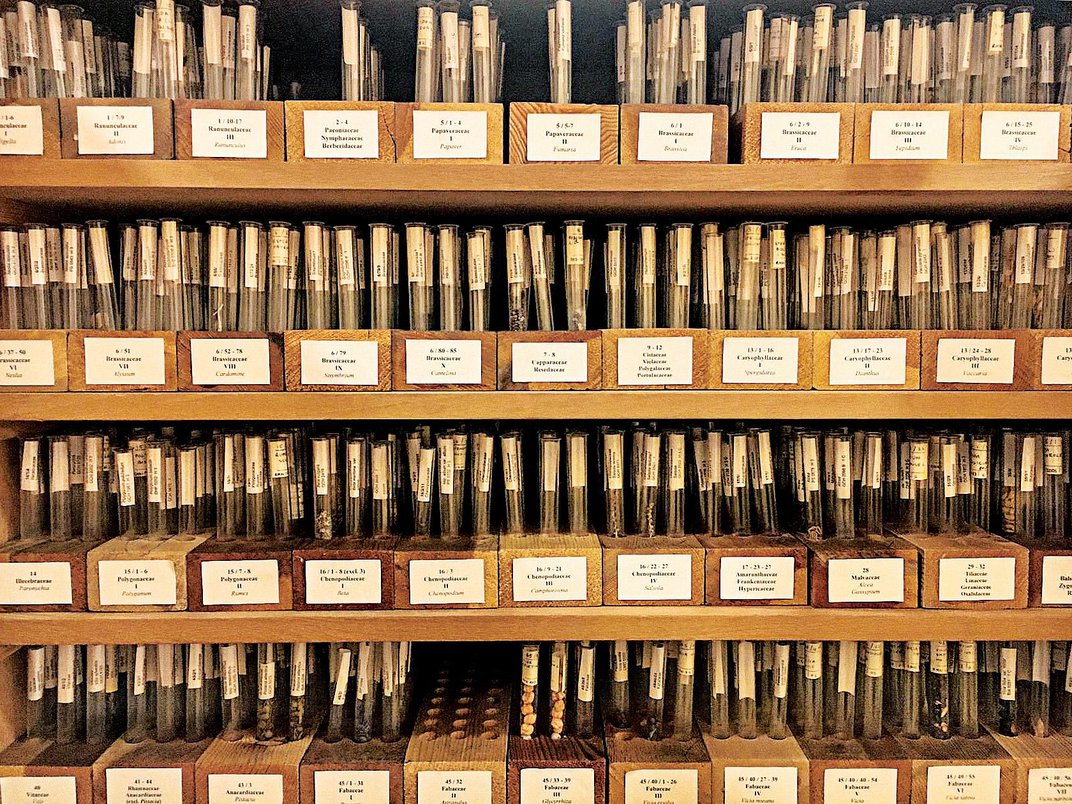
You may have heard about the doomsday Svalbard Global Seed Vault but there are smaller versions of seed banks all over the world. Some in the Middle East
I first heard about seed banks years ago when I joined a Rainbow Family Gathering in a desert in Israel. Before the month-long hippie camp and festival would begin, the experienced would start up a week before, trading seeds for their personal seed banks. Why were people making their own seed banks, I wondered?
Like gardeners who use regenerative and permaculture gardening as activism against pesticides and conventional agriculture (download the Victory Garden handbook here), seed savers are worried that the state of biodiversity in the world is at risk. For this reason they have started their own seed saving in areas local to them. You might have heard of heirloom varieties? These are seeds from plants found in the wild or growing among small-hold farmers and which have unique traits such as taste, drought tolerance, smell or beauty.
You can start your own seed bank in a freezer and roots cellar around the world. I have a friend who collects seeds for cannabis plants, another for unique tomatoes. If these varieties aren’t stored, we might lose them forever much in the way we are losing large mammals. You can’t keep animals dormant forever, but seeds, as we learned in Israel and the 2000-year-old date seeds that grew, you can keep seeds dormant for times when the might be needed.
Seed saving has become increasingly important in the Middle East as a means of preserving biodiversity and ensuring food security in times of climate change and severe water shortages. It’s a global issue.
Seed banks in Syria
Syria has a long history of agriculture, with the Euphrates River Valley serving as the cradle of civilization (see Kish in Bagdadh) and the birthplace of wheat. Ongoing conflicts in Syria between their government and rebel forces and tribes, has had a devastating impact on the country’s agricultural sector, with many farmers forced to abandon their land and crops. Some say that conflict led to this problem but back in 2007 when we started Green Prophet we could see how water shortages and drought actually created the conflict. In 2010 for instance we reported on murders in Iraq, over water.
Euphrates River, Qadisiyah, Baghdad, Iraq
So seed saving in Syria is more important than ever. Seeds of important include local wheat, barley, lentils, chickpeas, and sesame seeds. The International Center for Agricultural Research in the Dry Areas (ICARDA) has been working to preserve the genetic diversity of crops in Syria through its gene bank, which is located in the city of Aleppo. But at the height of Syria’s civil war researchers believed the seed vault in Aleppo was at risk and they went on an emergency mission to ship them out of Syria with the saga described in this Nature paper. The center has collected and conserved over 155,000 samples of crop seeds from across the region, including varieties of wheat, barley, lentils, and chickpeas. These seeds are stored in a state-of-the-art facility that is designed to withstand natural disasters, wars, and other threats.
The researchers forced to leave the Syrian seedbank wrote:
“The situation in Syria illustrates well the inextricable but complex links between climate change, food security and sociopolitical stability in fragile states. A series of droughts during 2006 to 2009 linked to climate change probably played a role in the uprising in Syria in 2011. It is clear that climate change-induced droughts alone do not account for the Syrian tragedy, but rather was one ingredient in a concoction of social, economic and political factors which together triggered the events that escalated into civil war.
About the seeds at risk in Syria: “they represent some of the most precious biodiversity to humanity on the planet. Genebanks such as ICARDAs are so-called ex situ (outside their natural habitats) conservation facilities for crop diversity, or to use the technical term, Plant Genetic Resources for Food and Agriculture (PGRFA)— seeds, plants and plant parts useful in crop breeding, research or conservation for their genetic attributes. This biodiversity has shaped human societies and cultures for millennia, enabling the growth of sophisticated cities and feeding the expansion of empires. The ICARDA genebank is particularly important in this regard as it harbours the largest collection of crop diversity from the earliest centre of origin of agriculture, the Fertile Crescent.”
Seed banks in Israel
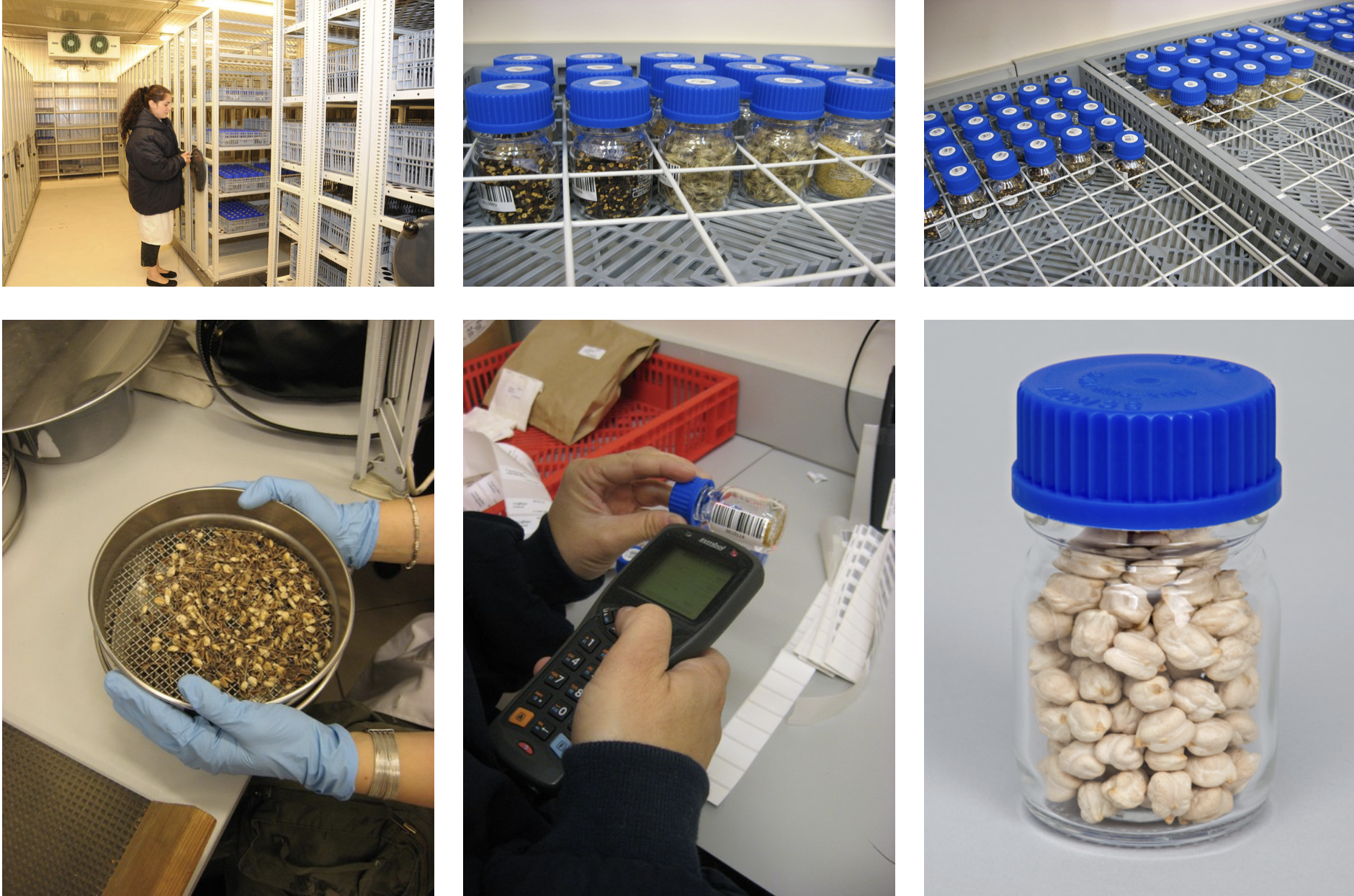
Seed bank in Israel run by the ARO
Israel is home to one of the most advanced seed banks in the Middle East. The country’s national seed bank, the Israel Plant Genebank which is located at the Agricultural Research Organization (ARO) in Beit Dagan (also known as the Volcani Center), was established in 1921 and has since become one of the world’s leading centers for plant genetic resources conservation. The center engages in traditional crop breeding as well as high-tech gene research.
The Israel Gene Bank and ARO collections include 30,000 samples from approximately 2070 different species. Around 15,000 of these samples were collected in Israel, primarily from wild populations.
The seed banks also hold cultivars and commercial varieties from 152 countries on missions when Israeli scientists look for seeds that can adapt to commercial cultivation in Israel. This kind of research started in Israel in the 1800s at Mikve Israel, a Jewish settlement and agricultural school between Jaffa and Jerusalem. The village is now home to Tel Aviv’s Waldorf School, Hinuch Aviv.
Lebanon is home to the Lebanese Agricultural Research Institute (LARI), which is responsible for conserving and preserving the genetic resources of crops in the country. The institute has collected and conserved thousands of samples of crop seeds from across Lebanon, including varieties of wheat, barley, lentils, and chickpeas. A quick look and the website is not working, a sign of the lack of functioning in the Lebanese government experiencing major power outages daily.
But ICARDA, which opened the seed bank in Syria is headquartered in Lebanon. ICARDA’s work in Lebanon is made possible through the support of Lebanon’s LARI, the FAO, UNDP, GCDT, European Commission and in collaboration with the Lebanese University, and the American University of Beirut.
ICARDA today runs four main research stations in the Central Bekaa Valley: Tel Amara, Haush-Sneid, Kfardan and Terbol. Together these centers reflect the three different agro-climatic zones in Lebanon: Mediterranean, coastal and semi-arid climates. Scientists there run trials of winter crops, spring chickpea, and summer crops at the centers.
Terbol, the biggest of the four research stations, is an excellent site for disease screening mainly for durum wheat, bread wheat, and food legumes. Tests contributing to the development of improved production systems for barley, lentil, grasspea and faba beans.
Seed banks in Turkey
Gordon Hillman, a British archaeobotanist who worked in Turkey saved seeds for future use.
Turkey is home to several seed banks, including the Turkish Seed Gene Bank (TSGB), established in 2010 as a unit of Central Research Institute for Field Crops. Turkey is also home to the Aegean Agricultural Research Institute (AARI), which is responsible for conserving and preserving the genetic resources of crops in the Aegean region. Like all the websites in the Middle East, information is outdated and lacking so contact specific researchers for the most current research in the field.
Back in 2020 Turkey raided a British Institute in Ankara and seized a seed collection collected by a British researcher in 1969. The Turks said they don’t want their seeds plundered. There is an important debate on ownership of seed diversity. Should it belong to one culture, nationality or time? Or do these seeds belong to all humanity? Questions worth asking.
Many of the seed varieties that are stored in the Levant area seed banks are at risk of extinction due to a range of factors, including climate change, urbanization, and conflicts which seem to be never-ending. If archeologists and researchers from the past didn’t save them, would they have been saved?
For example, many varieties of emmer wheat that have been grown in the Middle East for thousands of years are at risk of disappearing due to the increasing use of high-yield modern varieties that are more resistant to pests and diseases. Should they be held for safe-guarding by other nations? Or should they stay in the Middle East?
Ancient emmer wheat up close
There are local heroes starting to grow local and heirloom varieties. You will find them when you start looking. Now is the time to start the debate and actions towards saving our seeds.
SpaceX has deployed satellites to run Starlink but there is a limit to what we can send to space, says MIT
MIT aerospace engineers have discovered that rising greenhouse gas emissions are altering the near-Earth space environment in ways that will gradually reduce the number of satellites that can safely operate in this region.
In a study published today in Nature Sustainability, the researchers reveal that carbon dioxide and other greenhouse gases are causing the upper atmosphere to shrink. The thermosphere, a layer where the International Space Station and most satellites orbit, is of particular concern. When the thermosphere contracts, its density decreases, which reduces atmospheric drag—the force that typically pulls old satellites and space debris down to lower altitudes where they burn up upon re-entry.
With less drag, satellites and debris will remain in orbit longer, creating an overcrowded environment in critical regions and heightening the risk of collisions.
The team ran simulations to assess how carbon emissions impact the upper atmosphere and orbital dynamics, estimating the “satellite carrying capacity” of low Earth orbit. Their findings predict that by 2100, the capacity of popular orbital regions could decline by 50-66 percent due to the effects of greenhouse gases.
“Our behavior with greenhouse gases over the past century is affecting how we will operate satellites over the next century,” says Richard Linares, an associate professor in MIT’s Department of Aeronautics and Astronautics (AeroAstro).
“The upper atmosphere is in a fragile state as climate change disrupts the status quo,” adds lead author William Parker, a graduate student in AeroAstro. “At the same time, satellite launches have surged, particularly for broadband internet from space. If we don’t manage this activity and reduce emissions, space could become too crowded, leading to more collisions and debris.”
The study also includes co-author Matthew Brown from the University of Birmingham.
Space junk
The thermosphere naturally contracts and expands in response to the sun’s 11-year activity cycle. During periods of low solar activity, the Earth’s outer atmosphere cools and contracts before expanding again during solar maximum.
In the 1990s, scientists wondered how greenhouse gases might affect the thermosphere. Early models suggested that while these gases trap heat in the lower atmosphere, they radiate heat at higher altitudes, cooling the thermosphere. This cooling, they predicted, would cause the thermosphere to shrink, reducing atmospheric density at high altitudes.
In recent years, scientists have measured changes in drag on satellites, providing evidence that the thermosphere is contracting in response to factors beyond the sun’s natural cycle.
“The sky is literally falling, but at a rate that spans decades,” says Parker. “We can see this by how drag on satellites is changing.”
The MIT team explored how these changes might affect the number of satellites that can safely operate in Earth’s orbit. There are currently over 10,000 satellites in low Earth orbit—an area extending up to 1,200 miles (2,000 kilometers) above the Earth’s surface. These satellites provide vital services like internet, communications, navigation, weather forecasting, and banking. With the recent explosion in satellite launches, operators now perform regular collision-avoidance maneuvers to maintain safety. When collisions occur, debris can linger in orbit for decades or longer, heightening the risk of further collisions.
“More satellites have been launched in the last five years than in the preceding 60 years combined,” Parker says. “One of the key things we’re trying to understand is whether the path we’re on today is sustainable.”
In their study, the researchers simulated different greenhouse gas emissions scenarios over the next century to evaluate their impacts on atmospheric density and drag. For each altitude range, they modeled orbital dynamics and the risk of satellite collisions based on the number of objects present. This approach helped identify the “carrying capacity” of low Earth orbit, a term typically used in ecology to describe how many individuals an ecosystem can support.
“We’re translating the concept of carrying capacity to this space sustainability problem to understand how many satellites low Earth orbit can sustain,” Parker explains.
The team compared several emissions scenarios: one in which greenhouse gas concentrations remain at 2000 levels, and others based on future projections from the IPCC’s Shared Socioeconomic Pathways (SSPs). They found that increasing emissions would significantly reduce the capacity of low Earth orbit.
By the end of the century, the team predicts that the number of satellites safely accommodated in altitudes between 200 and 1,000 kilometers could decline by 50-66 percent compared to a scenario where emissions remain at 2000 levels. If satellite capacity is exceeded in any region, the researchers anticipate a “runaway instability,” where a cascade of collisions would generate so much debris that satellites could no longer operate there.
Although these predictions extend to 2100, some regions are already nearing capacity, especially those occupied by recent “megaconstellations” like SpaceX’s Starlink, which consists of thousands of small internet satellites.
“The megaconstellation is a new trend, and we’re showing that because of climate change, we’re going to have a reduced capacity in orbit,” Linares says. “In local regions, we’re already approaching this capacity.”
“We rely on the atmosphere to clean up our debris,” Parker adds. “If the atmosphere is changing, the debris environment will change as well. Our study shows that the long-term outlook for orbital debris depends critically on curbing greenhouse gas emissions.”
This research is supported, in part, by the U.S. National Science Foundation, the U.S. Air Force, and the U.K. Natural Environment Research Council.”
You can do a sustainable beer tour in Amsterdam, by bike.
Tourism is an economic powerhouse, but over-tourism has strained many beloved destinations, leading to environmental degradation, cultural dilution, and declining quality of life for locals. To counteract these issues, various hotspots have introduced regulations to curb excessive visitor numbers. Many have also developed eco-volunteering opportunities and sustainable lodging options for travelers who want to give back. Below, we explore the measures being taken in different locations and how visitors can engage in meaningful, sustainable tourism.
Ibiza, Spain
To address the influx of cruise tourists, Ibiza has introduced new regulations limiting the simultaneous docking of cruise ships to no more than two at a time. This measure aims to ease congestion and reduce environmental strain.
Eco-volunteering opportunities in Ibiza:
IbizaPreservation: Works on marine and land conservation efforts.
Plastic Free Ibiza & Formentera: Dedicated to reducing plastic waste on the islands.
GEN-GOB Ibiza: Focuses on biodiversity conservation and sustainable farming.
Sustainable Lodging in Ibiza:
Cas Gasi: A boutique eco-hotel focusing on organic farming and renewable energy.
Finca Can Marti: A rustic retreat offering organic food and sustainable living.
La Granja Ibiza: A farmstead that embraces permaculture and community-driven experiences.
Machu Picchu, Peru
Peru has implemented a strict ticketing system requiring visitors to arrive within designated time slots, preventing overcrowding and ensuring sustainable site management.
Eco-volunteering opportunities in Peru:
Conservamos por Naturaleza: Supports conservation initiatives across Peru.
Inkaterra Asociación: Engages in biodiversity conservation and research.
Centro de Rescate Amazónico: Works on Amazon rainforest preservation and wildlife rehabilitation.
Sustainable Lodging in Machu Picchu:
Inkaterra Machu Picchu Pueblo Hotel: A leading eco-lodge with conservation programs.
Sumaq Machu Picchu Hotel: A luxury lodge promoting Andean traditions and sustainability.
Tierra Viva Machu Picchu: A sustainable hotel using eco-friendly practices.
Santorini & Mykonos, Greece
The Greek government plans to limit cruise ships to mitigate the effects of overtourism on the Cycladic Islands, preserving their natural beauty and cultural integrity.
Eco-volunteering opportunities in Greece:
Aegean Marine Life Sanctuary: Protects marine ecosystems in the Aegean.
Archelon – The Sea Turtle Protection Society of Greece: Focuses on sea turtle conservation.
Hellenic Ornithological Society: Protects bird species and their habitats.
Sustainable Lodging in Santorini & Mykonos:
Santorini Eco Retreats: Offers sustainable stays with renewable energy sources.
Mykonos Earth Suites: Built with eco-friendly materials and solar power.
Eros Keros: An off-grid retreat on Koufonisia near Mykonos.
Amsterdam, Netherlands
Amsterdam is taking drastic measures to curb overtourism, including limiting river cruises, banning new hotels, reducing annual visitor numbers by 271,000, and capping overnight stays at 20 million.
Eco-volunteering opportunities in Amsterdam:
Plastic Whale: Organizes plastic-cleaning boat trips on the canals.
Stichting De Noordzee: Works to protect the North Sea ecosystem.
IVN Natuureducatie: Focuses on nature education and conservation projects.
Sustainable Lodging in Amsterdam:
Conscious Hotel Westerpark: A fully sustainable hotel powered by green energy.
Hotel Jakarta Amsterdam: Built with sustainable materials and featuring an indoor rainforest.
Ecomama Hotel: A boutique eco-hostel with a strong focus on social responsibility.
Menorca, Spain
Residents of Binibeca Vell have set time restrictions for tourists, only allowing visits between 11 a.m. and 8 p.m. to prevent noise pollution and overcrowding.
Eco-volunteering opportunities in Menorca:
Menorca Preservation Fund: Supports local conservation efforts.
GOB Menorca: Focuses on environmental protection and sustainable agriculture.
Fundació Foment del Turisme de Menorca: Promotes sustainable tourism initiatives.
Sustainable Lodging in Menorca:
Torralbenc: A luxury eco-retreat using sustainable farming methods.
Agroturismo Son Vives: A rural eco-hotel supporting organic agriculture.
Hotel Rural Biniarroca: A boutique hotel committed to sustainable tourism.
Barcelona, Spain
Barcelona has reduced cruise dockings to seven per day and removed a popular bus route to Parc Güell to discourage peak-season tourism.
Eco-volunteering opportunities in Barcelona:
Projecte Boscos de Muntanya: Works on forest conservation.
Rezero: Focuses on waste reduction and sustainability.
Surfrider España: Engages in marine conservation and beach cleanups.
Sustainable Lodging in Barcelona:
Hostal Grau: A carbon-neutral eco-hotel.
Yurbban Trafalgar Hotel: Focuses on sustainable energy and community projects.
EcoZentric Hotel: Uses renewable energy and eco-friendly products.
Sustainable Travel: A Collective Effort
While governments enforce new regulations, travelers also play a key role in ensuring sustainability. Opting for eco-volunteering experiences and choosing eco-friendly accommodations provide a more meaningful connection to a destination while actively contributing to its preservation. By making mindful travel choices, we can ensure that these breathtaking places remain vibrant and welcoming for generations to come.
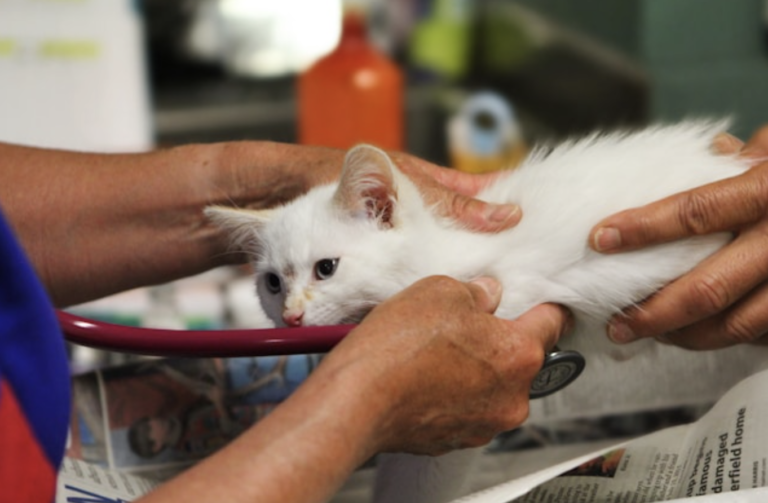
With sustainability quite rightly taking center stage worldwide, different industries have to rethink their environmental impact and what their sectors might look like in 10 or 20 years. Veterinary medicine is one such industry. From waste reduction to energy-efficient medical equipment, animal healthcare is embracing greener solutions that benefit the planet and improve patient outcomes. Let’s take a look.
The Role of Digital Imaging in Reducing Waste
One of the most significant leaps forward in veterinary care has come with X-ray methods. As with human medicine, vets can now take advantage of digital and often portable X-ray machines. Modern veterinary X-ray machine technology eliminates the need for film, reduces radiation exposure, and delivers faster, high-quality results for accurate diagnoses. Additionally, digital records minimize paper waste, making veterinary clinics more environmentally friendly.
To further improve efficiency, many clinics now use PACS (Picture Archiving and Communication System) to manage and store digital images. This system allows veterinarians to access X-rays from any device, share them instantly with specialists, and maintain a secure archive without relying on physical storage. Cloud-based solutions such as Studycast veterinary PACS make the process even more seamless, giving clinics the ability to reduce costs, streamline workflows, and support more sustainable practices.”
Eco-Friendly Innovations in Veterinary Medicine
Veterinary medicine has changed dramatically in the last couple of decades. Once the frequently underappreciated younger sibling of human medicine, animal care has seen some astonishing technological breakthroughs. Yet traditional veterinary practices still often rely on disposable materials, energy-intensive procedures, and chemical-based treatments—but things are changing.
Veterinary hospitals are being constructed with energy-efficient insulation, solar panels, and natural lighting to reduce electricity use. Biodegradable or recyclable pet care products, including compostable bandages and eco-friendly cleaning solutions, are quickly becoming the norm and medication disposal methods are helping to lower the impact of pharmaceutical waste on water systems.
Minimizing the Carbon Pawprint
The food we eat is under the spotlight—but so is what we feed our pets and the animals that go into our food system. While cost has long been at the forefront of people’s minds, the environmental impact and whether eco-friendly alternatives are available are now major considerations. Ethically sourced, plant-based, or insect-based pet food options are reducing the carbon footprint of animal diets. Collars, leashes, and pet beds made from recycled or biodegradable materials are replacing synthetic options, and shampoos, conditioners, and pet wipes free of harsh chemicals and packaged in biodegradable containers are gaining popularity.
Advancing Wildlife and Conservation Efforts
And it’s not just about pets, cows, and sheep; we need to think much wider. Many endangered species rely on veterinary intervention for survival, and incorporating eco-friendly medical practices helps minimize human impact on fragile ecosystems. Veterinarians working in the field are developing non-invasive diagnostic tools and remote monitoring systems to reduce the need for human intervention while still providing life-saving care to animals in their natural habitats.
A Greener Future for Veterinary Medicine
Technology is advancing at a dizzying rate, and so is the opportunity to integrate sustainability into every aspect of veterinary care. From cutting-edge digital tools to greener clinic operations, the shift toward environmentally responsible animal healthcare is no longer a luxury. With the planet’s health at stake, we need to examine every industry, product, and system in place. Are we doing enough? Veterinary care is already a transformed industry, but as with every other, major changes are still to come.