
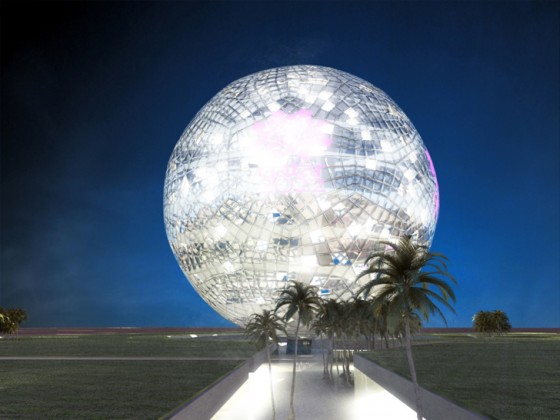
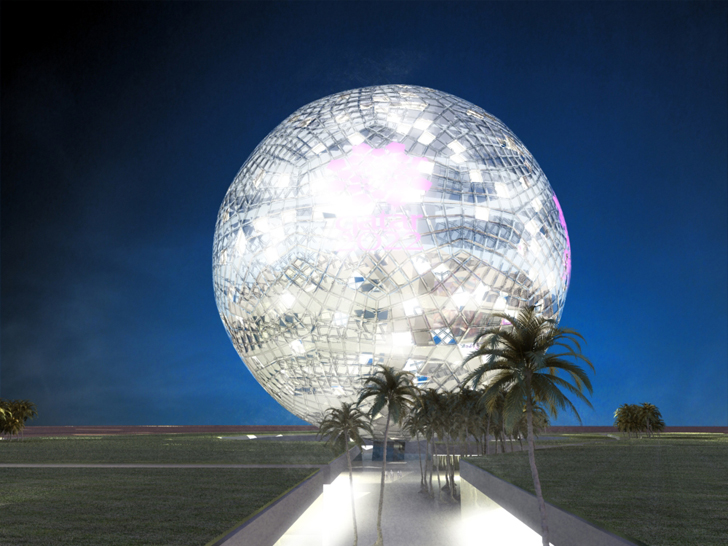
 A giant revolving crystal ball provides a glimpse of Qatar’s 2022 world cup ambitions, which aren’t looking so sustainable after all. Apriori Communications commissioned Vedran Pedišić (SANGRAD) and Erick Velasco Farerra (AVP-arhitekti) to design a technologically-advanced spherical structure that will play host to a new FIFA soccer museum.
Revolving Crystal Ball Predicts Qatar’s World Cup Ambitions
Islamic Cemetery in Austria Reinforces Natural Connection to the End
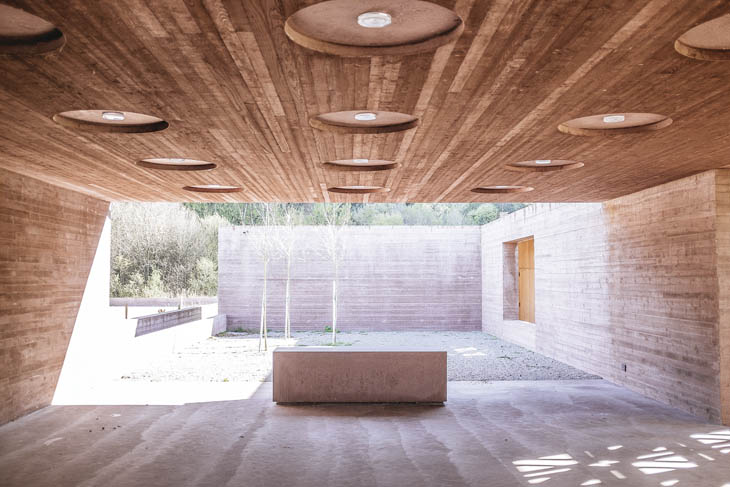
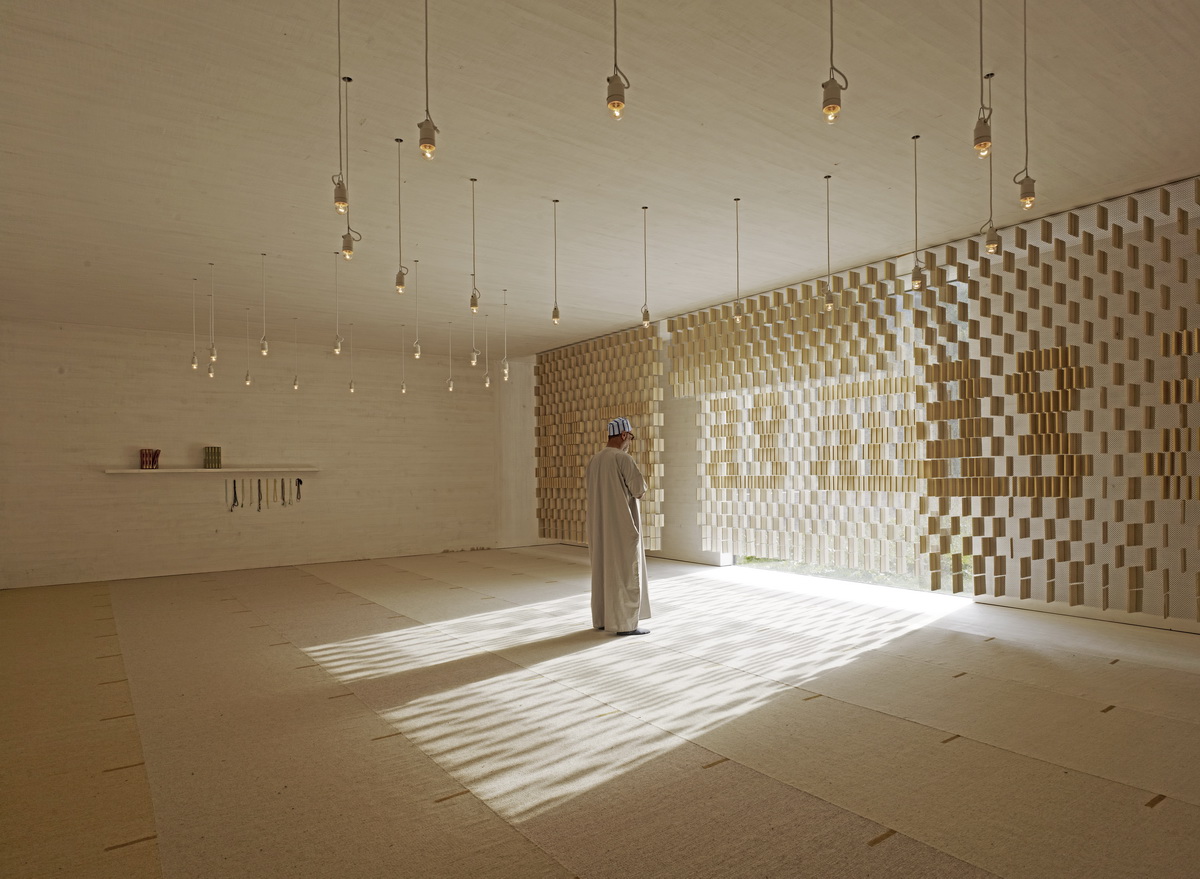
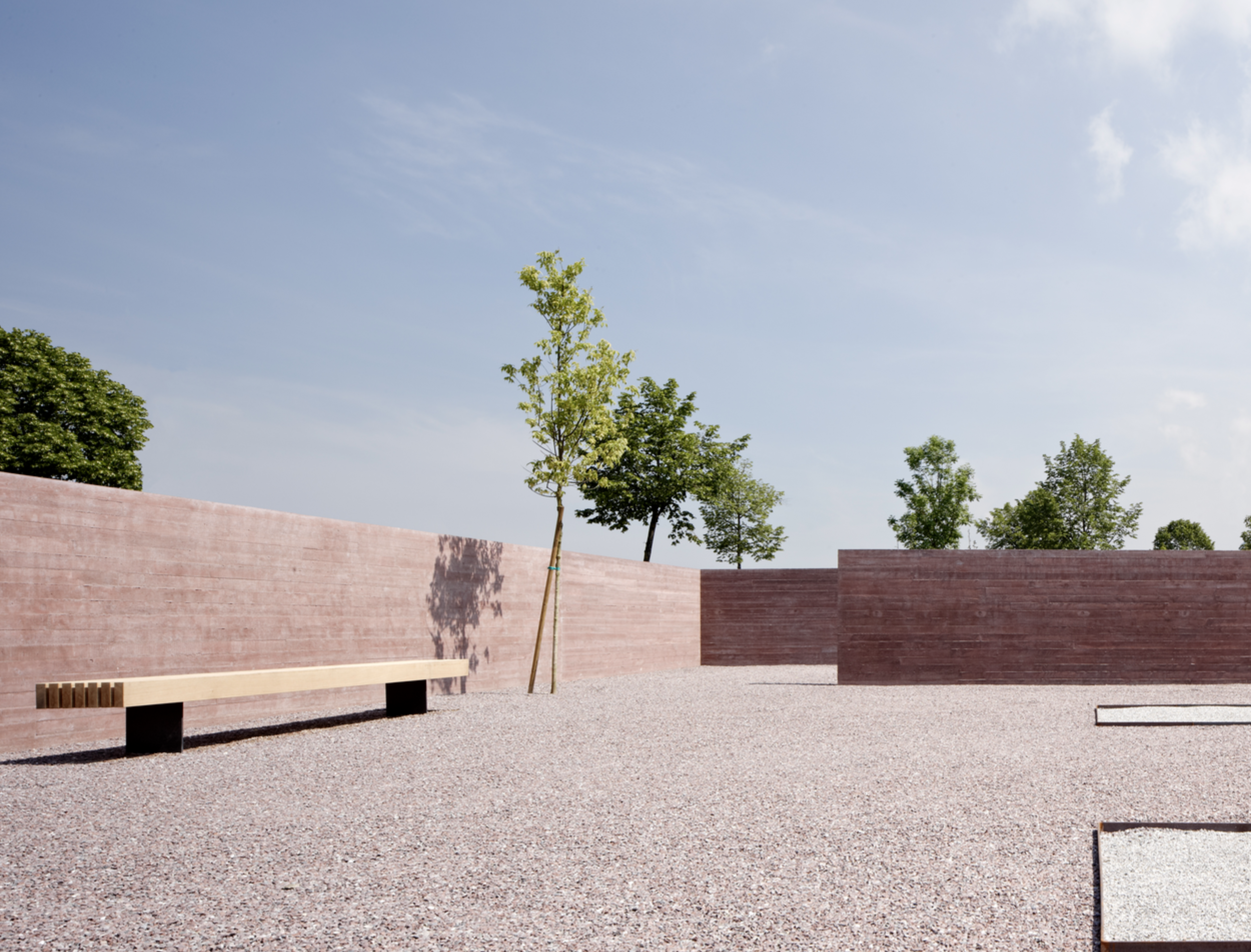
An 8,400 square meter cemetery for Islamic burials in Austria reinforces humanity’s connection to nature until the end. A tranquil design flawlessly executed by Bernardo Bader with an applaudable combination of simplicity and reverence, the cemetery built in Vorarlberg features a series of variously-sized walls that not only separate the cemetery from the surrounding landscape, but also gently cordon off grave burials.
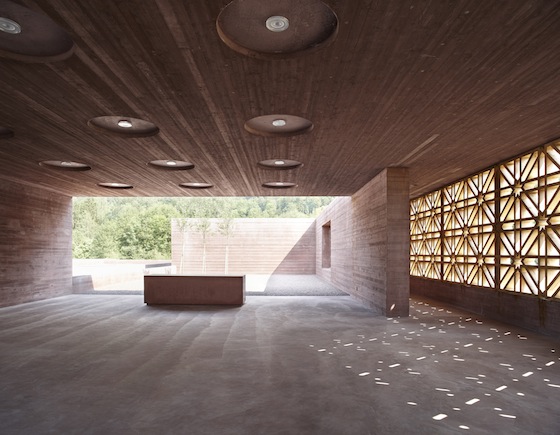
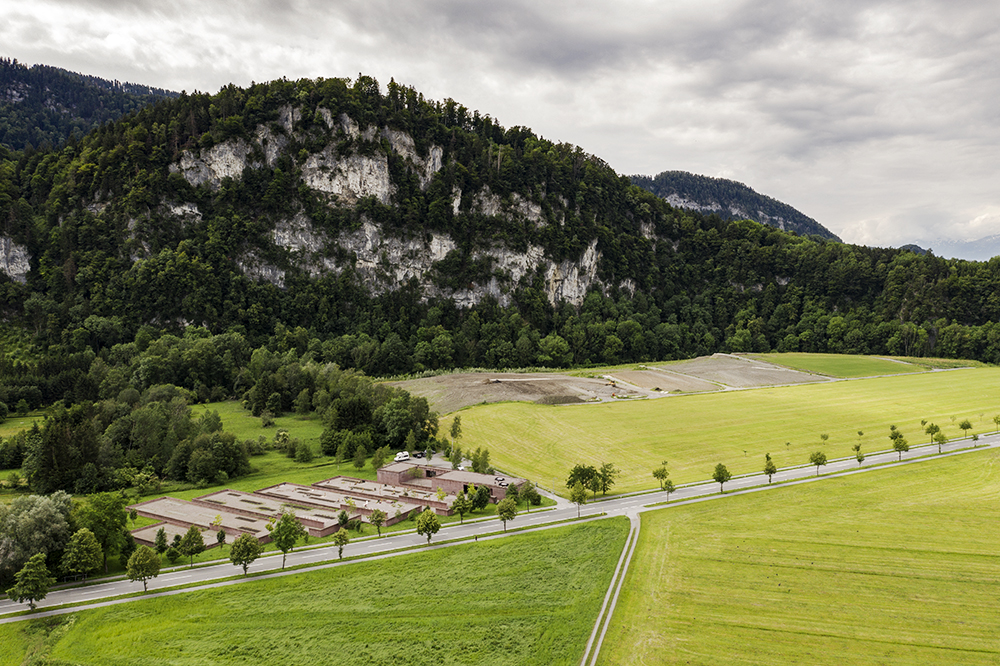
In its purest form, Islam (like most religious and spiritual ideological systems), calls for humanity to retain their connection to the earth. That we are custodians of the planet is an idea that is expressed in numerous Quranic tenets.
Bearing this in mind, Bader aimed to design a cemetery for Muslim residents living in Altach, Austria that would be a gentle reflection of this powerful and largely overlooked sense of responsibility.
Unlike some embarrassingly overdone monuments to the dead, a series of elegant walls depicting intricate designs very similar to the Mashrabiya screens that help to facilitate natural light and ventilation in mosques and homes in the Arab world.
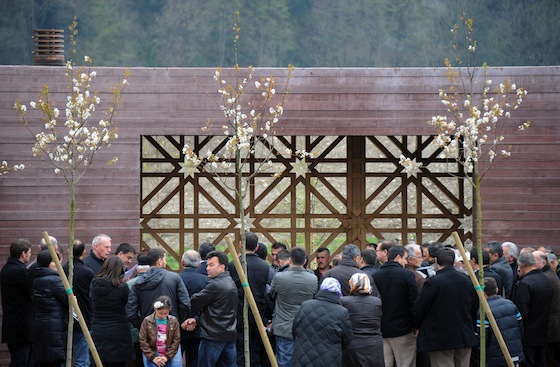
It is at once a tasteful intervention that minimizes site impact while also creating intimate spaces that allow families to mourn their loss in a magical alpine environment.
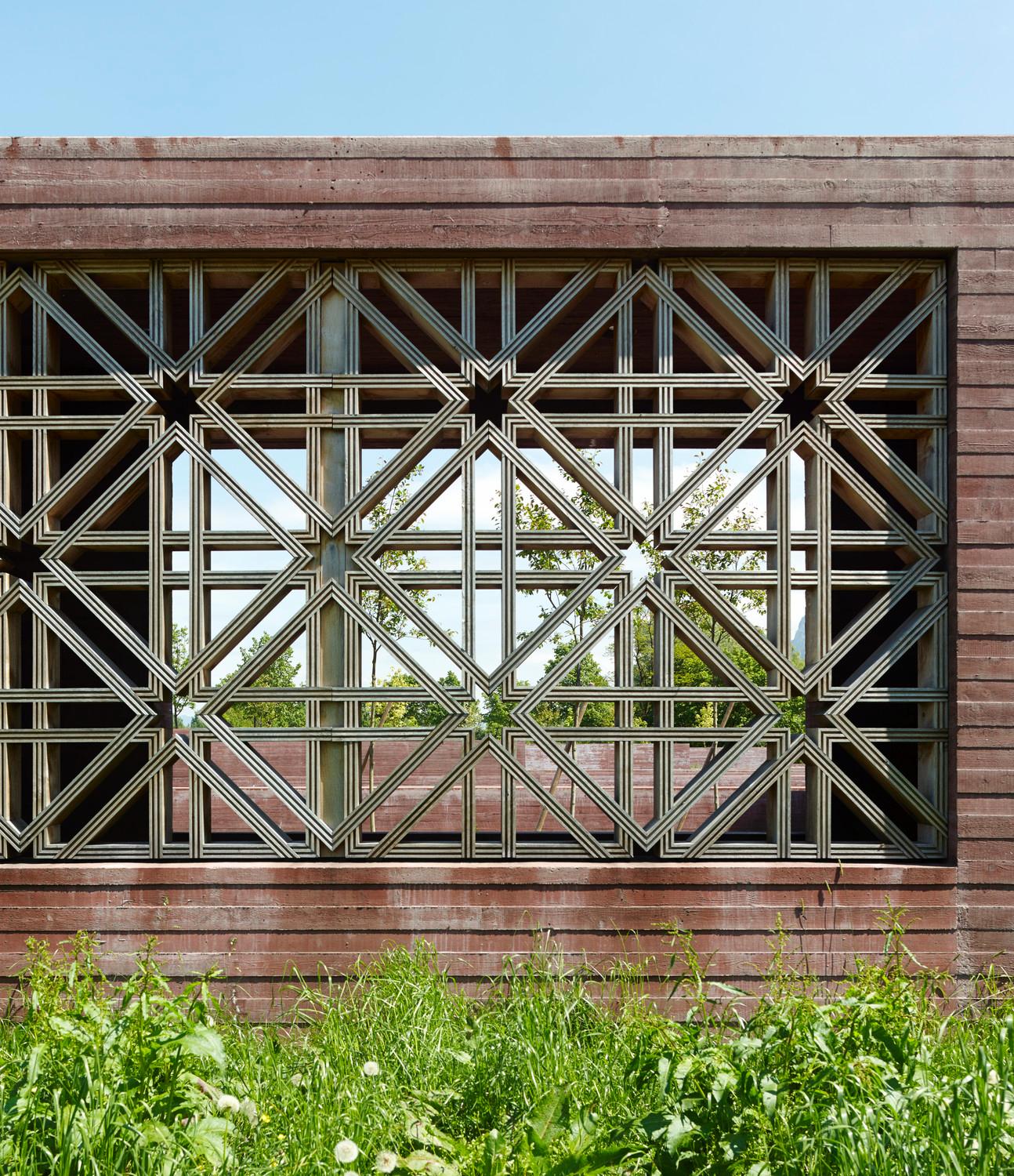
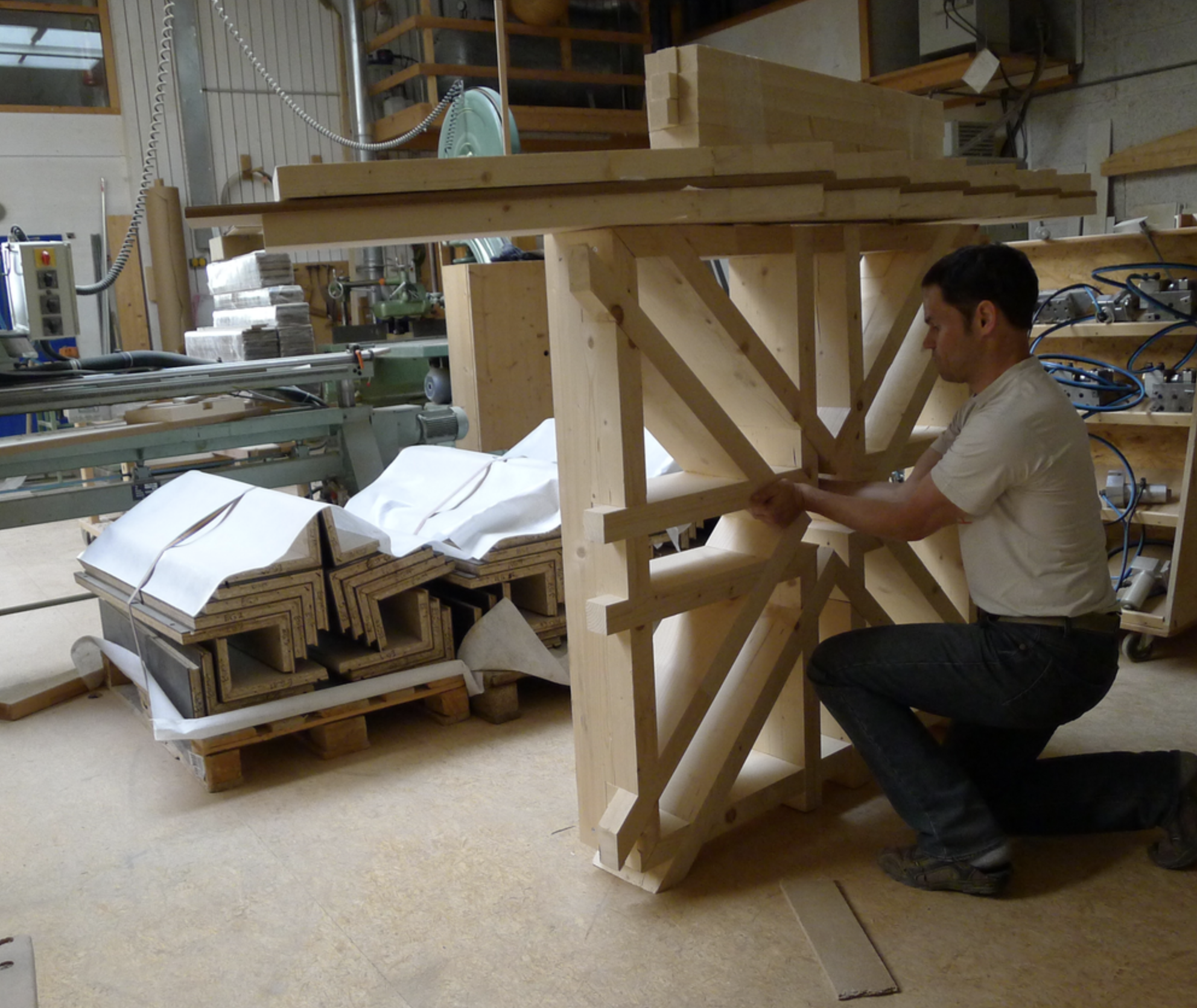
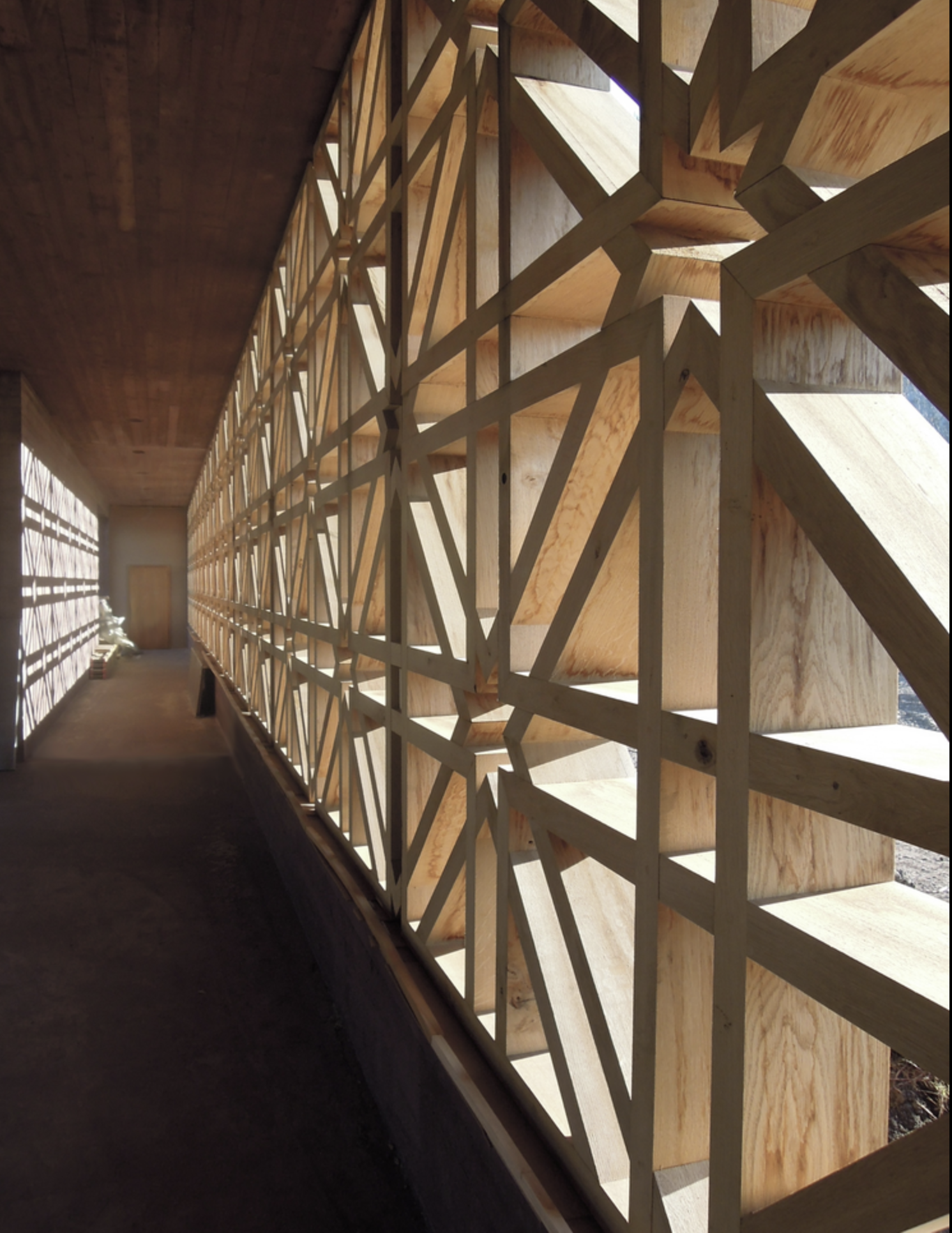
See how this cemetery compares with Zoroastrian burials in Iran.

Cemetery blueprint

Images via Adolf Bereuter, Nikolaus Walter, Peter Allgäuer, Bernardo Bader
Hot Air Ballooning over Turkey’s Cappadoccia

Park those alternative energy cars and hybrid vehicles, hot air ballooning is my new green travel of choice. Can there be a more magnificent place to try my wings than over the Cappadoccian landscape?
Cappadocia is a region in Anatolia, largely in the Nevşehir Province, in the center of modern day Turkey. Together with Göreme National Park, these rock sites form one of Turkey’s eleven World Heritage Sites. Centuries of volcanic eruptions coated the topography with layer on layer of lava and volcanic “tufa”, volcanic ash turned to rock. Nearby, Erciyas volcano is still active with occasional minor eruptions.
Wind and water have sculpted the landscape into spectacular pillars and towers that could have sprung from the imaginings of Tim Burton or Doctor Seuss. Grass covered plateaus crack open, exposing terrifyingly craggy innards. Soft mounds of tufa look like melting ice cream. The variegated earth is set against unflinchingly blue skies. All perfect for a hot air balloon ride.
Tel Aviv Bids for Artificial Island International Airport At Sea
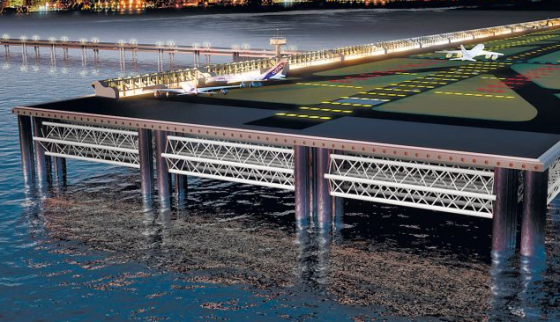

Fly into Israel? Land at sea first on this 250 acre platform runway proposed for international flights.
There has been talk for a couple of years already that Tel Aviv’s international airport will move to the sea, literally. A proposal has been submitted to create an artificial island off the city’s coast to replace the Ben Gurion Airport, one that services local, domestic and international flights. A couple months ago I interviewed a geologist helping to develop feasibility studies for such a structure. And according to media reports it looks like the crazy plan is going ahead despite environmental risks to the fragile Mediterranean Sea, and security risks of sabotage.
Tel Aviv Goes on Bike Impounding Rampage

 Bikes blocking traffic or crosswalks are being impounded in Tel Aviv.
From the first time I visited Tel Aviv more than a decade ago, up until today so much has changed in the way the city’s residents accept cycling. Back then if you rode a bike you were either a migrant worker pushing fabric rolls across the city, a vagrant collecting junk and hobbling it to the side of your wheels, or a strange kind of hippy. Fast forward ten years and the middle and upper class of Tel Aviv has embraced bike riding – so much that the city has rolled out a Paris-style Velo bike program called Tel-O-Fun.
Although it has its aggravating moments (as some users complain), it’s a pretty neat way to get around the city while avoiding the stress of thievery. But now, Tel Aviv cyclists have more than vandals to worry about. Media reports say that the City is indiscriminately impounding bikes that aren’t chained to one of the city’s 3000 official bike racks. Like every story there are two sides, but the approach has the city’s bike riders up in ire.
Mud and Mirrors Make Interactive Eco-Art in Morocco
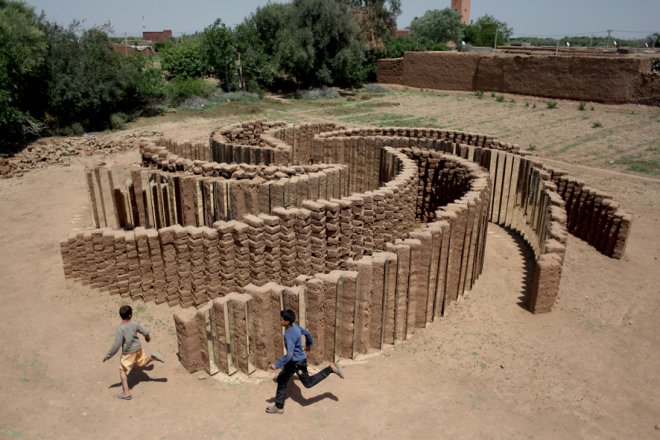
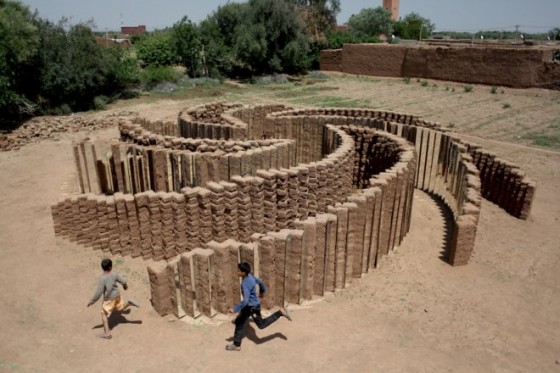 Icelandic artist Elín Hansdóttir has combined mud and mirrors in this unusual interactive eco-art exhibit for Morocco. Designed as part of the Marrakech Biennale earlier this year, the earthy installation features pillars of mud and straw organized into a spiral design that is then fronted with mirrors that reflect the exhibit itself and the surroundings.
Eat Slower, Enjoy It More, And Eat Less
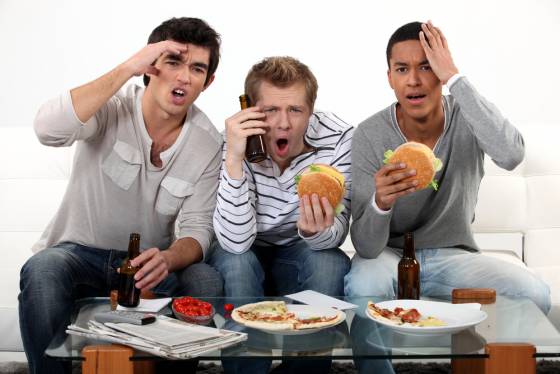
You eat more under stressful conditions.
Did you ever notice that you eat much more popcorn during the tense scenes at the movies? It’s a self-comforting thing to do, a response to stress. Researchers Brian Wasink and Koert van Ittersum at Cornell University recently discovered a parallel in a study done at one of the Hardee restaurants, an American fast-food chain offering items like bacon and cheddar fried potatoes. The Hardee restaurants feature a typical fast-food hectic ambiance: lots of bright lights and color, and fast, loud music – all forms of stress. (Here at Green Prophet we’ve wondered if stress makes us fat.)
To accommodate the study, the restaurant made over an isolated area to resemble a fine-dining experience. Low lights, white tablecloths, and relaxing jazzy music – but the same fast-food menu as offered in the regular area. Subjects under study were assigned to eat in either area. Expectations were that the slower-paced diners would order and eat more, but it turned out to be the opposite. We reported on Dr. Wasink’s previous study on overeating in this post.
Cement Returns to Its Sustainable Roots
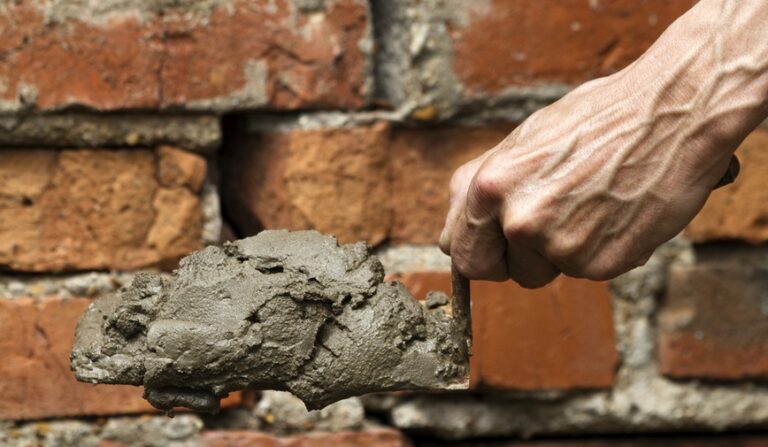

Chemists bring one of the oldest materials in building history back to its green roots.
Cement is one of the oldest building materials cooked up by humans, but it’s so misunderstood. It’s not what paves your cement sidewalk, that’s concrete. And it’s not concrete, although cement is a main ingredient. Modern advances in production and ingredient mix are reinventing this “everywhere” substance as a sustainable champ. The material itself is fairly green but fails miserably in whole lifecycle assessment. Cement relies on fossil fuels for processing its raw materials. Resultant emissions mean that making basic cement causes about 5 percent of all manmade carbon dioxide.
Think of it as glue. The ancients discovered that finely ground lime or silicates, mixed with water, will react at ordinary temperatures to form a sludgy ooze with superior binding powers. Recent advances in chemical mix and production technologies are not only making concrete carbon-neutral, it’s actually achieving carbon-negativity.
Turn Disposable Water Bottle into Pencil Case: Upcycling Tutorial
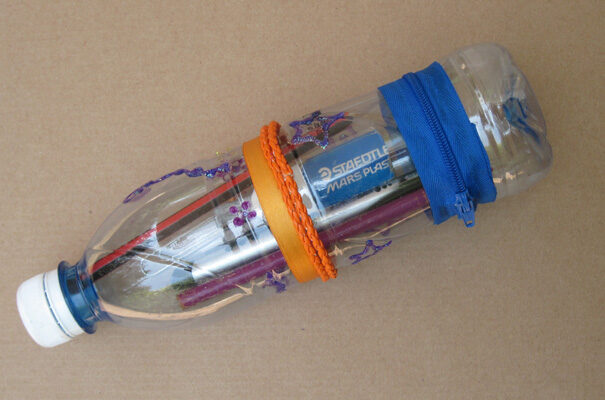
 Now that the kids are back at school, time to go green and continue the celebrations with this back-to-school tutorial. Parents will need to help with this one.
This time of year with kids returning to school, many go on shopping spree spending lots of money on branded notebooks, agendas, and bags.
But why not for a craft and green option for a pencil case?
I’m all for using a reusable personal water bottle filled with tap water, but there are still plenty disposable plastic bottles around, so here is the step by step tutorial how to upcycle it to a cool pencil case!
Crafting has many benefits, in this case not only you are making your own personalised creation – using a water bottle allows for additional benefit: it’s transparent so you can easily see what’s inside your case. See below for instructions.
Spencer Tunick and Israel’s Tent Protest Leader Team up For Dead Sea
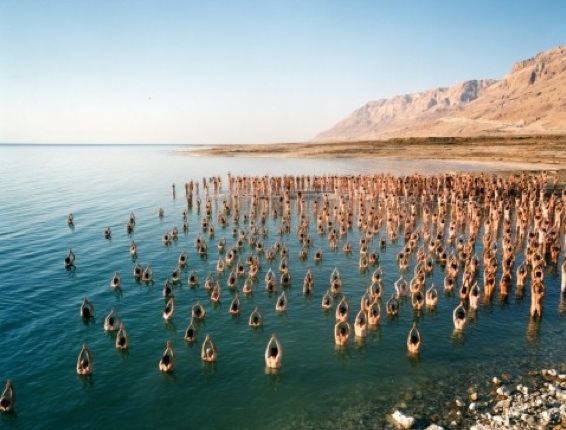
 Renowned nude photographer Spencer Tunick and Daphne Leef, the leader of last year’s tent protests in Tel Aviv, are teaming up to promote creative social activism in Israel. In support of Save our Sea, a grassroots organization that strives to raise awareness of the Dead Sea’s declining ecological health, the pair have organized an overnight gathering and early morning photo shoot (sorry, no nudity this time).
The event scheduled to take place overnight on Thursday September 14th will include an early morning drumming session near the Masada ruins and end with a panel moderated by environmental photographer Roie Galitz.
3,000 Year-Old Public Water Works Unearthed in Jerusalem

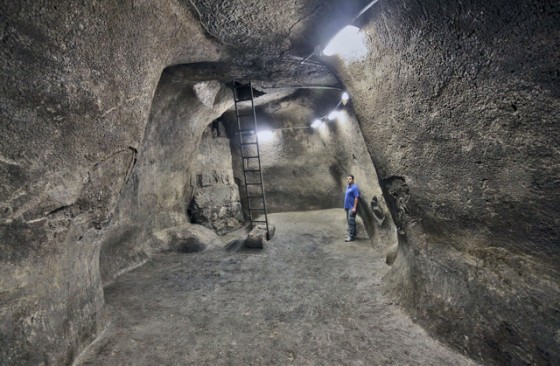 Jerusalem’s water consumption during the First Temple period was not solely based on the output of a natural spring, but relied on public reservoirs.
A large rock-hewn water reservoir dating to the First Temple period was recently discovered in the archaeological excavations that are being conducted in Jerusalem. The excavation, during the course of which the reservoir was discovered, is part of an archaeological project to expose the entire drainage channel of Jerusalem dating to the Second Temple period.
The channel runs north along the City of David spur, from the Siloam Pool to a point beneath Robinson’s Arch. The route of the channel was fixed in the center of the main valley that extends from north to south the length of the ancient city, parallel to the Temple Mount.
Is Organic Food Really Healthier?
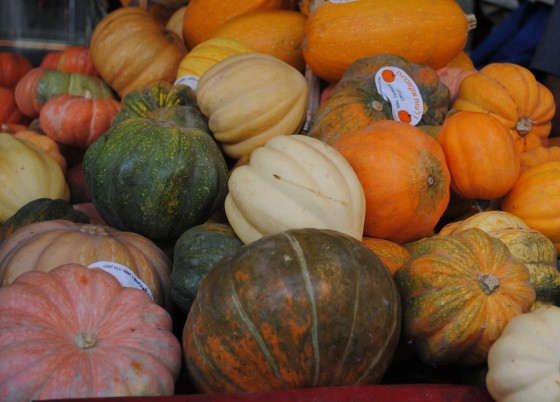
 A study from Stanford University, California, concludes that organic food is no more nutritious than conventional. But how correct is that?
A furor of debate is breaking over a statistical analysis of data on food. Over 200 studies on organic and conventionally raised produce, grains, eggs, milk, poultry and meat were collated by Stanford University’s Center for Health Policy and broken down for comparison. The research was published in the Annals of Internal Medicine this month and concludes that organic produce has little nutritional value over the conventionally raised. This isn’t the first such study Green Prophet has reported.
Some argue that soil conditions of the organic produce wasn’t accounted for in the studies. Depleted soil will yield poor produce, no matter if organically farmed, and the soil conditions of the tested produce is unknown.
But the greater weight of the pro-organic argument falls upon the undoubtedly higher levels of pesticides, hormones and antibiotic-resistant bacteria in conventional produce. Consumers say that they’re less concerned with nutrition than with avoiding those evils. Even in the Middle East there are enough health-conscious consumers to justify opening organic stores.
It Took 15 Years to Build This and That’s a Good Thing
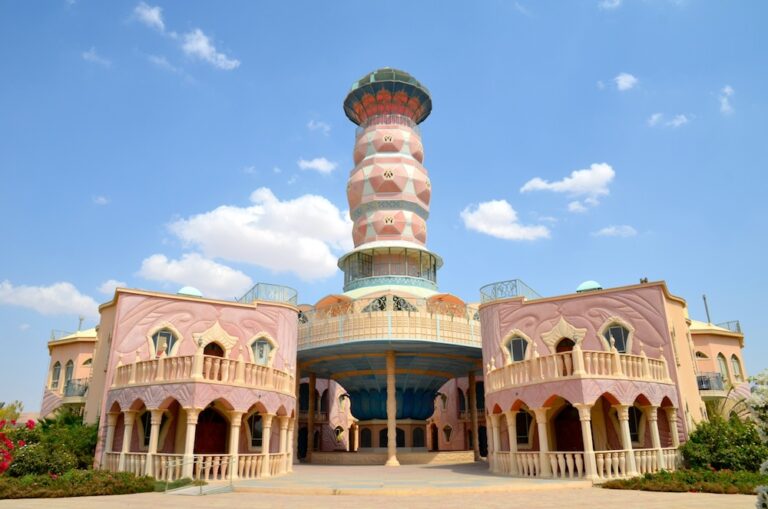

Remember the good old days when it took decades to build major monuments? Historians estimate that 30 years passed before the back-breaking pyramids of Giza came to glory, for example, and more than a century after construction began in 1882, La Sagrada Familia in Barcelona is still not finished.
Although laborers might disagree, there’s something honest about the kind of construction that requires slow extraction, transportation and re-assembly of the earth’s materials – especially compared to our current obsession with erecting buildings as fast as possible. In China, a 15-story building was supposedly built in a record-breaking six days.
Fortunately, not all people are beguiled by speed. We recently visited the renowned Kibbutz Ne’ot Semadar and talked to one of its founders about their iconic, passively-cooled community arts center that took 15 long years to build. Step-by-step, a group of like-minded nature-lovers learned the skills necessary to construct a landmark, structurally-sound earth building in the heart of Israel’s Negev desert.
Australia Kills Nearly 400 Camels From the Sky

Camels are a nomad’s best friend but a serious nuisance in Australia, where the environmental ministry recently culled nearly 400 of them en masse. Despite efforts from locals to raise awareness of the numerous benefits of camels, the government has long waged a campaign against feral camels that roam the country’s desert region.
The South Australian Environment Department killed the camels after a truck collided with seven animals on the Eyre highway linking southern and western Australia. The truck driver wasn’t injured in the crash, but Nick Secomb, Project manager of the South Australian Feral Camel Management Project, told local press that “the camels weren’t so lucky.”
Meanwhile in Dubai, camels are being genetically engineered to produce pharmaceutical proteins through their milk. This is the first time, according to our sources, that drugs produced by transgenic animals will be approved for use in humans.
Bureaucracy Slows Israel’s Solar Energy Progress
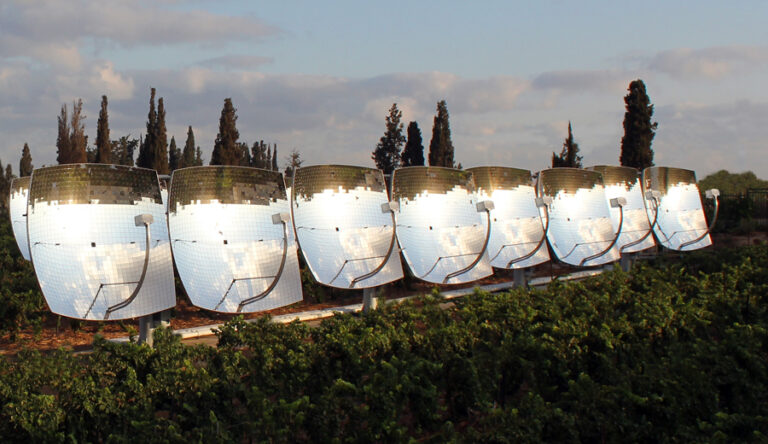
Israel’s research labs such as National Solar Energy Center, Grand Technion Energy Program (GTEP) and companies such as Zenith Solar and Arava Power Systems are developing advanced solar energy technology which is nearly cost-competitive with fossil fuels. Israel’s solar technology has been used in places as far away as Australia and China. Combine this with the fact that about 60 percent of Israel is a desert averaging more than 9 hours of sunshine per day and Israel’s solar energy industry should have a bright future. But as of 2011 Israel had only installed 190 Megawatts of peak photovoltaic power generation capacity. This is about 3 photovoltaic watts per person. This places Israel at the top of the MENA countries, well ahead of Turkey which only has 0.1 peak photovoltaic watts installed per capita. But outside of MENA, 19 countries exceed Israel’s photovoltaic generating capacity. This surprising list includes such cloudy northern places as Canada with twice and Germany with 60 times Israel’s per capita photovoltaic capacity.