Home Blog Page 380

Practical Herbs by Henriette Kress: BOOK REVIEW

0

image-henriette-kress-practical-herbs

If you’re interested in healing with herbs, this is the book to start from.

Henriette Kress is a well-known Finnish herbalist who maintains Henriette’s Herbal Homepage, the Internet’s largest, and oldest, herbal website. She has published three  books on herbology in Finnish; Practical Herbs is her first in English. It packs an impressive amount of herbal information into a relatively slim volume.

To get a glimpse of using herbs at home here on Green Prophet, read our posts on delicious, medicinal chickweed and the abcs of medicine in ordinary spices.

Starting from basic instructions like identification of herbs and ethical harvesting, Practical Herbs continues with clear, easily understood instructions on all methods of processing herbs and making herbal preparations.  Kress takes the reader through herbal teas (like our brew of wild oats), oils, salves, vinegars, syrups, and tinctures (which are simple extracts of herbs’ properties into alcohol). Throughout the text there are  suggestions as to which preparations are best suited to specific ailments.
Mediterranean’s Worst Eco-Debtor Not in the Middle East (Yet)

1

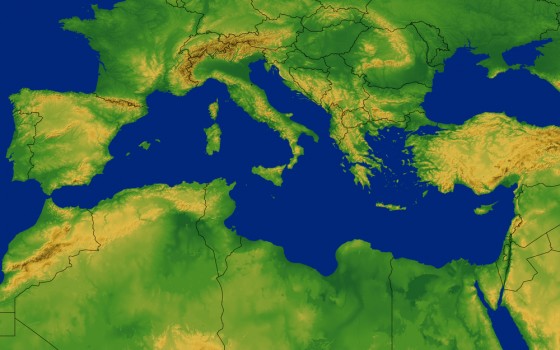
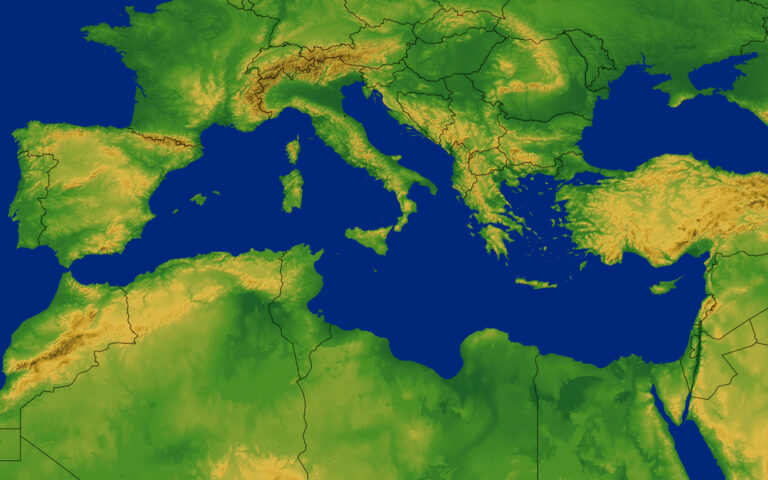
mediterranean region map

The World Wildlife Fund (WWF) says that the Mediterranean’s biggest eco-debtor is Italy, meaning that nation uses more resources than it generates.  Does that mean Middle Eastern nations bordering the sea are environmentally savvy consumers? Mama Mia, no! The medium is the message, said Canadian philosopher Marshall McLuhan. And the message is skewed by the words. Calling our region the “Middle East” chops off connectivity to the other club we belong to: the Mediterranean Basin region.

According to data released by the Global Footprint Network, based on a 47-year-long study, Italy is the Mediterranean Basin country with the highest environmental debt. The Middle East doesn’t appear until fourth and fifth place rankings:  Turkey (10%) and Egypt (9%).

Qatar Airways Hopes Natural Gas Will Battle Climate Change, Lower Prices

2

Qatar Airways, green transportation, natural gas, energy, climate changeQatar Airways’ natural gas push could help combat climate change, reduce costs for passengers. Photo: Qatar Airways

With massive natural gas reserves, it is a wonder that Qatar has not pushed natural gas for the aviation industry. Granted, no country, or airline, has made the move to gas, but Qatar and its flagship Qatar Airways hopes that by rolling out planes run on natural gas, it can help keep costs down for the customer and help combat climate change – a major reason many have reduced their flying in recent years.

The belief across the region, and the airline industry, is that through natural gas liquification the airline industry can begin to reduce its carbon footprint and cut back on greenhouse gas emissions (GHG), which has made flying one of the worst climate change enemies.

Siemens Bows Out of Solar, And Looks to the Wind


Calling all windy Middle East and Mediterranean countries. German giant Siemens is looking for your offshore wind. 

The German industrial giant Siemens, a 165 year-old company, shocked us a bit with the news that it would be selling off its half billion dollar investment in Solel, an Israeli solar energy company that it bought in 2009. At the same time the company bought the Italian company Archimede Solar Energy. Siemens we reported last week, has now bowed out of its commitment to the pan-African and possibly Middle Eastern solar grid project Desertec that would connect the energy of solar farms from sunny countries to Europe. Siemens has cited slow growth, high costs and low profit margins in solar, and now it’s reorganizing its renewable energy business, Bloomberg reports.

“Due to the changed framework conditions, lower growth and strong price pressure in the solar markets,” Siemens said in a statement, “the company’s expectations for its solar energy activities have not been met.”

What’s in store? Hydro power and the wind, with a focus on offshore wind farms in particular. Except for Turkey, hydro is not really an option in the dry Middle East North African regions.

So who’s got the biggest wind potential in the Middle East you might ask – enough to catch the eyes and investment prospects of Siemens? It looks like Iran (with operating wind farms), Egypt, Morocco, and Oman may harbour the greatest investment opportunities in this regard.

Shale Gas and The Ugly Truth: It is NOT Green(er)

1

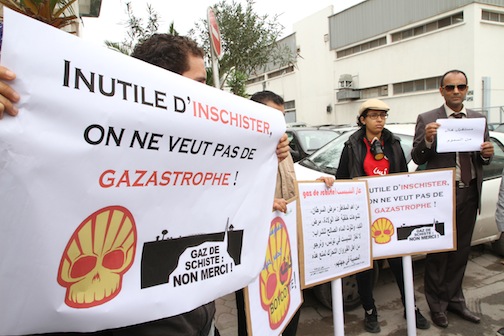
Shale gas takes us down a dangerous path – Tunisians are battling shale gas proponents who say it is less carbon-intensive and ‘green’

With Tunisians protesting Shell’s shale gas plans and Jordanians set to finalise a deal to build the region’s first oil shale plant by the end of the year, it seems that the region is buying into shale. In Tunisia, shale gas is being marketed as low carbon and more environmentally-friendly but the latest research by scientist shows that it is far from that. Examining emissions in the US after the country began burning less coal due to shale gas production, researchers at the Tyndall Centre for Climate Change Research, found that overall emissions had actually gone up. Why? Well, because millions of tonnes of unused coal are being exported to the UK, Europe and Asia.

Expect Worst Climate Change Scenario, Researchers Warn

climate change, floods, extreme weather, NASA, high temperatures, global warming, worst case scenarioIt’s not easy to predict exactly how increased greenhouse gases in our atmosphere will affect global weather patterns, which is one of the main reasons climate change deniers have been able to sow doubt, but scientists are getting closer all the time; recent research funded by NASA reveals that we should expect the worst case scenario in decades to come.

In their study A Less Cloudy Future: The Role of Subtropical Subsidence in Climate Sensitivity published in the most recent issue of Science, John Fasullo and Kevin Trenberth warn that sophisticated climate models that accurately capture the complicated process associated with relative humidity and weather patterns reveal that global temperatures could rise by as much as 7 degrees F by the end of the 21st century.

Kuwait’s Towering Trash Problem

1

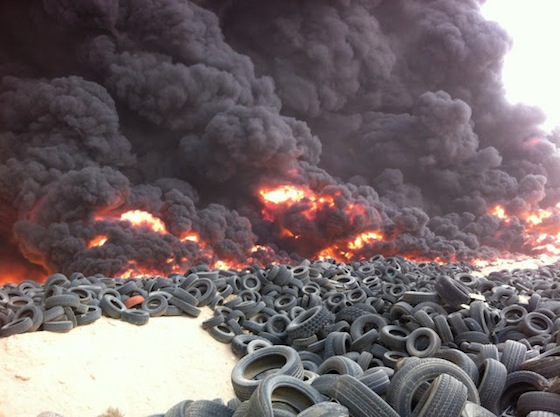
kuwait trash tire fire waste landfillFor such a tiny nation, Kuwait produces some of the world’s highest per capita amounts of trash

Rubbish may not be the glamorous topic to think about but it is probably the most relatable. We all throw out trash such as packaging which only seems to serve us momentarily or food which wasn’t eaten in time. In Kuwait, citizens are particularly familiar with trash as they generate among the highest per capita amounts of waste in the world. The tiny nation produces more than 2 million tonnes of solid waste which has disastrous consequences. The main form of solid waste disposal used is landfill burial which comes with its own set of problems – as the tyre fire which broke earlier this year demonstrated.

Lebanon’s Environment Minister Acknowledges Climate Change

0

pollution, climate change, COP 18, Lebanon, Nazem al-Khoury, Environment Ministry, climate changeLebanon’s carbon emissions are relatively small compared to other Middle Eastern nations such as Qatar or the United Arab Emirates, and pale in comparison to that of China and the United States, but its environmental record is far from pristine.

Heaps of burning trash and some of the world’s most disgusting waterways are just two of the numerous issues plaguing the country, which is why we almost fell out of our chairs to learn that the Environmental Minister not only acknowledges climate change (which is more than some Americans are willing to do), but claimed his ministry is actively engaging solutions and coping mechanisms. 

Hilton Hotels to Share Food Waste in Hungry Egypt

0

Hilton Hotel, Egypt, Food Waste, Corporate Social Responsibility, Ramses Hotel, CairoHilton Worldwide has launched a pilot program to distribute surplus food to community organizations that feed the poor in Egypt. The hotel chain has teamed up with Feeding America and The Global FoodBanking Network to collect food that would otherwise be thrown away from cafes, restaurants, and conferences and distribute it to school feeding programs, food pantries, soup kitchens, and other community programs.

Egypt is the only international beneficiary of this experimental project to reduce food waste, which will also be conducted in New York City, Washington, D.C., Chicago, San Francisco, Minneapolis, Orlando and Kansas City in the United States.

Welcome 2013 at Abu Dhabi Sustainability Week

0

Abu Dhabi Sustainability Week

Kick off the new year with Abu Dhabi Sustainability Week to be held January 13 through 17.

The world’s leading symposium committed to promoting the advancement of alternative energy and efficient, clean technologies, Abu Dhabi Sustainability Week 2013 is expected to attract 30,000 participants from over 150 countries.

Hosted by Masdar, Abu Dhabi Sustainability Week provides a global platform for international dialogue and cooperation.  It’s a chance for energy and environmental world leaders to engage and debate: driving innovation, policy change and investment.

A Dedicated Green Roof Research Center Opens in Israel

1

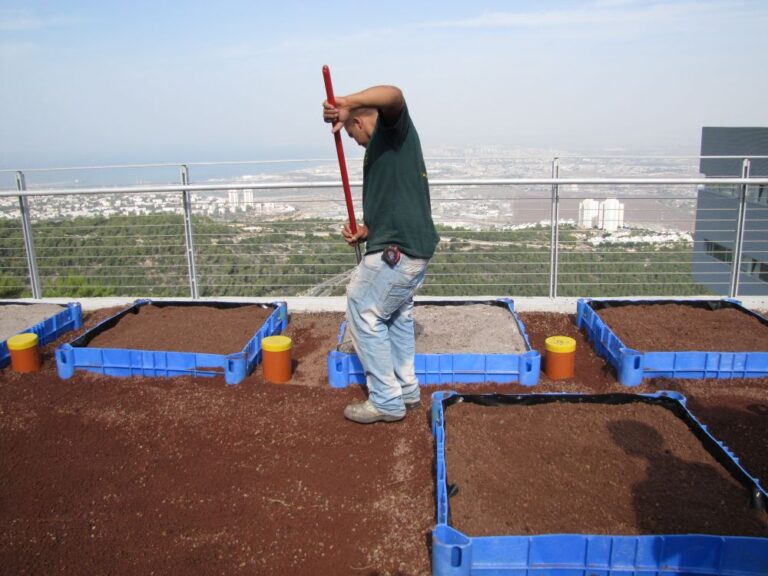
Green Roof, Middle East, University of Haifa, Israel, energy efficiency, biodiversityGreen roofs have become a widespread phenomenon over the last few years but very little research has been focused on perfecting the practice in the Middle East, where high temperatures and dwindling water resources have prevented widespread uptake. But that is all set to change as a new center dedicated to researching the efficacy, ecology and overall environmental impact of green roofs has opened in Israel.

Over Polluted Qatar Hosts UN Climate Conference

0

qatar city skyline

This month’s United Nations Climate Change Conference (COP18) will be hosted by Qatar, the tiny peninsula nation in the Persian Gulf that holds the world record for per capita CO2 emissions.

According to a report entitled Indicators of Sustainable Development 2011 released by Qatar’s statistics’ authority, the state has experienced a 27% annual increase in ozone-depleting substances, 9.3% increase in nitrogen oxides (NOx), and 3.6% increase in carbon dioxide (CO2). Qatar has held the emissions world record for two decades. To understand the scale of these figures, consider that Qatar doubles the next highest per-capita emitting country, Kuwait, and trebles the United States.

Angry Tunisians Protest Shell’s Shale Plans

0

Shell, Shale, Environmental activism, pollution, Tunisia, Ministry of Industry and Energy                                            Image via Tunisia Live

Having met strict regulations in the United States and other developed countries that have slowed down their ambitions, Shell has sought to use less developed nations as guinea pigs for an as-yet unproven shale gas extraction technology. But they have met surprise opposition in Tunisia, which boasts a relatively strong civil society despite the rising influence of Islamic extremists.

Dozens of activists from various environmental advocacy groups and other civil organizations gathered yesterday in front of the Tunisian Ministry of Industry and Energy to protest a budding relationship between the ministry and the energy giant.

Legacy of Hybrid Battery Inventor Stan Ovshinsky Lives On

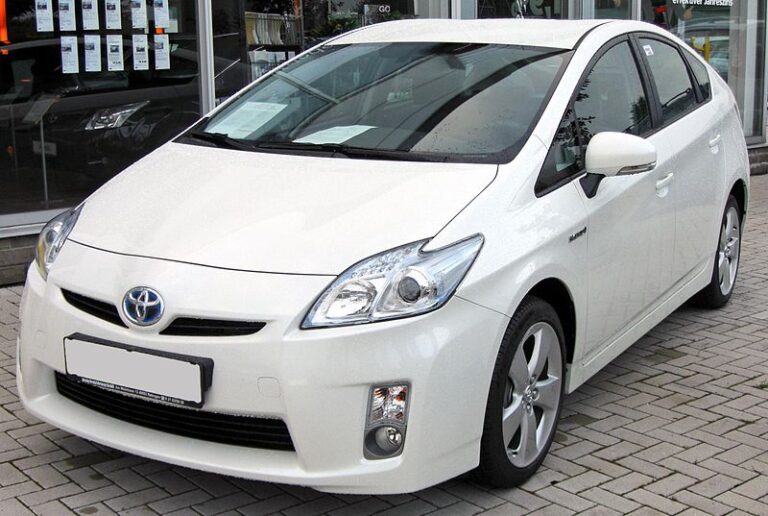
Frontal view of Toyota Prius Mk III hybrid: its battery was innovated by Stan Ovshinsky

Ever since the first Toyota Prius hybrid cars began traveling on streets and highways in many parts of the world, more and more people have had the pleasure of driving these dual engine cars that incorporate both a standard gasoline engine and an auxiliary electric one. Since then, other hybrid models have been produced by companies such as General Motors with its Chevrolet Volt, which is a “plug in” hybrid with a gasoline engine for extending the car’s cruising range.

The Volt, parts of which have been made from recycled rubber and plastic materials, is in fact what one might refer to as a “reverse hybrid” with the prime power unit being the electric motor. Yet few people who own these cars, or understand the technology involved with them, are aware  that Stan Ovshinsky is responsible for developing the nickle-metal hydride battery used in them. 

Iraq Puts Hope in Wind, Solar Power to Buttress Energy Sector

sun, solar energy, wind energy, Iraq, clean tech, alternative energy, renewable energy
The Middle East is continuing to show itself capable of boosting alternative energy sources without facing political backlashes from opposing sides of the aisle. In Iraq, large multinational corporations are working with the country’s ministry of electricity to see clean and renewable resources become a reality in the post-war environment, where investment is expected to skyrocket.

Last month, words became a future reality for the country after the ministry announced plans to spend as much as $1.6 billion on solar and wind power stations across the country over the next few years; not only will this add some 400 megawatts of power to Iraq’s national grid, which has been hit by daily blackouts, but it also has positive results for the environment.