Before promoting sustainability progress, companies must ensure their initiatives are genuine and measurable. Today’s audiences are increasingly skeptical of vague environmental claims, particularly as awareness of “greenwashing” has grown.
Sydney is best known for the Opera House and the Harbour Bridge. If you’re looking to enjoy dinner with views of these landmarks, here are some great options.
It's sea turtles which may in the end save islands in the Seychelles. They may also better help us understand climate change. Like rings on a tree, scientists have found a way to read sea turtle shells and how they are impacted by climate change tells a story.
For centuries, the Sámi shaman drum was one of the most powerful sacred objects in northern Europe, and one of the most feared by church and state. If ISIS looks bad to us today for its religious fundamentalism, Christians were just as fervent.
Before promoting sustainability progress, companies must ensure their initiatives are genuine and measurable. Today’s audiences are increasingly skeptical of vague environmental claims, particularly as awareness of “greenwashing” has grown.
Sydney is best known for the Opera House and the Harbour Bridge. If you’re looking to enjoy dinner with views of these landmarks, here are some great options.
It's sea turtles which may in the end save islands in the Seychelles. They may also better help us understand climate change. Like rings on a tree, scientists have found a way to read sea turtle shells and how they are impacted by climate change tells a story.
For centuries, the Sámi shaman drum was one of the most powerful sacred objects in northern Europe, and one of the most feared by church and state. If ISIS looks bad to us today for its religious fundamentalism, Christians were just as fervent.
Before promoting sustainability progress, companies must ensure their initiatives are genuine and measurable. Today’s audiences are increasingly skeptical of vague environmental claims, particularly as awareness of “greenwashing” has grown.
Sydney is best known for the Opera House and the Harbour Bridge. If you’re looking to enjoy dinner with views of these landmarks, here are some great options.
It's sea turtles which may in the end save islands in the Seychelles. They may also better help us understand climate change. Like rings on a tree, scientists have found a way to read sea turtle shells and how they are impacted by climate change tells a story.
For centuries, the Sámi shaman drum was one of the most powerful sacred objects in northern Europe, and one of the most feared by church and state. If ISIS looks bad to us today for its religious fundamentalism, Christians were just as fervent.
Before promoting sustainability progress, companies must ensure their initiatives are genuine and measurable. Today’s audiences are increasingly skeptical of vague environmental claims, particularly as awareness of “greenwashing” has grown.
Sydney is best known for the Opera House and the Harbour Bridge. If you’re looking to enjoy dinner with views of these landmarks, here are some great options.
It's sea turtles which may in the end save islands in the Seychelles. They may also better help us understand climate change. Like rings on a tree, scientists have found a way to read sea turtle shells and how they are impacted by climate change tells a story.
For centuries, the Sámi shaman drum was one of the most powerful sacred objects in northern Europe, and one of the most feared by church and state. If ISIS looks bad to us today for its religious fundamentalism, Christians were just as fervent.
Before promoting sustainability progress, companies must ensure their initiatives are genuine and measurable. Today’s audiences are increasingly skeptical of vague environmental claims, particularly as awareness of “greenwashing” has grown.
Sydney is best known for the Opera House and the Harbour Bridge. If you’re looking to enjoy dinner with views of these landmarks, here are some great options.
It's sea turtles which may in the end save islands in the Seychelles. They may also better help us understand climate change. Like rings on a tree, scientists have found a way to read sea turtle shells and how they are impacted by climate change tells a story.
For centuries, the Sámi shaman drum was one of the most powerful sacred objects in northern Europe, and one of the most feared by church and state. If ISIS looks bad to us today for its religious fundamentalism, Christians were just as fervent.
Before promoting sustainability progress, companies must ensure their initiatives are genuine and measurable. Today’s audiences are increasingly skeptical of vague environmental claims, particularly as awareness of “greenwashing” has grown.
Sydney is best known for the Opera House and the Harbour Bridge. If you’re looking to enjoy dinner with views of these landmarks, here are some great options.
It's sea turtles which may in the end save islands in the Seychelles. They may also better help us understand climate change. Like rings on a tree, scientists have found a way to read sea turtle shells and how they are impacted by climate change tells a story.
For centuries, the Sámi shaman drum was one of the most powerful sacred objects in northern Europe, and one of the most feared by church and state. If ISIS looks bad to us today for its religious fundamentalism, Christians were just as fervent.
Before promoting sustainability progress, companies must ensure their initiatives are genuine and measurable. Today’s audiences are increasingly skeptical of vague environmental claims, particularly as awareness of “greenwashing” has grown.
Sydney is best known for the Opera House and the Harbour Bridge. If you’re looking to enjoy dinner with views of these landmarks, here are some great options.
It's sea turtles which may in the end save islands in the Seychelles. They may also better help us understand climate change. Like rings on a tree, scientists have found a way to read sea turtle shells and how they are impacted by climate change tells a story.
For centuries, the Sámi shaman drum was one of the most powerful sacred objects in northern Europe, and one of the most feared by church and state. If ISIS looks bad to us today for its religious fundamentalism, Christians were just as fervent.
Before promoting sustainability progress, companies must ensure their initiatives are genuine and measurable. Today’s audiences are increasingly skeptical of vague environmental claims, particularly as awareness of “greenwashing” has grown.
Sydney is best known for the Opera House and the Harbour Bridge. If you’re looking to enjoy dinner with views of these landmarks, here are some great options.
It's sea turtles which may in the end save islands in the Seychelles. They may also better help us understand climate change. Like rings on a tree, scientists have found a way to read sea turtle shells and how they are impacted by climate change tells a story.
For centuries, the Sámi shaman drum was one of the most powerful sacred objects in northern Europe, and one of the most feared by church and state. If ISIS looks bad to us today for its religious fundamentalism, Christians were just as fervent.
The process of opening a radio station can be exciting yet intimidating. Many people dream of creating a message that can be broadcast to the world, free to share voices and ideas. But knowing what steps you need to take can make it easier. Here is a step-by-step guide to starting your radio station with principles of success and connecting communities through engaging content.
Understanding the Basics
The fundamentals are essential before moving on to the technical part of the radio station software. Radio stations can be terrestrial, internet, or satellite. All have their advantages and disadvantages. Unlike terrestrial stations, Internet radio isn’t bound to geography, and you don’t need a transmitter license. Satellite radio is fine, but it requires a more significant investment. Finding the best-suited format is dependent on the goals and assets.
Research and Planning
Thorough research establishes the foundation: research current stations, market interest, and target audiences. Knowing what the competitors are doing would help differentiate your niche. Planning is where the station’s vision takes shape in the form of a mission statement, what content it covers, and what demographic it targets. A business plan sets out your goals, planned efforts to reach them, and money forecasts to help you navigate finances.
Securing Licenses and Permits
Compliance with the letter of the law is crucial in broadcasting. Getting the proper licenses will ensure that you can operate without hassles. Depending on the region, local authorities and legal specialists should be consulted. Demonstrating technical proficiency and financial stability to the licensing authorities is frequently beneficial when submitting permit applications. The fulfillment of these prerequisites shows a level of commitment and readiness.
Creating a Technological Infrastructure
Any radio station has technology as the core part of it. Ensuring you have good-quality equipment ensures you are transmitting clearly and professionally. The required equipment includes microphones, mixers, transmitters , audio editing, and broadcast software. Beyond that, the streaming services behind the Internet radio scene must be reliable. Tech experts provide valuable assistance in installing and maintaining equipment to ensure seamless operation.
Creating Engaging Content
Radio is still all about content. With a diversified program schedule, listeners remain tuned in, hosts and guest speakers add flavor, and guest speakers for hot-topic interviews stack up. Adding music, news, and interviews breaks up constant talk show ranting and allows different types of listeners to enjoy the content. Continuous input from listeners helps improve the content and allows for a steady flow of loyal listeners.
Building a Brand
Branding is what sets a station apart from others. A catchy name, logo, and slogan are ways to build an identity. Applying a strong and unique brand across relevant platforms such as social media, websites, and promotional materials can accentuate recognition. Working with local businesses and personalities builds awareness and community engagement.
Marketing and Promotion
Great marketing brings in listeners as well as advertisers. Using social media platforms can help connect with more people. Events such as hosting or contesting create buzz and community connections. Working with an influencer or a local celebrity helps gain credibility and followers. Fundamentally, a successful ad strategy increases revenues and sets a foundation for sustainability.
Monetizing the Station
Earning money enables you to cover your expenses and grow. Advertising remains one of the most significant sources of revenue. Competitive rates and attractive packages draw in various clientele. You can earn extra money from sponsorship contracts with local businesses. Diversification of income via merchandise or memberships creates alternative revenue streams, which add financial resilience.
Engaging with the Community
Participation from the community is what makes the station shine. Organizing local events or charity drives generates goodwill and boosts listener loyalty. Increasing the call-in audience, engaging in social media conversations, and keeping track of your listeners’ poll can help. The station becomes known as a local community hub, earns trust, and builds a loyal listener base that helps guarantee longevity.
Ability to Learn and Adapt
Radio requires constant attention and agility. Staying abreast of industry trends and technological innovations also keeps one relevant. Attending workshops and seminars to improve skills and knowledge. Frequent examination of performance indicators and audience feedback helps uncover areas of improvement, which in turn fuels growth and innovation.
Conclusion
Starting a radio station takes planning, legal planning, and strategizing. Once you know the basics, obtain the necessary licenses, and purchase starting apps, you can succeed more. A loyal audience is born with captivating content, a powerful brand, and community engagement. If you plan well, are committed, and adjust to listenership that will no doubt see the world as a new “broadcast era frontier,” you can establish a full-blown radio station whose outbound media reaches every corner of the globe.
The ZUV Tricycle Is Quite Ugly, but It Still Puts Your e-Bike to Shame
In a world where sleek, aerodynamic e-bikes dominate the streets, a few bold designs dare to defy conventional aesthetics. These “fugly” e-bikes might not win beauty contests, but they offer unique advantages: they stand out, deliver exceptional performance, and are less likely to attract thieves (read our guide on how to make your bike ugly on purpose). Here’s a look at some of the most unconventional e-bikes that are redefining cool.
1. The ZUV Tricycle: Sustainable and Striking triking
Zuv ebike
The ZUV (Zero-emissions Utility Vehicle) Tricycle is a 3D-printed cargo e-trike made from recycled plastic. Its angular design and robust frame prioritize functionality and sustainability over traditional aesthetics. With ample cargo space and a focus on eco-friendliness, it’s perfect for urban deliveries or errands. Its unique appearance also makes it less appealing to potential thieves.
Michael Blast Springer: Retro Vibes with Modern Tech
Michael Blast Springer
The Michael Blast Springer channels the spirit of vintage boardtrack racers with its elongated frame and retro styling. Beneath its nostalgic exterior lies a 500W motor capable of reaching 22 mph, complemented by a 7-speed Shimano drivetrain. Its unique design is both eye-catching and less likely to be targeted by thieves unfamiliar with its value.
Moustache Bikes: French Flair with a Twist
Moustache Bikes
Moustache Bikes, named after the distinctive handlebar style, offer a range of e-bikes that blend functionality with unique design elements. Their sturdy frames and Bosch motors ensure reliability, while their unconventional aesthetics set them apart. The brand’s commitment to quality and distinctive appearance make these bikes both practical and less prone to theft.
Why Embrace the “Fugly”?
Unique Identity: These e-bikes stand out in a sea of uniform designs, allowing riders to express individuality.
Function Over Form: Prioritizing practicality, these bikes often offer superior cargo capacity, range, or performance.
Theft Deterrence: Unconventional designs can be less attractive to thieves unfamiliar with their value or functionality.
Embracing these distinctive e-bikes means valuing innovation, sustainability, and individuality over traditional aesthetics. While they might not conform to conventional beauty standards, their unique features and practical advantages make them a compelling choice for the modern rider.
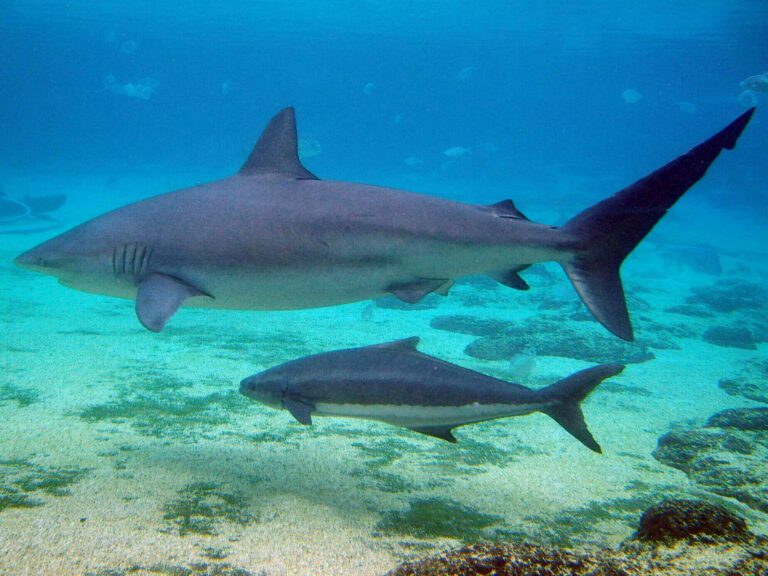
Carcharhinus obscurus. Dusky sharks are wide-ranging coastal and pelagic species that prefer temperate to tropical waters. Via Wikipedia
A swimmer has gone missing following a rare shark attack off the coast of Hadera, Israel, Israeli police and emergency responders reported on Monday. The incident occurred near the mouth of the Hadera Stream, in a section of beach where swimming was officially prohibited. Israel is on the Mediterranean Sea.
Shark attacks are more common in the Red Sea in Sinai, and the beaches of Egypt. There was a shark attack there in the winter, killing one.
“There has never been a fatal shark attack in Israel on the Mediterranean coast,” says local J. Neufield. “Near Hadera there are certain warmer sections of water due to some of the nearby plants (as in electric and desalination) and sharks are attracted to those waters.
“The types of sharks are usually docile and for decades people have swim/snorkeled and dived there to see them. There have been sightings of them coming very close to shore in last few days. This is a very tragic and unusual event and we will have to wait to see official report for circumstances.”
Magen David Adom emergency services said a search operation was underway, involving rescue divers and maritime patrols. Authorities have since closed the beach to the public as a precaution.
Locals caught the attack on film and posted it on X.
Israel’s Channel 12 News reported that during the rescue operation, a diver was also bitten by the shark, escalating concerns about public safety in the area.
An annual gathering of sharks near a coastal power plant in the North of Israel attracts beachgoers, divers and sailors alike. Via Zavit.
Though shark sightings near Hadera and Israel are not uncommon—particularly between November and May—attacks on humans are extremely rare. The region is known to attract dusky sharks (Carcharhinus obscurus) and sandbar sharks (Carcharhinus plumbeus), both of which are large, coastal species. These sharks are typically not aggressive toward humans and are drawn to the warm outflows from the Hadera power station, seen in the background of the X video, and the abundance of food sources near the streams.
Alexander River
In recent days, large fish die-offs in the Hadera and nearby Alexander Streams have likely lured more sharks close to the shoreline. These predators play a crucial ecological role by consuming dead and dying fish, helping to keep coastal waters clean and in balance.
While the Mediterranean Sea is home to over 40 species of sharks, sightings along Israeli shores are relatively infrequent, and serious incidents like this one are exceedingly rare. Authorities are urging the public to avoid swimming in prohibited areas and to report any unusual marine activity. About 15 years ago we reported that shark attacks were up 25% worldwide.
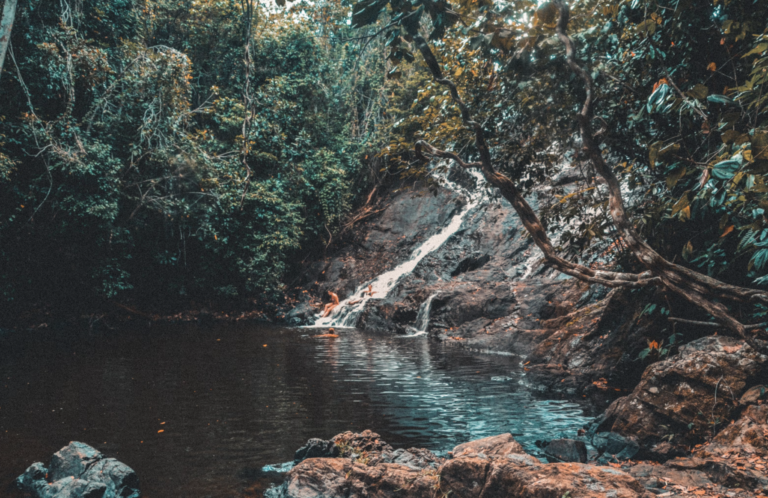
A resort in the jungle, on Phuket Island, Thailand
A new study led by researchers at Washington University in St. Louis and the Missouri Botanical Garden has uncovered a surprising layer of diversity in tropical forests. Not only are the forests populated by a dizzying number of tree species, but each of those species takes a different approach to chemistry, increasing the array of natural compounds that provide important functions for the plants — and potentially for humans.
The research helped clarify the ecological and evolutionary forces that make tropical forests such hotbeds of biodiversity. While the team wasn’t specifically looking for compounds that could be useful for humans, their findings underscore the value of tropical forests as natural factories of plant chemicals that could have important uses in medicine and other fields, said Jonathan Myers, a professor of biology in Arts & Sciences at WashU. “Tropical plants produce a huge diversity of chemicals that have practical implications for human health.”
The work was supported by the National Science Foundation (NSF) and the Living Earth Collaborative, a biodiversity initiative involving WashU, the Missouri Botanical Garden and the Saint Louis Zoo. The study was published in the prestigious journal Ecology and led by former ecology and evolution biology graduate student David Henderson, PhD ’23. Missouri Botanical Garden researchers Sebastian Tello, Leslie Cayola and Alfredo Fuentes; chemical ecologist Brian Sedio, at the University of Texas at Austin; and ecologists Belen Alvestegui and Nathan Muchhala, at the University of Missouri-St. Louis, were also collaborators.
Brazil rainforest
The researchers examined tree leaves collected as part of the Madidi Project, a large-scale survey of flora in the Madidi region of the Andes mountains in Bolivia. The team was especially interested in chemical compounds that plants use to help protect themselves from insect herbivores, pathogens and other enemies — a top priority for anything growing in the warm, wet and buggy tropics. They set out to better understand how these compounds differ among species that grow together in tree communities at low and high elevations with contrasting climates.
Using mass spectrometry, a technology that makes it possible to identify and count individual molecules in a sample, researchers uncovered a bounty of chemical compounds. “We identified more than 20,000 unique metabolites in leaf samples from 470 tree species,” Myers said. “It’s an amazing level of chemical diversity.”
More than a third of those compounds were terpenoids, a class of natural chemicals that plants use to fend off insects and diseases. As ingredients in pharmaceuticals, terpenoids have also shown promise in fighting cancer, relieving inflammation and killing harmful viruses and bacteria. About one-quarter of the compounds were alkaloids, a class of plant chemicals that form the basis of many medicines, including pain relievers, anti-malarial drugs and cancer treatments.
The remarkable chemical diversity of tropical forests highlights the need to study and protect these biological hot spots, Myers said. He and his collaborators have contributed data from this project to help create a global database of chemical compounds identified from plants. “With such a database, researchers could look for unique chemicals that could have real value for society,” he said.
In the latest study, Myers and his team analyzed the diversity of tree species and leaf metabolites in wet and seasonally dry forest plots sampled at various altitudes ranging from approximately 2,000 to 11,000 feet above sea level. The higher they climbed, the fewer species they encountered. They identified nearly 140 different tree species in a single 1-hectare (2.5-acre) plot at an elevation of 4,000 feet but fewer than 20 species in a plot at nearly 11,000 feet.
As species diversity dwindled, so did chemical differences among tree species. High in the mountains, even trees from different species tend to use similar sorts of chemicals to protect themselves and cope with abiotic stress. The natural chemical factories only reach their full potential at lower elevations, Myers said.
In the super-diverse, hyper-competitive lowland tropical forests, it makes sense that a tree would employ chemical defenses that are completely different from its neighbors. “If a tree has the same chemistry as a neighbor, it could be vulnerable to the same herbivores and pathogens,” Myers said. Those enemies will do less damage overall if they have to search for different weaknesses for each tree, he explained.
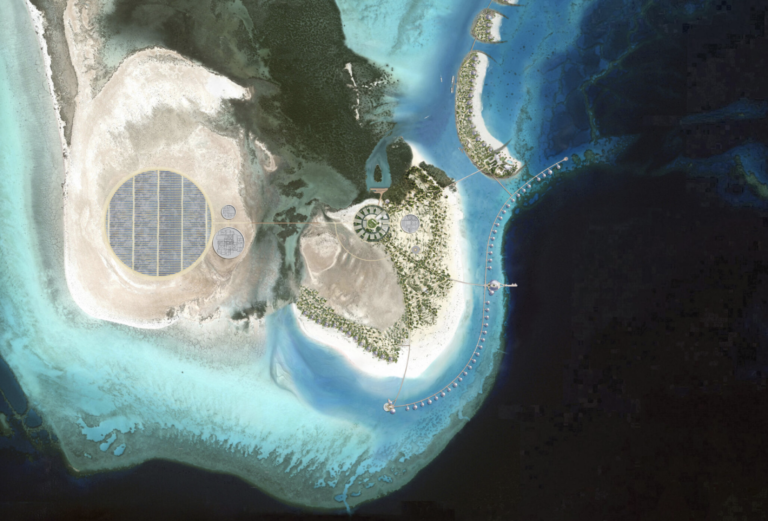
Desalination and power plant powered by the sun in Shebara, Saudi Arabia
Desalination plants, a major and growing source of freshwater in dry regions, could produce less harmful waste using electricity and new membranes made at the University of Michigan.The membranes could help desalination plants minimize or eliminate brine waste produced as a byproduct of turning seawater into drinking water. Today, liquid brine waste is stored in ponds until the water evaporates, leaving behind solid salt or a concentrated brine that can be further processed. But brine needs time to evaporate, providing ample opportunities to contaminate groundwater.
Space is also an issue. For every liter of drinking water produced at the typical desalination plant, 1.5 liters of brine are produced. Over 37 billion gallons of brine waste is produced globally every day, according to a UN study. When space for evaporation ponds is lacking, desalination plants inject the brine underground or dump it into the ocean. Rising salt levels near desalination plants can harm marine ecosystems.
“There’s a big push in the desalination industry for a better solution,” said Jovan Kamcev, U-M assistant professor of chemical engineering and the corresponding author of the study published today in Nature Chemical Engineering. “Our technology could help desalination plants be more sustainable by reducing waste while using less energy.”
To eliminate brine waste, desalination engineers would like to concentrate the salt such that it can be easily crystallized in industrial vats rather than ponds that can occupy over a hundred acres. The separated water could be used for drinking or agriculture, while the solid salt could then be harvested for useful products. Seawater not only contains sodium chloride—or table salt—but valuable metals such as lithium for batteries, magnesium for lightweight alloys and potassium for fertilizer.
Desalination plants can concentrate brines by heating and evaporating the water, which is very energy intensive, or with reverse osmosis, which only works at relatively low salinity. Electrodialysis is a promising alternative because it works at high salt concentrations and requires relatively little energy. The process uses electricity to concentrate salt, which exists in water as charged atoms and molecules called ions.
Here’s how the process works. Water flows into many channels separated by membranes, and each membrane has the opposite electrical charge of its neighbors. The entire stream is flanked by a pair of electrodes. The positive salt ions move toward the negatively charged electrode, and are stopped by a positively charged membrane. Negative ions move toward the positive electrode, stopped by a negative membrane. This creates two types of channels—one that both positive and negative ions leave and another that the ions enter, resulting in streams of purified water and concentrated brine.
But, electrodialysis has its own salinity limits. As the salt concentrations rise, ions start to leak through electrodialysis membranes. While leak-resistant membranes exist on the market, they tend to transport ions too slowly, making the power requirements impractical for brines more than six times saltier than average seawater.
The researchers overcome this limit by packing a record number of charged molecules into the membrane, increasing their ion-repelling power and their conductivity—meaning they can move more salt with less power. With their chemistry, the researchers can produce membranes that are ten times more conductive than relatively leak-proof membranes on the market today.
The dense charge ordinarily attracts a lot of water molecules, which limits how much charge can fit in conventional electrodialysis membranes. The membranes swell as they absorb water, and the charge is diluted. In the new membranes, connectors made of carbon prevent swelling by locking the charged molecules together.
The level of restriction can be changed to control the leakiness and the conductivity of the membranes. Allowing some level of leakiness can push the conductivity beyond today’s commercially available membranes. The researchers hope the membrane’s customizability will help it take off.”Each membrane isn’t fit for every purpose, but our study demonstrates a broad range of choices,” said David Kitto, a postdoctoral fellow in chemical engineering and the study’s first author. “Water is such an important resource, so it would be amazing to help to make desalination a sustainable solution to our global water crisis.”
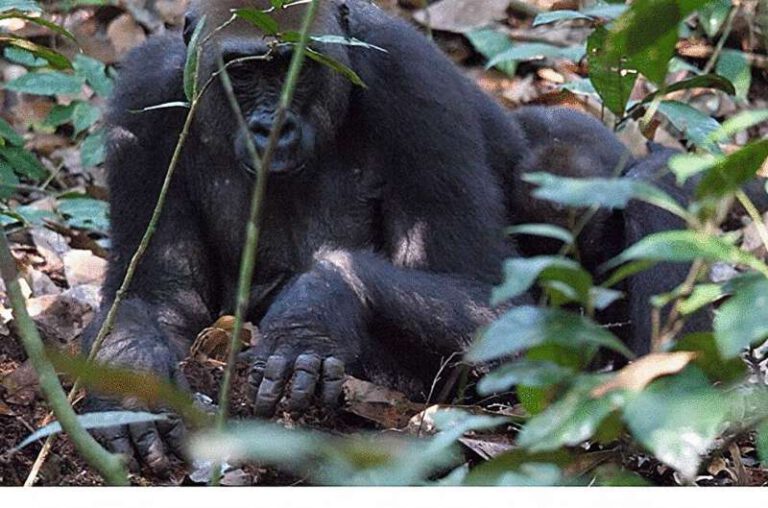
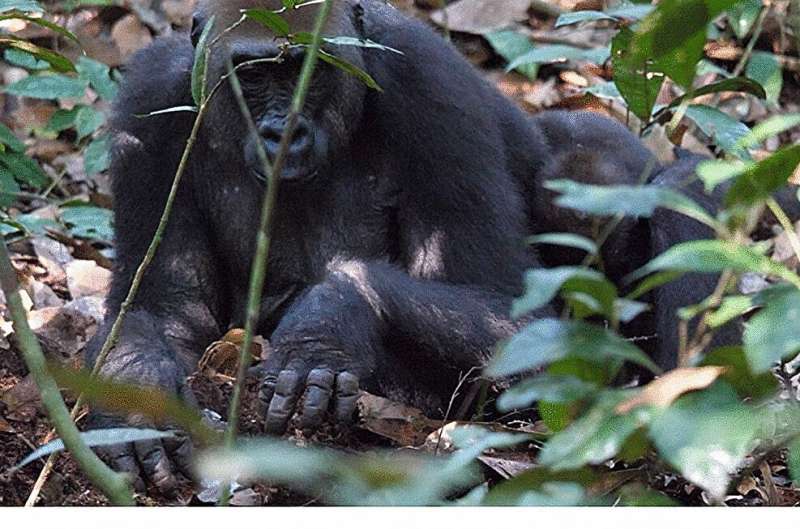
A scientific paper recently published reveals that soil scratching by gorillas in Congo’s Nouabalé-Ndoki National Park is a foraging strategy to access a species of deer truffle, identified as Elaphomyces labyrinthinus, and not insects, as long assumed.
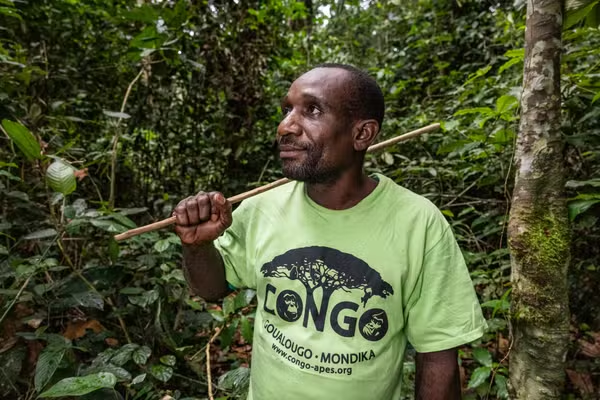
These findings were developed by Gaston Abea, who became the first Indigenous Person in Ndoki to become the lead author of a peer-reviewed scientific paper.
This truffle gorilla foraging behavior seems to have social implications: While not all gorilla groups engage in it, some individuals may give it up or resume it when they migrate from one group to another, allowing for more insights into their social structure.
Gaston Abea
Abea drew on his traditional knowledge and tracking skills to document this behavior in detail. After a decade of observations, Abea and research teams at Mondika and Goualougo field stations were able to eventually collect specimens of the food item foraged by the gorillas scratching the ground for taxonomic identification. Ultimately, this research led to the recent publication in Primates.
“My people’s traditional knowledge of these forests is endangered by modern lifestyles but is proving invaluable in continuing to study and preserve these ecosystems,” said Abea.
Abea is one of a 100+ Congolese Research Assistants trained at Ndoki since 2005, a growing number of whom come from neighboring villages, and from Indigenous Ba’Aka communities.
“Our ancestors used to hunt gorillas, now we protect them, and I hope to inspire other Ba’Akas to do the same,” said Abea.
Born in Bomassa, the closest village to the park, Abea is of the semi-nomadic Bangombe people. He has been working for the park since 2000 in various capacities. His dedication and eagerness to learn led him to progress steadily and become co-author of seven peer-reviewed scientific papers.
“This is Gaston’s first article as lead author, a milestone for his career, and for our capacity-building efforts: he is the first research assistant of Indigenous People’s origin to become first author, in the Ndoki landscape,” said WCS partnering conservationist David Morgan of the Lincoln Park Zoo, researcher at both research sites involved in the findings.
The article was part of a Special Issue of the journal Primates, dedicated to “Twenty-five years of primate research in the Ndoki forest.” Abea’s efforts identifying key areas for gorilla truffle feeding at Mondika prompted to shift the potential locations of tourism-related infrastructure to safeguard this behavior.
Most significantly, his findings were included in an ecological impact assessment of the Djéké Triangle, where the Mondika Research Station is located, which provided the evidence for the land management decision-making process that resulted in the inclusion of the Djéké Triangle in the Nouabalé-Ndoki National Park in 2023.
Said Morgan: “This is an exciting finding for our understanding of gorilla foraging behavior, and we found indications of social implications of soil scratching within groups. For example, an adult female emigrated from one gorilla group where this behavior was rare to one where it was nearly a daily occurrence, and modified her habits.”
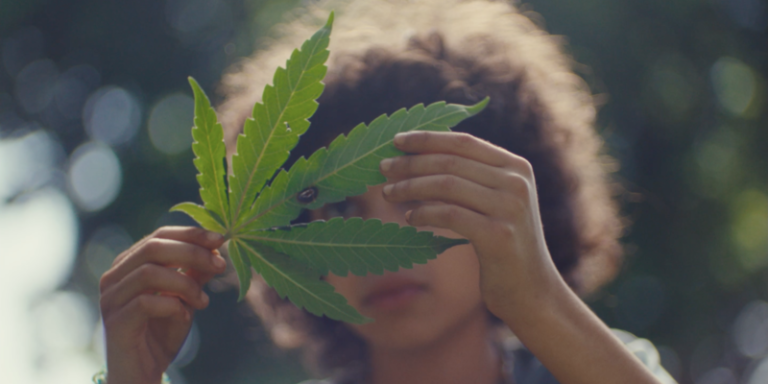
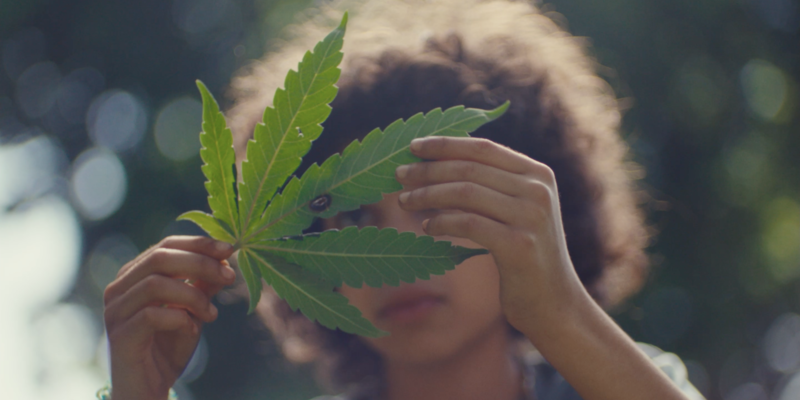
Legalized, medical cannabis has changed lives in Canada, America and Israel where it is easy to access and research is developed. It is prescribed by doctors and used by children to treat extreme cases of epilepsy, and it also helps adults with PTSD, pain from cancer, and it’s byproducts like CBD is used as a neutraceutical.
Now that’s it’s legal in more than half of all US states, what should be done with the people incarcerated when it was outlawed?
Grassland, a timely social justice narrative film highlighting the perils of cannabis incarceration, is now available for streaming on Apple TV, Amazon, Roku, and more.
The story follows Leo (Cabot-Conyers), a curious and sensitive young boy whose world is turned upside down when he befriends his new neighbors—an inquisitive young white boy and his police officer grandfather (Kober). Unknowingly, Leo’s friendship places his single mother (Maestro), who is secretly running an illegal cannabis business, at risk.
Grammy, Emmy, and Oscar-winning artist Common serves as an Executive Producer. The film stars Mía Maestro (The Motorcycle Diaries), Quincy Isaiah (Winning Time), Jeff Kober (Sons of Anarchy), Ravi Cabot-Conyers (Star Wars: Skeleton Crew), and Sean Convery. Rounding out the cast are Rachel Ticotin, Armando Riesco, Claudia Robinson, and newcomer Elizabeth Cuzzupoli. Set in 2008, amidst the economic recession, Grassland explores the stark realities of racial inequality in the criminal justice system.
The Grassland team launched a robust impact and advocacy campaign aimed to target relevant federal, state-level criminal justice reform and the estimated 40,000+ Americans still in prison on low-level cannabis possession charges, despite the legal cannabis industry reaching over $30 Billion in 2024 in the U.S.
The film partnered with Common’s organization, Free to Dream, as well as lifestyle brand Shinola and Last Prisoner Project in its impact campaign. As part of their partnership with Shinola, the film’s team launched a multi-city screening tour featuring panels with activists in the cannabis equity space.
Executive Produced by Common and Directed by William Bermudez and Sam Friedman, Grassland offers an intimate portrayal of race, justice, and family, telling a story of friendship, courage, and sacrifice. As Leo’s desire to protect his family unknowingly jeopardizes their safety, the film powerfully illustrates the devastating cost of systemic injustice.
Pope Francis, the beloved pontiff who served as the head of the Catholic Church since 2013, passed away on Monday, April 21, 2025, at the age of 88. His death, following a long battle with respiratory illnesses, kidney failure, and declining health, marks the end of an era for the Church and the world. As Cardinal Kevin Farrell solemnly announced on Vatican TV, “Dear brothers and sisters, it is with profound sadness I must announce the death of our Holy Father Francis. At 7:35 this morning, the Bishop of Rome, Francis, returned to the house of the Father.”
Born Jorge Mario Bergoglio in Buenos Aires, Argentina, Francis was the first pope from the Americas. His humble roots shaped his commitment to simplicity and a life dedicated to the service of others. Born to Italian immigrant parents, Francis often referred to his people as “poor” and considered himself one of them. In his biography, the Vatican noted, “My people are poor and I am one of them,” encapsulating his deep connection to the marginalized and his refusal to live lavishly despite his status.
Before becoming pope, Francis had a remarkable career in the Jesuit order, beginning his vocation as a chemical technician and later studying philosophy and theology. His tenure as Archbishop of Buenos Aires and as a cardinal further solidified his reputation as a man of deep spirituality and action.
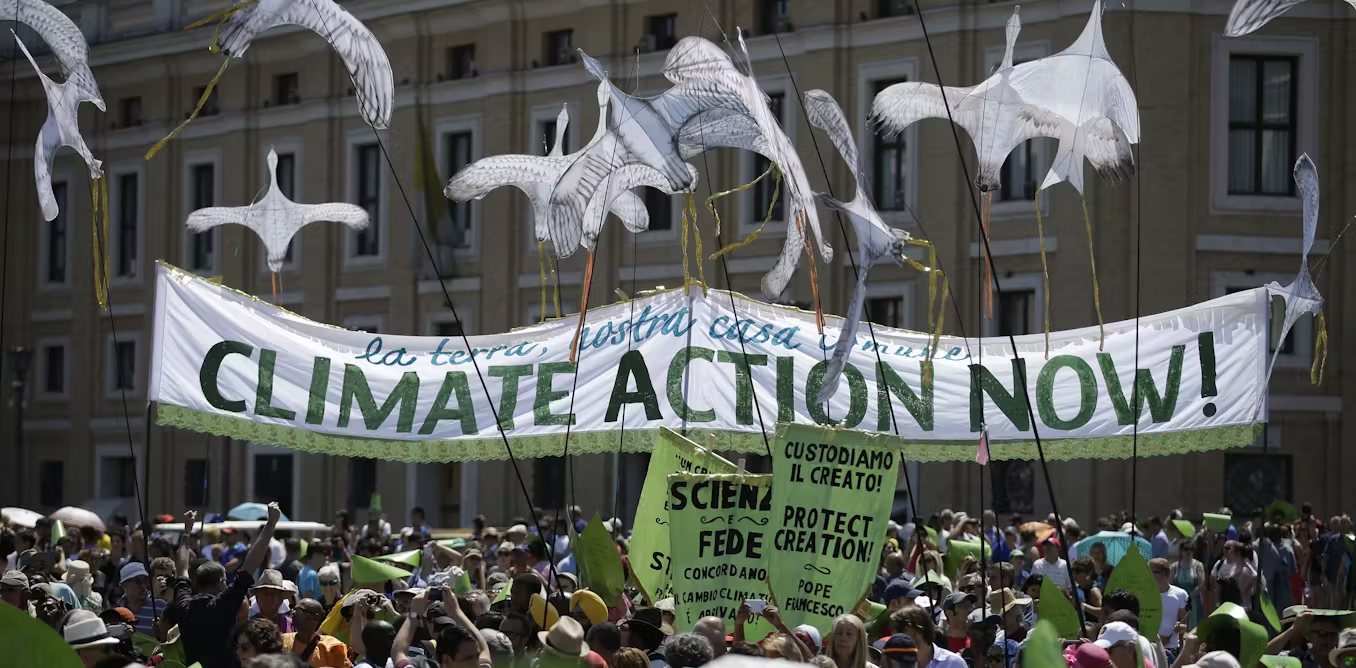
Pope Francis’ legacy is also defined by his profound commitment to environmental justice and the protection of our planet. He was undoubtedly the most ecological pope in history, consistently advocating for sustainable development and the urgent need to address climate change. His landmark 2015 encyclical, Laudato Si’, urged global leaders to act decisively in safeguarding the environment and to recognize the interconnectedness of all creation. In this pivotal document, Francis called for a “revolution of tenderness” and stressed the importance of protecting the Earth for future generations.
As highlighted by Green Prophet, Pope Francis was ahead of his time in recognizing the ecological crisis as a moral and spiritual issue. His teachings challenged the status quo, urging individuals and institutions to live in harmony with nature, and he called for a global response to environmental destruction that went beyond politics and borders. The Vatican’s own sustainability practices, from solar panels on St. Peter’s Square to more eco-friendly operations within the Holy See, reflected his personal commitment to the cause.
Pope Francis fights for the climate
Francis was also a vocal advocate for addressing environmental racism, emphasizing the disproportionate impact of climate change on poorer communities around the world. His messages of hope and activism were powerful calls to action, inspiring a generation of young people to take up the mantle of environmental stewardship.
Pope Francis’ health had been in decline for several months, with his final hospitalization occurring in February 2025 for treatment of double pneumonia. Despite his ongoing health battles, he remained active in his mission until his passing. On Easter Sunday, just days before his death, Francis greeted the faithful from the open-air popemobile in St. Peter’s Square and offered a special blessing for the first time since Christmas. The sight of the pope in his final days, appearing frail yet steadfast, was a testament to his dedication to his role as a spiritual leader.
The Vatican confirmed that Pope Francis suffered a “breathing crisis” along with “an episode of vomiting with inhalation,” which led to the sudden worsening of his respiratory condition. Despite the efforts of medical professionals at Rome’s Gemelli Hospital, Pope Francis passed away early on Monday, leaving behind a legacy of peace, compassion, and ecological awareness.
Pope Francis’ leadership transcended religious boundaries. Paraguay’s ambassador to the Vatican, Romina Taboada Tonina, reflected on the pope’s significance during services for his well-being last month, saying, “Not only for Catholics, but he is a great political leader as well.” Francis was unwavering in his commitment to justice, whether through his stance on immigration, his condemnation of abortion, or his calls for peace in regions torn by conflict.
Francis will be remembered not only for his theological and spiritual contributions but for his deep moral convictions, especially in his tireless efforts to protect the Earth and fight against the injustices that affect vulnerable populations worldwide.
In his final words, which resonated with his lifelong commitment to peace and justice, Pope Francis reminded the world that the spiritual and ecological paths are inextricably linked, urging humanity to care for both our fellow humans and the planet we share.
As the Church and the world mourn the loss of Pope Francis, his message of love, environmental stewardship, and humility will continue to inspire those who seek to build a more just and sustainable world.
Further Reading on Pope Francis and His Ecological Legacy:
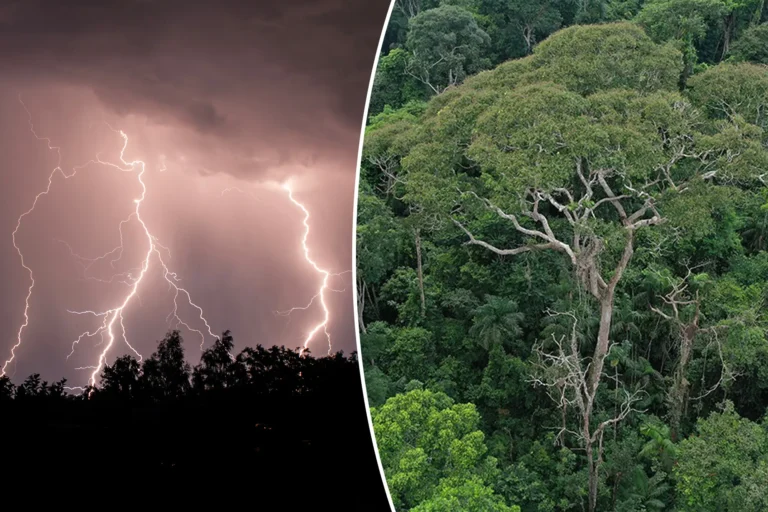
In the dense, storm-soaked rainforests of Panama, a new ecological mystery has been cracked open by lightning—and it’s pointing straight to the tonka bean tree (Dipteryx oleifera). A recent study reveals that these tall, unassuming trees might be using lightning as a secret weapon to wipe out nearby competition.
Evan Gora
“Seeing that there are trees that get struck by lightning and they’re fine was just mind blowing,” Evan Gora recalled. Over time, the team encountered other D. oleifera trees thriving after getting hit, so they decided to take a closer look.
Published in New Phytologist, the research led by forest ecologist Gora of the Cary Institute of Ecosystem Studies shows that tonka trees can survive lightning strikes that kill surrounding trees and vines, giving them a competitive boost in the long game of forest survival. “There’s a quantifiable, detectable hazard of living next to Dipteryx oleifera,” said Gora in an interview with Science News.
How Does a Tree Survive Lightning?
Dipteryx odorata also called “cumaru” the pea family, Fabaceae. The tree is native to Central America and northern South America. Its seed is known mostly for its fragrance, which is reminiscent of vanilla, almonds, cinnamon, and cloves. It is also sometimes used in perfume and was commonly used in tobacco before being banned. Via Wikipedia.
Lightning is one of the leading natural causes of tree death in tropical forests. The raw voltage and heat from a strike can instantly boil sap, splinter wood, and reduce a once-living organism to charcoal. But not tonka trees.
Using a custom-built system of sensors and cameras, Gora and his team recorded 18 confirmed lightning strikes over a three-year period. Not only did D. oleifera often take the brunt of the strikes, it consistently survived, while neighboring trees and parasitic vines wrapped around its trunk perished.
This self-sacrificial behavior isn’t just a fluke—it appears to be a strategic evolutionary edge. Over a tonka tree’s lifetime, researchers estimate that its ability to outlive competitors via lightning could lead to a 14-fold increase in seed production. Read the full study in New Phytologist
Why This Is So Cool (And So Important to Science)
Also known as the eboe, choibá, tonka bean or almendro, Dipteryx oleifera is native to Honduras, Nicaragua, Costa Rica, Panama, Colombia, and Ecuador. Its hard wood is used in construction, and it produces almond-flavored seeds that are edible and sold in local markets. A keystone species of Panamanian forests, D. oleifera fruits and seeds are a crucial food source for rainforest mammals such as agouti during the dry season. Via Evan Gora.
Evolutionary Ingenuity: This could be one of the first documented cases of an organism using a natural destructive force to its advantage, like an ecological superpower. It’s akin to a fire-adapted species, but with lightning as the fire.
New View on Forest Dynamics: Lightning is often overlooked in forest ecology. Gora’s work adds a new dimension to understanding tree mortality and regeneration in tropical ecosystems, where every inch of canopy matters.
Potential Applications in Climate Modeling: As lightning strikes are expected to increase with global warming (NASA study), understanding how trees respond could help model how rainforests may change—especially regarding species composition and carbon storage. Colin Price does this with lightning as well, using cell phones.
Smart Tree Strategy: While other trees avoid becoming conductors, the tonka might actually attract lightning by growing taller or modifying their structure to be more conductive—though more research is needed to confirm this behavior.
“This is a reminder that survival in the rainforest is about more than just growing fast or tall. It’s about playing the long game—even if that game includes dancing with lightning,” said Gora.
Tonka Beans: Vanilla Alternative with a Toxic Twist
Tonka beans, the seeds of the Dipteryx odorata tree native to South America, have long fascinated chefs and perfumers for their sweet, complex aroma. Rich in coumarin, a natural compound that smells like vanilla with hints of almond, cinnamon, and clove, tonka beans have often been used as a cost-effective substitute for vanilla, especially when vanilla prices soar. In culinary settings, just a small amount of grated tonka bean can flavor desserts, chocolates, and cocktails with an intoxicating scent.
However, the story of tonka beans carries a darker note. Coumarin, while naturally occurring, is toxic in high doses. Consuming large amounts can lead to liver damage and, in extreme cases, death. As a result, the United States banned the use of tonka beans in food back in 1954.
Despite this, tonka beans remain legal for use in perfumery and are still prized in gourmet circles elsewhere in the world, particularly in European fine dining, where Michelin star chefs use them carefully in small, regulated quantities.
Interestingly, the amount of coumarin one would need to consume to risk serious harm is far greater than what is typically found in a single dish. Still, because coumarin toxicity is cumulative and unpredictable among individuals, the FDA has maintained its strict stance.
Today, tonka beans occupy a curious niche: a forbidden ingredient that has gained a cult following among adventurous cooks, symbolizing both the allure and danger of natural flavors.
If the idea of trees using lightning to kill the competition blew your mind, check out these other wild, science-backed nature stories from Green Prophet:
Why Wombats Have Cube-Shaped Poop: Scientists finally figured out how wombats shape their poop into perfect cubes — it’s all in their intestines. Read it on Green Prophet
Plants Can Scream When They’re Stressed: researchers found that tomato and tobacco plants emit ultrasonic sounds when under stress. Read it on Green Prophet
PHLAIR project Dawn Commercial Direct Air Capture facility Providing >20,000 tCO2/year Alberta, Canada
Carbon capture, utilization, and storage (CCUS) has entered a phase of rapid scale-up in 2025. Driven by national emissions targets, investor pressure, and the emergence of structured carbon markets, this sector is moving from pilot projects into industrial deployment. Global CO2 capture capacity now exceeds 50 million tonnes annually, and it’s expected to triple by 2030. Investment is accelerating in membrane separation, modular capture units, direct air capture (DAC), and nature-integrated CO2 recovery systems.
This article presents a detailed snapshot of the 2025 carbon capture landscape, key companies and technologies, and where the carbon credit market is heading.
Global Technology Leaders and Market Movers
Evonik is scaling its SEPURAN® polymer membranes for CO2 separation in biogas upgrading and industrial emissions. Their focus on decentralized, energy-efficient modules makes them well-suited to sectors like chemicals and food processing.
Air Liquide continues deploying Cryocap™ cryogenic carbon capture at hydrogen and ammonia facilities. In 2025, the company expanded CCUS clusters in Europe and the Middle East to support industrial decarbonization at scale.
Air Products is delivering some of the world’s largest hydrogen production projects with integrated CO2 capture. Its blue hydrogen project in Louisiana captures more than 5 million tonnes of CO2 annually, using proprietary reforming and capture technologies.
UBE Corporation is developing polyimide-based membrane systems for post-combustion capture, with pilot projects in Japanese utilities and Southeast Asian petrochemical plants.
Linde Engineering licenses its RECTISOL® and amine-based technologies for syngas and natural gas CO2 removal. In 2025, Linde delivered several modular capture units to decarbonize refineries and hydrogen valleys across Europe.
Grasys specializes in membrane and pressure swing adsorption (PSA) systems used widely in Eastern Europe and Central Asia. The company’s gas purification units are increasingly being adapted for landfill gas and industrial CO2 separation.
Airrane, a Korean membrane manufacturer, is expanding hollow fiber technologies for nitrogen and CO2 separation. Their systems are being adopted across Korea’s chemicals and energy sectors.
Generon IGS offers skid-mounted, plug-and-play CO2 capture units suited to oil & gas and industrial clients in North America. Their membrane and PSA systems are increasingly used for enhanced oil recovery and low-volume emitters.
DMT International delivers turnkey biogas upgrading systems with integrated CO2 recovery. They are now expanding operations into Southeast Asia, targeting landfill and wastewater treatment opportunities.
Membrane Technology & Research (MTR) is piloting “CaptureX” membrane systems on gas-fired and coal plants with support from the U.S. Department of Energy. MTR’s polymer technologies offer reduced energy penalties and simpler installation.
Fujifilm is innovating in membrane and sorbent materials for CO2 separation under high-temperature and corrosive environments. Their collaboration with academic labs is helping to refine long-life membranes for industrial settings.
Toray is commercializing advanced hollow fiber modules for carbon and nitrogen separation. Their CO2 capture products are being piloted in water treatment and desalination plants to lower embedded emissions.
BORSIG is bringing high-efficiency amine systems to market with integrated energy recovery. Their focus is on upgrading legacy power plants and industrial boilers across Germany and Central Europe.
SLB (formerly Schlumberger) is repositioning itself as a carbon management leader. Its CENOS™ line of capture technologies now includes solvent, membrane, and storage integration. SLB has over a dozen active CCUS projects across oil, steel, and cement in 2025.
Sumitomo Chemical is commercializing advanced hybrid sorbents for municipal solid waste and waste-to-energy facilities. Their systems blend chemical absorption with physical separation for higher capture efficiency.
Honeywell continues to expand its UOP Separex™ membrane and Ecofining™ capture systems. In 2025, it launched a carbon capture-as-a-service platform targeting mid-sized industrial firms with bundled hardware, monitoring, and credit integration.
Carbon Markets and Access to Carbon Credits
The voluntary carbon market is consolidating around more rigorous methodologies. Projects using CCUS are now eligible for carbon credits under frameworks from Verra, Gold Standard, and the Puro.earth platform.
Credits from bioenergy with CCS (BECCS) and DAC are in increasing demand, especially by corporations pursuing science-based targets. Marketplaces like Patch and Nori allow businesses and individuals to purchase verified CO2 removals, with real-time tracking and blockchain-based auditing.
Direct air capture projects from firms like Climeworks and Carbon Engineering remain high-cost (above $600/tonne), but prices are expected to fall by more than half as modularity and renewable integration improve.
Outlook: Innovation Needs and Investment Trends
Significant gaps remain in capture cost reduction, especially for low-concentration flue gases and DAC. Key areas of innovation include:
Low-energy solid sorbents and hybrid systems
Waste heat integration and process intensification
Durable membranes resistant to contaminants
Long-term, verifiable CO2 storage options
Governments are supporting deployment with instruments such as the U.S. 45Q tax credit, the EU Innovation Fund, and the UK’s CCUS cluster support. The IEA, Global CCS Institute, and ARPA-E continue to back R&D in electrochemical capture, DAC, and value-chain integration.
By 2028, the global CCUS market is projected to surpass $14 billion. Companies able to deliver scalable technology and tie it directly to revenue from high-integrity carbon credits are best positioned to benefit from the next wave of climate finance and regulation.
Carbon capture technologies are accelerating in 2025, reshaping how industries and investors tackle emissions across the globe.
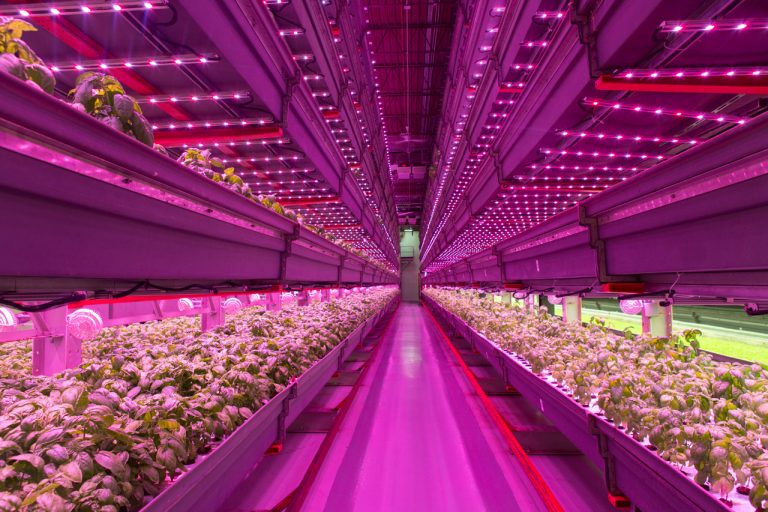
Climate change poses a severe threat to food production, making it imperative to find sustainable methods that complement natural, regenerative, soil based farming. One such method is aquaponics, which grows fish and vegetables together using a water substrate with no added minerals. The fish poop supplies all that the plants need to grow. It’s been hard for dreamers and doers to find that sweet spot that balances several ecosystems at the same time: the fish in the pond, the food in the hydroponics beds, and both those parts together.
Researchers from a desert country, where food growing is limited due to lack of water, offer a new proof of concept for a new closed loop system called aquaponics that produces more fish and vegetables while using less energy than conventional systems.
Their findings were published in the journal Resources, Conservation & Recycling.
Amit Gross, aquaponics expert
Prof. Amit Gross, at Ben-Gurion University has been working with his students and collaborators for the last decade on aquaponic systems. His system uses brackish, or salty water and combines farming with growing fish farms.
As we mentioned above, aquaponic systems grow fish while using the fish waste to grow vegetables hydroponically. Hydroponics was invented by NASA decades ago and later perfected by stealth cannabis growers in Canada who could run grow-ops between walls in their apartment throughout the winter. Now that cannabis is legal in Canada and the US and hydroponics a great method for controlled growing of high value crops, advances are needed to make it even more sustainable.
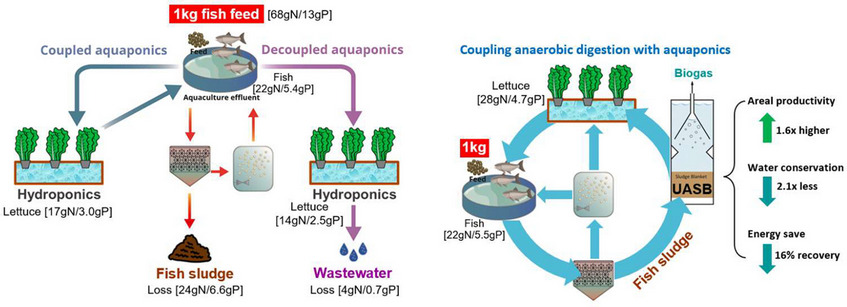
That’s where this new research steps in: coupled aquaponics are closed loop systems that recycle much of the fish effluent rather than reusing it outside of the aquaponic system. Where typically the fish solid waste is disposed of, Gross managed to treat it by anaerobic digestion and recover energy and nutrients into the system to form a near zero waste unit. This is the path to resolving the ups and downs and headaches of balancing the nutrient load in the system and what the plants need as they grow.
After more than two years of testing, Gross’s system demonstrated 1.6 times higher plant areal productivity, 2.1 times lower water usage and 16% less energy consumption per kilogram of feed than conventional systems.
Hydroponics plastic tubes
His calculations suggest that upscaling to about one ton of fish will allow operation of the system with no need for external energy, less than 1% water exchange, negligible waste production as well as significant carbon sequestration.
“Feeding the more than 8 billion people on the planet while reducing greenhouse gas emissions will require innovative technologies. Those that combine two functions in one are obviously preferable. Fish are a sustainable high-quality source of protein with a far smaller carbon footprint than most other sources. Combining fish growth with vegetable production and preventing waste is a win-win-win,” says Gross who worked with Ze Zhu and Uri Yogev from Ben-Gurion University and Prof. Karel Keesman from Wageningen University and Research in the Netherlands.
? Hydroponics, Aquaponics, and Cannabis: Growing Greener with Smart Agriculture
As the world looks for sustainable ways to grow food and medicine, modern farming methods like hydroponics, aquaponics, and even cannabis cultivation are leading a quiet revolution—especially in regions facing water scarcity, like the Middle East and North Africa.
Hydroponics uses nutrient-rich water instead of soil, saving up to 90% of water compared to traditional farming. Aquaponics adds fish into the mix, creating a closed-loop system where fish waste feeds the plants, and the plants clean the water. These systems can be set up in homes, urban rooftops, or greenhouses, making them ideal for future food security.
And yes, cannabis—the once-taboo plant—is gaining ground as a medicinal crop. Grown sustainably in hydro or aquaponic systems, cannabis can provide medical benefits without the environmental damage associated with traditional farming.
This green trifecta—hydroponics, aquaponics, cannabis—is not just a trend; it’s a glimpse into the future of ethical, sustainable agriculture.
? Learn More
Here are 5 useful links to deepen your understanding:
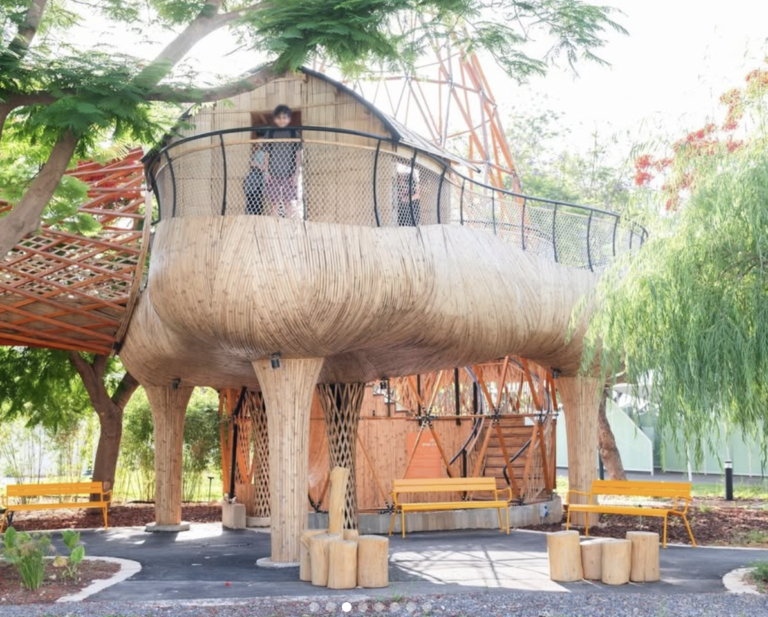
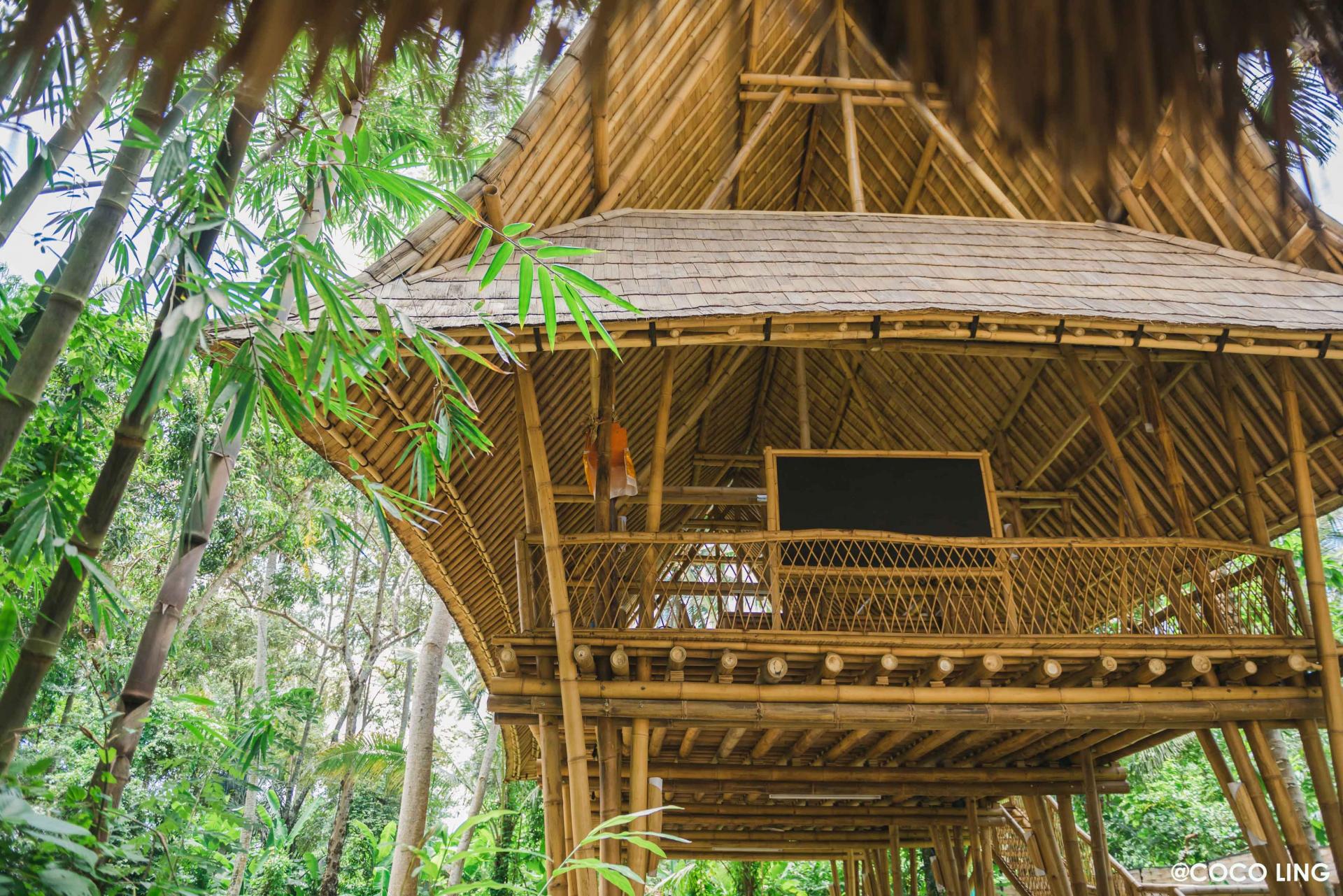
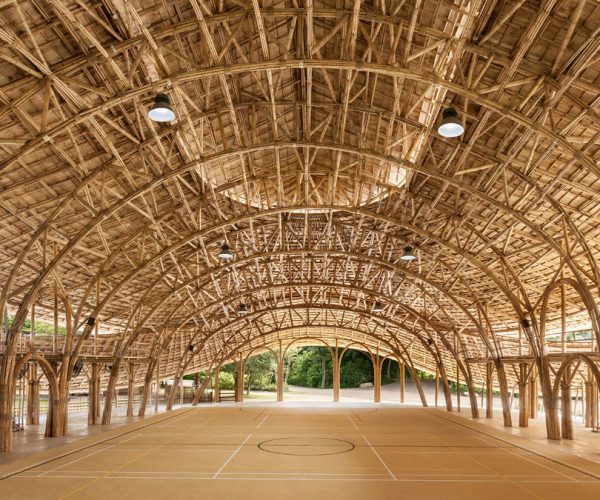
Bamboo is emerging as a sustainable and versatile material in contemporary architecture. Its rapid growth, sensual design, strength, and renewability make it an ideal choice for eco-conscious design. It can made to scale for large community projects but it can also be used in homes.
Bamboo, often referred to as the “green steel” of the future, is quickly gaining popularity as a sustainable alternative to traditional building materials. With its fast growth cycle, minimal environmental footprint, and impressive strength, bamboo is emerging as a game-changing material for the construction industry. Not only is it an eco-friendly choice, but its versatility allows it to be used in everything from flooring to scaffolding, and even entire buildings.
As we continue to search for ways to reduce our carbon footprint, bamboo presents an invaluable opportunity to build greener, more sustainable homes and structures.
Here are five firms from around the world that are redefining bamboo architecture, each bringing unique approaches that could set new standards in the field.
Founded by Elora Hardy, from Canada, Ibuku is renowned for its eco-friendly bamboo structures that blend traditional craftsmanship with modern design.Their work includes the Green Village near Ubud, a community of bamboo homes that harmonize with the natural environment.Ibuku’s designs have been featured in Architectural Digest for their innovative use of bamboo in creating sustainable living spaces.
Pros:Sustainable, aesthetically unique, and deeply connected to local culture. Cons:High labor intensity and maintenance requirements.
Penda is an architecture and design studio that has explored the potential of bamboo in modular construction.Their project “One with Birds” envisioned a hotel made from bamboo tents and towers, inspired by Native American tepees.The firm has also proposed the idea of a bamboo city, aiming to build a sustainable urban environment using bamboo modules.
Pros:Innovative, scalable, and environmentally friendly. Cons:Challenges in large-scale implementation and durability in diverse climates.
Renowned Japanese architect Kengo Kuma has integrated bamboo into urban architecture.His project “Alberni by Kengo Kuma” in Vancouver features a bamboo forest at its base, creating a serene urban oasis.This incorporation of bamboo into a high-rise building exemplifies Kuma’s philosophy of blending nature with architecture.
Pros:Elegant, culturally resonant, and enhances urban biodiversity. Cons:Potential challenges in structural integration and long-term maintenance.
Like Bill and Athena Steen, who founded the Canelo Project to teach strawbale building in Arizona, Bamboo U is an educational initiative based in Bali that trains architects and builders in bamboo construction techniques.Their workshops and projects, such as the River House at Sayan, demonstrate the potential of bamboo in creating sustainable architecture.Bamboo U’s approach emphasizes hands-on learning and community involvement.
Pros:Educational, community-focused, and promotes sustainable building practices. Cons:Limited project scale and potential challenges in widespread adoption.
Chiang Mai Life Architects is a design and construction firm in Thailand specializing in bamboo structures. (Read about our family trip to Chiang Mai here). Their projects range from residential homes to community centers, all emphasizing sustainability and natural aesthetics.The firm utilizes bamboo’s flexibility and strength to create structures that are both functional and environmentally responsible.
Pros:Locally sourced materials, cost-effective, and adaptable designs. Cons:Limited recognition outside Southeast Asia and potential scalability issues.
As Elora Hardy, founder of Ibuku, states, “Bamboo is the material of the future because it speaks to sustainability, affordability, and a new sensual way of thinking about our relationship with nature.”
And it just feels right.
Doing more research on bamboo? We have you covered:
While high-profile firms like Foster + Partners dominate headlines with sleek green towers and mega-projects, many equally visionary eco-architects are working quietly around the world—designing sustainable spaces that restore, regenerate, and rethink how we live. These five architects aren’t just building—they’re reimagining our future.
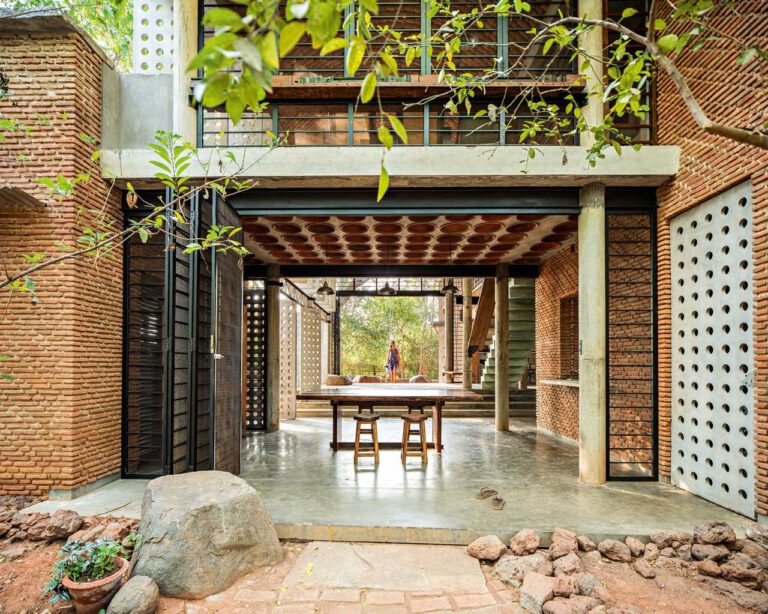
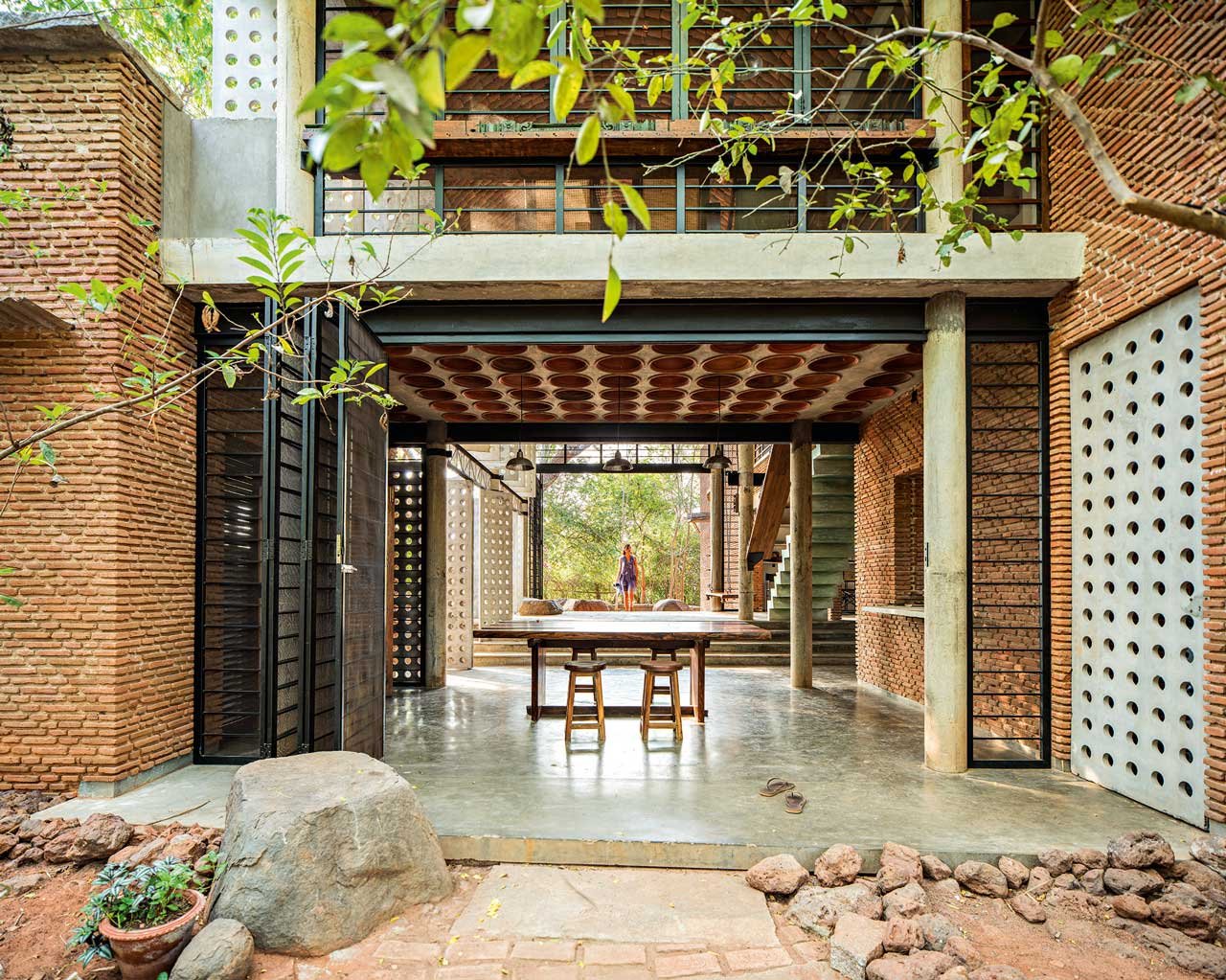
Wall House by Anupama Kundoo
1. Anupama Kundoo – India’s Anupama Kundoo blends traditional Indian techniques with radical innovation. Her work in Auroville, including the “Wall House” and lightweight ferrocement structures, proves that low-tech can be high impact. Her philosophy centers around local materials, self-sufficiency, and zero waste, offering a path to sustainable urbanism rooted in community and place.
“My buildings grow out of the place. The idea is to make architecture a catalyst for social change,” says Kundoo.
JustK by AMUNT
2. AMUNT – Germany Winners of the AR Emerging Architecture Award, this German studio creates emotionally rich, low-carbon homes using passive design and recycled materials. Their JustK House shows how eco-housing can be beautiful, efficient, and emotionally sustainable, with hand-crafted timber and thoughtful details woven into every inch.
Emmanuel Omollo
3. Alejandro Aravena / ELEMENTAL – Chile Pritzker Prize-winner Aravena leads ELEMENTAL, a public interest architecture studio famous for its incremental housing: homes that families can build onto as resources grow. These projects are affordable, expandable, and community-based—an essential counterpoint to the high-gloss, high-cost world of global architecture.
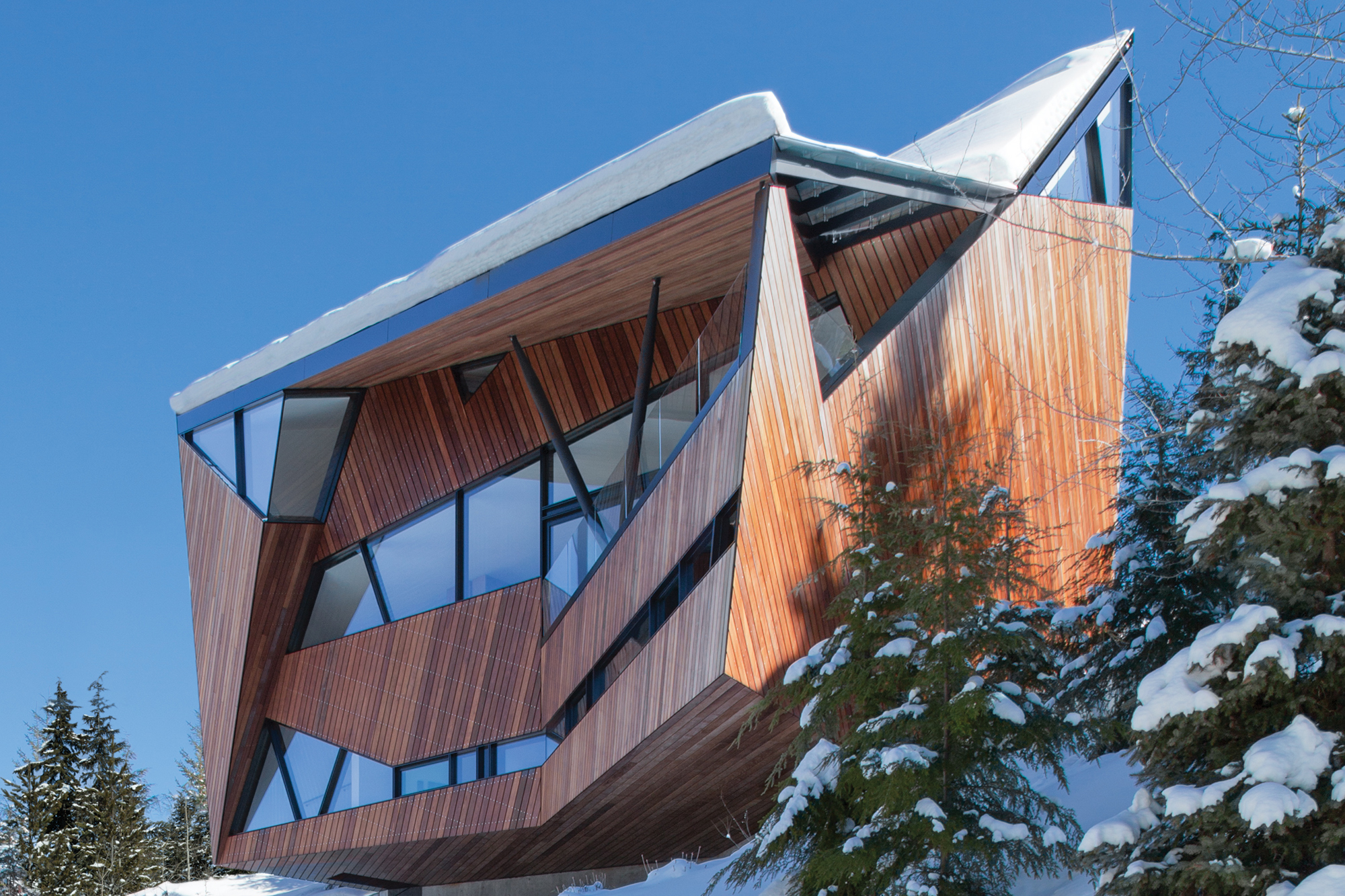
Patkau Architects
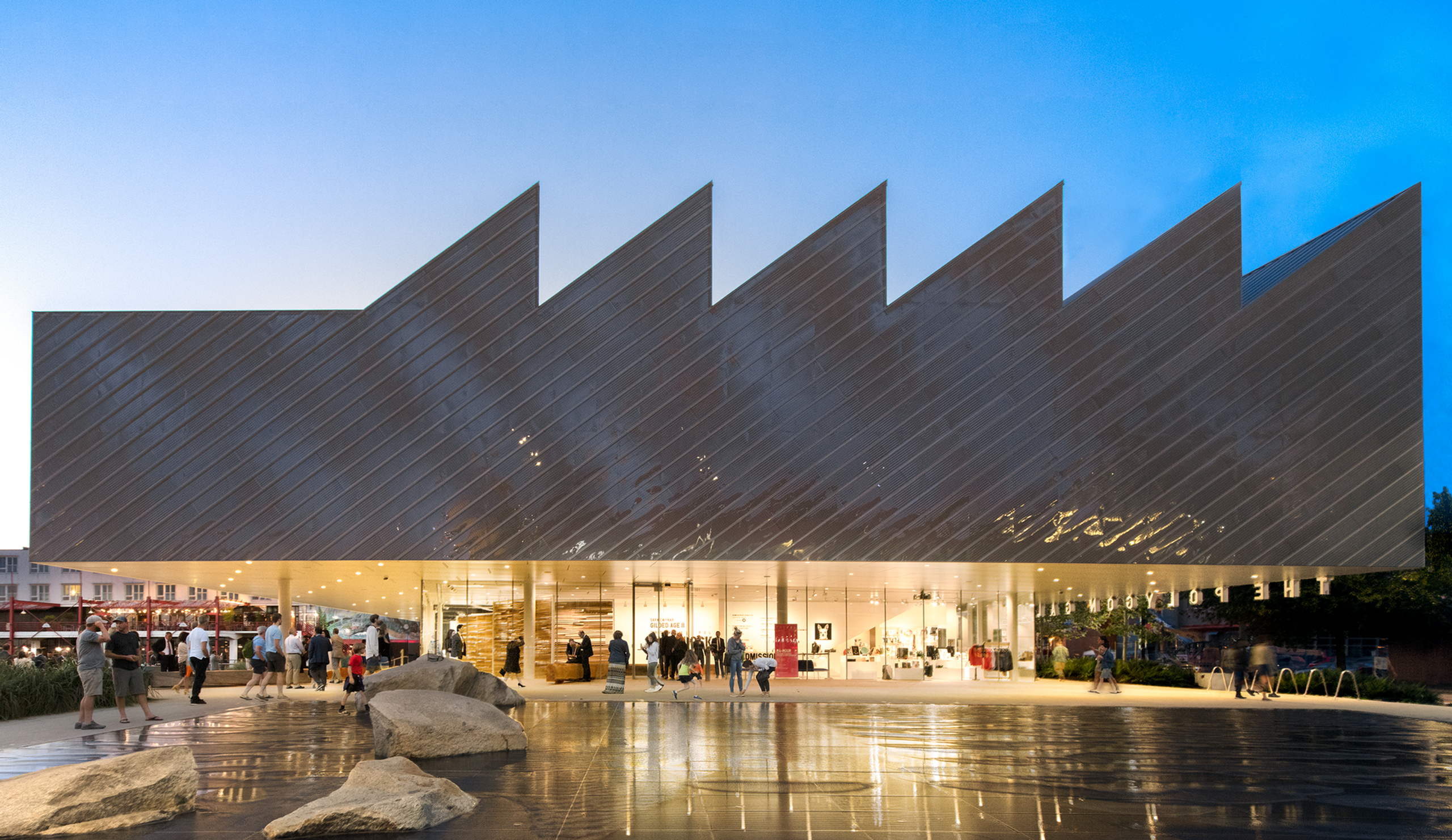
4. Patkau Architects, based in Vancouver, is known for their minimalist approach to eco-design, seamlessly blending architecture with the natural environment. They use innovative materials and sustainable techniques in a way that creates spaces that are at once functional and awe-inspiring.
The Polygon Gallery
Their projects, such as the Polygon Gallery in North Vancouver, showcase how sustainable design can elevate community engagement while respecting the natural surroundings.
Bjarke Ingels is the founder of BIG, a renowned architectural firm based in Copenhagen. His approach to architecture blends bold, forward-thinking design with sustainability and social impact. BIG is known for creating structures that balance aesthetics with environmental and social responsibility.
Their iconic projects like the Amager Bakke Waste-to-Energy Plant in Copenhagen, which doubles as a ski slope, and the 8 House, a mixed-use development focused on sustainable urban living, show how architecture can address climate challenges while being playful and functional. Ingels’ work embraces the idea of “hedonistic sustainability,” where green solutions are not only efficient but enjoyable. His website reads: BIG.dk, so you figure out where he’s going with this.
Green Prophet readers know that architecture isn’t just about buildings—it’s about systems, ethics, materials, and how we relate to the planet.
Curious about eco-architecture in the Middle East?
As the planet warms, the race for sustainable cooling technologies is heating up. In Slovenia, researchers are developing a revolutionary cooling system that skips toxic gases and instead uses recyclable nickel-titanium alloy to keep things chill. Their method?
It’s called elastocaloric cooling—and it could transform how we air-condition homes and buildings without harming the planet. Unlike traditional systems that use hydrofluorocarbons (HFCs)—greenhouse gases thousands of times more potent than CO₂—this method doesn’t rely on liquid-to-gas phase changes. Instead, it leverages a solid-state material, nitinol, which heats up when mechanically stressed and cools down when the pressure is released.
Jaka Tušek: Photo of an elastocaloric regenerator (left) as the basic element of an elastocaloric device and the operation of the elastocaloric regenerator in heating mode, taken with a thermographic camera (right)
“A mass of only one kilogram of refrigerant with a GWP of 10,000 causes as much global warming as 10 tons of CO₂,” says Jaka Tušek, principal investigator of the project at the University of Ljubljana. “We want to replace them with solid refrigerants based on shape memory alloys.”
The project, E-CO-HEAT, is part of the European Union’s broader mission to decarbonize heating and cooling—a sector that accounts for 10% of global electricity use. This research could help phase out toxic coolants, reduce fire risk, and improve efficiency, especially as climate change accelerates.
“Our device has no moving parts in the cooling loop and uses less energy,” the team notes. “It can become a highly efficient alternative to vapor compression cooling.
“Ironically, the more we cool, the greater the demand for cooling.” he explains. “The International Energy Agency estimates that the number of air conditioners worldwide will rise from 1.6 billion today to 5.6 billion by the middle of the century.
“At this rate of increase in cooling demand, energy use for cooling will exceed total energy use for heating by 2060 and by the end of the century by more than 60%. Among the alternative technologies, elastocaloric cooling and heating technology, based on exploiting the elastocaloric effect during cyclic loading of shape memory materials, has shown great potential in recent years,” says Tušek.
Metal-Based Cooling Could Cut Carbon and Slash Energy Use
Tušek’s team is working with partners from Ireland, Germany, and Italy under the project SMACool, which aims to deliver a working prototype of a metal-based air conditioner by 2026. Though still at 15% efficiency, researchers expect to surpass that soon, potentially beating standard vapor compression units that max out at 30%.
The technology avoids the flammable or toxic properties of so-called “natural refrigerants” like isobutane or ammonia, which come with their own risks—especially in hot climates where performance drops.
“We are building an advanced elastocaloric device that can replace today’s harmful cooling systems and have a measurable impact on climate goals,” Tušek says.
But change won’t be instant. This kind of leap forward faces resistance from an industry heavily invested in HFC-based infrastructure. Still, the benefits—zero-emissions refrigerants, higher safety, and better performance—are hard to ignore.
As Tušek puts it: “We’re not only developing a device. We’re shaping a safer, cooler future.”
Safiyaa is a London-based fashion label founded in 2011 by Daniela Karnuts, known for its commitment to sustainable luxury and modern elegance. The brand offers made-to-order gowns crafted by a single artisan, ensuring minimal waste and a personalized fit.
In an industry notorious for its environmental footprint, demi-couture brand Safiyaa stands as a compelling counterexample. Founded by Daniela Karnuts in 2011, the London-based label has quietly revolutionized luxury fashion not just through its timeless designs, but through a business model that inherently addresses fashion’s sustainability crisis. While the industry produces an estimated 92 million tons of textile waste annually and accounts for 10% of global carbon emissions, Safiyaa’s approach offers a radical alternative—one where waste is eliminated before it begins.
“The most sustainable garment is the one you keep wearing,” Karnuts has noted, cutting through the greenwashing that often characterizes fashion’s environmental messaging. This simple observation forms the foundation of Safiyaa’s sustainability ethos, where longevity isn’t just a marketing angle but a core design principle. As consumers increasingly reject the disposability of fast fashion and question the environmental costs of their purchasing decisions, Safiyaa’s model demonstrates how luxury brands can align environmental responsibility with business success.
The brand’s made-to-order approach isn’t just better for the planet—it represents a fundamental reimagining of the relationship between fashion brands and consumers. Rather than producing seasonal collections based on predicted trends and hoping they sell, Safiyaa creates garments only when ordered, eliminating the industry-wide problem of unsold inventory that often ends up in landfills or incinerators. This precision-based production model has positioned Karnuts at the forefront of fashion’s sustainability movement, proving that eco-friendly practices can enhance rather than compromise luxury appeal.
Rethinking Production: The Environmental Benefits of Made-to-Order
Traditional fashion production follows a speculative model: brands create collections months in advance, produce them in volume, and then push them to market through aggressive marketing. This approach inevitably leads to overproduction, with the fashion industry routinely creating far more garments than the market can absorb. The result is staggering waste—deadstock clothing that sits in warehouses, sells at deep discounts that undermine brand value, or ends up destroyed.
Safiyaa disrupts this wasteful cycle through its made-to-order model. “Every Safiyaa item is developed and made to order at the brand’s London, New York, and Istanbul ateliers,” the company states. This approach serves multiple environmental functions simultaneously. It eliminates excess inventory, conserves raw materials, reduces energy consumption in manufacturing, and decreases the carbon footprint associated with storing and shipping unwanted products.
The environmental benefits extend beyond waste reduction. By producing locally in its ateliers rather than outsourcing to distant factories, Safiyaa minimizes transportation emissions that would otherwise be generated by shipping materials and finished products across global supply chains. This localized production also allows for tighter quality control, ensuring that each garment meets the brand’s exacting standards—another factor that contributes to longevity.
“Safiyaa remains an independent vertically integrated family-owned company, dedicated to bridging the gap between a bespoke made-to-measure service and customized technology designed to avoid over production,” the brand explains. This vertical integration gives Karnuts unprecedented control over the entire production process, from design to delivery, enabling a level of environmental stewardship that would be impossible in a more fragmented supply chain.
Material Matters: Fabric Selection as Environmental Strategy
While Safiyaa’s made-to-order model addresses the quantity side of fashion’s environmental equation, the brand’s approach to materials addresses the quality dimension. Karnuts has built Safiyaa around “luxurious fabrics” selected not just for their aesthetic appeal but for their durability and longevity—characteristics that are inherently eco-friendly.
The fashion industry’s shift toward sustainable materials has accelerated in recent years, with eco-friendly demi-couture brands increasingly embracing organic cotton, hemp, recycled polyester, and deadstock fabrics. These materials require fewer resources to produce, generate less pollution, and often have a significantly lower carbon footprint than their conventional counterparts.
Safiyaa’s emphasis on “rich colors and luxurious fabrics” reflects this growing awareness of material sustainability. By selecting high-quality materials that maintain their appearance and structural integrity over time, Karnuts ensures that Safiyaa garments remain wearable for years or even decades—a stark contrast to fast fashion items designed to last only a few wears.
This focus on material quality connects directly to Karnuts’ founding vision. When she launched Safiyaa, she was responding to a gap in the market for women’s clothing that matched the longevity and investment value of men’s tailoring. “It was thus that Safiyaa, named after her daughter and meaning purity, was formed,” the brand explains. This pursuit of “purity” extends to the environmental dimension, with Safiyaa’s materials selected to withstand both changing trends and physical wear.
Beyond Seasonality: Timeless Design as Environmental Practice
Perhaps the most revolutionary aspect of Safiyaa’s environmental approach is its rejection of fashion’s seasonal cycle. Where conventional luxury brands introduce entirely new collections multiple times per year, encouraging consumers to constantly update their wardrobes, Safiyaa focuses on “timeless, elegant pieces that endure beyond a single season.”
This seasonless approach represents a profound environmental statement. By creating garments designed to transcend fleeting trends, Karnuts challenges the planned obsolescence built into most fashion business models. Safiyaa pieces aren’t designed to look dated after six months—they’re created to remain relevant and desirable for years, reducing the pressure on consumers to continually replace their wardrobes.
“When it feels impossible to keep up with the latest trend cycles, Safiyaa offers a wardrobe built on foundational pieces that remain relevant year after year,” the brand notes. “Karnuts has focused on perfecting a core range of pieces that are designed to last, keeping up with consumer sentiment by introducing new categories such as bridal and loungewear rather than making larger collections.”
This philosophy aligns perfectly with the emerging eco-friendly demi-couture movement, which emphasizes “seasonless collections” focused on “timeless designs rather than seasonal trends.” By encouraging customers to invest in pieces that can be worn for years, this approach reduces the environmental impact associated with frequent fashion purchases.
Craftsmanship as Conservation: The Environmental Value of Quality
Central to Safiyaa’s sustainability credentials is its commitment to craftsmanship. Each piece is “made by a team of dedicated artisans to create elevated, versatile collections made for women by women.” This artisanal approach stands in stark contrast to mass production methods that prioritize speed and cost over quality and durability.
The environmental benefits of craftsmanship are substantial but often overlooked in sustainability discussions. Garments that are meticulously constructed by skilled artisans typically last longer, reducing the need for replacement and keeping textiles out of landfills. The attention to detail in construction—precise seams, proper finishing, strategic reinforcement—ensures that Safiyaa pieces maintain their structural integrity through years of wear.
“Known for sharp tailoring and form fitting silhouettes,” Safiyaa exemplifies how craftsmanship contributes to environmental sustainability. The brand’s emphasis on tailoring ensures that each garment fits its wearer perfectly, increasing the likelihood that it will remain a wardrobe staple rather than being discarded due to poor fit or construction.
This focus on quality over quantity represents a return to pre-industrial values in clothing production. Before the rise of fast fashion, garments were significant investments, carefully maintained and often passed down through generations. Safiyaa’s approach helps revive this tradition of clothing as long-term investment, with all the environmental benefits that entails.
Technology as Environmental Enabler
While Safiyaa honors traditional craftsmanship, it doesn’t shy away from technological innovation that can enhance sustainability. The brand is “committed to bridging the gap between a bespoke made-to-measure service and customized technology designed to avoid over production.”
This integration of technology into the made-to-order process represents an important evolution in eco-friendly demi-couture. By leveraging digital tools to streamline ordering, pattern-making, and production planning, Safiyaa can deliver customized garments with remarkable efficiency, reducing resource waste while maintaining quality.
“Safiyaa delivers power of choice and connects the craftsmanship to the client,” the brand explains. This direct connection between artisan and client, facilitated by technology, eliminates many of the inefficiencies in traditional fashion supply chains. Customers receive exactly what they want, artisans create pieces they know will be appreciated, and the environmental waste associated with mass production is avoided.
The Future of Sustainable Luxury
As Safiyaa moves “into its second decade of solid growth and global expansion,” Daniela Karnuts’ approach to eco-friendly demi-couture offers valuable lessons for the broader luxury industry. By combining traditional craftsmanship with innovative production models and a steadfast commitment to timeless design, Safiyaa demonstrates that environmental responsibility and business success can be mutually reinforcing rather than mutually exclusive.
“Imbuing traditional artisanal principles with pioneering technology are just part of Safiyaa’s commitment to leading a responsible, transparent and forward-thinking company with integrity and innovation at its core,” the brand states. This integration of old-world craft and modern efficiency creates a blueprint for sustainable luxury that other brands would be wise to study.
In a world increasingly conscious of fashion’s environmental impact, Safiyaa’s model offers a compelling vision of how the industry might evolve. By creating garments designed to last physically and aesthetically, producing only what customers actually want, and maintaining exacting standards of craftsmanship, Daniela Karnuts isn’t just building a successful luxury brand—she’s helping redefine what luxury means in an age of environmental awareness.
As consumers increasingly demand that their purchases reflect their values, Safiyaa’s eco-friendly approach to demi-couture positions the brand for continued relevance and growth. By demonstrating that sustainability can enhance rather than compromise luxury appeal, Karnuts has created more than just a fashion label—she’s created a model for how we might consume more thoughtfully in a resource-constrained world.