Home Blog Page 359

A Living Wall of Herbs Within Your Reach

0

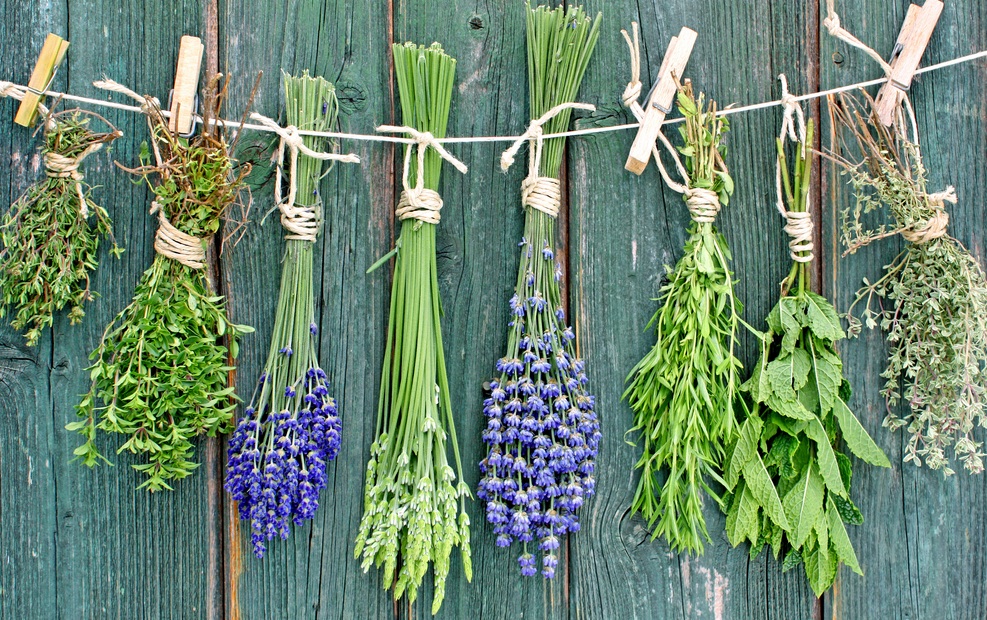
string of herbs on wallMiriam shows you a practical plan for constructing a living herb wall that fits your space.

If growing organic culinary or healing herbs at home grabs you, a wall garden will bring you joy. As gorgeous as the massive  system  at the Al-Sultan Ibrahim restaurant in Maameltein, Lebanon is, the home owner can plan for a smaller, more viable one. The video below shows a plan for making a small living wall where your favorite herbs can grow and thrive close to hand, every day. It only takes a little drilling.

Abu Dhabi Corals Are Tougher Than The Rest

0

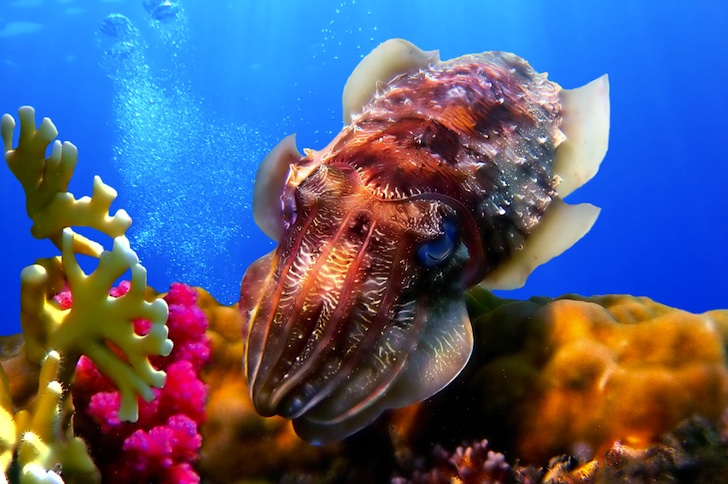
coral, Arabian Gulf, Persian Gulf, marine life, nature conservation, Abu Dhabi, GulfCoral in most parts of the world bleach when water temperatures surpass 28-32°C except in the Arabian/Persian Gulf, a new study finds. Curious to know why coral in the waters surrounding Abu Dhabi and other Gulf countries are able to withstand water temperatures as high as 36 °C before bleaching (not to mention the onslaught of unsustainable coastline development), scientists from New York University Abu Dhabi (NYUAD) and the National Oceanography Center (Nocs) at the University of Southampton shipped a few samples to the UK for a closer look. And the results were a somewhat surprising.

Bedouin Bus is a Friendly Way to Travel Sinai

0

Sinai, public transportation, Egypt, travel nature, Bedouin Bus, St. Catherine, Dahab, NuweibaIf you’ve traveled throughout the Sinai Peninsula, you will understand how wonderful it is to have a service like Bedouin Bus. A non profit public transportation service founded and sponsored by community members to ensure that travelers have affordable and stress-free access to the more remote parts of this magical part of Egypt, the bus fills in the missing links between Dahab, Nuweiba and St. Catherine. And it is ridiculously cheap!

5 Green Valentine Ideas For Your Eco-Girlfriend

0

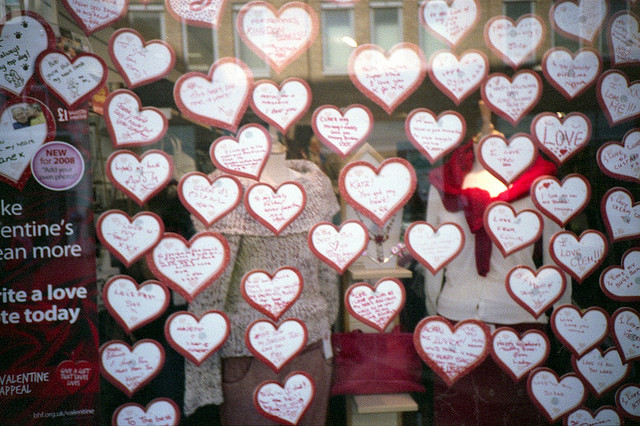
valentine-day-heartsThis year, why not try a few unconventional valentine ideas that will expand your lover’s heart, rather than her waist or rear end!

Chocolates are fattening and the flower industry is often horribly destructive to the environment, so your special eco-friend is unlikely to be impressed with these last minute valentine gifts. (Unless of course you care to make Miriam’s carob balls, which will convert even the most committed Nestle addict.) This year for Valentine’s day, why not surprise your girlfriend by planning ahead? Here are a few creative and perhaps unconventional ideas.

1 Kilogram of Spongy Fabric Traps 3.4 Liters of Fog Water

water conservation, water capture technology, cotton, Eindhoven University of Technology, water scarcity, desert, Gulf coastResearchers from Eindhoven University of Technology (EUT) and Hong Kong Polytechnic University have developed a fabric that traps water molecules present in fog. This clever new technology could have applications in dry coastal zones throughout Africa and the Middle East, where lack of water is increasingly both a humanitarian and security concern.

To make the water-trapping fabric, the scientists coated cotton with a polymer called PNIPAAm to create a sponge of sorts that absorbs moisture during low temperatures. This moisture is then released when temperatures rise, according to SciDev.net.

Israel’s eVolution Networks Slashes Cell Phone Tower Energy Use

energy, Jamaica, eVolution Networks, clean tech, cellular service, DigicelIsrael’s eVolution Networks has recently announced that the pan-Caribbean mobile provider Digicel saved up to 23 percent of their cell phone tower energy consumption within three months of incorporating the start-up’s new Smart Energy Solutions (SES) system in Jamaica.

One of those hidden energy gobblers that – like internet data centers – is felt less by consumers than by service providers, cell phone towers are typically designed to run at full speed 24/7 in order to ensure consistent coverage. This not only costs a fortune, but a lot of energy is wasted in the process and heat-trapping CO2 is emitted into the atmosphere. So Tel Aviv’s eVolution Networks developed a low-impact solution.

Worm Composting to Rejuvenate Your Plants and Earth

1

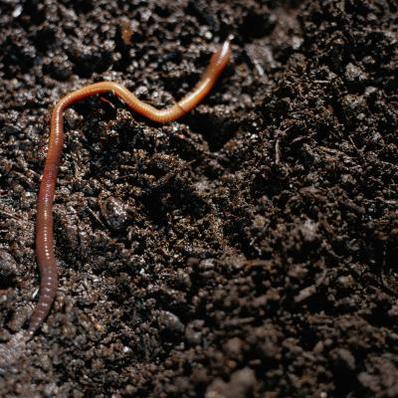
vermiculture worm compostingThis little critter, the common red worm, is a natural organic composting machine

Composting for improvement of houseplants and gardens and made in your backyard or even in your own living room  is a subject covered frequently in Green Prophet. Composting equipment can cost as little as ten dollars  for a vegetable compost bin  or by the help of a new turbo composter that makes home composting easier by shortening the compost processing time needed to make the finished product. An even more unique way to produce excellent organic compost from vegetable matter is to enlist the help of a creature that inhabits many gardens and is a natural born compost maker.

Indulge in Baked Figs, Yogurt, and Honey

0

fig yoghurt and honey

The first thing I did after arriving home yesterday evening was, naturally, to open the door of my fridge and peer inside.  I got nothing, I thought to myself.  But then I spotted a tub of Fage Greek yogurt in the corner of the bottom shelf.  I was able to locate a bottle of honey in the pantry, and I just knew I had it made.

Not too long after I started eating the yogurt with honey, I got an indescribable craving for figs.  The strength of this craving was really something – you’d think I was pregnant.  I figured my vision of eating figs, yogurt, and honey together was not unheard of – after all, each of the three is a sugary delight found all around the Mediterranean, especially in the Middle East. Here’s how I did it.

Deep Sea Mining the Next Frontier for Sudan and Saudi Arabia?

2

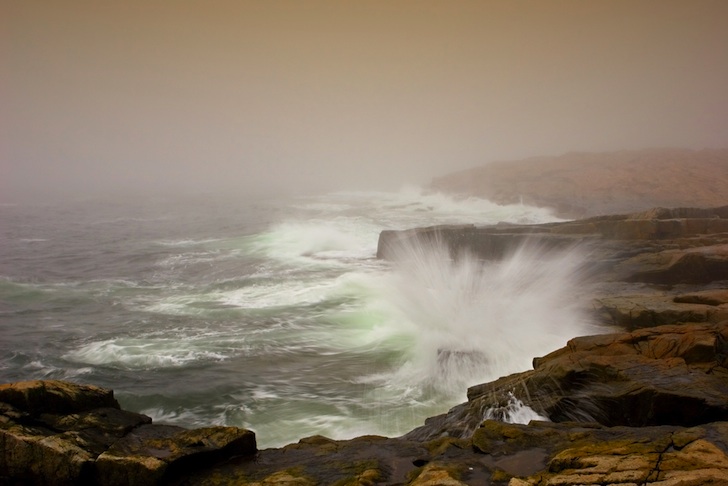
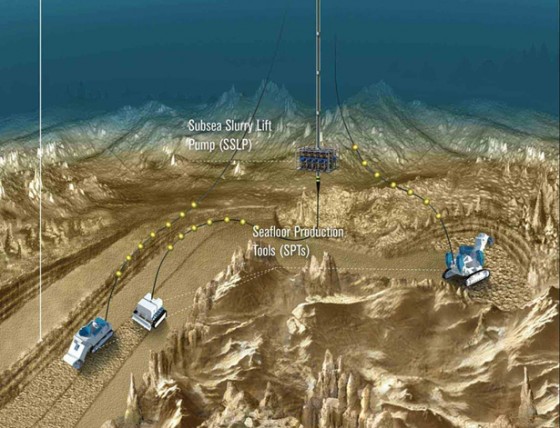
deep sea mining red sea saudi arabiaDeep sea mining for minerals is the next frontier for the extractive industry, and the Red Sea risks becoming a victim

Sudan and Saudi Arabia are targeting to start deep-water mining of a Red Sea basin, rich in zinc, copper, silver and gold, by 2014. This decision revives from a mutual agreement signed in 1974 to exploit the Red Sea’s resources, which at the time failed to materialize as global ore prices dropped in the early 1980s. Recent hikes in ore prices and high demand from emerging economies have renewed interest in exploiting deep-sea metal deposits. In 2010, Manafa International Trade Company of Saudi Arabia and its joint venture partner Diamond Fields International Ltd of Canada received a license from the joint Saudi–Sudanese Red Sea Commission to explore hydro-thermal basins ,  Atlantis II, some 2,000 meters below sea level in an area 115 kilometers (71 miles) west of Jeddah. Turns out there are billions-worth of minerals to be culled from the sea. What about the dolphins, coral reefs and fish?

France’s GDF Suez Jumps on Morocco’s Wind Wagon

Al Marmoom Wind Farm

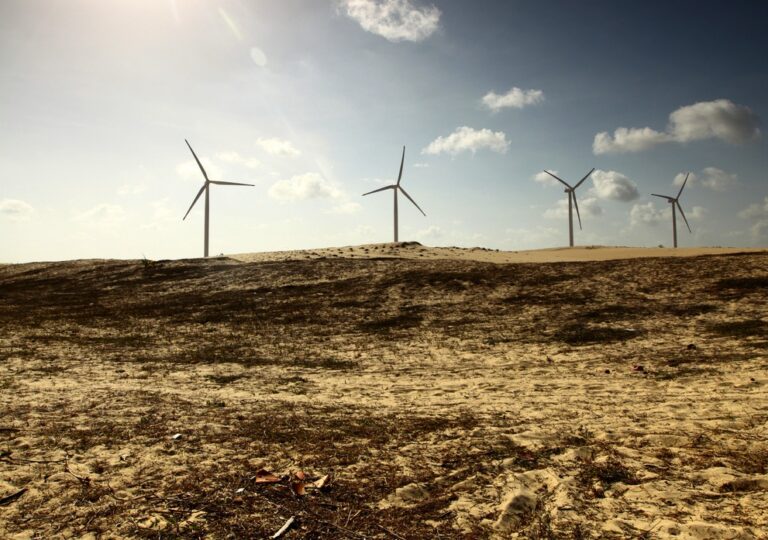
By the end of the decade, Morocco hopes to generate a full 2,000 megawatts of wind energy, but for now, the North African country needs all the help it can get from foreign investors. No stranger to wind, GDF Suez from France inked a 20 year deal with to build and operate a 300 MW plant in the Tarfaya Desert. At the end of two decades, Africa’s largest wind plant to date will be owned by Morocco.

GDF Suez and Morocco’s Nareva Holding have jointly invested in the new plant which will be built in the southern part of the country.

Each firm will contribute USD 122 million, according to Chief Executive Gerard Mestrallet told the press last week, while the remainder of the USD540.99 million project will be covered by Attijariwafa Bank, Banque Centrale Populaire and Banque Marocaine du Commerce Exterieur from Morocco.

When operational by the end of 2013, the Tarfaya plant is expected to generate two fifths of the country’s total wind capacity and help bridge the gap between demand, which rises by about six percent every year according to Reuters, and supply.

:: Reuters


Megalomaniac Billionaire to Destroy Azerbaijan With Artificial McCity

4

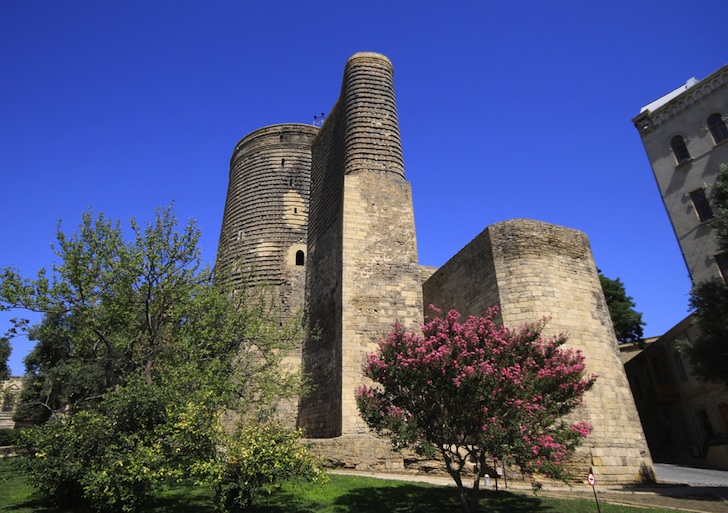
artificial islands, Azerbaijan, unsustainable development, Caspian Sea, world's tallest towerIf you ask him, Ibrahim Ibrahimov will probably tell you that his plan to build an archipelago of artificial islands, scores of apartment buildings, bridges and the world’s newest tallest tower will be good for Azerbaijan, but really the billionaire is on a path that may destroy everything that makes the capital, Baku, so special.

The New York Times recently profiled the billionaire, who is one of the country’s most powerful men. With close ties to president Ilham Aliyev, he is uniquely positioned to realize a sudden mad idea he had while flying from Dubai to Baku to build the artificial Khazar Islands on the Caspian Sea. And though he claims this is not the case, the plan sounds eerily like Dubai. Except worse.

Knitting a Tree for Middle East Peace

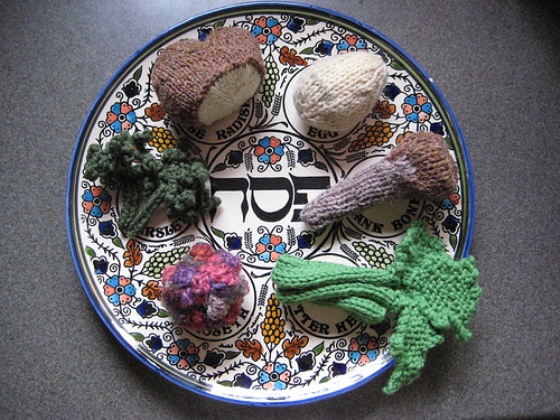
knitted seder plate middle east peaceArmed with knitting needles, Israelis and Palestinians are knitting for peace!

The TikkunTree Project is a community knittivist art project dedicated to advocacy of peace between Israelis and Palestinians. This ambitious community art project is growing a tree, an enormous knitted tree whose fiber leaves and fruits and branches will shelter doves made of yarn: it’s enormous canopy will eventually protect a silent candle vigil from “the winds of conflict.”  The Hebrew phrase “tikkun olam” can loosely translate to “repairing the world”. Check out some amazing people who are stitching together a peace movement through simple, ancient craft, using sensitively produced fiber.

The “peace tree” grows through contributions by knitters, embroiderers, sewers and crocheters with an interest in Middle East peace in general, and peace in Israel in particular. Its abundant foliage is made up of crafted leaves, olives and doves, all suspended from a knitted tree trunk structure.  Everyone, everywhere is invited to add to the inspirational art work.

TikkunTree Project, which began in 2007 (and not updated since 2009),  was inspired by the destruction of olive groves during the continued Israeli occupation and settlement of Palestinian territories. The organizers say that, until its eventual exhibition, the TikkunTree is intended to serve as a vehicle for conversation about peace as it travels to knitting circles and community groups, making intermittent public appearances as it grows.
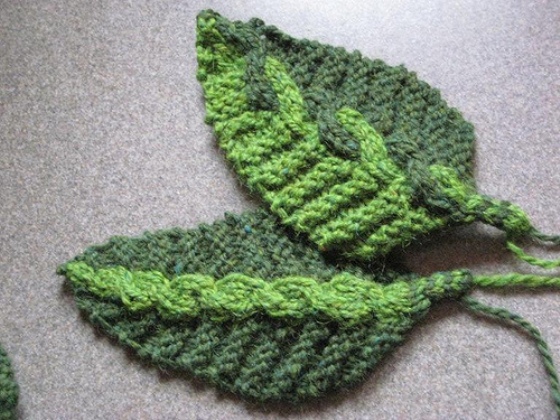
knitted leaves knitting for peace

The project does not promote a specific point of view. Its only purpose is to spread public awareness, encourage thought, and inspire discussions about hostilities between Jews and Palestinians, the effects of occupation of the West Bank and Gaza, and conflicts further afield in the Middle East.

TikkunTree also aims to support the livelihood of Israeli Jewish and Palestinian West Bank shepherds by encouraging the use of Peace Fleece yarns.  All proceeds from the purchase of Peace Fleece Baghdad Blue yarn benefits the remarkable bi-cultural community of Neve Shalom/Wahat al-Salam (Oasis of Peace), thrice nominated for the Nobel Peace Prize, offering additional support for the courageous peacebuilders in Israel and Palestine.
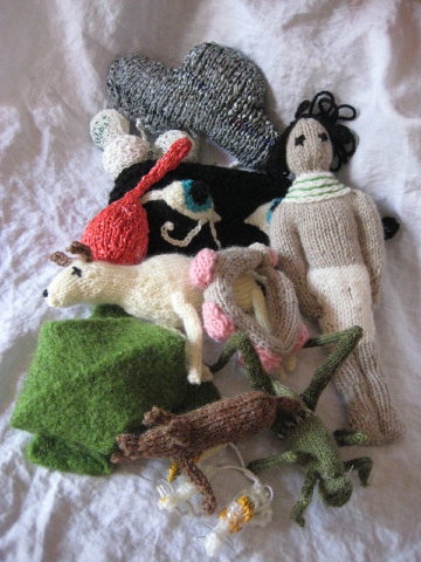
ten knitted plagues israel peace treeThe project founder is a mysterious blogger and craftswoman who goes by the name Leslie Tikkuntree, or tikkunknitter.  She writes that, “to pursue justice globally, we must support the peacebuilders in our midst.”

Her fantastic knitted  patterns for Judaica (such as a knitted  Seder plate, above, and the “Ten Plagues” seen at left), as well as inter-faith and inter-cultural projects, can be found on her Ravelry page here.

Byproduct of Natural Gas Made Potable by US and Saudi Scientists

natural gas, desalination, HDH, MIT, Saudi Arabia, water issues, water conservation, clean tech, natural gasWater produced as a byproduct of natural gas extraction is one of the oil and gas industry’s biggest waste streams, according to the Environment News Service (ENS), and Massachusetts Institute of Technology (MIT) researchers are collaborating with scientists from King Fahd University of Petroleum and Minerals to do something about it.

A process called Humidification Dehumidification (HDH) desalination has been one method used by the industry to render seawater fit for human consumption. But that technique has been excessively energy intensive. Until now.

The Nomad: A Solar-Powered Escape From Flesh-Eating Zombies

1

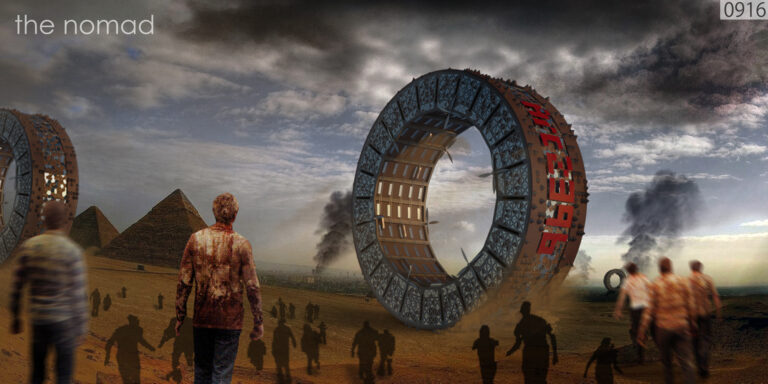
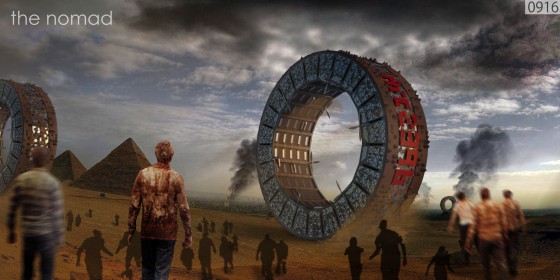
The Nomad, zombies, apocalypse, solar energy, design, wind energy, MAKH ArchitectsWhile some designers spend time figuring out how to deal with today’s rampant problems: urban density, water shortages, lack of public transportation in many cities and other pressing concerns, the team behind MAKH Architects have concerned themselves with zombies.

More specifically, they have devised a conceptual home for future residents who will roam the globe in what looks like a giant hamster wheel that offers escape from flesh-eating zombies. Which is not to say they haven’t addressed some contemporary concerns, such as how to generate energy while constantly on the go. The Nomad is powered by both solar and wind energy and grows its own food. 

The Kiss in Syria – Tammam Azzan’s Golden Hope Goes Viral

1

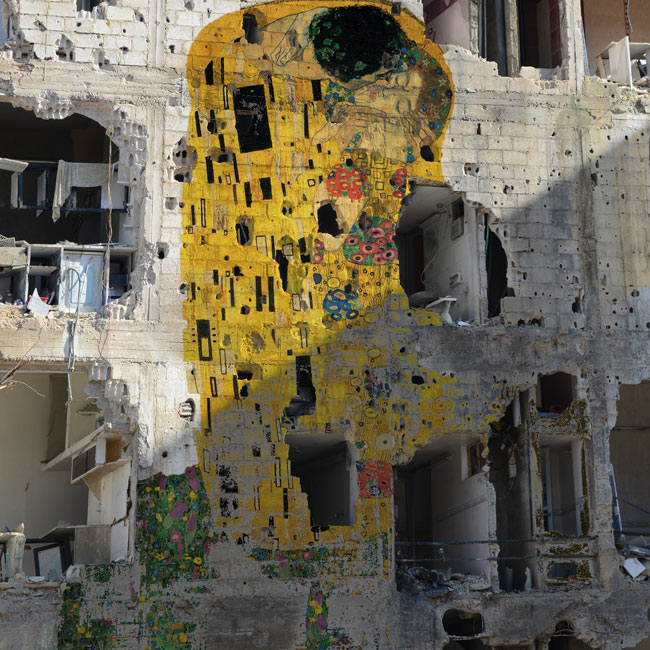
Tammam Azzam, The Kiss, Gustav Klimpt, Syria, war, love, refugees, art, It is rare for an artist from the Middle East to achieve global acclaim, yet Tammam Azzan’s name has appeared in all of the world’s major newspapers and blogs over the last couple of weeks – all for a golden kiss.

Reaching his hand down to squeeze the hearts of passive observers in a way that no grisly news report has been able to do, the Syrian artist’s recent transposition of Gustav Klimpt’s iconic “The Kiss” on a war-ravaged building in Syria has mobilized scores of global citizens, while at least one million residents and refugees continue to suffer amid one of the worst humanitarian disasters the world has ever hidden from.