Home Blog Page 356

The Big Ask – Is Islamic Sustainability The Answer To Our Green Prayers?

1

green prayerI interview Professor Al Jayoussi about Islamic notions of sustainability and whether they could ever be seen as universally applicable

In a previous post, I raised concerns over what an Islamic worldview can realistically offer those looking for a new sustainability model. After reading Odeh Al Jayoussi’s book on the topic, I felt that there were a lot more lingering questions than answers. Would Islamic sustainability really be considered an option outside the Middle East? What about those wary of any religious-based doctrine? Also after years following the ‘Western model of sustainability’, did we really want to be promoting another universal model? I caught up with Al Jayoussi,  the current vice president of Jordan’s Royal Scientific Society, and put these very questions to him. Read on for his responses.

Israel’s Self-Sufficient Solar Decathlon Home Shapes Up

1

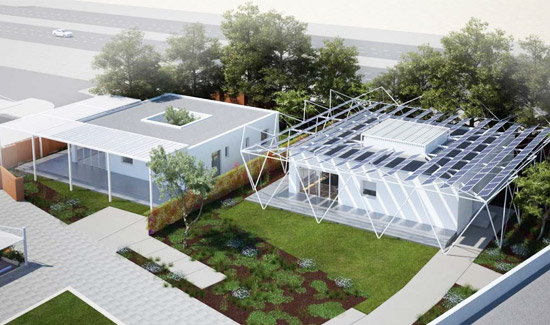
green design, china, solar decathlon 2013, israel, Shenkar, TAU, solar power, prefabricated design, green wall, IsraelIn 2012, Green Prophet reported from the front lines of the Solar Decathlon in Spain, but this year the event is taking place in China and students from Israel’s Shenkar College of Engineering and Design will be there.

A US Department of Energy initiative, the biennial competition gives international architecture and engineering students a chance to actually participate in the design and construction of a solar-powered prefabricated home. Israeli students are currently assembling their model in Haifa, after which the 70 square meter home will be disassembled, packed up and shipped to China in time for the start of the weeks-long competition that starts in August, 2013.

Fresh green Iranian fava beans – a sustainable persian recipe

1

iranian green fava bean recipe

Available for only a short season, green favas are considered a delicacy in the Middle East.

Springtime in the market (shuk), and lots of prime greens have made their once-yearly appearance. Fresh green peas and artichokes, which I love to eat stuffed. Fresh green garlic to hang up and dry for the year. And fresh green fava beans, meaty, yet far more delicately flavored than the dried version.

Green favas may be cooked with herbs and spices, added to meat, mashed, puréed, or stewed. But I’m most fond of eating fresh favas in simple dishes, so that their green flavor shines. Here is such a recipe – Iranian favas with rice and yogurt, from the fabulous cookbook author Claudia Roden.

It’s true that preparing the beans is a bit of a process. They must be removed from their pods and then cooked enough to remove the stiff outer skin off each bean. If you’re lucky enough to find the fava beans peeled away from their pods in the market, half your work is done.

I choose a quiet time in the kitchen to do the manual work of peeling the skins off – which is necessary, because it’s a little bitter and tough. Listening to music and thinking my thoughts, peeling favas is a meditative task, an excuse to be quietly by myself and let the busy world go by for a while.

This is how you do it. Once the beans are out of their pods, boil plenty of water in a pan and add the beans. Cook for no more than three minutes and then transfer to a bowl of cold water with a slotted spoon – or drain in a colander and put in cold water. The flexible grey skin must be slit open with a small, sharp knife (or your nail) and then you can pop the bean out.

Of course you can bypass the procedure by using frozen beans, but that won’t capture the light flavor of fresh.

Fava Beans with Rice and Yogurt Recipe

Yield : 6 servings
INGREDIENTS:

1¼ cups  long grain rice

4-5 tablespoons mild olive oil

Bunch of dill or mint, finely chopped

White pepper to taste

14 ounces shelled fava beans, fresh or frozen

2 cups plain whole milk yogurt

1 clove garlic, crushed

Salt

METHOD

Pour the rice into plenty of  boiling water. Boil hard for about 14 minutes, until it is almost but not entirely tender.

Drain and put back into the pan.

Stir in 3 tablespoons of the oil, the herbs, and salt and pepper to taste. Put the lid on and leave the pan on very low heat for the rice to steam for about 15 minutes, or until tender.

Boil the fava beans in lightly salted water for a few minutes, until tender, then drain. Stir gently into the rice with the remaining oil.

Serve hot or cold with the yogurt, beaten with crushed garlic and a little salt. Serve the yogurt separately or spoon it over the rice and favas.

Enjoy!

More seasonal Middle Eastern Recipes from Green Prophet:

First Solar Takes on More Serious Desertec Role

1

First Solar, Dii, Desertec, clean tech, solar power, renewable energy, MENA, North Africa, Middle EastFirst Solar has until recently participated as an associate partner of the Dii initiative designed to develop renewable energy projects throughout the Middle East and North Africa for eventual evacuation to Europe. But now one of the world’s most prolific renewable energy producers has taken on a more serious role as shareholder.

Particularly well poised to supply solar modules to countries in the MENA region given that their thin film solar cells can withstand high temperatures and minimal water, First Solar already has a firm foot in the renewable door with a host of solar projects in various Gulf countries.

Award-Winning Egyptian Traffic App Hits the World Stage

1

cairo, traffic, clean tech, ICT, World Bank, mobile app, Egypt, Beliaa, smartphones, Egypt, pollution


Cairo’s traffic is the stuff of legends. It’s easy to spend hours in total gridlock while trying to get from one side of the city to the other, with people honking and shouting.

Then there is the smog that spews from aging vehicles. But what to do about this economic, personal and social hazard?

The World Bank teamed up with Egypt’s Communications and Transportation Ministries to stage the first Cairo Transport App Challenge (Cairo TApp).

Local innovators were invited to submit homegrown mobile apps that address various aspects of the traffic problem, from aging infrastructure to public transportation, and the winning team then went on to the 2013 Mobile World Congress in Barcelona.

Is Pig-fed kosher or halal?

0

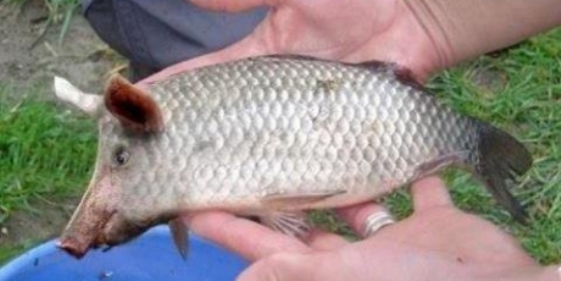
fish fed on pork

The European Commission (EC) approved a meat-based feedstock for farm-raised fish.  Next year, your mullet and trout might contain chicken and pork.

Horsemeat in burgers, meatballs and frozen lasagna is startling, but while these products include a “secret ingredient”, they remain as advertised: meat-based foods.  But what happens when the fish on your dish also contains meat?

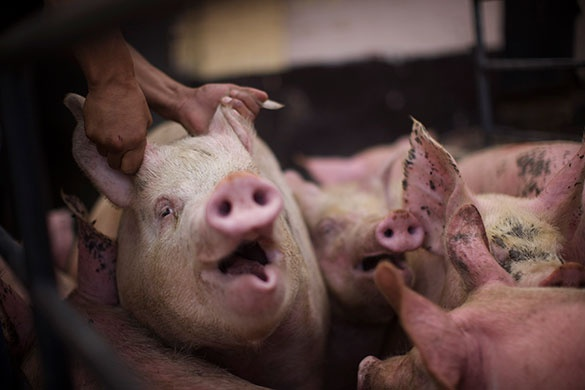
Wild salmon won’t be tucking in to a pork roast, but their farmed cousins will soon be dining on ground up pig parts.  A variety of animal byproducts are processed into an animal protein powder, also called meat meal, which is now approved as an additive to fish food.  Byproducts include cartilage (ears, tails), hooves and organs, and it’s not particularly clear that those parts come from perfectly healthy piggies.

The Middle East is a large importer of European seafood.

Seafood labeling is widely a slipshod business: in a study last year, non-profit Oceana performed DNA testing on seafood sold at 74 retail outlets in Los Angeles. Results showed that 55% of 119 fish samples were misidentified. If California can’t get species properly sorted, what’s the likelihood that the Middle East can take it a step further and also identify each fish’s diet?

porkfish

How’s this swim with Jews and Muslims and pescatarians?

How can you know if your fish purchases are kosher, or halal, or just pure fish? Will the absence of dietary surety mean an exodus of shoppers from the seafood aisle? It could be that the EC is cutting off it’s own metaphorical body part in a misguided attempt to help its aquaculture industry.

In 1997, a similar fish feed was banned for its connection to Mad Cow Disease.  Debate raged over the global food network.  Was it ethical to feed cow products to cows?  Was it safe?  But time passed and rules softened, and in 2008 fish meal was reintroduced to pig and poultry feeds. This latest step flips the food chain, now feeding pork and poultry meat meal to fish.

The news is muffled.  Food Navigator gave it a few paragraphs, as did EurActiv.  But what’s the reaction in Israel and Jordan? Why no squeals from the Gulf states or snorts from Egypt?

Global web mover and shaker Avaaz is raising a stink (appropriate for a subject that combines fish and pigs).  They’ve got a petition in play to pressure governments to stop porkfish from entering our markets. Avaaz has incited over 1 million people to petition against genetically modified food in Europe, and another million to take action against mutant salmon “frankenfish”. Want to join the movement?  Click this link and sign, share with everyone interested in controlling what they eat.

More comfortable sitting back, allowing governments to meddle with your menu?  Then perhaps you should memorize a new take on an old rhyme:

This little cod went to market; this little salmon stayed home, this little tuna ate roast beef, and this little tilapia had none.  And this little porkfish ran all the way home!

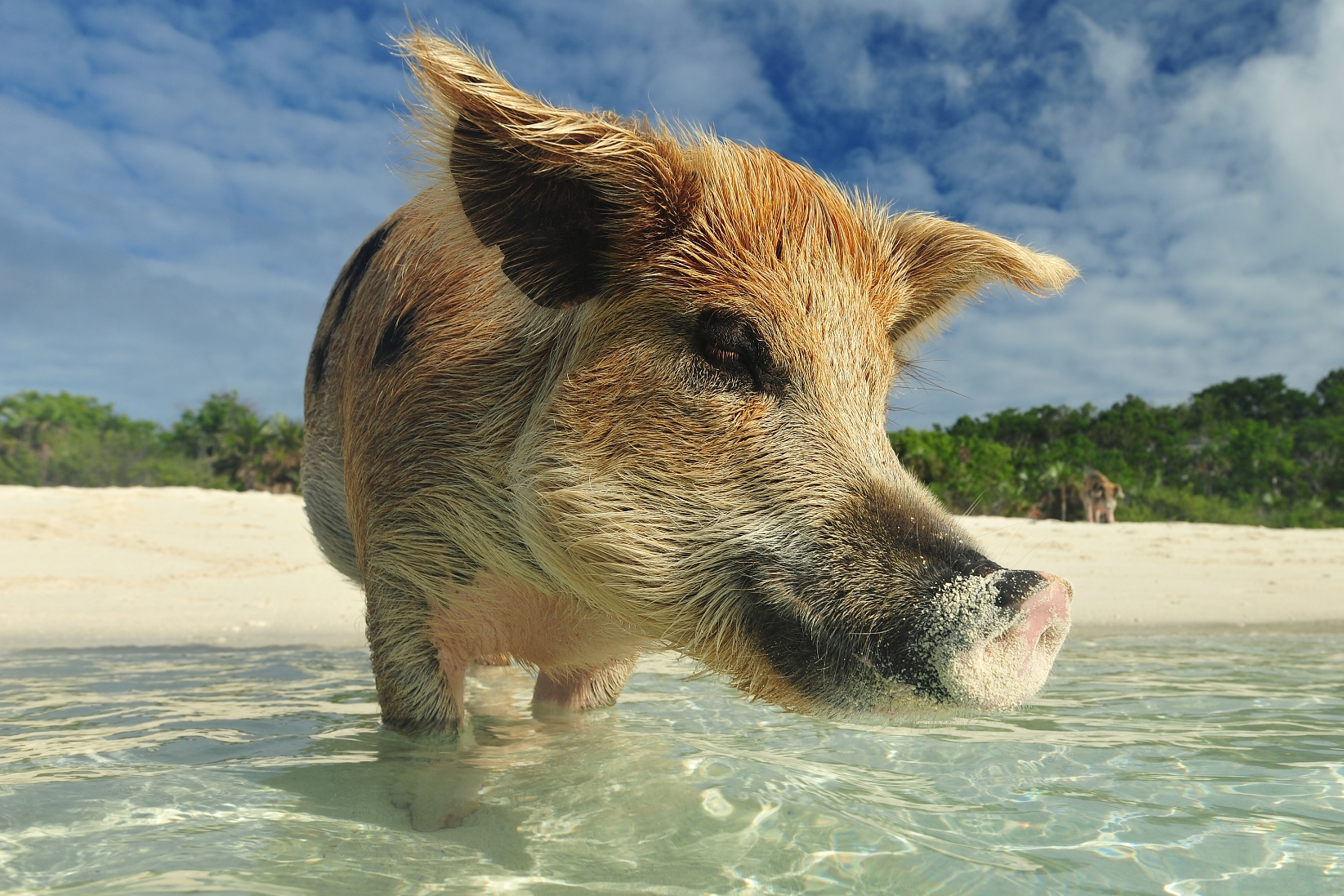
 Image of porkfish from Avaaz, and of  salt-water pig from Shutterstock

OMA to Mastermind Doha Airport City in Time for 2022 World Cup

1

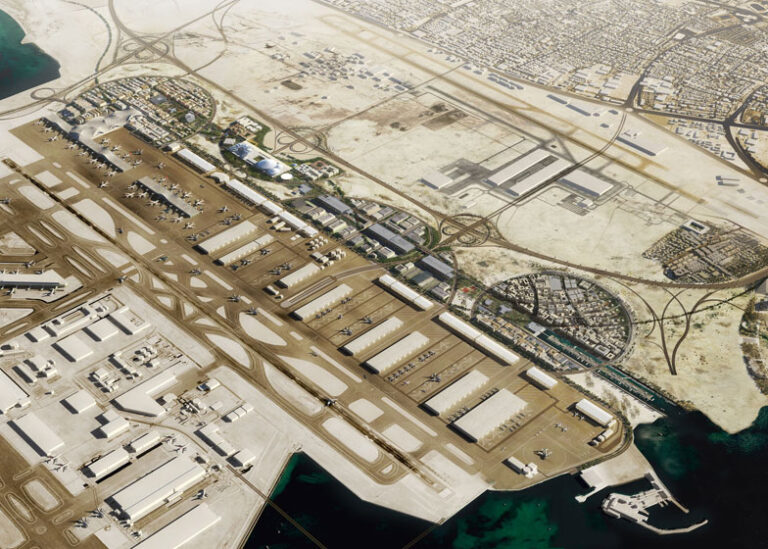
OMA, Qatar, Airport City, Doha, Hamad International Airport, 2022 World Cup, urban design, green spaceStarchitects OMA have won an international design competition to be the master planners for Doha’s new Airport City in Qatar. Occupying a 10 kilometer square space that will link the new Hamad International Airport with Doha, the mixed-use complex will be comprised of four circular districts connected by a “green spine.” Phase One of the 30 year plan includes business, logistics, retail, hotel, and residential facilities that will mostly be completed in time for the 2022 World Cup.

Turks Ask Their Leaders to Say “No to Nuclear”

1

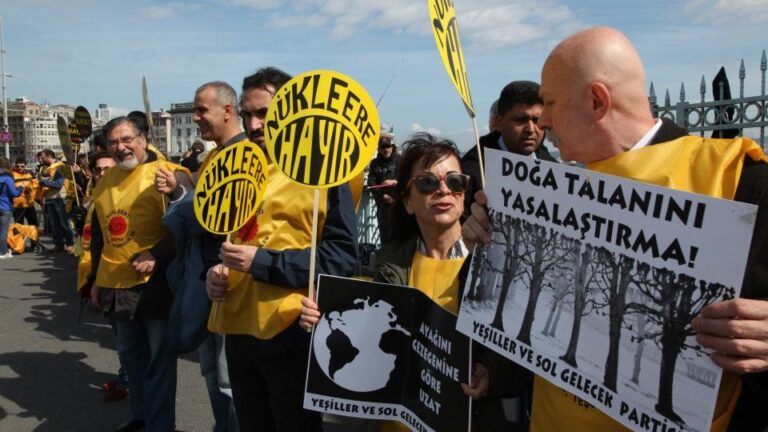
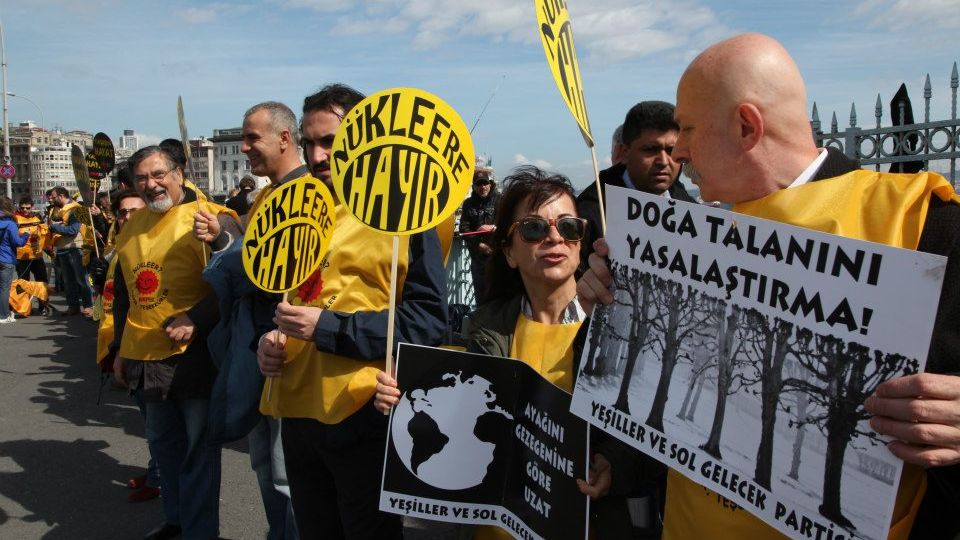
nuclear-protest-turkeyTwo years after the Fukushima nuclear meltdown in Japan, the Turkish government is moving ahead with nuclear power despite public opposition.

Hundreds of Turkish activists formed a human chain across a bridge over Istanbul’s Golden Horn on March 10, the day before the second anniversary of the earthquake and tsunami that triggered the world’s second biggest nuclear energy accident at the Fukushima nuclear power plant in Japan. Turkey’s government expects work to begin on the country’s first nuclear power stations this year.

How Richard III Helps Green Burials

1

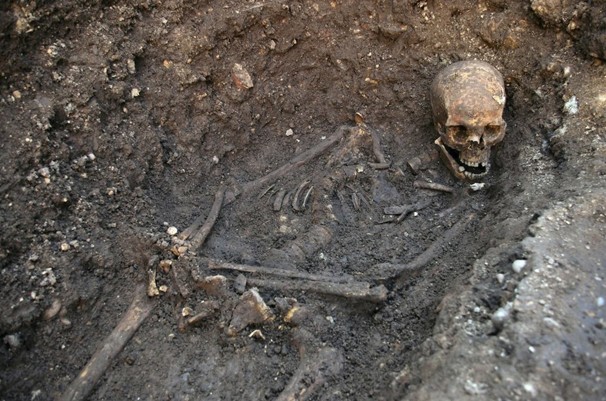
britain's richard III bonesRemains of Richard III as found under Leicester parking lot.  Multi-level burial may have prevented this from occurring Photo: Washington Post

As human populations increase, finding greener ways to bury the dead are ranging from sea burials to more simple land burials such as those practiced by Jews and Muslims. Even more bizarre ways of disposing of human remains may be a green “stacking” solution, includingthose still practiced by descendents of ancient Zoroastrians in Iran.

Ancestors of Desert Camels Roamed the Arctic 3.5 Million Years Ago

2

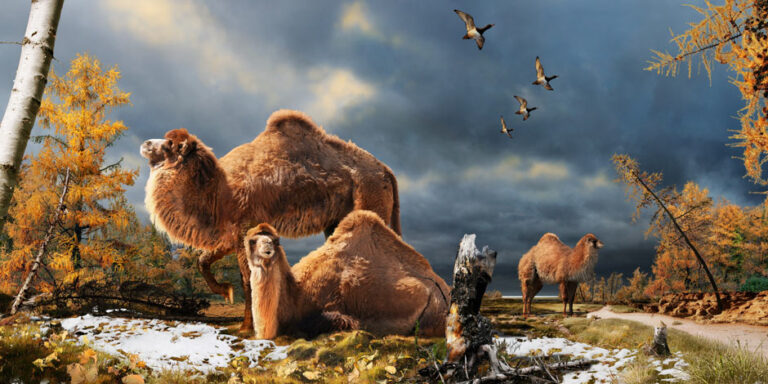
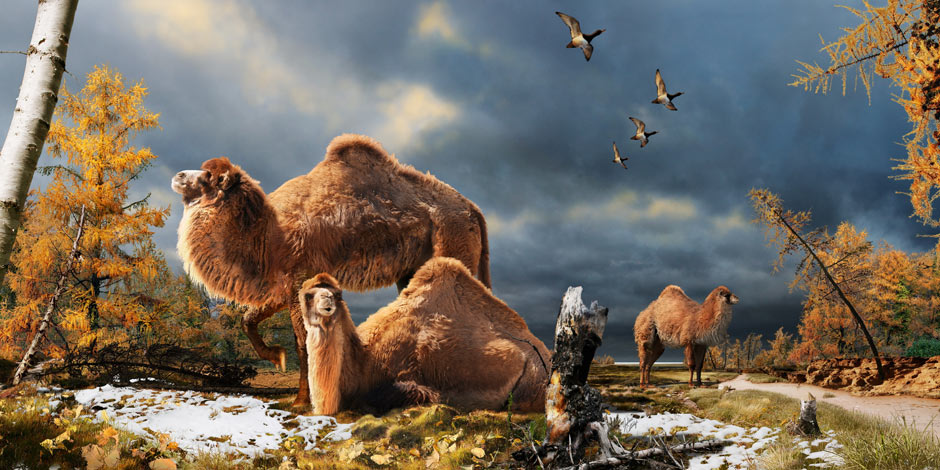
ancient camel, giant camels, Arctic, camel milk, Julius Csotonyi,An artist’s impression of the Arctic camel. Illustration by Julius Csotonyi via The Guardian

Millions of years ago, the ancestor of modern-day camels once roamed the Arctic, according to scientists from the Canadian Museum of Nature. While working in Ellesmere, a cold and unforgiving place that lies within the Canadian Arctic Archipelago, Dr Natali Rybczynski discovered what she at first thought might be a piece of wood.

Upon further analysis using collagen fingerprinting, a rigorous new tool more powerful than DNA fingerprinting, Dr Rybczynski realized that she had discovered bone fragments of a giant camel thought to be 3.5 million years old and roughly 30 percent larger than modern camels, The Guardian reports.

Qatar’s First Passivhaus on Track for 2013 Completion

1

passivhaus, qatar, green building, sustainable design, clean tech, solar power, qatar foundation, QSTecA host of private and government organizations in Qatar have teamed up to build the emirate’s first Passivhaus – one of the world’s most sustainable design certification systems with origins in Germany. Better yet, the solar array that will generate an annual 58,000 kilowatt hours of electricity to power the home will be provided by a homegrown poly silicon plant currently under construction.

Qatar Solar Technologies (QSTec), a joint initiative between the Qatar Foundation, Solar World AG and Qatar Development Bank, recently unveiled the first of 136 photovoltaic panels that will fire up the Passivhaus-Baytna luxury villa, which is slated for completion by the end of this year.

Food Waste in Rich Countries – The Most Un-Green Act of All

1

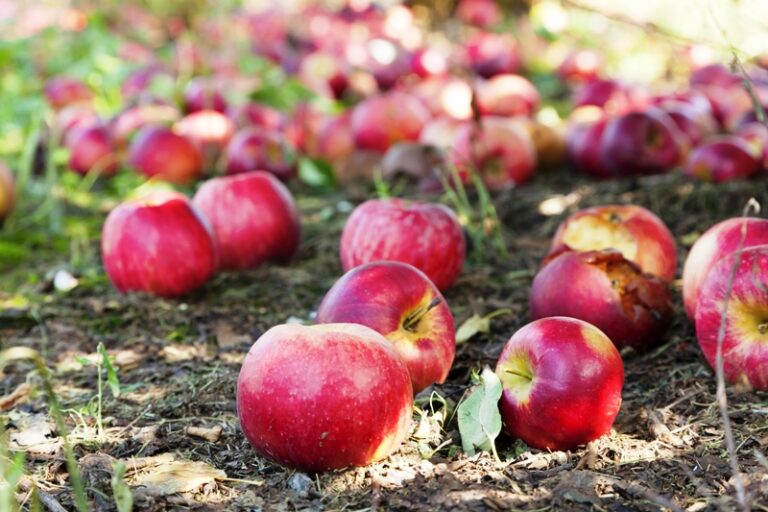
 fallen applesEven fallen fruit, like these apples, can be eaten if harvested properly

Serious and even dire food shortages in Mid East countries like Egypt, combined with projected sharp increases in food prices in Arab Spring countries in 2013 are sharp indicators that millions – perhaps billions of people are now facing even more lack of nutrients due to not having enough to eat. But ever increasing realities of global warming and climate change, especially desertification in  many Mid East countries are not  the main issues causing food shortages in many countries. Lack of food is also due to  sheer wasteful food production and distribution practices by both farmers and sellers of foodstuffs – often before much of it reaches the consumers who purchase it.

Tideline Project Illustrates Rising Sea Levels

1
red tide bacteria iran
A red tide in Iran. Sign of the times? David Suzuki shows us what will happen with climate change.

Jordan, where this Green Prophet lives, is not my Xanadu because it lacks an oceanic coastline: but, hey, if climate change keeps raising sea levels my dreams can (catastrophically) come true…Green Prophet’s brought you vivid images of NASA flood maps, and alarming predictions of Mediterranean basin flooding.  This winter’s extreme precipitation may have added precious water to regional stocks, but the prognosis for continued flooding is grim.

An old (2010) video clip is making the rounds, clunky imagery of a very cool piece of street art, it’s underlying message remains perfectly relevant.

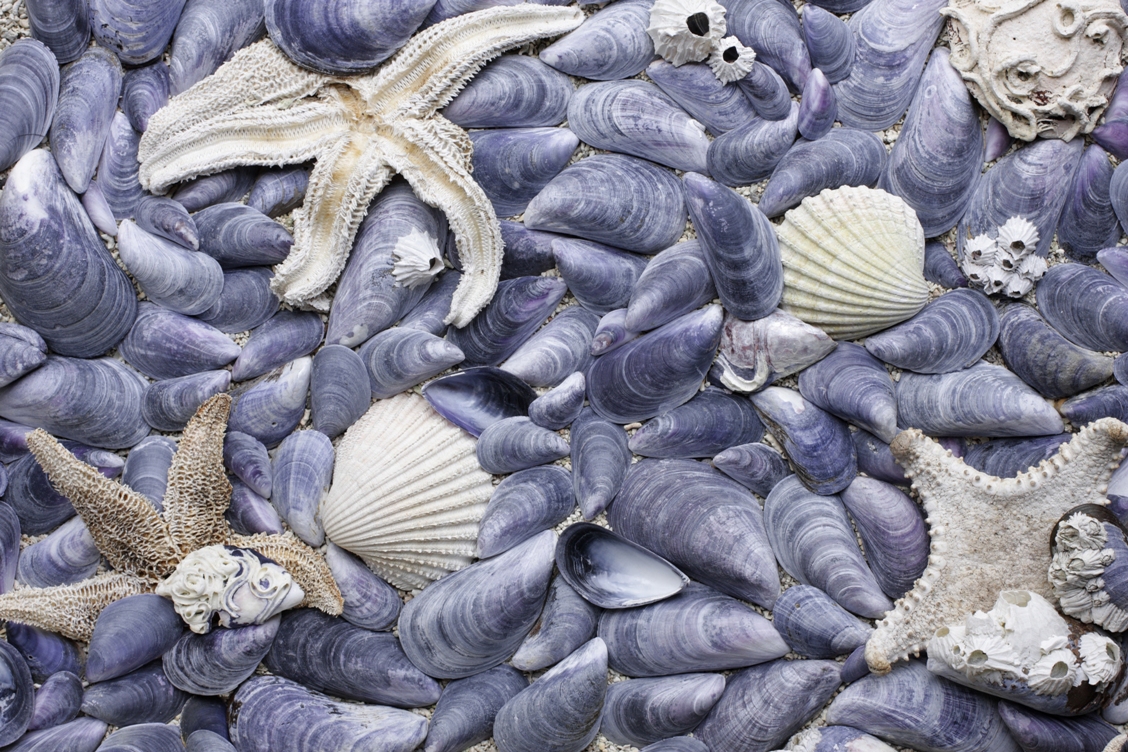
Environmental art-activists, underwritten by the David Suzuki Foundation, created large fabric panels encrusted with barnacles and mollusks, which they then affixed to Vancouver street poles.  The installation was beautiful and jarring, converting a standard piece of urban hardscape into a precursor of what may happen when seas do rise.

Improbable?  Check in with the New Yorkers living in Brooklyn in the aftermath of Hurricane Sandy, or in Hoboken, NJ where thousands were trapped in upper floor apartments for days when the bulging New York Harbor overran bulkheads and poured several feet of water onto city streets and sidewalks. Their cousins in Tel Aviv can commiserate, with epic floods brought on by intense rainfall.

Let’s open the phone lines: is it global warming or the natural aftereffect of insensitively planned urbanization?  Argue the cause, but see the effects. Drought and flooding, the yin and yang of climate change, combine with glacial thaw causing radical changes to sea levels which impact terrestrial landscapes. The impacts are far-reaching: it’s an environmental riff on the old “knee bone’s connected to the hip bone” ditty.

Can you imagine your city underwater?

The Tideline Project, which master-mended the artwork, recycled hundreds of mussels from Vancouver’s restaurants to create the fabric which formed artificial tide lines throughout the city. By making it appear as if Vancouver had been (habitually) flooded, their intent was to illustrate that global warming is closer than we think.  Similar works in Israel, Egypt and Tunisia might raise awareness as to the local threats caused by the specter of climate change.

The David Suzuki Foundation is a non-profit organization operating in both Canada and the United States. It aims to “Work towards balancing human needs with the Earth’s ability to sustain all life. Our goal is to find and communicate practical ways to achieve that balance.”

The cool street art depicted in this video will become a reality in many coastal cities in about 50 years.  I wonder if I’ll be around to surf Amman?

Celebrating International Women’s Day in the Middle East

1

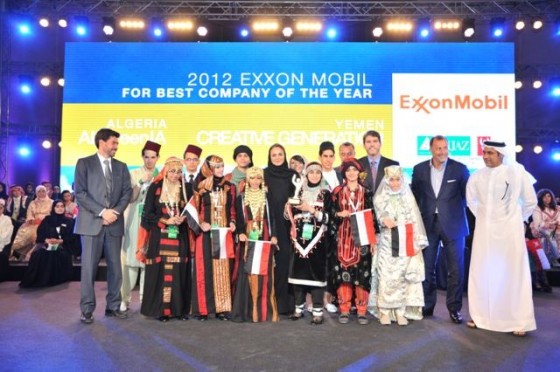
Yemeni women in solar energyYemeni women receive award for their role in bringing solar energy to Yemen

This year’s International Women’s Day not only illustrates the numerous issues facing women, but also celebrates the many achievements women have made worldwide – including those pertaining to environmental or green projects in the Middle East.

While well-known personalities are often highlighted each year, the achievements of ordinary women such as the Yemeni Girls who are using solar power to bring light to post revolution darkness in their country also deserve a special mention. We have highlighted a small handful of those who are making a difference in our region, but we know there are many, many more.

Ecocide Law: Give Mother Nature a Voice

1

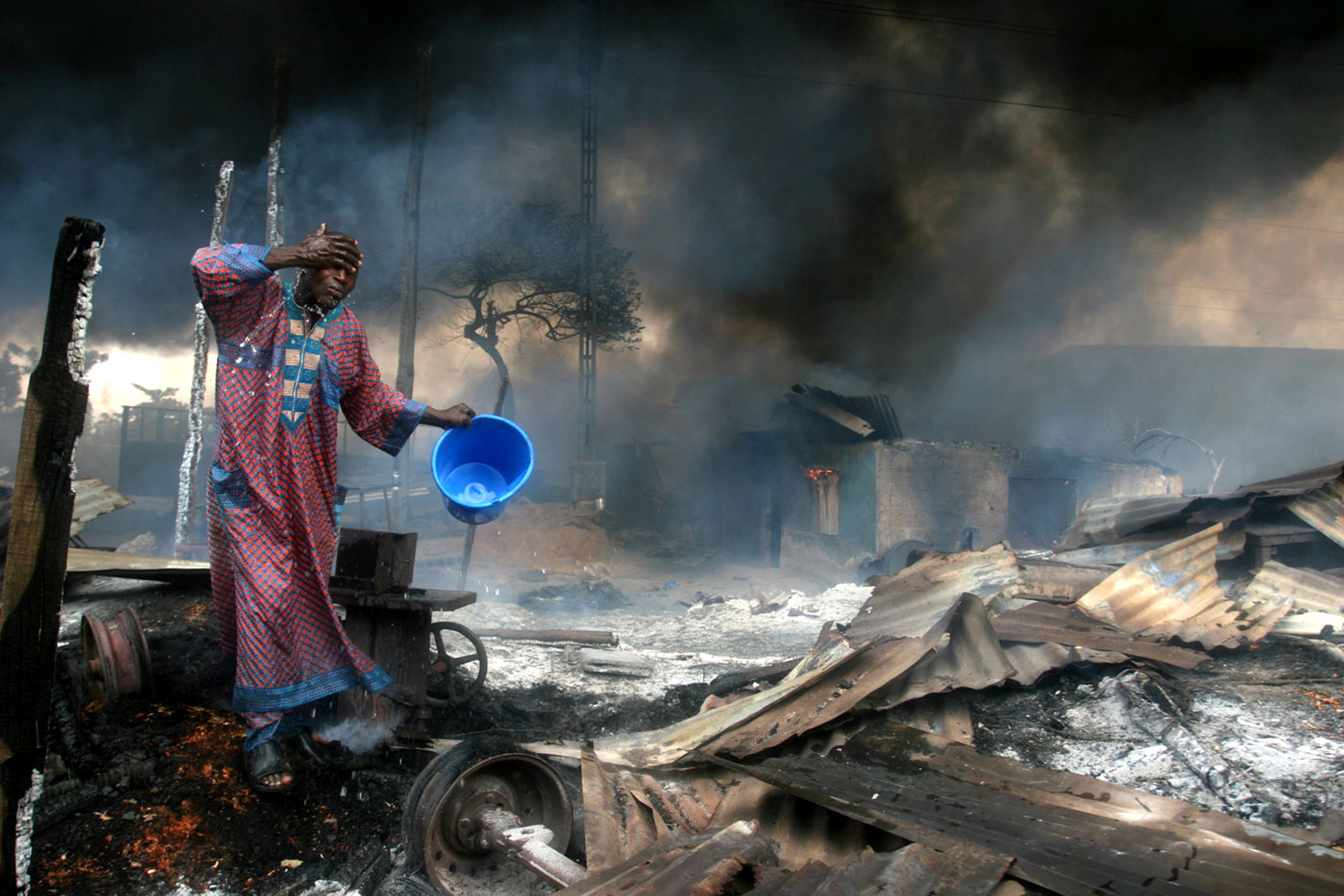
07_ethno_akinleye_pipelinebrandMaking Ecocide a crime and legally punitive could be one way of getting corporations to respect the environment

Unlike humans, nature does not have a voice. It cannot voice its concerns for being mistreated, overused and abused and it cannot stop the harm it often undergoes; however, this may change soon. In April 2010, Polly Higgins proposed a law on ecocide to the UN Law Commission to stand alongside genocide as an international crime against peace.

Since then, Polly and her team have founded the Wish20 Global Citizens initiative to catalyze global momentum for an international ecocide law. Already the initiative has united governments, faith leaders and businesses with the common aim of holding those responsible for deliberate environmental destruction accountable to the law.