A comprehensive analysis published by AstroTurf experts on turf field safety identifies several critical factors that separate premium synthetic surfaces from standard installations.
Opioid drugs including oxycodone, heroin and fentanyl have fueled an ever-worsening epidemic in the US. And after giant events in New Orleans they are popping up in the wastewater.
Neom, a bombastic collection of futuristic cities and resorts, has flopped as Saudi oil prices roll back reality. The Saudi plan of hosting the 2029 Asian games to be held at Trojena, a ski report in the desert, has been cancelled.
A comprehensive analysis published by AstroTurf experts on turf field safety identifies several critical factors that separate premium synthetic surfaces from standard installations.
Opioid drugs including oxycodone, heroin and fentanyl have fueled an ever-worsening epidemic in the US. And after giant events in New Orleans they are popping up in the wastewater.
Neom, a bombastic collection of futuristic cities and resorts, has flopped as Saudi oil prices roll back reality. The Saudi plan of hosting the 2029 Asian games to be held at Trojena, a ski report in the desert, has been cancelled.
A comprehensive analysis published by AstroTurf experts on turf field safety identifies several critical factors that separate premium synthetic surfaces from standard installations.
Opioid drugs including oxycodone, heroin and fentanyl have fueled an ever-worsening epidemic in the US. And after giant events in New Orleans they are popping up in the wastewater.
Neom, a bombastic collection of futuristic cities and resorts, has flopped as Saudi oil prices roll back reality. The Saudi plan of hosting the 2029 Asian games to be held at Trojena, a ski report in the desert, has been cancelled.
A comprehensive analysis published by AstroTurf experts on turf field safety identifies several critical factors that separate premium synthetic surfaces from standard installations.
Opioid drugs including oxycodone, heroin and fentanyl have fueled an ever-worsening epidemic in the US. And after giant events in New Orleans they are popping up in the wastewater.
Neom, a bombastic collection of futuristic cities and resorts, has flopped as Saudi oil prices roll back reality. The Saudi plan of hosting the 2029 Asian games to be held at Trojena, a ski report in the desert, has been cancelled.
A comprehensive analysis published by AstroTurf experts on turf field safety identifies several critical factors that separate premium synthetic surfaces from standard installations.
Opioid drugs including oxycodone, heroin and fentanyl have fueled an ever-worsening epidemic in the US. And after giant events in New Orleans they are popping up in the wastewater.
Neom, a bombastic collection of futuristic cities and resorts, has flopped as Saudi oil prices roll back reality. The Saudi plan of hosting the 2029 Asian games to be held at Trojena, a ski report in the desert, has been cancelled.
A comprehensive analysis published by AstroTurf experts on turf field safety identifies several critical factors that separate premium synthetic surfaces from standard installations.
Opioid drugs including oxycodone, heroin and fentanyl have fueled an ever-worsening epidemic in the US. And after giant events in New Orleans they are popping up in the wastewater.
Neom, a bombastic collection of futuristic cities and resorts, has flopped as Saudi oil prices roll back reality. The Saudi plan of hosting the 2029 Asian games to be held at Trojena, a ski report in the desert, has been cancelled.
A comprehensive analysis published by AstroTurf experts on turf field safety identifies several critical factors that separate premium synthetic surfaces from standard installations.
Opioid drugs including oxycodone, heroin and fentanyl have fueled an ever-worsening epidemic in the US. And after giant events in New Orleans they are popping up in the wastewater.
Neom, a bombastic collection of futuristic cities and resorts, has flopped as Saudi oil prices roll back reality. The Saudi plan of hosting the 2029 Asian games to be held at Trojena, a ski report in the desert, has been cancelled.
A comprehensive analysis published by AstroTurf experts on turf field safety identifies several critical factors that separate premium synthetic surfaces from standard installations.
Opioid drugs including oxycodone, heroin and fentanyl have fueled an ever-worsening epidemic in the US. And after giant events in New Orleans they are popping up in the wastewater.
Neom, a bombastic collection of futuristic cities and resorts, has flopped as Saudi oil prices roll back reality. The Saudi plan of hosting the 2029 Asian games to be held at Trojena, a ski report in the desert, has been cancelled.
Funded in part by the U.S. Forest Service, which has created all kinds of low impact natural wonderlands in parks across the United States, the boat is slated for completion by summer this year.
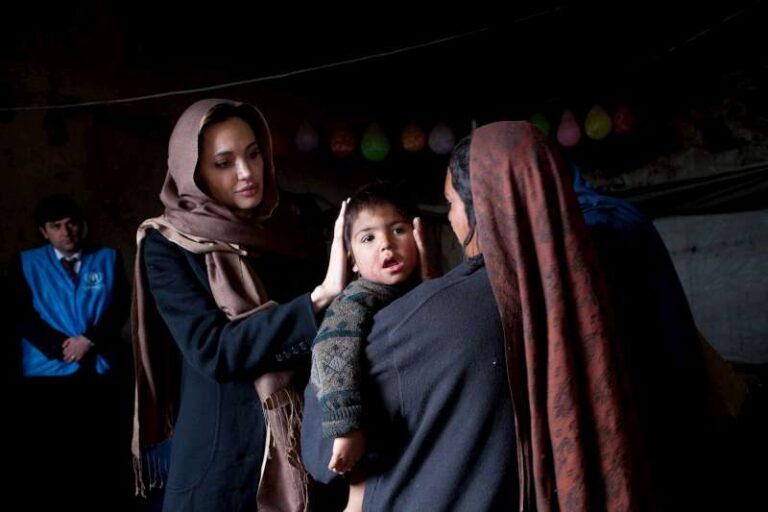
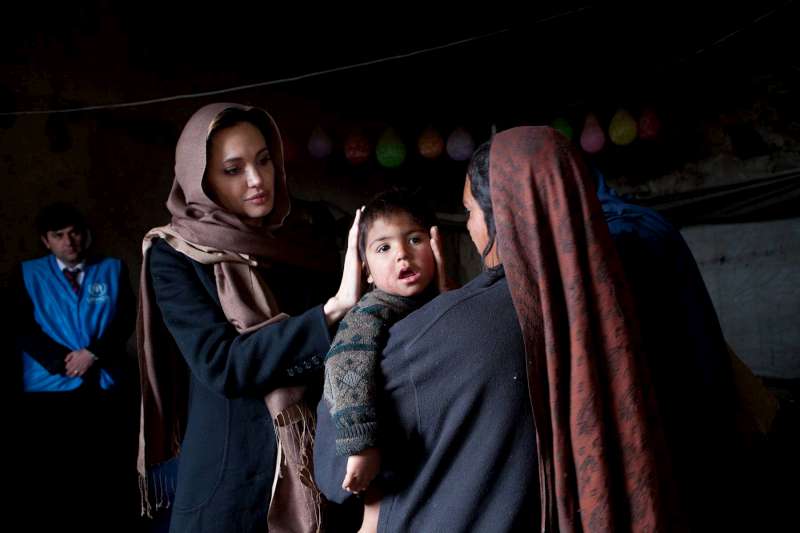
Angelina Jolie funds girls’ schools in Afghanistan with the proceeds of her luxury jewelry line.
Hollywood actress and goodwill ambassador for the United Nations High Commissioner for Refugees (UNCHR), Angelina Jolie is building girls-only primary schools throughout the country. One particular school, which opened last November, educates about 300 girls and is located outside Kabul in an area with a high population of refugees. In 2010, she opened her first school in eastern Afghanistan, according to the UNCHR. The focus on all-girls’ schools is intended to counterbalance a cultural bias that values boys’ education over girls’.
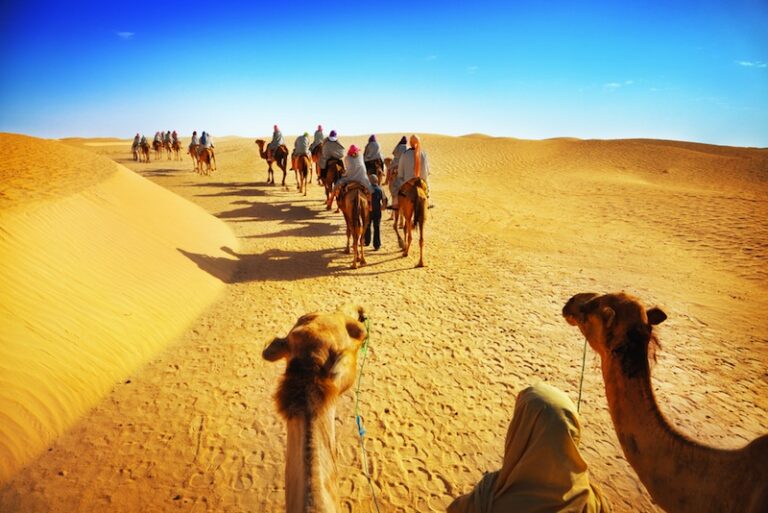
Researchers keen to understand the role that dust plays in climate change have discovered that 5,000 years ago, what we now think of as the vast, unforgiving Sahara desert home to nomads and camels was once a green grassland where elephants and giraffe roamed, RD Mag reports.
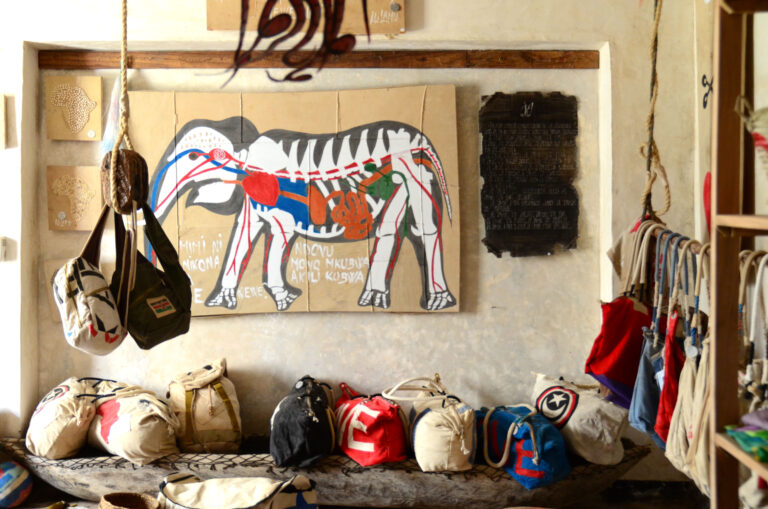
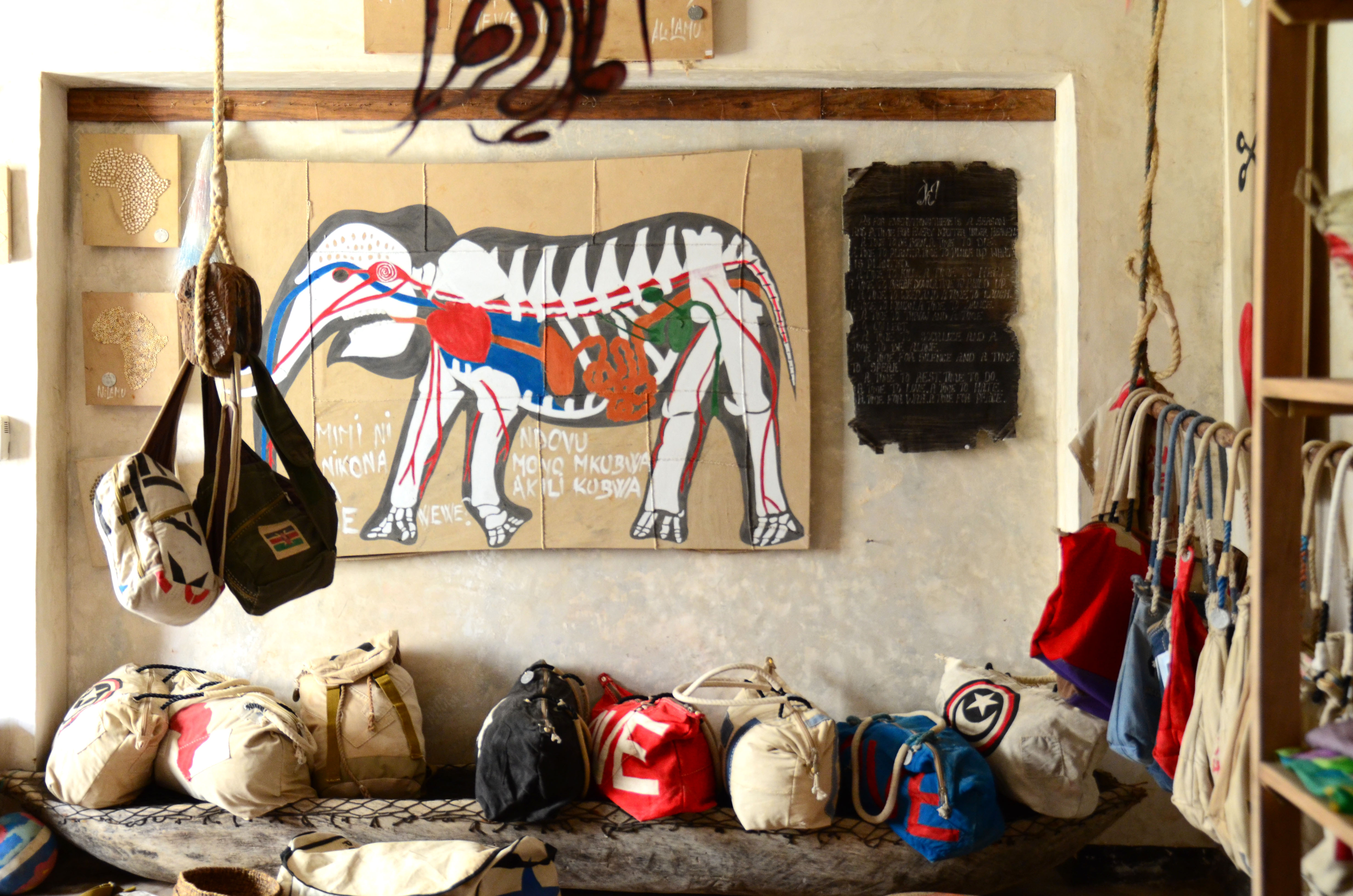
“This is not a romance story,” Daniella told me during a recent interview. I met the petite woman at her home on Lamu Island in northern Kenya to speak with her husband, Ali Lamu, whose name is synonymous with a brand of upcycled dhow sails or tangas that are now distributed throughout the world.
Daniella first visited this remote island, formerly an Omani protectorate, with her ex-boyfriend. He moved on but she, now brokenhearted, decided to stay on in order to compile a “reportage” of the local fishermen. Which is where the love story begins. As Daniella spent more time with these men of the sea, the free-spirited Swiss woman couldn’t help but sympathize with their new world stresses. And they in turn looked to her to help.
Indonesia has 40 percent of the world’s exploitable geothermal energy potential.
A big congratulations to Ormat technologies of Yavne, Israel for signing a $254 million deal for providing geothermal energy in Indonesia! The first phase of the 330-megawatt Sarulla geothermal power station in Sumatra is due to begin operating in 2016.
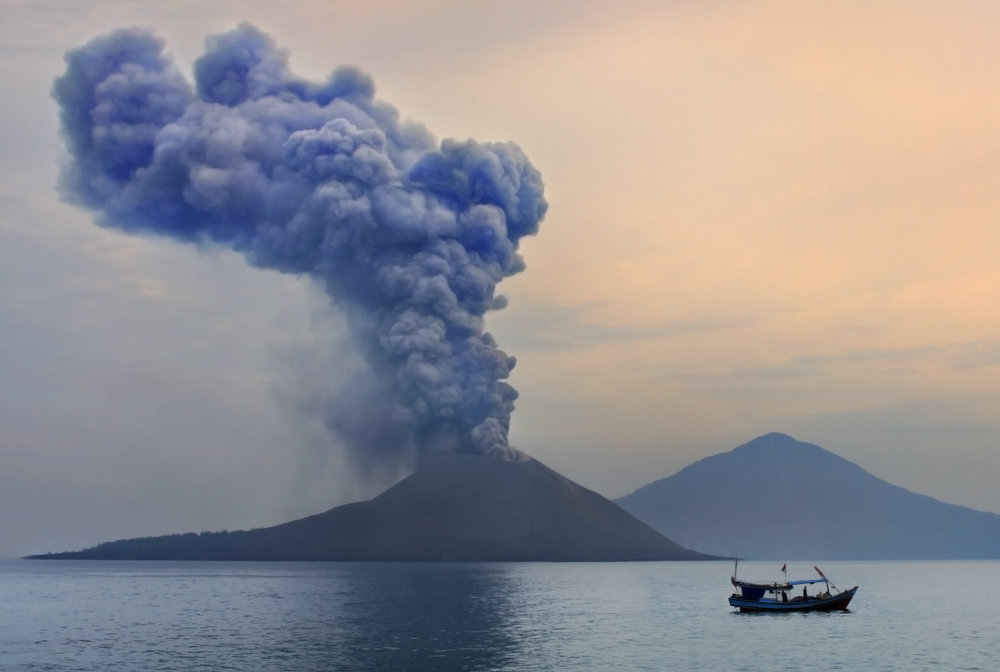
Sumatra lies in one of the most geologically active parts of the Pacific ring of fire and is known for numerous active volcanoes. The nearby volcano of Krakatoa was responsible for the largest eruption in recorded history and Sumatra’s Toba volcano was responsible for earth’s largest volcanic eruption in the past two million years.
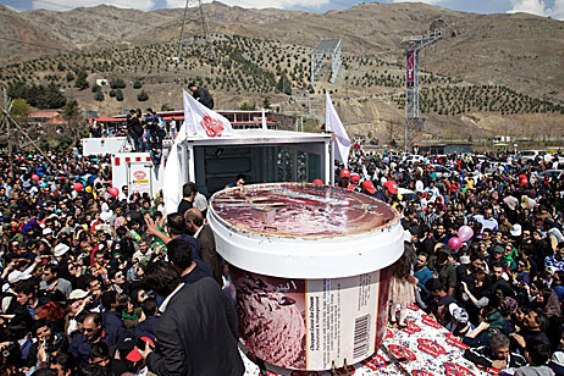
An Iranian confectioner packed five tons of ice cream into a a single container to scoop a new world record in desserts.
When you’ve just clinched the title as “monster rat” breeding grounds, why not sweeten your international appeal with the world’s biggest tub of ice cream? Last week in Tehran, Iranian dairy company Choopan popped the lid off a five-ton tub of chocolate ice cream. Approximately 70 cubic feet of frosty delight that cost it’s makers over $30,000 to produce.
Increasing evidence shows that sugar is a natural enemy to the body.
“Don’t you think I know how hard it is, honey/To get some “sugar” from the phone,” sings country singer Bonnie Raitt, vividly summing up the difficulty of maintaining a long-distance romance. Sugar represents all that’s sweet and desirable, but in the light of recent studies, sugar may come to stand for poison.
The historical statistics are startling. The average sugar consumption in 1700 was 4 lbs – a little under 2 kg, yearly. Compare that to the yearly sugar intake of as many as 50% of today’s Americans: 180 lb. (81.647 kg.) of sugar per year. That’s half a pound – 250 grams of sugar, every day. Looking at the numbers of obese people on the streets in many other countries, like in the Middle East, it’s easy to see that the rest of the world isn’t far behind.
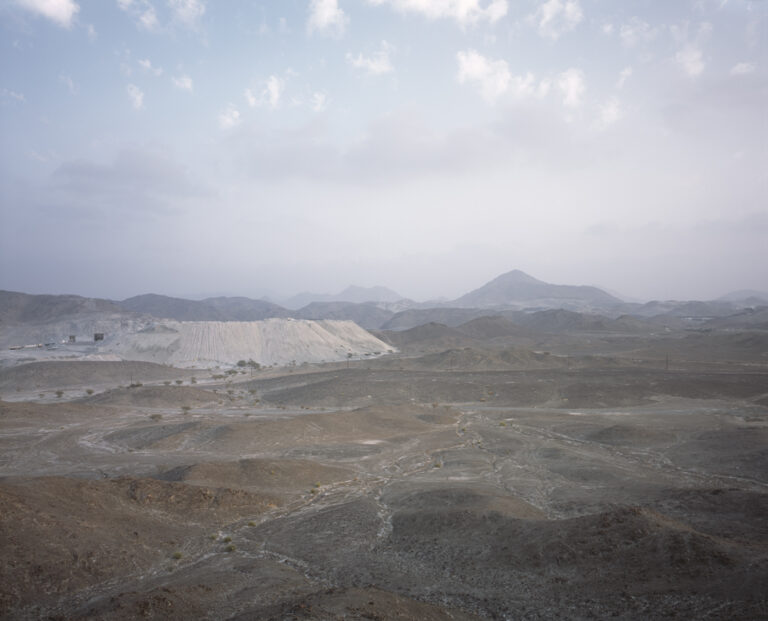
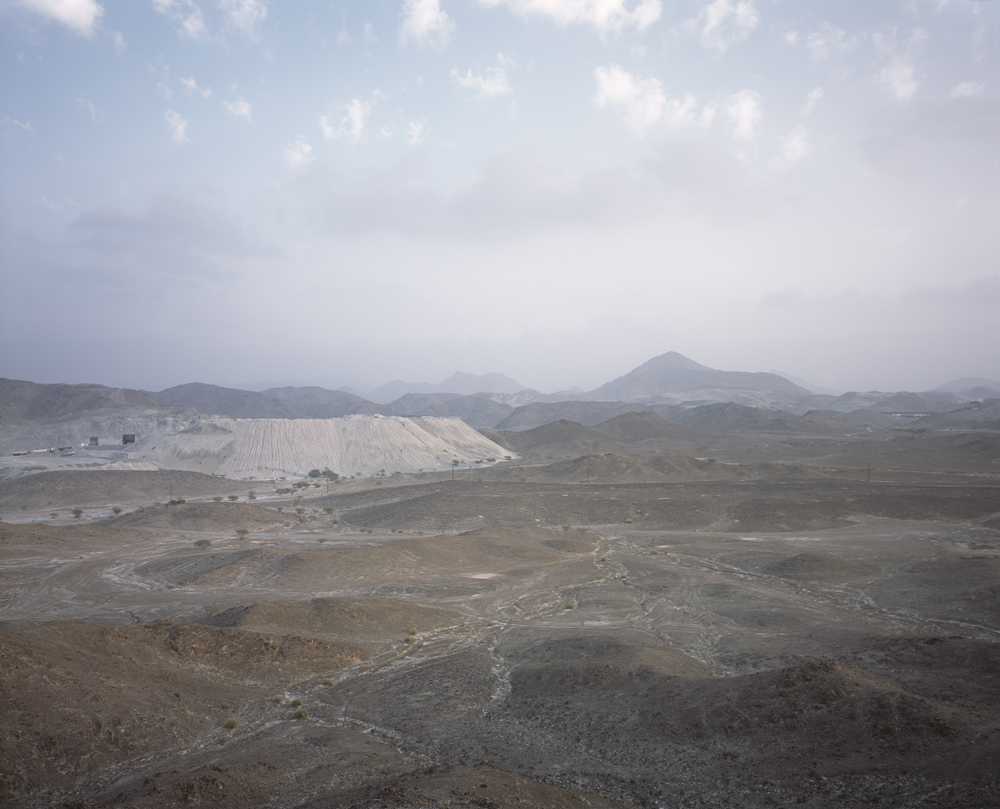
Green Prophet’s resident photographer documents “cut” Hajar Mountains in the United Arab Emirates.
Huge swaths of the Hajar Mountains in the UAE’s northern emirates appear ghostly white when viewed on Google Earth. Closer examination of the satellite imagery reveals large chunks of missing hillside and some sort of quarrying operations, and my recent physical visit to the area revealed these to be mostly rock ‘crushers.’
Simply put, sections of the rocky mountainsides are blown up and crushed down to whatever grade of rubble is required. Dust suppression is an important consideration in this industry, but it’s effectiveness seems limited as a pale grey dust coats the mountains around the quarries.
Is the Red Sea shark spotted at Eilat beach, Israel escaping illegal hunters in Egypt?
While it’s rare to find sharks in the Mediterranean Sea (they are almost extinct), they are not so uncommon in the Red Sea. Its warm waters and ample food source bait sharks who sometimes get personal with bathers and divers. In 2010, a Red Sea white tip shark ate an elderly tourist and just this weekend, a Red Sea shark visited an Eilat, Israel beach, getting within feet of swimmers. There was no mention in media reports if it was a gentle whale shark or a white tip, but in any case no damage was done.
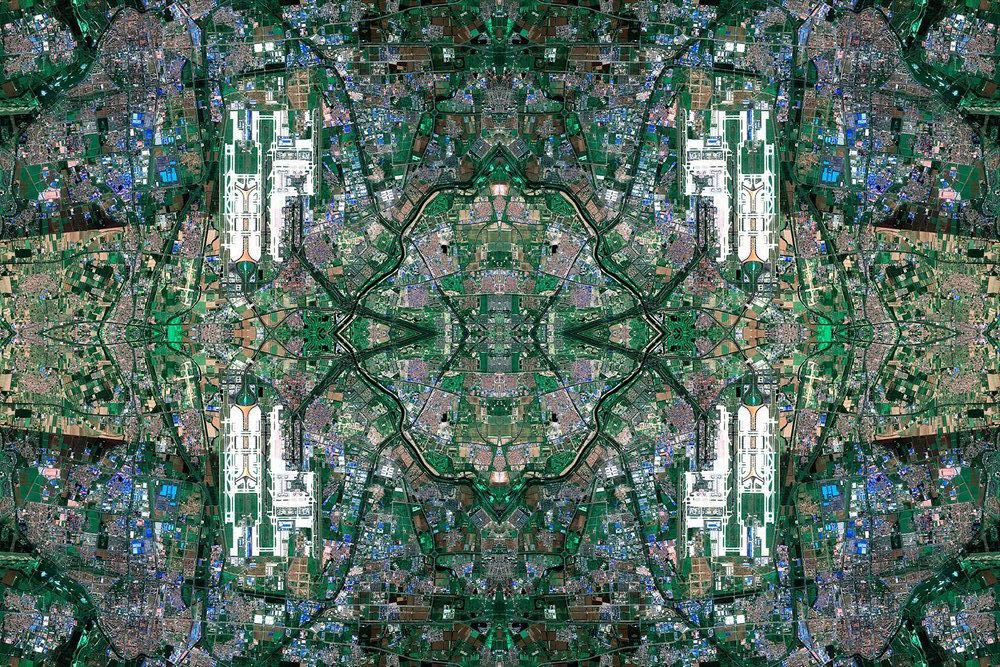
Irish artist David Thomas Smith weaves thousands of Google Maps screen grabs into intricate designs mimicking Persian rugs.
Look closer, and these symmetrical compositions reveal global landscapes transformed by mankind. Imagine a carpet made up of aerial satellite images of modern infrastructure: concrete roads and rooftops replacing fiber weft and warp. See this artist’s “rug” made from snaps of Beijing International Airport, above.
According to CoCreate, Smith said the works are meant to reflect upon “global capitalism, transforming the aerial landscapes of sites associated with industries such as oil, precious metals, consumer culture information and excess.”
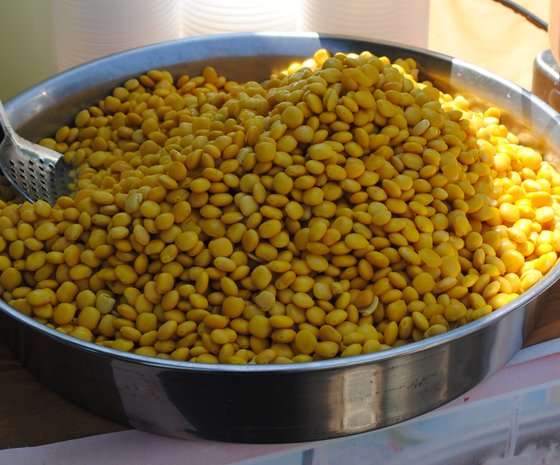
Known as turmos in the Levant, lupine beans – poor folk’s food – are a tasty Middle-Eastern snack in need of more recognition.
Except in some South American countries, the Western world doesn’t give lupines much regard. Chickpeas get much more publicity (like our vegan chickpea and artichoke salad). Maybe it has to do with the long soaking and rinsing that the beans have to undergo in order to lose their bitterness and become edible. Real slow food. But with every food that’s good for you, the effort is worth it. Yes, and lupines are tasty and have high nutritional value. Not to mention that they are an eminently sustainable crop, fixing nitrogen into the soil and (so far) having escaped the clutches of GMO ideology. And of course, eating more pulses and less meat benefits you and the planet.
Mars is red and so is the Sahara desert, but the similarities between the two run deeper than that. Which is why the Austrian Space Forum (OEWF) dispatched a crew to Morocco, where they tested a series of communication, vehicular, wearable and other technologies that may eventually be deployed on the red planet, Gizmag reports.
The largest simulated space mission stemming from Europe, Mars2013 took place near Erfoud in the northern Sahara throughout February this year. During that time, scientists experimented with a simulated spacesuit called Aouda.X, a temporary emergency shelter, some rovers, and a slew of communication technologies, in addition to exploring other issues that might come up on a real Mars mission.
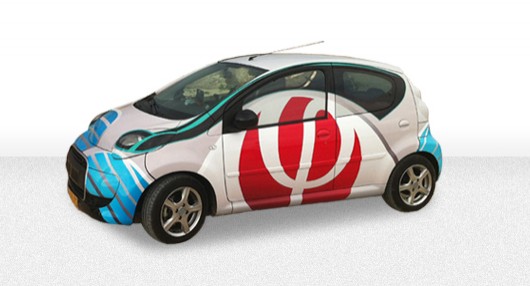
People who own cars want to at least have the option of taking an extended road trip, which has been a major barrier to the success of electric vehicles to date. Limited driving range and long battery charging times are two challenges that EV industry leaders have been working furiously to overcome, and a company from Israel believes they have devised an acceptable solution.
Phinergy’s air batteries made up of 50 aluminum plates can give EVs a range of up to 1,000 miles, according to Gizmag, with each plate providing enough energy for 20 miles. Weighing a total of 55 pounds, this fuel cell could be used in tandem with existing lithium-ion batteries, according to the developers, but the technology is far from ideal.
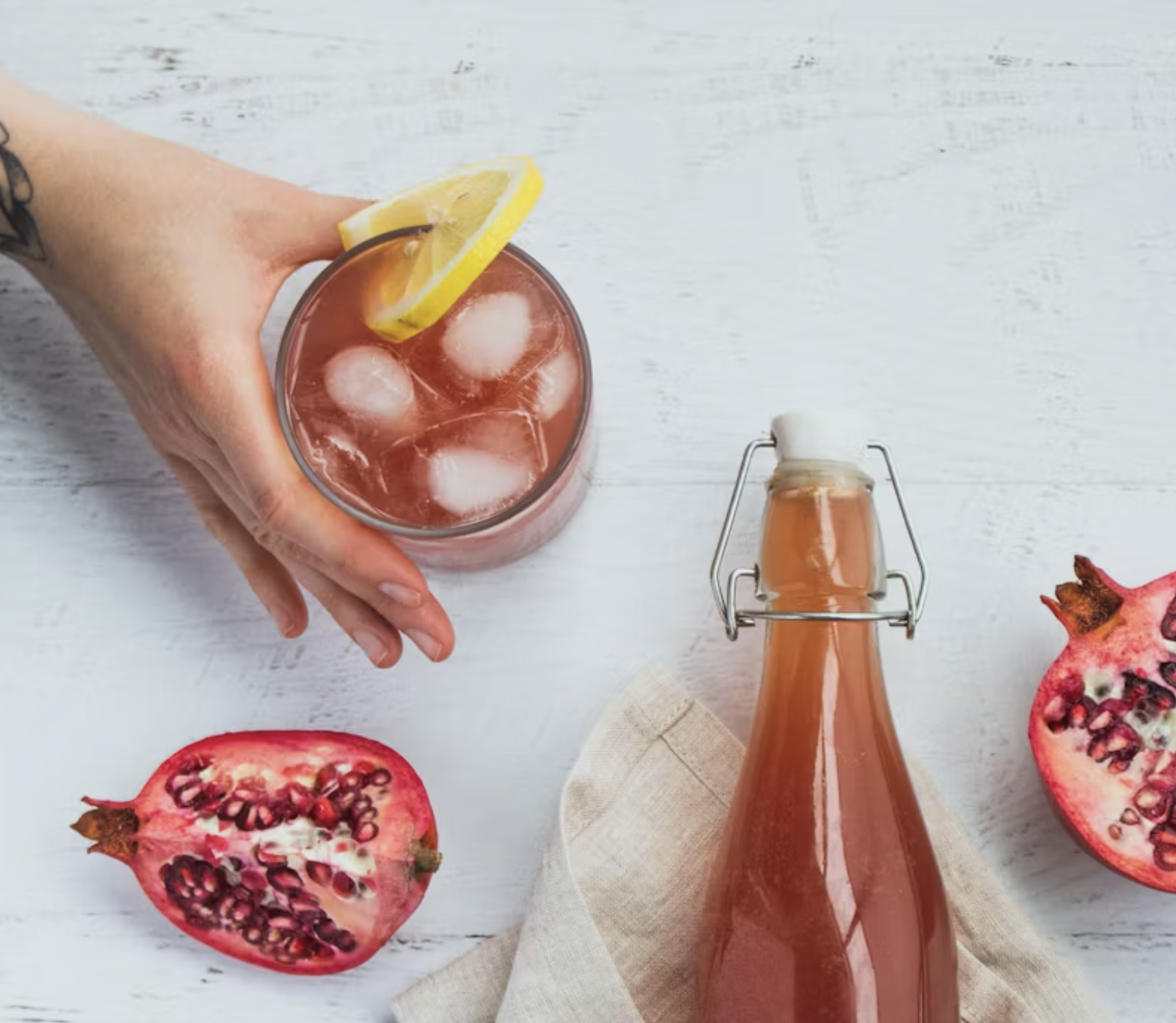
For centuries, kombucha lovers have been drinking the fizzy tea beverage and claiming amazing health benefits from it. Some people are now making hard kombucha… this is kombucha with alcohol.
The origins of kombucha tea are veiled in ancient history. Some say that man first brewed tea with a “mother” kombucha culture in Korea. Others say it was in China, or Japan.
While one website authoritatively states that it was first made in 415 AD, another just as firmly says that the brew was first noticed in 221 BC. Nobody really knows when that first time occurred, nor how it happened that someone made sweet tea, plunked a piece of pale, rubbery “mushroom” into it, and observed that the tea made them feel better. To learn more about conventional mushrooms and cancer research, click here. But it is known that the taste for kombucha spread by the Silk Road to Russian and from there across to Europe. In Israel, kombucha tea is mostly appreciated by the large Russian immigrant community.
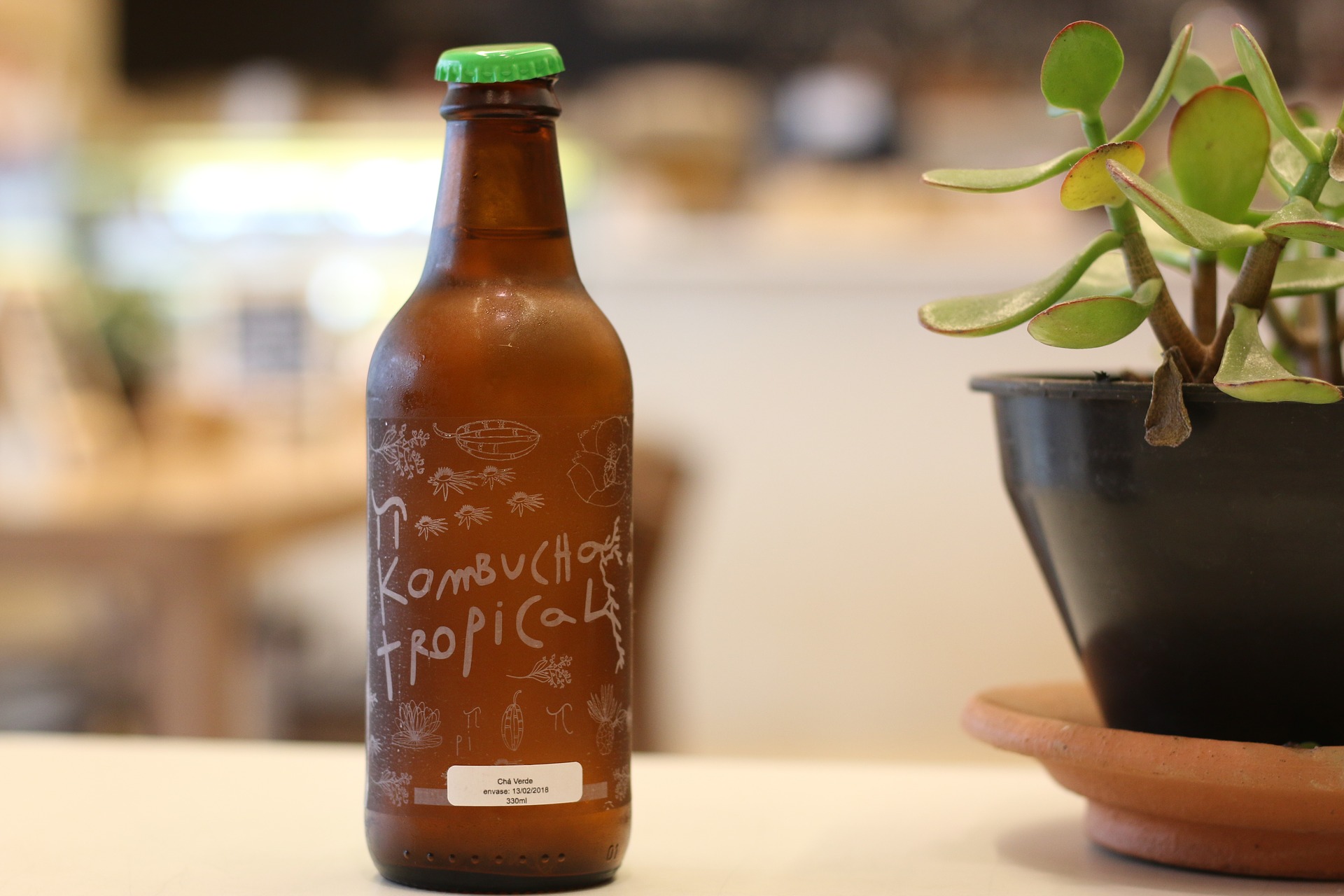
A bottle of hard kombucha. Like beer but better for you?
Legends apart, if millions of people have been drinking tea fermented with kombucha over the centuries, there must be something to it. Kombucha is said to detoxify the body through improving liver and pancreas function. The outcome is relief from arthritic pain, improved digestion and gut health, higher immunities, and mood improvement – among many other good things. Another little-known natural remedy for arthritis is turmeric.
The more extravagant health claims (cures cancer! kills gout!) should be taken with a grain of salt, but modern studies show that kombucha actually is very rich in probiotic substances, beneficial acids and anti-oxidants. Drinking 4 ounces every day does encourage growth of friendly flora, and if you want to consider bacteria as fauna, that too.
Of course, it’s not a miracle drug. Anyone wanting to improve their health has to make other lifestyle changes. There’s hardly a need to repeat what everyone is tired of hearing and few seriously pursue: a healthy diet, adequate exercise, fresh air and a positive attitude (or at least regular stress-reducing activities like meditation, singing, etc.). And drinking more kombucha than your body is used to can bring on a good attack of diarrhea.
The sensible way to get your body acquainted with kombucha is to start with 2 oz. (1/4 cup) every day for a week, then move up to 4 oz. (1/2 cup). This is also true of other richly probiotic foods like kefir.
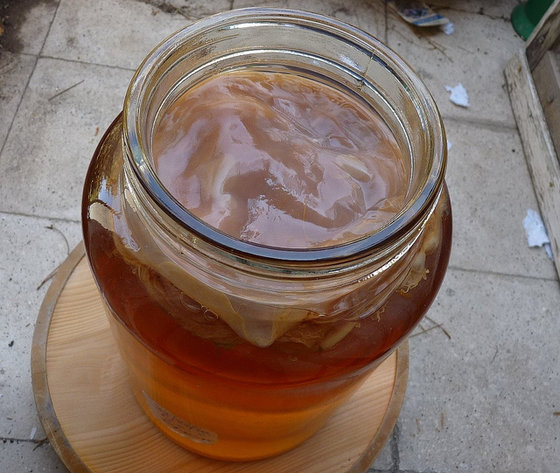
To brew kombucha at home, you need a mother culture, a clean glass jar, tea, sugar, and a thin dish cloth to cover the jar while the tea ferments. English-speakers refer to the mother culture as a SCOBY – a Symbiotic Culture Of Bacterias and Yeasts. You may obtain a SCOBY via the Internet, or put out a query on your neighborhood e-list. The process is truly a slow-food experience, as it takes a week until the first kombucha batch is fully fermented and ready to drink. But once you start a cycle of brewing, you won’t be without.
The following links are the ones I’ve found to be the most useful. Enjoy!
Middle East city heads want to make their cities more sustainable.
The Middle East and North Africa (MENA) region is 60 percent urbanized compared to the global average of 52 percent and is home to one of the world’s most rapidly expanding populations. By 2030, a 45 percent increase of MENA’s urban population will add another 106 million people to urban centres. Countries like Egypt, Iraq, Yemen, Kuwait, and Djibouti will see their urban population doubling over the next 20 years.
In Rabat last month I attended a series of fascinating exchanges among several Mayors and ministers of urban and local administration from Morocco, Tunisia, Jordan, Lebanon, Egypt, Yemen, and the Palestinian Territories. This initiative, supported by the Arab Urban Development Institute, the World Bank and the Center for Mediterranean Integration, was designed to connect MENA city leaders to urban leaders and experts from around the world so that they could explore urban opportunities and share growth management approaches.

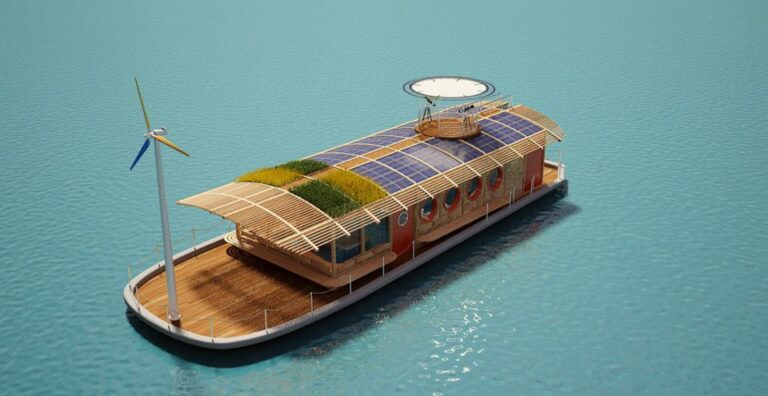
 Among nature’s most devoted heroes throughout the Middle East and North Africa, the Hurghada Environmental Protection and Conservation Association (HEPCA) has released renders of a new bio boat that will be used to educate children about the Red Sea’s numerous (albeit largely threatened) bio marvels.