
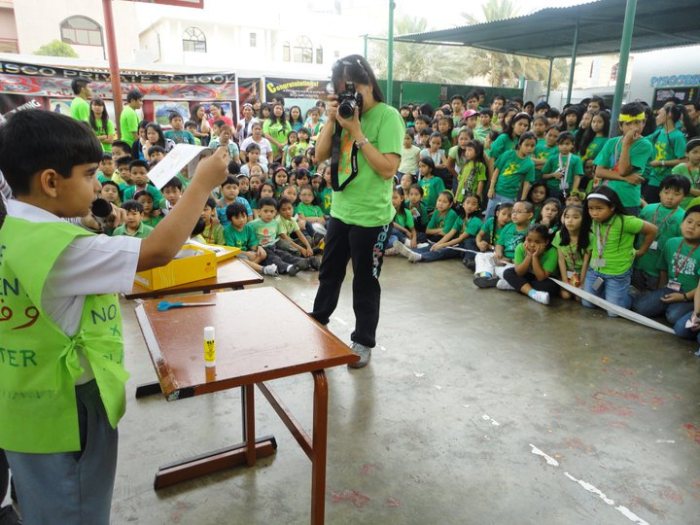
 Eleven-year-old Abdul Muqeet, a student at Abu Dhabi Indian School, says his life mission is to save the environment. His project to create carrier bags from discarded newspapers earned him the nickname Paper Bag Boy, which in turn got him a 2011 Abu Dhabi Environment Award. This pre-teen dynamo is energizing friends and strangers to work together to create a greener world.
Abu Dhabi School Sprouts Green Paper Bag Boy
Naked Immersions Takes Interspecies Connectivity to Extremes

A naked Russian diver plunged into freezing Arctic seas to frolic with Beluga whales. Was it a (literally) splashy media event or legitimate scientific experiment to tame the shy beasts? What’s remarkable in either case is that Natalia Avseenko survived ten minutes of swimming in temperatures of -1.5 °C. Five minutes in sub-zero water should knock you dead.

The experienced diver with a passion for white whales used yoga breathing techniques to prolong her swim, so maybe the real story is the power of meditation.
Some scientists believe Belugas dislike contact with artificial materials such as diving suits. The experiment allegedly tested if removing the clothing barrier would improve chances of inter-species connection.
Unlikely this experiment will be repeated at Saudi Arabia’s Red Sea Research Center in Thuwal, on the eastern shore of the Red Sea. Inaugurated in 2011 at King Abdullah University of Science and Technology, the center has a mission to formulate fuller understanding of the Sea and its creatures. Its marine biologists are undertaking the world’s largest project to tag the poorly understood whale shark to determine population demographics, sharks’ site fidelity, and potential connections with populations outside of the Red Sea.
Gentle giants, whale sharks aren’t kept in aquariums, so naked divers need not apply – although the balmy temperatures of the Red Sea would surely allow longer immersions.

Back at the Arctic Circle, whales and dolphins are caught in pens and “tamed” by instructors at the controversial Utrish Dolphinarium located along the White Sea in north-western Russia. Domestication occurs before the animals are transported to aquariums around the world.
There are an estimated 100,000 Belugas in the wild. They are also in aquariums and sea parks across Europe, North America and Asia: the first to be held in captivity was at Barnum Museum in New York in 1861. It’s a practice that many animal conservationists consider cruel. No Middle Eastern aquarium houses Beluga whales.
These animals seemingly enjoyed their skinny dip with Avseenko, responding with their famously distinctive range of facial expressions. Their flexible bone structure allows them to mimic a large range of human-like looks.

Speaking to extreme sports blog Ant Williams, Avseenko said, “My Polar Circle story was a spiritual one. I tried to see how my concepts of open mind and heart, of ‘inner-smile’, work in extreme conditions, and how they can help people in their everyday lives. We can see now they really work. I had a great experience at the White Sea. We wanted to see what would be the reaction of Beluga whales to a human being who is vulnerable in front of Nature and society.”
While it is confirmed that the whales “smiled”, there’s no news if they also blushed.
All images by Viktor Lyagushkin/KNS News
Lush Green Terraces Top the Palestine Museum by Heneghan Peng

Dublin’s Heneghan Peng has designed a new museum for Palestine that is topped with a series of unfolding green terraces planted with vegetation that also grows in the surrounding hills.
Mediterranean Surveillance Crew Eyes Oil Spills from the Sky

It’s hard to monitor vessels that pollute out at sea, so five aircrafts from Algeria, France, Italy, Morocco and Spain got together to keep an eye on the Mediterranean Sea in a recent coordinated aerial surveillance program organized by the Regional Marine Pollution Emergency Response Center for the Mediterranean Sea (REMPEC).
Campylobacter Intestinal Disease Rising in the Middle East
Bacterial and viral diseases from poultry is a growing problem that affects more people worldwide than every year. Whether the disease be viral in nature, as in the case of Avian or Bird Flu; or unpleasant intestinal bacterial infections such as salmonella. These diseases can be extremely unpleasant and even fatal to older adults and young children.
While salmonella is the most well known intestinal bacterial infection, another poultry caused disease known as Campylobacter, which also infects the stomach and intestinal tract, is on the rise in many parts of the world; and is now finding its way to the Middle East; especially where large quantities of eggs and other poultry products are consumed; especially in Israel.
An advisory issued by the World Health Organization (WHO) warns people about Campylobacter, a bacteria caused intestinal disease which like Salmonella, attacks the human digestive tract and can be very unpleasant and even fatal to senior adults and young children.
Campylobaacter symptoms include diarrhoea (frequently with blood in the feces), abdominal pain, fever, headache, nausea, and/or vomiting. These symptoms usually last three to six days; but also may lead to
complications such as bacteraemia or presence of bacteria in the blood, hepatitis, pancreatitis which cause infections of the liver and pancreas. The disease can also lead to post-infection complications such as arthritis and Neurological disorders.
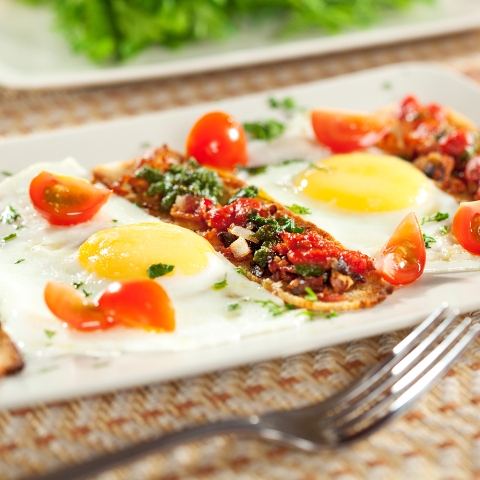
Campylobacter bacteria are often found in chickens which though not actually infected, act as “carriers” for the disease. The bacteria are sensitive to high temperatures, however and can usually be destroyed by fully cooking poultry and eggs. This suggestion may not go down well with people who like to eat “sunny side up” fried eggs; but like Salmonella, avoiding partially cooked poultry and eggs is a small price to pay rather than spending all night on the toilet.
Another danger of this disease is dehydration caused by excessive diarrhoea: “The disease is more widespread than many people think. But it can be largely prevented by properly cooking poultry and eggs” says a spokesperson for Israel’s Agricultural Ministry.
Something to bear in mind next time, before ordering dishes like fried eggs or Eggs Benedict at morning brunches in Tel Aviv.
More about Poultry Related Bacteria and other diseases:
Simple Oregano keeps Chickens Disease Free
Dubai: World’s Largest Airport Greens Up its Act

Dubai International, soon to be the world’s largest airport, is focusing on sustainability with its newly proposed concourse D. The wing, which is the future home to 100 additional airlines, is scheduled to open in 2015.
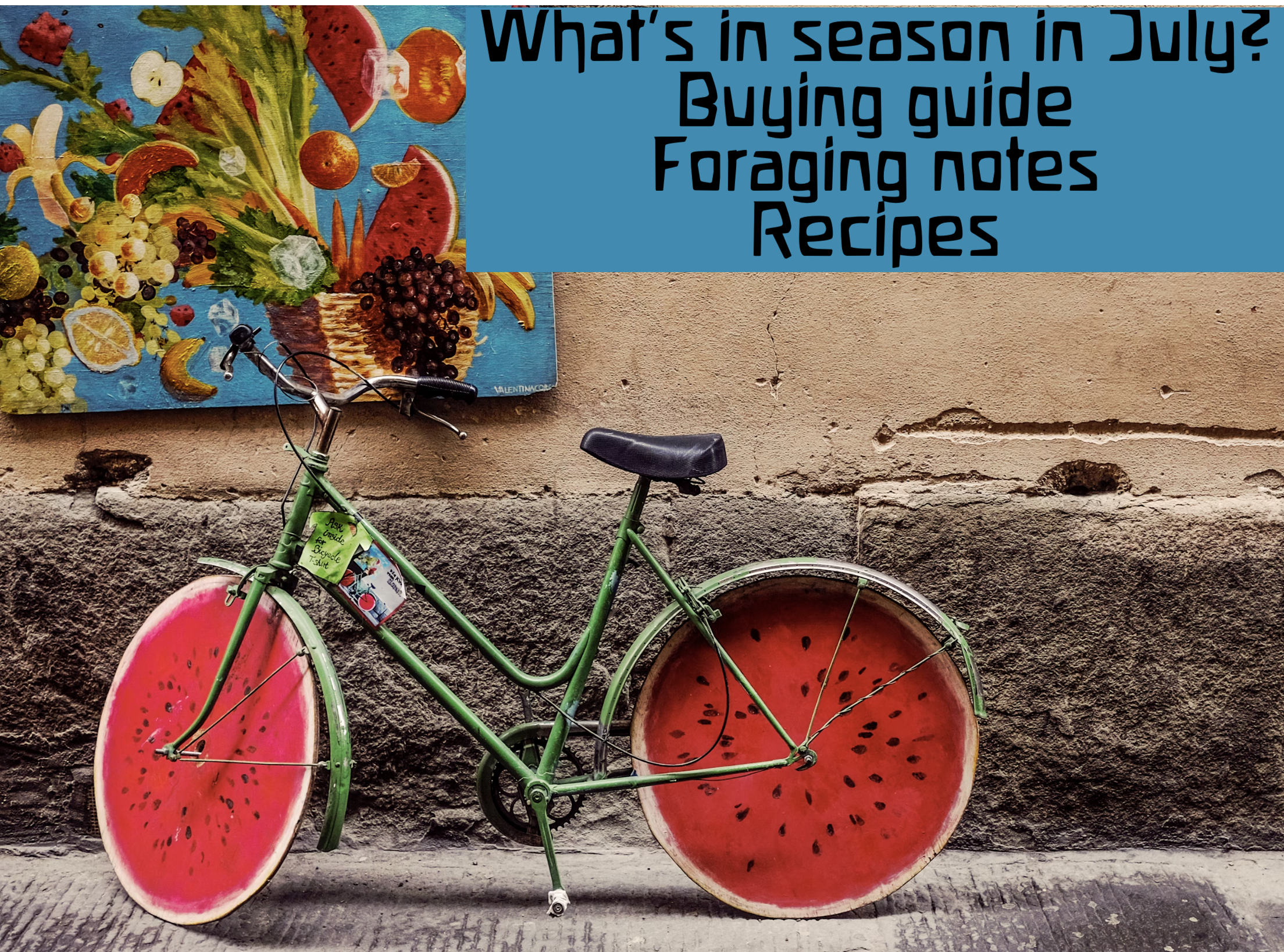
What’s in season in July, plus foraging guide and recipes
Experienced cooks know that vegetables that come into season together often cook up well together. A perfect example for July produce is tomatoes and eggplants.
Both have been available throughout the spring and early summer, but it’s right now that you can find the baladi (heirloom) varieties. See our baba ganoush recipe with a baladi eggplant here. And which vegetables go together more naturally than fat, flavorful baladi tomatoes and eggplants?
Try our recent baked eggplant with tomato sauce dish.
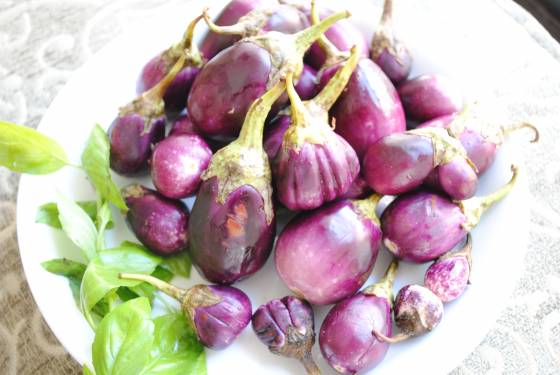
Take into account how produce wilts in the Middle Eastern summer, and go shopping in the morning. The firm, purple eggplant of the morning might be buckled and full of soft brown spots by afternoon.
As for storage, almost everything stays fresh in the refrigerator for a week, but many fruits lose their flavor after a couple of days’ refrigeration, especially fruit that’s been sliced. Try to buy whole melons for that reason, and if you must bring home only a half or a quarter, eat it up in 24 hours or your purchase will have gone to waste.
Fruit: All the local melons are full, fat, and dripping with juice. There might be heirloom near where you live, although it’s the Arab markets that usually have them. Every color and size of plum is out in the markets.
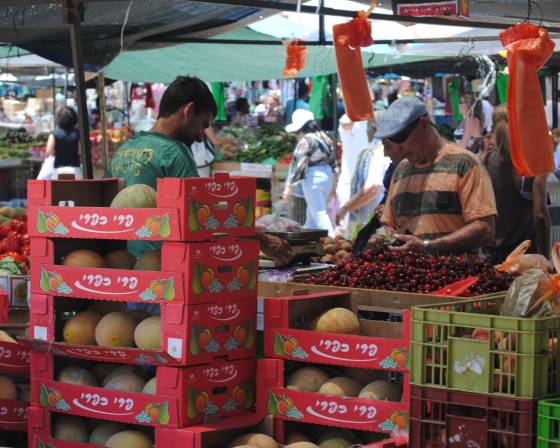
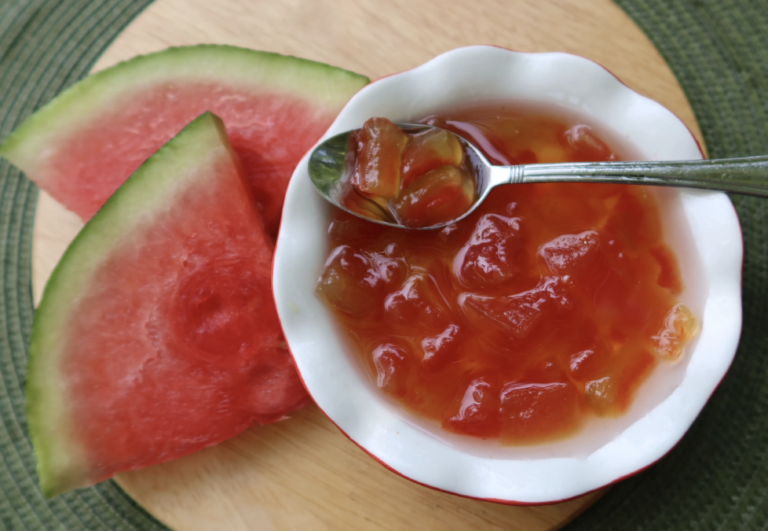
Peaches and nectarines are splendid right now. Mangoes are ripe and ready. Why not cook up a peach jam or mango chutney? Keep an eye out for prickly pears, which will be ripe by the end of the month.
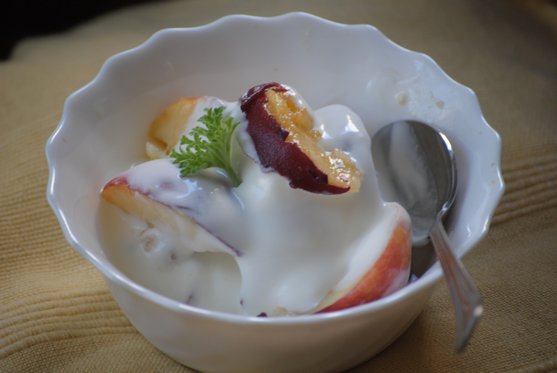
Figs are very good this year. Fresh figs are an excellent quick summer dessert. Lemons and oranges are available, but not at their best. Grapes of all varieties are abundant and reasonably priced. Many varieties of apples are ready for eating now.
Vegetables: July’s tomatoes are excellent. See our June seasonal produce post about tomatoes and suggestions for their use.
White and red cabbages are full and firm and worth buying, but broccoli and cauliflowers are looking sad.
Sweet corn is worth buying now, and so sweet that a steamed cob tastes like you cooked it with sugar. String and wax beans and okra are in season, but never very cheap.
Fennel, red radishes, beets, and bell peppers of every color are good, with average prices. Getting back to eggplants, now is the time for the baby eggplants so good for pickling.
Kohlrabi, that knobby, pale-green root, is tender and young, very good peeled, sliced thin and doused with lemon juice and olive oil. Other root vegetables continue firm and full: beets, carrots, celeriac, parsley root, and potatoes. Sighted at a local market were baladi cucumbers, which are pale and fuzzy.
Winter onions tend to be small, thin, and sprouty, often with a rotten core. Come hot weather, the onions take beautiful shape again. If you’re fond of roasted or stuffed onions, there are fat, golden ones going cheap now.
Zucchinis, both pale and dark green, are cheap and abundant. Stuffed zucchinis, Lebanese style, are delicious! Farm-grown mushrooms are available all the year, and look especially tempting now.

Herbs: All the culinary herbs are in full force this time of the year. Basil, fenugreek, parsley, cilantro, chives, and scallions can be bought in bunches. Celery stalks are never big at this time of year, but flavorful all the same.
You will also see tarragon, rosemary, thyme, za’atar, lemon thyme and oregano.Hot peppers of all sizes and colors are very much in season, and very hot!
Lettuces, spinach, Swiss chard, and leeks are in, as are endives and asparagus.
Forager’s notes: There isn’t much difference from year to year in the searing Middle Eastern summers.
As in June, St. John’s Wort is blooming now.
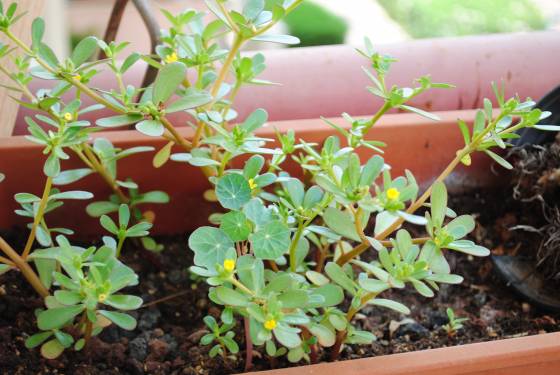
Purslane, summer’s best wild vegetable, is everywhere now, and even sold in farmer’s markets, which is sort of silly, considering how much you can gather yourself for free (see our purslane recipe here).
Gather caper buds and fruit for pickling now.
Asiatic day flowers, with their pretty blue blooms, are thriving, and make a nice pot herb.
Lemon and orange leaves make a good flavor wrap for baked meat or chicken patties. They aren’t edible themselves, but will release their fragrant essential oils when heated, perfuming your food.
Lemon and kumquat trees are fruiting again, but their fruit will need another few weeks to grow to market size and ripeness.
The perennial olive trees offer silvery-green leaves for a medicinal, blood pressure-lowering tea. Olive leaves are also quite antibiotic in effect, as tea. A teaspoon of dried leaves per cup of boiling water, steeped 20 minutes, covered, three times a day.
Seasonal recipes from the Middle East on Green Prophet:
An Energy Insider for Nuclear Newcomers in the Middle East

Nuclear energy is a low carbon power source, but whether or not it should be considered a renewable energy source is long debated and fought over –- even in the Middle East where the industry is nascent.
SunOven Provides Off-Grid Cooking in 40 Developing Countries
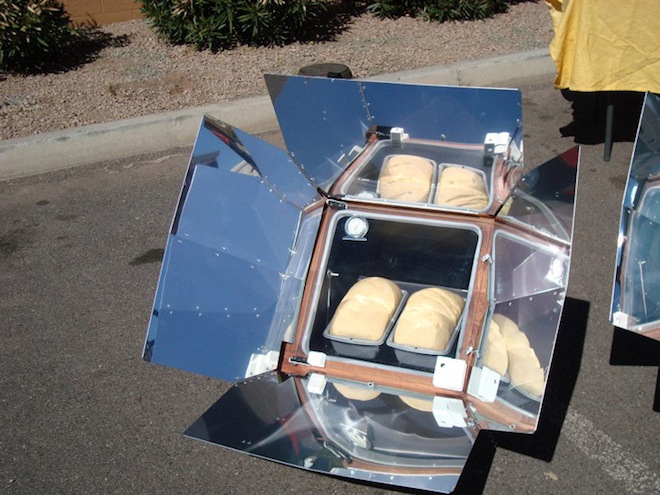
Westerners take access to electricity for granted, but a ridiculous portion of the global population has to scramble for twigs and other unsustainable fuel sources to cook their food. SunOven is an off-grid solution to that problem, and the distributors have set up an NGO to help 40 developing countries gain access to them.
Ancient Egyptian River Could be Revived for Farming

Researchers from Al-Azhar University, Boston University and the University of North Carolina have discovered an ancient river that may be revived, in theory, to irrigate Egypt’s farm lands.
Cristal: a Salt-Covered Leisure Center for the Dying Dead Sea

The Dead Sea garnered international attention when photographer Spencer Tunick assembled a gang of naked nature enthusiasts for a controversial photo shoot, but the momentum has since died down. Paris-based Sitbon Architectes attempts to re-galvanize our attention with their award-winning design Cristal – The Dead Sea Gem.
Gezi Park Stays, Turkish Court Rules
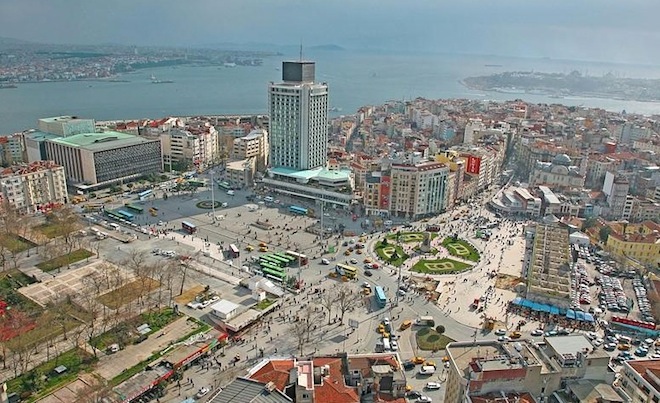
Istanbul’s Gezi Park is currently safe from being demolished to make way for a re-development scheme pushed by Turkish Prime Minister Tayyip Erdogan. In early June, a court ruled in favor of the project’s opponents, when anti-government protests were at their peak, but the ruling was only recently released.
Baked Eggplant Slices in Tomato Sauce, Vegewarian RECIPE
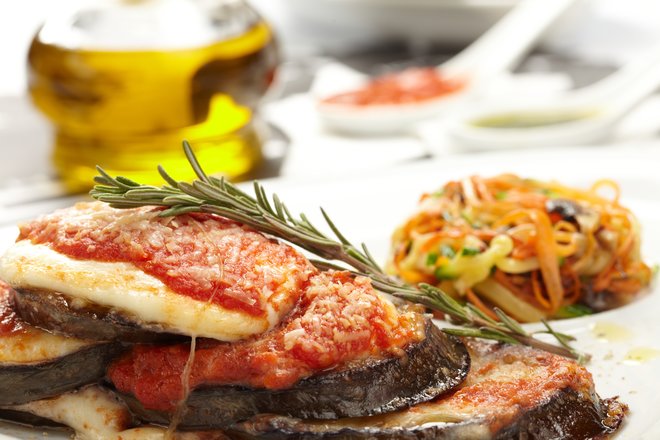
Umm…remind me, what’s vegewarian again? It’s enjoying plenty of sustainable, local, and delicious vegetarian foods, with meat dishes only once in a while.
As summer climbs towards its peak hot weather, hefty eggplants and tomatoes make a natural partnership in savory dishes like this one. Using the blender, the sauce takes little effort, and the eggplant almost cooks itself. Just assemble everything and pop it in the oven a few minutes, and you have a satisfying vegetarian main dish that needs only fresh bread and a leafy salad to make a complete meal.
London Array: Masdar Celebrates World’s Largest Wind Farm Inauguration

The London Array is Masdar’s largest renewable energy project to date, but the government-supported research and development group have no intention of stopping there. With a 20 percent stake in the offshore wind project that will generate enough energy to power half a million UK homes, the group is ready to keep up the momentum.
Dubai 2021? Do’s and Don’ts for Foreign Travelers


Planning on a trip to Dubai before intense summer heat hits? Or maybe this coming summer to visit the World Expo 2020? Brush up on how to act to avoid holiday disasters far worse than sunburn and frizzy hair. Among the seven member states of the United Arab Emirates, Dubai – if it was a Disney dwarf – could be called “Tolerant”. That’s modern Middle East tolerant, a term that benefits from a bit of clarity.
Tips to help navigate Dubai-acceptable conventions:
Outrageous Dubai: where you can illegally scale soaring skyscrapers, and hit a Guinness Record holder every time you spit (but don’t – it’s not allowed!) – but where you’d best save attention-grabbing antics like Parkour for another trip to Hawaii or San Tropez.
Unmarried visitors in particular should get wise to acceptable rules of behavior. Public displays of affection (including kissing and holding hands) and all forms of nudity are verboten. And all those single ladies (and men) – keep your music volume on low.
The guidelines have just recently been re-broadcast and are absolutely in play, with rules strictly enforced. They appear to be aimed at the Emirate’s world-record-breaking shopping malls which act as magnets for tourists (and all manner of unrestrained cultural habits), but you can be fined or imprisoned for violating them anywhere.
Kissing on the shores of Dubai Creek, suggestive caresses in the Gold Souk and blasting your iTunes on a sightseeing bus can land you in big trouble with the police. Rules soften in Western-style bars and resorts, but why confuse things with the double-standard? Heed that classic advice to the amorous, and get a hotel room.
The Tawajed clause in Sharia (Islamic) law technically forbids an unmarried couple to share bedroom, or even a car. In Dubai, where foreigners outnumber natives nine to one, enforcement on this point gets pretty limp. Hotels typically require only one guest to register, and never ask for a marriage certificate. So relax a bit, but don’t flaunt your ring-less status.
Discretion is always the smarter choice. And contact a local travel expert in your language before you fly. They will be sensitive to the rules “your people” might be more likely to break. Like burping is encouraged in China, but not at all in America. So, use common sense.
Keep your clothes moderate, which will also help you cope with oppressive heat and humidity. Opt for loose-fitting and opaque fabrics; top that camisole or skinny tee with an overshirt or sun-blocking shawl. Keep limbs maximally covered (and be grateful for how much better your protected skin will look when you are seventy).
Women’s beachwear should scream “college swim team”, not “Ipanema Beach”.
I’m OK with these rules, they’re nothing that a dozen years of Catholic school hasn’t already tattooed on my psyche. But if they drive you to drink, stick to any of the long list of nightclubs, restaurants and hotels that legally serve alcohol.
And drop Green Prophet a postcard to tell us how the trip went.