“In the midst of uncertain time, renewable energy remains consistent and steadfast in its expansion,” said Francesco La Camera, IRENA’s Director-General. “A more decentralised energy system, with a growing share of renewables and more market players, is structurally more resilient.”
Health insurance is a regulated financial product. Insurers operate under binding contracts, overseen by state insurance commissioners, that legally obligate them to pay claims meeting policy terms. Policyholders who believe a covered claim was wrongfully denied have legal recourse through state regulatory channels.
The New Zealand Merino Company, now rebranded as Zentera, has quietly removed the phrase “world’s leading ethical wool brand” from its website, a notable change that comes after a disturbing investigation by PETA Asia-Pacific into the company’s ZQ-certified wool supply chain, PETA reports to Green Prophet.
Somehow vegetables with short seasons excite the imagination and appetite more sharply than produce that’s available all year around. Good Middle Eastern cooks have many recipes for delicate fava beans, and this turmeric-fragrant soup is one.
“In the midst of uncertain time, renewable energy remains consistent and steadfast in its expansion,” said Francesco La Camera, IRENA’s Director-General. “A more decentralised energy system, with a growing share of renewables and more market players, is structurally more resilient.”
Health insurance is a regulated financial product. Insurers operate under binding contracts, overseen by state insurance commissioners, that legally obligate them to pay claims meeting policy terms. Policyholders who believe a covered claim was wrongfully denied have legal recourse through state regulatory channels.
The New Zealand Merino Company, now rebranded as Zentera, has quietly removed the phrase “world’s leading ethical wool brand” from its website, a notable change that comes after a disturbing investigation by PETA Asia-Pacific into the company’s ZQ-certified wool supply chain, PETA reports to Green Prophet.
Somehow vegetables with short seasons excite the imagination and appetite more sharply than produce that’s available all year around. Good Middle Eastern cooks have many recipes for delicate fava beans, and this turmeric-fragrant soup is one.
“In the midst of uncertain time, renewable energy remains consistent and steadfast in its expansion,” said Francesco La Camera, IRENA’s Director-General. “A more decentralised energy system, with a growing share of renewables and more market players, is structurally more resilient.”
Health insurance is a regulated financial product. Insurers operate under binding contracts, overseen by state insurance commissioners, that legally obligate them to pay claims meeting policy terms. Policyholders who believe a covered claim was wrongfully denied have legal recourse through state regulatory channels.
The New Zealand Merino Company, now rebranded as Zentera, has quietly removed the phrase “world’s leading ethical wool brand” from its website, a notable change that comes after a disturbing investigation by PETA Asia-Pacific into the company’s ZQ-certified wool supply chain, PETA reports to Green Prophet.
Somehow vegetables with short seasons excite the imagination and appetite more sharply than produce that’s available all year around. Good Middle Eastern cooks have many recipes for delicate fava beans, and this turmeric-fragrant soup is one.
“In the midst of uncertain time, renewable energy remains consistent and steadfast in its expansion,” said Francesco La Camera, IRENA’s Director-General. “A more decentralised energy system, with a growing share of renewables and more market players, is structurally more resilient.”
Health insurance is a regulated financial product. Insurers operate under binding contracts, overseen by state insurance commissioners, that legally obligate them to pay claims meeting policy terms. Policyholders who believe a covered claim was wrongfully denied have legal recourse through state regulatory channels.
The New Zealand Merino Company, now rebranded as Zentera, has quietly removed the phrase “world’s leading ethical wool brand” from its website, a notable change that comes after a disturbing investigation by PETA Asia-Pacific into the company’s ZQ-certified wool supply chain, PETA reports to Green Prophet.
Somehow vegetables with short seasons excite the imagination and appetite more sharply than produce that’s available all year around. Good Middle Eastern cooks have many recipes for delicate fava beans, and this turmeric-fragrant soup is one.
“In the midst of uncertain time, renewable energy remains consistent and steadfast in its expansion,” said Francesco La Camera, IRENA’s Director-General. “A more decentralised energy system, with a growing share of renewables and more market players, is structurally more resilient.”
Health insurance is a regulated financial product. Insurers operate under binding contracts, overseen by state insurance commissioners, that legally obligate them to pay claims meeting policy terms. Policyholders who believe a covered claim was wrongfully denied have legal recourse through state regulatory channels.
The New Zealand Merino Company, now rebranded as Zentera, has quietly removed the phrase “world’s leading ethical wool brand” from its website, a notable change that comes after a disturbing investigation by PETA Asia-Pacific into the company’s ZQ-certified wool supply chain, PETA reports to Green Prophet.
Somehow vegetables with short seasons excite the imagination and appetite more sharply than produce that’s available all year around. Good Middle Eastern cooks have many recipes for delicate fava beans, and this turmeric-fragrant soup is one.
“In the midst of uncertain time, renewable energy remains consistent and steadfast in its expansion,” said Francesco La Camera, IRENA’s Director-General. “A more decentralised energy system, with a growing share of renewables and more market players, is structurally more resilient.”
Health insurance is a regulated financial product. Insurers operate under binding contracts, overseen by state insurance commissioners, that legally obligate them to pay claims meeting policy terms. Policyholders who believe a covered claim was wrongfully denied have legal recourse through state regulatory channels.
The New Zealand Merino Company, now rebranded as Zentera, has quietly removed the phrase “world’s leading ethical wool brand” from its website, a notable change that comes after a disturbing investigation by PETA Asia-Pacific into the company’s ZQ-certified wool supply chain, PETA reports to Green Prophet.
Somehow vegetables with short seasons excite the imagination and appetite more sharply than produce that’s available all year around. Good Middle Eastern cooks have many recipes for delicate fava beans, and this turmeric-fragrant soup is one.
“In the midst of uncertain time, renewable energy remains consistent and steadfast in its expansion,” said Francesco La Camera, IRENA’s Director-General. “A more decentralised energy system, with a growing share of renewables and more market players, is structurally more resilient.”
Health insurance is a regulated financial product. Insurers operate under binding contracts, overseen by state insurance commissioners, that legally obligate them to pay claims meeting policy terms. Policyholders who believe a covered claim was wrongfully denied have legal recourse through state regulatory channels.
The New Zealand Merino Company, now rebranded as Zentera, has quietly removed the phrase “world’s leading ethical wool brand” from its website, a notable change that comes after a disturbing investigation by PETA Asia-Pacific into the company’s ZQ-certified wool supply chain, PETA reports to Green Prophet.
Somehow vegetables with short seasons excite the imagination and appetite more sharply than produce that’s available all year around. Good Middle Eastern cooks have many recipes for delicate fava beans, and this turmeric-fragrant soup is one.
“In the midst of uncertain time, renewable energy remains consistent and steadfast in its expansion,” said Francesco La Camera, IRENA’s Director-General. “A more decentralised energy system, with a growing share of renewables and more market players, is structurally more resilient.”
Health insurance is a regulated financial product. Insurers operate under binding contracts, overseen by state insurance commissioners, that legally obligate them to pay claims meeting policy terms. Policyholders who believe a covered claim was wrongfully denied have legal recourse through state regulatory channels.
The New Zealand Merino Company, now rebranded as Zentera, has quietly removed the phrase “world’s leading ethical wool brand” from its website, a notable change that comes after a disturbing investigation by PETA Asia-Pacific into the company’s ZQ-certified wool supply chain, PETA reports to Green Prophet.
Somehow vegetables with short seasons excite the imagination and appetite more sharply than produce that’s available all year around. Good Middle Eastern cooks have many recipes for delicate fava beans, and this turmeric-fragrant soup is one.
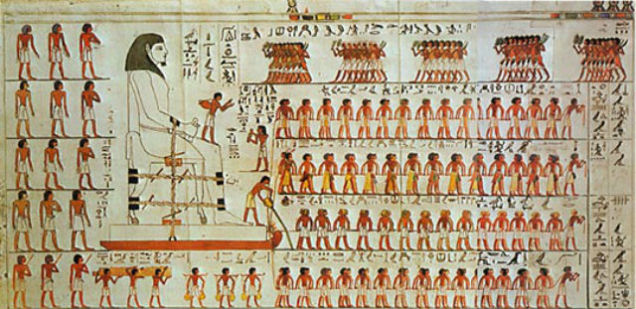
It’s one of the world’s biggest mysteries: how did the ancient Egyptians transport massive stones across the desert to create the pyramids? Scientist from the FOM Foundation and the University of Amsterdam report that they now know how the pyramid stones were transported. The clue is the dampness of the desert sand.
Residents of Jerusalem were told yesterday to boil their water for two minutes until further notice. High levels of treated sewage water had leaked into the main drinking water system. The neighborhoods affected include Arab and Jewish regions alike: Baka, Abu Tor, Talpiot, Tsur Baher, Silwan, Ras el-Amud, the Old City, Mamilla and Musrara.
Jacob Deatherage founded a clever company that saved my skin many times over a decade of holidays – letting me serve up clever gifts that are useful, affordable and green.
Blogging makes a writer vulnerable to hyperbole – anything to capture a corner of the internet. But it’s not hyperbole to say that Desypher’s architectural expression vis-à-vis the Islamic Museum of Australia is unparalleled in any contemporary Islamic architecture I’ve come across.
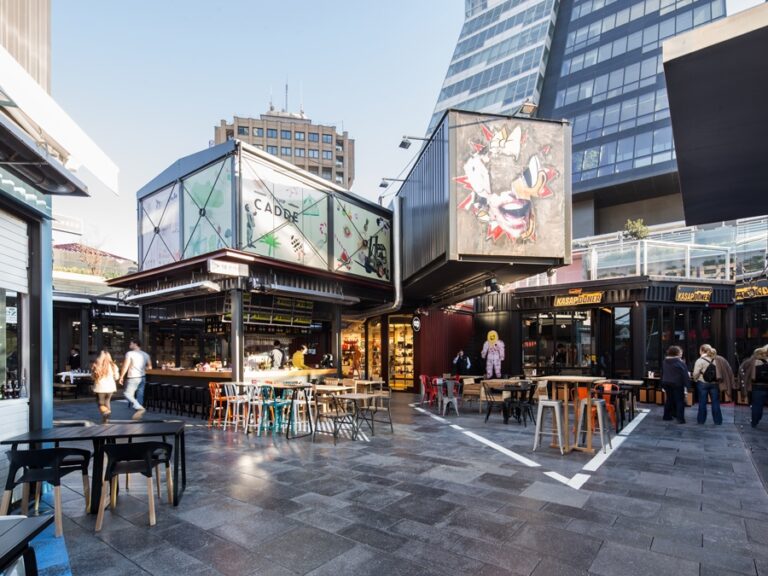
GAD Architects stacked a series of recycled shipping containers on top of a fancy shopping mall in Istanbul to create this remarkable modern day bazaar. Officially it’s a food court, but in practice, it is so much more.
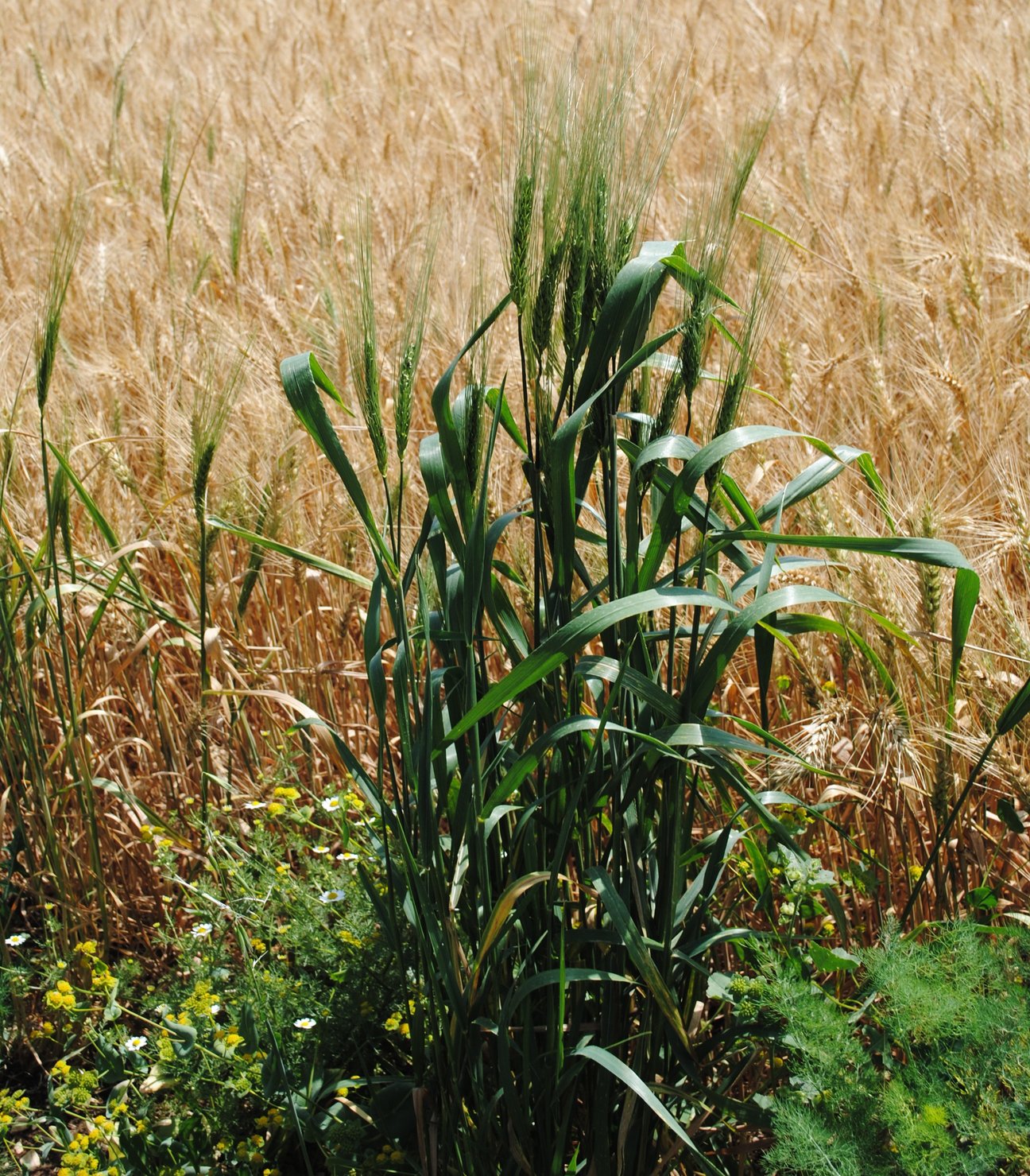
I stood in a golden wheat field some five miles north of Acre in Israel. Paul Nirens of the Galileat organization had arranged a demonstration with a local farmer, to show us how the Druze traditionally roast green wheat for freekeh.
To reach the field, we’d driven over a ditch of teeth-rattling bumpiness, part of the foundation for a railroad that will soon divide that field. Spring lingers in the cool Galilee. There was still enough green wheat to make freekeh worthwhile.
Golden oats, blue chicory and lacy green fennel made colorful spots among yellow mustard flowers in the verges of the field. A breeze rustled the swaying wheat. In the distance, a grove of olive trees completed the perfect picture of a small Druze farm.
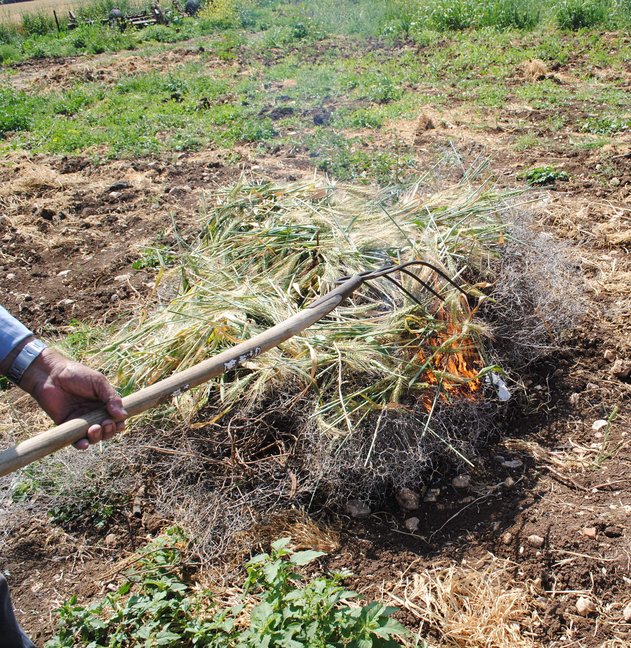
Salman Nijim Abu Heissam dragged a pitchfork full of dry thorns to a bare patch of earth, away from danger to the growing crops.
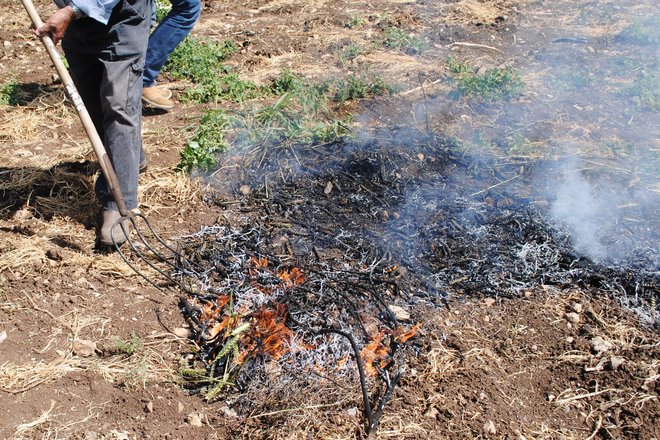
Thorns catch fire easily, make a high flame and plenty of smoke, but it burns out quickly. This is necessary to avoid burning the wheat past the point where it’s edible. It should come out of the fire only somewhat charred.
The green wheat had dried in the sun for several days. Heaping it on top of the thorns, Abu Heissam set it on fire with a cigarette lighter.
I was surprised to know that the Druze also roast green oats, just as they do wheat. “But oats yield less grain than wheat, so we plant less of them,” explained Abu Heissam.
The Druze take their wheat, whether roasted or fresh, to the mill to make – not flour, but bulgur. “Wheat is our basic food,” Abu Heissam said. “We Druze can’t exist without bulgur, and olive oil. Just as King Solomon’s throne was protected by a lion at the right and at the left, so we have bulgur and olive oil. Every Druze family stores enough olive oil and bulgur for two years.”
Make freekeh for the future
Some say that making freekeh is a way to guarantee that at least part of the crop is saved for the future. The fire drives out insects and field pests, and kills insect eggs too. The kernels’ high moisture content prevents them from burning, but the fire dries them. So they’re less likely to rot in long-term storage. According to chef and food historian Moshe Basson, this is how Joseph of the Bible kept seven year’s worth of wheat in good shape for the seven lean years to come after.
Abu Heissam explained that this small demonstration of how to make freekeh is just a sample of the real harvest. “About a month before the wheat matures, we harvest a determined percent of our crop with the combine harvester. Then we set the green wheat in the sun to dry for several days, and it shrinks. We light our bonfire with a gas torch. It’s a big family project, with everyone out in the field.”
The freekeh fire burned down in a few minutes, leaving ashes and the charred wheat stalks.
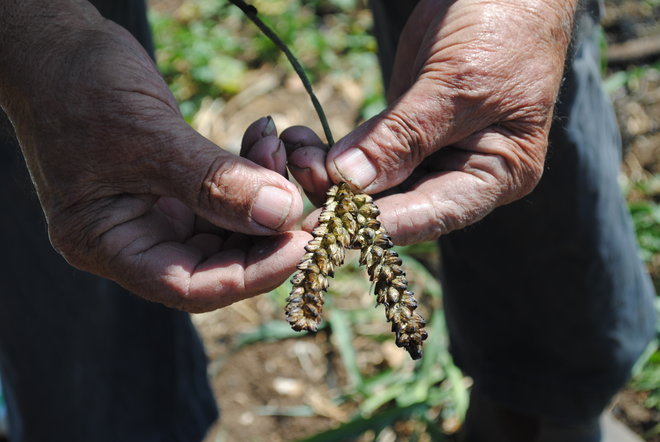
The stalks cooled down quickly. We picked them out of the ashes with our bare hands and threw them onto a tarp.There were some stalks that had burnt through, and those we left on the ground. The good ones with future freekeh looked like this:
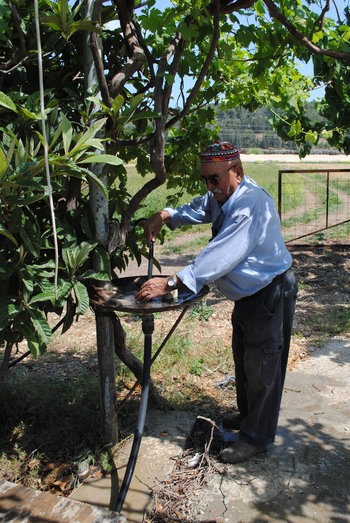
We carried the tarp full of roasted wheat to a field shed where a mulberry and fig sycamore tree provided leafy beauty and more shade over a water point. Abu Heissam washes his hands with his own home-made soap made from olive oil.
Making freekeh
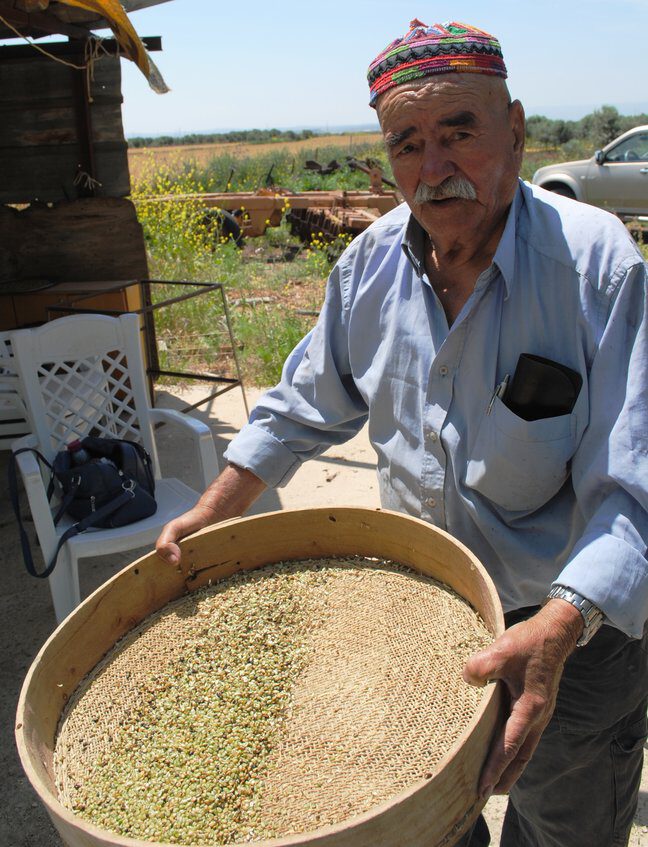
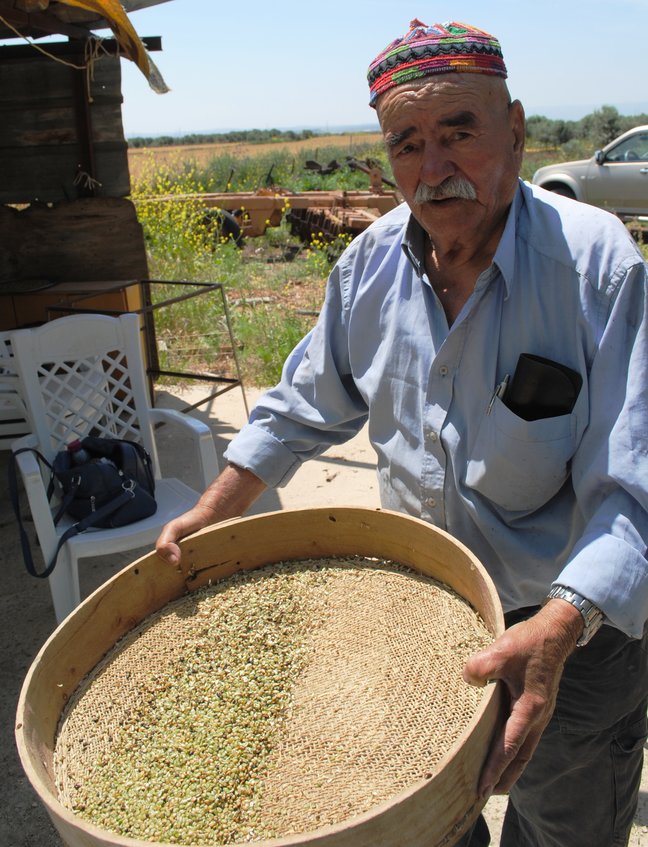
In the shade there, Abu Heissam showed us that to become freekeh the wheat gets rubbed through a series of sieves, first the finest sieve and proceeding to the ones with coarser and coarser weaves.
I was surprised again, thinking that it would be the other way around, but understood when I saw how the straw and chaff separate from the kernels as they’re rubbed on the surface of the sieves.
“Freekeh” means “rubbed.” The English word “friction” comes from the Latin fricare, but I wonder if it goes back even further, to the Arabic freekeh. It was a pleasant thing to think of.
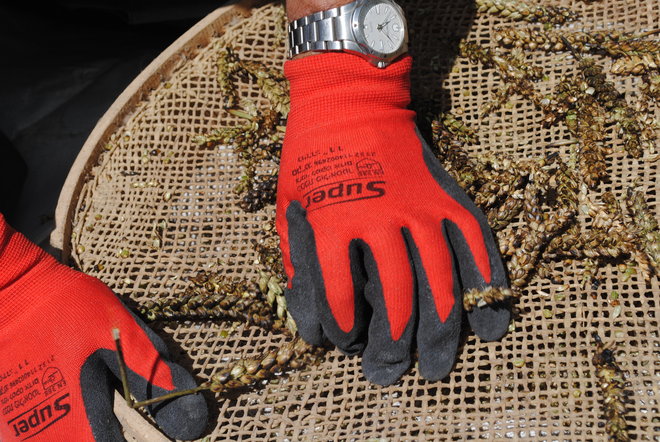
But the work of rubbing wheat stalks onto the harsh fabric of the sieves to make freekeh isn’t easy on the hands.
The farmer wore heavy gloves to work the stalks back and forth over the old hand-made sieves.
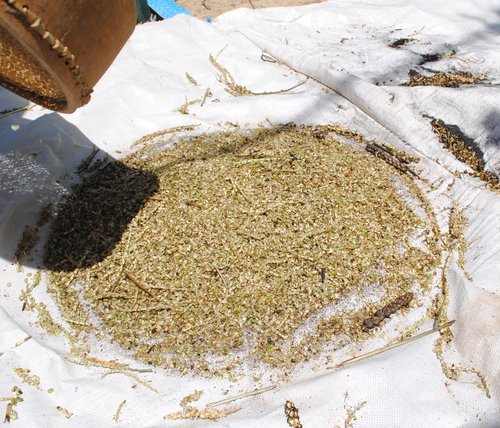
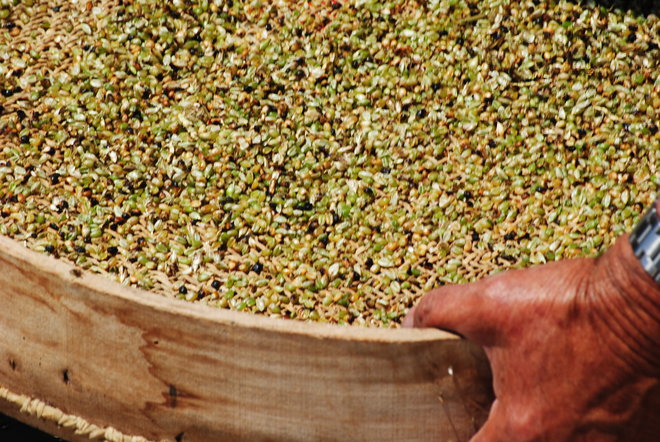
The freekeh kernels, freed from their stalks, fell through the sieve’s holes. We collected them and turned the sieve over to receive them from the deep side.
I ate some freekeh kernels. They were nutty and chewy, with the expected smoky flavor. The freekeh wheat’s sweetness came through a second later. The occasional charred kernel tasted like popcorn.
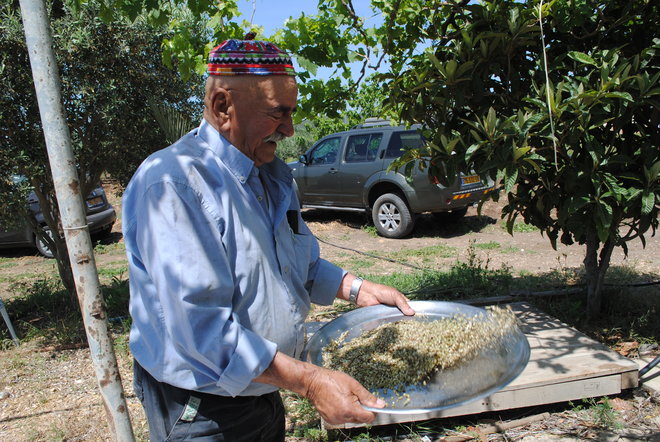
The next step was winnowing the freekeh kernels by moving them around a tray while standing downwind. The regular motion of wheat bouncing around made a rough sound, like fine gravel on the tray. It seemed to say, chaff, chaff, chaff.
“I’m not very good at this,” said Abu Heissam. “This is women’s work.”
But I thought he winnowed very well.
The railroad works crosses Abu Heissam’s fields. It will cut off access to the fields from the highway, unless a bridge is built over it. The community has requested a bridge many times, but no one in the government has taken notice, not even the Druze MK. In the meantime, a neighboring farm has two bridges to allow their cows to cross its property. Abu Heissam also needs a second water point for irrigation, but the water company hasn’t responded to his requests.
Just about now, or in a week, the farmer will walk to his field again and taste the ripe wheat to judge if it’s ready for harvest. He’ll sell most of it, but the small amount left for home use, his womenfolk will process for bulgur.
Abbu Heissam is an ex-army officer and besides Arabic speaks fluent Hebrew. Like most Druze men who have served in the Israeli army, he’s well versed in the various cultures of Israel, comfortable in the company of any well-meaning person. But his soul is rooted in the earth, which in the Druze religion is considered holy in and of itself.
“The Druze learned that an army career grants benefits and a pension,” he said. “But we don’t eat from that income. We eat from the money we make selling what we grow in our own fields.”
Need it be said that GMO doesn’t come near the fields of the Druze and their freekeh?
Why is freekeh uncool?
Freekeh, like many traditional Druze foods, is considered uncool by the younger generation. It’s sad, but the art and craft of freekeh is mostly in the hands of old folks these days. I hope that the young ones wake up to the beauty of the seasonal food traditions and love of the earth that their grandparents are keeping alive.
This is no joke: the island nation of Cyprus is now home a political party for animals. It was launched in Nicosia on Sunday. It is called Animal Party Cyprus and follows the lead of Holland – which seems like the first to launch a political party for animals.
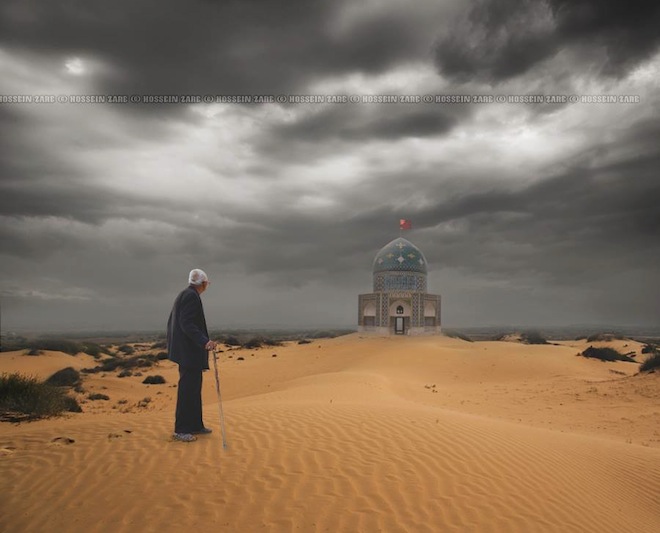
Iranian photographer Hossein Zare captures in photography what we can only see in our dreams – otherworldly land and cityscapes infused with an sense of eternal longing. A longing to reconnect with the land, with the heavens? Step in to see just a small handful of his incredible work.
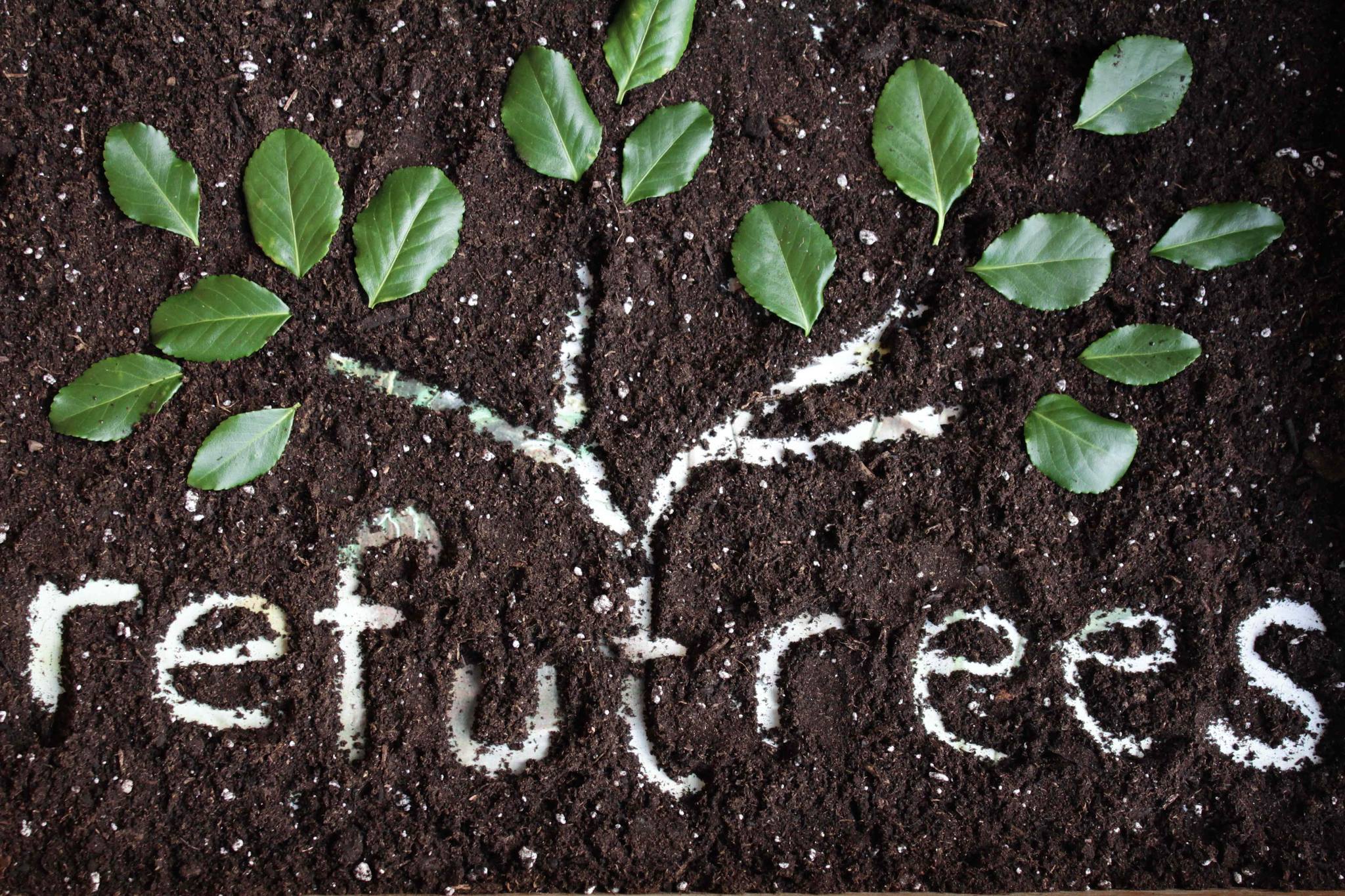
A new project in a Bethlehem-area refugee camp seeks to help reverse a history of forced urbanization and revitalize connections to agriculture, simultaneously increasing Palestinians’ control over their food sources, especially organic vegetables. It’s not the first time we reported on Refutrees, but they project has been blooming over the past year.
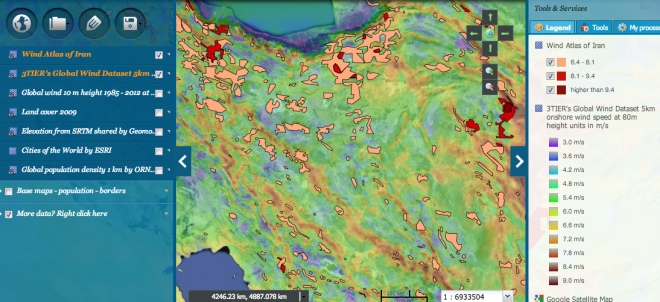
Iran is most known in global news for its nuclear ambitions. But the country has resources for wind energy, the international renewable energy organization IRENA has announced. The NGO which is headquartered in Abu Dhabi has just released wind maps which show where Iranian winds blow.
It can get hot enough in the Middle Eastern sun to fry an egg outside. If you’ve spent even a small amount of time in either Abu Dhabi or any other Gulf countries in summer, you know that it’s stifling hot outside and freezing cold inside just about every building. New paint may be able to reduce cooling loads by 20 percent – at least according to research from Watergy International Group.
Watergy is working with researchers at Masdar Institute just outside of Abu Dhabi to test a new paint that is applied to rooftops.
They applied the paint, which contains titanium dioxide (a material that is used in sunscreen) to a 2, 120 square foot area of roof at the Masdar Field station. Areas of the same roof were painted grey and one area was left uncovered.
At 9:30am, when it’s already blazing hot outside, the researchers found that the areas painted white measured just 76.82 degrees Fahrenheit, whereas the uncovered areas were unbearable to walk on at 116 degrees Fahrenheit.
Peter Armstrong, associate professor of mechanical engineering at Masdar Institute, told The National that white paint makes the most sense, but that grey and black paint containing the same chemicals would also be effective if it is required for stylistic reasons.
“It is best to have white on the roof because no one can see it up there,” he said.
In addition to reducing the heat island effect associated with buildings that have soaked up a great deal of solar energy and then radiate that heat, alongside cars and other energy sources, the paint could reduce the need to cool homes with air-conditioning.
Armstrong says that uninsulated concrete villas would benefit the most from the paint.
“Villas would benefit greatly. In a typical villa the AC unit is up on the roof so when you limit the heat on the roof you improve the performance of the AC because now where the AC is, it is a lower temperature,” he told the paper. “The higher the temperature is where AC is trying to reject the heat the lower the performance.”
A hangar in Sharjah and a supermarket in Italy already benefit from the cooling paint.
The next step in Abu Dhabi, for which Watergy has signed a letter of agreement to the tune of nearly $3 million, is to test two 50,000 square meter areas in the city.
After that, the paint could be applied to a variety of surfaces in order to bring down over all temperatures – even roads.
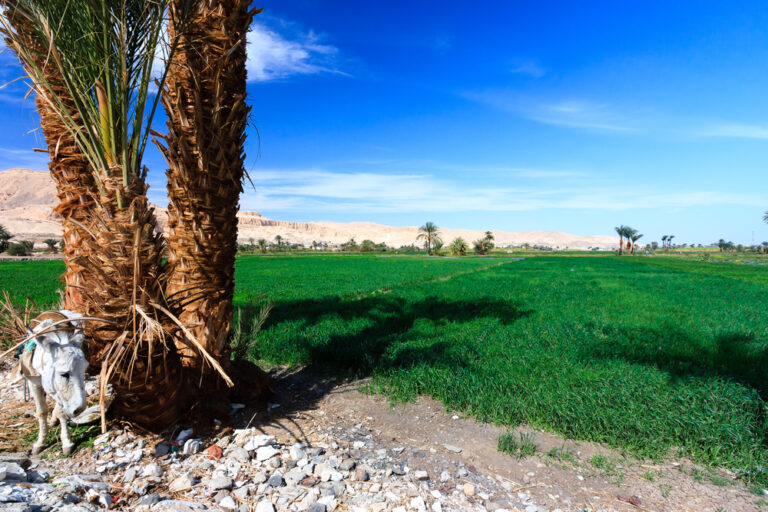
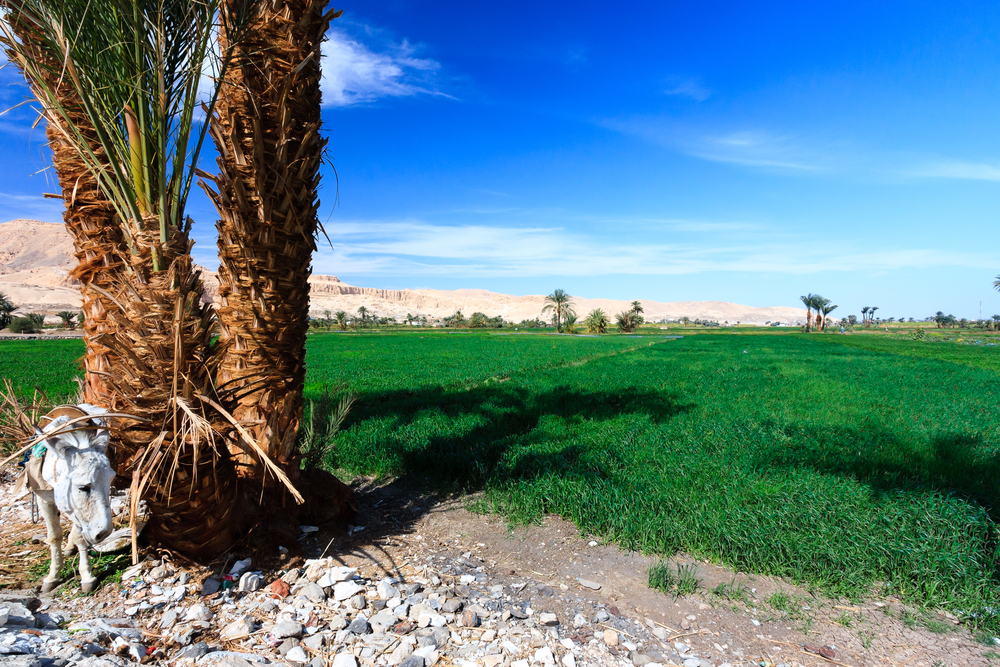
Egypt plans to lease 25,000 hectares of agricultural land to Arab investors. Agriculture minister Ayman Abu Hadid made the announcement in Tunis recently. Egypt is hoping that sustainable farmers will apply.
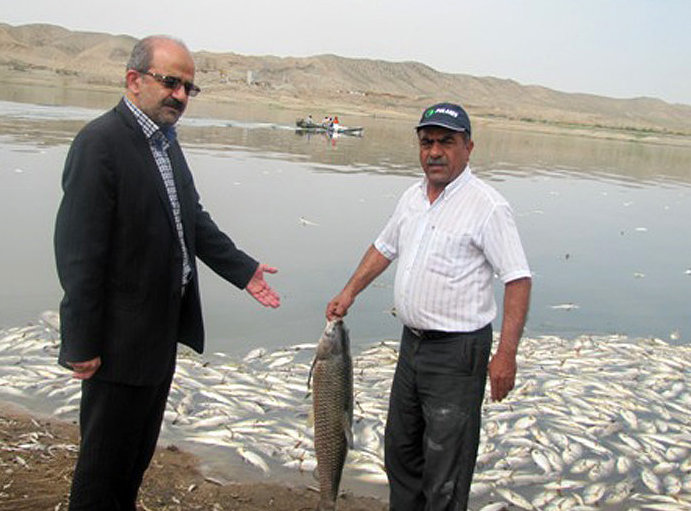
This is what millions of dead fish in Iran look like: Raw, human sewage has leaked into a dammed river in the Tehran region of Iran killing millions of fish, a local news report there shows.



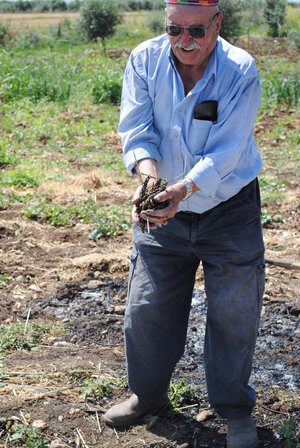 Just about now, or in a week, the farmer will walk to his field again and taste the ripe wheat to judge if it’s ready for harvest. He’ll sell most of it, but the small amount left for home use, his womenfolk will process for bulgur.