
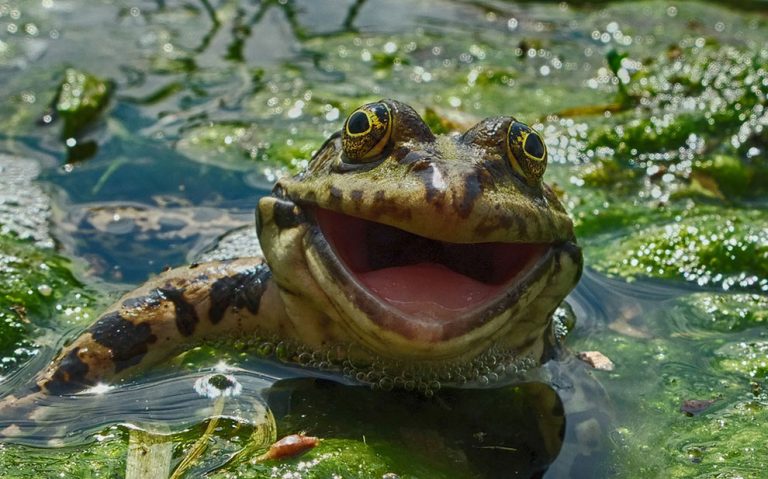
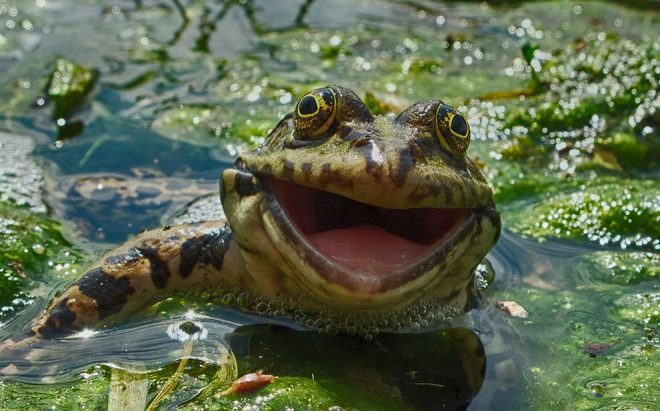
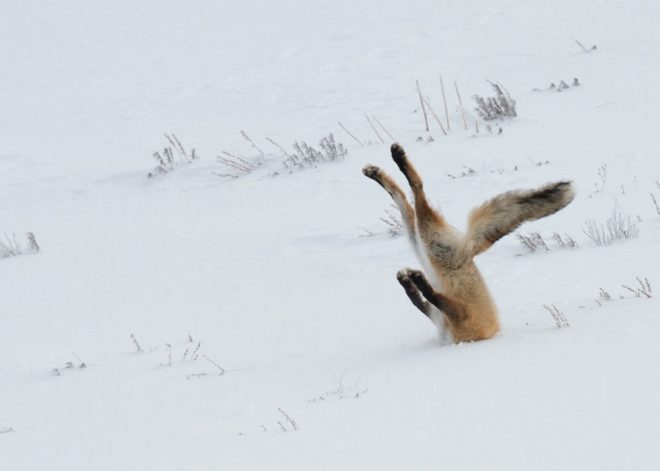
(Photo by Artyom Krivosheev/Barcroft Images/Comedy Wildlife Photography Awards 2016)
Anyone with a Facebook account knows people love pictures of adorable animals. Photographers Paul Joynson-Hicks and Tom Sullam are tapping into that animal magnetism to boost support of wildlife conservation. Their second annual Comedy Wildlife Photography Awards is inciting “conservation through competition”, helped by heaps of belly laughs, and the unbelievable images are real. (Green Prophet brings you a sampler, visit the awards website to see the full portfolio.)
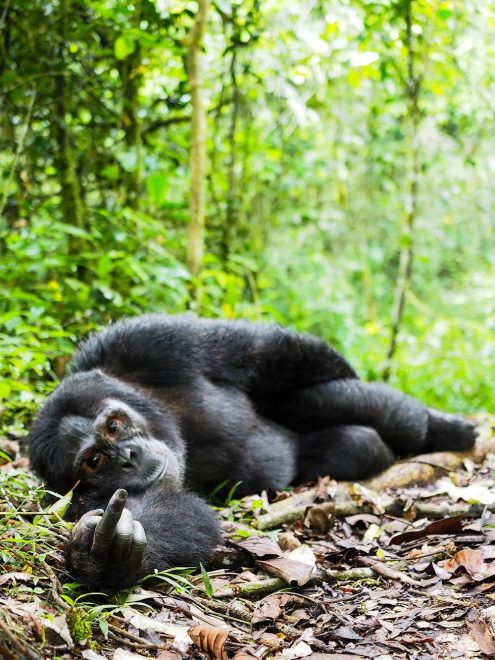
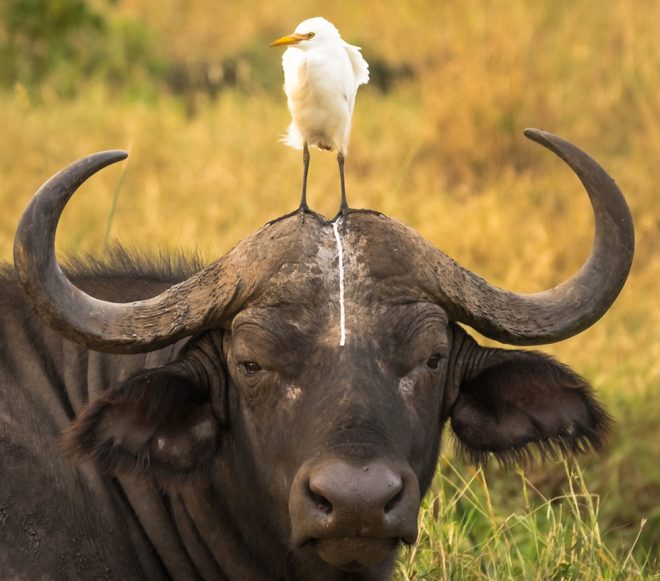
(Photo by Gil Gofer/Barcroft Images/Comedy Wildlife Photography Awards 2016)
It’s an upbeat photo competition about wildlife doing funny things that puts a high-beam on how much we humans truly love animals, while steering attention to how our choices put wildlife at risk. The organizers point out that nobody is perfect. We hop planes, drive cars, cook food, and use products that likely contribute to the warming of our planet. Not a stretch to see how this indirectly impacts earth’s animals, damaging habitat and affecting food chains.
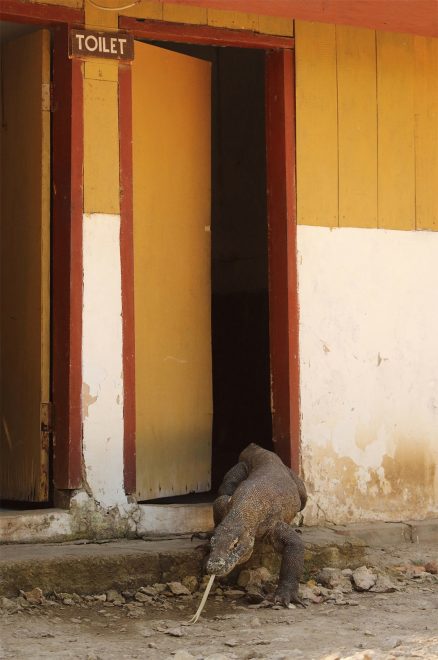
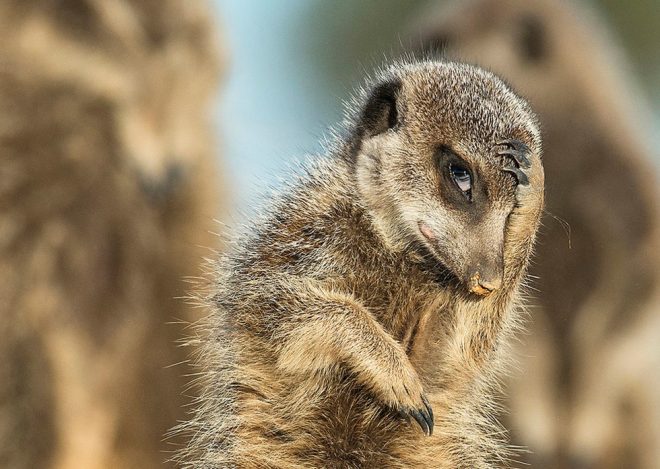
(Photo by Carolin Tout/Barcroft Images/Comedy Wildlife Photography Awards 2016)
The competition gives everyone a chance to do a bit for conservation, in gentle yet persuasive ways. How? The images are infectious and scream to be shared. They might spark some chat about conservation, and lead self-starters to check out the competition’s chosen charity, Born Free.
(Photo by Angela Bohlke/Barcroft Images/Comedy Wildlife Photography Awards 2016)
This year’s competition featured six categories plus a special video-clip group, each focused on a specific genre – as example creatures of the air, and creatures of the sea. More than 2200 hilarious entries came in from around the world including a face-planting baby elephant, seemingly headless penguins, and a bear sprouting wings, The gorgeous images capture perfect comic timing and convey a powerful message that we must protect their subjects.
(Photo by Tom Stables/Barcroft Images/Comedy Wildlife Photography Awards 2016)
Judges revealed their shortlist of the 40 best photographs, you can see the full portfolio on the competition website. You can also sign up on that website to receive alerts on how and when to enter the 2017 competition. The winner will be announced by the end of October. Prizes include photography equipment from Nikon and a chance to join a one-week Kenyan photo-safari.
(Photo by Brigitta Moser/Barcroft Images/Comedy Wildlife Photography Awards 2016)
Joynson-Hicks and Sullam each have two young sons. They say they are “extremely keen that they can experience the wild world in the same way as we have and our parents have before us. For this to happen we all have to do something; nothing mad and crazy and life changing (although that would be awesome) but a little bit here and there.” And one thing is to visit the Born Free Foundation’s website to check out what they are doing and how you can help.
Born Free Foundation is an international wildlife charity founded by Virginia McKenna, Bill Travers and their eldest son following Bill and Virginia’s starring roles in the classic film Born Free. The Foundation promotes wild animal welfare and compassionate conservation, working to save animal lives, stop suffering, and protect rare species. They also work to end captive animal exploitation, phase out zoos and keep wildlife in the wild.
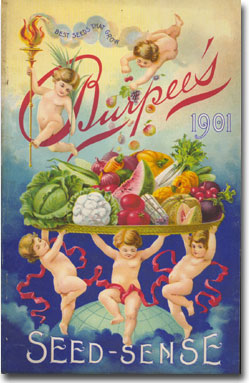
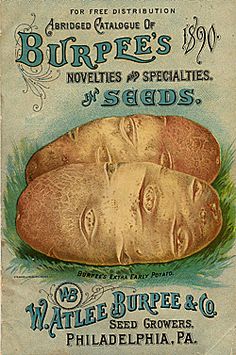
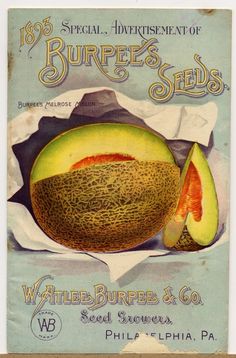
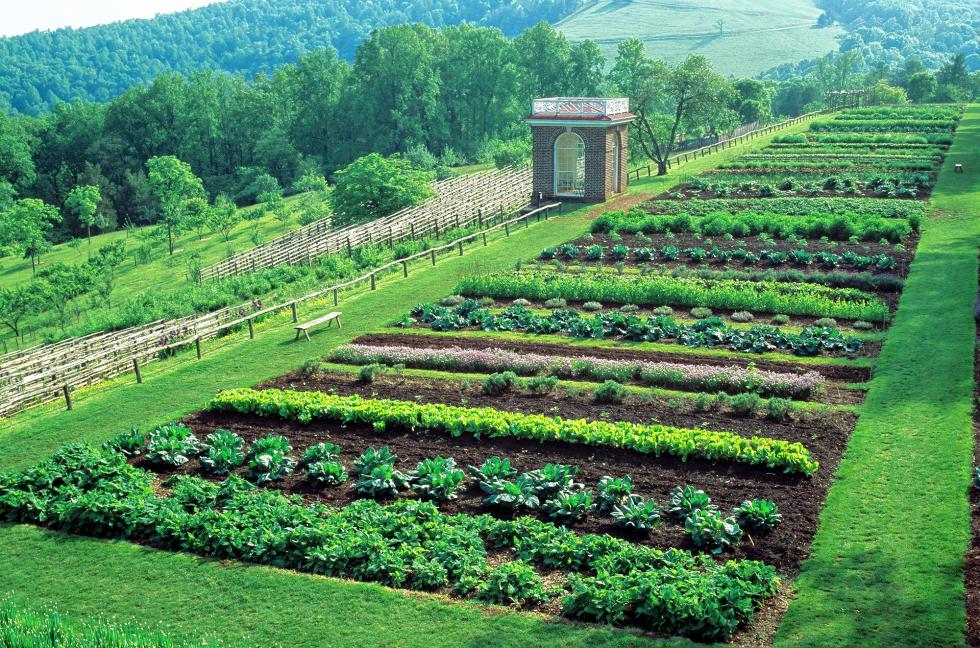

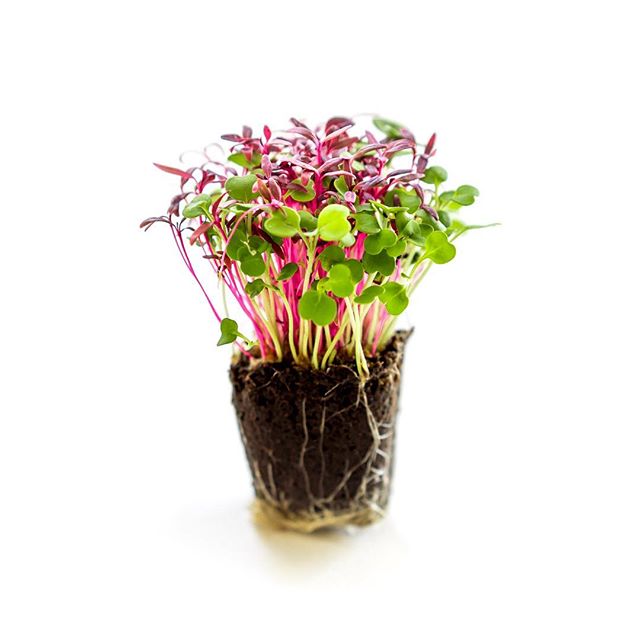
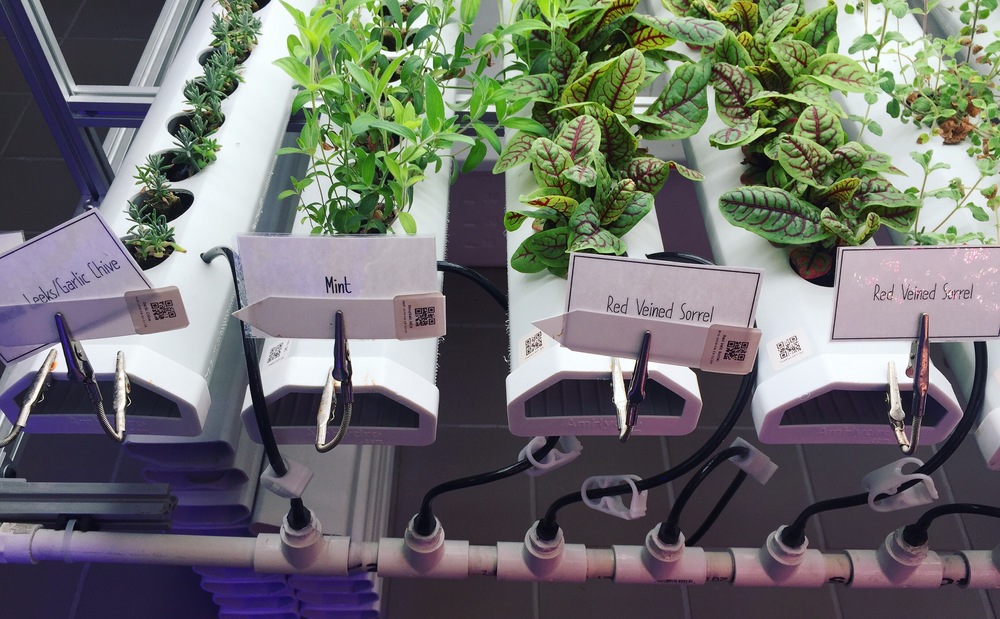

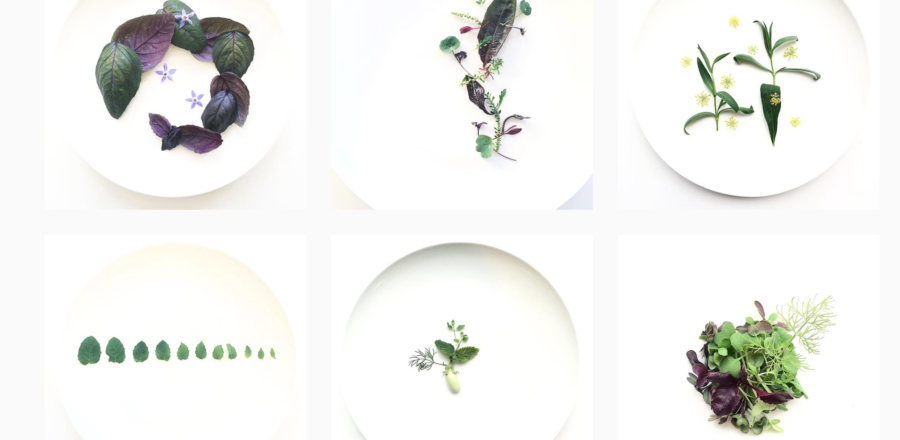
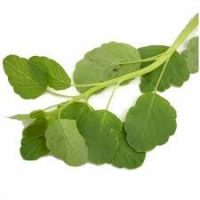
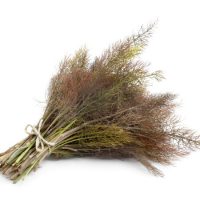
 3. Purple Ruffles Basil – Ruffled and jagged purple leaves, with a strong aroma of anise.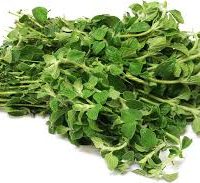
 5. Sheep’s sorrel – Sour and intriguing herb, very hard to find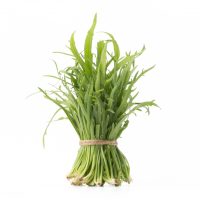
 7. Pluto Basil – small, highly-fragrant leaves, perfect for garnish







 Remember that quirky
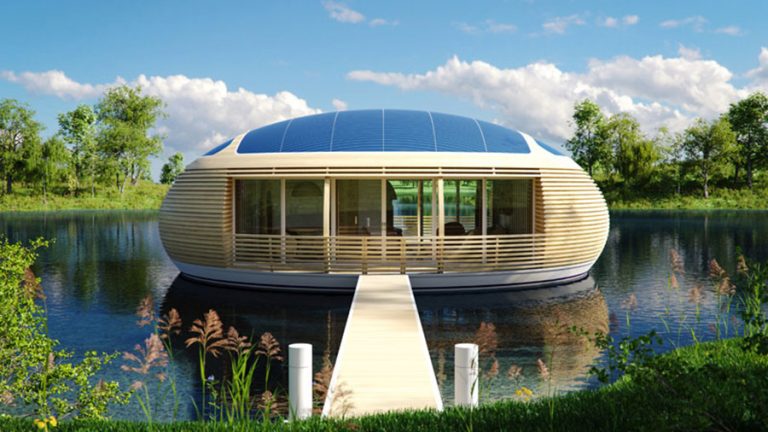
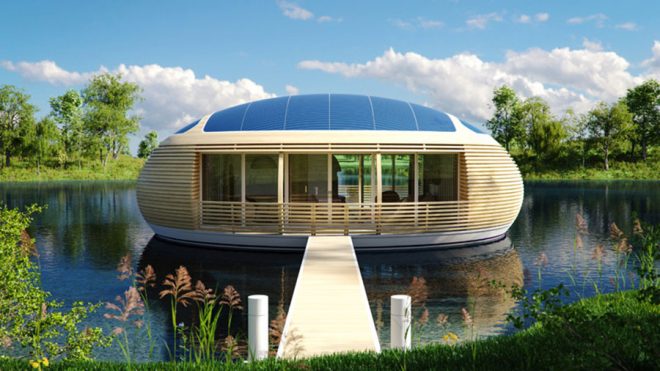
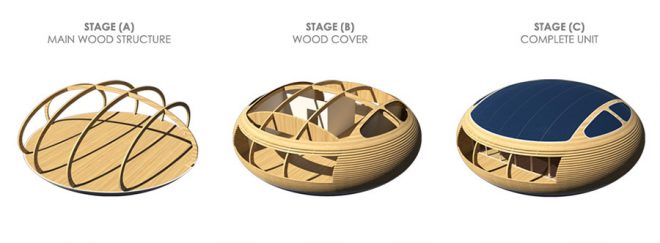 The units are available through EcoFloLife, a London-based business specializing in the design and construction of eco-friendly floating homes. Their website states, “The world around us is becoming increasingly chaotic and conformist…ongoing climate changes and the resulting sea- and river-level rises force us to ponder on the eco-sustainability of our housing choices.” Fair enough, but how do these floating homes actually work?






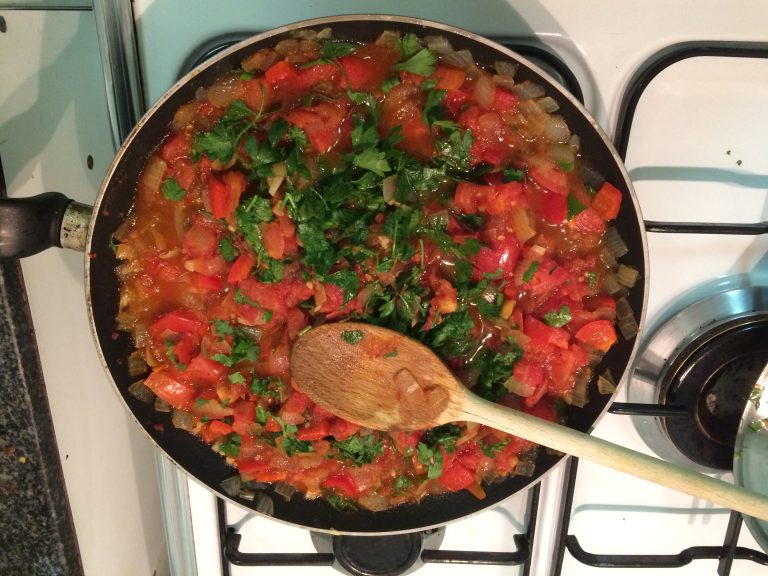

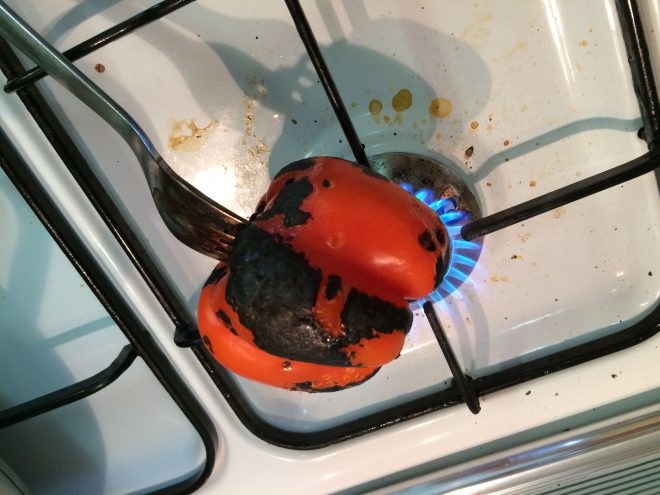 I recall how Laurent speared plump red peppers on a tin fork and roasted them above the flame on my ancient gas stovetop. He chucked them into a brown paper bag (plastic had yet to infect 1980’s NYC) and the peppers steamed inside, loosening their charred skins. He chopped the peppers, adding tomatoes, onions, and garlic, explaining in swoonable French-accented English that this was exactly how his ancient grandma did it.
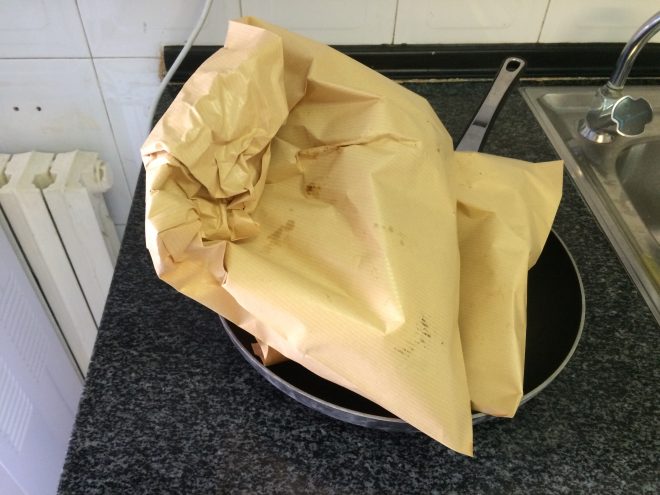 That ’80s meal consisted of his deep red relish, smeared on Italian bread, washed down with many bottles of wine. Undoubtedly, a Rolling Stones record spun in the background. I suspect Goat’s Head Soup.


 Say hello to the “Anthropocene”, a new geological epoch brought about by humanity’s impact on planet Earth. A team of geologists say that ash from fossil fuels,