A coworking space within walking distance can cut commuting time and give you a reliable place to work, but distance alone does not make it useful. Test the internet, noise, privacy, desk setup, environmental claims and real cost before committing to a membership.
Yazan Al Homsi looks at two very different bets — Aduro Clean Technologies and Rocket Doctor — to show what investors should watch as small-cap companies attempt to move from promising technology to commercial scale.
Breast reconstruction can be an important part of recovery, but persistent pain, infection, changes in breast shape or mesh movement deserve medical attention. Here are the warning signs patients should know after breast mesh surgery.
As ABA practices grow, so can their administrative footprint. Smarter billing and documentation systems can reduce duplicated work, wasted staff time and inefficiencies while supporting sustainable growth.
Meta description:
The Houthis have turned Yemen’s Red Sea coast into part of a global geopolitical crisis. But behind the missiles, shipping disruptions and Suez Canal headlines is Mocha — the ancient Yemeni port that gave the world its name for coffee.
A coworking space within walking distance can cut commuting time and give you a reliable place to work, but distance alone does not make it useful. Test the internet, noise, privacy, desk setup, environmental claims and real cost before committing to a membership.
Yazan Al Homsi looks at two very different bets — Aduro Clean Technologies and Rocket Doctor — to show what investors should watch as small-cap companies attempt to move from promising technology to commercial scale.
Breast reconstruction can be an important part of recovery, but persistent pain, infection, changes in breast shape or mesh movement deserve medical attention. Here are the warning signs patients should know after breast mesh surgery.
As ABA practices grow, so can their administrative footprint. Smarter billing and documentation systems can reduce duplicated work, wasted staff time and inefficiencies while supporting sustainable growth.
Meta description:
The Houthis have turned Yemen’s Red Sea coast into part of a global geopolitical crisis. But behind the missiles, shipping disruptions and Suez Canal headlines is Mocha — the ancient Yemeni port that gave the world its name for coffee.
A coworking space within walking distance can cut commuting time and give you a reliable place to work, but distance alone does not make it useful. Test the internet, noise, privacy, desk setup, environmental claims and real cost before committing to a membership.
Yazan Al Homsi looks at two very different bets — Aduro Clean Technologies and Rocket Doctor — to show what investors should watch as small-cap companies attempt to move from promising technology to commercial scale.
Breast reconstruction can be an important part of recovery, but persistent pain, infection, changes in breast shape or mesh movement deserve medical attention. Here are the warning signs patients should know after breast mesh surgery.
As ABA practices grow, so can their administrative footprint. Smarter billing and documentation systems can reduce duplicated work, wasted staff time and inefficiencies while supporting sustainable growth.
Meta description:
The Houthis have turned Yemen’s Red Sea coast into part of a global geopolitical crisis. But behind the missiles, shipping disruptions and Suez Canal headlines is Mocha — the ancient Yemeni port that gave the world its name for coffee.
A coworking space within walking distance can cut commuting time and give you a reliable place to work, but distance alone does not make it useful. Test the internet, noise, privacy, desk setup, environmental claims and real cost before committing to a membership.
Yazan Al Homsi looks at two very different bets — Aduro Clean Technologies and Rocket Doctor — to show what investors should watch as small-cap companies attempt to move from promising technology to commercial scale.
Breast reconstruction can be an important part of recovery, but persistent pain, infection, changes in breast shape or mesh movement deserve medical attention. Here are the warning signs patients should know after breast mesh surgery.
As ABA practices grow, so can their administrative footprint. Smarter billing and documentation systems can reduce duplicated work, wasted staff time and inefficiencies while supporting sustainable growth.
Meta description:
The Houthis have turned Yemen’s Red Sea coast into part of a global geopolitical crisis. But behind the missiles, shipping disruptions and Suez Canal headlines is Mocha — the ancient Yemeni port that gave the world its name for coffee.
A coworking space within walking distance can cut commuting time and give you a reliable place to work, but distance alone does not make it useful. Test the internet, noise, privacy, desk setup, environmental claims and real cost before committing to a membership.
Yazan Al Homsi looks at two very different bets — Aduro Clean Technologies and Rocket Doctor — to show what investors should watch as small-cap companies attempt to move from promising technology to commercial scale.
Breast reconstruction can be an important part of recovery, but persistent pain, infection, changes in breast shape or mesh movement deserve medical attention. Here are the warning signs patients should know after breast mesh surgery.
As ABA practices grow, so can their administrative footprint. Smarter billing and documentation systems can reduce duplicated work, wasted staff time and inefficiencies while supporting sustainable growth.
Meta description:
The Houthis have turned Yemen’s Red Sea coast into part of a global geopolitical crisis. But behind the missiles, shipping disruptions and Suez Canal headlines is Mocha — the ancient Yemeni port that gave the world its name for coffee.
A coworking space within walking distance can cut commuting time and give you a reliable place to work, but distance alone does not make it useful. Test the internet, noise, privacy, desk setup, environmental claims and real cost before committing to a membership.
Yazan Al Homsi looks at two very different bets — Aduro Clean Technologies and Rocket Doctor — to show what investors should watch as small-cap companies attempt to move from promising technology to commercial scale.
Breast reconstruction can be an important part of recovery, but persistent pain, infection, changes in breast shape or mesh movement deserve medical attention. Here are the warning signs patients should know after breast mesh surgery.
As ABA practices grow, so can their administrative footprint. Smarter billing and documentation systems can reduce duplicated work, wasted staff time and inefficiencies while supporting sustainable growth.
Meta description:
The Houthis have turned Yemen’s Red Sea coast into part of a global geopolitical crisis. But behind the missiles, shipping disruptions and Suez Canal headlines is Mocha — the ancient Yemeni port that gave the world its name for coffee.
A coworking space within walking distance can cut commuting time and give you a reliable place to work, but distance alone does not make it useful. Test the internet, noise, privacy, desk setup, environmental claims and real cost before committing to a membership.
Yazan Al Homsi looks at two very different bets — Aduro Clean Technologies and Rocket Doctor — to show what investors should watch as small-cap companies attempt to move from promising technology to commercial scale.
Breast reconstruction can be an important part of recovery, but persistent pain, infection, changes in breast shape or mesh movement deserve medical attention. Here are the warning signs patients should know after breast mesh surgery.
As ABA practices grow, so can their administrative footprint. Smarter billing and documentation systems can reduce duplicated work, wasted staff time and inefficiencies while supporting sustainable growth.
Meta description:
The Houthis have turned Yemen’s Red Sea coast into part of a global geopolitical crisis. But behind the missiles, shipping disruptions and Suez Canal headlines is Mocha — the ancient Yemeni port that gave the world its name for coffee.
A coworking space within walking distance can cut commuting time and give you a reliable place to work, but distance alone does not make it useful. Test the internet, noise, privacy, desk setup, environmental claims and real cost before committing to a membership.
Yazan Al Homsi looks at two very different bets — Aduro Clean Technologies and Rocket Doctor — to show what investors should watch as small-cap companies attempt to move from promising technology to commercial scale.
Breast reconstruction can be an important part of recovery, but persistent pain, infection, changes in breast shape or mesh movement deserve medical attention. Here are the warning signs patients should know after breast mesh surgery.
As ABA practices grow, so can their administrative footprint. Smarter billing and documentation systems can reduce duplicated work, wasted staff time and inefficiencies while supporting sustainable growth.
Meta description:
The Houthis have turned Yemen’s Red Sea coast into part of a global geopolitical crisis. But behind the missiles, shipping disruptions and Suez Canal headlines is Mocha — the ancient Yemeni port that gave the world its name for coffee.
Seedo Corp “Seedo” (OTCQB: SEDO), a high-tech start-up providing the world’s first fully automated and controlled indoor growing machine for the cannabis and agriculture markets, announces $4 million capital raise at a price of $2.75 per share.
The raising was spearheaded by SodaStream CEO Daniel Birnbaum, who recently joined the Company’s Board of Directors and is reinvesting in less than one month since his initial investment.
“We are proud to have created a precedent in attracting institutional investor, and would like to thank Daniel Birnbaum for his renewed expression of faith,” said Zohar Levy, CEO and Director of Seedo. “We are currently creating a strategic mix of investors for the company, including recognized Nasdaq investors, Family office and Wall Street leaders that previously invested in SodaStream.”
Seedo, which specializes in the development of automated cannabis growth technologies, is listed in OTC in the United States. The Company recently announced an agreement it signed with Kibbutz Dan for the establishment of an automated containerized growth farm for medical cannabis in Israel.
The project is expected to produce 14 tons of dry cannabis bud valued at NIS 86 million. The advanced systems used for controlled growth results in quality, uniform, product that is free of bacteria and mold that currently plagues greenhouses.
Seedo Corp. focuses on the development and distribution of home growing automated machines for various herbs and vegetables worldwide. It also develops herbs and vegetables commercial container. The company was founded in 2015 and is based in Yokneam Illit, Israel.
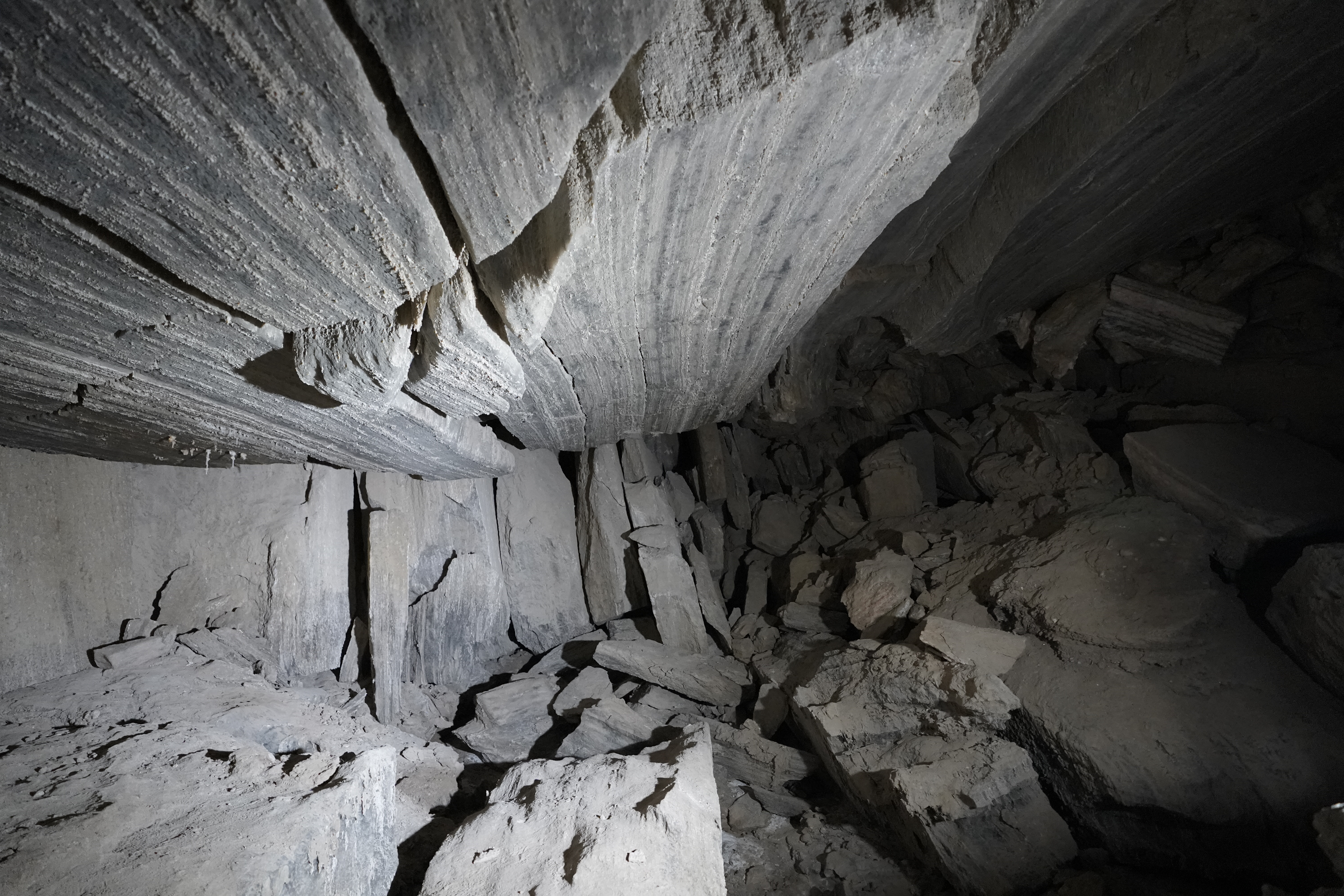
Following the biblical recounting of Lot’s Wife who was turned into a pillar of salt, Israel’s Dead Sea region is now famous for anothersalt phenomenon: Malham Cave, the world’s longest saltcave. Get spelunking!
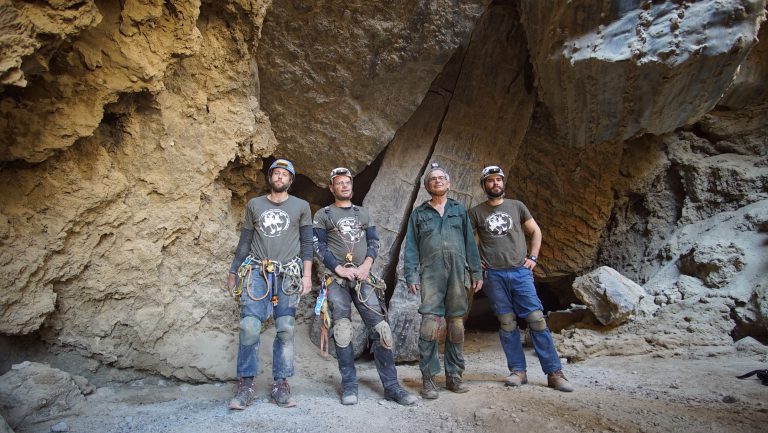
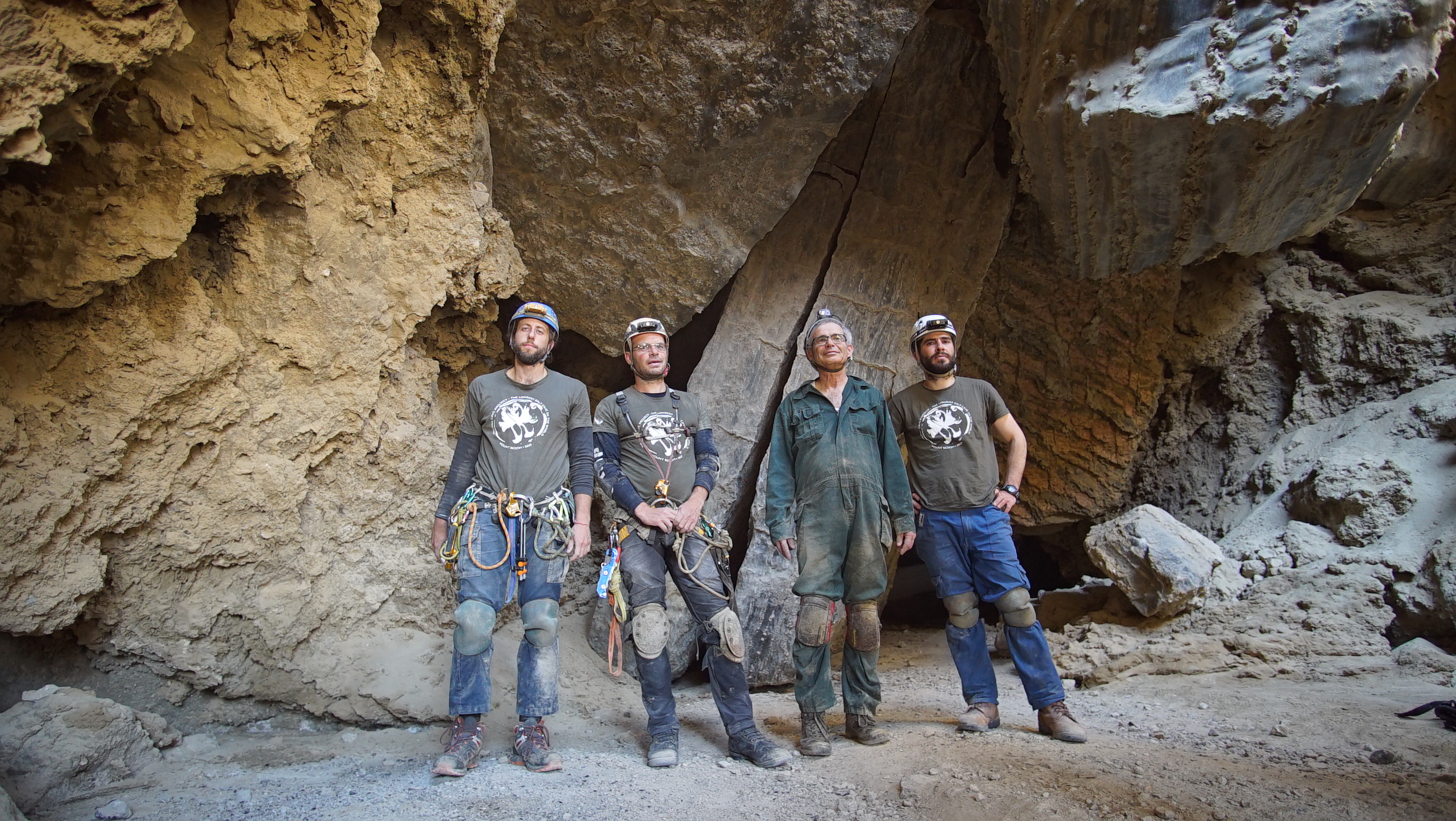
For thirteen years, this title was held by Iran’s Cave of the Three Nudes (3N) on Qeshm Island. Now, an international expedition led by the Hebrew University of Jerusalem (HU)’s Cave Research Center (CRC), Israel Cave Explorers Club, and Bulgaria’s Sofia Speleo Club, along with 80 cavers from nine countries, has successfully mapped the Malham saltcave in the Dead Sea’s Mount Sedom which, at 10 kilometers long, now bears the title of world’s longest saltcave.
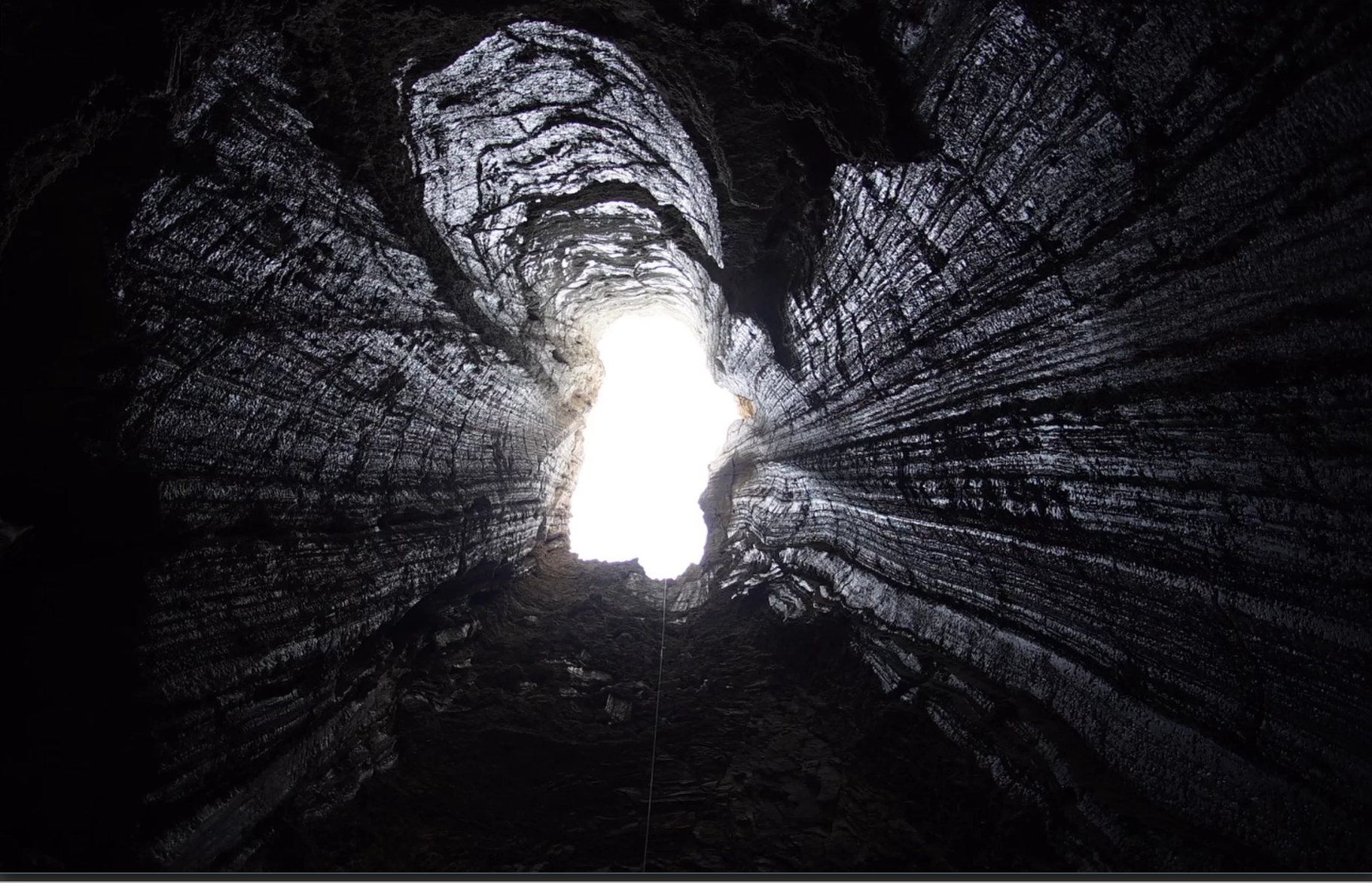
Saltcaves are living things, geologically speaking. They form mostly in desert regions with salt outcrops, such as Chile’s Atacama Desert, Iran’s Qeshm Island and Israel’s Dead Sea. What helps them form is water—even arid climates see the occasional rainstorm. When it does rain, water rushes down cracks in the surface, dissolving salt and creating semi-horizontal channels along the way. After all the rainwater drains out, these dried out “river beds” remain and saltcaves are formed.
Fitting this description is Israel’s Mount Sedom, an 11km long mountain that sits 170 meters below sea level at the southwestern tip of the Dead Sea. Underneath a thin layer of cap rock, this mountain is made entirely of salt (just like the kind we season our food with). Two factors protect this mountain from dissolving away: the sturdy cap rock that covers its salt, and the arid climate of the Negev Desert. Mount Sedom gets roughly 50mm of rain a year, mostly in short but dramatic rain bursts. As Professor Amos Frumkin, director of the CRC at HU’s Institute of Earth Sciences, explained, “The Malham SaltCave is a river cave. Water from a surface stream flowed underground and dissolved the salt, creating caves – a process that is still going on when there is strong rain over Mount Sedom about once a year.” In this way, the Malham SaltCave is “alive” and continues to grow.
Malham was initially discovered by the CRC back in the 1980’s. Later, tens of CRC expeditions surveyed Mount Sedom and found more than 100 salt different caves inside, the longest of which measured 5,685 meters. Subsequent carbon-14 tests dated the cave as 7,000 years old, give or take, and successive rainstorms created new passages for the cavers to explore. When the international expeditions returned to Malham in 2018 and 2019, their surveys discovered the cave’s record-breaking, double-digit length. “Thirty years ago, when we surveyed Malham, we used tape measures and compasses. Now we have laser technology that beams measurements right to our iPhones,” Frumkin recalled.
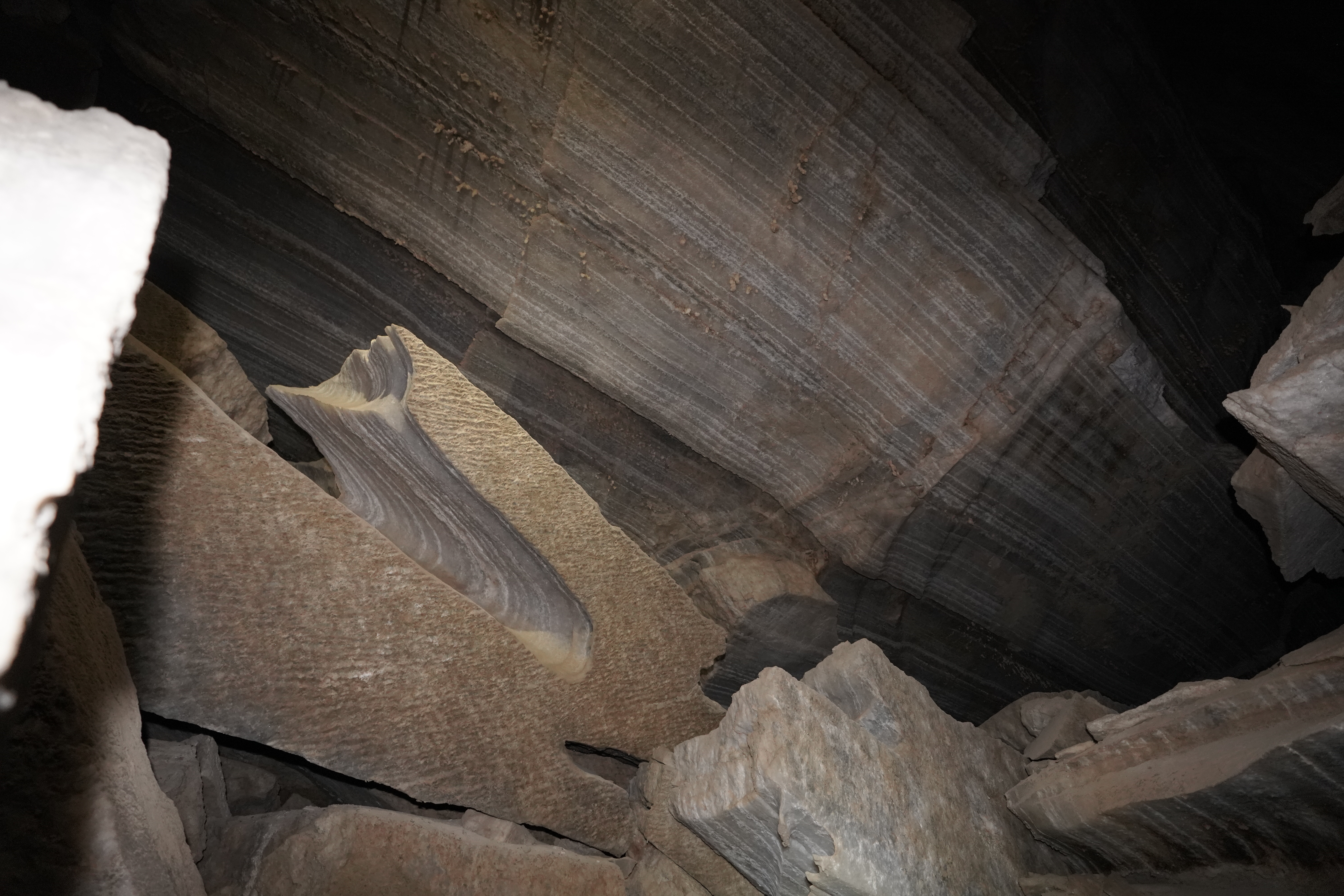
Notably, Malham is the world’s first saltcave to reach a length in the double-digits. By comparison, Iran’s Qeshm Island saltcave, now the world’ssecond largest saltcave, measures only 6,580 meters. In addition to its length, the Malham Cave contains a stunning array of salt stalactites and saltcrystals within its chambers. These salt icicles hang from the cave’s ceiling and grow longer and fatter as each drop of water rolls down before evaporating into the salty air.
Currently, the survey team is processing final data from the new Malham Cave surveys to create an electronic map of the cave and to publish its findings.
The international cave expeditions that worked together to map Malham Cave include Israel’s Cave Explorers Club, HU’s Cave Research Center, and Bulgaria’s Sofia Caving Club & Speleo School. The survey team included cavers from Israel, Bulgaria, France, United Kingdom, Croatia, Romania, Germany and the Czech Republic.
Boaz Langford, Member of HU’s Cave Research Center and head of the 2019 Malham Cave Mapping Expedition: “Israel’s saltcaves are a global phenomenon. My colleagues around the world are always amazed at what we find here. Returning to survey Malham Cave allowed us to reveal its full dimensions and rank Israel as first among the world’s longest saltcaves.”
Yoav Negev, Chairman, Israel Cave Explorers Club and project leader of the Malham Cave Mapping Expedition: “This entire project began with a call to Antoniya Vlaykova at Bulgaria’s Sofia Caving Club & Speleo School. From the very beginning they showed real interest in collaborating with us and in taking on a central role in the project. Soon we had a 50-member delegation—half international, half Israeli. The Malham Cave is a one of kind expedition that demonstrated the power of international caving delegations coming together to achieve something remarkable. The fact that we came away with a new world record is icing on the cake.”
Efraim Cohen, Member of HU’s Cave Research Center: “Mapping Malham Cave took hard work. We cavers worked 10-hour days underground, crawling through icy salt channels, narrowly avoiding salt stalactites and draw-dropping salt crystals. Down there it felt like another planet. Our next and final step is to map the tightest spots and the most difficult ones to reach. When we’re all done, it’s likely we’ll add a few hundred meters to Malham’s impressive 10 kilometer length.”
The 2018 and 2019 Malham Cave expeditions were supported by the Bulgarian Federation of Speleology, the Ministry of Youth and Sports in Bulgaria, the European Federation of Speleology (FSE) and its sponsors Aventure Verticale, Korda’s, Scurion, and Bulgaria Air.
No matter how hard you work to ensure your health, everyone could use a little help from time to time. In fact, trying to implement a big lifestyle change all on your own is next to impossible. Rather, most people perform their best when they receive support, advice, and encouragement from those around them. And there’s no one better positioned to provide those services than a friendly doctor. To that end, today we’ll explain five massive health benefits you’ll receive when you decide to start scheduling regular doctor’s appointments:
Cures and Medicine
It may sound obvious to say that going to the doctor’s when you feel sick is a smart idea, but there are many people who have a deep-seated mistrust of doctors. The reality is that doctors can provide you with medicine to help clear up everything from a nagging cough to a potentially serious infection. If you don’t feel well, don’t try and soldier on alone; go see your M.D. instead!
Preventative Treatments
Though you may “feel” healthy now, you may also be at risk for developing worrying conditions and not even realize it. That’s why doctors monitor blood pressure and test vital signs every time they book an appointment. What’s more, certain diseases can remain asymptomatic for long periods of time and can only be detected if you visit dedicated testing centers. Those who want to protect their well-being for years to come need to make seeing the doctor part of their routine.
Peace of Mind
Illness anxiety disorder is real and its effects can be quite serious. However, for the rest of us, it’s important to see a doctor to prevent unnecessary fretting and stress. Going to the doctor’s will give you peace of mind and clear up any questions you have about your health.
Dietary Assistance
Many individuals find it difficult to stick to a diet, or else, they struggle to create a diet that produces weight-loss results. If either of those scenarios sounds familiar, then it may be a good idea to ask your doctor for some help in this matter. A good doctor will know how to recommend a diet that suits your needs, and they’ll likely be happy to share dietary resources with you!
Lifestyle Advice
Having trouble getting to sleep at night? Thinking about starting a family? Wondering why you feel tired all the time? Believe it or not, your doctor can offer medical solutions to resolve a number of issues in your everyday life. Before you start making assumptions about your health, give your doctor a call first and see what they have to say.
What are some of the top priorities for your dream home? Maybe you’ve long yearned for a cheerful sun room, with beautiful made to measure blinds and big, bright windows. Maybe it’s heated floors in the bathroom. Or a secret hideaway at the bottom of the garden, perfect for escaping the summer heat.
Whatever your ambitions, it’s important to remember dream homes do exist. And they’re not created by magic. They’re made out brick and earth, as well as hearty amounts of grit and determination. So, if you’ve got a dream and a plan, why not find out where it can take you?
It’s what the owners of these incredible nature inspired homes did and, would you take a look at what they’ve managed to achieve!
Hang Nga Guesthouse, Vietnam
Hang Nga Guesthouse in Dalat, Vietnam, was built to resemble the trunk of a giant tree. Affectionately dubbed ‘the Crazy House’ by locals, it is open to the public as a small hotel. It contains ten rooms, each with its own special theme. As the shape of its twisted and uniquely curved outer wall suggests, the building is full of unusual nooks, crannies and hiding spots.
Monsanto Houses, Portugal
Portugal’s Monsanto village is an architectural wonder; living proof humans can create and build without destroying precious natural features. In this tiny village – which has remained mostly unchanged for centuries – homes have been built around, between, alongside, underneath and even inside gigantic granite boulders. The boulders were there first. So, the people of Monsanto, naturally, incorporated them into their houses.
Eliphante Art House, Arizona
If you’re ever in Arizona, you might want to take a trip to the legendary Eliphante Art House. It is so called because its entrance – a dark tunnel which leads to a breathtakingly inventive series of sculptural and mosaic rooms – is shaped like an elephant’s trunk. Artist Michael Kahn and his wife began construction on the unusual house all the way back in 1979. It took the pair a total of twenty eight years to finish! The end result is a building which, from the outside, marries flawlessly with its environment.
Cappadocia Rock Houses, Turkey
High up in the arid hills of Turkey, you’ll find the majestic region of Cappadocia. Millennia ago, volcanic eruptions blanketed the area with a thick coating of ash. This ash would later solidify solidified and turn into soft rock that’s perfect for carving. Since then, locals have tunnelled directly into the rock to create labyrinthine houses, mansions, monasteries and more. Can you believe there are underground buildings here which rise to eight storeys? Unsurprisingly, the region is popular with visitors who flock to Cappadocia to marvel at its subterranean settlements.
Why ‘Dream’ Home Doesn’t Have to Mean Impossible Home!
There’s no denying it takes a great deal of skill and dedication to build a dream home. Yet, people do it all the time, often starting from a place of scant knowledge and experience. Perhaps the biggest challenge is time. It took the owners of the Eliphante Art House almost thirty years to realise their vision. If you want to build a dream home, you’ve got to be in it for the long haul.
Every business in any area of sustainability that wants to grow and succeed needs to perform creative marketing. In doing so, it can inform potential customers about its products or services while strengthening its relationship with current ones. Nowadays, there are two main types of marketing methods.
There is traditional and digital marketing. An enterprise in areas like solar energy, commercial solar energy and DIY solar energy, can choose to utilize either of these types. In addition to that, there are enterprises which make use of both types combined. This is known as integrated marketing. Here is more about this and how competent enterprises are implementing this marketing method.
What is an integrated eco marketing campaign?
This is a marketing effort which combines both traditional and digital media. It enables consistent, complementary communication with the target market.
An integrated marketing campaign is a multi-disciplinary approach. It is also very popular. That’s because studies have revealed that 72% of all customers want to connect with their favorite firms through integrated marketing campaigns. This is because consumers normally crave variety and they also want to be reached in a way that is comfortable to them. Teens like Tiktok, older adults like Instagram and grandparents like Facebook. And some people who avoid social media prefer billboard ads, and email.
Many consumers watch TV and read their paper while also spending a substantial amount of time online. Hence, they respond to both traditional and digital marketing methods. Here is a deeper explanation of this type of campaign and how you can implement it for your firm.
The components of an integrated marketing campaign
Buy or make your own yard sale sign.
An integrated marketing campaign combines multiple marketing elements. Examples of these are direct marketing, public relations, social media, print ads, yard signs, YouTube and Tiktok videos and TV advertisements as well.
For example, you can use a press release distribution services to distribute your press release. Every firm can mix up these elements of its integrated marketing campaign according to their own way. As such, this type of campaign can take multiple forms.
Enterprises that are training integrated campaigns is to see multiple outcomes. For example, the goal of an integrated marketing campaign is to have x% increase in new customers and total attendance at a specific event. Many firms have implemented integrated marketing campaigns and experienced marked success. While creating an integrated marketing mix, it is important to make sure that the main focus is about internet marketing. Here is why.
Why you need to maintain your focus on internet marketing
You’re able to reach a wider audience at a much lower cost. Thanks to the internet, you can reach millions of people around the world in seconds. You can create advertisements and post them online for pennies. After that, these ads can reach a plethora of people. In doing so, you’re able to create a global following and audience too. People spend many hours every day surfing the internet. Therefore, marketing online is a low risk, high reward type of effort.
The internet engages with your customers interactively
Nowadays, the opportunities to interact with audiences from any part of the world are gradually increasing due to social media marketing. Furthermore, engagement is also more direct thanks to chatbots. Brands can use these methods to interact with the masses and advertise. Moreover, they can implement experimental technologies as well. A prime example of such is Virtual Reality (VR).
You can track customer metrics
Digital marketing campaigns have one major advantage over traditional methods of marketing. You can actually track the performance of your advertisements. It is possible to track consumer data and use it to see the performance of a specific digital marketing method. This allows you to collect substantial customer data and use it to correctly improve your strategy. Traditional marketing methods had no way of accomplishing this. The ability to track client metrics gives innovative businesses a huge advantage because they can adapt to changing trends over time.
In today’s world, business is highly competitive. Therefore, it is necessary to implement the most innovative marketing methods so as to capture the attention of your target market. Traditional methods have worked well for a long time. However, the digital age is here and the internet rules.
Therefore, there is a need for digital marketing methods too. Smart brands combine these methods and implement an integrated marketing campaign. In doing so, they cover the customer base that responds to traditional marketing methods as well as the more tech-savvy clients. Furthermore, they can view metrics from their integrated marketing campaign and adjust to fit changing trends in the market. Seeing as adaptation is an important skill in business, executing an integrated marketing campaign is a perfect example of adaptation in your marketing efforts. It is the marketing method of the future!
Having your car written off is never good news, and it can initially be quite overwhelming. Understandably, therefore, some drivers can find themselves confused about what to do next. If you ever find yourself in the same position, it’s worth knowing that while your car insurers will handle most of the key steps involved, there are still a few key decisions you can make to determine the final fate of your car. But you have to decide them quickly!
Who decides if a car is a write-off?
This falls to a trained assessor employed by your insurance company. Most car insurance policies say that it’s their responsibility to conduct a detailed examination of your car, and then decide whether to pay you to get it repaired, repair it themselves, or simply declare it a write-off.
A car might be written off for several reasons, but they all fall into the same two broad categories. Either it’s so badly damaged that it’s unsafe to drive, or the potential costs of getting it repaired are greater than the current value of the vehicle, making it uneconomical for them to put it back on the roads.
If your car is declared a write-off, your insurer will then assign it a salvage category (sometimes known as a salvage title).
What are the different salvage categories?
There are four main salvage categories: A, B, N and S. They’ve been established by the Association of British Insurers, and are designed to indicate the general condition of a vehicle at a glance.
Category A: Vehicles in this category are strictly scrap only, as they’re too badly damaged to put back on the roads.
Category B: The vehicle cannot be repaired, and the body shell must be scrapped. Parts can feasibly be removed from it for salvage, however.
Category S: The vehicle has suffered serious structural damage to its chassis, and requires extensive repair that would outweigh the vehicle’s value.
Category N: The vehicle has non-structural damage, and can’t be driven unless professionally repaired – the costs of which, again, would outweigh its value.
What you can do when your vehicle is designated as written off
Challenge the decision
When your insurer informs you your car is written off and provides you with a settlement figure, you can challenge their decision, but your window for doing so is very brief. Your insurer has to notify the Motor Insurance Fraud and Theft Register (MIAFTR) within 7 days of the declaration, and once that happens, it becomes a lot more difficult to reverse. To successfully challenge the decision, you need solid evidence to prove your car is worth more than their valuation of it. This includes quotes from mechanics to show differing repair costs, quotes from scrap yards which offer an alternative view on the true salvage value of your car, and reliable evidence of its market value.
Buy the car back from your insurer
If your car has been designated as an S or N (structural or non-structural) faults, you can sometimes apply to buy it back from your insurer and subsequently have it re-registered. If this is an action you’d like to pursue, you have to let your insurer know as soon as you can. (However, it’s worth getting an independent mechanic to give you their professional valuation of the car, just to be on the safe side.)
If you’re successful, your insurer will then give you your payout and sell the car back to you. However, it’s worth bearing in mind that if you do this, your car will still be on the MIAFTR, be worth far less when you come to sell it on later. This is by design – it’s intended to protect consumers from unknowingly buying “new” cars which have been previously written off.
Scrap your car
If your car has been designated as a Category A or B write off, you can’t repair or resell it. Instead, you’ll need to scrap it and reclaim or sell any parts that can be salvaged. Potentially, your insurance company can do this for you. However, if you’re doing it yourself using services like Scrap Car Network, it’s worth knowing that removing any parts from your car can have a significant effects on its resale value, so unless you’re an experienced mechanic or automotive professional yourself, it’s rarely worth doing.
If it does come to that, organisations like Scrap Car Network can provide a quick and easy way to scrap your car. Paperwork is kept to a minimum, and it takes as little as 10 seconds to get an online valuation of your car. What’s more, choosing them enables you to directly contribute to their social and charitable causes, at no extra cost.
Keeping plant products and global trade in plants safe – Annual meeting: Commission on Phytosanitary Measures (International Plant Protection Convention) happening April 1 to 5 2019, Plenary Hall, FAO Rome.
The Commission on Phytosanitary Measures (CPM) – the governing body of the International Plant Protection Convention (IPPC) – will hold its annual meeting to review the state of plant health and protection, and adopt new international standards aimed at stopping the spread of plant pests, including protocols to block devastating pests such as Xylella fastidiosa and the oriental fruit fly.
Globally, annual crop losses to plant pests are estimated to be between 20 to 40 percent of production. Plant diseases cost the global economy around $220 billion each year.
The IPPC is the only international body for setting and implementing phytosanitary standards to protect plants from pests and diseases, and ensure safe trade in plants that is recognized by the World Trade Organization SPS Agreement and governments around the world.
During its 14th session, the Commission will adopt:
· A new standard to provide guidance on improved fumigation methods to control regulated pests. This is in response to growing concerns over fumigants that can be harmful to human health and the environment.
· Diagnostics protocols that describe procedures and methods for the official diagnosis of six pests, including Xylella fastidiosa – a bacterium that has been increasingly spreading and attacking economically important crops such as olive, citrus or plum trees and grapevines – and the oriental fruit fly (Bactrocera dorsalis), which has affected trees such as avocado, banana, guava and mango in at least 65 countries in sub-Saharan Africa and Oceania.
The Commission will discuss the concept of commodity and pathway standards to support the setting up of ground rules for countries to commence trade also with the aim of introducing new opportunities for developing countries.
The week-long meeting will also discuss High-throughput sequencing (HTS) technologies to detect regulated pests and make recommendations for countries who choose to use HTS, which are in the early stages of development.
It will also bring together main actors of sea containers’ regulators and industry to discuss ways of reducing risks of plant pests during their transportation in sea containers.
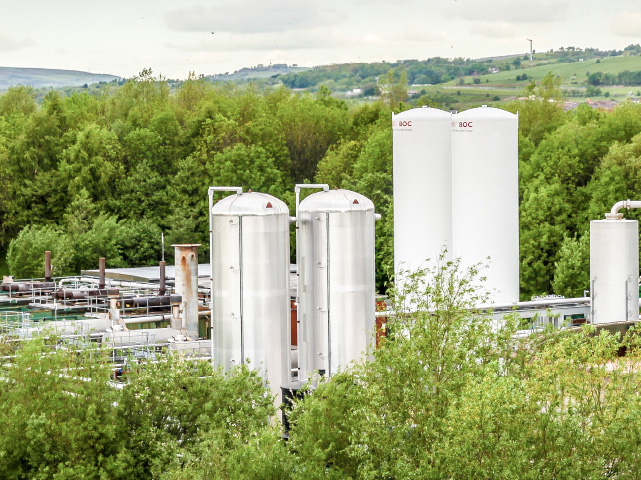
Highview Power, a global leader in long-duration energy storage solutions, and TSK, a leading global engineering, procurement and construction (EPC) company headquartered in Spain, have entered into an agreement to co-develop gigawatt-hour scale, long-duration energy storage systems for the Middle East market using Highview Power’s proprietary cryogenic energy storage solution.
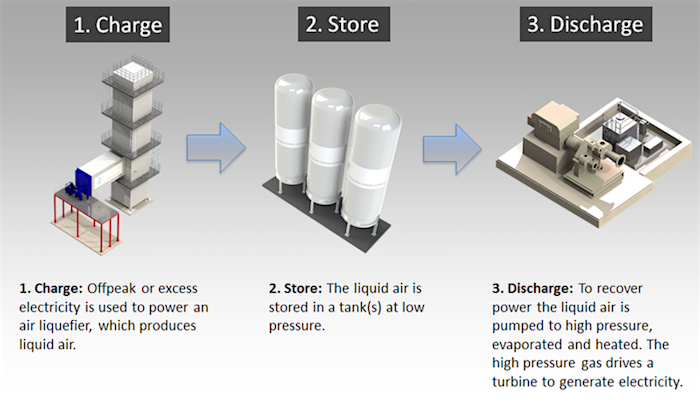
The new joint-venture company, named Highview TSK, will commit to the development of multiple projects in the Middle East. An initial number of projects have been identified for several GWh of clean energy storage to be developed from 2019 through 2022. These projects will be among the world’s first to use cryogenic energy storage technology that uses liquid air as the storage medium, helping to position the region as a leader in next-generation power production.
“After looking at a number of storage technologies, we have come to the conclusion that Highview’s cryogenic energy storage is the ideal solution to deliver long-duration, large-scale storage services to our customers. The technology is not only cost effective, it is scalable, clean, has a long lifespan and can be deployed now,” comments Joaquín García Rico, CEO of TSK. “As a result of the joint capabilities of Highview Power and TSK, we expect to progressively grow our footprint and sales to reach target revenues of over 1 billion euro by 2021.”
Highview’s cryogenic systems are the only long-duration energy storage solution available today that are locatable and offer multiple gigawatt-hours of storage. That represents weeks’ worth of storage, not just hours or days. Grid operators are turning to long duration energy storage to help improve power generation economics, balance the grid and increase reliability. At giga-scale, energy storage resources paired with renewables are equivalent in performance to – and could replace – thermal and nuclear baseload in addition to supporting the electricity transmission and distribution systems while providing additional security of supply.
TSK has constructed more than 20 GW of generation projects across 35 countries and brings extensive experience in both traditional energy generation and renewable projects such as solar, wind, and biomass, including more than 10 energy storage projects.
Highview Power has developed the ideal long-duration energy storage technology for large-scale applications with its cryogenic energy storage technology and brings a skilled team that has developed over $13 billion in energy and infrastructure projects. Combined, the Highview TSK team will have over 1,000 skilled engineers and project managers to execute long-duration energy storage projects in its target markets, from their offices in Gijón, Madrid, Cologne, London and New York.
Highview Power has already built and connected two cryogenic energy storage plants to the UK grid. The first plant was commissioned in 2014 in Slough, Greater London, with a capacity of 2.5 MWh, while last year, the world’s largest liquid air energy storage plant was inaugurated in Bury, Greater Manchester, with a capacity of 15 MWh. The Bury plant shows in real time how cryogenic energy storage provides all possible balancing services, including Short Term Operating Reserve (STOR) and supports the grid during winter peaks. Highview is currently developing several large projects that will be hundreds of MWhs in scale across the United States and Europe.
Besides being the most suitable solution to balance renewables and enable reliable renewable baseload power, cryogenic energy storage plants support and accelerate the energy transition when combined with traditional thermal power plants. The plants can optimize operations utilizing waste heat and cold into their process which enables even more affordable and sustainable power production.
As markets around the world focus on drastically reducing carbon dioxide emissions, there is an accelerated shutdown of traditional coal-fired power stations and massive deployment of intermittent renewable energy plants (mostly solar PV and wind). This is causing grid reliability issues that are dependent on weather conditions, which drives demand of long-duration energy storage in all major geographic markets in order to ensure a stable and reliable grid. When shutting down and dismantling old power stations, the existing infrastructure and connections left behind become the perfect location to install cryogenic energy storage plants, solving the challenge of integrating massive amounts of renewables while retiring traditional assets.
“The Highview TSK joint venture can deliver the ideal solution for grids of the future around the world, and we can do it now with cryogenic energy storage technology,” said Cavada.
An annual gathering of sharks near a coastal power plant in the North of Israel attracts beachgoers, divers and sailors alike
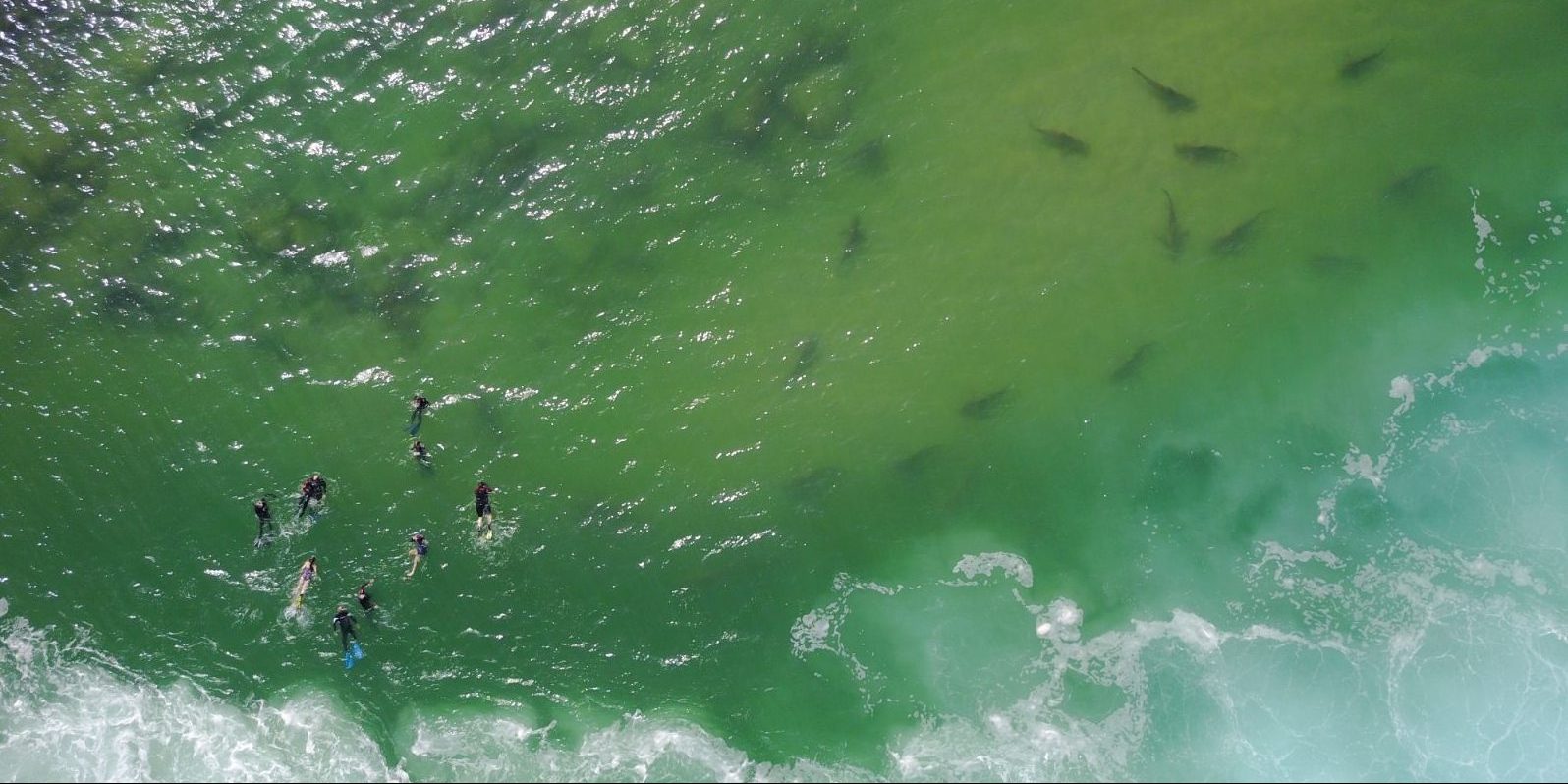
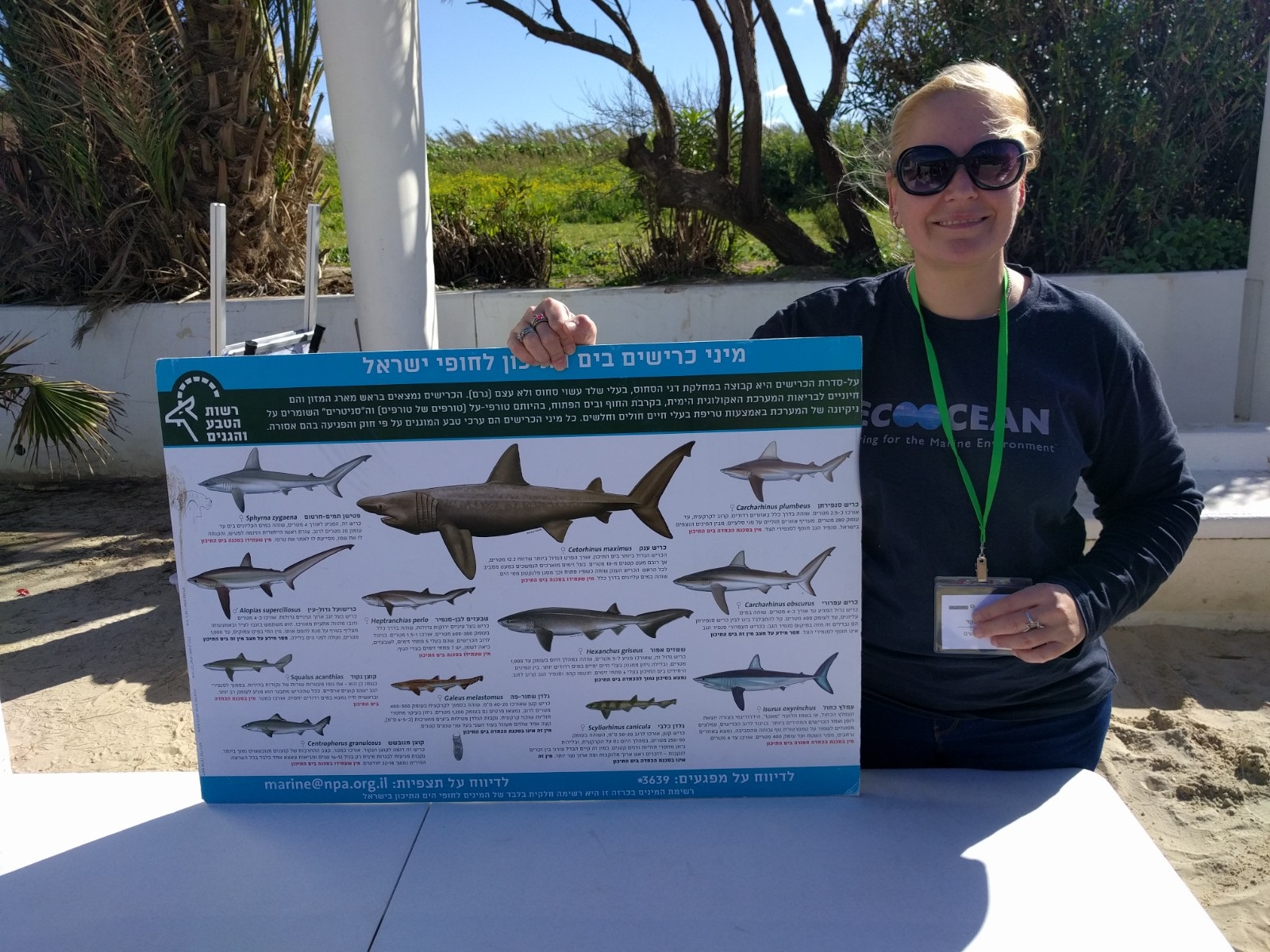
Every Saturday in winter, curious spectators come together near the power plant in Hadera, on Israel’s Mediterranean coast, to witness the gathering of dozens of sharks. The spectacle takes place mainly between December and March, at the junction between the Hadera stream estuary and the OROT RABIN power station.
The reason for the shark’s arrival at the Israeli coastline has yet to be established, but it is certainly a unique phenomenon, as large shark populations are usually found at open sea. Strangely enough, in this case, the sharks gather in a narrow strip of less than half a mile. As part of the research into this fascinating natural event, some of the sharks have been tagged with acoustic transmitters and remote sensors.
The tagged individuals are a couple of four-meter-long female dusky sharks and a few male sandbar sharks, (which are slightly smaller and reach about 2.5 meters in length) both of which are classified as vulnerable species in the Mediterranean Sea and are listed in the red list of IUCN.
Local fishermen have known the phenomenon for a while, but with each year the number of sharks arriving at the beach increases, and their stay is getting longer. In the past, the fishermen would also encounter other shark species, such as Hammerheads, which are much larger, but rarely spotted these days.
A selfie with a shark
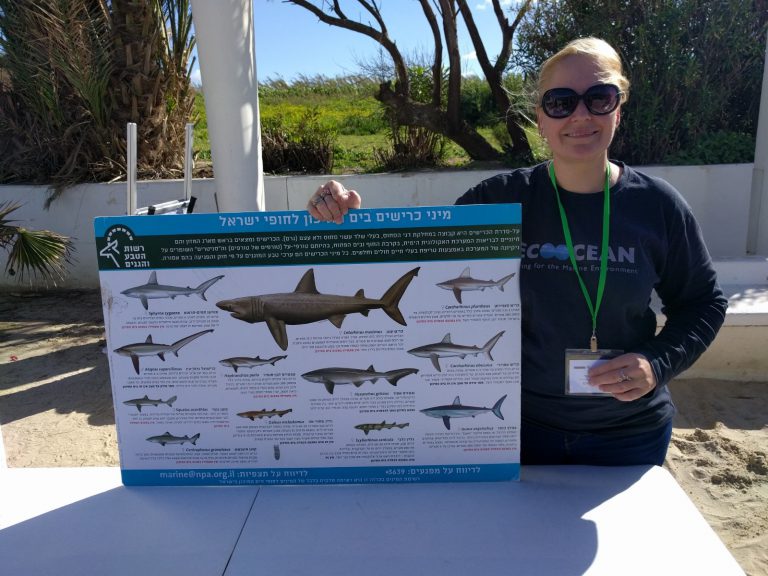
Following the great interest of the public in the shark phenomenon, the Israel Nature and Parks Authority (INPA) together with the non-profit organization EcoOcean, researchers of the Morris Kahn Marine Research Station, the Hadera Municipality and with the support of the Society for the Protection of Nature in Israel (SPNI), have established an information station in the Haderastream, staffed with volunteers from the INPA and EcoOcean.
Photo by Alina Fischman
Besides providing information on the local shark population, the center offers educational activities for both travelers and dive instructors, in order to promote eco-tourism with sharks. Diving clubs in the region are already marketing diving packages alongside the sharks.
But despite all the efforts, researchers believe that the emerging shark tourism might have negative effects. For this very reason, Ziv Zemah Shamir, a doctoral student at the Morris Kahn Marine Research Station, established by the Charney School of Marine Sciences at the University of Haifa, devoted his doctoral thesis to examine the effects of people on sharks.
“In order to test behavioral changes in sharks, we used drone footage, kayak observations, diving surveys, and underwater acoustic devices. Also, we interviewed fishermen, divers, kayakers and beach visitors,” explains Zemah Shamir. “The results of the study show that the presence of divers and vessels affect the shark’s swimming activity, as they are trying to evade – change direction and speed, or conversely express interest in divers, cameras and electronic equipment (sharks have electromagnetic sensing capabilities). This comes at the expense of their hunting and resting time. In short, the sharks invest more energy into being attentive to the commotion around them than in looking for prey and going about their normal lives.”
Zemah Shamir, who spends most of his days alongside the sharks, says that he witnesses some aggressive behavior toward them – and even cases of shark hunting by rogue fishermen. “Two or three years ago, we came across quite a few fishermen who tried to hunt the sharks,” he says. “We are only at the beginning of our study, but we have already seen people trying to touch the sharks and take pictures with them, which does not cause physical damage, but certainly increases the stress level of the sharks.”
It should be noted that the two species of sharks occurring in this area are not aggressive toward humans, but there have been cases of attacks, however, none of which in Israel. “We have also observed incidents, using drone footage, in which sharks were fleeing from quickly approaching jet skis,” continues Zemah Shamir. “The water in this area is very shallow and the sharks have almost no chance to evade.”
”Trash and other debris left behind on the beach, most of it made of plastic, is sometimes washed in the sea, and eaten by various smaller fish, which are later swallowed by bigger fish, and eventually reach the shark’s stomachs,”, he explains. “Sharks are at the top of the marine food chain, therefore harming the lower levels will ultimately also affect the sharks.” Fishing waste (discarded fishing gear; nets, lines, hooks) in the water also has the potential to damage the variety of fish, including sharks. And indeed, sharks were observed with hooks in their mouths.
“They want to see sharks, and they want to see them now”
“Nowadays we often talk about the conflict between the practices of shark fishing and shark tourism. Obviously, we prefer shark tourism, because no sharks are harmed, but also because studies we’ve conducted show that shark tourism is more profitable”, says Zemah Shamir. “But you have to understand that shark tourism also comes at a price, and this price I try to quantify in my work. Evidence already exists, from our studies and from other parts of the world, that shark tourism has adverse effects on things like reproduction and migration.”
“If this phenomenon had taken place at sea, shark tourism could have been easily regulated and controlled,” he adds. “But here, because of its accessibility, people simply drive out to the Hadera stream, walk five minutes and arrive at the site. We also talk to the boat owners, but we have no control over those who come here from the sea. Some do not even have a license for their vessel, and they do not care about anything. They want to see sharks and they want to see them now. ”
Zemah Shamir makes a distinction between guidelines for visitors and for divers: the guidelines for beach travelers are to keep the beach and the sea clean and not to feed the sharks. In the past, he says, they have already encountered people arriving at the beach with whole chickens to feed the sharks.
The guidelines for divers are more detailed and include the scuba diving warnings of the Nature and Parks Authority and the Ministry of Culture and Sport. The reason there is a greater focus on scuba diving regulations stems from the fact that the area has strong currents and vortexes as a result of coastal infrastructure like the Hadera breakwater combined with a hot water influx coming from the power plant as well as desalination plant water.
“We plan to build an observation platform, which will hopefully open sometime this year. Moreover, there will be signs with information and activities for visitors who come to see the sharks,” explains Shira Salingre, of The Nature and Parks Authority. The project is a collaboration between the Society for the Protection of Nature in Israel (SPNI), the director of the Israel Diving Authority of the Ministry of Culture and Sport, Adam Konstantinovsky, the Israel Diving Federation and the “Sharks in Israel” group.
“We also want to ban fishing in the area. To this end, we are trying to work with the fishing authorities,” Salingre says. “As to sailors and divers, we are right now in the process of formulating behavioral codes to make sure we really do not interfere with the sharks to a degree that will harm them.
Although dive warnings have been positioned at the site, the IPA does not oppose diving in the area but instead wants to give divers the proper tools to avoid any disturbances to the animals while maintaining their own safety and interest. “We believe that if the municipality of Hadera decides to issue diving permits for the area, they should do so, having the proper scientific knowledge, which is why we provide them with guidelines,” she adds.
Until the project takes shape, and shark tourism on the site will be more organized, it is important to know that the general public, can do its bit to help protect the sharks by being respectful of the animal’s environment and by following the guidelines.
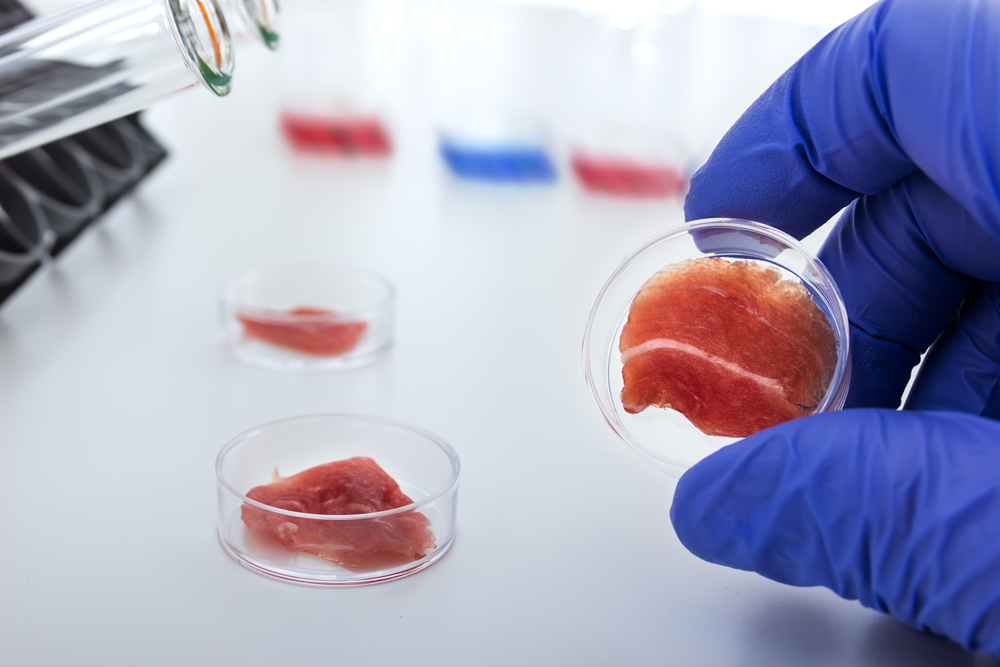
For a while now, Israeli startups and researchers have been among the forerunners in the development of lab-grown meat and meat alternatives. Companies such as Future Meat Technologies, SuperMeat, and Aleph Farms combine cutting-edge technology with innovative new concepts aspiring to transform the future of meat production. Venture capitalists and angel investors within as well as outside of Israel have quickly recognized the economic potential of engineered meat and plant-based substitutes. Last year, Future Meat Technologies and SuperMeat respectively, raised $2.2 million and $3 million in seed funding. In 2017, both companies already struck a $300 million deal with China, over lab-grown meat imports from Israel.
Recently, two Israeli teams were among the 14 winners of a research grant that was awarded by the Good Food Institute (GIF). Each team received $250.000 in funding to support their efforts in plant-based and cell-based meat research.
World’s Vegan Capital
However, it is not just businesses and research that are trying to make a change; Israel as a whole is slowly beginning to cut loose from meat consumption. Tel Aviv is often cited as one of the World’s Vegan Capitals, with a plethora of vegan and vegetarian restaurants serving every possible meat alternative imaginable. In 2015, 8 percent of all Israelis identified as vegans, 5 percent as vegetarians and 13 percent were considering to go either vegan or vegetarian. Nonetheless, despite the clear upward trend of people opting for a meatless diet compared to the years before, for most, meat is still on the menu.
According to OECD data, annual total meat consumption (without poultry) in Israel stands at 19.3 kg per person, ranking the country at number six in the world (Argentina is the country with the highest amount of meat consumed per person, followed by Paraguay, Brazil, the United States, and Australia). Although, if you add poultry, Israel’s meat consumption adds up to an annual 58.6 kg per capita, which puts the country in the first place.
An industry with a long shadow
Since the early 2000s, and especially after the release of the UN’s milestone report “Livestock’s Long Shadow” in 2006, the role of the meat industry in many environmental problems have been well established. Raising livestock emits highly potent greenhouse gases such as carbon dioxide, methane, and nitrogen dioxide, all of which are accelerating global warming. Also, rearing animals for meat production pollutes soil and water sources and produces bacteria resistance due to the excessive use of antibiotics. Moreover, the meat industry contributes significantly to land-use change and deforestation, the practice often used for turning natural forested areas into agricultural land for growing animal feed.
The combination of these factors causes severe damage to biodiversity and the extinction of species, not to mention that clearing forests for livestock reduces the number of trees that could absorb carbon dioxide from the atmosphere, and leads to the release of greenhouse gases (carbon dioxide and methane) from carbon reservoirs in soil and vegetation.
The world’s increasing demand for meat has led to the development of a variety of industrial production, supply, and transportation methods that require, among other things, the use of enormous amounts of energy. While these changes allow the system to satisfy the growing demand for meat, they have made the meat industry one of the primary human-induced drivers of climate change.
Additionally, the suffering of the animals themselves as part of the meat industry, which sometimes includes severe abuse, international transport in adverse conditions, the separation of young calves from their mothers, and more – has raised concerns and public outcries around the world.
Quinoa as foundation for plant-based beef substitute
Now, two Israeli teams are among the winners of a global competition for a $3 million research grant organized by the Good Food Institute (GFI), a non-profit organization that promotes ideas and research on clean meat (also known as cultured meat or cell-based meat) and alternatives to animal protein based on plant sources. The objective is to develop meat substitutes that provide high-quality proteins better for human health, animal welfare, and the environment.
The two winning teams were made up of researchers from various scientific fields. One of the teams was headed by Dr. Ofir Benjamin of the Food Science Department at the Tel-Hai College, in collaboration with Dr. Lior Rabinowitz of the Northern Research and Development Center, and examines the use of quinoa proteins as an optional plant-based substitute for beef. Quinoa is a grain that has its origins in Bolivia and is often referred to as a superfood. It contains essential amino acids (EAA), is rich in fiber and has excellent nutritional values; plus, it is gluten-free.
Due to its resistance to various abiotic pressures (such as water, radiation, temperature, humidity, and soil) quinoa may be grown and thrive in very harsh environmental conditions. “The average yield in the world is between 2.5-3.5 tons per hectare (1 hectare equals ten dunams), and in the past three years, we have conducted experiments aimed at the cultivation of quinoa in the Avnei Eitan farm on the Golan Heights in Israel. We believe that Quinoa may be considered a new sustainable crop of high commercial value in the country.” Dr. Benjamin says.
“As a follow-up experiment, we propose to evaluate quinoa as a raw material for plant-based substitutes to meat due to its natural protein content and rich nutritional value. In the study, we will use varieties with high yields and high protein content and process the seeds through different extraction methods to produce a larger amount of proteins. Regular quinoa seeds have a protein content of roughly 4-15%, and after extracting, the amount goes up to 60-70%. Ultimately, we will want to create the texture, taste, and color that simulate the sensation created when eating meat. It’s an innovative research, and there are only very few other studies dealing with the properties of quinoa as a replacement for meat. Beyond that, finding sustainable substitutes for meat is a crucial undertaking to ensure humanity’s continued existence, reduce our negative impact on the environment and give people the freedom of choice on the matter,” Benjamin concludes.
Building blocks for clean meat
The second team of researchers who received a grant operates under the leadership of Prof. Marcelle Machluf, with Prof. Ayelet Fishman and Dr. Maya Davidovich-Pinhas of the Technion’s Faculty of Biotechnology and Food Engineering. The team is investigating the production of cultured meat – tissues made up of animal cells.
“The problem with the development of cultured meat is that living cells require a lot of energy to survive, it takes them time to develop, and their life span is set,” says Machluf. “Cells of this type in the lab cost a lot of money and take a lot of time to grow. We are trying to make the process more efficient,” she adds.
The researchers in this all-female team are developing an innovative technology infrastructure through a fast and affordable process that will allow the cells to grow in large quantities. If successful, the scientists will be able to produce different types of edible carriers that will serve as a platform for growing the cells. These carriers are partly made of collagen (a very common protein in many animals) and will be cultivated within a protein reactor (a chemical reaction tool), which is another dietary and protein contribution to the meat substitute. “At the end of the process, we will combine the final raw material with ‘fat balls,” which are developed here in the Technion and are a healthy alternative to the fat found in meat. The uniqueness of the research is the focus on the most problematic stage in the development of cultured meat.”
The use of edible carriers replaces the initial cell growth process in laboratory dishes, adding nutritional value to the final product. “Clean meat is considered to be one of the leading solutions to the global food crisis, which offers nutritional values like conventional meat without harming animals or the environment,” says Machluf. “Developing the means to meet the technical challenges facing this pioneering field is crucial.”
$46 billion and climbing
The meat market is estimated to cost the global economy a staggering $1.6 trillion by 2050, partly due to the health implications of meat consumption, which makes revolutionizing the food-sector increasingly urgent.
However, given that processed meat had a market value of $714 billion in 2016, and is expected to rise to over $1.5 trillion by 2022, the alternative industry still has a long way ahead to get anywhere near those numbers. However, according to recent projections the global protein substitute market might already be worth $46 billion, and climbing. By next year, the market is estimated to generate over 6.8 billion in revenue.
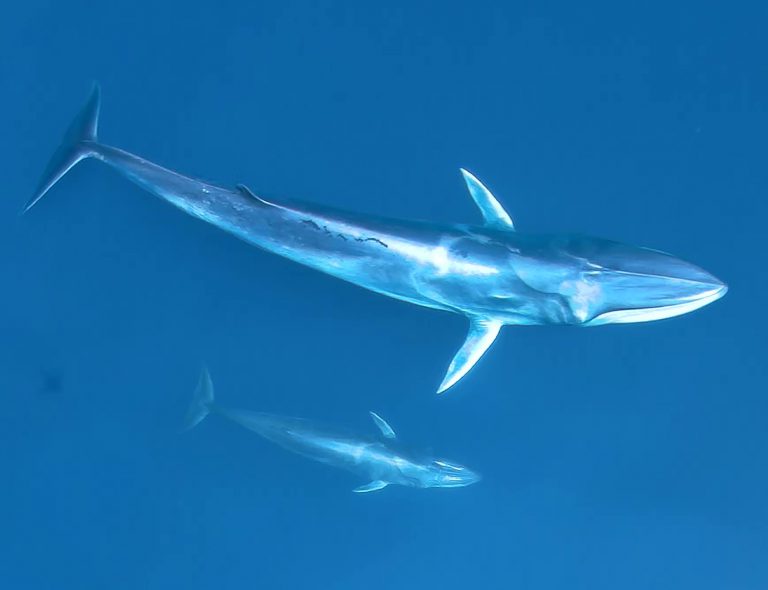
The map on where to find the world’s most newly discovered large whale species is rapidly beginning to be filled in. A new research paper, written by Dr. Salvatore Cerchio of the New England Aquarium and just published in Frontiers in Marine Science, shows that the elusive Omura’s whale has now been spotted in many more tropical and warm temperate waters around the world.
After Dr. Cerchio released the first video ever taken of these slender, 33 to 38 foot long whales in 2015, marine biologists, ecotourists and bloggers from around the world have since reported more than one hundred sightings of what once seemed to be a species of ghost whale. For decades, the only available specimens to be found were the remains obtained from strandings or from Japanese whaling.
In 2013, Cerchio discovered a resident population of Omura’s off the northwest coast of Madagascar. His live images of these sleek whales and his authoritative description of the species opened the eyes of the marine mammal research community to what had often been misidentified or just plain mysterious whales. For decades, they were mistakenly classified as small Bryde’s whales.
When first classified as a species in 2003, Omura’s were only known in three locations – the Sea of Japan, the Solomon Islands east of Papua New Guinea, and the Keeling Islands, west of Indonesia.
From 2003 through 2013, their known range expanded to a few more locations in the eastern Indo-Pacific region. After the release of Dr. Cerchio’s video, the number of documented sightings increased dramatically across the world including the western Indian Ocean, eastern Atlantic off of Africa, western south Atlantic, northwestern Pacific and Oceania. The only major tropical or warm temperate oceanic basins not reporting sightings have been the eastern and central Pacific.
These unevenly colored whales have filtering baleen instead of teeth and come from the whale family called rorquals, which all have long, deep grooves along their throats which can expand dramatically when they feed. Amazing new video of Omura’s shows that feeding process on what is a relatively skinny whale frame. Omura’s are a smaller cousin in the rorqual group that includes the giant blue whales and the acrobatic humpbacks. They frequent coastal waters and appear to primarily feed on krill and zooplankton.
Dr. Cerchio’s new research paper not only starts to fill in the habitat map for the world’s most recently discovered large whale species, but it also documents the overlap of Omura’s range with the threat of human activities such as shipping, fishing and offshore oil and gas exploration.
After showing the world what Omura’s whales look like in 2015, Dr. Cerchio and his team is now showing where they live. The next step is encouraging more intensive study of local populations so as to determine their conservation status and what can be done to protect what remains one of the world’s most mysterious creatures.
BACKGROUND ON DR. CERCHIO: Sal is a marine mammal biologist and a visiting scientist at the Anderson Cabot Center for Ocean Life at the New England Aquarium. He has been studying cetaceans around the world for [more than] 35 years. His most recent geographic focus has been in the Indian Ocean. He has been investigating and assessing the biology and conservation status of Omura’s whales off the northwest coast of Madagascar and also the highly endangered humpback whale population in the Arabian Sea
A comprehensive new report released today by the national advocacy group Food & Water Watch in the United States demonstrates the immense role improved building energy efficiency standards can and must play in any effective climate change policy. The report focuses on what is by far the largest source of energy demand in the country, 40 percent, related to powering buildings – including homes, offices and schools. The analysis finds that a $500 billion investment over 15 years in improving building energy efficiency would net:
$1.3 trillion in savings on consumer utility bills;
1.3 million jobs created annually – 20 percent more than current job creation rates;
a 36 percent decline in building energy use from current projected demand;
300 million metric ton reduction in carbon dioxide emissions from current projections – the equivalent of emissions from nearly 80 coal-fired power plants.
Furthermore, the analysis shows that these efforts would completely eliminate the need to build any new fossil fuel power plants.
“With all the talk about a Green New Deal, one critical piece of any effective climate policy that has largely been left out of the conversation is energy efficiency. Improving building efficiency would net millions of good jobs and trillions of dollars in savings for families – it is the low-hanging fruit in terms of technological feasibility and cost-benefit gain,” said Wenonah Hauter, executive director of Food & Water Watch.
Senator Bernie Sanders (I-Vt.), speaking about the report, said: “Energy efficiency has enormous potential to create millions of jobs, reduce carbon pollution, and save American families money on their energy bills – a real win-win-win. We must immediately come together to take bold action to transform our energy system away from fossil fuels toward energy efficiency and sustainable energy.”
For decades, defense officials have noted the serious threat climate change poses to global stability and U.S. national security. Meanwhile, the Trump administration’s latest budget proposal seeks $750 billion for defense, more than 22 times the annual cost of the energy efficiency plan. Seizing on this, Ms. Hauter continued: “As our military leaders continue to cite climate change as a grave threat to national security, this smart investment in energy efficiency represents a drop in the bucket compared to current annual defense spending. Instead of needlessly building up the world’s largest military, we could be investing in our communities, creating good jobs, ensuring a fair and just transition to a clean energy future, and strengthening national security at the same time.”
Given the nature of the energy efficiency plan, a majority of jobs created would be high-quality construction and manufacturing jobs that can support families and provide for career development. These jobs would be concentrated in areas with the most energy-inefficient buildings — primarily older, draftier buildings in lower-income areas and communities of color. Recruiting and training the workforce from these communities to perform these upgrades would create a vital jobs program for fossil fuel employees and economically disadvantaged communities, and make great strides towards economic equality and a fair, just transition to a clean energy future in America.
Unusual winter rains in Israel give fuel to plants which feed millions of new “painted lady” butterflies
They keep coming, thousands of them, in what appears to be a south-north migration flight. Coming coincidentally on the first day of Spring, this “invasion” of ‘Painted Ladies’ butterflies caught our eyes in southern Netanya, Israel as a totally unnatural phenomenon not usually seen in such large numbers.
Known by their scientific name of danaus chrysippus these medium sized butterflies are usually seen this time of year, but never in such numbers.
The sheer size of the butterfly swarm this year appears to be a very rare phenomenon that has been assisted greatly by an unusually wet winter. The migration movement of the butterflies, also known as the “plain tiger” or “African Queen”, appears to have begun this year on the Arabian Peninsula and will end up far to the north in Europe.
The life-span of these butterflies is only around two weeks; meaning that at least three generations will be needed to reach their final destination. This butterfly migration is a bit different than the annual migration of the North American Monarch butterfly that migrates each year between southern Canada and Mexico. The present influx of Painted Lady butterflies passing through Israel is estimated to be “in the billions” and will continue until mid May.
The wet winter conditions have also been favorable to locations south of Israel; causing a much higher than usual number of butterflies to hatch, according to news reports.This year, the butterfly flights are being reported all over Israel. People wishing to see these beautiful insects will be able to so do for the next six or so weeks.
To see these beautiful butterflies, just go to where a lot of flowers are located, preferably in open spaces, between 9:00 and 12:00 am.
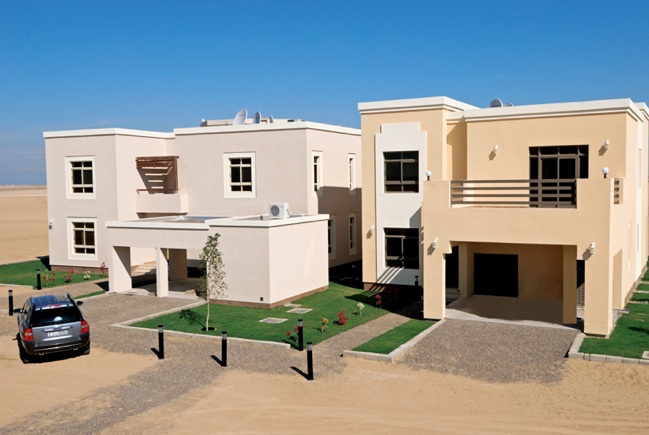
Going green doesn’t come naturally to wealthy villa owners in the Gulf.
An online real estate company listed a seven bedroom villa in Dubai’s neighboring Emirate Abu Dhabi for $95,300 a year, which amounts to nearly $8,000 a month. Anyone who can afford to spend that much money on rent probably has little incentive to turn off the lights in order to conserve energy or shorten their showers, which may explain why the Abu Dhabi Urban Planning Council sometimes has to meet with villa owners six times before they grasp the minimum requirements of the country’s mandatory Estidama green building code.
So it’s hardly surprising that they are perplexed by the Estidama Pearl Rating System that was established in September, 2010 as a mandatory means to reduce the carbon and water footprint of all structures built in Abu Dhabi.
In order to help them find their way, the Abu Dhabi Urban Planning Council has launched an online tool that villa owners on a step-by-step journey through this unknown landscape. Appropriately called the “e-villa configurator,” this platform demonstrates to new builders what techniques can be used to save “precious water” resources, according to The National.
Pampering the un-green
“When users click on a category, they can learn how it will affect their final design and what the environmental benefits will be,” the paper reports.
Despite this serious pampering, people aren’t catching on as quickly as the UPC would like. Only 50% of the 1500 applications for Estidama have been approved since November, 2010, and these aren’t strident requirements. Although Government Buildings are required to achieve at least two out of five pearls, villa owners only have to earn one.
An adviser for Estidama, Edwin Young told the paper that it “once took applicants between four and six attempts to get through the process; now the UPC aims for two.”
The building requirements for villa developers have been simplified; hopefully they’ll get the hang of going green soon.
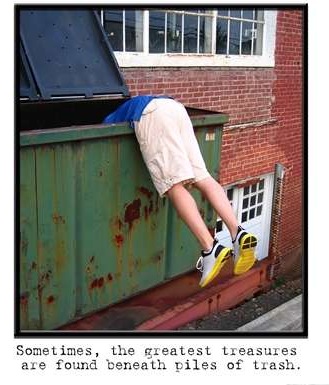
It’s a hassle in New York City where poor residents are dumping house refuse into city garbage bins. In some parts of the city, they have even removed the bins it’s becoming so troublesome.
Artificial intelligence solutions provider SenSen Networks Ltd (ASX: SNS) SenSen has today announced the launch of the world’s first AI-powered smartphone app Gemineye, which offers governments, municipalities and cities worldwide an affordable, highly accurate, cloud-based smart city platform in the palm of their hands to help tackle illegal dumping.
Illegal dumping is a significant issue for local governments, municipalities, cities and our planet. Not only is illegal dumping a threat to the environment, contaminating soil and nearby waterways, but it is also a public health issue and can cost taxpayers millions to prevent, monitor, enforce and clean up. The challenge is, catching dodgy dumpers requires a significant level of investment in time and resources.
In fact, in America, it is costing municipalities, and taxpayers, millions of dollars a year – for example, in Pennsylvania, it costs taxpayers upward of $10 million per year to clean up roadside litter and $600 per ton to clean up an illegal dump site, of which there are thousands in Pennsylvania.
Subhash Challa, CEO at SenSen Networks, believes this new solution is a game changer for governments, cities and municipalities, offering a cost-effective approach to smart city management and removing the barriers to entry.
“Cities worldwide look to provide their citizens with a number of civic services, including ensuring cities are safe and clean to live in. Technology is greatly enhancing the services cities can provide, but the cost of today’s specialist equipment and technology is prohibitively expensive for most cities in the world,” said Dr. Challa.
“We wanted to change that and make these solutions affordable, accessible and reliable to every city all over the globe. Gemineye does that. This breakthrough technology delivers the same intelligence and services at a much lower cost, helping to usher in a new era of smart cities worldwide, and make roads safer, cities smarter and businesses more productive.”
With the technology accessible through a smartphone app, governments and municipalities can significantly reduce capital expenditure and the maintenance costs of expensive smart city infrastructure and analysis solutions, such as illegal dumping monitoring equipment. Labor costs can also be reduced, as the AI technology can notify authorities when a certain situation arises, rather than having to review all the footage manually to identify incidents of interest.
An EYE for Dodgy Dumping
The way the app works is simple. Municipalities or government operators select the service they require through the Gemineye smartphone app. The smartphone will then begin to analyse feeds from its sensors and cameras in real-time, utilising SenSen’s proprietary AI-powered software. SenSen’s highly accurate AI-powered software will then identify activities of people, vehicles of interest and assets of relevance to the city and upload this data to their smart city cloud infrastructure in real-time.
Current approaches use a combination of wildlife photography devices and CCTV cameras to capture activity on illegal dumping. This is expensive, not real time, immobile and requires significant manual effort to go through all motion activated imagery to identify people and vehicles of interest.
Gemineye changes all that. Not only do municipalities get notified in real-time when someone is conducting illegal activity, but it also captures all the information they require to properly enforce compliance with local laws, as well as being highly portable. With illegal dumping costing municipalities tens of millions of dollars each year, Gemineye will not only help prevent this activity but it will also significantly reduce the cost of monitoring, analysis and enforcement.
The possibilities are endless
SenSen will initially launch Gemineye with two core services – parking enforcement and real-time illegal dumping detection. However, Dr. Challa believes the possibilities will be endless.
“The power of Gemineye is enormous for the future. You could have every retailer in the world using the app to track their stores or foot traffic within them. You could have manufacturers using it to advise on new efficiencies. Mining and construction could also use it for health and safety. There are different applications for Gemineye in every city, industry and business in the world,” he said.
“We believe this is going to open up and deliver so many more functions beyond the two services available today. We cannot wait to deliver further enhancements to our customers and give them smart AI-powered analytics in the palm of their hand.”


















 Companies