Health insurance is a regulated financial product. Insurers operate under binding contracts, overseen by state insurance commissioners, that legally obligate them to pay claims meeting policy terms. Policyholders who believe a covered claim was wrongfully denied have legal recourse through state regulatory channels.
The New Zealand Merino Company, now rebranded as Zentera, has quietly removed the phrase “world’s leading ethical wool brand” from its website, a notable change that comes after a disturbing investigation by PETA Asia-Pacific into the company’s ZQ-certified wool supply chain, PETA reports to Green Prophet.
Somehow vegetables with short seasons excite the imagination and appetite more sharply than produce that’s available all year around. Good Middle Eastern cooks have many recipes for delicate fava beans, and this turmeric-fragrant soup is one.
Health insurance is a regulated financial product. Insurers operate under binding contracts, overseen by state insurance commissioners, that legally obligate them to pay claims meeting policy terms. Policyholders who believe a covered claim was wrongfully denied have legal recourse through state regulatory channels.
The New Zealand Merino Company, now rebranded as Zentera, has quietly removed the phrase “world’s leading ethical wool brand” from its website, a notable change that comes after a disturbing investigation by PETA Asia-Pacific into the company’s ZQ-certified wool supply chain, PETA reports to Green Prophet.
Somehow vegetables with short seasons excite the imagination and appetite more sharply than produce that’s available all year around. Good Middle Eastern cooks have many recipes for delicate fava beans, and this turmeric-fragrant soup is one.
Health insurance is a regulated financial product. Insurers operate under binding contracts, overseen by state insurance commissioners, that legally obligate them to pay claims meeting policy terms. Policyholders who believe a covered claim was wrongfully denied have legal recourse through state regulatory channels.
The New Zealand Merino Company, now rebranded as Zentera, has quietly removed the phrase “world’s leading ethical wool brand” from its website, a notable change that comes after a disturbing investigation by PETA Asia-Pacific into the company’s ZQ-certified wool supply chain, PETA reports to Green Prophet.
Somehow vegetables with short seasons excite the imagination and appetite more sharply than produce that’s available all year around. Good Middle Eastern cooks have many recipes for delicate fava beans, and this turmeric-fragrant soup is one.
Health insurance is a regulated financial product. Insurers operate under binding contracts, overseen by state insurance commissioners, that legally obligate them to pay claims meeting policy terms. Policyholders who believe a covered claim was wrongfully denied have legal recourse through state regulatory channels.
The New Zealand Merino Company, now rebranded as Zentera, has quietly removed the phrase “world’s leading ethical wool brand” from its website, a notable change that comes after a disturbing investigation by PETA Asia-Pacific into the company’s ZQ-certified wool supply chain, PETA reports to Green Prophet.
Somehow vegetables with short seasons excite the imagination and appetite more sharply than produce that’s available all year around. Good Middle Eastern cooks have many recipes for delicate fava beans, and this turmeric-fragrant soup is one.
Health insurance is a regulated financial product. Insurers operate under binding contracts, overseen by state insurance commissioners, that legally obligate them to pay claims meeting policy terms. Policyholders who believe a covered claim was wrongfully denied have legal recourse through state regulatory channels.
The New Zealand Merino Company, now rebranded as Zentera, has quietly removed the phrase “world’s leading ethical wool brand” from its website, a notable change that comes after a disturbing investigation by PETA Asia-Pacific into the company’s ZQ-certified wool supply chain, PETA reports to Green Prophet.
Somehow vegetables with short seasons excite the imagination and appetite more sharply than produce that’s available all year around. Good Middle Eastern cooks have many recipes for delicate fava beans, and this turmeric-fragrant soup is one.
Health insurance is a regulated financial product. Insurers operate under binding contracts, overseen by state insurance commissioners, that legally obligate them to pay claims meeting policy terms. Policyholders who believe a covered claim was wrongfully denied have legal recourse through state regulatory channels.
The New Zealand Merino Company, now rebranded as Zentera, has quietly removed the phrase “world’s leading ethical wool brand” from its website, a notable change that comes after a disturbing investigation by PETA Asia-Pacific into the company’s ZQ-certified wool supply chain, PETA reports to Green Prophet.
Somehow vegetables with short seasons excite the imagination and appetite more sharply than produce that’s available all year around. Good Middle Eastern cooks have many recipes for delicate fava beans, and this turmeric-fragrant soup is one.
Health insurance is a regulated financial product. Insurers operate under binding contracts, overseen by state insurance commissioners, that legally obligate them to pay claims meeting policy terms. Policyholders who believe a covered claim was wrongfully denied have legal recourse through state regulatory channels.
The New Zealand Merino Company, now rebranded as Zentera, has quietly removed the phrase “world’s leading ethical wool brand” from its website, a notable change that comes after a disturbing investigation by PETA Asia-Pacific into the company’s ZQ-certified wool supply chain, PETA reports to Green Prophet.
Somehow vegetables with short seasons excite the imagination and appetite more sharply than produce that’s available all year around. Good Middle Eastern cooks have many recipes for delicate fava beans, and this turmeric-fragrant soup is one.
Health insurance is a regulated financial product. Insurers operate under binding contracts, overseen by state insurance commissioners, that legally obligate them to pay claims meeting policy terms. Policyholders who believe a covered claim was wrongfully denied have legal recourse through state regulatory channels.
The New Zealand Merino Company, now rebranded as Zentera, has quietly removed the phrase “world’s leading ethical wool brand” from its website, a notable change that comes after a disturbing investigation by PETA Asia-Pacific into the company’s ZQ-certified wool supply chain, PETA reports to Green Prophet.
Somehow vegetables with short seasons excite the imagination and appetite more sharply than produce that’s available all year around. Good Middle Eastern cooks have many recipes for delicate fava beans, and this turmeric-fragrant soup is one.
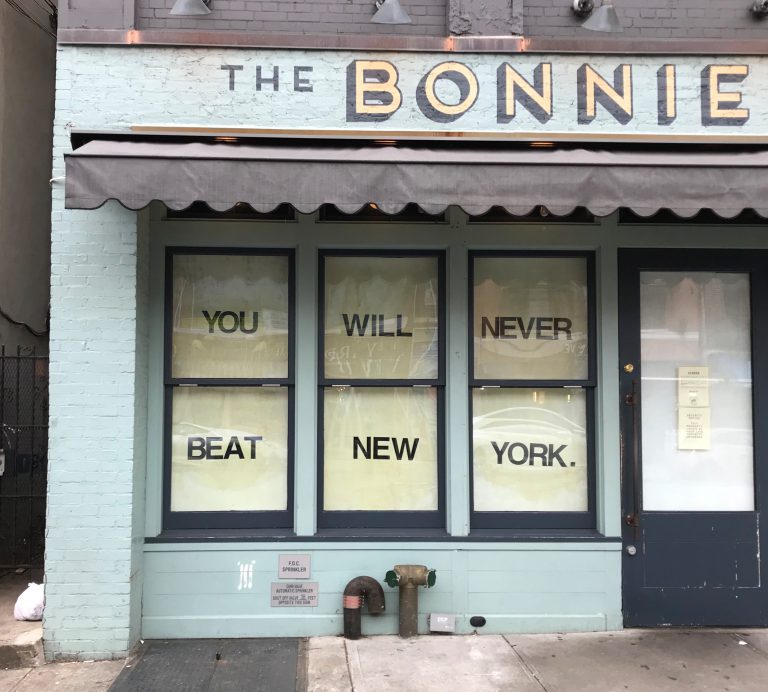
Lightning’s not supposed to strike twice. But here I am. In New York City. America’s Ground Zero for coronavirus. And I thought that surviving an escape from my office on the 82nd floor of the World Trade Center on September 11, 2001 was the last time I would be part of a Ground Zero tribe. And the gods laughed.
I am so fortunate. I’m employed in a now-devastated industry (aviation) – by an “essential” agency which means that – although social distancing means I am working out of office – my paychecks (for now) and healthcare coverage continues. I’m part of the newly defined “1%”. I have a job, a home, and to (cringeworthingly) quote my 89-yr old mother – I have my health. Bubbe was spot on: health is everything.
I walk my old dog in my Astoria neighborhood, passing one hundred shuttered cash-based businesses. I think of the thousands of workers now three weeks without income and I could weep. I can survive closed restaurants and bars, I can forego a Chinese massage. I never did go for a Korean mani/pedi. The worst impact to me is an awfully overgrown hair style now that barbers and salons are all close.
I suspect that if this continues for months – not the weeks broadcast by my President who predicted “a beautiful Easter” – it will be the death of the American middle class (burdened by overwhelming mortgage, credit card, and college tuition debt), and God protect those in the lowest income brackets.
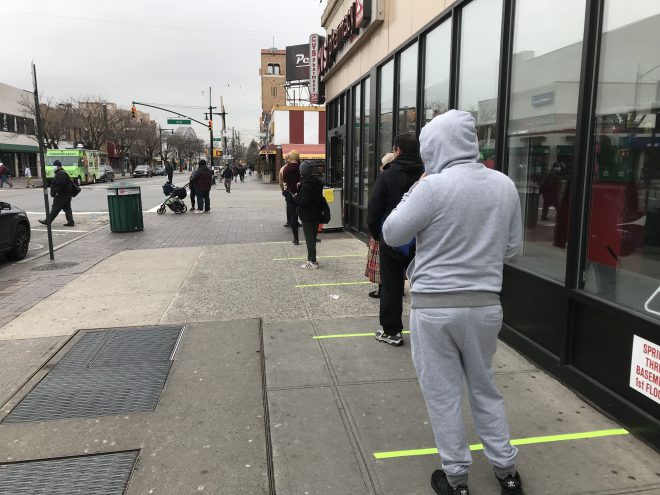
People line up on the lines to buy groceries in New York City
The few open shops – a supermarket and drug store – are restricting customer access – staging entry and controlling 6 feet gaps in each queue. Purchase of items is also restricted – one dozen eggs, one carton of milk.
Many disregard the Center for Disease Control recommendations – I see a gang of 8 men playing basketball at a local park, and the old men who previously sat outside our Greek coffee shops still convene with cigars and newspapers, enjoying (thanks climate-change) good weather just as they’ve done for years before.
The lucky ones – older professionals in my demographic – have an option to retreat the vacant city for our vacation homes – in my case a seaside home that used to take 3 hours to drive to in congested metro traffic. Yesterday I made the trip in 90 minutes., on a desolate New Jersey highway made famous by Simon and Garfunkel.
No cars on the New Jersey Turnpike
There’s no “counting the cars” on today’s New Jersey Turnpike. I suspect everyone’s “gone to look for America”. We ponder what this means for the November presidential election.
But these summer communities are not prepared to handle summer peak populations in off season, stressing police, fire protection, and hospital resources.
This post is a simple meandering of thoughts from New York. Tell us what you are experiencing in your own zip code. Wishing all good health. Please be safe, be kind to your neighbors, unplug from the news, and try to find something each day to make you laugh.
We all know that cannabis products may be a greener way to mitigate pain and health problems. But what dosage and when?
The CBD compound is currently the trendiest product that is positioned as a beneficial remedy for most physical and mental diseases and disorders. Scientific studies and numerous stories from CBD users tell about CBD as a cure-all component, which encourages more people to pay attention to CBD. However, when it came to your trial, there wasn’t any miracle? You can check out some of the leading platforms like www.cbdarmour.co.uk where you will get to know how CBD has helped others. Check out the following possible reasons why CBD product doesn’t work for you before you decide to give up on CBD treatment.
Poor Quality Product
Considering the growing popularity of CBD, it seems like it is everywhere – from online brands to shelves of over-the-counter shops. The unfortunate truth is that some dishonest companies aren’t selling products that are claimed on their website or in stores. Concerning CBD, there is little to no federal regulations, and some companies take full advantage of this situation and add anything in a bottle and label it as “organic CBD”.
The best way to avoid fake products is to buy from sellers and companies that provide transparency. Next time you are planning to purchase a new CBD infused product, use these simple tips to make sure the product is high quality:
Certificate of analysis. Search for evidence of third-party laboratories results. Lab testing can confirm the validity of offered products and show how much CBD is in the composition;
False statements. Refrain from brands that claim to cure, prevent, treat or diagnose any disorders by using their products. Although CBD is a useful compound that has helped many people with various ailments, there is still not enough evidence to make such loud statements;
Reputable source. Opt for brands with a professional and ethical approach to their business. Research history of a company, reviews, and its reputation on the market to make well-informed buying decisions.
Wrong Dosage
The correct dosage of CBD often causes a lot of confusion. Some people can be more sensitive to CBD and would notice the first positive effects almost immediately after intake and even from a lower dose. Starting with a lower possible dosage and building up gradually is a great method to understand how much CBD is needed to achieve your goals.
However, if you are subjected to chronic or severe disease, consider consuming a higher dose. Different health conditions require different amounts of CBD, including bodyweight, CBD concentration and individual metabolism that impact the CBD dose.
Also, make sure to consult your doctor to determine the right amount of CBD considering your medical state and severity of the existing ailment.
Interaction With Prescribed Medications
CBD is usually a well-tolerated compound with a high safety profile. However, in the case of simultaneous intake, CBD can interact with specific medicaments and cause adverse effects or diminish the effects of either CBD or other medications.
CBD infused products can interfere with blood-thinning and chemotherapy drugs, sedatives, anti-seizure medications, and certain allergy medications.
Therefore, you should visit a physician or healthcare provider before using CBD if you are currently taking any prescription medication.
CBD Type
You might have seen CBD products like CBD isolates, broad-spectrum, and full spectrum goods on the market. A CBD isolate is a purified product that includes only CBD substance without other compounds naturally occurring in a hemp plant. Full-spectrum CBD products retain all cannabinoids from cannabis plants with small concentrations of the THC compound while broad-spectrum goods contain the same components but without THC.
Some people can choose a CBD isolate with peace of mind that there is no THC in the composition. However, sometimes taking pure CBD won’t be enough to relieve the chronic conditions and receive a broad range of effects. Therapeutic benefits of the whole plant are higher than using only its parts due to the entourage effect of cannabinoids.
Improper Method Of Intake
Variety of CBD forms and product types offer different methods of using CBD infused products such as ingestion, sublingual, inhalation, topically, and even as an addition to food and beverages. Each way and product provides various onset times and influences how much CBD and additional components end up in your organism to achieve the needed results.
If you choose CBD edibles, they have to go through the digestive system before hitting the bloodstream, which decreases the amount of received beneficial effects. On the other hand, if you use oil sublingually (under the tongue), this method helps to improve bioavailability and deliver CBD right into your bloodstream for fast-acting effects.
Try to experiment with the available methods of consumption to find a suitable one to relieve acute symptoms and fulfil your needs.
Unrealistic Expectations
Several CBD users believe that cannabidiol will cure all disorders and diseases. No doubt, CBD is an effective remedy with a vast amount of advantages and healing properties. It can help to manage various symptoms, including pain, anxiety, depression, inflammation, and others. However, CBD isn’t the key that can fit all the locks, and it won’t offer all the benefits you have imagined.
Severe Medical Condition
In case you have an undiagnosed medical condition or an unknown illness that CBD can’t help, such remedy isn’t a solution.
Also, these problems can get worse if you don’t take the proper medications or receive the right treatments for the illness, which is recommended by a doctor.
Giving Up Too Early
Being tolerant and consistent over time of CBD treatment is key to a full experience of the positive effects and effective relief from various diseases as well as managing chronic symptoms.
CBD works by interacting with the cannabinoid receptors of the body’s endocannabinoid system, which is responsible for essential functions and helping the organism to reach homeostasis. That’s why it can take some time, patience and consistency for the body to respond and for you to notice first improvements.
Conclusion
CBD doesn’t work for everyone equally and can’t help with every issue, yet it can be helpful in many cases. It might take some time for CBD to activate and for you to find the ideal dose.
Being tolerant and consistent over the whole time of CBD treatment can help to experience all the positive effects and receive needed relief from various diseases and chronic conditions.
With the right dosages, suitable methods of intake, preliminary doctor visit and several days, or weeks of using CBD, you are more likely to notice a difference in your system. Many medicaments work this way, and you don’t need to rush and give up on CBD after one use.
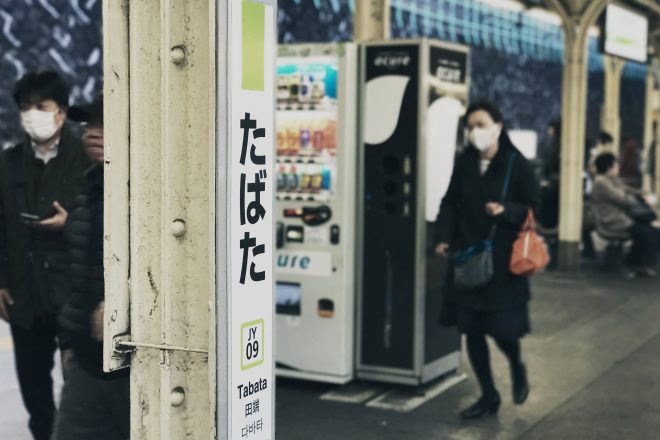
Can we safely move through airports and subways in corona times?
The coronavirus is spreading at a really alarming rate. There is no sign that this will stop, even if in many Asian countries the spread did slow down. Due to the current pandemic, many governments started to restrict travel. This is a normal way to tackle a pandemic but few people understand why this is the case. In order to highlight the reasons, we should talk about how risky it is to use public transportation in the current coronavirus setting.
Busses And Trains
The most common way for the virus to spread is when a person that is infected is coughing. This is when small droplets that are packed with virus content reach the air. People around the infected person breathe these in or infections happen as someone touches surfaces that the droplets landed on. Then, when the face is touched without washing one’s hand, infection appears.
The official government advice is to stay away from people, at a distance of at least 2 meters. This is why using trains and busses is very tricky. If these public transportation methods are crowded, it is practically impossible to maintain this distance.
When you travel on a bus or train that is quite empty, risks are much lower. However, factors like ventilation and the time spent on the train/bus do play an extra role. Train operating companies now run reduced services. These are offered for those that need to travel. Surfaces are more often cleaned and carriages are often checked.
Major bus operators also respond by cutting back service frequency. Better cleaning is also implemented and only those that need to travel by bus should actually use it. In London alone, over 40 tube stations were closed. This will keep growing if the pandemic continues.
Generally speaking, whenever possible, do all you can to avoid the peak transportation hours if you absolutely need to take the bus or the train.
Planes
With air travel, the biggest concern when the outbreak first appeared is that it can transport infected people from one country to another. As a result, most airlines actually suspended, rescheduled or consolidated flights. There are even airports that were shut.
Flightright, a company responsible for gaining flight cancellation compensation in value of over 300 million EUROs till now, has carefully monitored the situation. While cancelled flight compensation keeps growing due to the fact that air travel is delayed or cancelled, what is very important is to focus on health. Remember that flight cancellations only affect your wallet and there are firms like Flightright that help. Dealing with the coronavirus is much more difficult.
Flightright gives you access to the possibility of getting compensation for flights that were delayed even up to 6 years in the past. The coronavirus is not the only reason why flights are delayed or cancelled. If you had problems with any type of flight delay or cancellation, Flightright should be contacted to see what type of compensation can be obtained.
Recently, we saw the UK government advising people to always avoid non-essential travel to another country. Residents were also encouraged to get back to the country as soon as it is possible.
In the event that you absolutely need to fly, there is this belief that there is a very high possibility to be infected since you breathe “stale” air. In reality, the air that is present on a plane is of a higher quality than what you find in the average business office. It is definitely a whole lot better than on a bus or on a train.
The big problem with air travel is that there are more people standing in a smaller square feet area. This is especially the case when planes are busy. This fact increases the risk. However, the air is changed faster. This means that you are much more likely to avoid being infected if you just avoid contact with other passengers. Although it might seem illogical to some, plane travel is safer than regular public transportation methods.
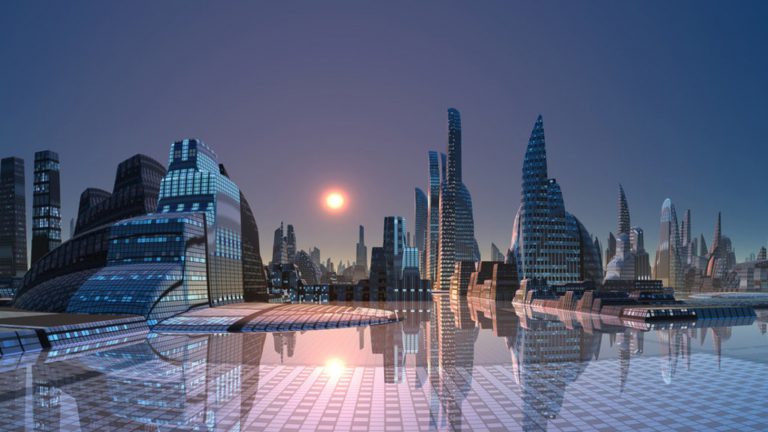
A rendering of Neom, an intentional futuristic city breaking ground on the Red Sea of Saudi Arabia. Where robots outnumber people. A $500 Billion desert dream, funded by oil money.
Slick videos, fake moons, glow in the dark sand, and fake rain. Neom? Nightmare or a futuristic green fantasy? PR stunt or a serious step in building a new Middle East green city? We’ve already read that Saudi Arabia wants to be the new Ibiza and that reform is happening there at breakneck speed.
Even in the midst of corona we saw an advertisement that Saudi Arabia is looking for a PR firm to handle Neom. This is a new conceptual mega city from your futuristic dreams or nightmares, that is promised to be run on renewable energy and built on LEED standards. See Masdar in the United Arab Emirates to see how that thinking worked. Could Neom be different?
Located deep in the Saudi Arabian desert, overlooking the Red Sea, the city of Neom is starting to take shape. Saudi Arabia is building a futuristic mega-city, 33 times the size of New York about 10,000 square miles, from scratch. Neom, which means “new future”, sets out to create a new model for sustainable living, based on advanced technology. What exactly does Neom promise? And will those promises become reality?
Neom is a portmanteau of the Greek word neos, meaning “new,” and mustaqbal, the Arabic word for “future.”
Cloud seeding, fake rain and what’s wrong with the real moon?
Neom has gained media attention with daring project proposals that speak to the imagination. The city is meant to use cloud seeding technology to create artificial rain and be illuminated by a giant artificial moon. It is to include an attraction park with robotic dinosaurs and a coastline with glow-in-the-dark sand on its beaches. According to Saudi officials, holographic teachers will teach classes and people will go about in flying taxis.
Location for proposed Neom City, on the Red Sea.
But Neom is setting out to be more than just a set of novelty attractions. Neom is to include towns and cities, ports and enterprise zones, research centers, sports and entertainment venues, and tourist destinations. It describes itself as a home and workplace for people who want to dream big and be part of building a new sustainable future. According to the official website, the city is to serve as a living laboratory where entrepreneurship and innovation shape the course of the future.
A circular system meant for 200 years in the future?
To build that future, Neom targets a wide range of sectors. The city aims to rely 100% on renewable energy, create a zero waste and fully circular system for water management, and transform traditional food systems. It wants to use biotechnology and genetics to create a next-generation healthcare system. It envisions an environment where the gap between humans and machines blends, robots come to life, and artificial intelligence and the internet of things shape the world.
All this should turn it into the most advanced and livable urban environment in the world. Considering that Masdar had massive green ambitions and practically no one lives there, it might be hard to bridge the divide between what might sound like a great idea and what human beings actually want in their souls – like gardening, Slow Food, back to nature.
Neom is the brainchild of crown prince Mohammed Bin Salman (who else?) who is considered the de facto ruler of Saudi Arabia. The project is part of a broader plan, named Vision 2030, that aims to grow and diversify Saudi Arabia’s economy, reducing dependency on oil revenues, promoting private sector growth, and supporting entrepreneurship. It is to be a cross-over between Silicon Valley, Dubai and Seychelles, positioning Saudi Arabia as a global hub for technology, entertainment, and tourism.
While located within Saudi Arabia’s borders, the project has an international scope. The city is targeted to house more than a million international citizens and attract creators and innovators from around the world. The Saudi Public Investment Fund (PIF) has pledged $500 million dollars, but this is not enough to complete the project. For the rest of the funding, Saudi officials are looking for foreign investors.
The city is scheduled to be ready in 2025 and the first phase of the project should be finished this year. Work has started on Neom Bay, a residential area and tourist destination. Saudi Arabia has launched a new e-visa, opening its doors to foreigners of 49 nationalities. The government has also launched initiatives to create a buzz around the project, hosting international media, business executives and social influencers to the site, and organizing a three-day music festival. A series of political events have, however, cast a shade on the project.
Some of the features of Neom leaked from a Wall Street Journal report:
Cloud seeding: The planned site for Neom sits on the coast and is surrounded by desert where there is virtually no rainfall or very sparsely. Cloud seeding could be used to make it rain.
Dystopian surveillance:Facial recognition, drones, cameras everywhere. The aim is only to keep citizens safe. Hmm.
Genetic-engineering: Neom would host a genetic-modification project of some sorts. The WSJ quotes plans from Japanese tech giant Softbank to create “a new way of life from birth to death reaching genetic mutations to increase human strength and IQ.” Um.
Robots everywhere: Robot “maids” would do your chores for you; robot cage fights would be staged for your amusement (like are we in the 5th century?); and an amusement park full of robot dinosaurs.
Flying taxis: “I don’t want any roads or pavements. We are going to have flying cars in 2030!” said Prince Fahd bin Sultan, the region’s governor, in a planning meeting. Another planning document reportedly read: “Driving is just for fun, no longer for transportation.”
Fake moon: Details are unclear in what is already an incredibly hazy report, but apparently there have been proposals for a fake moon, which could perhaps be created by a fleet of drones or involve live-streaming images from space.
Within the past years, Saudi Arabia has undergone progressive social reforms, among others to improve the social status of women. But during the same period, Mohammed Bin Salman has cracked down hard on his opponents. Analysts claim opponents have been detained to tighten his control over the kingdom. The Saudi government and crown prince have also been linked to the assassination of Washington Post Journalist Jamal Khashoggi, although they deny the allegations.
Investors take note
Although Neom ensures it will be regulated by a legal system compatible with international norms, political issues and Saudi Arabia’s religious-based justice system are potential red flags to foreign investors. Critics claim the project is a personal enrichment project of Mohammed Bin Salman and a means to cover up his crackdowns.
According to them, the project is a PR stunt to create positive press and put a liberal mask on Saudi Arabia’s face.
On a more fundamental note, it remains to be seen whether Neom will be everything it promises to be. A new kind of society, where people live sustainably and prosperously, in harmony with nature, sounds like a dream to many. The world needs technological innovations to lead the way towards sustainable solutions. Neom has the potential to create that. But a world ruled by biotechnology, artificial intelligence, and the internet of thing could also quickly spiral out of control, into the opposite of a dream: a dystopian society. Only time will tell.
Is Neom real or is it a publicity stunt? Will the Saudi government be able to attract foreign investors to fund the project and make it happen? If they do, will it live up to the sky-high expectations? Will the megacity become the hotspot it wants to be or will it remain an empty bubble in the desert? And if the project really takes off, what will be the outcome of this ambitious but controversial experiment? The world is watching.
Meanwhile, make judgement for yourself. The company has produced a series of slick videos using blond Australians, hulky Germans and pro tennis players to try and make Saudi Arabia look like the new Berlin. Great cities emerge from history, culture and art. Not a pile of money and PR stunts. Time will tell how this will play out.
With so many places to travel in Sinai, Egypt: Aqaba, Jordan, and Eilat, Israel already, I think the Red Sea is better left alone. Of course Saudi Arabia should have its center too, but maybe something a lot more modest. And what ever happened to Saudi’s eco park Musma Park which was announced in 2010? Seems like nothing.
Everything in energy – from optimizing charging stations at EV networks to optimizing the grid – works by software. How do we make it better for renewables?
There are several steps for backend developers to implement a reliable containerization strategy. Many modern software development teams are taking advantage of container technology in order to guarantee enhanced storage security and accelerated application delivery. Even with various containerized networks available, there are several steps to take before you can launch a reliable strategy. Taking the proper steps ensures that your system and development team is prepared for the integration of container application technology. If you are interested in a unique development strategy for your software pipeline, read on to learn about the essential steps to implement a containerization strategy.
Assess The Readiness Of Your Platform
Before you can implement an effective containerization strategies, you need to first assess the readiness of your platform. In order to operate reliable containerized application, you need a reliable, enterprise-grade platform. Address the various architectural requirements of your platform. You need to assess factors like network infrastructure, web hosting and proper networking. At the same time, you need to be certain of sufficient storage, logging, and monitoring functions within your current platform. Once this set of platform needs is met, you can be certain that your platform is ready for an effective containerized strategy.
Purchase An Artifactory Registry
In order to implement an effective containerization strategy, you need to integrate an artifactory registry. Registries are essential tools for software development teams practicing containerization. They serve as image repositories to hold your various snapshots. Most registries integrate repositories directly from reputable container platforms like Docker. By using a Docker registry, you can also take advantage of registries as a storage driver. With this in place, development teams can effectively configure backend storage for their Docker Trusted Registry (DTR). Even better, your DTR can be accessed on-premises or cloud-based. At the same time, it can be used utilizing a virtual or physical system. With this, development teams can effectively take advantage of advanced customizable configuration for their container strategy. Be certain to purchase an artifactory registry in order to implement your containerization strategy.
Plan Your Pipeline
One of the most critical steps throughout development of your containerization strategy is to plan your pipeline. Before you begin storing repositories within applications, you need to first be certain how containers will improve your software development pipeline. Your software pipeline consists of all the steps required to plan, develop, deploy, and maintain a specific project. One of the best ways development teams can manage their pipeline is by integrating an end-to-end containerized technology. These integrative technologies provide an automate, secure, and unified application delivery pipeline to help developers plan their process. Plan your software development pipeline in order to effectively implement your containerization strategy.
Ensure Proper Security
Before you implement and begin developing software utilizing a container strategy, you need to ensure proper security of your system. You need sufficient security to minimize digital risks. Security needs to be prioritized throughout your container application lifecycle. Whether it be the planning, development, deployment, or monitoring phase of software development projects, the containerized environment must remain protected, private, and secure. The best container platforms are already incredibly secure. However, for development teams handling sensitive repositories, it is often advantageous to invest in additional security products. When properly integrated with containerized applications, these products can assist with behavior monitoring, whitelisting, as well as anomaly detection. Before you can deploy your containerized strategy, be certain to ensure proper security of your overall platform.
Orchestrate Layers
One of the key steps to implement your containerization strategy is to orchestrate your layers. Container deployments key functionality is directly derived from scheduling and orchestrating layers. Orchestration layers are tasked with keeping containers running in the preferred state, managing service level agreements, and interfacing with the application itself. These layers then prescribe a strict set of requirements for how to arrange various layers once scheduled. When layers are scheduled, the most reliable hosts are organized in a cluster. Be sure to orchestrate layers throughout development of your containerization strategy.
There are several steps developers must take before implementing their containerization strategy. Containerization makes it simpler and safer to store repositories of web design code. First, you need to assess the readiness of your platform. Then, integrate a reputable artifactory registry. Following this, you need to plan your software delivery pipeline. Then, consider a testing measure to ensure proper security of your platform. Finally, you can begin orchestrating the layers of your containerized applications. Consider the points mentioned above to learn about the essential steps to implement a containerization strategy.
Karin Kloosterman holding an egg from the family’s backyard coop, later shut down by town ordinances.
If you know me, you know that I love raising my chickens. That’s me above. And I will tell you everything I know. I grew up with a chicken coop, I come from a long line of egg farmers in Holland, and we’ve had our chickens here in Jaffa for about 7 years. Maybe more. Raising chickens is not intuitive. It’s not something you will know how to do right unless you have a coach or some experience.
But since COVID-19 or corona struck there has been a race in countries like the US (where people have backyards) to raise chickens. One American university says don’t do it. But start a Victory Garden instead. Or downsize and build a sweet A Frame cabin the woods. Forage, mushroom pick.
We have a cabin in the woods in Canada. We try and go there every year for One Month Wild. It’s reset time, like the time of corona.
“A global pandemic is not the optimal time to start raising chickens,”says Marisa Erasmus, an assistant professor of animal sciences at Purdue University.
Food security and sustainability is increasingly on people’s minds as government leaders issue stay-at-home orders and grocery stores are frequently low on staples. Recent popular press reports have said that anxiety around the food supply may be causing an uptick in the US of people ordering chicks so they might have a reliable supply of eggs.
Many people jump into this undertaking blindly, not considering certain factors before placing that order for live chicks, Erasmus said.
“If you’re thinking of buying chicks, do your work ahead of time,” she continued. “Make sure you know what you’re getting yourself into. These animals are going to grow up and have very specific needs. They are reliant on us to provide for them and we have to be sure we can do that.”
Chicks take roughly 5-6 months to mature, at which time they will start producing eggs.
Chickens, while housed outside, need shelter from the elements, whether in the form of a hoop structure, a shed or a coop. The structure must be dry with good air circulation and adequate flooring to maintain the health of the flock. As chickens grow, they will need increasingly more space, roughly 2 square feet per bird.
Other amenities like perches, where the chickens rest, and fencing to keep out wild animals are all necessary to raise healthy birds.
At some point, birds will become injured or ill. Those rearing chickens need to have a plan in place to deal with this eventuality and need to be able to recognize signs of disease and deterioration.
Chickens require specific feed based on their age and whether or not they are laying eggs. “They can eat some scraps but they do have specific nutritional requirements, which require supplemental feed to be met,” Erasmus said.
Erasmus also recommends those considering chickens acquaint themselves with local ordinances, which many towns and counties have, regarding the rearing of poultry. In some places it is forbidden while other areas may allow it under certain conditions or require shelter specifications.
Victory Garden Instead?
Those hesitant about investing the time, energy and financial resources required to raise chickens should consider other ways to become more self-sustaining, from starting a vegetable garden to composting. Download our Victory Garden Handbook here. Rearing animals unprepared threatens their quality of life and ability to be productive, Erasmus said.
“Poultry, including chickens, sometimes have the reputation of being ‘bird-brained’,” Erasmus said. “But anyone who has experience raising chickens will tell you they are intelligent and complex creatures who have the capacity to experience suffering and contentment.”
Farmer Vernon Hugh Bowman took Monsanto to court and lost. Mergers between companies like Dow-Dupant, Monsanto-Bayer are frightening to market transparency and democracy, and to stakeholders like farmers.
Today, the American Federal Trade Commission (FTC) and US Department of Justice (DOJ) resumed a policy to cut certain merger review processes in response to COVID-19.
Normally companies that are looking to merge have to notify FTC and DOJ ahead of time about mergers that reach certain thresholds. The agencies have 30 days to review and authorize requests or ask for additional information that requires a second waiting period.
FTC and DOJ typically have the ability to end the initial waiting period early without a second request, but in light of coronavirus, early termination was halted. Today’s announcement removes that safeguard and allows expedited mega-mergers to resume.
In response, Amanda Starbuck, Senior Researcher and Food Policy Analyst of Food & Water Action, issued the following statement:
“In a time when Americans are more vulnerable than ever, it is outrageous that our protective agencies are backpedaling on… protections. Early termination of merger requests was halted for a reason. Megamergers threaten the livelihood of small farmers, rural communities, and the health of consumers and the environment. Right now all four of those are debilitated by the coronavirus pandemic.
“Our government should be blocking corporate agricultural consolidation entirely, not fast-tracking megamerger requests. Lax antitrust enforcement has already hindered family farmers and ranchers by reducing competition in supply and demand industries.
“Before coronavirus, we already saw declining farm incomes, stagnant wages and increased layoffs for workers, higher grocery prices and fewer choices for consumers, the erosion of rural economic vitality and a less resilient food system overall. Now we’re seeing all of that culminate as our food systems implode in the face of a pandemic.
“To prioritize public health and safety during this crisis, our elected officials must immediately halt corporate agricultural mergers for the duration of the crisis, and support a longer-term merger moratorium with legislation like the Food and Agribusiness Merger Moratorium and Antitrust Review Act of 2019, introduced by Sen. Booker and Rep. Pocan.
Every square meter of flooring should be healthy and ecologically sound. This is how you do it.
Switching to an eco-friendly lifestyle doesn’t have to involve a complete overhaul. The way to do it is by making one small change at a time. If you’re struggling to figure out where to start, here are some simple alternatives you can do for a more eco-friendly home.
1. Reusable water bottle
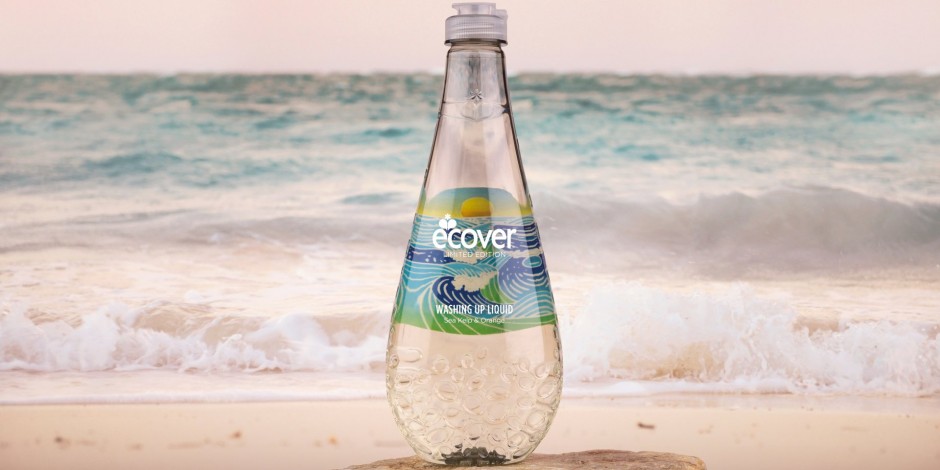
Ditch the plastic water bottle and opt to use a reusable one instead. Use it in your home and wherever you go. It takes some time to adjust to carrying a water bottle everywhere but you’ll find that it’s cheaper and more convenient. Most places offer free refills on water and you never have to struggle finding a store that sells bottled water if you’re thirsty. Or for your home, try the clay purifier above. It’s an ancient idea.
2. Reusable coffee cup
If you’re an on-the-go type of person, you may prefer to pick up your daily cup-of-joe at the coffee shop. Consider switching to a reusable coffee cup. Yes, it’s an additional thing to carry in your bag but most reusable coffee cups are collapsible thus saving you space! You might even save money as some cafes offer discounts to customers who bring their own cups.
3. Reusable beauty products
Tampons and napkins add up to a lot of waste in landfills. You can make the eco-friendly switch by using a cup or reusable pad instead. They’re a one-time investment that will last you for many years.
Another beauty item you can replace is the make-up remover. Instead of cotton buds of wipes, you can use reusable cotton pads instead. They’re inexpensive and are made with natural materials that don’t harm your skin.
Shampoo bars are also becoming a big hit in the zero-waste industry. After you’ve used up all the shampoo in your home, make the switch to shampoo bars. They don’t contain parabens or require those bulky plastic bottles and they last longer too!
4. Reusable bags
Always have one ready in your bag in case you need to make a quick trip to the grocery store.
You don’t have to buy those trendy canvas bags in order to make shopping greener. Simply dig up old bags that you don’t use anymore and carry those whenever you go out to shop.
Have some reusable produce bags ready as well. That way, you don’t need to use plastic to separate fruits and vegetables that you buy. For this, you can use old clothes that you don’t wear anymore and sew them to make produce bags.
5. Eco-friendly sleep
We spend a third of our lives in bed. It makes sense then to invest in mattresses, pillows, and beddings that are comfortable to sleep in. The problem is that these items need to be replaced every few years, after which they end up getting thrown in landfills, taking as long as 80 to 120 years to decompose. A way to make this part of your life more sustainable is by investing in sleep products that are made with natural materials.
You can start with small ticket items such as eco-friendly pillows and beddings. Then once it’s time to replace your mattress, go ahead and invest in an eco-friendly mattress for better sleep. These items are mostly made with earth-friendly materials that don’t harm the environment. Best of all, they’re non-toxic.
6. Natural cleaners
You don’t need every type of harsh cleaner for specific items in your home. You only need baking soda, vinegar, dish soap or castile soap, hydrogen peroxide, and lemons to have a clean home. There are several combinations of these ingredients that make the perfect solution for cleaning every nook and cranny.
7. Use what you already have
Some sustainable options are not always necessary. For example, you can use some old items in your home instead of those new eco-friendly alternatives being marketed to you. Sure, bamboo brushes and metal straws are certainly more sustainable but if you still have a well-functioning one in your home, refrain from buying until you really need to replace it.
Which of these eco friendly swaps are you excited to try? Share your thoughts in the comments below.
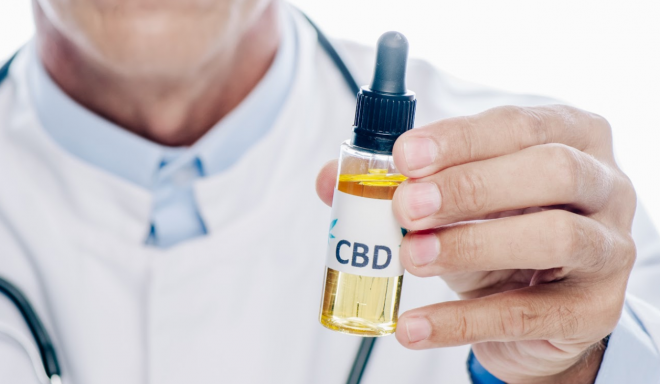
CBD oil is the liquid form of CBD, which is extracted from the cannabis plant and diluted with a carrier oil like hemp seed oil. At present, it is gaining momentum in the healthcare industry because of its health benefits. However, it is important to note that CBD may only help manage various symptoms like pain. It is not a cure for many diseases as most people claim.
But, does CBD oil actually help? Well, there are studies that show how helpful CBD is when it comes to the treatment of epilepsy, inflammation, anxiety, nausea, vomiting, and schizophrenia. If you are planning to use CBD products fromhttp://cheefbotanicals.com/, below are the potential and science-backed benefits of CBD:
Can CBD Oil Help You With Depression and Anxiety?
In areport, many people experience mental health challenges in a year and some deal with a mental health condition throughout their lifetime. With millions of people living with anxiety and depression, it is not surprising that most of them turn away from debilitating and expensive pharmaceutical products to find an alternative natural solution. Some of the side effects of pharmaceuticals include insomnia, drowsiness, headaches, agitation, and sexual dysfunction. Common medications like benzodiazepine are also very addictive, which introduce users to a new set of worries.
In astudy, it was found thatquality CBD oil can reduce anxiety and other symptoms associated with depression. CBD oil, once used in the right dosage, can calm and relax those who are suffering from some mental health conditions. Some researchers even suggest that CBD oil can be effective in treating Post-Traumatic Stress Disorder or PTSD, panic disorder, and obsessive-compulsive.
Can CBD Oil Help You With Arthritis, Pain, and Inflammation?
More people use full spectrum CBD oil to experience natural pain relief. Although there are pain medications available in the market, some chronic pain sufferers choose a safer option like CBD oil because it has no harmful side effects.
In astudy, CBD shows potential in treating chronic pain, most particularly for those who suffer from multiple sclerosis. The reason behind it is that CBD inhibits the neuronal transmission in the pain pathways, which offers pain relief to sufferers.
Can CBD Oil Help You With Vomiting, Nausea, and Eating Disorders?
In astudy, it was proven to help remove vomiting and nausea, which practitioners have known for millennia. Often, the effects are a bit dramatic, which leads to sustained and long-lasting relief. It’s another way in which CBD oil helps cancer patients, as chemotherapy often leads to a lack of appetite and nausea. That is why it is helpful in cases of anorexia nervosa and bulimia.
Can CBD Oil Help You With Cancer?
Cancer is one of the most common causes of death in the world. But recently, more cancer patients turn to CBD not just to treat their illness, but also to experience relief from the effects of chemotherapy. There arestudies that show the considerate strength of CBD oil in treating cancer. CBD attacks the cancerous cells as well as inhibits their growth while leaving non-cancer cells alone, which is a better solution than chemotherapy that ravages the body of people who undergo it.
Can CBD Oil Help You With Diabetes?
In astudy, CBD oil provides a new hope to a lot of diabetes patients as it lowers insulin levels by 16 percent. In addition to that, smaller waist circumferences were associated with marijuana use, which is a factor in preventing diabetes.
Can CBD Oil Help You With Epilepsy?
Many people live with epilepsy. But, the heartbreaking case is some people who suffer from epilepsy are children. In asurvey, it shows dramatic results in kids affected by seizures. Before using CBD oil, many children had been treated with medications that prevent epilepsy. Most of them stopped seizing and saw great benefits. Even if the side effects include fatigue and drowsiness, some reported benefits in terms of sleep, alertness, and mood.
Conclusion
The main problem with CBD oil is that more scientific research should be done to know if it does help improve one’s overall health condition. Some studies on CBD oil revolve around animal testing. However, the majority of recreational cannabis users do not need to worry about anything because CBD’s undesirable effects are rare. But, even if it may not have harmful side effects, you should not expect it to be a medicine for your ailments.
So, before you use CBD oil, it is essential totalk to your medical provider first because it may interact with some medications you’re using. If possible, check the labels of the CBD oil products first and buy only the quality made products.
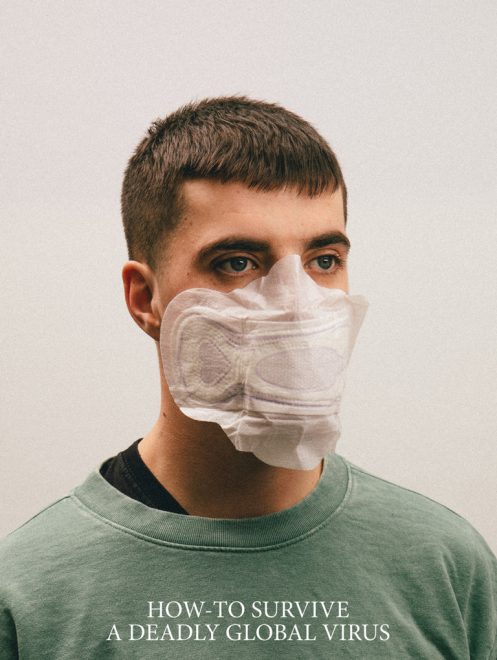
A Namibian-German artist evoked enraged responses to his photographs of models wearing coronavirus masks created from common household goods including footwear, underwear, vegetables, and disposable panty liners.
The Instagram series, called “How-To Survive A Deadly Global Virus”, attracted angry viewer comments, with many describing the project as insensitive, offensive, and guilty of spreading dangerous misinformation. (See the project in full on the artist’s website – link here.)
Artist/designer Max Siedentopf quickly apologized to those offended by the images. “I apologize to everyone that felt offended by the series”, he said in a press release, “It was never my intention.”
“My work takes a critical and often ironical look at our surroundings,” he added. “It’s important for me to take people out of their comfort zone and see things from a different perspective, both positively and negatively.”
Said Siedentopf, “Ultimately, it’s up to them to interpret my work as they want to.”
Seidentopft created the series after viewing photos of people fearful of contracting coronavirus wearing all manner of makeshift masks. The acceleration of the COVID-19 pandemic has massively disrupted supply chains and incited an unprecedented (and ill-informed) consumer run. It’s likely that readers who venture outside – in any zip code – have seen people wearing painters’ masks, t-shirts, swaths of fabric, old Halloween masks, and headscarves tied across their mouths and noses, all a misguided means of self-protection. Better we all simply stay indoors. And follow sensible natural precautions like these described by Green Prophet Miriam Kresh.
Enter the mythology of masks. Common painter masks found at hardware stores screen out harmly vapors from the wearer. Surgical masks are designed to protect people from the mask wearer. The coveted and critically-needed N95 masks are respirators that can filter out 95 percent of airborne particles that can carry viruses (like SARS-CoV-2, which causes COVID-19).
Ironically, Wuhan, China – where the virus originated – is a manufacturing hub for masks. Before the outbreak, China produced about 50 percent of the world’s sanitary masks (7 billion a year) and 90 percent of the surgical masks used in the United States. Ravaged by coronavirus, the manufacturing shutdown on China’s Hubei province has manufacturers in Europe, Israel, Japan, and the United States are struggling to meet global demand.
Experts generally agree that N95 masks have little value in the community. United States surgeon general Jerome Adams has tweeted, “Seriously people – STOP BUYING MASKS! They are NOT effective in preventing general public from catching coronavirus, but if healthcare providers can’t get them to care for sick patients, it puts them and our communities at risk!”
Back to Siedentopf, who said he made the series of portraits to draw attention to paranoia and media coverage of the outbreak, not to make light of the global health crisis.
“I was expecting to uncloud the subject a little, focusing on the creativity of the masks and how you can find smart and creative solutions, as over the last two weeks there has been a lot of media clickbait paranoia around the virus, even though the Chinese Centre for Disease Control reported that over 80 per cent of cases have been extremely mild,” he explained.
“To put this into perspective, Malaria kills one to three million people per year, but you don’t see the news and public going crazy about that.” According to the Johns Hopkins global virus tracker as of this post reports over 681,000 confirmed cases with nearly 32,000 deaths.
The World Health Organization (WHO) has published advice on basic protective measures against coronavirus on its website, which includes washing hands regularly and maintaining distance from other people. (Link here.)
Stay home, stay safe, wash your hands, and read Green Prophet for inspirational, educational, and uplifting news.
Have you ever considered how long things take to deconstruct?
Every Easter in my life has included the après holiday hunt for the lone lost egg. After dying and decorating, hiding and hunting, one egg always gets left behind. It takes a week before its rotten stink leads reveals its hiding place – stuck behind a cushion, tucked in a shoe, growing mold in a flowerpot.
It’s a family joke; a holiday tradition. In a deodorized and sanitized first-world society, we’re mostly removed from the reality of natural decay. The following stats come from the U.S. National Park Service on how long it takes your trash to decompose.
That list is notional, since materials decompose differently depending on temperature, oxygen levels, presence of water, and chemical recipe of surrounding matter. And material degrades differently in the ocean.
It’s springtime, a time of renewal. But maybe spend a little time pondering the death of things. It may influence your product choices, and ensure that out longest lasting legacy isn’t the trash we generate.
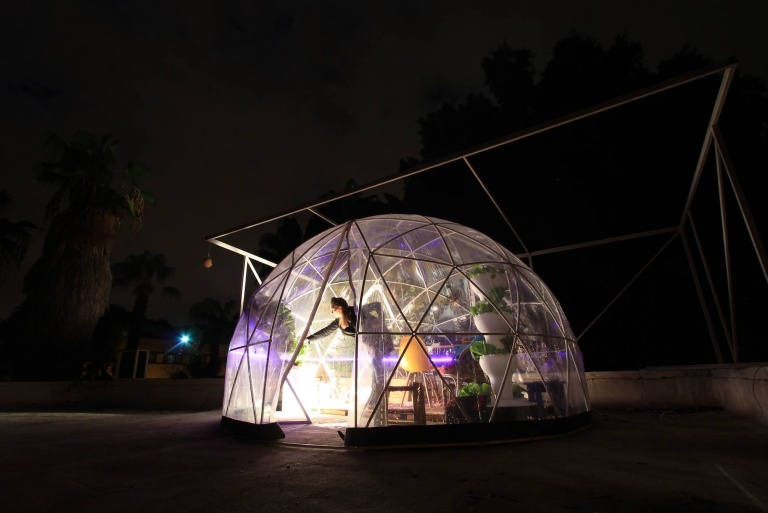
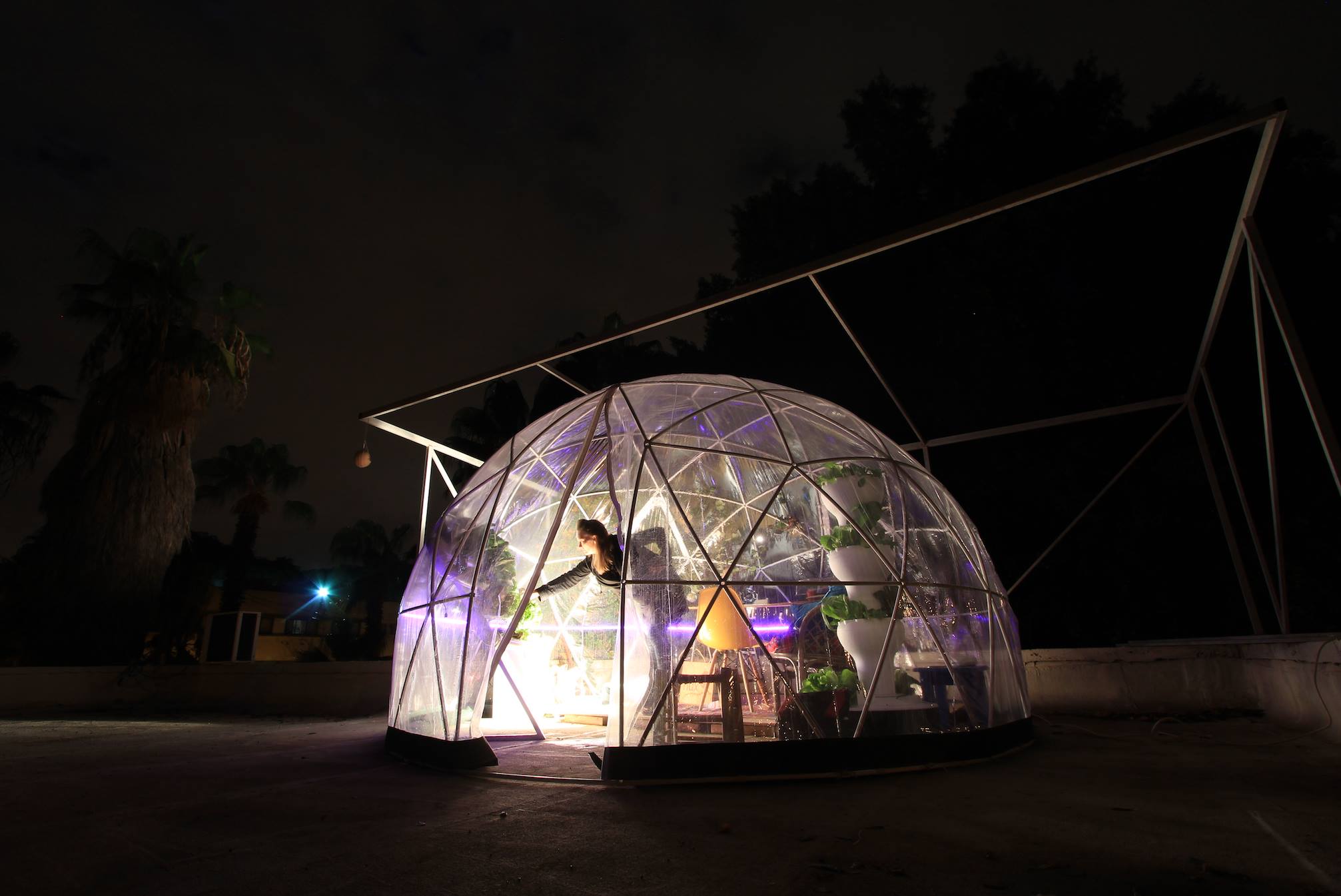
Artificial Intelligence is used in this biodome to grow bio-organic food with zero waste using the Eddy robot by flux.
The coronavirus pandemic and its economic fallout will trigger a ‘skyward surge’ in sustainable, responsible and impactful investing over the next 12 months, affirms the CEO of one of the world’s largest independent financial advisory organizations.
The prediction from the boss of deVere Group, which has more than $12bn under advisement, comes as Bloomberg analysis reveals that the average Environmental, Social and Governance (ESG) fund fell by half the decrease registered by the S&P 500 Index over the same period during the Covid-19 crisis.
ESG refers to a class of investing also known as “sustainable investing.” The umbrella term covers three main factors. ‘E’ is for ‘environment’ and includes issues such as climate change policies, carbon footprint, and use of renewable energies. ‘S’ is for ‘social’ and includes workers’ rights and protections. ‘G’ is for ‘governance’ and includes diversity of the board and corporate transparency.
Mr Green comments: “The coronavirus pandemic will trigger a ‘skyward surge’ in sustainable, responsible and impactful investing over the next 12 months for three key reasons.
“First, before the pandemic, research has revealed that investments that score well in terms of ESG credentials often outperform the market and have lower volatility over the long-run.
“Since the Covid-19 public health emergency up-ended the world, the latest broad analysis shows that ESG funds have typically continued to outperform others.”
He continues: “Second, the coronavirus pandemic has underscored the vulnerability and fragility of societies and the planet.
“It has underscored that increasingly companies will only survive and thrive if they operate with a nod from the wider court of public approval.
“It has underscored the complexity and interconnectedness of our world in terms of demand and supply, in trade and commerce – and how these can be under threat if not sustainable.”
Mr Green goes on to add: “Third, demographic shifts will support the trend. Millennials – those who were born in the time period ranging from the early 1980s to the mid-1990s and early 2000s – cite ESG investing as their top priority when considering investment opportunities.
“This is crucial because the biggest-ever generational transfer of wealth – likely to be around $30trn – from baby boomers to millennials will take place in the next few years.”
In January, deVere Group carried out a global survey that revealed 77% of millennials said that Environmental, Social and Governance (ESG) investing was their top priority when considering investment opportunities.
This survey highlighted that whilst traditional factors – such as anticipated returns (10%), past performance (7%), risk tolerance (4%) and tactical allocation (2%) – are important factors in millennial respondents’ investment decision-making, they are no longer enough by themselves.
Nigel Green concludes: “ESG investing was already going to reshape the investment landscape in this new decade – but the coronavirus will quicken the pace of this reshaping.
“Investors are increasingly aware that it is possible – and increasingly necessary – to make a profit while positively and proactively protecting people and the planet.
“As such, they will be making investment decisions after measuring the sustainability and societal impact of a sector or company as these criteria help to better determine their future financial performance, or in other words their risk and return.”
They started during times of war when there was not enough food. Planted in lawns and in backyards. This one was planted in a bomb crater. A Victory Garden planted in a bomb crater in London.
When a parking lot was bombed in London during World War II they planted a garden. When there was not enough food in America because the farmers were off at war, Uncle Sam told them to plant and Americans had food. Growing veggies in times of crises is not a new idea, as so-called Victory Gardens have been around ever since World War I.
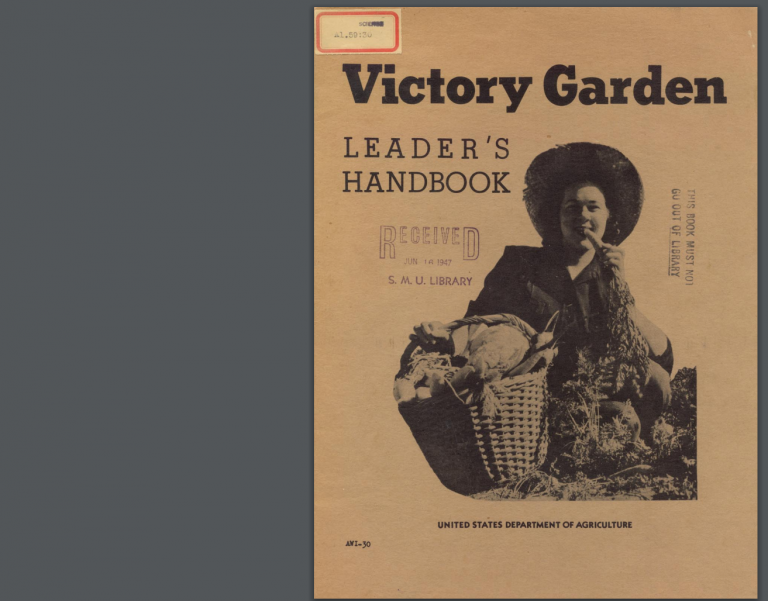
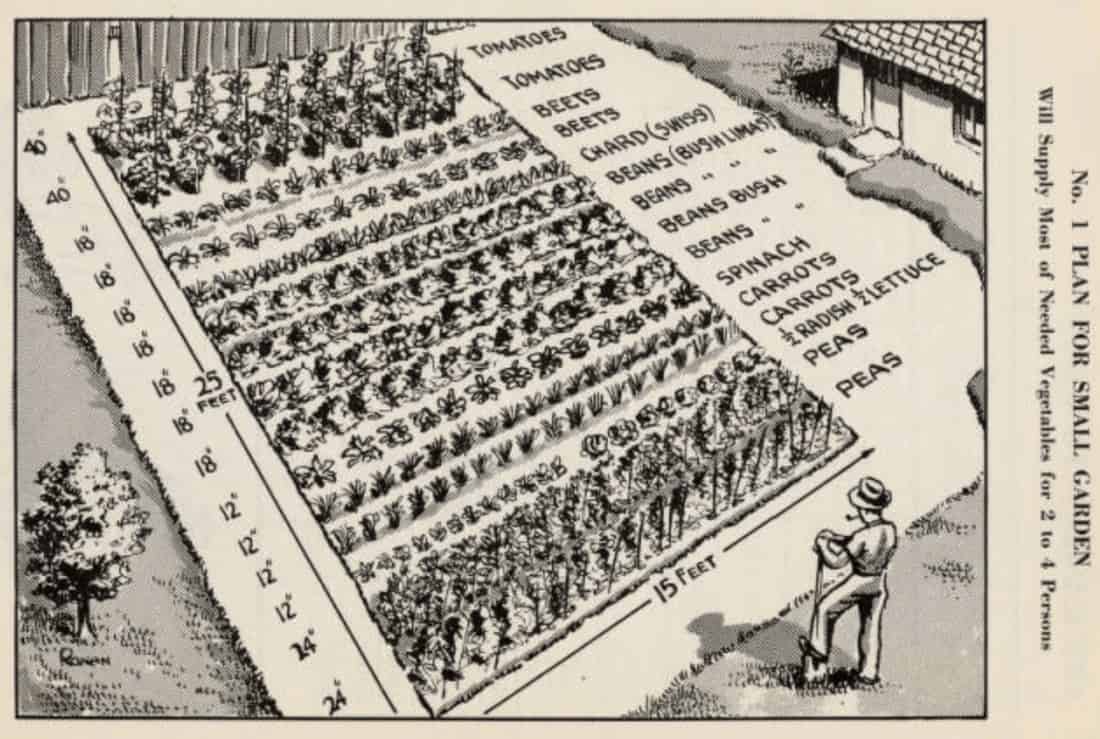
Victory Gardens were popular in both world wars; and the produce grown in them not only helped to supplement war time food shortages for families, but were a great morale booster as well. And we dug up an amazing old handbook for those who might want to follow the 1943 US Government plan.
“This is War Work” – caption from inside the Victory Gardens Handbook, circa 1943. You should check out the design. Fabulous.
The concept of home gardens has carried on to the present time, with both individual household garden plots as well as community garden projects such as the one I have been involved in for over a year now.
In my small 8×5 foot plot I grew large quantities of tomatoes, peppers, string beans, eggplant and other veggies like lettuce, kohlrabi and herbs like mint, lemon grass, parsley and thyme. You can also do this on your windowsill or at home, and here is a great list of medicinal herbs to start with.
Flowering echinacea, for all times.
In fact, so much was produced last summer in my little plot that a lot of veggies were given away to family, friends and even neighbors.
This small plot is now producing winter varieties conducive to the milder winter climate found in Israel. These include kale, Swiss chard, various herbs, carrots, cabbage and broccoli.
With the current Coronavirus (COVID-19) world pandemic crises now ravaging most countries, securing ample food supplies is turning out to be as serious as contracting the virus itself. As supplies of fresh vegetable produce become difficult to obtain, largely due to disruptions in supply lines, having a small Victory Garden is again making a lot of sense as it did for our grandparents during WWII.
There is only one small problem, however. The continual increase of people becoming infected by the virus and the resulting stay-at-home directives by governmental authorities is now preventing amateur farmers from working their garden plots; especially at a time when these fresh organic veggies and herbs are needed most.
Hopefully, the self-quarantine orders will ease soon, so we can plant our Spring and Summer crops. As I experienced last year, there’s nothing better and healthier than freshly picked garden veggies from one’s own plot. The rewards speak for themselves, as it did for our grandparents more than 70 years ago. In the meanwhile, if you can, dig in and get growing the old fashioned way.
We’ve learned over the years that knowing if we have it or not is the best prevention.
Okay so the skies are clear, and dolphins have returned to the water of Venice. We are at home with our kids and when we are not on Zoom trying on the next seminar (how about learning how to be a solar energy engineer?) –– some parts of the world are working day and night to solve covid-19. It can be solved and it can be done in record time compared to other pandemics. Meanwhile we wait it out.
One of the most terrible factors with this pandemic is the fear factor and facing the unknown. Will I have toilet paper, will I run out of yeast? There are solvable problems for all of these questions. Consider the water bidet that half the world already uses, that yeast can be culled for free in the air, and hey –– it’s Victory Garden and seed planting time. Worried about food? Grow your own. Our grandparents and parents did it.
People in the prime of their lives, or essential care workers in hospitals are being quarantined if they came in contact with a covid-19 patient unknowingly. A lot of harm to the healthcare system and to the economy could be put at ease if there were easier and more rapid tests the population could take.
There are companies –– and even amateur scientists who see how it’s done –– who have been working on quick tests to see if you have been exposed to covid-19. One biohacker in Sydney put together the materials to make 500 test kits. But the challenge is scaling up production fast with so much of China offline, while setting distribution targets that will get the test out there. In the United States the FDA needs to check the validity of tests before they go to consumers or hospitals, and they are one of the most rigorous testing bodies in the world. What America does everyone follows.
The New Scientist and other news outlets claim that a home blood test could be available at Boots, a UK pharmacy chain, and on Amazon by as early as today. While this is a quick and temporary option, nothing compares to robust lab equipment, used by laboratories and by companies that are working to find a vaccine or an antidote to corona. Quick home test kits are much less than shrunk down and less robust versions of the lab equipment called a PCR machine which is made by companies like Stilla Technologies. PCR machines amplify DNA found in blood or mucous to determine if it’s been altered by the virus.
Now if we thought the fight for toilet paper was bad…Fact: a single prick blood test, like that used by people with diabetes, has been developed. In many places around the world. Also fact, we don’t know when we will all get one, or two or three. We will need multiples if we want all clear for resuming a fraction of our normal lives until herd immunity or a vaccine is made.
Tests are good but are not a solution: The tests are expected to reveal if you have been exposed to the virus already but what it won’t do is spare you from reinfection. Scientists still haven’t figured out what reinfection rates are, and if immunity will protect you from covid-19’s tragic outcomes.