A coworking space within walking distance can cut commuting time and give you a reliable place to work, but distance alone does not make it useful. Test the internet, noise, privacy, desk setup, environmental claims and real cost before committing to a membership.
Yazan Al Homsi looks at two very different bets — Aduro Clean Technologies and Rocket Doctor — to show what investors should watch as small-cap companies attempt to move from promising technology to commercial scale.
Breast reconstruction can be an important part of recovery, but persistent pain, infection, changes in breast shape or mesh movement deserve medical attention. Here are the warning signs patients should know after breast mesh surgery.
As ABA practices grow, so can their administrative footprint. Smarter billing and documentation systems can reduce duplicated work, wasted staff time and inefficiencies while supporting sustainable growth.
Meta description:
The Houthis have turned Yemen’s Red Sea coast into part of a global geopolitical crisis. But behind the missiles, shipping disruptions and Suez Canal headlines is Mocha — the ancient Yemeni port that gave the world its name for coffee.
A coworking space within walking distance can cut commuting time and give you a reliable place to work, but distance alone does not make it useful. Test the internet, noise, privacy, desk setup, environmental claims and real cost before committing to a membership.
Yazan Al Homsi looks at two very different bets — Aduro Clean Technologies and Rocket Doctor — to show what investors should watch as small-cap companies attempt to move from promising technology to commercial scale.
Breast reconstruction can be an important part of recovery, but persistent pain, infection, changes in breast shape or mesh movement deserve medical attention. Here are the warning signs patients should know after breast mesh surgery.
As ABA practices grow, so can their administrative footprint. Smarter billing and documentation systems can reduce duplicated work, wasted staff time and inefficiencies while supporting sustainable growth.
Meta description:
The Houthis have turned Yemen’s Red Sea coast into part of a global geopolitical crisis. But behind the missiles, shipping disruptions and Suez Canal headlines is Mocha — the ancient Yemeni port that gave the world its name for coffee.
A coworking space within walking distance can cut commuting time and give you a reliable place to work, but distance alone does not make it useful. Test the internet, noise, privacy, desk setup, environmental claims and real cost before committing to a membership.
Yazan Al Homsi looks at two very different bets — Aduro Clean Technologies and Rocket Doctor — to show what investors should watch as small-cap companies attempt to move from promising technology to commercial scale.
Breast reconstruction can be an important part of recovery, but persistent pain, infection, changes in breast shape or mesh movement deserve medical attention. Here are the warning signs patients should know after breast mesh surgery.
As ABA practices grow, so can their administrative footprint. Smarter billing and documentation systems can reduce duplicated work, wasted staff time and inefficiencies while supporting sustainable growth.
Meta description:
The Houthis have turned Yemen’s Red Sea coast into part of a global geopolitical crisis. But behind the missiles, shipping disruptions and Suez Canal headlines is Mocha — the ancient Yemeni port that gave the world its name for coffee.
A coworking space within walking distance can cut commuting time and give you a reliable place to work, but distance alone does not make it useful. Test the internet, noise, privacy, desk setup, environmental claims and real cost before committing to a membership.
Yazan Al Homsi looks at two very different bets — Aduro Clean Technologies and Rocket Doctor — to show what investors should watch as small-cap companies attempt to move from promising technology to commercial scale.
Breast reconstruction can be an important part of recovery, but persistent pain, infection, changes in breast shape or mesh movement deserve medical attention. Here are the warning signs patients should know after breast mesh surgery.
As ABA practices grow, so can their administrative footprint. Smarter billing and documentation systems can reduce duplicated work, wasted staff time and inefficiencies while supporting sustainable growth.
Meta description:
The Houthis have turned Yemen’s Red Sea coast into part of a global geopolitical crisis. But behind the missiles, shipping disruptions and Suez Canal headlines is Mocha — the ancient Yemeni port that gave the world its name for coffee.
A coworking space within walking distance can cut commuting time and give you a reliable place to work, but distance alone does not make it useful. Test the internet, noise, privacy, desk setup, environmental claims and real cost before committing to a membership.
Yazan Al Homsi looks at two very different bets — Aduro Clean Technologies and Rocket Doctor — to show what investors should watch as small-cap companies attempt to move from promising technology to commercial scale.
Breast reconstruction can be an important part of recovery, but persistent pain, infection, changes in breast shape or mesh movement deserve medical attention. Here are the warning signs patients should know after breast mesh surgery.
As ABA practices grow, so can their administrative footprint. Smarter billing and documentation systems can reduce duplicated work, wasted staff time and inefficiencies while supporting sustainable growth.
Meta description:
The Houthis have turned Yemen’s Red Sea coast into part of a global geopolitical crisis. But behind the missiles, shipping disruptions and Suez Canal headlines is Mocha — the ancient Yemeni port that gave the world its name for coffee.
A coworking space within walking distance can cut commuting time and give you a reliable place to work, but distance alone does not make it useful. Test the internet, noise, privacy, desk setup, environmental claims and real cost before committing to a membership.
Yazan Al Homsi looks at two very different bets — Aduro Clean Technologies and Rocket Doctor — to show what investors should watch as small-cap companies attempt to move from promising technology to commercial scale.
Breast reconstruction can be an important part of recovery, but persistent pain, infection, changes in breast shape or mesh movement deserve medical attention. Here are the warning signs patients should know after breast mesh surgery.
As ABA practices grow, so can their administrative footprint. Smarter billing and documentation systems can reduce duplicated work, wasted staff time and inefficiencies while supporting sustainable growth.
Meta description:
The Houthis have turned Yemen’s Red Sea coast into part of a global geopolitical crisis. But behind the missiles, shipping disruptions and Suez Canal headlines is Mocha — the ancient Yemeni port that gave the world its name for coffee.
A coworking space within walking distance can cut commuting time and give you a reliable place to work, but distance alone does not make it useful. Test the internet, noise, privacy, desk setup, environmental claims and real cost before committing to a membership.
Yazan Al Homsi looks at two very different bets — Aduro Clean Technologies and Rocket Doctor — to show what investors should watch as small-cap companies attempt to move from promising technology to commercial scale.
Breast reconstruction can be an important part of recovery, but persistent pain, infection, changes in breast shape or mesh movement deserve medical attention. Here are the warning signs patients should know after breast mesh surgery.
As ABA practices grow, so can their administrative footprint. Smarter billing and documentation systems can reduce duplicated work, wasted staff time and inefficiencies while supporting sustainable growth.
Meta description:
The Houthis have turned Yemen’s Red Sea coast into part of a global geopolitical crisis. But behind the missiles, shipping disruptions and Suez Canal headlines is Mocha — the ancient Yemeni port that gave the world its name for coffee.
A coworking space within walking distance can cut commuting time and give you a reliable place to work, but distance alone does not make it useful. Test the internet, noise, privacy, desk setup, environmental claims and real cost before committing to a membership.
Yazan Al Homsi looks at two very different bets — Aduro Clean Technologies and Rocket Doctor — to show what investors should watch as small-cap companies attempt to move from promising technology to commercial scale.
Breast reconstruction can be an important part of recovery, but persistent pain, infection, changes in breast shape or mesh movement deserve medical attention. Here are the warning signs patients should know after breast mesh surgery.
As ABA practices grow, so can their administrative footprint. Smarter billing and documentation systems can reduce duplicated work, wasted staff time and inefficiencies while supporting sustainable growth.
Meta description:
The Houthis have turned Yemen’s Red Sea coast into part of a global geopolitical crisis. But behind the missiles, shipping disruptions and Suez Canal headlines is Mocha — the ancient Yemeni port that gave the world its name for coffee.
London is home to some of the world’s most sustainable businesses. The latest Covid uptick means putting some plans on hold for eco-tourism, again.
With Covid cases increasing in the UK as we head into winter, more and more businesses are taking precautions to limit the spread of the virus.
The UK was seeing a lower number of cases during August 2021 with around 20,000 cases per day, but this has increased to 60,000 by October – and now business owners and officials are looking to increase precautions to safeguard the British public and the NHS.
The challenge also remains for a Christmas period which has extra socialising between busy shoppers and office Christmas parties – but something that participants will have to take into consideration of.
Bringing Back Face Masks
Whilst face masks have been optional to wear in public, there is a real chance of this being brought back for high street shops, schools and other places of interest.
Business and store owners may be encouraged to put signs outside their windows or only allow access to those with face masks. The same may apply to any employees working in offices, restaurants or stores. This has been a company policy for many – but something that might be far more strongly imposed during the winter period.
Adding Preventative Methods and Appliances
Protective screens and designated areas for covid have been slowly implemented in the last 18 months and these, along with other hygienic solutions are set to continue.This includes the inclusion of designated areas at the entrance of stores, gyms and restaurants, with clear hand sanitiser and temperature of guests taken upon entry.
Otherwise, hand washing stations continue to be added to schools, places of worship and stadiums – encouraging hygiene and reducing the spread of covid where possible.
Less People in Offices
Whilst offices have slowly been refilled, this is likely to slow down again to avoid future spread of the dreaded pandemic.
Some offices have been operating fully or on time rotas, but we may find a complete return to working remotely or very socially distanced working in any offices that remain open.
Hospitality Restrictions
Bars, restaurants and shops are bound to be busier during the holiday season. This is something that business owners are going to need to manage carefully, without affecting their bottom line.
Places of interest may only allow a certain number of people in a location, with a maximum capacity, encouraging people to wait and queue outside.
Inside of locations, guests should be 2m apart and wearing masks (and positively gloves) to ensure your Christmas period is not ruined by the coronavirus.
Eco homes are worth the investment for your conscience. But they will also pay for themselves over time.
As a society, we are moving towards a more green way of living. But did you know that making a few key home improvements can make your home much greener but also save you money? We provide some great hacks below and some are many that won’t cost the earth.
Solar Panels
Solar panels have been mainstream in UK households for more than 10 years and whilst they may cost money upfront to install (around £6,000 to £8,000), they will save you around £270 on your electricity bills per year and also add £12,000 to the overall value of your home if you decide to sell one day. You can also consider installing solar panels yourself too.
Solar panels convert energy from sunlight into electricity, making your home greener by having to use less electricity. Whilst solar panels can run the electricity of your entire home, you will probably need some regular electricity too given the amount of sun in the UK!
Energy Efficient Windows
Installing double or triple glazing will keep the heat in your home far more effectively and save you money on your energy bill. Essentially, they create an insulating barrier that keeps the heat inside the building – and you can choose between uPVC or steel windows to be extra green since these are both recyclable.
Whilst this costs around £150 to £600 per window, you can get a discount by buying in bulk and it should reduce your energy bills overall by around 20% per month and year.
Make Your House Warmer, Naturally
Some very minor improvements can make your home warmer and therefore reduce the need for using your central heating. This includes covering any drafts under the doors or windows, with rugs, carpets or curtains. With some natural sunlight every day, consider opening your blinds and use this sun to heat up your rooms.
Consider filling up some common areas and rooms a bit more and create a better room communication with black steel doors – since the busier they are, the less drafty and warmer they can be.
Create Your Own Compost
If you like to garden and spend on fertiliser, you can save money by creating your own compost. Create a bed in the garden and add any leftover vegetables and fruit that you are not eating or have left over and this can be used to save you hundreds on fertiliser each year.
Use Efficient Appliances
From Energy Star ceiling fans, light bulbs and refrigerators, there are a number of clever and greener additions to make around the home.
In fact, an Energy Star tankless water heater can save you over £1,600 over 5 years on your water bill.
How Can You Fund Home Improvements?
Funding home improvements can be very cheaper and even just being smarter with your furniture or appliances around the house.
Adding things like solar panels and windows can be an investment, but it can increase the value of your home too.
There are a number of home improvement loans options available, starting from just a few hundred pounds to several thousands (if you are in the UK)- with the option to be unsecured or secured against your property. With low rates from 2.8% APR, you can weigh up the potential costs and the savings you would make each year and if you were to sell the house in the near or distance future.
Chaga tea, lion’s mane mushroom, spirulina and fiber powder are all part of a new health food diet
Complicated jargon and conflicting information can overwhelm your path to a healthy, well-rounded diet. But few can argue against more fibre-rich meals—and for good reason. Ancient herbal and medicinal literature around the world testifies to fibre’s numerous healthy benefits. And modern science only supports these old-world claims.
As well as being a popular and well-studied topic of nutrition, experts often tout increasing your fibre intake to achieve your health goals—like weight loss and improved gut health, for example. You really can’t go wrong with gut-loving whole foods or a fibre powder.
To enhance your understanding of why it’s so important for health, let’s zoom in on a few of the nearly endless benefits of a fibre-rich diet.
Fibrous Foundations
Fibre is a natural ingredient in your diet. These digestion-resistant, plant-derived macromolecules are composed of the remnants of plant cell walls—and you’ll see them on ingredient lists with names like cellulose, beta-glucan, guar gum, pectin, inulin, and xanthan gum, to name a few. Natural sources of fibre—or “roughage”—are stars in a whole food diet.
While fibre may not be the sexiest health topic, it’s an important one. Women should consume around 25g of total fibre each day, while men should aim for 30g—but our diets often contain less than that. On average, most of us eat less than half of our recommended daily fibre intake.
The good news: consuming more of this health-lauded macromolecule is quite easy to do with everyday healthy foods. And for those who want added insurance, many supplements, like fibre powder, can fit seamlessly into your nutritional program to ensure you get the nutrition your body needs. Get creative as you find ways to reach your fibre goals.
Two Types of Fibre
As you eat, your body begins to break down nutrients through the process of digestion. Fibre, however, is characterised by its ability to resist digestion and remain mostly intact. And even though it doesn’t directly fuel your body, it still provides a wealth of health-boosting benefits.
Fibre comes in two forms: soluble and insoluble. Soluble fibre dissolves in water and bodily fluids, becoming a gel-like substance as it passes through the digestive system. And when it makes its way through your GI tract, it feeds the good gut bacteria.
Insoluble fibre does not dissolve in fluid—instead, it absorbs it. And as it goes to the colon, it sticks to material along the way to form stool, making it softer, bulkier, and ultimately more regular.
Buoy Your Health
Fibre is famous for supporting regular bowel movements and flushing out toxins—but it also boasts other serious, health-altering advantages. Here are five more benefits of consuming daily fibre that don’t disappoint:
A healthy gut—One of the easiest ways to support a healthy microbiome is to feed your gut with beneficial prebiotics from plant sources. As fibre passes through your GI tract, it ferments to feed the healthy bacteria. Fibre also helps slow digestion, which allows your body to absorb nutrients more effectively.
Blood sugar regulation—ingesting fibre slows sugar absorption in your diet and supports a healthy metabolism.
Cardiovascular health—a fibre-rich diet can help lower cholesterol and blood pressure. Low-density lipoprotein (LDL), or “bad” cholesterol, contributes to plaque buildup in your arteries—and fibre can help remove it. In the gut, soluble fibre can bind to bile (which is made of cholesterol) to aid elimination.
Weight management—filling your feeding hour with fibre-rich foods helps you feel fuller for longer. It slows digestion compared to simple starches and sugars, and most high-fibre foods have fewer calories overall. So pack your plate and enjoy the delicious benefit of reaching your personal weight-loss goals.
Glowing skin—you heard that right! Your skin is a direct reflection of the health of your gut, and fibre is full of unexpected beauty benefits. In addition to supporting the good bacteria in your belly, fibre helps maintain the pH of your skin by balancing skin microbiota. And it packs an anti-inflammatory boost your complexion will thank you for.
Shop for Whole Foods
A fibre-rich diet is chock full of benefits. In general, more fibre means you’re consuming more protective agents—like antioxidants and phytochemicals that naturally support a diverse, gut flora-friendly diet. And a healthy gut will boost your overall health.
You’ll find both forms of fibre in most plant foods, so you can’t go wrong by packing your diet with delicious, natural ingredients your body will love. Next time you hit the store, consider adding these fibrous options to your shopping list:
Fruits
Vegetables
Whole grains like barley, oats, wheat bran, and whole-wheat flour
Beans
Nuts
This buzzy nutrient is a popular topic for a reason. And natural sources are right in front of you, with a myriad of options to supplement. Fill up on fibre each day to optimise its many health-protective benefits—and enjoy your healthier lifestyle.
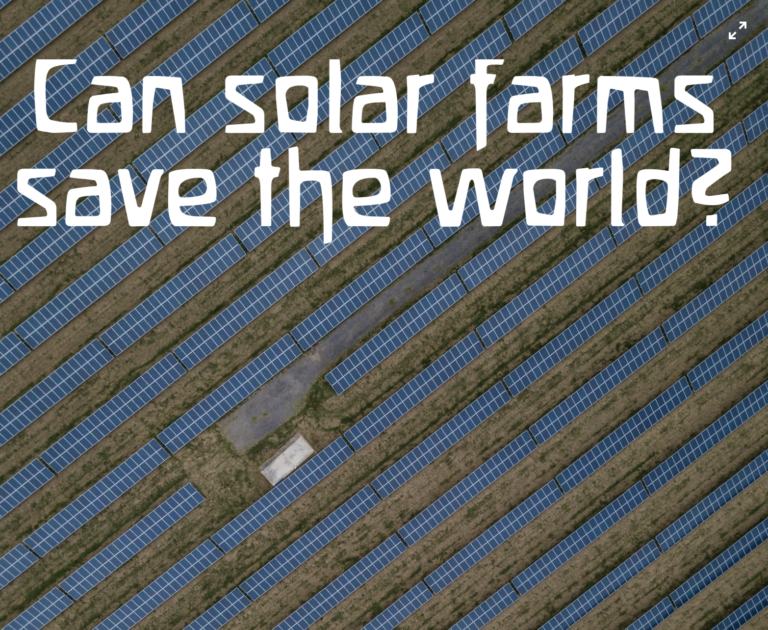
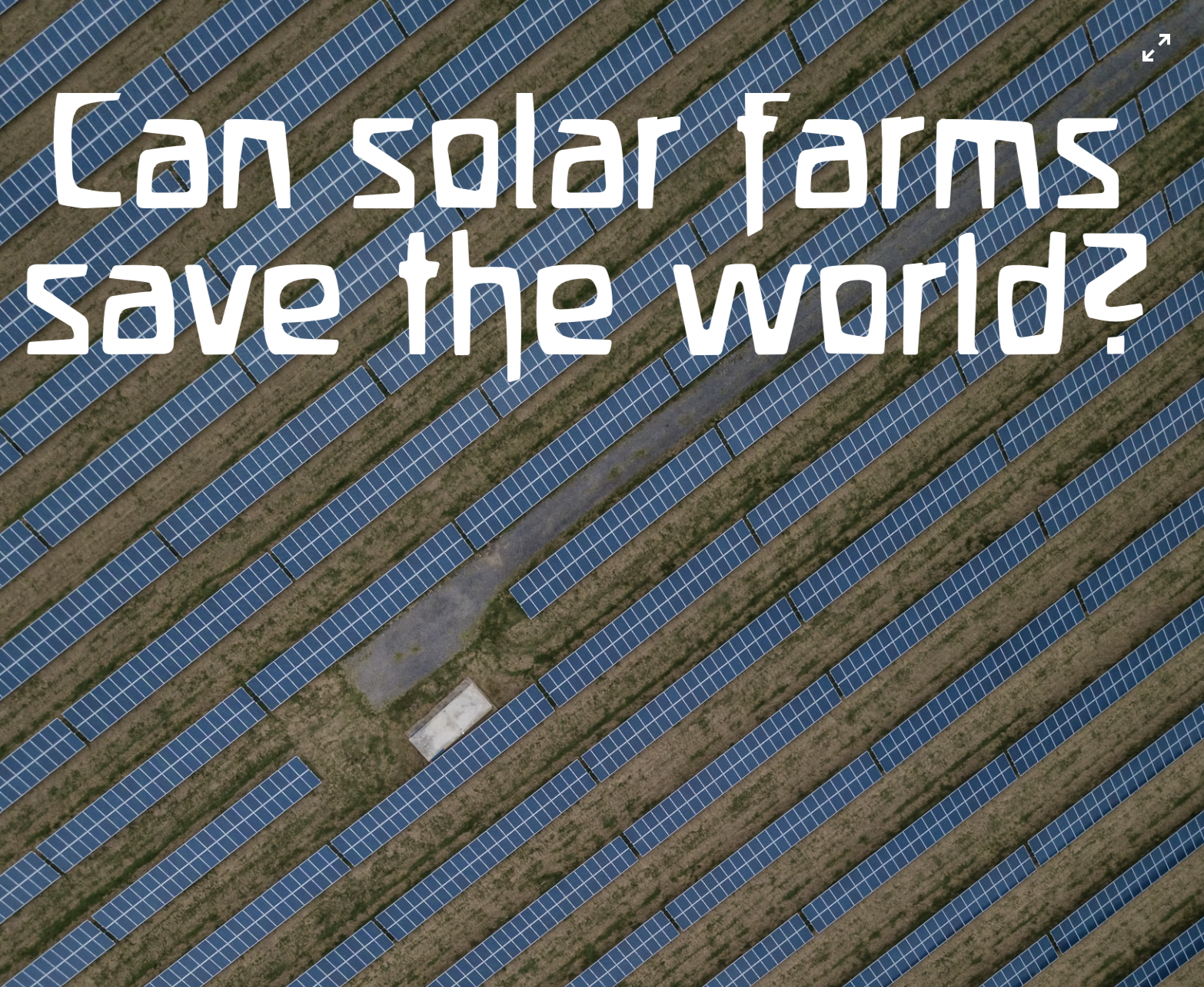
Can solar farm construction save the world and supply us with an endless supply of renewable energy?
Sustainable and renewable energy is rarely out of the news. As climate change makes headlines regularly due to floods, forest fires, and heatwaves occurring across the world, it is becoming more important to reduce emissions immediately.
The US is one of the leading countries when it comes to solar power, one of the most practical sources of renewable energy. India, Japan, and Vietnam have all adopted solar power and are among the top five producers of solar power. However, one other country dwarfs everyone else.
When it comes to solar farms, China is ahead of the field. In 2019, the installed solar energy fleet was measured at over 200 GW. Since then China has put the second-biggest solar farm online so they have only gotten bigger.
But, what are solar farms, is solar power really the answer the world needs, and can it help you?
Just what are solar farms?
Solar farms are sometimes called photovoltaic power plants, perhaps the former is preferable as the latter has non-green connotations. When power plants are mentioned, many people would automatically think of fossil fuel burning, polluting power stations.
However, solar farms are touted as being green and environmentally friendly, at least more so than burning coal or oil are.
A solar farm is simply an area of land where a considerable amount of photovoltaic solar panels, or PV solar panels, are installed to convert the sun’s energy into power that businesses and residents can use.
Solar farms generally come in two different formats. They can, of course, come in any size or shape, depending on requirements and their owners. But they are largely built for two purposes.
What are the two principal types of solar farms?
Utility-scale solar farms are the ones where vast amounts of land are taken up by solar panels feeding electricity back into the grid. These vast solar farms can seem almost endless to the human eye, and the biggest are in India and China.
The Bhadla Solar Park in India takes up fourteen thousand acres and can produce 2.25 GW of energy. The closest rival is in China and is a close 2.2 GW installation. Riverside solar in New York has just submitted a tender for a-thousand acre plant. Watch this space as the developers have plans to take the power plant up to 16 GW in the future.
Making up the top five largest utility-scale solar farms are one more each from India and China, and one from Egypt. Then there are the smaller solar farms; the community scale installations.
What are community-scale solar farms?
The name fairly accurately describes what these solar farms do. These installations are much smaller in scale than any of the mammoth farms mentioned above. Most likely a community-scale solar farm would be perhaps between 1 and 5 MW.
They would be designed to power a local neighborhood, and perhaps some business or retail units in that area. One of these solar farms could work well on an industrial estate or small area housing manufacturers.
For these types of solar farms to work there would need to be a clear area available to install the required amount of solar panels. It would also need to be in the optimal space for sunlight.
Are the normal alternatives of coal and oil ending soon?
Sadly, many people are still ignorant of the damage that fossil fuels are doing to the environment, and many don’t even realize that they are running out.
According to a study by The Millennium Alliance for Humanity and the Biosphere, or MAHB, at Stanford University, the worst-case scenario is frightening. It would see coal running out in about 70 years’ time, with oil and coal going far before that.
That particular picture would see you losing oil and gas during your lifetime, and if not, then certainly during the next generation’s.
However, it isn’t quite as bleak as that hopefully. Coal is likely to be around for another 150 years, and oil and gas should last a little longer than MAHB’s doomsday prediction.
Other predictions have been re-evaluated over time too. In 1999 The American Petroleum Institute believed that oil would be depleted before the end of this century, and perhaps up to forty years earlier.
Just seven years later there was a different prediction when it was estimated that there was perhaps triple the amount of oil left on the planet than the API believed.
Can the world not just continue with fossil fuels then?
With there being oil, coal, and gas, still available, some people don’t see the dangers in continuing to use these reserves.
Indeed, it is possible, and probably likely, that some other fossil fuel reserves will be discovered in the future and the life of these sources of energy extended.
However, as the fuels run out, the consumption of energy is increasing. The world is heading towards the end-game as far as fossil fuels are concerned. Continued use of fossil fuels is also increasing global warming and damaging the environment.
Renewable and sustainable energy sources are needed more than ever, and this is the reason that so many huge solar farms are being installed.
Are solar farms good for the environment?
They may not be too aesthetically pleasing, but the energy they produce is completely renewable. It doesn’t harm the sun or the environment to harness solar energy, and the sun is going nowhere soon.
It is estimated that the sun will be around for at least another 5 billion years, so unlike coal, there is no need to search for more reserves, or ‘suns’.
There are a lot of misconceptions about solar panels, and these usually revolve around such things as the cost of installation. However for all the good that solar power brings, the manufacturing process can be questionable sometimes.
When buying solar panels it may be worth checking the manufacturers and their eco-friendly credentials. Certain harmful chemicals are used in the production of solar panels, and many manufacturers in China use coal-powered electricity to make them.
How useful is solar energy to the average homeowner?
These days, solar power is extremely common. While not everyone has solar panels on the roofs of their homes, they may have them in at least one area. Sometimes solar power is used quite subtly. Small garden lights that stick straight into the ground can have solar panels on top of them.
Outdoor security lights and driveway lighting can be solar-powered. Even indoor lights can utilize solar energy if enough of the sun’s light enters the home.
Uplights, deck lights, and solar-powered pool covers are common now, and even RVs can be solar-powered.
Solar power can be used to help poor farmers irrigate their land in countries where drought is an issue. Even more importantly, solar power can help to produce sanitary drinking water.
Summary
Perhaps surprisingly, solar power is only the third biggest form of renewable energy after hydro and wind. While solar panel manufacture has some concerns still, the overall benefits of this energy source far outweigh the bad.
If there are spaces in the world that are unusable for living, then it makes sense that solar farms be built on them. If more coal-fired electricity is replaced by solar energy, then the planet should be able to breathe a little easier.
Note taking is serious business especially when you are operating a sustainable business. Efficiency is key.
Meetings are time-intensive. They require people to take time away from other tasks they could be doing. They also require preparation and focus. So if you’re going to call a meeting, you better be sure you have a plan for how you’re going to make the most out of it. And that means taking detailed meeting notes.
Meeting Notes vs. Meeting Minutes
While the two terms sound very familiar, meeting notes and meeting minutes are not the same thing. Knowing the difference will give you a better idea of what you’re trying to accomplish and how to go about it.
The biggest difference can be summed up by the fact that meeting minutes follow a very specific pattern that includes objective details like the number of attendees, the duration of the meeting, an outline of key points discussed, who said what, decisions that were made, etc. With meeting notes, you don’t need all of that technical information. All you care about are insights, takeaways, ideas, and action steps.
The best way to think about meeting notes is like you’re writing to someone who wasn’t at the meeting. That person doesn’t care about when the meeting started or who showed up. All they want is to catch up on anything important they missed and find out what steps they’re supposed to take next.
Tips for Effective Meeting Notes
How you organize meeting notes is totally up to you. Short-hand, full sentences, bullet points, paragraphs – it’s all up to you. It’s about substance over shine. As long as you’re able to succinctly articulate the major points and takeaways, you’ve done your job.
Having said that, here are several tips that will help you write more effective meeting notes:
Prepare Beforehand
Don’t rush into a meeting and pull up a random Google Doc and start pecking away on your keyboard. It’s important that you prepare for the meeting.
Ideally, you should have some sort of template saved to your drive that’s used for meeting notes. Roughly 10 minutes before the meeting starts, you can go in and add basic details like the date, the topic of the meeting, and any other information that you already have available. Once the meeting starts, it’s as simple as filling in the information in the correct places.
Use a Note Taking App
Honestly, the best way to take notes is with a note taking application. There are several options available online, but a popular option is Box Notes. In addition to having all of the standard features that other note taking apps have, Box allows multiple members of the meeting to log in and record notes in real-time. It’s basically a centralized platform for collaboration (which is especially great for virtual meetings and brainstorming sessions).
Organize Takeaways
Recording notes live is always an adventure. The key is to get the information down. Then, after the meeting concludes, you can take several minutes to go back and clean up any spelling or formatting issues.
After cleaning up the notes, the next step is to organize all takeaways into their own section. (Some people like to put this at the top of the notes, while others place it at the end. It’s totally your call.)
The takeaway section should be a numbered/bulleted list of any action step that is supposed to be taken after the meeting concludes. (This could be everything from sending an email to starting a new project.) Be as specific as possible. If the takeaway is to start a project, make sure it’s clear who is responsible, what the first steps are, when they are to be completed, and who they are to be submitted to upon completion.
Send to the Right People
Having well-organized and articulate meeting notes is great, but they aren’t very effective unless they end up in the right hands. Make sure you send the meeting notes to all responsible parties afterward. This includes everyone who attended the meeting, but may also include people who missed the meeting and/or superiors who need to be in the loop.
Improve Your Note Taking Skills
Taking good notes is an acquired skill. The best thing you can do is come up with a system and get as much practice under your belt as possible. Eventually, you won’t even have to think about it. Taking clear and concise notes will become second nature. Until then, rely on these tips to gradually improve your skillset.
Longevity and ease of use are a couple ways Mac computers are already sustainable machines.
If you’re an avid Mac user who spends many hours a day online, you probably use much energy. While Mac use is the last thing that comes to mind when you think about the environment, it can still contribute to excessive resource waste. In this article, we discuss the ways in which your Mac energy use can be minimized to have a less negative effect on the environment.
Change the Energy-Saving Settings
The first thing you need to do is to change the default energy settings. Go to the Apple menu and find system preferences. Choose how soon you want the computer to go to sleep when you’re not using it. There is no right or wrong answer as everything depends on your pattern of use. If you need your Mac for several hours straight, you can limit the time to several minutes. If you use the computer from time to time throughout the day, you may be irritated by having to wait for the drive to wake up. So, analyze your habits and try to avoid leaving your Mac working for a long time.
Cool Down Your Device
Your Mac may overheat for many reasons. These include but are not limited to the following:
Exposure to direct sunlight and hot temperatures
Accumulated dust blocks the airflow
You work for many hours straight and use energy-demanding software
In all these cases, your Mac consumes too much energy trying to cool down. Therefore, avoid exploiting your device excessively and ensure it’s properly cleaned and stored away from direct sunlight.
Identify the Causes of High Energy Consumption
Malware, adware, browser hijacking apps, etc., are all energy demanding. Scan your Mac for these malicious programs and delete them either manually or with the help of a malware detection program. The latter version is preferable if you lack computer skills and don’t know how to clean up your device. Moreover, you need to check all the remaining apps, even legitimate ones, and delete those using a lot of power.
Adjust Brightness and Volume
Another way to make your Mac eco-friendlier is to change the audiovisual settings. Reduce the brightness of your screen to a comfortable minimum and do the same for the volume. You can also schedule the Mac to dim in the evening. Research shows that blue light exposure before bed adversely affects sleep, so by minimizing your nighttime light exposure, you will benefit both the environment and your health.
Unplug Whenever Possible
Leaving your Mac plugged in is not a good idea if you want to minimize its energy consumption. After recharging the battery, always unplug the device. The same applies to all plugged-in devices. When you don’t use a printer, power banks, USB Type-C adapters, etc., cut them off to save energy. Energy vampires still exist! It sounds 2007, we know.
Minimize Paper Use
When it comes to the environment, there is not only energy use that you should think about. Don’t overuse the printer to optimize your paper and ink usage. Print the documents only if absolutely necessary and print on both sides.
Use Newer Mac Models
Apple constantly evolves and comes up with innovative solutions regarding quality, efficiency, and eco-friendliness. The company boasted that its Macbook Air has a lower carbon footprint than older models because it is more energy-efficient. The device is also free of many harmful toxins, so you don’t have to worry about recycling and hazardous waste. Thus, with improved recyclability and energy efficiency, newer models of Mac are particularly appealing to customers who are concerned about their environmental footprint and have older models that no longer meet their needs.
The same applies to newer monitors and external devices such as keyboards, printers, etc. Older versions are less energy-efficient, so consider getting more sophisticated and efficient models. However, there is another ethical dilemma here – you have to throw away the obsolete devices, which may contribute to the waste problem, and purchase new devices that require much energy and other resources to produce and deliver to you. Therefore, at least consider recycling if you are determined to get rid of power-consuming devices.
Don’t Buy a New Device Every Year
We all know that Apple can market its new devices successfully. However, think twice before upgrading your Mac because high demand spurs more production and, consequently, greater energy and resource use. As long as your device satisfies your needs, refrain from buying a newer version every fall.
It is more resource-saving to combine these different machining steps as far as possible in one machine. CNC machines can now help merge 3D printing and plastics into machines that are durable and stand the test of time. That’s eco!
Days are gone when manufacturers had to rely on manual machines to produce all kinds of items. The CNC machining technology has provided a means to mass-produce items without wasting time, resources, or relying on an expensive workforce. Many manufacturing companies are acclimatizing to this technological advancement to make the most out of its benefits.
Days are gone when manufacturers had to rely on manual machines to produce all kinds of items. The CNC machining technology has provided a means to mass-produce items without wasting time, resources, or relying on an expensive workforce. Many manufacturing companies are acclimatizing to this technological advancement to make the most out of its benefits.If you’re considering transitioning to automated production, start by requesting a CNC machining quote to understand costs and capabilities upfront.
When undertaking CNC machining, the material is cut to a desired size or shape by an automated or controlled material-removal procedure. For subtractive manufacturing to be a success, one has to use top-notch CNC machines. In addition, the machine you use should efficiently work any metal products and other materials like plastic, wood, ceramic, and composite material you are using.
A CNC machine is any tool you can operate using an automated or (computer numerical control) system. CNC machines will follow preprogrammed instructions without the need for a manual operator. With the high demand and popularity of CNC machinery, getting the best models from a reputed online CNC machine shop is always a wise decision.
Understanding CNC Machines-Before Visiting Your Favorite Online Shop
CNC machines are widely used to manufacture a wide variety of products and in different industries. They are mechanical tools that can easily move on the desired surface and are controlled by a computer. Instructions are delivered to the machine by a sequence of programs known as M-code and G-code to execute the scheduled task.
When looking for the best online store to get your CNC machines, first and foremost, know the standard types used in the market. Common examples of computer numerical control machines to go for include:
CNC mill
CNC Lathe
CNC router
Plasma cutter
Multi-spindle machine
Sinker EDM
3 D printers
Grinders
Surface finishing tools
Water jet cutter
What makes computer numerical control tools stand out from traditional mechanical machines is the fact that a coded program controls them. Significantly, CNC machines have many benefits to look at before visiting the best online machine shop. Have a look:
They are accurate and will help eliminate human error and any form of inconsistencies
They speed up the product manufacturing process
Cost-effective and use few resources
They are versatile and scale up production
Industries enjoy increased safety and
Opportunity to undertake tasks within stipulated deadlines
Selecting the Best Online CNC Machine Shop- What to Know
Picking the best CNC machining tools is not that easy if it’s your first time investing in such equipment. You may find it daunting, especially if you are plan to buy your machines online. The online market is here to stay, but you have to research and determine whether you are visiting the best shop.
Many people will go for online CNC machine shops because they guarantee free shipping, convenience, ease to search through brands, and discounts. Your approach to choosing the best online shop is imperative, and you should, at all times, go for one that will satisfy your needs. Here are tips to help you select a CNC machine shop:
Competitive Prices
Online shops offer their products at different rates based on their quality, size, usage, and performance. Selecting the best shop will involve comparing the prices of the available machines and picking designs that fit your budget. Low costs will attract many customers looking for CNC tools to an online shop.
The shop of choice doesn’t have to offer its machines cheaply because such a factor may compromise their quality. Competitive prices will push customers to go through a product thoroughly until satisfied by its quality and specifications. Online customers will explore the most affordable options and pick a model that fits their requirements and budget.
Quality of Available CNC Machines
CNC precision machining is an imperative facet to look at when shopping for the best machinery. Manufacturing companies want to deliver high-quality products that meet the set quality control standards. Hence, when looking for the best CNC machine, get them from a shop that guarantees the capabilities you need.
Go on and inquire about the available tools and check their performance and efficiency. For instance, if you are looking for a turning machine, ensure the types at the online shop of choice can automatically turn the workpiece and create the desired shape. The available CNC routers, mills, or water jet cutters should efficiently perform designated functions. Most importantly, the CNC tools you find online should be up-to-date and in good condition.
Transparency and Honesty
A transparent online shop will, without a doubt, deliver quality machines and satisfy your needs. The shop of choice should be open to building good relationships, communicating frequently, and being held accountable in case of any misunderstanding. Remember you are buying your CNC tools online, and this shop should openly provide all the necessary information about the specific equipment you need.
An online shop that communicates with you should be your first stop. Intrinsically, you shouldn’t hesitate to knock on its door because you know what you need is available in safe hands. And if you have any questions, the online shop has to embrace the best strategies to give you the most suitable answers and provide more details.
Read Customer Reviews
When researching an online shop and finding out more about its reputation in the market, reading customer reviews is imperative. Customer feedback or reviews will speak volumes about the kind of online shop you are stepping into during your shopping spree. Read through customer experience and testimonials regarding the shop.
See whether there are repeat customers and what you should expect from the shop. Social proof will sway you to decide whether this is the best shop to get your CNC machining tools. Go for products with the best reviews and ratings as you will rest assured, they are the best from the manufacturers and store. The best machines will last longer which is important for the carbon footprint and lifecycle of your machine.
Final Thoughts
CNC machines are widely used for many applications and in different industries. For instance, the CNC machinery you can use for metal removal, material fabrication, surface finishing, 3D printing, and other non-conventional machining industries. However, it’s wise to be considerate about where to get your computer numerical control machine. The online market is the best option, and you should choose a shop that guarantees quality machines, competitive prices, safe and timely delivery. In your shopping pursuits, don’t forget to get a free quote on the available CNC machines.
When it comes to training the older mind there is nothing like chess, but the lowly Bingo is way more fun, and even more so when played with a community. A new project aims for a Guinness Record for online Bingo
Aloneness has been a theme of 2020 when the global COVID pandemic struck. It hit seniors everywhere hard. They may not be able to rely on the family to see them in the best of times, but seniors always had local community centers for playing games like chess & checkers, and cards. But with social distancing in place and family staying away, puzzles and solitary games have become stale. Seniors are going back to the community centers but are looking for fresh ways to stay young in the mind –– and to connect to others the way most of us find virtual friends on the Internet.
So companies like the social networking site Televeda is attempting to show seniors that while Zoom might have its limitations, there are new ways of playing online together and friends can be across states and cities. The company is planning on setting a Guinness World Record for online Bingo. The will connect 80 senior centers from 20 states so thousands of lonely souls can play together.
It’s clearly an idea for a relatively young tech company that wants to compete with Zoom get a great pilot case for its ability to scale to thousands of users, something that Zoom doesn’t do so well. But still we give creds to companies that build new business models around social causes and taking care of seniors is a great place to start.
Televeda issued the statement: Social isolation is a serious issue, and now more than ever it’s important to make people feel like they’re not alone. All participating organizations have received tech training from Televeda and access to its live social care network of virtual classes from leading health & recreational providers.
This has been helpful for civic centers to provide ongoing socialization opportunities for their members despite budget cuts and layoffs.
Bingo is fun for seniors, but it’s mainly a very social game to play
Mayank Mishra, Founder of Televeda: “We had to get creative on ways to raise awareness on this important issue. What better way to do that than through a bingo event for the books? The world record attempt is a great way to get the community together. We need all the help we can get to overcome the digital divide and make socialization more inclusive for everyone.”
And this is true. Covid isolation has made the digital divide even wider. And while many young grannies have figured out Instagram and TikToc, most are left in the digital dust. Guinness records and new online teleconferencing tools can bridge that divide.
“It eats everything, leaves nothing and reproduces very quickly,” laments Mouradh, a fisherman from the Tunisian islands of Kerkennah. For the country’s fishers, the blue crabs that were being hauled out of the water, tangled up in their broken nets, were a disaster.
An invasive species introduced into the Mediterranean through the Suez Canal, the blue crab threatened the artisanal fishing techniques used along the Tunisian coastline, specifically damaging the gillnets and traps used in the Charfia (a traditional, fixed fishery system that blocks the path of fish and leads them to traps). With their sharp shells and claws, blue crabs ruin these fishing nets and feed on other fish species also caught in the nets or traps.
Tunisia has developed a complete value chain for blue crab so that fishers and food producers in Tunisia can tap into this income source.
Blue crabs were first found off the Tunisian coast in 1993. By 2014, they began proliferating massively, causing significant damage to the coastal artisanal fishing sector, especially in the Gulf of Gabès in southeast Tunisia, where, during the high season, the blue crab represented more than 70 percent of the catch off this Mediterranean gulf.
These predatory crabs compete with indigenous species for space and food. They feed on all other species of fish, and its only natural predator, the octopus, is not enough to limit its spread. By disturbing the natural ecosystems, the blue crab has also negatively affected the yields of Tunisian women clam collectors, who were supported by FAO to improve their household incomes
At the same time, this blue crab is the fifth most popular crab in the world market. It is especially sought out in the Asian, United States and Australian markets where it is featured on the menus of many restaurants.
Seeing the potential of turning this foe into a friend, FAO and the Tunisian government launched training sessions for the fishers in this region. Through the “Strengthening Governance and Development of Fisheries in Tunisia” project, FAO trained 90 fishers in Djerba, Gabès and Kerkennah.
Fishers received information sessions on the benefits of the blue crab and 1 500 multipurpose traps to allow them to catch the crab more easily. During FAO’s practical, hands-on training sessions, the fishers were able to compare the effectiveness of these large, mesh net traps against the traditional cylindrical crab pots.
In collaboration with Tunisian marine research center, the National Institute of Science and Technology of the Sea, FAO also produced a practical manual in French on blue crab fishing with multipurpose traps. It specifically addresses small-scale fishers, teaching them best practices in catching blue crabs.
Beyond the advancement of fishing techniques in Tunisia, FAO has assisted the government in developing a complete value chain within this niche market. Good governance of fishing, that allows fishers to catch crabs of good quality while respecting the environment, has facilitated the marketing of the blue crab locally and internationally.
The first blue crab processing and marketing plant for the Asian market, created by the government in 2019 in the Kerkennah islands, triggered a mini economic boom in the area with 50 new jobs for plant technicians.
Valerio Crespi, FAO Fisheries and Aquaculture Officer explains, “This successful plant not only allowed fishers to diversify their sources of income, it also added value to an invasive species.”
The exports of blue crab during the month of May 2021 rose significantly, reaching 2 090.9 tons with a value of USD 7.2 million (about 19.6 million Tunisian dinars), while exports for the same period in 2020 was 796.1 tons with a value of USD 3.1 million (or 8.6 million dinars).
Private sector investments in blue crab processing plants have gone from simple packaging and freezing raw crabs to preparing cooked products in order to expand to markets in Asia, Italy, Spain and the Americas. Some food manufacturing plants in Zarzis are considering including cooked crab as one of their products to enter other markets. In fact, even in Tunisia where crab has never been a traditional dish or ingredient in cooking, this product is starting to appear on local menus due to its new availability in markets.
Eco travellers want to bring Mr. Muffins along. How can you find pet friendly destinations to fit him in your suitcase? Look to America as a guide on how you can travel with animals
Baby Fluffpants, Fido, and Fufu. Our pets are heaven on earth – no arguments here. These little fellows know how to make you smile, even on your most challenging days. You may throw a bone or treat to show how much you love and appreciate their existence, but don’t you think your pets deserve more? Like a furry day off?
It is not just you who deserves a break from the wreck we call life; pets do too. Your vacation is going to be exponentially better when you bring your pets along, and thankfully, there are plenty of pet-friendly places to visit. Your pets will have endless fun with you, from visiting theme parks and frolicking on golden beaches to hiking mountains. What’s more, when you see them wagging their tails with joy, running off-leash with their tongues hanging out, you’ll be glad you made this decision.
Furthermore, even with the abundance of places, if you are still having trouble figuring out where you should go with your furry angel, we have you covered. Read on to get a gist of all the fun and pet-friendly places where you can let your four-legged friend run wild and have the time of their lives.
Usually dogs and cats are only allowed to fly in the cabin—known as carry-on pets—if they can fit in a carrier that you can stow under the seat in front of you. For cats this is okay but for most dogs it won’t work. A small number of airlines, including JetBlue, Alaska Airlines, and Etihad Airways, now allow passengers flying with dogs to buy an extra seat for their pet. In Saudi Arabia you can rent an entire plane to fly your falcons. Or fly with them. But follow the instructions.
Checklist for flying with falcons
Falcons on a plane in Saudi Arabia
No first class flights
Tied with chord or chain
Valid health certificate
Wearing hood
Falcon passport
While most of us do not have falcons, and came here for pets like cats and dogs, read on for places in the US that cater to pets. You can also message an AirBNB or VRBO looking to see if your pets are allowed and under what condition. If you are renting a car in the United States or Canada be sure that your pets are caged or enclosed in the car. You can get charged up to $1000 in cleaning fees if pet hair is left in the vehicle.
Gatlinburg Trail, Tennessee
Believe it or not, the Gatlinburg Trail is one of the two walking paths where pets are allowed in the National Park of the Great Smokey Mountains. It is a one-way trail that is 1.9 miles long and extends from Sugarland’s Visitor Center to Gatlinburg.
The trail is relatively flat, but it offers incredible views of the several old homesites and rivers along the path. If you plan to prolong your visit, you can plan your stay in the many pet friendly cabins in Gatlinburg available in Parkside Cabin Rentals. These cabins offer all sorts of amenities, including pet-friendly furniture and beddings of all sizes. You are going to have a great time – we promise.
Philadelphia, Pennsylvania
You’ve probably heard of Philadelphia because of its colonial history, cheesecakes, and of course, “Rocky.” However, you may be unaware of the wealth of modern cultural experiences available to visitors to this historic city. This town extends its “Brotherly Love” to pets and people alike, with over 30 pet-friendly walking tours and various pet-friendly parks, dining, and national historic sites.
Greenough, Montana
It’s no surprise, with a name like Paws Up, that this 37,000-acre ranch welcomes you and your pet. The ranch hosts an annual event called the Canine Classic, which is a great time to visit. The hike/run is for you and your pet and benefits the Humane Society of Western Montana. The ranch offers a variety of other activities, all set against the breathtaking Montana skyline.
A cat astronaut
Bend, Oregon
The 100,000-person town in central Oregon is so pet-obsessed that pets are permitted almost everywhere. Pet-friendly hiking trails abound in the Cascade Mountain Range’s foothills. There are numerous outdoor food truck parks, food carts, and breweries within the city limits that welcome pets.
Mt. Washing Valley, New Hampshire
Whatever season you visit, there is always something to do at this retreat. This destination is ideal for four-legged visitors, ranging from hiking in the summer to dog sledding in the winter. You must check it out because there is far too much to do to list. Even sites that are not pet-friendly (such as Santa’s Village and Story Land) have condos or kennels where your best friend can be cared for while you enjoy the sights.
Colorado Springs, Colorado
Do you and your pet enjoy spending time outside? In Colorado Springs, you’ll feel right at home. This relaxed metropolis is the second-most populous city in the pet-friendly Centennial State. Still, its sprawling layout along Pike National Forest gives it a nice feel than other cities its size. Colorado Springs offers the best of both worlds, whether you and your pet prefer a mountain escape, a city outing, or a combination of both.
Barcelona, Spain
From famous cathedrals like the Sagrada Familia to shopping on the Avinguda Diagonal, Barcelona has a lot to offer, including several pet-friendly restaurants. During the summer, go to Spain’s Canino Can Jane, a famous pet ranch with a water park just for your furry friend. Moreover, a visit to Barcelona would be incomplete without a visit to the Picasso Museum.
Cleveland, Ohio
Cleveland, Ohio, is close to one of the region’s most pet-friendly national parks, Cuyahoga National Park, with over 110 hiking trails. The Buckeye Trail in the park has 40 miles of dog-friendly treks. While you’re there, grab a beer from Bark & Brew, and spend some time at the indoor dog park.
Park City, Utah
Park City, Utah, has earned the moniker “Bark City.” From the hillsides to the cafes, your pet will love this city just as much as you will. While you’re there, check out the Waldorf Astoria Park City and Montage Deer Valley, which both have pet-friendly concierges that welcome your pets.
Asheville, North Carolina
The expansive Biltmore Estate in Asheville, North Carolina, welcomes pets on its grounds and outdoor patios (but not inside buildings). Nonetheless, with over 8,000 acres to explore, it’s well worth bringing the pet, especially on a beautiful day. After you’ve had your fill of stomping around the mansion gardens, the nearby town of Asheville has a plethora of pet-friendly pursuits for the two of you to enjoy. Check out the street art in downtown Asheville, or pick up some fresh produce at one of the town’s many vibrant outdoor farmer’s markets.
Bar Harbor, Maine
Bar Harbor is one of the most fantastic places to visit with your pet. It has so much to offer. For instance, you can take in the sounds and sights of the Asticou Azalea Garden or explore the trails of Acadia National Park. Besides that, Hadley Point Beach is also a fantastic option because of its stunning sunsets and scenic coastline for those looking for a heavenly beach getaway with their pets. Here, pets are welcome on a leash, and visitors can enjoy boating, picnic tables, and other activities.
Over recent years, one thing that many people have turned to in order to enjoy a range of benefits is CBD. The world of CBD has come a long way in a short space of time, with legislative changes making it easier for people to access the wide range of CBD products available. When you purchase your CBD products from a reputable source such asFive CBD, you can benefit from superb quality, independent testing, products that are compliant, and effectiveness.
With the right provider, you can enjoy a wide choice of excellent CBD products, and this includesgummies made from Delta 8. When you use this type of product, you can enjoy huge benefits, and you also have the added bonus of enjoying a delicious treat while getting the benefits of the CBD. It is vital that you purchase these products from a reputable source for many reasons. In this article, we will look at some of the benefits of doing this.
How You Can Benefit
There are many benefits that you will be able to look forward to when you get your Delta 8 gummies from a respected and reputable provider. Some of these are:
Tested for Compliance
One of the things you need to ensure if you want to ensure when buying CBD Delta 8 gummies is that they are federally compliant. When you buy from a reputable source, you can ensure the products you purchase are properly tested for compliance. Purchasing from a respected provider means that you can ensure the gummies are made from federally compliant hemp, and that the THC levels are within the levels allowed. This is one of the reasons you should always get your CBD gummies and other CBD products from a reputable provider.
Excellent Quality Products
Another of the benefits of getting your gummies from a respected and reputable source is that you can look forward to excellent quality products. When it comes to something like CBD, the last thing you want is to end up with a product that is at best ineffective and at worst unsafe. When you go through a provider with a solid reputation, you can ensure you invest in CBD gummies that are of excellent quality and is both effective and safe.
Peace of Mind
When you first start buying CBD products, it can be confusing to determine which products to buy and which provider to use. When you go through a respected and reputable provider, you can benefit from total peace of mind, and you can purchase with confidence. It can be quite daunting to try and work out which products and providers to use, so you should always take the time to look at reviews from other people, which you can be done with ease online. However, you should also ensure you thoroughly research the provider and find one that has a solid reputation in the industry.
Safe and Effective
Naturally, when it comes to using CBD products, you want ones that are safe as well as effective. When you choose a reputable provider for your Delta 8 gummies, you can be sure of effectiveness and safety, as the products will be of the highest quality. This means that you can truly benefit from using the products, and you can look forward to excellent quality. With CBD products thatcontain THC such as Delta 8 gummies, there is always the worry that you will end up with ones that are unsafe and could cause harm. By going through a reputable source, you can eliminate this worry and risk.
Enjoy Total Peace of Mind
Using providers such as Five CBD means that you can look forward to total peace of mind when buying Delta 8 gummies. You can benefit from delicious fruity flavors, so you get to enjoy the sumptuous taste as well as the benefits of CBD. In addition, you can look forward to a vegan product, which means that it is suitable for those who only have plant-based products. On top of this, you can enjoy the reassurance that the products are tested for compliance and that they are safe to use.
Millions of tourists and vacationers embrace cruising across the Caribbean to explore new destinations and the islands. The Caribbean is indeed a true cruising paradise as there are no two islands that are truly alike, and it is hard to resist those white sand beaches with crystal clear waters. Cruising to the Galapagos is an adventure that is most popular with the vacationers.
As Caribbean cruising becomes more affordable and adventurous, one finds more and more people booking for the cruises. At the same time, there is a risk of high quantity of waste produced and lack of quantity of waste due to the growing tourism industry. What is much needed here is a waste management system across Caribbean States to control and get rid of polluting and hazardous substances.
Responsible and aware crises across the Caribbean are aware of the issue as tones of solid waste and debris gets generated by the cruise ships. If the hazardous waste is not disposed of properly, there is a risk of the marine litter getting discarded in marine and coastal environments. Passengers, too, are showing more concern about the impact of cruising on the marine environment and prefer to cruise only on those cruise ships that are taking sustainability initiatives and offer a more environmentally aware travel.
Given below are some initiatives taken by the on-board cruise ships across the Caribbean shores:
Eco-friendly initiatives such as using re-useable bottles aim at reducing plastic water bottle waste and eliminating millions of plastic water bottles that are used on-board every year.
Many cruise operators plan to install exhaust cleaning systems that make use of seawater to ‘wash’ dirty fuel before sending the wash water back into the ocean. Other ships are opting for more expensive low-sulphur alternatives instead of heavy sulphur fuel to reduce pollution.
Cruise lines across the Caribbean have implemented certain on-board policies to create more awareness regarding marine pollution and encourage passengers to be more sustainable in their behaviours.
Daily energy consumption is significantly reduced with the installation of LED lighting on the ships as fluorescent lighting is energy-saving, Card-activated cabin lighting and air-conditioning means that minimum energy is used by the guests.
Water reduction technology has been installed on many of those cruise ships in kitchens, laundry rooms and bathrooms. The objective is to minimise wastage of precious water resources by the ship and its crew and passengers.
Destination waste management companies are being consulted and hired by the cruise operators for waste minimization and reduce emissions from operations. Responsible waste management and resource recovery by cruise ships require a proper waste infrastructure for adequate handling of the waste.
Caribbean cruise operators are showing greater commitment to operate sustainably and adopt responsible options through GSTC-Accredited Certification Bodies. Collaborative processes along with motivated operators and dedicated team are a key part of the sustainable operations.
Caribbean destinations are crafting innovative cultural tours for the Generation Z travellers and millennials in search of sustainable experiences. It gives them a chance to explore ecotourism which they have been ignoring for years.
New technologies and Stricter regulations The subject of sustainability on cruise ships is still new and evolving, and all those efforts are likely to produce tangible results. Stricter cruise regulations can promise a greater impact and lower the waste production. New breakthroughs and technological advancements can further promote and support those efforts and sustainability by cruise ships. The tour operators company must realise the importance of certification and sustainable operations for maximizing social and economic benefits for the local environment and community.
As cruise ships have a lifespan of about thirty to forty years, the vessels built decades ago will not be able to meet the environmental goals of the future. Along with new technology and policies, it is essential to develop the necessary infrastructure to meet the current and future goals for sustainable cruising. The scale and scope of Caribbean Cruises’ commitment and initiatives are sure to elevate the sustainability bar for the entire travel and tourism industry
Caribbean islands and cruising is all set to back post-Covid as the tourism leaders are now well-positioned to target higher-value tourism and create authentic cultural experiences. What we are likely to see is a much more sustainable Caribbean tourism industry which is resilient and cares about the environment.
Climate change is unanimously viewed by the international scientific community as the preeminent problem confronting humanity in the 21st century. It is an existential threat whose impact is already being felt in many places around the world. While it is undoubtedly true that the world’s biggest corporations, and especially fossil fuel companies, account for a disproportionate amount of the carbon emissions causing man-made global warming and climate change, the consumption choices of individuals are a major driver as well. With that in mind, below are 3 ways to make more climate-friendly purchases.
Use a Green Credit Card
If you are interested in improving the positive climate and environmental impact of your purchases, you should begin with a green credit card. Green credit cards are those which have partnered with an environmental organization like the World Wildlife Fund, and they allocate a percentage of each dollar spent to the partner cause. If you are someone who puts a lot of money on their credit card(s) each month, particularly if you are a business owner with a dedicated business card, this spending can really add up.
These cards can be a great way to amplify your impact, offsetting the climate and environmental impact of your purchase by ensuring that a small amount of it goes towards things like combatting biodiversity loss, helping save endangered species or promoting reforestation. By shopping with these cards, you get to leverage the power of companies like Visa and Mastercard, extending reach you otherwise wouldn’t have.
Research the Supply Chain
For those who care enough to know, the supply chain information of just about everything you might want to buy is out there. It takes some time and effort on your part, but that is part of being a more informed and environmentally conscious consumer. Companies have also begun to recognize this new consumer conscientiousness and are working to incorporate increased transparency in their supply chains, allowing people to make more informed decisions about what they buy and why they buy it.
This is an especially powerful approach to our food purchasing decisions, considering the environmental impact of many of the off-the-shelf processed foods we consume. If you are worried about the environmental and climatic impact of what you are stocking your pantry and refrigerator with, consider doing a little research into where some of those main ingredients come from.
Buy Second Hand
If you are one of those people who have become aware of how many new products you buy a year–electronics, clothing, etcetera–and are eager to find a way to be less of a consumer, consider buying second hand. The next time you feel like buying a new phone, consider a Facebook or other online marketplace where people are selling refurbished ones. Used cars come with a range of financial benefits as well.
The next time you want a new pair of sneakers or some jeans, consider looking on a site that specializes in second-hand or making a trip to your local thrift or second-hand store. You don’t need new consumer items like clothes and electronics; you have been convinced by lifelong exposure to marketing that you do. While buying second-hand isn’t a panacea, it is undoubtedly a more environmentally-friendly purchasing decision.
Conclusion
There are plenty of ways you can make more climate and environmentally-friendly purchasing decisions in your daily life. You can also have these important conversations with friends and family and extend your reach and impact, helping them make changes to their own buying and consumption habits.
Keep the above three recommendations in mind and take better control of how your buying impacts the world around you. When everyone endeavours to do a handful of small things, big change can happen.
Signapore has an enchanting take on green space. Plan eco activities between business meetings. Try Project Jewel for a fascinating eco experience.
Singapore is a fascinating country that was built by passionate people who followed their hopes and desires when they formed it at the nexus of Southeast Asia. Every day, new experiences are produced and individuals from all walks of life come together in this city that serves as a blank canvas for their wildest dreams.
More than three times the population of Singapore visited Singapore last year because of its constant evolution, reinvention, and imagination. As a result, the time has come to Elevate your life and compile a list of Singapore’s top six most luxurious hotels.
RAFFLES SINGAPORE
Since the all-suite Raffles Singapore opened its doors more than 130 years ago, people from over the world have been singing the city praises. state’s The Raffles Hotel, a hallmark of colonial architecture, has become known for its unmatched service and elegance from bygone eras. The hotel’s 103 comfortable guest rooms feature antique furniture, ceiling fans, and Oriental rugs on teakwood floors.
Twelve “Personality Suites” are furnished with memorabilia from celebrities who have stayed there. Long Bar is where the Singapore Sling was born, while the Lobby Lounge serves English Afternoon Tea, so there’s something for everyone’s taste buds at this hotel.
Guests who book directly with a Cathay Pacific representative will receive complimentary VIP amenities, and they say they will make sure you’re taken care of once you land with their wide selection of hand-picked vacation activities. Every time you book a hotel stay or a trip with them, you’ll earn Asia Miles. As a result, every trip helps you plan and pay for the next one. You may use your miles to book hotels, rent cars, go on excursions, and much more.
CAPELLA SINGAPORE
Sentosa Island’s Capella Singapore is a quiet seaside haven just ten minutes from the city. The resort merges Singapore’s colonial past with contemporary aesthetics, taking inspiration from Tanah Merah’s Malay translation of red dirt.
Interior designer Jaya Ibrahim has designed all 112 of the hotel’s rooms, suites, villas, and manors. Swim in one of the three cascading pools, sunbathe among the lush foliage, enjoy the award-winning Auriga spa, or dine at Cassia for Chinese food or The Knolls for Mediterranean flavors at this resort. A drink at Bob’s Bar while watching the sunset, or an elegant Afternoon Tea at the hotel’s classic Chef’s Table are additional options for guests. The resort shot to stardom when it hosted the Trump-Kim nuclear summit in June of that year.
THE FULLERTON BAY HOTEL
The Fullerton Bay Hotel Singapore glows in the Marina Bay shoreline with its futuristic glass facade lighted by the sun. From the historic Clifford Pier in 1933, guests visit the hotel, which was designed by Andre Fu and erected entirely over water. Natural colors, rosewood latticed screens, leather, and chrome combine to provide elegant yet comfortable rooms. While eating options include La Brasserie, The Clifford Pier’s heritage-luxe restaurant, and The Landing Point, the hotel’s leisure amenities include an impressive rooftop pool.
THE FULLERTON HOTEL SINGAPORE
When it was completed in 1928, the Fullerton Building was Singapore’s General Post Office as well as Exchange Reference Library and the elite Singapore Club. The Fullerton Hotel Singapore is now a luxurious 400-room heritage hotel in the heart of Singapore’s business district.
The hotel’s dynamic location in the financial and arts areas allows it to give visitors a world-class lodging experience by fusing rich tradition with contemporary flair and customized service. Many of the rooms have views of the sunlight atrium, the river promenade, or the Marina Bay coastline. Next door, the 100-room Fullerton Bay Hotel, Singapore’s top hotel, is built in a new waterfront building and offers an equally exquisite experience.
SIX SENSES DUXTON & MAXWELL
Six Senses Duxton and Six Senses Maxwell are separated by a short walkway in Singapore’s Six Senses property. Anouska Hempel, a well-known British designer, has renovated a row of commercial cottages on the Six Senses Duxton property.
A rich Asian past permeates the 49 guestrooms and suites, making it impossible for two to be identical. 14 colonial-style buildings were erected on the site before it was transformed into the Six Senses Maxwell. These buildings were eventually brought together to form the resort’s current form. 120 guestrooms, including a spa and boardroom/club area, are available at this facility. Additional amenities include an outdoor lap pool with an adjacent Champagne bar. Guests have access to both buildings’ amenities as well as the vibrant neighborhood surrounding them.
THE RITZ-CARTON, MILLENIA SINGAPORE
As one of Singapore’s most prominent luxury hotels, the 608-room Ritz-Carlton Marina Bay continues to be defined by the legendary Ritz-Carlton hospitality. Gardens by the Bay, the Art Science Museum, the Integrated Resorts, and the Singapore Flyer are all within walking distance, and a covered sky bridge provides access to nearly 2,000 retail and dining establishments.
An exclusive Club Lounge on floor 32 of the hotel offers famous views from the hotel’s spacious guestrooms and suites. There are a variety of activities available for guests of the opulent hotel, including relaxing in the spa, working out in the 24-hour gym, and dining at Colony or the Michelin-starred Summer Pavilion, which serves Cantonese cuisine.
The Dead Sea is dying. A new museum is being built to hold onto what we are losing.
The Spencer Tunick event was arranged by Ari Leon Fruchter, who has launched a virtual museum to stage what kind of art will be showing at the real museum once it’s built on the Dead Sea shores in the upcoming years. Fruchter shared some renderings with Green Prophet.
The concept is designed by Neuman Hayner, a highly acclaimed architectural firm from Israel that creates contextual, original, environmentally aware architecture. We’d love to see a museum going up on the Jordanian side too.
































 Signapore has an enchanting take on green space. Plan eco activities between business meetings. Try Project Jewel for a fascinating eco experience.