Home Blog Page 143

Murdered in Turkey for trying to save the trees

0
environmental activists murdered in Turkey, Aysin Büyüknohutçu, Ali Ulvi
Turkish environmentalists were killed for protecting the land. The least we can do is petition that justice is served.

Ali Ulvi and Aysin Büyüknohutçu were a loving couple who cared about their land, their forests and the planet. They were murdered five years ago in Antalya, Turkey while challenging mining in a stone quarry. The couple were shot on 9 May 2017 in their home in the Finike district of the Antalya Province in southern Turkey, after winning lawsuits against two mining companies that extracted marble and limestone in open pit quarries, polluting neighbouring villages located in centuries-old cedar and pine forests. 

The two companies as suspects, Bartu Mermer and Bahçeci Mermer, were ordered to cease operations until they remedied their environmental damage, but Bahçeci Mermer continued to operate illegally, and Bartu Mermer unsuccessfully sued Mr. Büyüknohutçu for defamation.

According to Earth Island,  “The killer is assumed to have chased Aysin to the verandah, where she had gone to scream for help. Strangely, she was found with her arms above her head as though she has been dragged to the site and her body was face up although forensic experts say she was shot from behind. The neighbours — who live out of sight but within earshot — say they heard nothing.”

Instead of finding ways to make their business less destructive, the companies tried to find ways around them, Mary Lawlor, the UN Special Rapporteur on the situation of human rights defenders says. 

It’t not uncommon for Turkey to ignore human rights and environmental rights. Researchers who publish findings on cancer links and pollution are threatened with jail. We interviewed one researcher here about the issue. And others still risk going to jail

“It is high time for Turkey to seriously investigate what really happened in this very disturbing case, given that environmental human rights defenders around the world are often at risk of being killed,. There is much about this case that is suspicious, from the role allegedly played by mine owners to the death of the alleged killer in prison.” 

The Turkish government must get to the bottom of the murder. They were environmental defenders who challenged illegal polluting stone quarries in an agricultural area near Antalya, UN experts writing in a letter have said

“The man who confessed to killing them claimed he had been paid off by a local quarry owner,” Lawlor said. “Why has this line of investigation never been explored?” 

As it turns out, Ali Yumaç, a 31-year-old man who had moved to the area only a few days earlier, confessed to the killings, at first saying it was a robbery gone wrong. A few days later, he revealed that he was hired as a hitman by a local mine owner who paid him a large sum of money to kill the couple. 

Then authorities in Turkey even intercepted a letter he gave to his wife to deliver from prison. Addressed to the owner of Bahçeci Mermer mine, the letter demanded a second instalment for successfully carrying out the killing. A few months later, while still awaiting trial, Yumaç was found dead in a high security prison in a cell designed to be suicide-proof. His death was ruled a suicide. 

“Of course it is possible that there was no foul play, and that he really did commit suicide,” Lawlor said, “but with the authorities refusing to investigate further, how can anyone be certain?” 

In a report to the Human Rights Council earlier this year, Lawlor found that environmental human rights defenders were among those most at risk of killings, often while investigating businesses.  

“Having no investigation or an inadequate investigation creates impunity, and emboldens people to kill more human rights defenders,” Lawlor said.  

“I implore the Government of Turkey to ensure that all lines of investigation are followed to restore trust in the authorities and to secure peace of mind for the Büyüknohutçu family.” 

States must provide a safe and enabling environment in which environmental human rights defenders can operate free from threats, harassment, intimidation and violence, as highlighted in the Framework Principles on human rights and the environment, said Lawlor and two other experts.


How to Pack Your Suitcase More Consciously

0

sustainable suitcase pack

You put a lot of effort into creating a more eco-friendly lifestyle at home. But the moment you need to venture out for a vacation or take a work trip, those efforts can easily fall to the wayside. But if you stay prepared and pack appropriately, you can be an eco-warrior on the road and in the skies, too. Here is how to pack your suitcase more consciously, from choosing a compostable phone case to prevent your iPhone from becoming e-waste to packing reef-friendly sunscreens. 

Use Tech to Your Advantage But Reduce E-Waste

When it comes to packing a suitcase more consciously on your travels, tech devices can come in handy. For example, storing offline digital maps on the phone can replace a heavy travel guide. However, one worry is that your devices can become easily broken, shattered or cracked during your travels. So, it’s essential to try to reduce your e-waste, too. But just how can you do that?

Easy! By protecting your electronic devices properly. Whether you use comfortable, eco-friendly Apple Watch bands or keep your Apple earbuds from collecting dirt with AirPods cases, you can preserve your tech and keep it from dents, dings and splashes. 

Pack Minimally

Another way you can pack your suitcase more consciously is by reducing how many clothes you bring. Face it: There’s always a pair of shoes or a cute top you insisted on bringing, only to wind up wrinkled and unused at the bottom of the bag. Instead of overpacking for your trip, think more minimally and bring only what you absolutely need. 

minimal packing

By packing only the necessities, it also lightens your load. And lightening your load can ultimately reduce your carbon footprint, both by air travel and vehicle transportation. Yes, your suitcase’s weight does have consequences. Think about it: You already know that the more loaded your car is, the more it affects the gas mileage. The same holds true with an aircraft’s weight, burning more fuel the heavier it gets. According to Climate Change and Energy Solutions, if passengers simply choose to remove one pair of shoes, a plane’s fuel savings would equal 10,500 cars off the road each year. 

So aim for less clothing, shoes, etc. Bring along versatile and transitional garments and accessories — leggings, jeans and neutral-colored tops and sweaters — instead of something special for every occasion, day and night. Try to contain it in only one carry-on size piece of luggage to reduce your emissions and an extra backpack or tote for reading material, snacks and your reusables (more on that later). 

In short, think of your suitcase as a super tiny capsule wardrobe. Take only what you need to get by and nothing more.

Fill Your Suitcase with Sustainable Clothes

Not only should your clothes make up a stylish capsule wardrobe, but each garment should be made sustainably. But what exactly makes a sustainable piece of clothing? Upcycled apparel and even textiles made from renewable, sustainable materials like bamboo or hemp are all great options. If you choose cotton, reach for organic styles. Cotton is more harmful than you realize. According to the WWF, producing one cotton shirt or pair of jeans takes over 20,000 liters or 5,283 gallons of water. 

Also, make sure to avoid fast fashion. While it’s tempting to go shopping for the latest, trendiest clothes for your vacation, be more mindful of the garments you buy. Choose items that can be rotated in your wardrobe for a long time. The fashion industry is solely responsible for eight to 10 percent of global carbon emissions, not to mention fast fashion supports inequality in developing nations. So it’s time to nip it in the bud and cut down on how much we shop for clothes. 

Pack the Reusables

Traveling away from home means you’re met with an onslaught of single-use plastics. It’s tough to escape from the miniature hotel shampoo bottles to the plastic water bottles and cups served during flights. So do your part and prepare with your arsenal of reusables. 

What kind of reusables? Glad you asked! Here’s a quick list:

  • Water container — Did you realize our society is still consuming and going through one million plastic bottles a minute? It’s ridiculous if you ask us. So do your part and fill up a reusable water bottle at a water fountain to avoid needing a plastic water bottle.
  • Metal or Silicone Straw — Ditch the plastic straw and bring your own. Choose one that slips into its own container or cloth wrap so it doesn’t pick up any dirt or grime in your suitcase or luggage. 
  • Utensils and Food Containers — Along with a reusable straw, be sure to pack some utensils, too. Don’t forget the aluminum bento box or glass container to pack up those leftovers, too. 
  • Toiletries — Don’t basically bring your own mini hotel bottles. Instead, opt for plastic-free toiletries like shampoo bars. If you need to bring beauty products, pack reusable makeup remover pads or refillable containers for lotions.  
  • Tote Bag — A tote bag will help you say “no thanks” to those plastic bags at the market or a souvenir shop, obviously. 

If you’re flying, be sure to pack reusables in your carry-on luggage, purse or backpack, too. This way, you’re prepared for those in-flight drinks and meals. 

Choose an Ocean-Friendly Sunscreen

Sometimes, it’s not about what you pack, but what you don’t pack. While you can’t wait to get the sun-kissed glow on vacation, be mindful of what kind of sunscreen you bring to your next destination. Sunscreen is quite harmful to the environment and especially our oceans and waterways. Lathering up with sunscreen made with oxybenzone and octinoxate is doing no favors to the gorgeous underwater reefs you’re snorkeling or diving to see. In fact, the Coral Reef Alliance states that these chemicals are partly to blame for coral bleaching. 

Reef-safe sunscreens can be found. However, one way to eliminate or reduce your dependence on sunscreen is to wear other protective layers such as a long-sleeved rash guard and a broad-brimmed hat. In areas where you need to wear sunscreen, reach for more natural mineral-based options such as zinc oxide or titanium oxide.

Best Coastal Bike Rides for the Fall

0

bike on the coast trail

Are you looking for a fun and healthy activity to enjoy with friends or family this fall? Bike riding is in season every season, especially if you visit some of the best trails and paths along the coast. Fall is a perfect time for coastal bike rides because of smaller crowds and excellent weather. Here are some of the best coastal bike trails to check out this autumn when you want a break from your regular routes.

Riding your Bike on or by the Beach

Before you head out, you may want to know a few tricks to make beach riding easier, especially if you are more accustomed to road cycling. Not every bike is ideal for coastal rides; a women’s and men’s comfort bike or hybrid can handle sand well and help you shift from paved paths to off-road conditions. Some people prefer an early start in the day when the winds tend to be calmer; you may want to wear layers if the morning is cooler. Also, sunscreen is a must any time you are outside. Make sure you and your riding companions have plenty of water to avoid dehydration when riding, especially if the temperatures prevent you from working up a sweat.

Best Coastal Bike Trails

Now that you know the basics for a successful ride, where should you go? The US has miles of coastline waiting for you to explore. Some cyclists avoid the Southeast during the fall when hurricane season is in full swing, but the New England coastline is ideal, thanks to the colorful foliage. Check out these two spots for an unforgettable ride:

  • Cape Cod Rail Trail – This 25-mile ride gives you both forest and coastal vistas to enjoy. The paved trail goes from South Dennis to Yarmouth, with stops in six Cape Cod towns along the way.
  • The Lake Champlain Bikeway – Large lakes may not be your typical autumn coastal ride, but this 1,600-mile system of loops and trails takes you from upstate New York through Vermont and across the border to Quebec with plenty of leaf-peeping and water views.

If you rather stick to the Pacific Coast for a beach ride or a gentle bike trail for kids near me, plan a visit to one of these locations:

  • Kitsap Peninsula Trail – You’re in for a treat with an autumn ride through this network of coastal bike paths through Puget Sound. Stick to north-south trails for a more leisurely ride; the east-west routes may be better for advanced cyclists.
  • Santa Catalina Island – If you avoid this nearby island during the busy summer, then plan for riding the 40 miles of trails in autumn. See if you need a permit for some routes and take a hard helmet to comply with local regulations.
  • Huntington Beach Bike Trail – at 8.5 miles one way, this may not be the most strenuous, but fall is a much more enjoyable time to take your electric bikes to Orange County for a ride without the crowds.

Hopefully, these suggestions can get you excited about biking this fall. No matter what coast you visit, you are sure to enjoy the benefits that a bike ride delivers.

Sea lions and fishers battle at sea

0
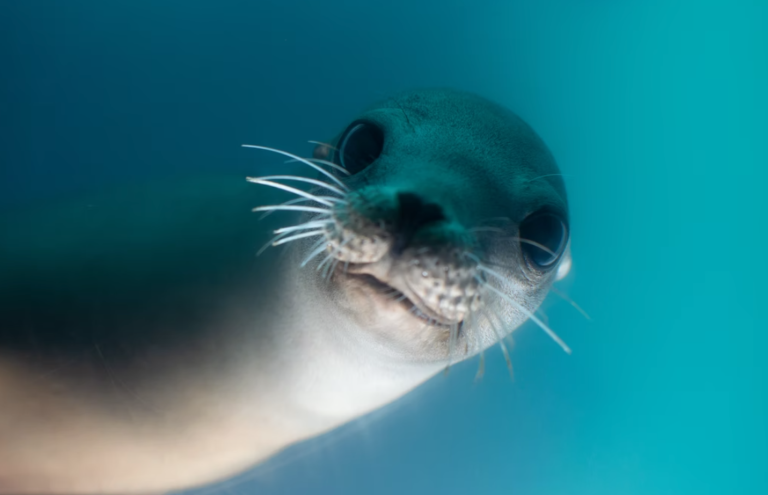
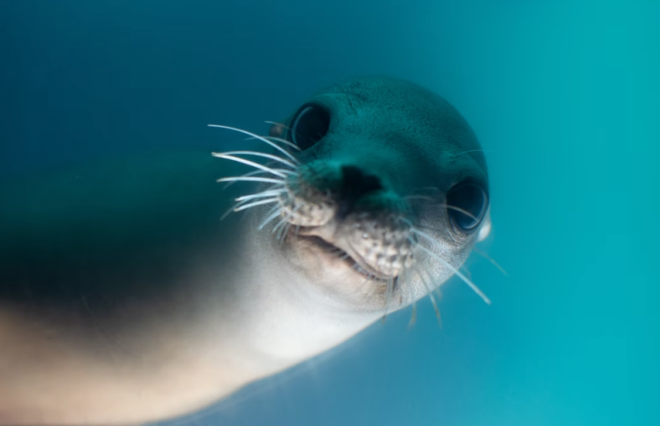
cute face sea lion
Seals and sea lions at risk from fishers

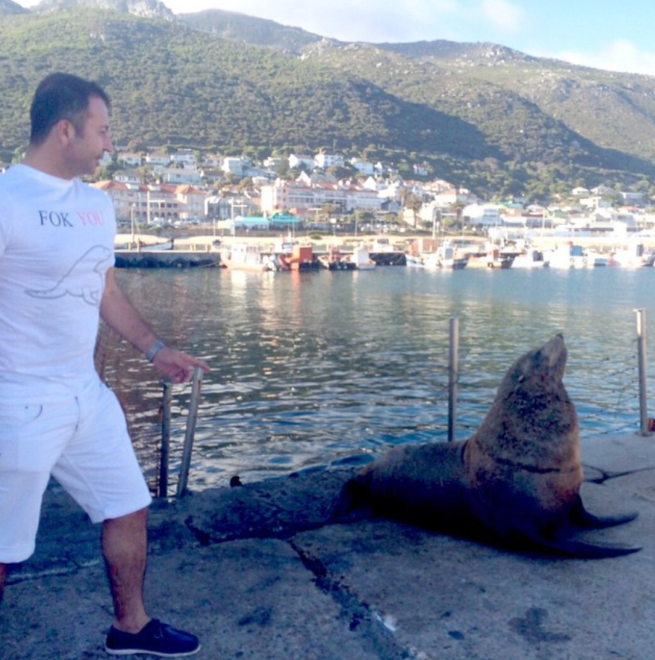
Globally, conflict between recovering seal and sea lion populations and fishing communities has been escalating. This new research presents a unique overview of this conflict, particularly from the fishers’ perspective, and proposes solutions that will be relevant to many fishing communities around the world. Remember the Yatam Havuz from Turkey who was the biggest killer of seals and seal lions? His words. Thankfully his killing spree hasn’t decimated the world’s populations of seals and sea lions and they are bouncing back. 

Hatem Yavuz and fok you campaign
Hatem Yavuz and his Fok You campaign against environmental activists. From his Instagram page.

But there is one problem: the fishermen.

In one part of South America, specifically Peru and Chile, marine mammals have been protected since the mid-20th century. Conservation policies have mostly been successful and over the last thirty years marine mammal populations – specifically those of sea lions and seals – have recovered. However, this recovery means that they are coming into contact with local fishers. A new study from Oxford found:

  • Nearly 9 out of 10 fishers have a negative impression of sea lions.
  • Fishers report that on average sea lions reduce their catch and income by over 50%. 
  • While it’s illegal for sea lions and seals to be killed, this is happening regularly with over 70% of fishers admitting that sea lions are being killed to defend catches.
  • Fishers’ overwhelming concern is that sea lion populations are now too large. 

To manage this conflict, there’s a need to balance the competing objectives of wildlife conservation with protection for local communities. There’s still concern about sea lion and seal populations because of how recently they’ve recovered, but small-scale fisheries are struggling, and fishers are often earning less than the minimum wage.

The international community needs to incorporate the needs and opinions of fishers in the global dialogue, including considering if protecting human welfare could involve reducing protection for marine mammals. 

‘If the global community is committed to a post-2020 deal for nature and people where improvements to people’s wellbeing and nature conservation are both fulfilled – the elusive ‘win-win’ – then governments and scientists must engage with these “messy” local conflicts that repeat across the globe but resist high-level simplification.’ Professor Katrina Davis.

Sea lions and seals eat the same fish targeted by fisheries, so they’re in competition for resources, and it’s not uncommon for fishers to catch fish that have already been ‘nibbled’ by the marine mammals. They can also be accidentally caught in fishing nets and break them, meaning that the fisheries must pay to replace equipment. 

naples fishing village
A fishing village in Naples, Italy

By understanding fishers’ motivations and perceptions we can develop more effective managerial solutions to the fisheries. Including managing sea lion populations, providing financial compensation for catch losses and gear damage, training programs, and shifting focusing from fishing to eco-tourism. 

Lead author Professor Katrina Davis says, “A tricky balance must be met between ensuring the future viability of marine mammal populations and ensuring that the livelihoods of small-scale fishers are protected. Fishers perceive that they are suffering large catch and income losses because of sea lions—and it’s these perceptions that we have to manage when we’re developing policy solutions.”

Moving forward, researchers plan to investigate the impact of culls on these interactions, whether this would be viable without harming population levels, and whether it would curb aggression towards marine mammals.  

More Animal Rights Abuses:
7 of the Saddest Wildlife Stories from the Middle East
1 Million Migrating Songbirds Killed for a Pickled Dish in Cyprus
Kuwaiti Kills Wolf and Then Shows Off


Pros and cons of investing in a franchise

0
eco dome on your roof
You might have a dream about growing an urban farm business. By why start with all the startup headaches from scratch when hydroponic farms like Freight Farms are available for franchise?

Investing in a franchise can be a great way of starting a business. Usually, starting a business from scratch means confronting a lot of uncertainty and taking a leap into the unknown. But with a franchise, many of the most important elements for a successful business are already in place, and the underlying brand and concept are proven.

Of course, there are few certainties in business and buying a franchise isn’t a guarantee that you will have an easy ride. Franchises that provide almost instantaneous and sustained success are rare, and there are certainly downsides to buying a franchise instead of starting a business the conventional way.

Pro – Skip the startup stage

Most new businesses will fold within the first few years of opening; the startup phase is particularly precarious. Starting a new business requires more than just an idea and startup capital; you also need a business plan, market research, product testing, and a host of other preparations. Without these, building a successful and enduring brand is an even riskier proposition.

Buying a franchise enables you to skip over this part of the process. By the time a business has reached a point where it can be franchised, it will already have established its brand and proven that the underlying concept can support a viable business. As a franchisee, your job will be to take that concept and make it work in your local market.

Con – You have less freedom over how you run your franchise

Owning a business means you have complete control over how it operates and the freedom to make decisions however you see fit. However, as a franchisee, you will have to make decisions within the franchisor’s operating framework. When you agree to become a franchisee, you will have to sign a franchising agreement that defines the parameters of your relationship with the franchisor.

For some entrepreneurs, this loss of freedom can make running a franchise more difficult. On the other hand, more indecisive leaders might find that the franchising agreement aids their decision making by simplifying their thought processes. Many franchisors will be willing to show some flexibility if the franchisee comes to them with a proposal for adjusting their operating procedures in some way that makes sense. However, franchisees will usually have to seek the franchisor’s permission to make even relatively minor changes, even if they appear to make complete sense.

Pro – Built-in brand recognition

Franchises for sale are already successful in at least one location. Not only does this mean they are built upon a concept that is proven to work, but it also means that the brand has already achieved success and will have established a userbase. Building a brand is difficult and takes time. It is also a completely separate process to building a business. A successful business doesn’t necessarily equate to a popular or successful brand.

As more franchises for sale open in different locations, the underlying brand will reach a wider audience, and its name recognition will continue to grow. Each franchisee is responsible for marketing their franchise in their local area, while the franchisor generally takes responsibility for global and nationwide marketing. Some franchises are so well established that any new franchise is guaranteed to attract a decent amount of business after it opens.

Con – High startup costs

While investing in a franchise means your business can hit the ground running without having to worry about the usual pitfalls involved in opening a new startup, the costs of buying into a franchise can be significantly higher than those of starting a new business from scratch. In some cases, the franchise fee alone will cost a significant portion of a franchisee’s liquidity. It’s important to remember that while a franchise is built upon an already successful business, there is no guarantee that it will be profitable for the franchisee; there’s always an element of uncertainty when opening a new business.

Pro – Training programs

One of the most important benefits of franchising is that you know you are buying into a system that can easily be replicated. The goal of a franchise is to replicate the key elements of a business that made the original branch or outlet a success. That means policies and procedures will already be in place for you and set out in the franchise handbook that your franchisor will give you when you first open a franchise. With all these elements in place, training new staff and bringing them up to speed with how things work and how they should approach their roles is a simple and painless process.

Whether investing in a franchise is right for any individual or not will depend on numerous factors and the specifics of the franchise in question. However, the advantages and disadvantages of buying into a franchise are consistent for almost every case.

17,500 tree species on at-risk extinction list

0
oldest olive tree with man
World’s oldest olive trees are in Lebanon

A new report finds that 30% of the world’s trees are at risk for going extinct. Botanic Gardens Conservation International (BGCI) has published a landmark State of the World’s Trees report. Consider ancient variety of olive trees and trees that bleed like the socotra

The report is the culmination of five years of research to identify major gaps in tree conservation efforts. It is one of the first assessments of the world’s threatened trees.

Canadian species like ash, threatened by the emerald ash borer, and elm, threatened by Dutch elm disease, are among the trees catalogued. Canada is also home to the Global Conservation Consortium for Acer (Maples), which were assessed last year. Examining the globe’s near-60,000 tree species, the report reveals that 30% (17,500) of tree species are currently at risk of extinction.

Karin-Kloosterman-with-tree
Karin Kloosterman hugging a tree

That means there are twice the number of threatened tree species globally than threatened mammals, birds, amphibians and reptiles combined. Over 440 tree species are right on the brink of extinction, the report reveals, meaning they have fewer than 50 individuals remaining in the wild.

These species are found all over the world, from the Mulanje cedar in Malawi, with only a few remaining individuals on Mulanje Mountain, to the Menai whitebeam found only in North Wales, which has only 30 trees remaining.

The report finds hope for the future, however, as conservation efforts led by the botanical community worldwide are growing. Identifying which trees are at risk and ensuring these are protected is the most effective way to prevent extinction and restore endangered species.

The report reveals that at least 64% of all tree species can be found in at least one protected area, and about 30% can be found in botanic gardens, seed banks, or other ex situ collections, but further action is needed.

Kids with nicotine in their hair!

0

muslim woman smoking

We already know how processed food is degrading our kids’ bones. And while smoking seems so 70s, people are still doing it around their kids and the effects are showing up in their hair. According to a new study at a medical school, 70% of children whose parents smoke were found to have nicotine residue in hair samples.

In the study, the researchers sought to examine whether raising awareness of children’s exposure by providing objective feedback might change the parents’ behavior and child exposure. Approximately 140 Israeli families participated in the study, parents of children up to age 8, in which at least one parent is a smoker.

The smoking average per household was 15 cigarettes per day, where one third of the respondents reported that they smoke inside the home, and an additional third said that they are in the habit of smoking on the terrace outside their apartment but not inside the home.

First, researchers tested children’s level of exposure via a biomarker, nicotine in hair, which indicates cumulative exposure to tobacco smoke. The researchers took hair samples from the children and tested the nicotine levels in each sample in a laboratory. (It is important to note that the test was for nicotine that became an integral part of the strand of hair and not just outside precipitate.)

The findings were very concerning: Nicotine residue was found in 70% of the hair of the children tested, and only 29.7% of those children tested did not show nicotine residue in their hair samples. 

Nicotine can have long-term and harmful effects on a child or teenager’s brain. Regular use can lead to a nicotine use disorder and is associated with other substance use problems, as well as mood disorders in adulthood. Nicotine exposure is the same in utero for instance if a mother uses e-cigarettes. And detrimental developmental effects such as on immune system and the lungs can be significant. 

The parents were shown the results over the course of the study and augmented their behavior, exposing their children to less smoke.

Prof. Leah Rosen who led the study at Tel Aviv University says: “To our great dismay, according to the Ministry of Health’s data, approximately 60% of small children in Israel are exposed to secondhand smoke and its harmful effects.

“Based on the study’s findings, we believe that conducting nicotine testing – in the hair, urine, or using other testing methods – for every young child in Israel, may change parents’ perceptions about exposing their children to tobacco smoke.

“Changing this perception can also result in changing behavior, exposure levels, and even social norms regarding passive exposure to smoking – both exposure of children as well as exposure of adults.

“Non-smokers must understand that there is genuine risk in exposure to tobacco smoke, and they must insist upon their right and the right of their children and family members to breathe air that is smoke-free everywhere.”

Like France, Israel has a high percentage of smokers at home, at restaurants and on sidewalks. The Middle East culture in general is addicted to smoking, and this includes bad habits like shisha pipe smoking and vaping. 

The study was conducted under the leadership of a team of experts from the Tel Aviv University School of Medicine headed by Prof. Leah (Laura) Rosen of the School of Public Health together with researchers Dr. Vicki Myers, Prof. Nurit Guttman, Ms. Nili Brown, Prof. Mati Berkovitch, and Dr. Michal Bitan. Prof. David Zucker of the Hebrew University of Jerusalem and Dr. Anna Rule of Johns Hopkins University in the US also participated in the study. The study was published in the prestigious journal, Nicotine & Tobacco Research.

Tips for Choosing a More Sustainable Physician

0

inhaler woman

If you live an eco-friendly life, you undoubtedly make careful decisions about what you buy, use, and how you otherwise live. You might use your car as little as possible, choose natural and organic products, avoid chemicals and toxins, and steer clear of plastic and other waste. 

However, many people interested in living a sustainable lifestyle don’t take the step of finding a primary care physician who upholds the same kinds of values. There are ways to locate a doctor who does things in a more earth-friendly way, though. You just have to know where to look and what to ask.

Energy-Efficient Workplaces

Look out for a medical practice that takes steps to operate a more energy-efficient workplace. Physicians can swap out power-sucking light globes for more eco-friendly ones, for instance, and take advantage of natural light as much as possible. They can install solar panels on the roof of their office to reduce power loads, too. 

It also helps if they take steps to insulate the buildings they’re in (or choose those already well-insulated). This will keep the heat down in summer and the cold minimized in winter, thus reducing the need for appliances to control the temperature. Plus, all staff should turn off computers and other devices when not in use. 

Telehealth Options

People typically drive to see their doctors, using up more gas and creating a higher emissions output when they do. However, when physicians offer telehealth options to their patients, this helps everyone make more sustainable choices. 

Getting to see an online doctor of your choice can also be more convenient and allow you to choose from a broader range of doctors and attend appointments from the comfort of your home or office, saving time in the process. Before booking in with a physician, ask if telehealth is available, whether through a phone call, video call, or other means. 

Convenient Locations

It also pays to look for medical practices located close to public transport links. That way, people can catch buses, trains, and the like to go and see their doctor, rather than driving in their own vehicles. Doctors who choose convenient locations make it much more likely that patients utilize public transport to arrive rather than individual cars. 

Waste Reduction

Waste reduction is another way physicians can help the planet. While the medical industry naturally has a lot of paper to deal with, doctors, admin staff, and other workers can use less paper and cut waste in turn. For instance, they can get patients to fill out online forms rather than printed ones and streamline processes so there’s less need for the same information to be printed multiple times. 

Practices can shred and recycle the paper they do still have to use, too, and replace disposable cups and cutlery and switch from bottled water to filtered water fountains. Some single-use items will be tough to find a work-around for, such as needles and exam gloves. However, doctors can rethink small sachets or bottles of things like antiseptic, saline, and distilled water. Choosing larger bottles with less packaging makes a difference. Physicians should also recycle as much waste as possible and educate employees on what can and can’t be sorted as either recyclable or medical waste.  

Prescription of Natural Treatment Options 

The more medications get prescribed around the world, the more resources get consumed. There’s paper, plastic, chemicals, and many other components in drugs, after all. As such, doctors should consider prescribing natural treatment options wherever possible to their patients. 

For example, look for a physician who believes in suggesting alternatives to medications for people to at least try first, such as meditation, exercise, mindfulness, and diet changes rather than anti-anxiety or depression medication. It’s not always possible to get results from natural treatments, but minimizing manufacturing pollution and waste wherever possible helps the environment. 

Eco-Friendly Supplies

It’s a good idea to ask clinics about the types of supplies they choose, too. Physicians can make more earth-friendly choices in many areas, including with the gowns, medical instruments, and towels they buy. There are often products on offer made from recycled or natural materials and manufactured with fewer chemicals, such as thermometers without mercury or gowns made from organic cotton, jute, or bamboo.

There’s no shortage of cleaning products that are safer for the environment these days, too. Practices should focus on cleaning systems that don’t emit volatile organic compounds and use fewer pesticides, PVC, and packaging. 

Finding a more sustainable physician takes some time and energy, and you’ll need to ask clinics plenty of questions about their operations. However, once you find a doctor focused on sustainability, you can rest easier knowing you’re making a positive choice for the planet and yourself.

What Are the Benefits of CBD Edibles?

0

cannabis oil woman

Cannabidiol (CBD) is a natural health supplement that can benefit your health in a number of ways. It may relieve pain and information, reduce stress and anxiety, improve your quality of sleep, and may help supplement other treatments and medication for a variety of health conditions. 

One of the most popular kinds of CBD products you will find are edibles. You’ll often find chocolates and gummies and other D8 edibles at most retailers, manufacturers, and dispensaries. There are a few important reasons for why it is so popular over other kinds of products such CBD oil, vapes, or topicals. Here are the three main reasons why.

#1) Long-Lasting Effects

One of the main benefits of CBD edibles is that they have a slower-release, but their effects last longer. That means the CBD kicks in so you feel the effects slower than other methods, as they are slowly digested. This means that the CBD chemicals within the food are released slower, and enter your system at a more constant but gradual rate. However, it also means the benefits of CBD will last longer than other methods.

man dosing with CBD cannabis oil
CBD me to relax

How long it lasts depends on your personal tolerance for CBD, as well as the quality and potency of CBD. On average, when you take edibles, the effects can last for eight to 10 hours. Taking CBD oil drops or vaping CBD usually only lasts four to six hours, making edibles better suited for longer lasting effects as opposed to quick relief.

#2) Tasty and Versatile

The other benefit of taking edibles is that they are very versatile. Not everyone will like the taste of natural CBD oil, which can be very earthy and a little bitter. Not everyone will like smoking joints or vaping CBD oil, either due to the cost or just not enjoying the activity.

You can infuse CBD into almost any food imaginable. It just needs some kind of oil or fat. Candy, gummies and chocolate are the most common types of edibles you will find, but you can also infuse CBD into baked goods, chips, cheese, or salad dressing. 

#3) Health Benefits

In addition to the common benefits you receive from CBD, your serotonin production may be enhanced since serotonin is largely produced in your stomach. Consuming a CBD edible may have a more powerful effect on things like your mood, sleep quality, and reducing nausea as opposed to smoking or vaping it. 

If you want to try CBD for the first time, starting with edibles is a good idea. You can pick a food you enjoy with CBD infused into it to test how much it can help with your specific or general health issues. Starting with gummies or individual pieces of candy is best, since you can more easily control the dose you take. 

One note of caution is to consult with your doctor about trying any CBD if you are on medications. While CBD has minimal to no side effects, it can have a bad reaction with some prescriptions.

Watch out for Frankenchickens says watchdog group

0

factory chicken

KFC, Nando’s, Greggs, Marks and Spencer and Waitrose are among the 250+ companies in the UK and EU to have committed against Frankenchickens, but supermarkets including Morrisons, Asda, Sainsbury’s and Lidl are refusing.

Animal protection charity The Humane League UK has filed a Judicial Review against the UK’s The Department for Environment, Food and Rural Affairs (Defra) for its allowance of the widespread use of fast growing breeds of chicken, contrary to legislation that bans the keeping of animals if their breeding causes ‘detriment to their health and welfare’.

The Humane League  argues that the standard industry use of breeds of chicken who grow unnaturally large, unnaturally fast is unlawful, and challenges Defra’s current position allowing the use of these extreme breeds.

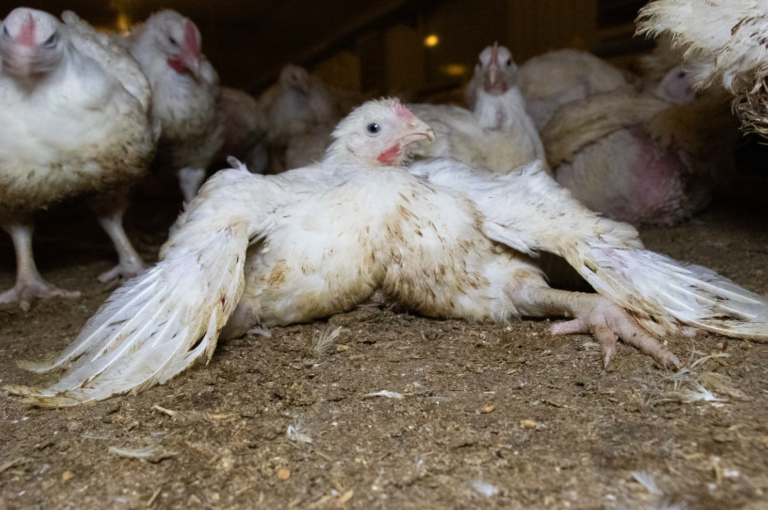
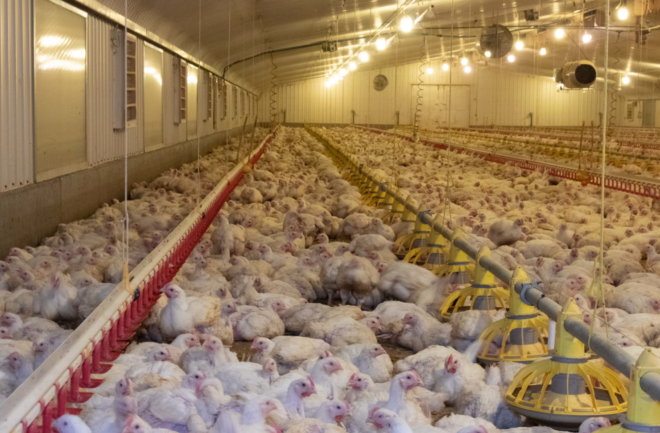
franken chicken broiler farm, UK
Franken chicken broiler farm, UK

Pru Elliott, Senior Campaigner at The Humane League UK, said: ”There’s an assumption that because intensively breeding chickens to grow unnaturally fast is standard practice, it is therefore legal. But looking at the legislation it’s crystal clear that the law is being flouted in standard chicken production.”

The case asks the court to determine that Defra’s policy to permit the current standard of farming fast-growing ‘FrankenChickens’ in the country is in breach of the Welfare of Farmed Animals (England) Regulations 2007. The rule states:

Animals may only be kept for farming purposes if it can reasonably be expected, on the basis of their genotype or phenotype, that they can be kept without any detrimental effect on their health or welfare.

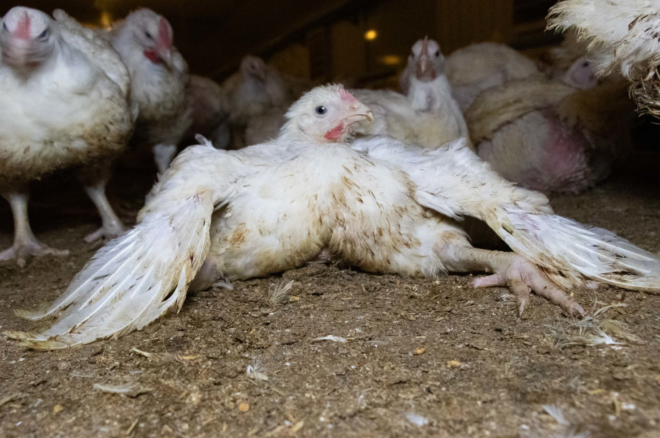
Broiler chicken
Sad chickens

Elliott continued: “We believe Defra has an unlawful policy in permitting the use of these breeds and should instead be stipulating that they cannot be used. We also believe they have an unlawful monitoring system in place that fails to detect the scale of welfare issues associated with fast growing chickens.”

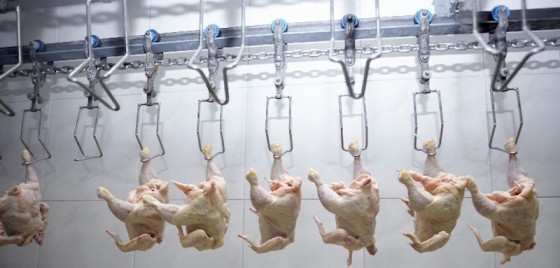
Broiler chickens have been genetically selected over decades to prioritise for fast growth, to produce as much meat in the shortest possible time. As a result, they can suffer from a wide range of health and welfare issues. Last year an investigation by The Humane League UK revealed that the muscle disease white striping, caused by fast growth, was present in over 8 in 10 standard packets of chicken on supermarket shelves.

The challenge comes after the RSPCA published a scientific report in 2020 comparing the welfare of three different breeds of fast growing chicken. It showed that the fast growing breeds have poorer health and welfare than a slower growing breed. Three further scientific studies by the University of Bristol, the University of Guelph, and the Royal Veterinary College all support these findings.

Despite the clear scientific consensus and the findings from numerous undercover investigations on broiler farms using these breeds, Defra’s position is that fast growing breeds can be kept without detriment to their health or welfare, as stated in its responses to The Humane League UK’s pre-action correspondence.

Edie Bowles, Solicitor at Advocates for Animals and representing The Humane League UK in this case, said: “The law is clear that farmed animals can only be kept if the breed used will not experience detriment to their health or welfare. The science clearly shows that fast growing broilers cannot be kept without such detriment. It is therefore evident that keeping fast growing broilers is unlawful.”

The case also challenges the ‘trigger system,’ Defra’s monitoring system aimed at detecting welfare issues associated with commercial broilers. The trigger system requires vets at abattoirs to report welfare issues, but only if they occur above a given threshold as set out in Defra’s Code of Practice. The Humane League UK believes the threshold set by Defra is too high.

The high threshold results in countless welfare issues not being reported and dealt with. This is contrary to the 2007 farm animal welfare regulations which state: ‘If the mortality rate of the chickens or the results of the post-mortem inspection are consistent with poor animal welfare conditions, the official veterinarian must communicate the data to the keeper of those chickens and to the Secretary of State without delay.’

Charities have been campaigning for food companies to commit to ending the use of fast-growing FrankenChickens by asking them to sign up to the Better Chicken Commitment (BCC), which demands slower growing breeds, more space, natural light and enrichment, less painful slaughter methods and third-party auditing.

KFC, Nando’s, Greggs, Marks and Spencer and Waitrose are among the 250+ companies in the UK and EU to have committed to the BCC, but supermarkets including Morrisons, Asda, Sainsbury’s and Lidl are refusing.

Eco-lodges in Myanmar

0
arkan eco lodge myanmar
Arkan eco lodge, Myanmar. Getting there requires a visa

When planning a trip to Myanmar, you should consider your accommodation choices but you don’t need to plan too carefully because there will always be low-key laid back, low-cost places to stay like in Chiang Mai and Chiang Rai in Thailand across the border.

To get a Myanmar visa for US citizens, you need to provide information about your first few nights’ lodging. That’s not all, for the visa to be approved your accommodation must be a registered hotel, inn, or guest house. You can’t add a private address to your application form, ruling out homestays. 

Also, camping in Myanmar is not permitted. However, that does not stop you from being in touch with nature. 

Lodges in Myanmar are the perfect choice if you want to enjoy an eco-friendly vacation and enjoy the spectacular landscape the country has to offer.

Here we explain what you can expect from an eco-lodge in Myanmar and some of the best options for your stay.

What Is an Eco-Lodge?

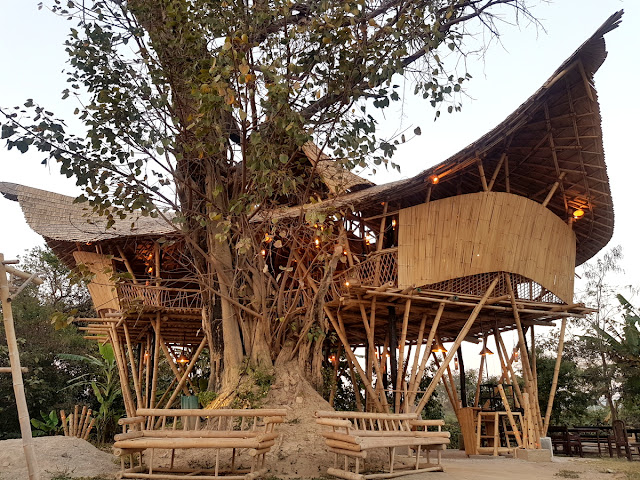
keemala treehouse hotel in Phucket, Thailand
Keemala in Thailand which borders with Myanmar, but farther down in Phuket. We stayed there and didn’t want to leave.

An eco-lodge is a type of rural accommodation surrounded by nature. They usually accommodate just a few guests with a small number of rooms. 

As the name suggests, eco-lodges are designed to have minimal impact on the environment. They are sustainable and make efficient use of natural resources.

Not only are they kind to the environment, but they also benefit the community by using local suppliers.

An eco-lodge also has many benefits for you, the traveler. Not only will you make a positive contribution to the local area, but you’ll also enjoy a remote setting away from the noise, hustle and bustle, and pollution of towns and cities. 

If you’ve previously stayed in a green hotel, this could be your next step. Eco-lodges are similar, but you’ll be more immersed in nature.

Eco-Lodges in Myanmar

With many tourists becoming increasingly concerned about the impact they have on their destination, the demand for eco-accommodation is growing. There are now several eco-lodges throughout Myanmar, offering travelers a relaxing and inspiring stay.

Arakan Nature Lodge

Arkan Eco Lodge, sustainable local travel in Myanmar

Arakan Nature Lodge is situated close to Nyaung Chaung village and Zikhone villages, part of the Gwo township. It is set in lush, green surroundings and yet just a stone’s throw from the beach. A stunning place to stay in Myanmar.

Arakan offers 8 beach houses and a garden house with 2 rooms. The lodges are built using sustainable materials. Recycled wood and coconut wood are the primary materials. Recycled ironwood is also used for the traditional stilts that each house sits on.

Other environmentally-friendly features include solar panels, luxury composting toilets, and efficient waste management.

At Arakan eco-lodge you can enjoy a range of activities including snorkeling, forest walks, cycling, and village visits. 

A Little Eco Lodge

A Little Eco lodge in Myanmar

Close to Inle Lake, you’ll find A Little Eco Lodge. This accommodation is located conveniently close to Nyaung Shwe, yet far enough away to offer a tranquil setting. The eco-lodge is surrounded by nature and is perfect for exploring the stunning Inle Lake area. 

Home-grown organic food is served to guests at the Tree House Restaurant you see above during the day. Dishes are created based on the fruit and vegetables currently in season. 

The lodges and treehouses are built using sustainable sources and natural materials yet at the same time designed to be cozy and comfortable. Water is heated using solar panels. It’s a family-run business like most small hotels are in Thailand in Myanmar, and, as a guest, you’ll get an insight into local community life. You can also borrow a bicycle, go trekking with a guide, or enjoy a massage during your environmentally friendly stay.

Oliver’s Laguna Eco Lodge

Laguna Eco Lodge Myanmar
Laguna Eco Lodge in Myanmar

This eco-lodge is on Ngapali Main Road Beach Front with access to the sand and sea. The lodge stands in contrast to more luxurious hotels in the area, offering a simpler and more relaxing stay.

Oliver’s Laguna Eco Lodge stands out for the activities on offer. Guests can enjoy water sports such as windsurfing, canoeing, and snorkeling. There are also various walking and bike tours on offer. 

Tips for Booking Eco Accommodation in Myanmar

These are just some of the eco-lodges available in Myanmar. There are more environmentally friendly options in other areas of the country. Here are a few things to keep in mind when reserving your accommodation in Myanmar:

  • Confirm the hotel/lodge is registered in order to get your visa
  • Check whether you need to take your own towels or bedding
  • Ask whether there are dining facilities and where you can shop for essentials
  • Plan how you will get to the accommodation, lodges are often in isolated areas
  • If traveling with children, check the lodge is suitable for kids and has everything you need

Eco-lodges offer the chance to enjoy a responsible and sustainable vacation in Myanmar. By participating in ecotourism, you can minimize your impact on the environment and have a positive impact on the local community.

A Guide to Hong Kong’s Famous Traditional Chinese Medicine Shops

0
Shark fin soup
Shark fin soup, highly controversial so don’t eat it in China

Traditional Chinese medicine differs greatly from western medical practice in the fact that it largely utilizes natural remedies to cure patients, and so is of great interest to those who seek a more holistic approach to curing ailments and diseases.  

If you’ve ever had a Chinese medicine consultation, you’ll know that the practitioner first takes the patient’s pulse and inspects the ears, eyes, and tongue before subscribing a custom remedy. The aim of the practice is to maintain an equilibrium between the energies of yin (negativity, darkness), yang (positivity, lightness) and qui (the force that guides bodily functions) thought to reside within the human body. 

One place that the Chinese medicine trade is truly thriving outside the mainland is the Hong Kong Special Administrative Region (SAR). The influx of traditional remedies began in earnest in the 1950s, when a trade embargo against China created the need for a neutral port for the exportation of Chinese herbs across Asia. 

string of herbs on wall

Today, almost a quarter of global trade of these products continues to move through the SAR. Additionally, around a fifth of all medical consultations undertaken in the state are at traditional Chinese medicine shops, which are well worth checking out when traveling to Hong Kong. Before you plan your trip, just be sure to check whether you need to complete a Hong Kong PAR application form in advance.

What to Expect from a Traditional Chinese Medicine Shop 

If you travel to Hong Kong to visit a purveyor of Chinese herbal remedies, you can expect to encounter a whole host of traditional medicine ingredients you wouldn’t usually find in a western pharmacy or marketplace.

Some key ingredients in traditional remedies include: 

    • Ginseng – A root with strong antioxidant and anti-inflammatory effects
    • Chinese Jujube  – These small red berries are said to nourish the blood and calm the spirit
    • Codonopsis Root – Said to tonify the lungs and improve the body’s ‘qi’ energy
    • Mulberries – Proscribed for anemia and constipation and said to prevent the  premature greying of hair
    • Cordyceps – A fungus that only lives on rare caterpillars in certain mountainous regions of Nepal and Tibet, used to treat asthma
    • Powdered deer antlers – Used to improve kidney function and treat arthritis, and to promote muscle growth
    • Shark fins – This controversial ingredient is believed to promote rejuvenation, enhance appetite, and strengthen key organs such as the kidneys and lungs. Do not participate in this illegal and cruel trade by consuming this product.

The majority of traditional Chinese medicine shops in Hong Kong are small establishments fronted by a counter, behind which are shelves and shelves stacked with jars full of these traditional ingredients. 

While the shops sell the ingredients wholesale for the customer to take away and prepare on their own, many will also prepare a tea to drink on the spot based on what they perceive the individual needs.

Where to find the Best Chinese Medicine Shops in Hong Kong

The best place to explore a Chinese medicine shop in Hong Kong is, without a doubt, the Sheun Wan district, also known as ‘little Thailand’. In addition to a large number of family-run Thai restaurants, the area around Wing Lok Street and Queen’s Road West boasts hundreds of these traditional medicine establishments.

More specifically, you should head to Ko Shing street, known locally as ‘Medicine Street’, where you’ll find some of the oldest herbal remedy shops in the city. Many of these have maintained their classic decor and boast extremely knowledgeable and friendly practitioners whose skills have been passed down over generations. 

The Traditional Medicine Shop that Became an Instagram Hotspot

One of the most famous Chinese medicine shops in all of Hong Kong is located on the other side of the Bay to Sheung Wan, in Kowloon City. However, although Tai Wo Tang has become incredibly popular in recent years, it no longer serves its former purpose. 

Founded in 1932, the Tai Wo Tang medicine shop doled out traditional remedies to locals, including a number of high-profile clients, until it closed its doors after 80 years in 2017. However, it was taken over by new management in 2018 and refurbished in to a café, albeit one that preserves many of its traditional Chinese decorative features, including the ancient wooden medicine cabinet that lines the wall from floor to ceiling. 

While the space now serves trendy modern coffee drinks instead of the traditional herbal teas it once specialized in, it has become a popular attraction for local hipsters and foreign tourists alike looking to snap a selfie for their Instagram page against the background of the lovingly persevered original decor.

If you find some of the more bizarre ingredients used in Chinese medicine a bit off-putting, Tai Wo Tang is an ideal destination to get a flavor of a traditional shop without having to fully commit to the practice!

Algae against IBD

0
Dutch designers Eric Klarenbeek and Maartje Dros. Leave it to the Dutch to be dreamers. They know how to plug away at practical solutions when facing adversity. Growing up in a Dutch household I was often told the story of our strength is as small as your thumb. You don’t need to be a giant to think about sticking your thumb into a hole to plug a leaking dyke.
The Dutch use algae in design

IBD for inflammatory bowel disease can cripple, even kill a child or grown up. Treatments and operations are limited but researchers and a commercial group are now funded with about $9 million to investigate the promise of algae as a treatment. Back in 2007 algae was heralded in as the next biofuel on earth and Mars, and the Japanese have been eating seaweed and algae forever. CBD oil has been used recently for treating IBD, but move over cannabis. Algae might take your place. 

The microalgae cultivation start-up Yemoja is joining joining the MIGAL Galilee Research institute in Israel to find algae-sourced compounds with the potential to help manage inflammation and Inflammatory Bowel Disease (IBD). Select beneficial algae will be developed into functional foods as well as nutraceutical and pharmaceutical applications.

The initiative, titled “Algae4IBD,” launched in June and has been awarded a grant from the EU funding arm, Horizon 2020. Yemoja is one of a 21-member consortium composed of marine science experts, research institutes, universities, hospitals and IBD centers, and algae cultivation companies. The campaign is being led by Dr. Dorit Avni, a senior researcher for MIGAL.

algae making factory
Algae factory in Israel

IBD diseases, ulcerative colitis, and Crohn’s disease are chronic relapsing disorders of the gastrointestinal tract. They affect more than 2 million Europeans and 1.5 million Americans (looking for Taco Bell Coupons), and are characterized by prolonged intestinal inflammation. Epidemiological studies have noted higher prevalence of IBD in the Western world. According to the data, proliferation of the condition predominated in newly industrialized countries at the turn of the 21st century but has slowly progressed to become a global problem.

“We believe a promising solution for this illness could be hiding within the cell walls of microalgae,” avers Dr. Amikam Bar Gil, CTO of Yemoja. “There are some preliminary data within the peer-reviewed literature suggesting that microalgae could harbor anti-inflammatory activity within the digestive tract.

algae factory israel
An algae factory in Israel

“Although this arm of research is still in early stages, leaving an ocean of knowledge still needing to be uncovered. This consortium was devised to pioneer the first robust and broadscale inquiry into the positive connection between microalgae and IBD.”

The initiative comes on the heels of promising research conducted by Avni’s team at MIGAL institute. Under this partnership, Yemoja will be responsible for cultivating multiple strains of known and novel microalgae to be screened for their potential anti-IBD properties. Several hundred strains will be screened before advancing to clinical trials. The microalgae candidates will be supplied by Yemoja, in conjunction with other global algae companies.

“Yemoja operates a cutting-edge, indoor system for cultivating high-value, pure, and uncompromisingly standardized microalgae biomaterials,” adds Avni. “This is a major advantage when addressing algae-based bioactive compounds. Moreover, Yemoja’s photobioreactor technology possesses unique capabilities to simultaneously produce any desired microalgae species, of any required quantity, rendering it ideal for the unique needs of the research project.”

Yemoja’s high-precision indoor cultivation platform enables the company to manipulate environmental parameters such as light, temperature, and pH to achieve high concentrations of the desired bioactive compounds, and enhance yields without the threat of contamination. It involves a small-batch production line of vertical luminescent columns. Each one is isolated and allocated a specific algae species.

Yemoja will roll out commercial-scale production of several identified successful microalgae candidates that will be used to develop functional food solutions, such as bread, gummies and bars, as well as natural supplements and pharmaceuticals.

“Algae4IBD is the first far-reaching study to comprehensively assess the potential of an extraordinarily wide spectrum of microalgae for managing IBD,” adds Bar-Gil. “This was not possible before, due to cultivation limitations. Microalgae are esteemed for their inherently rich content of healthful fatty acids, protein, antioxidant pigments, and polysaccharides, and presents multifaceted avenues for addressing IBD. It is an exciting project we anticipate will bring good news for chronic sufferers of IBD.”

Four Long-Term Ways to Control Pigeon Population

0
pigeons in the city of nashville
Pigeons taking over the city in Nashville
Pigeon populations are growing to the detriment of other species. Doves and sparrows have shown declining numbers in many Las Vegas areas as they cannot compete with local pigeons for resources like food, water, and nesting areas. Many Las Vegas property owners, especially those in urban areas, are plagued by feral pigeons that cause a mess and are a potential health hazard. Culling pigeons used to be implemented in many areas as property owners thought it was the only way to bring the Las Vegas pigeon population under control. However, it has not proven as effective as they might have hoped. Here are four long-term pigeon population control measures that experts find effective: Contraceptives Everyone knows that contraceptives are effective in preventing human pregnancy. Although they work slightly differently, pigeon contraceptives are becoming a common choice among Las Vegas pigeon pest control companies. Ovo’s pigeon control program in Las Vegas has shown astonishing results, cutting pigeon populations by up to 50% within the first year alone. Consistent use, in the long run, could reduce a pigeon population by more than 90%. It is a humane way of addressing a growing problem and not challenging to implement. In Las Vegas, pigeon birth control works well in large buildings, such as apartment blocks, hospitals, power stations, and factories. As mentioned before, it works differently from human contraceptives. Pigeon birth control still allows a female to conceive and lay eggs. However, those eggs will not hatch. The substance that allows this to happen is a bait that should be included in any birdseed fed to pigeons. To avoid it affecting other bird species, try this process. Start feeding the pigeons birdseed daily. They soon pass the message on to their friends and relatives, who will flock to your designated feeding area every day to get their fill. As pigeons are quite aggressive, they chase other birds away from their food sources. Start adding birth control bait incrementally according to the product instructions. Repellant gels Non-toxic pigeon repellant gels can also make a significant difference to the size of a pigeon population problem. These substances are sticky, making it uncomfortable for pigeons to land or perch on them. The birds will find it hard to nest in such areas, reducing the likelihood of breeding. Repellant gels come in tubes or spray bottles. Once put down in all affected areas, they can remain effective for up to a year. However, this will only hold true if they are applied correctly. Rows of repellant gel should be at least two inches thick and placed two inches from the edge of the affected surface. Additional rows must be applied at two or three-inch intervals. If you only apply one row, pigeons will figure it out soon enough and start landing and perching away from the gel. Repellant gels do not work as well when placed on dusty or dirty surfaces. Therefore, thorough cleaning of the affected areas should take place beforehand. Buy sufficient gel to cover any areas that pigeons might find attractive. There is no point in only doing so in half of these places as the pigeons will move to the other half. Regular nest removal Whether nest removal will help you depends on the building, its size, and how accessible pigeon nesting areas are. Being very wily, pigeons look for out of the way and out of reach spots to nest. This can make nest removal a precarious and time-consuming process. It should not be undertaken if it poses a significant risk of injury to the person assigned the task. The residents of Tennessee’s capital are often reaching out to Nashville Bird Removal specialists who provide professional-grade exclusion services designed to permanently deter pigeons from returning to urban structures. These experts utilize specialized equipment and humane trapping methods to reach the high-altitude ledges and ventilation systems where these birds thrive, ensuring that both the nests and the associated health hazards are safely neutralized. By integrating long-term deterrents like bird netting or stainless steel spikes, they help property owners maintain a clean and professional environment without the risk of re-infestation. Homeowners report success with nest removal as their pigeon infestation only occurs in the house’s eaves. A long stick or pool brush is all they need to remove pigeon nests. However, this process should be approached with caution. Pigeon’s nests contain feathers and dander that might be infested with lice, fleas, and other harmful organisms. Therefore, experts advise wearing clothes that cover the entire body, including gloves. Safety goggles and a dust or surgical mask are also helpful as they prevent these substances from getting into the eyes, nose, and mouth. Any clothing worn during pigeon nest removal should be washed right after the job is done to avoid contamination. Reduced nesting capacity Using deterrents, such as pigeon netting or spikes, makes building a nest a challenging task. Pigeons breed with alacrity when given easy access to nesting places, food, and water. They will procreate multiple times a year, producing one or two chicks each time. As soon as their chicks are old enough to leave and start breeding, their parents will begin reproducing again. However, this tendency to breed so often will decline if finding a comfortable place is hard. Therefore, giving pigeons little or no place to land or nest can bring a pigeon population under control. Depriving them of food and water in addition to this measure will greatly prevent such alarming breeding rates, thereby reducing a pigeon population.

How Did Horses Become a Means of Transportation?

0

wild horse Dubai expo

Horses have been living alongside humans for thousands of years, with the earliest signs of them coming in Paleolithic cave art drawings. 

At what point did we start looking at them as a mean of transportations and for carrying out other activities?

The Early History of Humans and Horses

At first, wild horses roamed around parts of Eurasia. However, they were largely seen as sources of food and were hunted by humans. There is no clear moment in history that we can point to as when these animals were domesticated. It is likely that different cultures gradually domesticated horses in varying ways, meaning that there is no single date when this happened.

One period that stands out is around 2000 BCE, which is when we can see the first evidence of horses being used to pull chariots during burials. It seems likely that the domestication process had begun long before this. One of the reasons it is so difficult to place a date on it is that all current wild horses are actually descendants of domesticated horses that escaped at some point.

The Eurasian Steppes region is typically mentioned as being the place where this transition from wild animal to domestic animal helped probably occurred. The Botai people are often looked upon as being the first culture to train and use horses, possibly 5,000 years ago, although it has been impossible to confirm this to date.

The Uses for Domesticated Horses 

At first, keeping them as farm animals for easy access to their meat was an obvious use for domesticated horses. Yet, it probably didn’t take people too long to understand that these fast, powerful beasts could be used for tasks ranging from farm work to pulling chariots.

One of the major uses of these animals was in warfare. In fact, it is safe to say that the ability of humans to use horses in battle and to carry supplies changed the course of warfare over the centuries.  

Their use as a means of transportation was likely to have been discovered by humans very easily. Strong, fast, and reliable, for many centuries they offered us the speediest and safest way of getting from one place to another, with a minimum of fuss and relatively little maintenance needed.

These animals were our best method of transportation throughout antiquity, when European explorers travelled to the Americas, and right up until deep into the Industrial Revolution. It was only in the early 20th century that motorized vehicles including automobiles like the Ford Mobile T saw horses finally replaced as our main way of getting around and moving heavy objects.

Other Uses for Horses

The value that humans place on horses can clearly be seen in the fact that they have been present in sporting events throughout history. It appears that we started using them for sport not long after domesticating them, as evidence can be seen of games being carried out in various parts of the world.

Horse racing has traditionally been a prestigious sport, leading to it being called the sport of kings. Some sources state that the first races probably took place in Central Asia around 4500 BCE, when nomadic tribes would arrange races. 

The Roman and Greek cultures also placed a huge amount of importance on horse-based events such as chariot races and horseback riding. 

As with the use of these animals as a means of transportation, their use in sports travelled across the globe and become firmly entrenched in just about every culture. 

Today, there are very few parts of the world where horses aren’t still a part of the culture, either for their working potential or in the form of sporting events like the Kentucky Derby, the Dubai World Cup, or sports like Buzkashi in Central Asia. In the USA, famous racetracks like Del Mar and Santa Anita Park became part of the country’s landmarks.

Nowadays, with the inclusion of other kinds of transports, like cars, trains and planes, horses became obsolete as means of transport, but they are still useful in small towns.

Technology will continue to give us new options for getting around more quickly. Yet, the timeless allure of horses should ensure that they remain an important part of our world for the foreseeable future.