Research from the Wildlife Conservation Society (WCS) and the University of Queensland, published in Ocean & Coastal Management, found that nearly three out of four marine protected areas (MPAs) worldwide are exposed to sewage pollution.
At a time when climate anxiety can feel abstract and overwhelming, and being Jewish something people may need to hide in big cities, Adamah Los Angeles is trying something different: turning Jewish values into local climate action with dirt-under-the-fingernails practicality.
For families with kids, pets, or anyone trying to build a cleaner outdoor space, removing old astroturf is one of the simplest ways to reduce unnecessary exposure to plastics and heat. Some past studies suggest that if kids have played on these surfaces you need to wash their hands.
Artificial turf, the green plastic stuff that is supposed to look like grass, was sold to many home-owners as a clever compromise: a green-looking surface that makes you feel homey, but which needs no mowing. It survives heavy use, and in dry places like Middle East deserts, and in California or Texas, it can replace thirsty lawns. But it is toxic.
“In the midst of uncertain time, renewable energy remains consistent and steadfast in its expansion,” said Francesco La Camera, IRENA’s Director-General. “A more decentralised energy system, with a growing share of renewables and more market players, is structurally more resilient.”
Research from the Wildlife Conservation Society (WCS) and the University of Queensland, published in Ocean & Coastal Management, found that nearly three out of four marine protected areas (MPAs) worldwide are exposed to sewage pollution.
At a time when climate anxiety can feel abstract and overwhelming, and being Jewish something people may need to hide in big cities, Adamah Los Angeles is trying something different: turning Jewish values into local climate action with dirt-under-the-fingernails practicality.
For families with kids, pets, or anyone trying to build a cleaner outdoor space, removing old astroturf is one of the simplest ways to reduce unnecessary exposure to plastics and heat. Some past studies suggest that if kids have played on these surfaces you need to wash their hands.
Artificial turf, the green plastic stuff that is supposed to look like grass, was sold to many home-owners as a clever compromise: a green-looking surface that makes you feel homey, but which needs no mowing. It survives heavy use, and in dry places like Middle East deserts, and in California or Texas, it can replace thirsty lawns. But it is toxic.
“In the midst of uncertain time, renewable energy remains consistent and steadfast in its expansion,” said Francesco La Camera, IRENA’s Director-General. “A more decentralised energy system, with a growing share of renewables and more market players, is structurally more resilient.”
Research from the Wildlife Conservation Society (WCS) and the University of Queensland, published in Ocean & Coastal Management, found that nearly three out of four marine protected areas (MPAs) worldwide are exposed to sewage pollution.
At a time when climate anxiety can feel abstract and overwhelming, and being Jewish something people may need to hide in big cities, Adamah Los Angeles is trying something different: turning Jewish values into local climate action with dirt-under-the-fingernails practicality.
For families with kids, pets, or anyone trying to build a cleaner outdoor space, removing old astroturf is one of the simplest ways to reduce unnecessary exposure to plastics and heat. Some past studies suggest that if kids have played on these surfaces you need to wash their hands.
Artificial turf, the green plastic stuff that is supposed to look like grass, was sold to many home-owners as a clever compromise: a green-looking surface that makes you feel homey, but which needs no mowing. It survives heavy use, and in dry places like Middle East deserts, and in California or Texas, it can replace thirsty lawns. But it is toxic.
“In the midst of uncertain time, renewable energy remains consistent and steadfast in its expansion,” said Francesco La Camera, IRENA’s Director-General. “A more decentralised energy system, with a growing share of renewables and more market players, is structurally more resilient.”
Research from the Wildlife Conservation Society (WCS) and the University of Queensland, published in Ocean & Coastal Management, found that nearly three out of four marine protected areas (MPAs) worldwide are exposed to sewage pollution.
At a time when climate anxiety can feel abstract and overwhelming, and being Jewish something people may need to hide in big cities, Adamah Los Angeles is trying something different: turning Jewish values into local climate action with dirt-under-the-fingernails practicality.
For families with kids, pets, or anyone trying to build a cleaner outdoor space, removing old astroturf is one of the simplest ways to reduce unnecessary exposure to plastics and heat. Some past studies suggest that if kids have played on these surfaces you need to wash their hands.
Artificial turf, the green plastic stuff that is supposed to look like grass, was sold to many home-owners as a clever compromise: a green-looking surface that makes you feel homey, but which needs no mowing. It survives heavy use, and in dry places like Middle East deserts, and in California or Texas, it can replace thirsty lawns. But it is toxic.
“In the midst of uncertain time, renewable energy remains consistent and steadfast in its expansion,” said Francesco La Camera, IRENA’s Director-General. “A more decentralised energy system, with a growing share of renewables and more market players, is structurally more resilient.”
Research from the Wildlife Conservation Society (WCS) and the University of Queensland, published in Ocean & Coastal Management, found that nearly three out of four marine protected areas (MPAs) worldwide are exposed to sewage pollution.
At a time when climate anxiety can feel abstract and overwhelming, and being Jewish something people may need to hide in big cities, Adamah Los Angeles is trying something different: turning Jewish values into local climate action with dirt-under-the-fingernails practicality.
For families with kids, pets, or anyone trying to build a cleaner outdoor space, removing old astroturf is one of the simplest ways to reduce unnecessary exposure to plastics and heat. Some past studies suggest that if kids have played on these surfaces you need to wash their hands.
Artificial turf, the green plastic stuff that is supposed to look like grass, was sold to many home-owners as a clever compromise: a green-looking surface that makes you feel homey, but which needs no mowing. It survives heavy use, and in dry places like Middle East deserts, and in California or Texas, it can replace thirsty lawns. But it is toxic.
“In the midst of uncertain time, renewable energy remains consistent and steadfast in its expansion,” said Francesco La Camera, IRENA’s Director-General. “A more decentralised energy system, with a growing share of renewables and more market players, is structurally more resilient.”
Research from the Wildlife Conservation Society (WCS) and the University of Queensland, published in Ocean & Coastal Management, found that nearly three out of four marine protected areas (MPAs) worldwide are exposed to sewage pollution.
At a time when climate anxiety can feel abstract and overwhelming, and being Jewish something people may need to hide in big cities, Adamah Los Angeles is trying something different: turning Jewish values into local climate action with dirt-under-the-fingernails practicality.
For families with kids, pets, or anyone trying to build a cleaner outdoor space, removing old astroturf is one of the simplest ways to reduce unnecessary exposure to plastics and heat. Some past studies suggest that if kids have played on these surfaces you need to wash their hands.
Artificial turf, the green plastic stuff that is supposed to look like grass, was sold to many home-owners as a clever compromise: a green-looking surface that makes you feel homey, but which needs no mowing. It survives heavy use, and in dry places like Middle East deserts, and in California or Texas, it can replace thirsty lawns. But it is toxic.
“In the midst of uncertain time, renewable energy remains consistent and steadfast in its expansion,” said Francesco La Camera, IRENA’s Director-General. “A more decentralised energy system, with a growing share of renewables and more market players, is structurally more resilient.”
Research from the Wildlife Conservation Society (WCS) and the University of Queensland, published in Ocean & Coastal Management, found that nearly three out of four marine protected areas (MPAs) worldwide are exposed to sewage pollution.
At a time when climate anxiety can feel abstract and overwhelming, and being Jewish something people may need to hide in big cities, Adamah Los Angeles is trying something different: turning Jewish values into local climate action with dirt-under-the-fingernails practicality.
For families with kids, pets, or anyone trying to build a cleaner outdoor space, removing old astroturf is one of the simplest ways to reduce unnecessary exposure to plastics and heat. Some past studies suggest that if kids have played on these surfaces you need to wash their hands.
Artificial turf, the green plastic stuff that is supposed to look like grass, was sold to many home-owners as a clever compromise: a green-looking surface that makes you feel homey, but which needs no mowing. It survives heavy use, and in dry places like Middle East deserts, and in California or Texas, it can replace thirsty lawns. But it is toxic.
“In the midst of uncertain time, renewable energy remains consistent and steadfast in its expansion,” said Francesco La Camera, IRENA’s Director-General. “A more decentralised energy system, with a growing share of renewables and more market players, is structurally more resilient.”
Research from the Wildlife Conservation Society (WCS) and the University of Queensland, published in Ocean & Coastal Management, found that nearly three out of four marine protected areas (MPAs) worldwide are exposed to sewage pollution.
At a time when climate anxiety can feel abstract and overwhelming, and being Jewish something people may need to hide in big cities, Adamah Los Angeles is trying something different: turning Jewish values into local climate action with dirt-under-the-fingernails practicality.
For families with kids, pets, or anyone trying to build a cleaner outdoor space, removing old astroturf is one of the simplest ways to reduce unnecessary exposure to plastics and heat. Some past studies suggest that if kids have played on these surfaces you need to wash their hands.
Artificial turf, the green plastic stuff that is supposed to look like grass, was sold to many home-owners as a clever compromise: a green-looking surface that makes you feel homey, but which needs no mowing. It survives heavy use, and in dry places like Middle East deserts, and in California or Texas, it can replace thirsty lawns. But it is toxic.
“In the midst of uncertain time, renewable energy remains consistent and steadfast in its expansion,” said Francesco La Camera, IRENA’s Director-General. “A more decentralised energy system, with a growing share of renewables and more market players, is structurally more resilient.”
The projection represents the voices of around 70 thousand Muslims from around the world who signed a pledge to act responsibly towards the environment and become an ‘Ummah for Earth,’ with a simple message about the urgency for climate action: “To all leaders at COP26: Let’s work together for climate solutions now!”
Irfan Razzaq, General Secretary of Glasgow Central Mosque said: “As we welcome delegates coming to Glasgow to participate in the climate conference, we felt obliged to send a message from the Muslim Ummah to leaders, and help the global climate movement achieve its ultimate aim based on our shared values of protection, guardianship and stewardship of our planet.”
Throughout the course of the conference, the Ummah for Earth Alliance is calling for world leaders, especially those from Muslim majority countries to take more concrete actions and:
Make serious progress by issuing new commitments and moving faster to phase out of fossil fuels to keep the goal of limiting global heating warming below 1.5C within reach
Support the transition of developing economies, including supporting the most affected communities
Ensure that the $100bn annually for climate change financing is not only met but made more transparent for easier accountability
Guarantee that a fairer share of funds is set aside for global adaptation projects that helps communities prepare for the worst consequences of climate change
Ensure that loss and damage financing, which helps countries hardest hit by climate change rebuild, is urgently increased
3 Muslim-led action organisations to follow
About Islamic Relief Worldwide:
As an independent humanitarian and development organisation, Islamic Relief Worldwide has been serving humanity for 35 years. With an active presence in over 40 countries across the globe, IRW strives to make the world a better and fairer place for the three billion people still living in poverty.
Since 1984, IRW has helped millions of the world’s poorest and most vulnerable people. Inspired by the Islamic faith and guided by its values, IRW believes that people with wealth have a duty to those less fortunate regardless of race, political affiliation, gender or belief.
About Ummah for Earth:
The Ummah for Earth (U4E) project aims to contribute to the climate movement amongst Muslims worldwide by building on Islamic values to address the vulnerability of Muslims and climate impacts. The project seeks to show how Muslim culture and values are an important guiding light for a more sustainable future while amplifying the voices of Muslim youth in the global conversation around climate.
The U4E project serves as a platform for Muslims and Muslim youth in particular to become active citizens working for their communities and the good of the planet. U4E also seeks to work alongside key influencers, religious figures and thought leaders who can contribute to a mindset that prioritizes climate as a pressing global matter.
About Greenpeace MENA:
Greenpeace Middle East and North Africa (MENA) is the latest organisation in the Greenpeace network that now consists of 27 independent national/regional organisations in over 55 countries across Europe, the Americas, Africa, Asia and the Pacific, as well as a co-ordinating body, Greenpeace International.
Greenpeace MENA prioritises environmental problems from this important region, offering solutions for its people and working hand in hand with the local communities in order to push for a greener and more peaceful world.
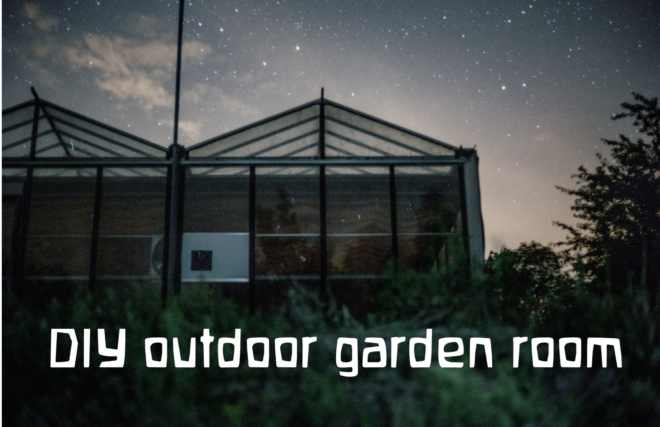
We all want a better lifestyle and a smooth transition from our house to nature. How about an outdoor garden room? DIY
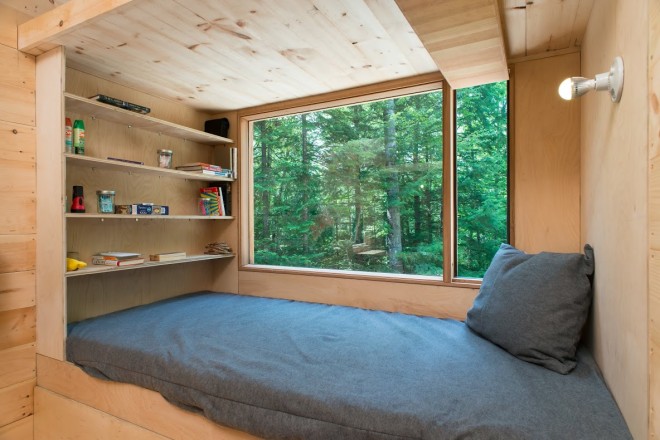
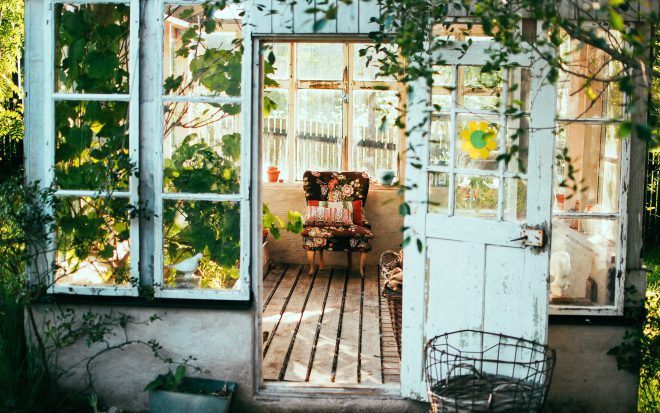
A small wooden structure in the garden is not just a part of landscape design, but a functional room that can be used for different purposes. Garden rooms will become a place for rest and relaxation, spending leisure time with family and friends, spending the night for guests and many other purposes.
What does the preparation phase include?
Despite the small dimensions of the building, the preparation of a plan, a design project and, of course, the site itself is required. When creating a general plan, it is necessary to indicate the following:
plan-diagram of the room with the overall dimensions;
wall thickness, foundation depth and roof type;
location of windows and doors;
layout of communications (light, water).
Often, a small terrace or a semi-open veranda attached to the building can be added to the garden room. The standard area of the room should be about 10 square meters, but it may be smaller if you don’t require that much space.
Space planning
Interior design and arrangement directly depend on the scope of the wooden house. Often, a one-story building includes a seating area (sofa or bed), a table with chairs or benches, a TV, and several storage cabinets.
If the garden room will be used as a place for guests to stay, a small bathroom with a shower (cabin or ladder) is made in a separate room, and a kitchen block with a mini-fridge and a microwave oven, a wardrobe with shelves and an area for hangers right in the room. With the correct development of a design project in a small space, you can arrange all functional areas without any difficulty.
Which wood to use?
Traditionally timber is used, but now preference is given to warm, durable and pre-fabricated wooden frames. It withstands winter temperatures, is lightweight, and all the necessary communications can be laid in the multi-layer walls.
The following types of wood are used:
Pine. It is highly durable and affordable. This type of wood is warm and reliable, but requires regular treatment to protect it from external factors.
Spruce. Warmer and more reliable than pine, but requires even more careful maintenance due to the loose and porous structure of coniferous wood.
Larch. Used for garden rooms in cold regions. Larch is resistant to moisture, does not freeze, and withstands extreme temperature.
Linden. Used only for warm climates. This wood is sensitive to insects and temperature extremes, but has a pleasant smell and even medicinal properties.
The best option for small frame buildings is oak. It has an aesthetic appearance, excellent performance, increased strength and durability. Oak will last 15 years minimum. The only drawback is the high price, but the finished result is worth it.
Stages of building a garden room
A room of one’s own, a little office, pottery studio, or granny flat. Building a tiny home in your garden might be a better eco investment that renting a whole new space.
For the correct construction of a garden room, it is necessary to follow the principle of implementing a full-fledged modular design, which will make the construction as simple, reliable and consistent as possible. The construction of a wooden building consists of several stages.
Foundation
You cannot calculate the area of the room and the size of the roof without knowing the size of the foundation. Its depth depends on the characteristics of the soil, the presence of groundwater, and the landscape. For wooden structures, preference should be given to the columnar type of foundation.
For its construction, rubble concrete, concrete or natural stone is used. The screed is made of cement and sand, and, if necessary, a protective waterproofing layer is laid.
Building walls
A rough layer is laid along the perimeter of the foundation, after which a frame with temporary wooden beams is set up. For securing the construction parts, special long nails are used. The rigid frame is gradually “built up”, which is then covered on the inside and outside.
The verticality of the walls is controlled using a plumb line. The corners are covered with linen tow and pieces of timber for strengthening and insulation. Along with the construction of walls, work is carried out to install window and door frames according to a pre-made plan.
Floor and slab construction
A rough floor is laid on top of the beams, after which a finishing floor is formed from a wooden slat on top. For the base, it is recommended to use clay with layers of roofing material and insulation. For the final layer, a mixture of sand and cement is used.
The floor must be sealed with a product to protect it from moisture, changes in temperature and other various factors. In the upper part, the ceiling beams are formed in the same way. Sometimes, even in garden rooms, small attics are made for storage space.
Roof construction
For this object, both pitch and gable roofs can be used. They consist of rafters, coverings, and a roof deck. The simplest type of roof to construct is one that has sloped rafters. The rafters are cut into the wall beams for better fixation, and the lathing is parallel or end-to-end.
For the top layer of the roof, corrugated slate sheets are used. The overlap should be at least one wavelength (about 10-15 cm). Screws or nails are used to secure the structure. For finishing the ridge piece, special fittings with matching color and style are used.
Final stages
Further, the final finishing, installation of doors and windows in the installed blocks, DIY solar panels?decoration of the porch, and landscape design is carried out. The most important thing is to complete the construction on time and install window and door elements to protect the room from the inside. And the rest can be done gradually and without haste.
Usage of garden rooms
A wooden garden room has nothing to do with a gazebo or an attic. The closed structure has a nice appearance and fits perfectly into the exterior of any home. Here are some possible purposes of garden rooms:
Place for playing games. The room will be a great place for children to spend time with friends. It can be turned into a full-fledged play area or into a small “headquarters” for teenagers.
Guest house. A garden room equipped with a toilet and shower is suitable for guests. They will have their place to stay that is separate from the owners’.
Working area. A small room can be equipped as an office by placing a computer desk in it and providing access to a Wi-Fi network.
A place for leisure. Music, painting, craft and other hobbies are best done in a separate room and for your pleasure.
Pastime with the family. The room can be turned into a complete relaxation area for the whole family and friends.
The building can be used both in summer and in winter (all year round). Seasonality of the garden room should be considered when planning and constructing the building to foresee the influence of temperature and precipitation, as well as to properly protect the room from the outside temperature fluctuations.
Mono Lake is three times as salty as the ocean with an alkaline pH of 10. Before this new study, only two other animal species were known to live in the lake: brine shrimp and diving flies.
In the new work, Caltech Professor Paul Sternberg, University of Haifa’s Dr. Amir Sapir and colleagues from the United States, Japan, the United Kingdom and Israel found eight more animal species, all belonging to a class of worms called nematodes. Only three of them are known to science.
All eight species are diverse, ranging from microbe-grazers to parasites and predators. Importantly, all are resilient to the arsenic-laden conditions in the lake and are thus considered extremophiles.
“Extremophiles can teach us so much about innovative strategies for dealing with stress,” said Caltech Dr. Pei-Yin Shih, first author of the study.
“Our study shows we still have much to learn about how these 1,000-celled animals have mastered survival in extreme environments.”
One of the new species, Auanema sp., exists in three different sexes: hermaphrodites, females, and males.
The hermaphrodites can produce offspring by themselves, but the females and males need to mate in order to produce their young. The females and males are often produced early in the reproductive cycle of the mother, followed by the hermaphrodites.
“One potential explanation for this three-sex life cycle in Auanema sp. is that the females and males could help maintain genetic diversity through sexual recombination, while the hermaphrodites could disperse into new environments and establish new populations there — since they can grow a population by themselves,” said Caltech Dr. James Siho Lee, co-author of the study.
When comparing Auanema sp. to sister species in the same genus, the researchers found that the similar species also demonstrated high arsenic resistance, even though they do not live in environments with high arsenic levels.
In another surprising discovery, Auanema sp. itself was found to be able to thrive in the laboratory under normal, non-extreme conditions. Only a few known extremophiles in the world can be studied in a laboratory setting.
“Our findings expand Mono Lake’s ecosystem from two known animal species to ten, and they provide a new system for studying arsenic resistance,” the scientists said.
“The dominance of nematodes in Mono Lake and other extreme environments and our findings of preadaptation to arsenic raise the intriguing possibility that nematodes are widely pre-adapted to be extremophiles.”
The research was published in the journal Current Biology.
_____
Pei-Yin Shih et al. Newly Identified Nematodes from Mono Lake Exhibit Extreme Arsenic Resistance. Current Biology, published online September 26, 2019; doi: 10.1016/j.cub.2019.08.024
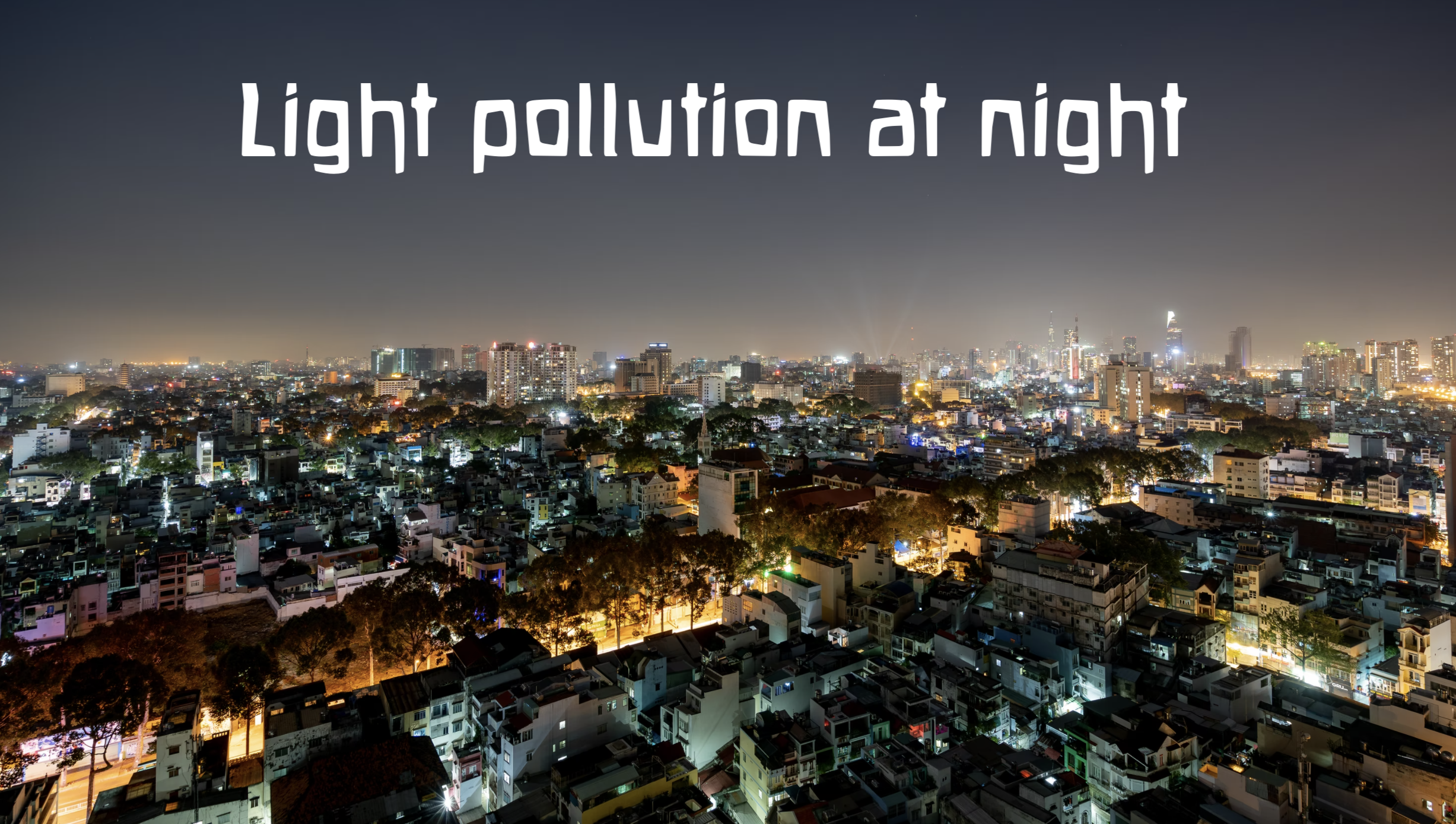
Animals are losing sight of the Milky Way… crickets don’t know when to chirp. For the love of god, turn out your lights
Sleeping with the lights on? A new study has found that artificial lights at night caused crickets to chirp in the daytime in cities. So what’s artificial light doing to us and other animals? We’ve talked about the way light disrupts our hormones. But it’s not just hurting us. We are freaking out the entire animal kingdom. Crickets don’t know when to chirp. Beetles can’t see the Milky Way; hatched turtles can’t find the sea.
Researchers from Tel Aviv University found that exposing male crickets to artificial light at night can mess up their biological rhythms. Nocturnal chirping is the male’s way of calling females to come and mate with him, and its disruption can interfere with reproduction processes and even endanger the entire species.
Previous studies worldwide have shown that light pollution is harmful to many species of animals and plants. The researchers call for reducing night light pollution as possible to enable coexistence of animals and us.
The bigger finding might be that artificial lights are also hurting us. But let’s start with the crickets.
Keren Levy, one of the researchers explains that the distinction between day and night, light and darkness, is a major foundation of life on earth. But humans, as creatures of the day who fear the dark, disrupt this natural order: they produce artificial light that drives away the darkness and allows them to continue their activities at night.
Animals led astray by night pollution
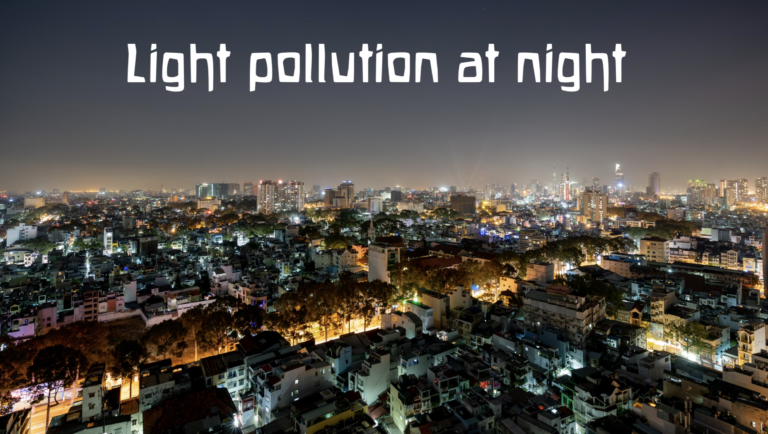
She explains: Today more than 80% of the world’s population lives under light pollution, and the overall extent rises by 5% every year.
For example, dung beetles, that navigate using the Milky Way, lose their way when light pollution increases; sea turtles hatchlings seek the brightest surface in sight – supposedly the sea, and reach the nearby promenade instead.
The researchers monitored dozens of crickets exposed lifelong (from egg to adult stage), to four types of light conditions. They found that crickets exposed to 12 hours of light followed by 12 hours of darkness exhibited cyclic activity rhythms of 24h: they began to chirp when the lights went out and stopped when the lights were turned on again.
Crickets that experienced partial lighting in the dark periods lost their natural rhythms and their synchronization with their environment: 80% followed an individual inner cycle, and 5% lost all rhythm.
Crickets exposed to constant light 24/7 developed their own cycles (71%) or lost all rhythm (29%). The findings indicated that increase of artificial light at night – also known as ALAN- in the laboratory induces loss of rhythmicity at both the individual and population levels.
Keren Levy: “Our study demonstrates that crickets whose light-dark cycle is disrupted behave like teenagers on vacation: active or asleep according to their own inner clock or lacking any rhythm whatsoever.
In fact, light pollution induced by humankind impacts the field cricket and evokes loss of synchronization within the individual, on the population level, and between the population and the environment.
Our findings on ALAN-induced changes in calling song patterns may possibly impair female attraction and reproduction in this species. Our results are in accord with many other studies demonstrating the severe impacts of low levels of ALAN on nature.
“We ask, you, therefore, to help protect our environment and surroundings by turning off the lights in your backyards, on the terrace, in parking lots, and wherever possible. Help us bring the night and the milky way back into our lives and enable nightly coexistence with the creatures around us.”
Most eco-conscious women and men know that diamonds and luxury goods are passe. They waste resources, cost money and create heartache for those that don’t have.
Some companies say they mine for metals and diamonds that are conflict free. Brilliant Earth, for instance, says it mines eco-friendly precious metals and diamonds without hurting people, but mines are a known blight on the earth in any shape and form. Mining leaves lingering pollution in waterways, maybe forever.
But we have another idea. Take all the bits of your gold metal and smith into an engagement ring you can wear with pride. This one was recently found in Yavne, Israel, inside an archaeological site that included an ancient wine press. It is at least 1300 years old.
We love the ancient look and feel of this ring which is set with a semi-precious stone called amethyst. Amethysts are mentioned in Bible as one of the 12 precious stones worn by the high priest of the Temple on his ceremonial breastplate.
Many virtues have been attached to this gem, including the prevention of the side effect of drinking, the hangover. You can set yours with a lab-created diamond or hunt for a stone in grandma’s jewellery box.
“Did the person who wore the ring want to avoid intoxication due to drinking a lot of wine? We probably will never know,” says Dr. Elie Haddad, the director of the excavation that found the ring in the Holy Land: “the ring was found just 100 yards from the remains of a long warehouse, which was used to store wine jars. Some of the jars were found upside down on their mouths and it may have been a warehouse full of empty jars before they were taken to the winepresses, to fill with wine.
“It is possible that the splendid ring belonged to the owner of the magnificent warehouse, to a foreman, or simply to an unlucky visitor, who dropped and lost their precious ring, until it was finally discovered by us.”
Researchers are debating the date of the ring. It was found in a fill dated to the end of the Byzantine period and the beginning of the Early Islamic period – the 7th century CE, but it is possible that the ring, due to its beauty and prestige, was transmitted from generation to generation over the centuries.
Gold rings inlaid with amethyst stone are known in the Roman world, and it is possible that the ring’s find belongs to the elites who lived in the city as early as the 3rd century CE.
Climate change terminology so you can fight global warming with words used at UN COP26 in Glasgow
So you’ve heard the news. Something about Glasgow, the UN, a Paris Agreement, COP-something and climate change. World leaders are meeting in Glasgow, Scotland to set climate change goals and agree to emissions, and commitments to renewable energy. Some are saying 100% by 2030, but for most that’s too ambitious, especially in the United States where home owners are trying to DIY install solar energy and find themselves unable to connect to an ageing grid.
To make it easier on you, we’ve supplied you below with the climate change terminology for the year. Know these terms used by the United Nations and you will be able to educate your class, colleagues and household.
What is the UN’s COP26?
Let’s start with the name of the event itself, COP26. In layman’s terms, this is the 26th UN climate change conference, but officially it is the 26th Conference of the Parties (or COP) to the UN Framework Convention on Climate Change (UNFCCC). So let’s break that down a bit…
The UNFCCC was established following the 1992 UN Conference on Environment and Development in Rio (often referred to as the Earth Summit). The stated aim of the UNFCCC was to reduce greenhouse gases in order to prevent dangerous climate change caused by human activity.
Conferences of the Parties to the convention, or COPs, are the formal meetings that have taken place every year since 1995, apart from 2020: the COVID-19 pandemic meant that COP26 was delayed by a year.
What are SDG goals?
There are 17 inter-linked Sustainable Development Goals, or SDGs, which focus on challenges ranging from clean energy access, to poverty reduction and responsible consumption.
Climate Change is one of the Goals (SDG 13), but t’s becoming increasingly clear that climate change plays a role in many, if not all of the SDGs, and that achieving the 2030 Agenda will be impossible without making serious inroads into tackling the problem.
The NDC plan
This stands for Nationally Determined Contribution, the detailed plan that individual countries are required to make, under the Paris Agreement, to show how they will cut the amount of harmful greenhouse gases they emit. All countries are expected to revise their NDC to reflect greater ambition.
Presently, these plans are not sufficient to keep global warming to 1.5° Celsius above pre-industrial levels, so this year, there is increased pressure on countries to sharply increase their level of ambition.
What does Net Zero mean?
Put simply, net zero means cutting emissions to as close to zero as possible, such as by moving toward a green economy and clean renewable energy, with any remaining emissions reabsorbed, including oceans and forests.
Practically every country has joined the Paris Agreement on climate change, which calls for keeping the global temperature to 1.5°C above pre-industrial era levels.
If we continue to pump out the emissions that cause climate change, however, temperatures will continue to rise well beyond 1.5, to levels that threaten the lives and livelihoods of people everywhere.
This is why a growing number of countries are making commitments to achieve “net zero” emissions by 2050. It’s a big task, requiring ambitious actions starting right now.
When you hear 1.5°C
You’ll be hearing “the goal of 1.5 degrees Celsius” a lot during COP. In a 2018, an IPCC report, reviewed by thousands of scientists and governments, found that limiting global temperature rise to no more than 1.5°C above pre-industrial levels (in the mid-18th century), would help us avoid the worst climate impacts and maintain a liveable climate.
According to the latest data, our world has already warmed between 1.06 to 1.26 above pre-industrial levels, and even if current promises are met, we would still be on a course to reach 2.7°C this century. This would mean a “climate catastrophe” as highlighted by the UN Secretary-General, with a possible collapse of ecosystems, and life as we know it.
What is the IPCC?
The Intergovernmental Panel on Climate Change (IPCC) is the UN body for assessing the science related to climate change.
Created in 1988 by the World Meteorological Organization (WMO) and the UN Environment Programme (UNEP), the objective of the IPCC is to provide governments at all levels with scientific information that they can use to develop climate policies.
IPCC reports are also a key input into the international climate change negotiations that will be happening during COP26. A major report released in August showed that unless there are rapid, sustained and large-scale reductions of greenhouse gas emissions, including CO2, methane and others, the goal of limiting global warming to 1.5C will be beyond reach.
What are SIDS nations?
Small Island Developing States are a distinct group of 58 low-lying island nations that are highly vulnerable and often affected by weather extremes and climate change, including the increased severity of cyclones, storm surges, heavy rains, droughts, sea-level rise and ocean acidification.
During the latest high-level week of the General Assembly, SIDS leaders from Fiji, Tuvalu and the Maldives took centre stage saying their nations are facing an existential threat if rich countries fail to make good on their promises to turn the tide on global warming.
Define Climate Finance
Broadly speaking, climate finance relates to the money which needs to be spent on a whole range of activities to reduce the emissions that are causing climate change, and to help people adapt to and build resilience for the impacts of climate change that are already occurring.
It can involve local, national, or transnational financing, which may be drawn from public, private and alternative sources of financing. Climate finance is critical to addressing climate change, because large-scale investments are required to significantly reduce emissions, notably in sectors that emit large quantities of greenhouse gases, and to help adaptation efforts.
In 2009, during the COP15 in Copenhagen rich nations promised to channel $100 billion a year to less-wealthy nations by 2020, to help them adapt to climate change and mitigate further rises in temperature.
The promise still hasn’t been delivered—climate finance to developing countries presently amounts to about $80 billion–, and therefore climate finance will be one of the biggest issues of discussion during COP26.
What is the SBTi?
This stands for the UN-backed Science Based Target initiative. Companies which sign up to the initiative set science-based emission reduction targets, which leave them better equipped to tackle climate change, and making them more competitive, in the transition to a net-zero economy.
Science-based target setting has become a standard business practice, and corporations are playing a major role in driving down global greenhouse gas emissions and in supporting the implementation of country commitments.
What are Nature-based Solutions?
Saudi Arabian mangrove forests can help mitigate climate change
Nature-based Solutions are actions to protect, sustainably manage, and restore natural and modified ecosystems that address societal challenges effectively and adaptively, simultaneously providing human well-being and biodiversity benefits.
Nature-Based Solutions are an essential part of the overall global effort to achieve the goals of the Paris Agreement on Climate Change: they are a vital complement to decarbonisation, reducing climate change risks like carbon farming in Saudi Arabia, regenerative agriculture in the US, and establishing climate resilient societies in general.
We interview mayors from Houston and Portugal on what makes cities resilient to climate change:
Examples include massive tree planting programmes, which absorb carbon and provide protection from intense rainfall, and rebuilding mangroves, which provide effective and cheap natural barriers against coastal floods and shoreline erosion.
Who are the G20?
The Group of 20 (G20) is an intergovernmental forum comprising most of the world’s largest economies: 19 nations and the European Union. They work to address major issues related to the global economy, such as international financial stability, climate change mitigation, and sustainable development.
The G20 members are:
Argentina, Australia, Brazil, Canada, China, France, Germany, Japan, India, Indonesia, Italy, Mexico, Russia, South Africa, Saudi Arabia, South Korea, Turkey, the United Kingdom, the United States, and the European Union. Spain is also invited as a permanent guest.
The UN Secretary-General has made clear that climate action must be led by G20 nations, which collectively account for around 90 per cent of gross world product, 75 to 80 per cent of international trade and two thirds or the world’s population.
Their commitment during COP26 is crucial for curbing greenhouse gases and stop fuelling climate change.
What is the AGN?
The African Group of Negotiators on Climate Change (AGN) was established at COP1 in Berlin, Germany in 1995 as an alliance of African member states that represents the interests of the region in the international climate change negotiations, with a common and unified voice.
What is the GCAA?
Outside the formal intergovernmental negotiations, countries, cities and regions, businesses and civil society members across the world are already taking action for the climate.
The Global Climate Action Agenda (GCAA), initiated under the Lima Paris Action Agenda, was launched to spur rapid climate action, boost cooperation between governments, local authorities, the business community, investors, and civil society, and to support the adoption and the implementation of the Paris Agreement.
London is home to some of the world’s most sustainable businesses. The latest Covid uptick means putting some plans on hold for eco-tourism, again.
With Covid cases increasing in the UK as we head into winter, more and more businesses are taking precautions to limit the spread of the virus.
The UK was seeing a lower number of cases during August 2021 with around 20,000 cases per day, but this has increased to 60,000 by October – and now business owners and officials are looking to increase precautions to safeguard the British public and the NHS.
The challenge also remains for a Christmas period which has extra socialising between busy shoppers and office Christmas parties – but something that participants will have to take into consideration of.
Bringing Back Face Masks
Whilst face masks have been optional to wear in public, there is a real chance of this being brought back for high street shops, schools and other places of interest.
Business and store owners may be encouraged to put signs outside their windows or only allow access to those with face masks. The same may apply to any employees working in offices, restaurants or stores. This has been a company policy for many – but something that might be far more strongly imposed during the winter period.
Adding Preventative Methods and Appliances
Protective screens and designated areas for covid have been slowly implemented in the last 18 months and these, along with other hygienic solutions are set to continue.This includes the inclusion of designated areas at the entrance of stores, gyms and restaurants, with clear hand sanitiser and temperature of guests taken upon entry.
Otherwise, hand washing stations continue to be added to schools, places of worship and stadiums – encouraging hygiene and reducing the spread of covid where possible.
Less People in Offices
Whilst offices have slowly been refilled, this is likely to slow down again to avoid future spread of the dreaded pandemic.
Some offices have been operating fully or on time rotas, but we may find a complete return to working remotely or very socially distanced working in any offices that remain open.
Hospitality Restrictions
Bars, restaurants and shops are bound to be busier during the holiday season. This is something that business owners are going to need to manage carefully, without affecting their bottom line.
Places of interest may only allow a certain number of people in a location, with a maximum capacity, encouraging people to wait and queue outside.
Inside of locations, guests should be 2m apart and wearing masks (and positively gloves) to ensure your Christmas period is not ruined by the coronavirus.
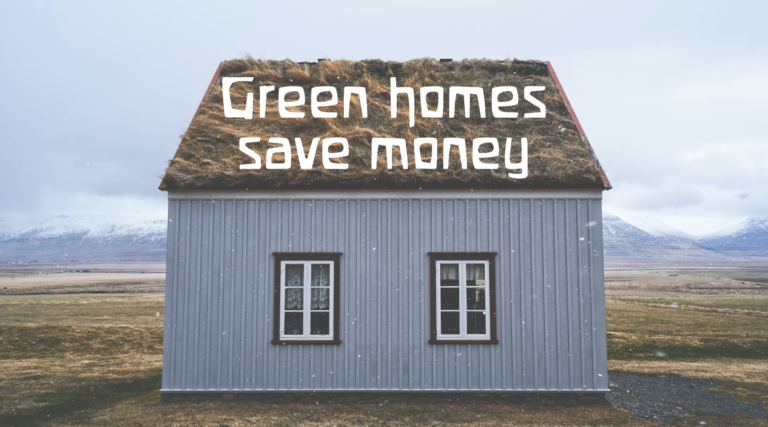
Eco homes are worth the investment for your conscience. But they will also pay for themselves over time.
As a society, we are moving towards a more green way of living. But did you know that making a few key home improvements can make your home much greener but also save you money? We provide some great hacks below and some are many that won’t cost the earth.
Solar Panels
Solar panels have been mainstream in UK households for more than 10 years and whilst they may cost money upfront to install (around £6,000 to £8,000), they will save you around £270 on your electricity bills per year and also add £12,000 to the overall value of your home if you decide to sell one day. You can also consider installing solar panels yourself too.
Solar panels convert energy from sunlight into electricity, making your home greener by having to use less electricity. Whilst solar panels can run the electricity of your entire home, you will probably need some regular electricity too given the amount of sun in the UK!
Energy Efficient Windows
Installing double or triple glazing will keep the heat in your home far more effectively and save you money on your energy bill. Essentially, they create an insulating barrier that keeps the heat inside the building – and you can choose between uPVC or steel windows to be extra green since these are both recyclable.
Whilst this costs around £150 to £600 per window, you can get a discount by buying in bulk and it should reduce your energy bills overall by around 20% per month and year.
Make Your House Warmer, Naturally
Some very minor improvements can make your home warmer and therefore reduce the need for using your central heating. This includes covering any drafts under the doors or windows, with rugs, carpets or curtains. With some natural sunlight every day, consider opening your blinds and use this sun to heat up your rooms.
Consider filling up some common areas and rooms a bit more and create a better room communication with black steel doors – since the busier they are, the less drafty and warmer they can be.
Create Your Own Compost
If you like to garden and spend on fertiliser, you can save money by creating your own compost. Create a bed in the garden and add any leftover vegetables and fruit that you are not eating or have left over and this can be used to save you hundreds on fertiliser each year.
Use Efficient Appliances
From Energy Star ceiling fans, light bulbs and refrigerators, there are a number of clever and greener additions to make around the home.
In fact, an Energy Star tankless water heater can save you over £1,600 over 5 years on your water bill.
How Can You Fund Home Improvements?
Funding home improvements can be very cheaper and even just being smarter with your furniture or appliances around the house.
Adding things like solar panels and windows can be an investment, but it can increase the value of your home too.
There are a number of home improvement loans options available, starting from just a few hundred pounds to several thousands (if you are in the UK)- with the option to be unsecured or secured against your property. With low rates from 2.8% APR, you can weigh up the potential costs and the savings you would make each year and if you were to sell the house in the near or distance future.
Chaga tea, lion’s mane mushroom, spirulina and fiber powder are all part of a new health food diet
Complicated jargon and conflicting information can overwhelm your path to a healthy, well-rounded diet. But few can argue against more fibre-rich meals—and for good reason. Ancient herbal and medicinal literature around the world testifies to fibre’s numerous healthy benefits. And modern science only supports these old-world claims.
As well as being a popular and well-studied topic of nutrition, experts often tout increasing your fibre intake to achieve your health goals—like weight loss and improved gut health, for example. You really can’t go wrong with gut-loving whole foods or a fibre powder.
To enhance your understanding of why it’s so important for health, let’s zoom in on a few of the nearly endless benefits of a fibre-rich diet.
Fibrous Foundations
Fibre is a natural ingredient in your diet. These digestion-resistant, plant-derived macromolecules are composed of the remnants of plant cell walls—and you’ll see them on ingredient lists with names like cellulose, beta-glucan, guar gum, pectin, inulin, and xanthan gum, to name a few. Natural sources of fibre—or “roughage”—are stars in a whole food diet.
While fibre may not be the sexiest health topic, it’s an important one. Women should consume around 25g of total fibre each day, while men should aim for 30g—but our diets often contain less than that. On average, most of us eat less than half of our recommended daily fibre intake.
The good news: consuming more of this health-lauded macromolecule is quite easy to do with everyday healthy foods. And for those who want added insurance, many supplements, like fibre powder, can fit seamlessly into your nutritional program to ensure you get the nutrition your body needs. Get creative as you find ways to reach your fibre goals.
Two Types of Fibre
As you eat, your body begins to break down nutrients through the process of digestion. Fibre, however, is characterised by its ability to resist digestion and remain mostly intact. And even though it doesn’t directly fuel your body, it still provides a wealth of health-boosting benefits.
Fibre comes in two forms: soluble and insoluble. Soluble fibre dissolves in water and bodily fluids, becoming a gel-like substance as it passes through the digestive system. And when it makes its way through your GI tract, it feeds the good gut bacteria.
Insoluble fibre does not dissolve in fluid—instead, it absorbs it. And as it goes to the colon, it sticks to material along the way to form stool, making it softer, bulkier, and ultimately more regular.
Buoy Your Health
Fibre is famous for supporting regular bowel movements and flushing out toxins—but it also boasts other serious, health-altering advantages. Here are five more benefits of consuming daily fibre that don’t disappoint:
A healthy gut—One of the easiest ways to support a healthy microbiome is to feed your gut with beneficial prebiotics from plant sources. As fibre passes through your GI tract, it ferments to feed the healthy bacteria. Fibre also helps slow digestion, which allows your body to absorb nutrients more effectively.
Blood sugar regulation—ingesting fibre slows sugar absorption in your diet and supports a healthy metabolism.
Cardiovascular health—a fibre-rich diet can help lower cholesterol and blood pressure. Low-density lipoprotein (LDL), or “bad” cholesterol, contributes to plaque buildup in your arteries—and fibre can help remove it. In the gut, soluble fibre can bind to bile (which is made of cholesterol) to aid elimination.
Weight management—filling your feeding hour with fibre-rich foods helps you feel fuller for longer. It slows digestion compared to simple starches and sugars, and most high-fibre foods have fewer calories overall. So pack your plate and enjoy the delicious benefit of reaching your personal weight-loss goals.
Glowing skin—you heard that right! Your skin is a direct reflection of the health of your gut, and fibre is full of unexpected beauty benefits. In addition to supporting the good bacteria in your belly, fibre helps maintain the pH of your skin by balancing skin microbiota. And it packs an anti-inflammatory boost your complexion will thank you for.
Shop for Whole Foods
A fibre-rich diet is chock full of benefits. In general, more fibre means you’re consuming more protective agents—like antioxidants and phytochemicals that naturally support a diverse, gut flora-friendly diet. And a healthy gut will boost your overall health.
You’ll find both forms of fibre in most plant foods, so you can’t go wrong by packing your diet with delicious, natural ingredients your body will love. Next time you hit the store, consider adding these fibrous options to your shopping list:
Fruits
Vegetables
Whole grains like barley, oats, wheat bran, and whole-wheat flour
Beans
Nuts
This buzzy nutrient is a popular topic for a reason. And natural sources are right in front of you, with a myriad of options to supplement. Fill up on fibre each day to optimise its many health-protective benefits—and enjoy your healthier lifestyle.
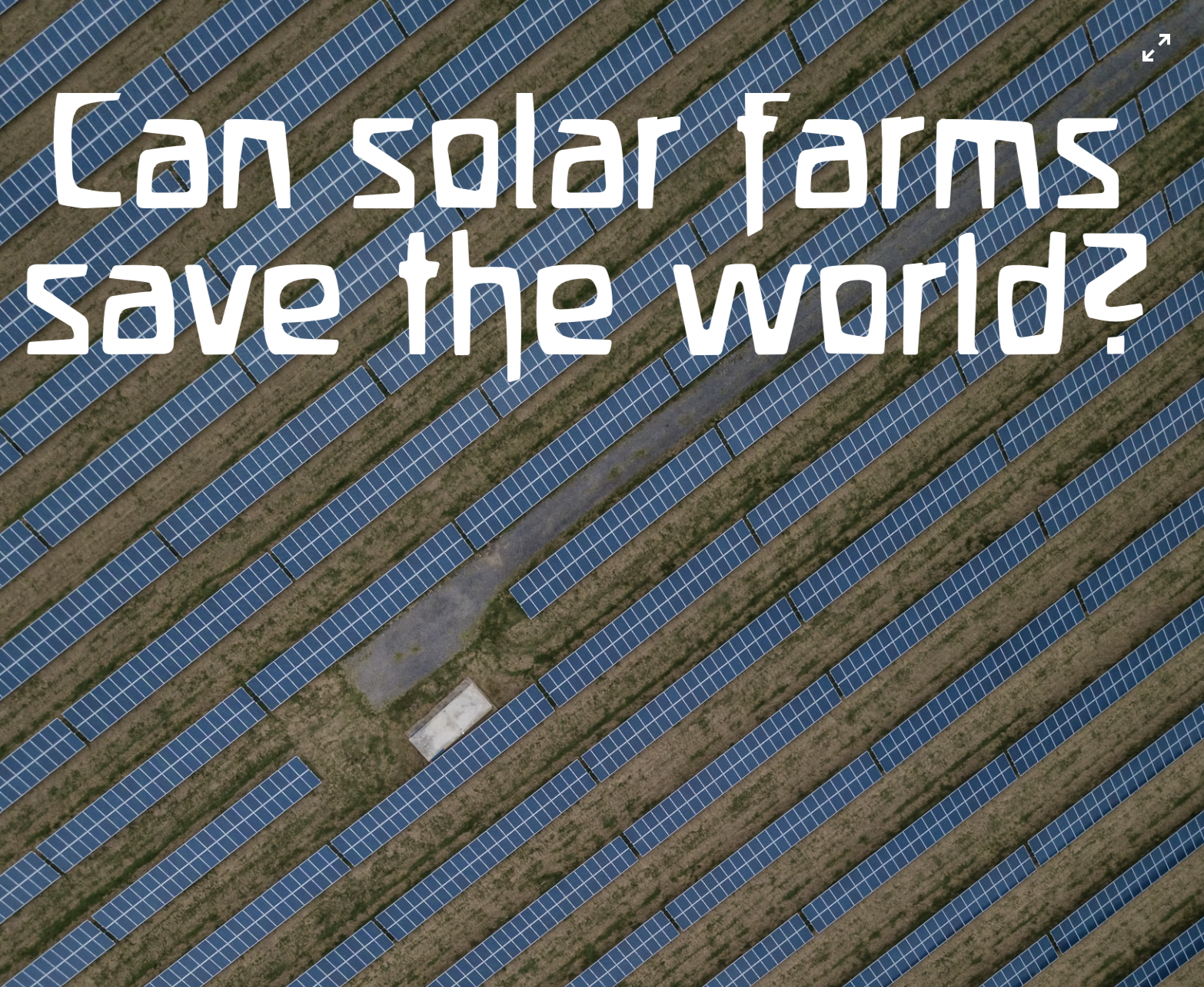
Can solar farm construction save the world and supply us with an endless supply of renewable energy?
Sustainable and renewable energy is rarely out of the news. As climate change makes headlines regularly due to floods, forest fires, and heatwaves occurring across the world, it is becoming more important to reduce emissions immediately.
The US is one of the leading countries when it comes to solar power, one of the most practical sources of renewable energy. India, Japan, and Vietnam have all adopted solar power and are among the top five producers of solar power. However, one other country dwarfs everyone else.
When it comes to solar farms, China is ahead of the field. In 2019, the installed solar energy fleet was measured at over 200 GW. Since then China has put the second-biggest solar farm online so they have only gotten bigger.
But, what are solar farms, is solar power really the answer the world needs, and can it help you?
Just what are solar farms?
Solar farms are sometimes called photovoltaic power plants, perhaps the former is preferable as the latter has non-green connotations. When power plants are mentioned, many people would automatically think of fossil fuel burning, polluting power stations.
However, solar farms are touted as being green and environmentally friendly, at least more so than burning coal or oil are.
A solar farm is simply an area of land where a considerable amount of photovoltaic solar panels, or PV solar panels, are installed to convert the sun’s energy into power that businesses and residents can use.
Solar farms generally come in two different formats. They can, of course, come in any size or shape, depending on requirements and their owners. But they are largely built for two purposes.
What are the two principal types of solar farms?
Utility-scale solar farms are the ones where vast amounts of land are taken up by solar panels feeding electricity back into the grid. These vast solar farms can seem almost endless to the human eye, and the biggest are in India and China.
The Bhadla Solar Park in India takes up fourteen thousand acres and can produce 2.25 GW of energy. The closest rival is in China and is a close 2.2 GW installation. Riverside solar in New York has just submitted a tender for a-thousand acre plant. Watch this space as the developers have plans to take the power plant up to 16 GW in the future.
Making up the top five largest utility-scale solar farms are one more each from India and China, and one from Egypt. Then there are the smaller solar farms; the community scale installations.
What are community-scale solar farms?
The name fairly accurately describes what these solar farms do. These installations are much smaller in scale than any of the mammoth farms mentioned above. Most likely a community-scale solar farm would be perhaps between 1 and 5 MW.
They would be designed to power a local neighborhood, and perhaps some business or retail units in that area. One of these solar farms could work well on an industrial estate or small area housing manufacturers.
For these types of solar farms to work there would need to be a clear area available to install the required amount of solar panels. It would also need to be in the optimal space for sunlight.
Are the normal alternatives of coal and oil ending soon?
Sadly, many people are still ignorant of the damage that fossil fuels are doing to the environment, and many don’t even realize that they are running out.
According to a study by The Millennium Alliance for Humanity and the Biosphere, or MAHB, at Stanford University, the worst-case scenario is frightening. It would see coal running out in about 70 years’ time, with oil and coal going far before that.
That particular picture would see you losing oil and gas during your lifetime, and if not, then certainly during the next generation’s.
However, it isn’t quite as bleak as that hopefully. Coal is likely to be around for another 150 years, and oil and gas should last a little longer than MAHB’s doomsday prediction.
Other predictions have been re-evaluated over time too. In 1999 The American Petroleum Institute believed that oil would be depleted before the end of this century, and perhaps up to forty years earlier.
Just seven years later there was a different prediction when it was estimated that there was perhaps triple the amount of oil left on the planet than the API believed.
Can the world not just continue with fossil fuels then?
With there being oil, coal, and gas, still available, some people don’t see the dangers in continuing to use these reserves.
Indeed, it is possible, and probably likely, that some other fossil fuel reserves will be discovered in the future and the life of these sources of energy extended.
However, as the fuels run out, the consumption of energy is increasing. The world is heading towards the end-game as far as fossil fuels are concerned. Continued use of fossil fuels is also increasing global warming and damaging the environment.
Renewable and sustainable energy sources are needed more than ever, and this is the reason that so many huge solar farms are being installed.
Are solar farms good for the environment?
They may not be too aesthetically pleasing, but the energy they produce is completely renewable. It doesn’t harm the sun or the environment to harness solar energy, and the sun is going nowhere soon.
It is estimated that the sun will be around for at least another 5 billion years, so unlike coal, there is no need to search for more reserves, or ‘suns’.
There are a lot of misconceptions about solar panels, and these usually revolve around such things as the cost of installation. However for all the good that solar power brings, the manufacturing process can be questionable sometimes.
When buying solar panels it may be worth checking the manufacturers and their eco-friendly credentials. Certain harmful chemicals are used in the production of solar panels, and many manufacturers in China use coal-powered electricity to make them.
How useful is solar energy to the average homeowner?
These days, solar power is extremely common. While not everyone has solar panels on the roofs of their homes, they may have them in at least one area. Sometimes solar power is used quite subtly. Small garden lights that stick straight into the ground can have solar panels on top of them.
Outdoor security lights and driveway lighting can be solar-powered. Even indoor lights can utilize solar energy if enough of the sun’s light enters the home.
Uplights, deck lights, and solar-powered pool covers are common now, and even RVs can be solar-powered.
Solar power can be used to help poor farmers irrigate their land in countries where drought is an issue. Even more importantly, solar power can help to produce sanitary drinking water.
Summary
Perhaps surprisingly, solar power is only the third biggest form of renewable energy after hydro and wind. While solar panel manufacture has some concerns still, the overall benefits of this energy source far outweigh the bad.
If there are spaces in the world that are unusable for living, then it makes sense that solar farms be built on them. If more coal-fired electricity is replaced by solar energy, then the planet should be able to breathe a little easier.
Note taking is serious business especially when you are operating a sustainable business. Efficiency is key.
Meetings are time-intensive. They require people to take time away from other tasks they could be doing. They also require preparation and focus. So if you’re going to call a meeting, you better be sure you have a plan for how you’re going to make the most out of it. And that means taking detailed meeting notes.
Meeting Notes vs. Meeting Minutes
While the two terms sound very familiar, meeting notes and meeting minutes are not the same thing. Knowing the difference will give you a better idea of what you’re trying to accomplish and how to go about it.
The biggest difference can be summed up by the fact that meeting minutes follow a very specific pattern that includes objective details like the number of attendees, the duration of the meeting, an outline of key points discussed, who said what, decisions that were made, etc. With meeting notes, you don’t need all of that technical information. All you care about are insights, takeaways, ideas, and action steps.
The best way to think about meeting notes is like you’re writing to someone who wasn’t at the meeting. That person doesn’t care about when the meeting started or who showed up. All they want is to catch up on anything important they missed and find out what steps they’re supposed to take next.
Tips for Effective Meeting Notes
How you organize meeting notes is totally up to you. Short-hand, full sentences, bullet points, paragraphs – it’s all up to you. It’s about substance over shine. As long as you’re able to succinctly articulate the major points and takeaways, you’ve done your job.
Having said that, here are several tips that will help you write more effective meeting notes:
Prepare Beforehand
Don’t rush into a meeting and pull up a random Google Doc and start pecking away on your keyboard. It’s important that you prepare for the meeting.
Ideally, you should have some sort of template saved to your drive that’s used for meeting notes. Roughly 10 minutes before the meeting starts, you can go in and add basic details like the date, the topic of the meeting, and any other information that you already have available. Once the meeting starts, it’s as simple as filling in the information in the correct places.
Use a Note Taking App
Honestly, the best way to take notes is with a note taking application. There are several options available online, but a popular option is Box Notes. In addition to having all of the standard features that other note taking apps have, Box allows multiple members of the meeting to log in and record notes in real-time. It’s basically a centralized platform for collaboration (which is especially great for virtual meetings and brainstorming sessions).
Organize Takeaways
Recording notes live is always an adventure. The key is to get the information down. Then, after the meeting concludes, you can take several minutes to go back and clean up any spelling or formatting issues.
After cleaning up the notes, the next step is to organize all takeaways into their own section. (Some people like to put this at the top of the notes, while others place it at the end. It’s totally your call.)
The takeaway section should be a numbered/bulleted list of any action step that is supposed to be taken after the meeting concludes. (This could be everything from sending an email to starting a new project.) Be as specific as possible. If the takeaway is to start a project, make sure it’s clear who is responsible, what the first steps are, when they are to be completed, and who they are to be submitted to upon completion.
Send to the Right People
Having well-organized and articulate meeting notes is great, but they aren’t very effective unless they end up in the right hands. Make sure you send the meeting notes to all responsible parties afterward. This includes everyone who attended the meeting, but may also include people who missed the meeting and/or superiors who need to be in the loop.
Improve Your Note Taking Skills
Taking good notes is an acquired skill. The best thing you can do is come up with a system and get as much practice under your belt as possible. Eventually, you won’t even have to think about it. Taking clear and concise notes will become second nature. Until then, rely on these tips to gradually improve your skillset.
Longevity and ease of use are a couple ways Mac computers are already sustainable machines.
If you’re an avid Mac user who spends many hours a day online, you probably use much energy. While Mac use is the last thing that comes to mind when you think about the environment, it can still contribute to excessive resource waste. In this article, we discuss the ways in which your Mac energy use can be minimized to have a less negative effect on the environment.
Change the Energy-Saving Settings
The first thing you need to do is to change the default energy settings. Go to the Apple menu and find system preferences. Choose how soon you want the computer to go to sleep when you’re not using it. There is no right or wrong answer as everything depends on your pattern of use. If you need your Mac for several hours straight, you can limit the time to several minutes. If you use the computer from time to time throughout the day, you may be irritated by having to wait for the drive to wake up. So, analyze your habits and try to avoid leaving your Mac working for a long time.
Cool Down Your Device
Your Mac may overheat for many reasons. These include but are not limited to the following:
Exposure to direct sunlight and hot temperatures
Accumulated dust blocks the airflow
You work for many hours straight and use energy-demanding software
In all these cases, your Mac consumes too much energy trying to cool down. Therefore, avoid exploiting your device excessively and ensure it’s properly cleaned and stored away from direct sunlight.
Identify the Causes of High Energy Consumption
Malware, adware, browser hijacking apps, etc., are all energy demanding. Scan your Mac for these malicious programs and delete them either manually or with the help of a malware detection program. The latter version is preferable if you lack computer skills and don’t know how to clean up your device. Moreover, you need to check all the remaining apps, even legitimate ones, and delete those using a lot of power.
Adjust Brightness and Volume
Another way to make your Mac eco-friendlier is to change the audiovisual settings. Reduce the brightness of your screen to a comfortable minimum and do the same for the volume. You can also schedule the Mac to dim in the evening. Research shows that blue light exposure before bed adversely affects sleep, so by minimizing your nighttime light exposure, you will benefit both the environment and your health.
Unplug Whenever Possible
Leaving your Mac plugged in is not a good idea if you want to minimize its energy consumption. After recharging the battery, always unplug the device. The same applies to all plugged-in devices. When you don’t use a printer, power banks, USB Type-C adapters, etc., cut them off to save energy. Energy vampires still exist! It sounds 2007, we know.
Minimize Paper Use
When it comes to the environment, there is not only energy use that you should think about. Don’t overuse the printer to optimize your paper and ink usage. Print the documents only if absolutely necessary and print on both sides.
Use Newer Mac Models
Apple constantly evolves and comes up with innovative solutions regarding quality, efficiency, and eco-friendliness. The company boasted that its Macbook Air has a lower carbon footprint than older models because it is more energy-efficient. The device is also free of many harmful toxins, so you don’t have to worry about recycling and hazardous waste. Thus, with improved recyclability and energy efficiency, newer models of Mac are particularly appealing to customers who are concerned about their environmental footprint and have older models that no longer meet their needs.
The same applies to newer monitors and external devices such as keyboards, printers, etc. Older versions are less energy-efficient, so consider getting more sophisticated and efficient models. However, there is another ethical dilemma here – you have to throw away the obsolete devices, which may contribute to the waste problem, and purchase new devices that require much energy and other resources to produce and deliver to you. Therefore, at least consider recycling if you are determined to get rid of power-consuming devices.
Don’t Buy a New Device Every Year
We all know that Apple can market its new devices successfully. However, think twice before upgrading your Mac because high demand spurs more production and, consequently, greater energy and resource use. As long as your device satisfies your needs, refrain from buying a newer version every fall.
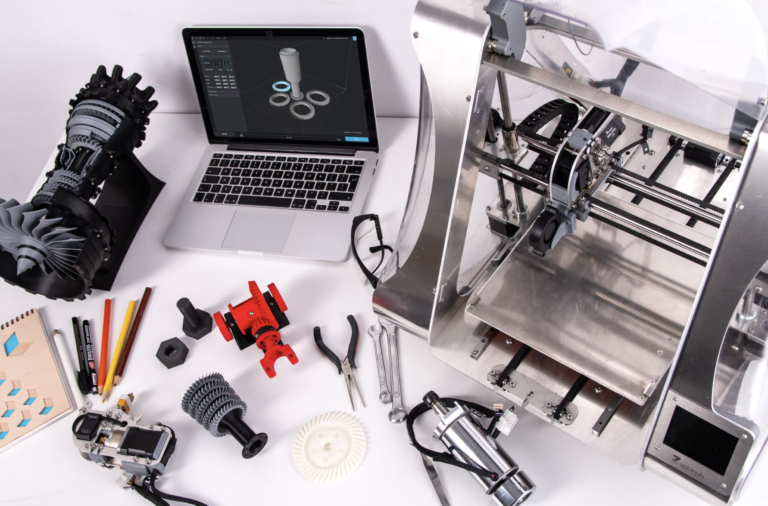
It is more resource-saving to combine these different machining steps as far as possible in one machine. CNC machines can now help merge 3D printing and plastics into machines that are durable and stand the test of time. That’s eco!
Days are gone when manufacturers had to rely on manual machines to produce all kinds of items. The CNC machining technology has provided a means to mass-produce items without wasting time, resources, or relying on an expensive workforce. Many manufacturing companies are acclimatizing to this technological advancement to make the most out of its benefits.
Days are gone when manufacturers had to rely on manual machines to produce all kinds of items. The CNC machining technology has provided a means to mass-produce items without wasting time, resources, or relying on an expensive workforce. Many manufacturing companies are acclimatizing to this technological advancement to make the most out of its benefits.If you’re considering transitioning to automated production, start by requesting a CNC machining quote to understand costs and capabilities upfront.
When undertaking CNC machining, the material is cut to a desired size or shape by an automated or controlled material-removal procedure. For subtractive manufacturing to be a success, one has to use top-notch CNC machines. In addition, the machine you use should efficiently work any metal products and other materials like plastic, wood, ceramic, and composite material you are using.
A CNC machine is any tool you can operate using an automated or (computer numerical control) system. CNC machines will follow preprogrammed instructions without the need for a manual operator. With the high demand and popularity of CNC machinery, getting the best models from a reputed online CNC machine shop is always a wise decision.
Understanding CNC Machines-Before Visiting Your Favorite Online Shop
CNC machines are widely used to manufacture a wide variety of products and in different industries. They are mechanical tools that can easily move on the desired surface and are controlled by a computer. Instructions are delivered to the machine by a sequence of programs known as M-code and G-code to execute the scheduled task.
When looking for the best online store to get your CNC machines, first and foremost, know the standard types used in the market. Common examples of computer numerical control machines to go for include:
CNC mill
CNC Lathe
CNC router
Plasma cutter
Multi-spindle machine
Sinker EDM
3 D printers
Grinders
Surface finishing tools
Water jet cutter
What makes computer numerical control tools stand out from traditional mechanical machines is the fact that a coded program controls them. Significantly, CNC machines have many benefits to look at before visiting the best online machine shop. Have a look:
They are accurate and will help eliminate human error and any form of inconsistencies
They speed up the product manufacturing process
Cost-effective and use few resources
They are versatile and scale up production
Industries enjoy increased safety and
Opportunity to undertake tasks within stipulated deadlines
Selecting the Best Online CNC Machine Shop- What to Know
Picking the best CNC machining tools is not that easy if it’s your first time investing in such equipment. You may find it daunting, especially if you are plan to buy your machines online. The online market is here to stay, but you have to research and determine whether you are visiting the best shop.
Many people will go for online CNC machine shops because they guarantee free shipping, convenience, ease to search through brands, and discounts. Your approach to choosing the best online shop is imperative, and you should, at all times, go for one that will satisfy your needs. Here are tips to help you select a CNC machine shop:
Competitive Prices
Online shops offer their products at different rates based on their quality, size, usage, and performance. Selecting the best shop will involve comparing the prices of the available machines and picking designs that fit your budget. Low costs will attract many customers looking for CNC tools to an online shop.
The shop of choice doesn’t have to offer its machines cheaply because such a factor may compromise their quality. Competitive prices will push customers to go through a product thoroughly until satisfied by its quality and specifications. Online customers will explore the most affordable options and pick a model that fits their requirements and budget.
Quality of Available CNC Machines
CNC precision machining is an imperative facet to look at when shopping for the best machinery. Manufacturing companies want to deliver high-quality products that meet the set quality control standards. Hence, when looking for the best CNC machine, get them from a shop that guarantees the capabilities you need.
Go on and inquire about the available tools and check their performance and efficiency. For instance, if you are looking for a turning machine, ensure the types at the online shop of choice can automatically turn the workpiece and create the desired shape. The available CNC routers, mills, or water jet cutters should efficiently perform designated functions. Most importantly, the CNC tools you find online should be up-to-date and in good condition.
Transparency and Honesty
A transparent online shop will, without a doubt, deliver quality machines and satisfy your needs. The shop of choice should be open to building good relationships, communicating frequently, and being held accountable in case of any misunderstanding. Remember you are buying your CNC tools online, and this shop should openly provide all the necessary information about the specific equipment you need.
An online shop that communicates with you should be your first stop. Intrinsically, you shouldn’t hesitate to knock on its door because you know what you need is available in safe hands. And if you have any questions, the online shop has to embrace the best strategies to give you the most suitable answers and provide more details.
Read Customer Reviews
When researching an online shop and finding out more about its reputation in the market, reading customer reviews is imperative. Customer feedback or reviews will speak volumes about the kind of online shop you are stepping into during your shopping spree. Read through customer experience and testimonials regarding the shop.
See whether there are repeat customers and what you should expect from the shop. Social proof will sway you to decide whether this is the best shop to get your CNC machining tools. Go for products with the best reviews and ratings as you will rest assured, they are the best from the manufacturers and store. The best machines will last longer which is important for the carbon footprint and lifecycle of your machine.
Final Thoughts
CNC machines are widely used for many applications and in different industries. For instance, the CNC machinery you can use for metal removal, material fabrication, surface finishing, 3D printing, and other non-conventional machining industries. However, it’s wise to be considerate about where to get your computer numerical control machine. The online market is the best option, and you should choose a shop that guarantees quality machines, competitive prices, safe and timely delivery. In your shopping pursuits, don’t forget to get a free quote on the available CNC machines.
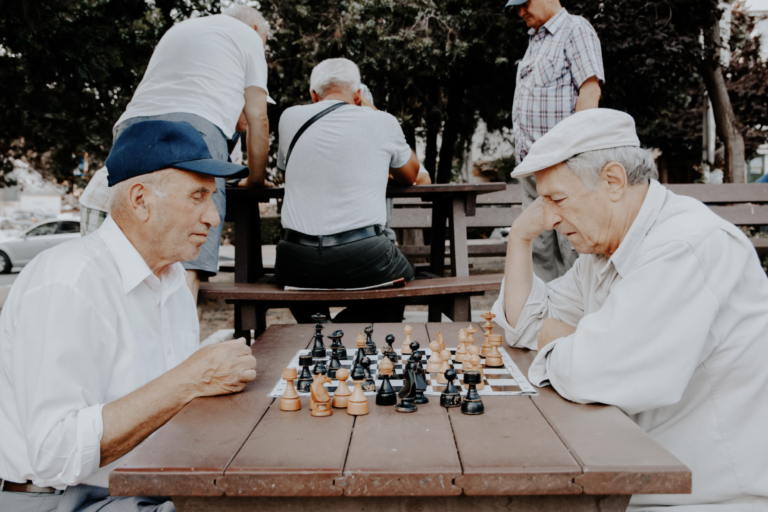
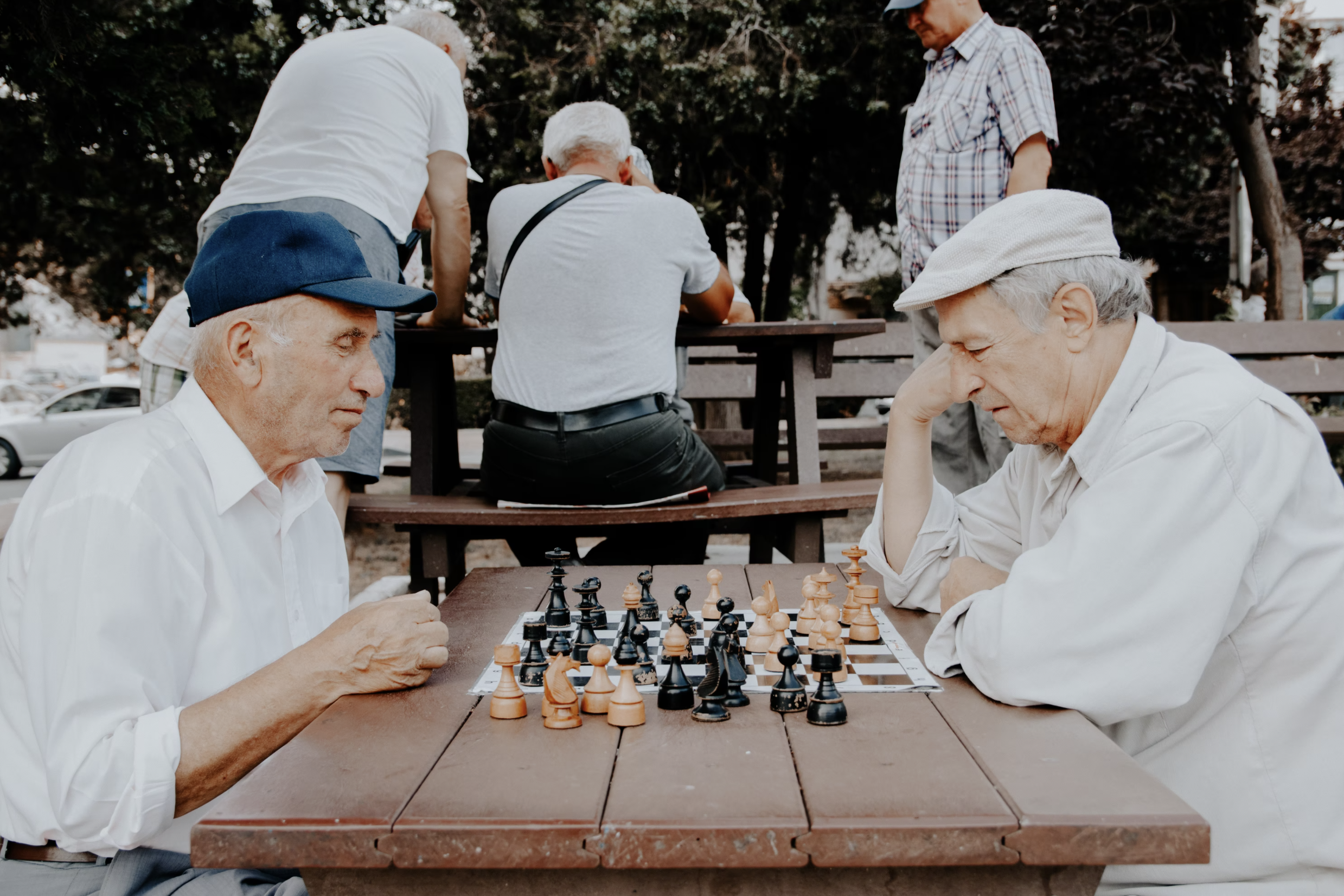
When it comes to training the older mind there is nothing like chess, but the lowly Bingo is way more fun, and even more so when played with a community. A new project aims for a Guinness Record for online Bingo
Aloneness has been a theme of 2020 when the global COVID pandemic struck. It hit seniors everywhere hard. They may not be able to rely on the family to see them in the best of times, but seniors always had local community centers for playing games like chess & checkers, and cards. But with social distancing in place and family staying away, puzzles and solitary games have become stale. Seniors are going back to the community centers but are looking for fresh ways to stay young in the mind –– and to connect to others the way most of us find virtual friends on the Internet.
So companies like the social networking site Televeda is attempting to show seniors that while Zoom might have its limitations, there are new ways of playing online together and friends can be across states and cities. The company is planning on setting a Guinness World Record for online Bingo. The will connect 80 senior centers from 20 states so thousands of lonely souls can play together.
It’s clearly an idea for a relatively young tech company that wants to compete with Zoom get a great pilot case for its ability to scale to thousands of users, something that Zoom doesn’t do so well. But still we give creds to companies that build new business models around social causes and taking care of seniors is a great place to start.
Televeda issued the statement: Social isolation is a serious issue, and now more than ever it’s important to make people feel like they’re not alone. All participating organizations have received tech training from Televeda and access to its live social care network of virtual classes from leading health & recreational providers.
This has been helpful for civic centers to provide ongoing socialization opportunities for their members despite budget cuts and layoffs.
Bingo is fun for seniors, but it’s mainly a very social game to play
Mayank Mishra, Founder of Televeda: “We had to get creative on ways to raise awareness on this important issue. What better way to do that than through a bingo event for the books? The world record attempt is a great way to get the community together. We need all the help we can get to overcome the digital divide and make socialization more inclusive for everyone.”
And this is true. Covid isolation has made the digital divide even wider. And while many young grannies have figured out Instagram and TikToc, most are left in the digital dust. Guinness records and new online teleconferencing tools can bridge that divide.
“It eats everything, leaves nothing and reproduces very quickly,” laments Mouradh, a fisherman from the Tunisian islands of Kerkennah. For the country’s fishers, the blue crabs that were being hauled out of the water, tangled up in their broken nets, were a disaster.
An invasive species introduced into the Mediterranean through the Suez Canal, the blue crab threatened the artisanal fishing techniques used along the Tunisian coastline, specifically damaging the gillnets and traps used in the Charfia (a traditional, fixed fishery system that blocks the path of fish and leads them to traps). With their sharp shells and claws, blue crabs ruin these fishing nets and feed on other fish species also caught in the nets or traps.
Tunisia has developed a complete value chain for blue crab so that fishers and food producers in Tunisia can tap into this income source.
Blue crabs were first found off the Tunisian coast in 1993. By 2014, they began proliferating massively, causing significant damage to the coastal artisanal fishing sector, especially in the Gulf of Gabès in southeast Tunisia, where, during the high season, the blue crab represented more than 70 percent of the catch off this Mediterranean gulf.
These predatory crabs compete with indigenous species for space and food. They feed on all other species of fish, and its only natural predator, the octopus, is not enough to limit its spread. By disturbing the natural ecosystems, the blue crab has also negatively affected the yields of Tunisian women clam collectors, who were supported by FAO to improve their household incomes
At the same time, this blue crab is the fifth most popular crab in the world market. It is especially sought out in the Asian, United States and Australian markets where it is featured on the menus of many restaurants.
Seeing the potential of turning this foe into a friend, FAO and the Tunisian government launched training sessions for the fishers in this region. Through the “Strengthening Governance and Development of Fisheries in Tunisia” project, FAO trained 90 fishers in Djerba, Gabès and Kerkennah.
Fishers received information sessions on the benefits of the blue crab and 1 500 multipurpose traps to allow them to catch the crab more easily. During FAO’s practical, hands-on training sessions, the fishers were able to compare the effectiveness of these large, mesh net traps against the traditional cylindrical crab pots.
In collaboration with Tunisian marine research center, the National Institute of Science and Technology of the Sea, FAO also produced a practical manual in French on blue crab fishing with multipurpose traps. It specifically addresses small-scale fishers, teaching them best practices in catching blue crabs.
Beyond the advancement of fishing techniques in Tunisia, FAO has assisted the government in developing a complete value chain within this niche market. Good governance of fishing, that allows fishers to catch crabs of good quality while respecting the environment, has facilitated the marketing of the blue crab locally and internationally.
The first blue crab processing and marketing plant for the Asian market, created by the government in 2019 in the Kerkennah islands, triggered a mini economic boom in the area with 50 new jobs for plant technicians.
Valerio Crespi, FAO Fisheries and Aquaculture Officer explains, “This successful plant not only allowed fishers to diversify their sources of income, it also added value to an invasive species.”
The exports of blue crab during the month of May 2021 rose significantly, reaching 2 090.9 tons with a value of USD 7.2 million (about 19.6 million Tunisian dinars), while exports for the same period in 2020 was 796.1 tons with a value of USD 3.1 million (or 8.6 million dinars).
Private sector investments in blue crab processing plants have gone from simple packaging and freezing raw crabs to preparing cooked products in order to expand to markets in Asia, Italy, Spain and the Americas. Some food manufacturing plants in Zarzis are considering including cooked crab as one of their products to enter other markets. In fact, even in Tunisia where crab has never been a traditional dish or ingredient in cooking, this product is starting to appear on local menus due to its new availability in markets.