How can anyone take Saudi Arabia seriously? They are developing 90 untouched islands on the Red Sea, one with Foster + Partners, are creating the world’s most nuts environmental nightmare “green” city called Neom, where they have evicted locals and even killed a Bedouin activist. It’s like a villain making promises while crossing his fingers behind his back.
Ahmad El Droubi from Greenpeace, who obviously sees the ongoing contractions Saudi Arabia spouts out into the world: “We question the seriousness of this announcement, as it comes in parallel with plans for the Kingdom to increase its oil production … and seems to simply be a strategic move to alleviate political pressure ahead of COP26.”
But the words are likely just a smokescreen, as Saudis plan on carbon capture and storage technologies (CCS), which have not been proven to scale and which may require more energy than the emissions they sequester. The use of CCS as a golden bullet idea summons the idea that Saudi Arabia can “buy” its way out of unrestrained use of fossil fuels. The usual old world approach.
“The stipulations of the announcement are of great concern as they focus on an array of false solutions, such as CCS whose viability at scale remains largely unproven and its potential to deliver significant emission reductions by the mid-century is currently limited,” says El Droubi.
“Safe, permanent, and verifiable storage of CO2 is difficult to guarantee and there are many hidden climate impacts of such technologies.
“We’ll be carbon neutral by 2060.”
“The proposition of increased dependence on natural gas and development of a hydrogen economy, based primarily on it, are also of great concern; blue hydrogen relies on CCS and also maintains the status quo of dependency on fossil fuels, according to a recent study the total carbon dioxide equivalent emissions are only 9%-12% less than for grey hydrogen.”
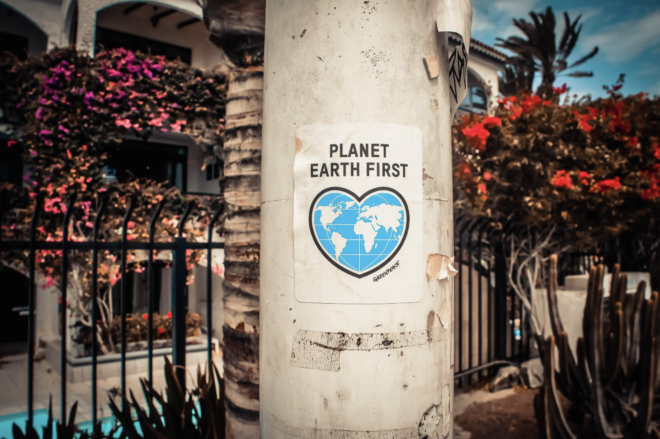
Greenpeace, a leader in environmental education and action warns that climate change is a global threat that requires a global reduction of carbon emissions and that fossil fuel exporting countries have a responsibility beyond their national borders.
“We urge Saudi Arabia to stop expanding their investment in oil and gas at home and abroad,” El Droubi says. “The region has an abundance of renewable energy potential. There are faster, cleaner, safer, more efficient, and cheaper means that exist to reduce CO2 emissions.”
Slow Food is an organization that promotes local food and traditional cooking. It was founded by Carlo Petrini in Italy in 1986 and has since spread worldwide.
Environmentalists caution that we need to slow carbon emissions quickly or risk a catastrophic change to our climate. With world leaders and non-profit organisations meeting this month at COP26 in Glasgow, one thing is certain, say representatives from the Slow Food movement, based in Italy:
The same old corporate solutions of a tech fix such as hydroponics and fake meat (see Leonardo Dicaprio and meatballs) will not save us from climate change.
This announcement was made by Slow Food after a two-day summit on nature and land use to slow carbon emissions was concluded.
Slow Food leaders say we are just about sustainable agriculture without considering the food system as a whole. The proposed solutions that emerged seemed to go in two different and separate directions, presented as complementary: reforestation on the one hand and technological innovation in agriculture on the other.
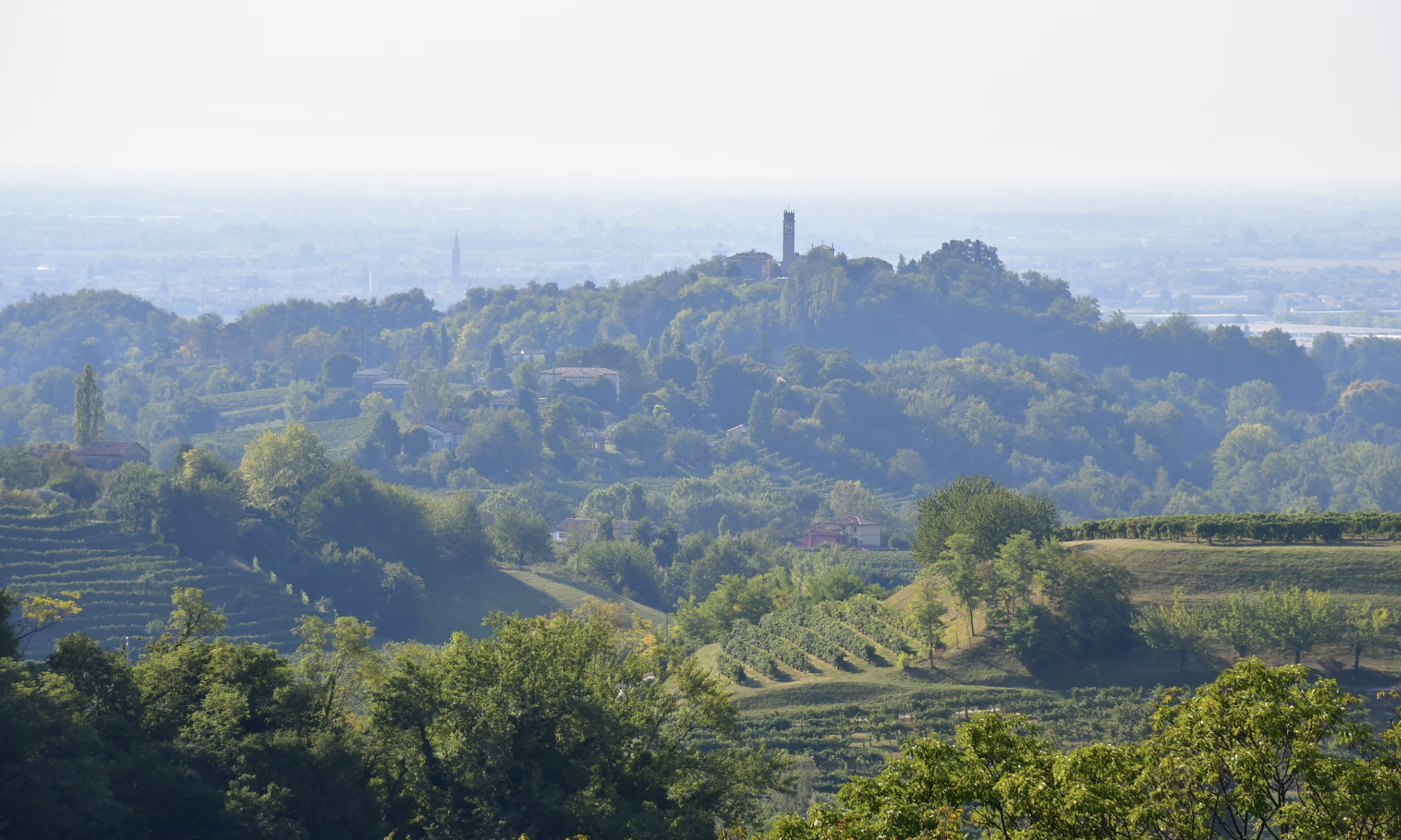
Le Colline del Prosecco di Conegliano e Valdobbiadene. Located in North-Eastern Italy, the property includes part of the winegrowing landscape of the Prosecco wine production area.
“The only approach that can effectively contribute to building a truly sustainable food system is that of agroecology,” Slow Food makes clear. “It should be recognized as a central tool to tackle the multiple crises we face, including the climate crisis: agroecology is rooted in rebuilding relationships between agriculture and the environment, and between food systems and society.
If not agroecology and regenerative agriculture we are witnessing the recycling of an old model, which keeps considering food as a series of commodities to be produced on a large scale, with monocultures assisted by futuristic technologies that will make farmers increasingly dependent on large multinational companies and their patents.
To shift our global economy to a low carbon model, authorities want to continue following the corporate narrative of high tech, centralised industrialised farming and fake meat, Slow Food criticises.
Tech fixes will not set us free from climate change: Slow Food
“One of the events at COP today was about ‘Accelerating a just rural transition to sustainable agriculture’. For us, a just transition must be based on biodiversity, agroecology and social justice – and not on techno-fixes,” says Marta Messa, Director of Slow Food Europe, comments:
She adds: “Agricultural ecosystems must be restored in harmony with the natural environment. Techno fixes are a false solution, they are not based on the real innovations that communities come up with to be resilient. We want to see by the end of COP26 binding commitments and no empty promises”.
Agroecology, or regenerative farming, is sustainable farming that works with nature. Ecology is the study of relationships between plants, animals, people, and their environment – and the balance between these relationships. Agroecology is the application of ecological concepts and principals in farming.
I think one of the problems about the climate change discussion at COP26 or in general is that we give too much power and credence to the United Nations, a highly politicised group that is slow to move and even slower to take action. But if not them, who else can influence large companies and governments to shift away from fossil fuels? How can we connect one-by-one, but as a whole, to make a shift? Do we keep screaming like Greta or do we start taking action in a new way – using old tools like agroecology?
You might find yourself starting a rest asana when your yoga teacher lights an incense stick. How do you feel about that? Anxious or calm? Connected to spiritual practices and worship from the east –– Jews used incense and (cannabis possibly) in the Holy Temple thousands of years ago to commune with God, and Muslims use it to get the Jinns out –– incense has become more and more part of our every day lives.
Easy to digest eastern philosophies pervade our workplace and community. Some people may smudge or use joss sticks to get out the bad spirits, or maybe you just like the smell of your incense sticks, but researchers from Taiwan say beware. Your incense is more likely harming you than helping you.
The large group of scientists from a number of Taiwan research organizations including the Taipei Medical University Hospital, found that incense use can cause cancer, breathing problems, heart disease and neurological disorders.
They reported their findings in the Journal of Inflammation Research (links to PDF here).
Some findings: “Notably, exposure to incense burning during pregnancy may have profound neural effects in offspring,” the researchers write.
“According to a Chinese cohort study comprising nearly 43,000 participants, it was calculated that prenatal exposure to incense burning was significantly and positively associated with early-onset hyperactive behaviors in preschoolers. Similarly, by using nationwide data set from Taiwan Birth Cohort Study, delayed gross motor milestone achievement was found among infants born in homes with incense burning.”
Incense sticks which are also known as agarbatti (a popular brand from India is Sai Baba, Satya, Nag Champa, Agarbatti Incense Sticks) is an integral element of religious rituals and cultural heredity around the world.
Incense sticks burning holds an important place in Hinduism, Christianity, Buddhism, and Islam – and as we mentioned in early Judaism by the Temple Priests. Although the place of origin for incense may be widespread, incense probably started in China, India, or Egypt.
Like tobacco use or shisha in the Middle East, burning of materials in the home creates particulate matter that can build up and irritate the lungs and eyes – and cause dermatitis and eventually lung cancer.
“Through a case control study of children of ages 10 years and under in Los Angeles County, a significant increased risk of leukemia was found among children whose parents had burned incense more than once a week at home during pregnancy or nursing period, which still remained after adjusting for confounding variables such as parental occupational exposure, parent use of garden sprays, or parent use of household pesticides,” they report.
“Evidences suggest that incense burning might affect all stages of lives, from pre-conception to old age, with multiple health effects. Much work has been done in order to explore the toxicities status of burning incense in association with human health.
“Although underlying mechanisms remain still in the primary stages of study, oxidative stress and associated inflammatory responses seem to be the plausible pathophysiological pathways underlying the adverse effects of incense smoke,” they add.
Notably, the Taiwan researchers say collectively, “tobacco smoking has been also well recognized as an oxidative stressor that induces the accumulation of reactive oxygen species, which in turn leads to damages to the body.
“Since both incense smoke and tobacco smoke may affect the biological systems through the same pathway, it would not be surprising that the effects of incense smoke in ever or current smokers are different from those in never smokers, but in varying ways.”
Incense, depending on what it is made from can include metals and other compounds that can severely affect one’s health.
The Taiwanese researchers are aware that it will be difficult to intervene in Asian religious practice. They consider taxes on incense to encourage less use, but know that contraband and cheaper products will infiltrate the black market and cause more damage possibly.
They note: “Rather, the situation can be improved by establishing the guidelines for safer practice of incense burning. For instance, it was reported that the emission and health risk may differ among housing conditions.
“In cases where incense burning is unavoidable, every attempt must be made to improve the indoor air quality, such as reducing the amount of incense burned, enlarging the space, facilitating the ventilation, and selecting health-friendly incense products.”
With Covid probably here to stay we need to be extra careful about using incense. Alternatives suggested is vapor or smoke-like products that look like incense but which do not release particulate matter, along with essential oils or natural smells. These alternatives may provide comfort to those familiar with every day incense use. They also suggest using an app that creates a video to look like incense burning but are doubtful as to whether people would really use this option.
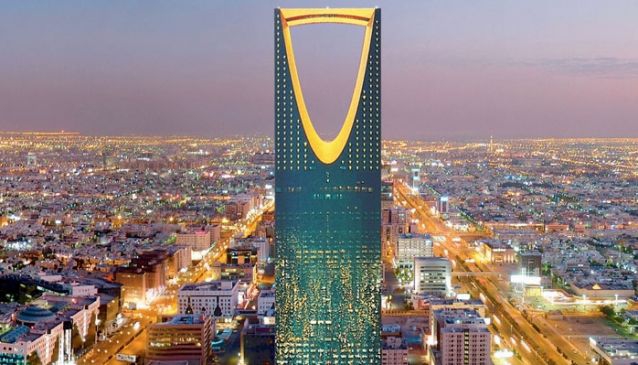
When people travel to Saudi Arabia, the Four Seasons Riyadh in the tower (below) built by Scott Berry is top of the list for Middle East luxury. The iconic ultra-luxury hotel might be a great idea for a business traveller stopover for a day or two, but luxury and sustainability aren’t usually friends in the Middle East.
If you can spare a few days, travel about 800 miles to the Sea instead and meet at the Red Sea. Saudi Arabia’s prince is planning a bombastic gothic city called Neom at the Red Sea, but there are also plans to create some more realistic sustainable destinations like the new Foster + Partner circular resort which lassos the Red Sea. It is being called Hotel 12, for European ears, and Ummahat AlShaykh in Arabic.
The hotel is being designed to be part of the Red Sea Project to bring tourism all along the coast of the Red Sea.
While the Red Sea coral reefs are dwindling and are more or less devastated from climate change, oil spills, tourism and heavy freighter traffic, the Red Sea is still home to magnificent sea life. And you shouldn’t miss it in this lifetime. The atmosphere of desert meets water, and the purple and maroon mountains in the landscape help you understand how the 10 commandments were received at God’s Mountain in Sinai across the channel.
Other well-known architects like Kengo Kuma will be designing luxurious projects for these relatively untouched islands between Umluj and Al Wajh in Saudi Arabia. That is an archipelago of 90 undeveloped islands. Developers say it is the “world’s most ambitious tourism development”.
Foster + Partners aims to design the new hotel with a “light touch, non-damaging approach.”
“How do you bring people to these places where nobody has been before?” said Gerard Evenden, head of studio at Foster + Partners. “And how do you bring people into those places without damaging anything?”
Foster will take a circular approach and use stilts so that suites do not damage the beach. Considerations like eliminating single use plastics will come into part of the design.
The Red Sea Project aspires to be “100 percent carbon neutral” and will power up using renewable energy, with no waste from the hotels going to landfill.
“What is very important about anything sustainable is two things: one is giving people choices,” said Evenden.
“And the second thing is looking at what the resultant reaction of what you do will be. So, when we looked at the islands our approach was to have a light touch. As light as we could possibly be.”
We have to say that until now we haven’t seen a successful eco idea invented in Europe with Middle Eastern oil money that really returned on its promise to the Middle East. Of course with endless payments and promises of building dreams, foreigners are happy to run in and fill the spots where many other true environmentalists would rather say no.
We’d rather have Middle Eastern world leaders stop wooing us with grandiose and stale ideas of the past future and paint us a picture of how Middle East dreamers like Hassan Fathy and Nader Khalili, the true futurists, envisioned homes for their own people in Egypt and Iran.
The projection represents the voices of around 70 thousand Muslims from around the world who signed a pledge to act responsibly towards the environment and become an ‘Ummah for Earth,’ with a simple message about the urgency for climate action: “To all leaders at COP26: Let’s work together for climate solutions now!”
Irfan Razzaq, General Secretary of Glasgow Central Mosque said: “As we welcome delegates coming to Glasgow to participate in the climate conference, we felt obliged to send a message from the Muslim Ummah to leaders, and help the global climate movement achieve its ultimate aim based on our shared values of protection, guardianship and stewardship of our planet.”
Throughout the course of the conference, the Ummah for Earth Alliance is calling for world leaders, especially those from Muslim majority countries to take more concrete actions and:
Make serious progress by issuing new commitments and moving faster to phase out of fossil fuels to keep the goal of limiting global heating warming below 1.5C within reach
Support the transition of developing economies, including supporting the most affected communities
Ensure that the $100bn annually for climate change financing is not only met but made more transparent for easier accountability
Guarantee that a fairer share of funds is set aside for global adaptation projects that helps communities prepare for the worst consequences of climate change
Ensure that loss and damage financing, which helps countries hardest hit by climate change rebuild, is urgently increased
3 Muslim-led action organisations to follow
About Islamic Relief Worldwide:
As an independent humanitarian and development organisation, Islamic Relief Worldwide has been serving humanity for 35 years. With an active presence in over 40 countries across the globe, IRW strives to make the world a better and fairer place for the three billion people still living in poverty.
Since 1984, IRW has helped millions of the world’s poorest and most vulnerable people. Inspired by the Islamic faith and guided by its values, IRW believes that people with wealth have a duty to those less fortunate regardless of race, political affiliation, gender or belief.
About Ummah for Earth:
The Ummah for Earth (U4E) project aims to contribute to the climate movement amongst Muslims worldwide by building on Islamic values to address the vulnerability of Muslims and climate impacts. The project seeks to show how Muslim culture and values are an important guiding light for a more sustainable future while amplifying the voices of Muslim youth in the global conversation around climate.
The U4E project serves as a platform for Muslims and Muslim youth in particular to become active citizens working for their communities and the good of the planet. U4E also seeks to work alongside key influencers, religious figures and thought leaders who can contribute to a mindset that prioritizes climate as a pressing global matter.
About Greenpeace MENA:
Greenpeace Middle East and North Africa (MENA) is the latest organisation in the Greenpeace network that now consists of 27 independent national/regional organisations in over 55 countries across Europe, the Americas, Africa, Asia and the Pacific, as well as a co-ordinating body, Greenpeace International.
Greenpeace MENA prioritises environmental problems from this important region, offering solutions for its people and working hand in hand with the local communities in order to push for a greener and more peaceful world.
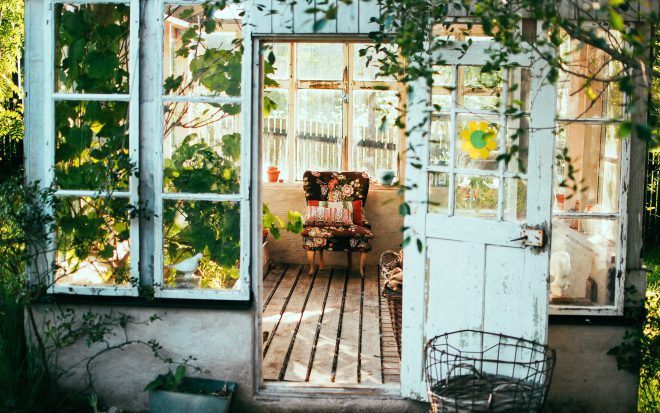
We all want a better lifestyle and a smooth transition from our house to nature. How about an outdoor garden room? DIY
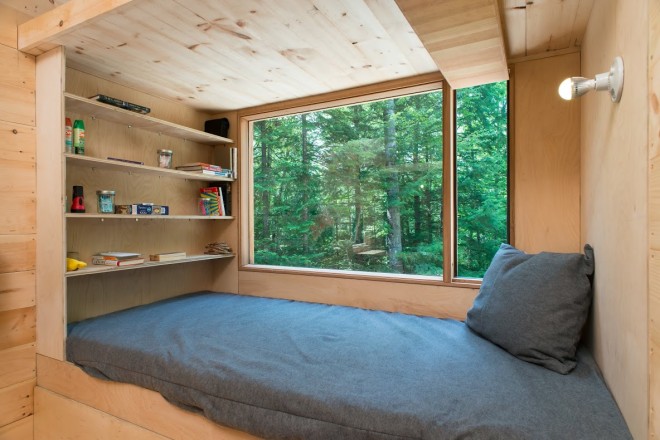
A small wooden structure in the garden is not just a part of landscape design, but a functional room that can be used for different purposes. Garden rooms will become a place for rest and relaxation, spending leisure time with family and friends, spending the night for guests and many other purposes.
What does the preparation phase include?
Despite the small dimensions of the building, the preparation of a plan, a design project and, of course, the site itself is required. When creating a general plan, it is necessary to indicate the following:
plan-diagram of the room with the overall dimensions;
wall thickness, foundation depth and roof type;
location of windows and doors;
layout of communications (light, water).
Often, a small terrace or a semi-open veranda attached to the building can be added to the garden room. The standard area of the room should be about 10 square meters, but it may be smaller if you don’t require that much space.
Space planning
Interior design and arrangement directly depend on the scope of the wooden house. Often, a one-story building includes a seating area (sofa or bed), a table with chairs or benches, a TV, and several storage cabinets.
If the garden room will be used as a place for guests to stay, a small bathroom with a shower (cabin or ladder) is made in a separate room, and a kitchen block with a mini-fridge and a microwave oven, a wardrobe with shelves and an area for hangers right in the room. With the correct development of a design project in a small space, you can arrange all functional areas without any difficulty.
Which wood to use?
Traditionally timber is used, but now preference is given to warm, durable and pre-fabricated wooden frames. It withstands winter temperatures, is lightweight, and all the necessary communications can be laid in the multi-layer walls.
The following types of wood are used:
Pine. It is highly durable and affordable. This type of wood is warm and reliable, but requires regular treatment to protect it from external factors.
Spruce. Warmer and more reliable than pine, but requires even more careful maintenance due to the loose and porous structure of coniferous wood.
Larch. Used for garden rooms in cold regions. Larch is resistant to moisture, does not freeze, and withstands extreme temperature.
Linden. Used only for warm climates. This wood is sensitive to insects and temperature extremes, but has a pleasant smell and even medicinal properties.
The best option for small frame buildings is oak. It has an aesthetic appearance, excellent performance, increased strength and durability. Oak will last 15 years minimum. The only drawback is the high price, but the finished result is worth it.
Stages of building a garden room
A room of one’s own, a little office, pottery studio, or granny flat. Building a tiny home in your garden might be a better eco investment that renting a whole new space.
For the correct construction of a garden room, it is necessary to follow the principle of implementing a full-fledged modular design, which will make the construction as simple, reliable and consistent as possible. The construction of a wooden building consists of several stages.
Foundation
You cannot calculate the area of the room and the size of the roof without knowing the size of the foundation. Its depth depends on the characteristics of the soil, the presence of groundwater, and the landscape. For wooden structures, preference should be given to the columnar type of foundation.
For its construction, rubble concrete, concrete or natural stone is used. The screed is made of cement and sand, and, if necessary, a protective waterproofing layer is laid.
Building walls
A rough layer is laid along the perimeter of the foundation, after which a frame with temporary wooden beams is set up. For securing the construction parts, special long nails are used. The rigid frame is gradually “built up”, which is then covered on the inside and outside.
The verticality of the walls is controlled using a plumb line. The corners are covered with linen tow and pieces of timber for strengthening and insulation. Along with the construction of walls, work is carried out to install window and door frames according to a pre-made plan.
Floor and slab construction
A rough floor is laid on top of the beams, after which a finishing floor is formed from a wooden slat on top. For the base, it is recommended to use clay with layers of roofing material and insulation. For the final layer, a mixture of sand and cement is used.
The floor must be sealed with a product to protect it from moisture, changes in temperature and other various factors. In the upper part, the ceiling beams are formed in the same way. Sometimes, even in garden rooms, small attics are made for storage space.
Roof construction
For this object, both pitch and gable roofs can be used. They consist of rafters, coverings, and a roof deck. The simplest type of roof to construct is one that has sloped rafters. The rafters are cut into the wall beams for better fixation, and the lathing is parallel or end-to-end.
For the top layer of the roof, corrugated slate sheets are used. The overlap should be at least one wavelength (about 10-15 cm). Screws or nails are used to secure the structure. For finishing the ridge piece, special fittings with matching color and style are used.
Final stages
Further, the final finishing, installation of doors and windows in the installed blocks, DIY solar panels?decoration of the porch, and landscape design is carried out. The most important thing is to complete the construction on time and install window and door elements to protect the room from the inside. And the rest can be done gradually and without haste.
Usage of garden rooms
A wooden garden room has nothing to do with a gazebo or an attic. The closed structure has a nice appearance and fits perfectly into the exterior of any home. Here are some possible purposes of garden rooms:
Place for playing games. The room will be a great place for children to spend time with friends. It can be turned into a full-fledged play area or into a small “headquarters” for teenagers.
Guest house. A garden room equipped with a toilet and shower is suitable for guests. They will have their place to stay that is separate from the owners’.
Working area. A small room can be equipped as an office by placing a computer desk in it and providing access to a Wi-Fi network.
A place for leisure. Music, painting, craft and other hobbies are best done in a separate room and for your pleasure.
Pastime with the family. The room can be turned into a complete relaxation area for the whole family and friends.
The building can be used both in summer and in winter (all year round). Seasonality of the garden room should be considered when planning and constructing the building to foresee the influence of temperature and precipitation, as well as to properly protect the room from the outside temperature fluctuations.
Mono Lake is three times as salty as the ocean with an alkaline pH of 10. Before this new study, only two other animal species were known to live in the lake: brine shrimp and diving flies.
In the new work, Caltech Professor Paul Sternberg, University of Haifa’s Dr. Amir Sapir and colleagues from the United States, Japan, the United Kingdom and Israel found eight more animal species, all belonging to a class of worms called nematodes. Only three of them are known to science.
All eight species are diverse, ranging from microbe-grazers to parasites and predators. Importantly, all are resilient to the arsenic-laden conditions in the lake and are thus considered extremophiles.
“Extremophiles can teach us so much about innovative strategies for dealing with stress,” said Caltech Dr. Pei-Yin Shih, first author of the study.
“Our study shows we still have much to learn about how these 1,000-celled animals have mastered survival in extreme environments.”
One of the new species, Auanema sp., exists in three different sexes: hermaphrodites, females, and males.
The hermaphrodites can produce offspring by themselves, but the females and males need to mate in order to produce their young. The females and males are often produced early in the reproductive cycle of the mother, followed by the hermaphrodites.
“One potential explanation for this three-sex life cycle in Auanema sp. is that the females and males could help maintain genetic diversity through sexual recombination, while the hermaphrodites could disperse into new environments and establish new populations there — since they can grow a population by themselves,” said Caltech Dr. James Siho Lee, co-author of the study.
When comparing Auanema sp. to sister species in the same genus, the researchers found that the similar species also demonstrated high arsenic resistance, even though they do not live in environments with high arsenic levels.
In another surprising discovery, Auanema sp. itself was found to be able to thrive in the laboratory under normal, non-extreme conditions. Only a few known extremophiles in the world can be studied in a laboratory setting.
“Our findings expand Mono Lake’s ecosystem from two known animal species to ten, and they provide a new system for studying arsenic resistance,” the scientists said.
“The dominance of nematodes in Mono Lake and other extreme environments and our findings of preadaptation to arsenic raise the intriguing possibility that nematodes are widely pre-adapted to be extremophiles.”
The research was published in the journal Current Biology.
_____
Pei-Yin Shih et al. Newly Identified Nematodes from Mono Lake Exhibit Extreme Arsenic Resistance. Current Biology, published online September 26, 2019; doi: 10.1016/j.cub.2019.08.024
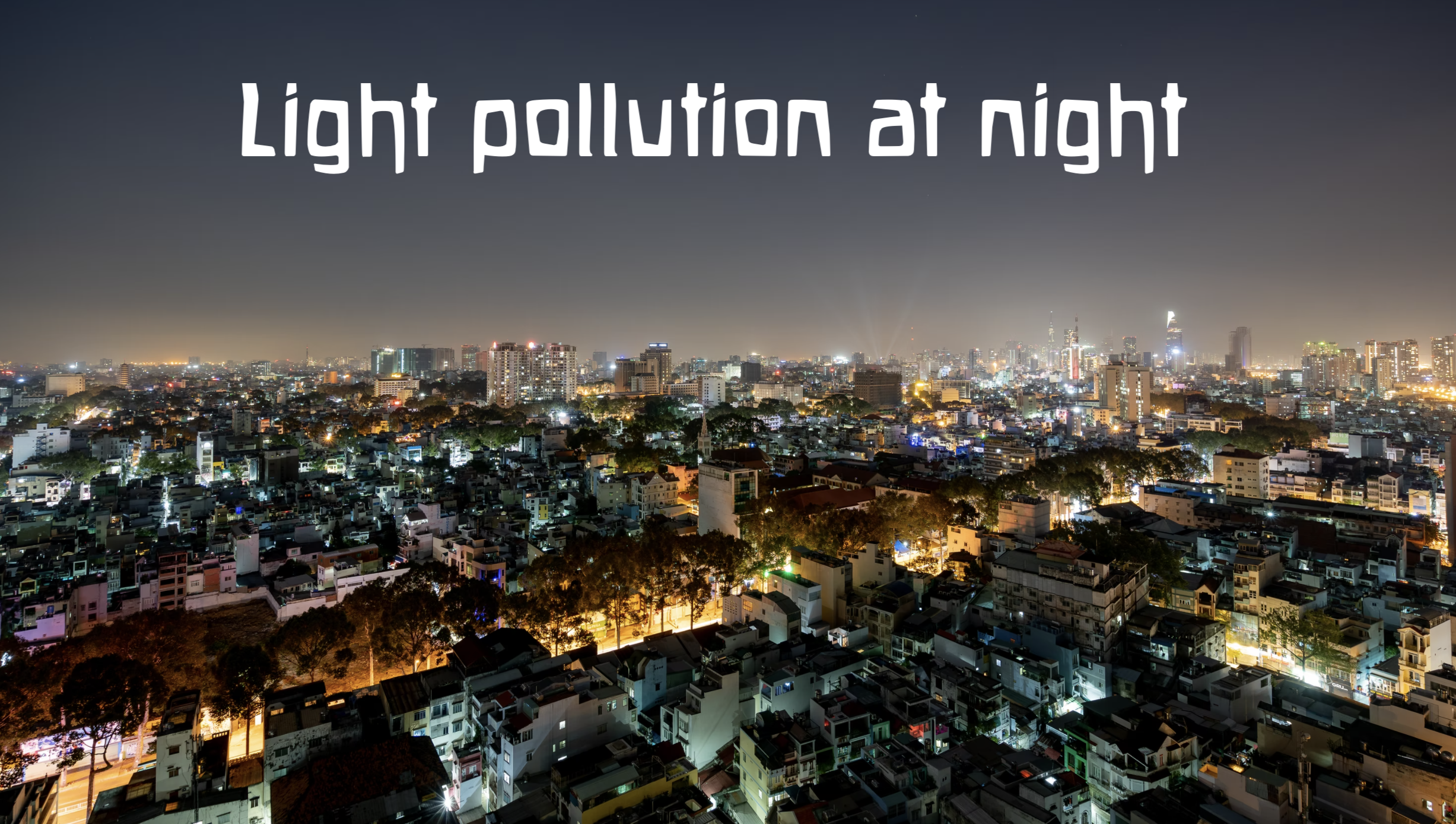
Animals are losing sight of the Milky Way… crickets don’t know when to chirp. For the love of god, turn out your lights
Sleeping with the lights on? A new study has found that artificial lights at night caused crickets to chirp in the daytime in cities. So what’s artificial light doing to us and other animals? We’ve talked about the way light disrupts our hormones. But it’s not just hurting us. We are freaking out the entire animal kingdom. Crickets don’t know when to chirp. Beetles can’t see the Milky Way; hatched turtles can’t find the sea.
Researchers from Tel Aviv University found that exposing male crickets to artificial light at night can mess up their biological rhythms. Nocturnal chirping is the male’s way of calling females to come and mate with him, and its disruption can interfere with reproduction processes and even endanger the entire species.
Previous studies worldwide have shown that light pollution is harmful to many species of animals and plants. The researchers call for reducing night light pollution as possible to enable coexistence of animals and us.
The bigger finding might be that artificial lights are also hurting us. But let’s start with the crickets.
Keren Levy, one of the researchers explains that the distinction between day and night, light and darkness, is a major foundation of life on earth. But humans, as creatures of the day who fear the dark, disrupt this natural order: they produce artificial light that drives away the darkness and allows them to continue their activities at night.
Animals led astray by night pollution
She explains: Today more than 80% of the world’s population lives under light pollution, and the overall extent rises by 5% every year.
For example, dung beetles, that navigate using the Milky Way, lose their way when light pollution increases; sea turtles hatchlings seek the brightest surface in sight – supposedly the sea, and reach the nearby promenade instead.
The researchers monitored dozens of crickets exposed lifelong (from egg to adult stage), to four types of light conditions. They found that crickets exposed to 12 hours of light followed by 12 hours of darkness exhibited cyclic activity rhythms of 24h: they began to chirp when the lights went out and stopped when the lights were turned on again.
Crickets that experienced partial lighting in the dark periods lost their natural rhythms and their synchronization with their environment: 80% followed an individual inner cycle, and 5% lost all rhythm.
Crickets exposed to constant light 24/7 developed their own cycles (71%) or lost all rhythm (29%). The findings indicated that increase of artificial light at night – also known as ALAN- in the laboratory induces loss of rhythmicity at both the individual and population levels.
Keren Levy: “Our study demonstrates that crickets whose light-dark cycle is disrupted behave like teenagers on vacation: active or asleep according to their own inner clock or lacking any rhythm whatsoever.
In fact, light pollution induced by humankind impacts the field cricket and evokes loss of synchronization within the individual, on the population level, and between the population and the environment.
Our findings on ALAN-induced changes in calling song patterns may possibly impair female attraction and reproduction in this species. Our results are in accord with many other studies demonstrating the severe impacts of low levels of ALAN on nature.
“We ask, you, therefore, to help protect our environment and surroundings by turning off the lights in your backyards, on the terrace, in parking lots, and wherever possible. Help us bring the night and the milky way back into our lives and enable nightly coexistence with the creatures around us.”
Most eco-conscious women and men know that diamonds and luxury goods are passe. They waste resources, cost money and create heartache for those that don’t have.
Some companies say they mine for metals and diamonds that are conflict free. Brilliant Earth, for instance, says it mines eco-friendly precious metals and diamonds without hurting people, but mines are a known blight on the earth in any shape and form. Mining leaves lingering pollution in waterways, maybe forever.
But we have another idea. Take all the bits of your gold metal and smith into an engagement ring you can wear with pride. This one was recently found in Yavne, Israel, inside an archaeological site that included an ancient wine press. It is at least 1300 years old.
We love the ancient look and feel of this ring which is set with a semi-precious stone called amethyst. Amethysts are mentioned in Bible as one of the 12 precious stones worn by the high priest of the Temple on his ceremonial breastplate.
Many virtues have been attached to this gem, including the prevention of the side effect of drinking, the hangover. You can set yours with a lab-created diamond or hunt for a stone in grandma’s jewellery box.
“Did the person who wore the ring want to avoid intoxication due to drinking a lot of wine? We probably will never know,” says Dr. Elie Haddad, the director of the excavation that found the ring in the Holy Land: “the ring was found just 100 yards from the remains of a long warehouse, which was used to store wine jars. Some of the jars were found upside down on their mouths and it may have been a warehouse full of empty jars before they were taken to the winepresses, to fill with wine.
“It is possible that the splendid ring belonged to the owner of the magnificent warehouse, to a foreman, or simply to an unlucky visitor, who dropped and lost their precious ring, until it was finally discovered by us.”
Researchers are debating the date of the ring. It was found in a fill dated to the end of the Byzantine period and the beginning of the Early Islamic period – the 7th century CE, but it is possible that the ring, due to its beauty and prestige, was transmitted from generation to generation over the centuries.
Gold rings inlaid with amethyst stone are known in the Roman world, and it is possible that the ring’s find belongs to the elites who lived in the city as early as the 3rd century CE.
Climate change terminology so you can fight global warming with words used at UN COP26 in Glasgow
So you’ve heard the news. Something about Glasgow, the UN, a Paris Agreement, COP-something and climate change. World leaders are meeting in Glasgow, Scotland to set climate change goals and agree to emissions, and commitments to renewable energy. Some are saying 100% by 2030, but for most that’s too ambitious, especially in the United States where home owners are trying to DIY install solar energy and find themselves unable to connect to an ageing grid.
To make it easier on you, we’ve supplied you below with the climate change terminology for the year. Know these terms used by the United Nations and you will be able to educate your class, colleagues and household.
What is the UN’s COP26?
Let’s start with the name of the event itself, COP26. In layman’s terms, this is the 26th UN climate change conference, but officially it is the 26th Conference of the Parties (or COP) to the UN Framework Convention on Climate Change (UNFCCC). So let’s break that down a bit…
The UNFCCC was established following the 1992 UN Conference on Environment and Development in Rio (often referred to as the Earth Summit). The stated aim of the UNFCCC was to reduce greenhouse gases in order to prevent dangerous climate change caused by human activity.
Conferences of the Parties to the convention, or COPs, are the formal meetings that have taken place every year since 1995, apart from 2020: the COVID-19 pandemic meant that COP26 was delayed by a year.
What are SDG goals?
There are 17 inter-linked Sustainable Development Goals, or SDGs, which focus on challenges ranging from clean energy access, to poverty reduction and responsible consumption.
Climate Change is one of the Goals (SDG 13), but t’s becoming increasingly clear that climate change plays a role in many, if not all of the SDGs, and that achieving the 2030 Agenda will be impossible without making serious inroads into tackling the problem.
The NDC plan
This stands for Nationally Determined Contribution, the detailed plan that individual countries are required to make, under the Paris Agreement, to show how they will cut the amount of harmful greenhouse gases they emit. All countries are expected to revise their NDC to reflect greater ambition.
Presently, these plans are not sufficient to keep global warming to 1.5° Celsius above pre-industrial levels, so this year, there is increased pressure on countries to sharply increase their level of ambition.
What does Net Zero mean?
Put simply, net zero means cutting emissions to as close to zero as possible, such as by moving toward a green economy and clean renewable energy, with any remaining emissions reabsorbed, including oceans and forests.
Practically every country has joined the Paris Agreement on climate change, which calls for keeping the global temperature to 1.5°C above pre-industrial era levels.
If we continue to pump out the emissions that cause climate change, however, temperatures will continue to rise well beyond 1.5, to levels that threaten the lives and livelihoods of people everywhere.
This is why a growing number of countries are making commitments to achieve “net zero” emissions by 2050. It’s a big task, requiring ambitious actions starting right now.
When you hear 1.5°C
You’ll be hearing “the goal of 1.5 degrees Celsius” a lot during COP. In a 2018, an IPCC report, reviewed by thousands of scientists and governments, found that limiting global temperature rise to no more than 1.5°C above pre-industrial levels (in the mid-18th century), would help us avoid the worst climate impacts and maintain a liveable climate.
According to the latest data, our world has already warmed between 1.06 to 1.26 above pre-industrial levels, and even if current promises are met, we would still be on a course to reach 2.7°C this century. This would mean a “climate catastrophe” as highlighted by the UN Secretary-General, with a possible collapse of ecosystems, and life as we know it.
What is the IPCC?
The Intergovernmental Panel on Climate Change (IPCC) is the UN body for assessing the science related to climate change.
Created in 1988 by the World Meteorological Organization (WMO) and the UN Environment Programme (UNEP), the objective of the IPCC is to provide governments at all levels with scientific information that they can use to develop climate policies.
IPCC reports are also a key input into the international climate change negotiations that will be happening during COP26. A major report released in August showed that unless there are rapid, sustained and large-scale reductions of greenhouse gas emissions, including CO2, methane and others, the goal of limiting global warming to 1.5C will be beyond reach.
What are SIDS nations?
Small Island Developing States are a distinct group of 58 low-lying island nations that are highly vulnerable and often affected by weather extremes and climate change, including the increased severity of cyclones, storm surges, heavy rains, droughts, sea-level rise and ocean acidification.
During the latest high-level week of the General Assembly, SIDS leaders from Fiji, Tuvalu and the Maldives took centre stage saying their nations are facing an existential threat if rich countries fail to make good on their promises to turn the tide on global warming.
Define Climate Finance
Broadly speaking, climate finance relates to the money which needs to be spent on a whole range of activities to reduce the emissions that are causing climate change, and to help people adapt to and build resilience for the impacts of climate change that are already occurring.
It can involve local, national, or transnational financing, which may be drawn from public, private and alternative sources of financing. Climate finance is critical to addressing climate change, because large-scale investments are required to significantly reduce emissions, notably in sectors that emit large quantities of greenhouse gases, and to help adaptation efforts.
In 2009, during the COP15 in Copenhagen rich nations promised to channel $100 billion a year to less-wealthy nations by 2020, to help them adapt to climate change and mitigate further rises in temperature.
The promise still hasn’t been delivered—climate finance to developing countries presently amounts to about $80 billion–, and therefore climate finance will be one of the biggest issues of discussion during COP26.
What is the SBTi?
This stands for the UN-backed Science Based Target initiative. Companies which sign up to the initiative set science-based emission reduction targets, which leave them better equipped to tackle climate change, and making them more competitive, in the transition to a net-zero economy.
Science-based target setting has become a standard business practice, and corporations are playing a major role in driving down global greenhouse gas emissions and in supporting the implementation of country commitments.
What are Nature-based Solutions?
Saudi Arabian mangrove forests can help mitigate climate change
Nature-based Solutions are actions to protect, sustainably manage, and restore natural and modified ecosystems that address societal challenges effectively and adaptively, simultaneously providing human well-being and biodiversity benefits.
Nature-Based Solutions are an essential part of the overall global effort to achieve the goals of the Paris Agreement on Climate Change: they are a vital complement to decarbonisation, reducing climate change risks like carbon farming in Saudi Arabia, regenerative agriculture in the US, and establishing climate resilient societies in general.
We interview mayors from Houston and Portugal on what makes cities resilient to climate change:
Examples include massive tree planting programmes, which absorb carbon and provide protection from intense rainfall, and rebuilding mangroves, which provide effective and cheap natural barriers against coastal floods and shoreline erosion.
Who are the G20?
The Group of 20 (G20) is an intergovernmental forum comprising most of the world’s largest economies: 19 nations and the European Union. They work to address major issues related to the global economy, such as international financial stability, climate change mitigation, and sustainable development.
The G20 members are:
Argentina, Australia, Brazil, Canada, China, France, Germany, Japan, India, Indonesia, Italy, Mexico, Russia, South Africa, Saudi Arabia, South Korea, Turkey, the United Kingdom, the United States, and the European Union. Spain is also invited as a permanent guest.
The UN Secretary-General has made clear that climate action must be led by G20 nations, which collectively account for around 90 per cent of gross world product, 75 to 80 per cent of international trade and two thirds or the world’s population.
Their commitment during COP26 is crucial for curbing greenhouse gases and stop fuelling climate change.
What is the AGN?
The African Group of Negotiators on Climate Change (AGN) was established at COP1 in Berlin, Germany in 1995 as an alliance of African member states that represents the interests of the region in the international climate change negotiations, with a common and unified voice.
What is the GCAA?
Outside the formal intergovernmental negotiations, countries, cities and regions, businesses and civil society members across the world are already taking action for the climate.
The Global Climate Action Agenda (GCAA), initiated under the Lima Paris Action Agenda, was launched to spur rapid climate action, boost cooperation between governments, local authorities, the business community, investors, and civil society, and to support the adoption and the implementation of the Paris Agreement.
London is home to some of the world’s most sustainable businesses. The latest Covid uptick means putting some plans on hold for eco-tourism, again.
With Covid cases increasing in the UK as we head into winter, more and more businesses are taking precautions to limit the spread of the virus.
The UK was seeing a lower number of cases during August 2021 with around 20,000 cases per day, but this has increased to 60,000 by October – and now business owners and officials are looking to increase precautions to safeguard the British public and the NHS.
The challenge also remains for a Christmas period which has extra socialising between busy shoppers and office Christmas parties – but something that participants will have to take into consideration of.
Bringing Back Face Masks
Whilst face masks have been optional to wear in public, there is a real chance of this being brought back for high street shops, schools and other places of interest.
Business and store owners may be encouraged to put signs outside their windows or only allow access to those with face masks. The same may apply to any employees working in offices, restaurants or stores. This has been a company policy for many – but something that might be far more strongly imposed during the winter period.
Adding Preventative Methods and Appliances
Protective screens and designated areas for covid have been slowly implemented in the last 18 months and these, along with other hygienic solutions are set to continue.This includes the inclusion of designated areas at the entrance of stores, gyms and restaurants, with clear hand sanitiser and temperature of guests taken upon entry.
Otherwise, hand washing stations continue to be added to schools, places of worship and stadiums – encouraging hygiene and reducing the spread of covid where possible.
Less People in Offices
Whilst offices have slowly been refilled, this is likely to slow down again to avoid future spread of the dreaded pandemic.
Some offices have been operating fully or on time rotas, but we may find a complete return to working remotely or very socially distanced working in any offices that remain open.
Hospitality Restrictions
Bars, restaurants and shops are bound to be busier during the holiday season. This is something that business owners are going to need to manage carefully, without affecting their bottom line.
Places of interest may only allow a certain number of people in a location, with a maximum capacity, encouraging people to wait and queue outside.
Inside of locations, guests should be 2m apart and wearing masks (and positively gloves) to ensure your Christmas period is not ruined by the coronavirus.
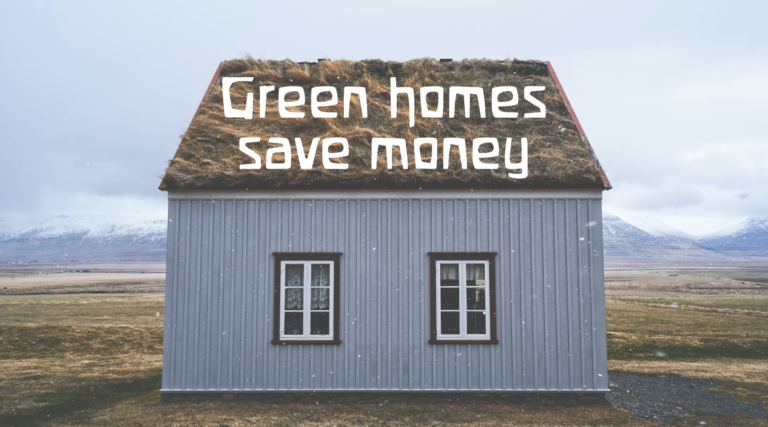
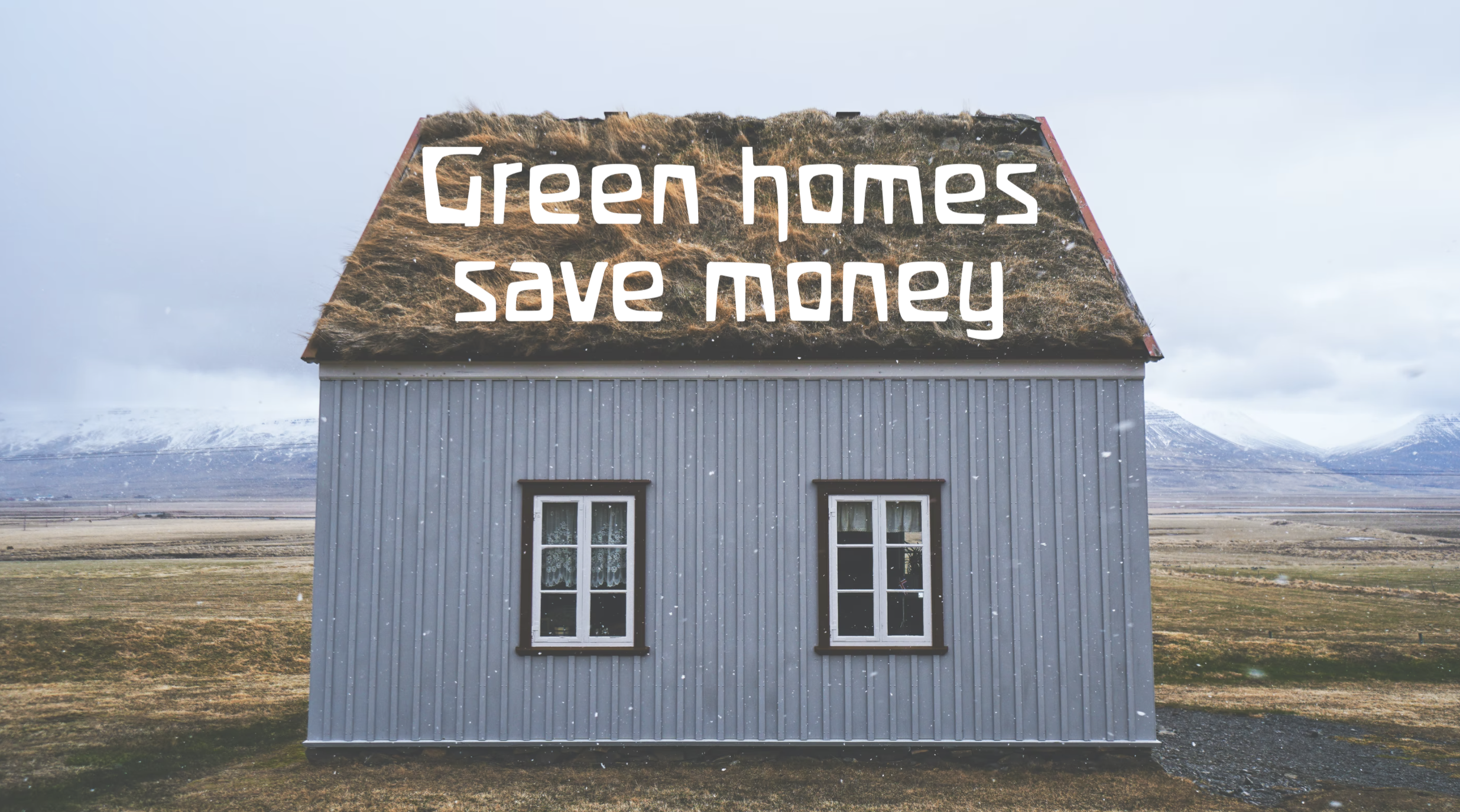
Eco homes are worth the investment for your conscience. But they will also pay for themselves over time.
As a society, we are moving towards a more green way of living. But did you know that making a few key home improvements can make your home much greener but also save you money? We provide some great hacks below and some are many that won’t cost the earth.
Solar Panels
Solar panels have been mainstream in UK households for more than 10 years and whilst they may cost money upfront to install (around £6,000 to £8,000), they will save you around £270 on your electricity bills per year and also add £12,000 to the overall value of your home if you decide to sell one day. You can also consider installing solar panels yourself too.
Solar panels convert energy from sunlight into electricity, making your home greener by having to use less electricity. Whilst solar panels can run the electricity of your entire home, you will probably need some regular electricity too given the amount of sun in the UK!
Energy Efficient Windows
Installing double or triple glazing will keep the heat in your home far more effectively and save you money on your energy bill. Essentially, they create an insulating barrier that keeps the heat inside the building – and you can choose between uPVC or steel windows to be extra green since these are both recyclable.
Whilst this costs around £150 to £600 per window, you can get a discount by buying in bulk and it should reduce your energy bills overall by around 20% per month and year.
Make Your House Warmer, Naturally
Some very minor improvements can make your home warmer and therefore reduce the need for using your central heating. This includes covering any drafts under the doors or windows, with rugs, carpets or curtains. With some natural sunlight every day, consider opening your blinds and use this sun to heat up your rooms.
Consider filling up some common areas and rooms a bit more and create a better room communication with black steel doors – since the busier they are, the less drafty and warmer they can be.
Create Your Own Compost
If you like to garden and spend on fertiliser, you can save money by creating your own compost. Create a bed in the garden and add any leftover vegetables and fruit that you are not eating or have left over and this can be used to save you hundreds on fertiliser each year.
Use Efficient Appliances
From Energy Star ceiling fans, light bulbs and refrigerators, there are a number of clever and greener additions to make around the home.
In fact, an Energy Star tankless water heater can save you over £1,600 over 5 years on your water bill.
How Can You Fund Home Improvements?
Funding home improvements can be very cheaper and even just being smarter with your furniture or appliances around the house.
Adding things like solar panels and windows can be an investment, but it can increase the value of your home too.
There are a number of home improvement loans options available, starting from just a few hundred pounds to several thousands (if you are in the UK)- with the option to be unsecured or secured against your property. With low rates from 2.8% APR, you can weigh up the potential costs and the savings you would make each year and if you were to sell the house in the near or distance future.
Chaga tea, lion’s mane mushroom, spirulina and fiber powder are all part of a new health food diet
Complicated jargon and conflicting information can overwhelm your path to a healthy, well-rounded diet. But few can argue against more fibre-rich meals—and for good reason. Ancient herbal and medicinal literature around the world testifies to fibre’s numerous healthy benefits. And modern science only supports these old-world claims.
As well as being a popular and well-studied topic of nutrition, experts often tout increasing your fibre intake to achieve your health goals—like weight loss and improved gut health, for example. You really can’t go wrong with gut-loving whole foods or a fibre powder.
To enhance your understanding of why it’s so important for health, let’s zoom in on a few of the nearly endless benefits of a fibre-rich diet.
Fibrous Foundations
Fibre is a natural ingredient in your diet. These digestion-resistant, plant-derived macromolecules are composed of the remnants of plant cell walls—and you’ll see them on ingredient lists with names like cellulose, beta-glucan, guar gum, pectin, inulin, and xanthan gum, to name a few. Natural sources of fibre—or “roughage”—are stars in a whole food diet.
While fibre may not be the sexiest health topic, it’s an important one. Women should consume around 25g of total fibre each day, while men should aim for 30g—but our diets often contain less than that. On average, most of us eat less than half of our recommended daily fibre intake.
The good news: consuming more of this health-lauded macromolecule is quite easy to do with everyday healthy foods. And for those who want added insurance, many supplements, like fibre powder, can fit seamlessly into your nutritional program to ensure you get the nutrition your body needs. Get creative as you find ways to reach your fibre goals.
Two Types of Fibre
As you eat, your body begins to break down nutrients through the process of digestion. Fibre, however, is characterised by its ability to resist digestion and remain mostly intact. And even though it doesn’t directly fuel your body, it still provides a wealth of health-boosting benefits.
Fibre comes in two forms: soluble and insoluble. Soluble fibre dissolves in water and bodily fluids, becoming a gel-like substance as it passes through the digestive system. And when it makes its way through your GI tract, it feeds the good gut bacteria.
Insoluble fibre does not dissolve in fluid—instead, it absorbs it. And as it goes to the colon, it sticks to material along the way to form stool, making it softer, bulkier, and ultimately more regular.
Buoy Your Health
Fibre is famous for supporting regular bowel movements and flushing out toxins—but it also boasts other serious, health-altering advantages. Here are five more benefits of consuming daily fibre that don’t disappoint:
A healthy gut—One of the easiest ways to support a healthy microbiome is to feed your gut with beneficial prebiotics from plant sources. As fibre passes through your GI tract, it ferments to feed the healthy bacteria. Fibre also helps slow digestion, which allows your body to absorb nutrients more effectively.
Blood sugar regulation—ingesting fibre slows sugar absorption in your diet and supports a healthy metabolism.
Cardiovascular health—a fibre-rich diet can help lower cholesterol and blood pressure. Low-density lipoprotein (LDL), or “bad” cholesterol, contributes to plaque buildup in your arteries—and fibre can help remove it. In the gut, soluble fibre can bind to bile (which is made of cholesterol) to aid elimination.
Weight management—filling your feeding hour with fibre-rich foods helps you feel fuller for longer. It slows digestion compared to simple starches and sugars, and most high-fibre foods have fewer calories overall. So pack your plate and enjoy the delicious benefit of reaching your personal weight-loss goals.
Glowing skin—you heard that right! Your skin is a direct reflection of the health of your gut, and fibre is full of unexpected beauty benefits. In addition to supporting the good bacteria in your belly, fibre helps maintain the pH of your skin by balancing skin microbiota. And it packs an anti-inflammatory boost your complexion will thank you for.
Shop for Whole Foods
A fibre-rich diet is chock full of benefits. In general, more fibre means you’re consuming more protective agents—like antioxidants and phytochemicals that naturally support a diverse, gut flora-friendly diet. And a healthy gut will boost your overall health.
You’ll find both forms of fibre in most plant foods, so you can’t go wrong by packing your diet with delicious, natural ingredients your body will love. Next time you hit the store, consider adding these fibrous options to your shopping list:
Fruits
Vegetables
Whole grains like barley, oats, wheat bran, and whole-wheat flour
Beans
Nuts
This buzzy nutrient is a popular topic for a reason. And natural sources are right in front of you, with a myriad of options to supplement. Fill up on fibre each day to optimise its many health-protective benefits—and enjoy your healthier lifestyle.
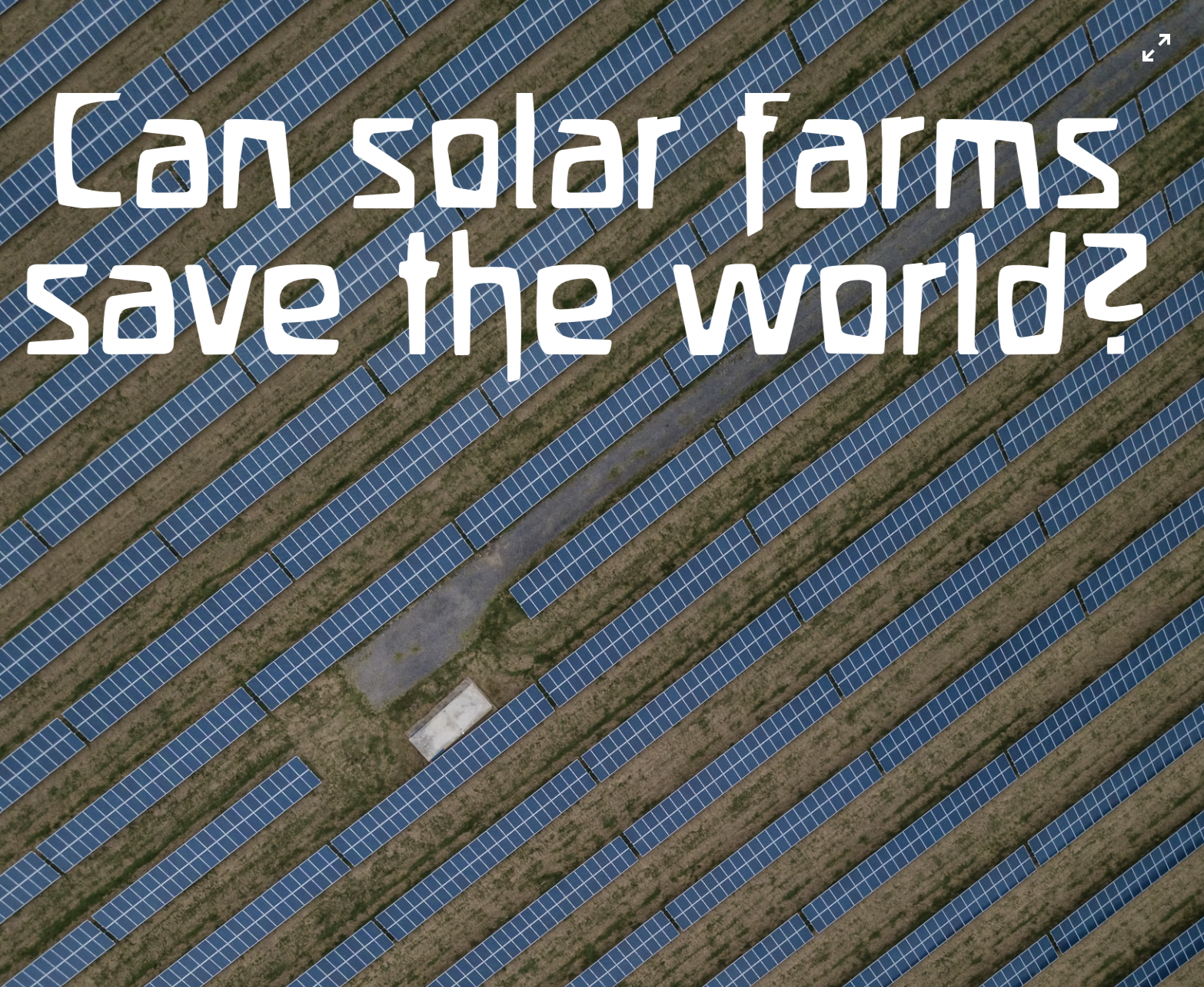
Can solar farm construction save the world and supply us with an endless supply of renewable energy?
Sustainable and renewable energy is rarely out of the news. As climate change makes headlines regularly due to floods, forest fires, and heatwaves occurring across the world, it is becoming more important to reduce emissions immediately.
The US is one of the leading countries when it comes to solar power, one of the most practical sources of renewable energy. India, Japan, and Vietnam have all adopted solar power and are among the top five producers of solar power. However, one other country dwarfs everyone else.
When it comes to solar farms, China is ahead of the field. In 2019, the installed solar energy fleet was measured at over 200 GW. Since then China has put the second-biggest solar farm online so they have only gotten bigger.
But, what are solar farms, is solar power really the answer the world needs, and can it help you?
Just what are solar farms?
Solar farms are sometimes called photovoltaic power plants, perhaps the former is preferable as the latter has non-green connotations. When power plants are mentioned, many people would automatically think of fossil fuel burning, polluting power stations.
However, solar farms are touted as being green and environmentally friendly, at least more so than burning coal or oil are.
A solar farm is simply an area of land where a considerable amount of photovoltaic solar panels, or PV solar panels, are installed to convert the sun’s energy into power that businesses and residents can use.
Solar farms generally come in two different formats. They can, of course, come in any size or shape, depending on requirements and their owners. But they are largely built for two purposes.
What are the two principal types of solar farms?
Utility-scale solar farms are the ones where vast amounts of land are taken up by solar panels feeding electricity back into the grid. These vast solar farms can seem almost endless to the human eye, and the biggest are in India and China.
The Bhadla Solar Park in India takes up fourteen thousand acres and can produce 2.25 GW of energy. The closest rival is in China and is a close 2.2 GW installation. Riverside solar in New York has just submitted a tender for a-thousand acre plant. Watch this space as the developers have plans to take the power plant up to 16 GW in the future.
Making up the top five largest utility-scale solar farms are one more each from India and China, and one from Egypt. Then there are the smaller solar farms; the community scale installations.
What are community-scale solar farms?
The name fairly accurately describes what these solar farms do. These installations are much smaller in scale than any of the mammoth farms mentioned above. Most likely a community-scale solar farm would be perhaps between 1 and 5 MW.
They would be designed to power a local neighborhood, and perhaps some business or retail units in that area. One of these solar farms could work well on an industrial estate or small area housing manufacturers.
For these types of solar farms to work there would need to be a clear area available to install the required amount of solar panels. It would also need to be in the optimal space for sunlight.
Are the normal alternatives of coal and oil ending soon?
Sadly, many people are still ignorant of the damage that fossil fuels are doing to the environment, and many don’t even realize that they are running out.
According to a study by The Millennium Alliance for Humanity and the Biosphere, or MAHB, at Stanford University, the worst-case scenario is frightening. It would see coal running out in about 70 years’ time, with oil and coal going far before that.
That particular picture would see you losing oil and gas during your lifetime, and if not, then certainly during the next generation’s.
However, it isn’t quite as bleak as that hopefully. Coal is likely to be around for another 150 years, and oil and gas should last a little longer than MAHB’s doomsday prediction.
Other predictions have been re-evaluated over time too. In 1999 The American Petroleum Institute believed that oil would be depleted before the end of this century, and perhaps up to forty years earlier.
Just seven years later there was a different prediction when it was estimated that there was perhaps triple the amount of oil left on the planet than the API believed.
Can the world not just continue with fossil fuels then?
With there being oil, coal, and gas, still available, some people don’t see the dangers in continuing to use these reserves.
Indeed, it is possible, and probably likely, that some other fossil fuel reserves will be discovered in the future and the life of these sources of energy extended.
However, as the fuels run out, the consumption of energy is increasing. The world is heading towards the end-game as far as fossil fuels are concerned. Continued use of fossil fuels is also increasing global warming and damaging the environment.
Renewable and sustainable energy sources are needed more than ever, and this is the reason that so many huge solar farms are being installed.
Are solar farms good for the environment?
They may not be too aesthetically pleasing, but the energy they produce is completely renewable. It doesn’t harm the sun or the environment to harness solar energy, and the sun is going nowhere soon.
It is estimated that the sun will be around for at least another 5 billion years, so unlike coal, there is no need to search for more reserves, or ‘suns’.
There are a lot of misconceptions about solar panels, and these usually revolve around such things as the cost of installation. However for all the good that solar power brings, the manufacturing process can be questionable sometimes.
When buying solar panels it may be worth checking the manufacturers and their eco-friendly credentials. Certain harmful chemicals are used in the production of solar panels, and many manufacturers in China use coal-powered electricity to make them.
How useful is solar energy to the average homeowner?
These days, solar power is extremely common. While not everyone has solar panels on the roofs of their homes, they may have them in at least one area. Sometimes solar power is used quite subtly. Small garden lights that stick straight into the ground can have solar panels on top of them.
Outdoor security lights and driveway lighting can be solar-powered. Even indoor lights can utilize solar energy if enough of the sun’s light enters the home.
Uplights, deck lights, and solar-powered pool covers are common now, and even RVs can be solar-powered.
Solar power can be used to help poor farmers irrigate their land in countries where drought is an issue. Even more importantly, solar power can help to produce sanitary drinking water.
Summary
Perhaps surprisingly, solar power is only the third biggest form of renewable energy after hydro and wind. While solar panel manufacture has some concerns still, the overall benefits of this energy source far outweigh the bad.
If there are spaces in the world that are unusable for living, then it makes sense that solar farms be built on them. If more coal-fired electricity is replaced by solar energy, then the planet should be able to breathe a little easier.
Note taking is serious business especially when you are operating a sustainable business. Efficiency is key.
Meetings are time-intensive. They require people to take time away from other tasks they could be doing. They also require preparation and focus. So if you’re going to call a meeting, you better be sure you have a plan for how you’re going to make the most out of it. And that means taking detailed meeting notes.
Meeting Notes vs. Meeting Minutes
While the two terms sound very familiar, meeting notes and meeting minutes are not the same thing. Knowing the difference will give you a better idea of what you’re trying to accomplish and how to go about it.
The biggest difference can be summed up by the fact that meeting minutes follow a very specific pattern that includes objective details like the number of attendees, the duration of the meeting, an outline of key points discussed, who said what, decisions that were made, etc. With meeting notes, you don’t need all of that technical information. All you care about are insights, takeaways, ideas, and action steps.
The best way to think about meeting notes is like you’re writing to someone who wasn’t at the meeting. That person doesn’t care about when the meeting started or who showed up. All they want is to catch up on anything important they missed and find out what steps they’re supposed to take next.
Tips for Effective Meeting Notes
How you organize meeting notes is totally up to you. Short-hand, full sentences, bullet points, paragraphs – it’s all up to you. It’s about substance over shine. As long as you’re able to succinctly articulate the major points and takeaways, you’ve done your job.
Having said that, here are several tips that will help you write more effective meeting notes:
Prepare Beforehand
Don’t rush into a meeting and pull up a random Google Doc and start pecking away on your keyboard. It’s important that you prepare for the meeting.
Ideally, you should have some sort of template saved to your drive that’s used for meeting notes. Roughly 10 minutes before the meeting starts, you can go in and add basic details like the date, the topic of the meeting, and any other information that you already have available. Once the meeting starts, it’s as simple as filling in the information in the correct places.
Use a Note Taking App
Honestly, the best way to take notes is with a note taking application. There are several options available online, but a popular option is Box Notes. In addition to having all of the standard features that other note taking apps have, Box allows multiple members of the meeting to log in and record notes in real-time. It’s basically a centralized platform for collaboration (which is especially great for virtual meetings and brainstorming sessions).
Organize Takeaways
Recording notes live is always an adventure. The key is to get the information down. Then, after the meeting concludes, you can take several minutes to go back and clean up any spelling or formatting issues.
After cleaning up the notes, the next step is to organize all takeaways into their own section. (Some people like to put this at the top of the notes, while others place it at the end. It’s totally your call.)
The takeaway section should be a numbered/bulleted list of any action step that is supposed to be taken after the meeting concludes. (This could be everything from sending an email to starting a new project.) Be as specific as possible. If the takeaway is to start a project, make sure it’s clear who is responsible, what the first steps are, when they are to be completed, and who they are to be submitted to upon completion.
Send to the Right People
Having well-organized and articulate meeting notes is great, but they aren’t very effective unless they end up in the right hands. Make sure you send the meeting notes to all responsible parties afterward. This includes everyone who attended the meeting, but may also include people who missed the meeting and/or superiors who need to be in the loop.
Improve Your Note Taking Skills
Taking good notes is an acquired skill. The best thing you can do is come up with a system and get as much practice under your belt as possible. Eventually, you won’t even have to think about it. Taking clear and concise notes will become second nature. Until then, rely on these tips to gradually improve your skillset.






 You might find yourself starting a rest asana when your yoga teacher lights an incense stick. How do you feel about that? Anxious or calm? Connected to spiritual practices and worship from the east ––