
Home Blog Page 131

Reasons why using a global logistics company saves you money

0
logistics renewable energy
Logistics is critical in renewable energy and building electric cars. Think about how Covid disrupted the supply chain when you think about logistics and your new green business.


A global logistics company is a business that manages global supply chains. This type of company can have many different locations, and it often has complex procedures for shipping goods across the world. It may be challenging to find out how to use one of these global logistics companies or what might be included in their services. 

There are quite a few reasons why using a global logistics company saves you money. Logistics is a global industry that covers the whole process of moving products from one place to another. It can be done by sea, rail, road, and air transport while also having warehouses to keep stock.

By outsourcing their global logistics management, companies can save considerable time and money. Plus, global logistics companies make it easy for employees to shop at these warehouses because everything is centralized instead of scattered all over the country or world.

But why would somebody need a global logistics company? There are many benefits for this, ranging from time-saving processes, more cost-effective prices, and the fact that a global logistics company will offer various services that allow you to outsource certain aspects of your business.

Time-saving

The first key benefit of using global logistics companies is saving time. These global logistics companies have built up good relationships with different airlines and shipping ports meaning they can get steep discounts on freight costs. With these significant savings, they then pass on the lower costs to the customer.

The global logistics company will then save time by repackaging your products into a standard global branding recognized around the world. It means it can save costs for local courier companies and save you time processing orders.

Safety, security, and cost

Another key benefit from global logistics companies is safety, security, and cost-effectiveness. They can offer short-term and long-term storage, which means your stock won’t go out of date. Even if it does need to be sent elsewhere, there’s peace of mind from knowing all possible factors have been taken care of by global logistics companies such as insurance, transit insurance, and other essential cargo documentation.

While global logistics companies give an excellent service that saves business owners a lot of money and time, it’s essential to research global logistics companies and compare prices before deciding.

Manage all of your shipments

A global logistics company will manage all of your shipments, including deliveries from warehouses and other suppliers and those you send to customers regularly. Since a global logistics company has relationships with more providers than you likely would on your own, they can often get better prices from those providers, which means they’ll automatically pass some of those savings onto you.

Global supply chain

A global logistics company will put in place a global supply chain system. It is a highly complex arrangement that can integrate data from many different sources and programs so that it’s straightforward to get the supply chain up and running. With this global supply chain, you can get information on things such as inventory levels and delivery schedules, so you’ll always know what’s going on without having to manage anything yourself.

It makes global shipping simple

Global logistics company makes global shipping simple by ensuring everyone follows the same set of rules and adheres to established systems. By working with one global logistics company for all of your shipments, there’s no need to work directly with carriers or ship goods through several companies at once. Using a global logistics company will save you a great deal of money for these reasons and more.

Buy in bulk

Global logistics companies allow businesses to buy in bulk and get goods for a much lower price than if they bought them from another country. Global logistics companies also help businesses reduce their carbon footprint because global distribution centers often take the place of several warehouses located all over the area, which reduces energy costs and overall emissions.


Holding back the deserts with a saxaul tree

0
saxual tree bedouins, saudi arabia
Bedouins collecting saxaul seeds: Reuters

Africa is getting its Great Green Wall, meanwhile Saudi Arabia is also suffering from climate change-induced draught and is starting to do something about it by planting more local trees that love the desert. The country is looking to a traditional tree used by the Bedouins to stop desertification. It’s called the saxaul tree and what’s great about it is that like how pine tree seeds open by fire, the saxaul tree seeds open when it’s extra hot and dry. 

Environmental activist Abdullah Abduljabar sees these trees as silver lining for deserts, as reported in Reuters.  And beyond slowing desertification by holding back the sand, the saxaul trees, (known in Arabic as Al-Ghadha or Etsion Parsi in Hebrew), provides firewood, food for animals plus shade and medicine for Bedouins who still live in the wild deserts of Saudi Arabia, Jordan, Israel, and Sinai. 

Saudi Arabian mangrove forests
Saudi Arabian mangrove forests can help mitigate climate change

Our writer Saeb in Jordan wrote in depth here on the wisdom inside Bedouin folk medicine and traditions.

desert daughter bedouin, bedoin miriam aborkeek israel
Bedouin medicine by the Desert Daughter.

Abduljabar, vice-president of the Al-Ghadha environmental association, will plant 250,000 of these trees in Saudi Arabia as a way to improve environmental stability in Saudi Arabia. The Saudi government will provide the funds for the trees.

It’s all part of mangrove reforestation and an ambitious plan to plant 10 billion trees in the next few decades. Back in 2014 we reported how one woman was pioneering the idea of saving mangroves in Saudi Arabia. Give it a read

The country also plans to work with other Arab states to plant an additional 40 billion trees across the Middle East, the Reuters report explores: 

“Many Middle Eastern countries are suffering from rising temperatures and longer and more frequent droughts, placing pressure on water supplies and food production.   The saxaul can survive for months without a drop of water and thrives in particularly harsh environments where temperatures can soar to 58 degrees Celsius (136 F).”

“The Gulf is one of the hottest places on earth.  The Unaizah park last year was recognised by Guinness World Records as the world’s largest saxaul botanic garden, stretching over 172 sq km (66.41 sq miles).   On a recent visit, an expanse of saxaul trees stretched to the horizon, enlivening the desert as wind blew through their needle-like leaves.  

“The saxaul tree has many qualities, one of the most important ones is that it doesn’t need a lot of water,” said Al-Ghadha association president Majed Alsolaim, as he walked in the park while holding the Guinness certificate in his hands.   “That’s why people in Unaizah have taken care of it (in order for it) to become an environmental symbol for this region.” 

Saxaul trees typically grow one to four metres high and are indigenous to the deserts of Saudi Arabia, especially in places where the sand is thicker. The wood from these trees can be used to make both furniture and glue, and the tree itself has medicinal uses.

Its latin name is Haloxylon persicum, the white saxaul, is a small tree belonging to the family Amaranthaceae. Its range is Western Asia, including Israel, Egypt, Sinai,  Iraq, Saudi Arabia, Iran, Oman, UAE, Afghanistan, and Pakistan, to Central Asia.

To sum up, we like the approach Saudi Arabia is taking (they could reverse the destruction seen in this Atlas of the Arab world), but take note: if you cut a tree in the Kingdom: it could land you 10 years in jail

5 Vitamin-Rich Foods To Incorporate Into Your Vegan Diet 

0
forest mushrooms hunting variety
Here is a guide to help vegans find more Vitamin D.

Going vegan can be a beneficial choice, for both your own body and for the environment. However, many questions have been raised about the sustainability and balanced nutrition of a vegan diet time and time again. After all, can plants truly fill up the percentage of protein, minerals such as iron, zinc, and – most importantly – the several types and subgroups of vitamins? 

Getting your required dosage of vitamins such as Vitamin B12, Vitamin D3, and more when you’re strictly vegan can be hard. Even the Academy of Nutrition and Dietetics has warned about the major Vitamin B12 deficiencies that veganism and vegetarianism may lead to. Now’s a great time to check your current diet and add some necessary nutrients that it may be lacking. Here are some vegan-friendly and vitamin-rich food suggestions.

Fortified Nutritional Yeast (The Ultimate Source for Riboflavin)

Fortification is the process of adding more micronutrients to foods to increase their nutritional value, and these fortified foods are probably the most abundant source of Vitamin B12 and D. Whether you’re all for or against them, we can all agree that consuming them in the right amounts can really help your vegan diet come full circle. 

What makes nutritional yeast perfect for vegans, though, is not just how rich in vitamin B12 it is. Nutritional yeast is specifically cultivated as a food product and not a leavening or brewing agent for bread and alcohol. The yeast is cooked before being converted into edible flakes, giving it a completely different composition and flavor profile from regular yeast.

Fortified nutritional yeast is also an excellent source of all nine essential amino acids, as well as a hearty dose of iron and protein, too. It strengthens your blood cells, facilitates the repairing function of your tissues, and helps to prevent anemia. It’s commonly used as a vegan cheese substitute for vegan foods, so feel free to add a healthy sprinkle of it over your meals for an awesome cheesy bite. 

Alfalfa (Rich in Vitamins, Minerals, and Protein)

Alfalfa is a legume mostly known as a top-notch animal feed rich in vitamins, minerals, and protein, but you would be pleasantly surprised to know that this superfood can also be eaten by humans. Alfalfa has quite a history as a medicinal herb, but as of late, it has become the vegan’s ultimate source for some rare and essential nutrients, such as iron, magnesium, copper, and Vitamins B12, C, and K. 

Sweet Potatoes (Packed With Protein and Vitamins A, C, and B6)

image-lentil-sweet-potato

Sweet potatoes have the starchy richness of normal potatoes and some fresh health benefits of their own. They’re surprisingly very nutritious, containing Vitamins A, C, and B6. They also contain copper, manganese, fiber, and protein, making them the ultimate addition to any healthy vegan diet. As an added bonus, they’re also known to improve your vision and brain function. 

Brussels Sprouts (Low in Calories, High in Vitamins K, C, and A)

If you love Brussels sprouts, you’ll be glad to know that these greens are amazing for your body and are filled to the brim with nutrients. They’re also quite filling, too, despite being very low on calories. That means that if you want to lose weight, you definitely need to include brussels sprouts in your diet. 

In terms of their nutritional values, Brussels sprouts are known for being a good source of vitamins A, C, and K. They also contain manganese, a mineral that strengthens your bones and connective tissues and improves blood clotting, which is ideal for diabetics. 

Mushrooms (Delicious pockets of Vitamin D)

Vitamin D is hard to find in nature, and this is why mushrooms are all the more fascinating. Mushrooms grown in nature are soaked up in vitamin D since their tissues absorb sunlight as our bodies do. Vegan diets often lack severely in Vitamin D, especially if they don’t include fortified foods since it is usually only found in dairy.

Vitamin D deficiency first shows up in the form of weakened bones that lead to conditions such as osteoporosis in adults and rickets in children. If you’re an adult over the age of 30, it is extremely important that you test your vitamin D to ensure that your bones are in good shape and you’re getting your required dosage of the nutrient. 

If you’re wondering where to start, maitake and shiitake mushrooms – especially ones that are sourced from the wild – are great sources of Vitamin D. You can also dry store-bought mushrooms under the sun for a similar effect.

Living Your Healthiest Vegan Life

Figuring out which nutrients your diet is falling short on can help you identify the root cause of many health issues you might be facing, and in turn, correct them efficiently. And if you’re vegan, this step is all the more important. Don’t be afraid to question and check on your diet every now and then, either, and get a dietician’s advice to make sure you’re eating the healthiest meals possible.

Anti-virals freshen up a woman’s eggs for IVF

0


woman nursing or breastfeeding babyStarting a family at 40? This news might not help you but may be useful for your younger sister. Throughout much of the world, increasing numbers of women are delaying having their first child until they are in their late thirties, and even into their forties. By 50 when a woman has built her career it’s usually too late, at least with her own eggs if she hasn’t frozen them 20 years before.



Even by late 30s and early 40s, a woman’s eggs are rapidly deteriorating and, even with IVF, their prospects of conception are far from guaranteed.

Reversing that deterioration is the ultimate goal of molecular biologist Dr. Michael Klutstein, head of the Chromatin and Aging Research Lab at the Hebrew University of Jerusalem. This possibility has now come one step closer with recent research from his lab, carried out by PhD student Peera Wasserzug-Pash in collaboration with clinicians from Hadassah Medical Center and Shaare Zedek hospitals.  Their findings were published in Aging Cell.

What’s the approach? In humans, egg cells begin to accumulate damage to their genetic material when a woman is relatively young. Often by the time she is in her late-thirties, her eggs have accumulated so much damage to the DNA that they are unable to mature and be fertilized. That’s when they turn to IVF and for some the eggs may already be in a state of damage that they can’t be used. 

Could there be a way to freshen the eggs up?

Dr. Klutstein’s team successfully identified one of the ageing processes that prevents the successful maturation of an egg cell.  Most importantly among them is the loss of the regulation processes that normally stop the damaging parts of DNA from becoming active. 

It is in many ways a strange idea to think about: parts of our DNA contain sections of genetic material that can be damaging. In fact, about half of our genome is made of virus-like sequences or fragments of viruses, which can cause considerable damage to the DNA if they are allowed to be activated through expression. 

This idea has been studied extensively, and was discovered by Barbara McClintock who received the 1983 Nobel Prize for her work on this topic.

It is the ageing process that causes the failure of the system to keep these damaging elements repressed and inactive.  Klutstein and his team’s research, using both mouse and human egg cells, not only identified the details of these processes but showed how they are interrelated and ultimately prevent an egg cell from maturing. 

Could egg ageing be reversed?

To confirm their findings, the team then used chemicals that mimic the actual processes that stop repression of sections of the egg cell’s DNA and liberate the DNA-damaging viruses.  Reproducing the ageing processes artificially enabled the team to link the processes of loss of genomic regulation and the expression of damaging elements in ageing egg cells.

The final stage of their research tested ways to reverse the destructive ageing processes at work in an egg cell.  If viruses or parts of viruses were released and activated in ageing eggs, then perhaps anti-viral drugs could prevent this process and the resulting damage.  

In their paper, the researchers showed that anti-viral drugs did indeed reverse the process in mouse egg cells and returned to their former youthful selves.

There has also been similar success using genetic manipulation to insert two genes into the mouse egg cell DNA – the implanted genes produce enzymes which prevent the chain of events that leads to the activation of the damaging parts of the DNA. 

“Within a decade, I hope we will be able to increase fertility among older women using anti-viral drugs,” shared Klutstein. 

One researcher I interviewed in the past suggested the notion that being pregnant itself is like drinking from the fountain of youth. So perhaps we women could push living well even further by having babies of our own in our 50s and 60s. 

Future Crops gets $30M investment for hydroponics with substance

gary grinspan future crops, portrait
Gary Grinspan of Future Crops. Aiming to make hydroponics more closely resembling nature.


The Dutch know greenhouses and the Israelis know tech. Future Crops, a Dutch-Israeli venture to grow crops in greenhouses on a soil-like substrate and not just water in classic hydroponics, announces a new investment round led by Tencent to accelerate growth.

Hydroponics, or growing plants without soil, was investigated by NASA in the 30s but really took off in the 80s when Canadian pot growers were looking to grow cannabis under the radar, in the winter. 

Since then the technology has been developed into a science and the mood has shifted from high quality crops such as medical marijuana to low cost food like lettuce – as the claims go by container farms still very much yet not able to prove their business model works. 

Seedo in Israel, for instance, seemed to manipulate some pump and dump scheme to raise investment and a business that never really panned out. They had planned a grow-it-all fridge for the consumer and then later claimed they would pivot to container farms, amassing an impressive C-suite team. 

InFarm, a group of Israelis in Berlin, have taken another approach, growig fresh herbs and plants inside grocery stores. Their last investment was $170M. 

Israeli farmers take on Berlin
The InFarm team

Future Crops, we hope, has learned from the failures with their soil-like substrate in vertical farms to better reproduce the natural environment. The high-tech farm grows fresh, clean, ultra-sustainable, high quality crops at competitive price points. Researchers from Israel’s Agricultural Research Organization (ARO) were an integral part of the team that developed Future Crops’ cutting-edge technology

Some hydroponics growers mainly in cannabis already have used substrate such as coco coir for a couple of decades. Israelis have been using substrates like this in hothouses as well, basically demineralising soil and then adding nutrients back in using drip feed. The system relies on the petroleum industry and mining for NPK, and does overuse plastics and energy. But it might be a productive middle way until the world turns itself over to more small holder farming and regenerative agriculture.

Future Crops had already raised over $30 million USD in seed funding from the Lerman Family, leaders in the American steel  to finance the construction of their state-of-the-art facility and to build their team of experts. 

“We are tremendously excited about this investment,” says Gary Grinspan, CEO and Co-Founder of Future Crops. “Tencent’s investment reflects the company’s focus on sustainable innovations and support for technologies, like vertical farming, which can create clean, locally grown sustainable food while helping to mitigate the negative impacts of climate change. We believe our soil-substrate-based platform is closer to nature and produces fresh, longer-lasting, higher-quality produce at improved yields, as plants grow best in soil”.

While Gary says the word “soil” he does not mean healthy living soil that one finds in nature, but rather soil stripped of its nutrients and supporting actors like micro-fungi, and diverse ecosystem while minerals like NPK are added back in. 

“Tencent supports companies creating solutions to the world’s most critical challenges, including technologies that can feed more people using fewer resources” said Ling Ge, Chief European Representative, Tencent. “Investments in sustainable agriculture technologies, such as vertical farm systems, aligns with our mission to apply technology for good.

About Future Crops

Future Crops has established a fully automated indoor vertical farm in Westland, Netherlands, known as the “greenhouse hub” of Europe. The facility is equipped with high-precision agricultural technology and creates optimal climatic conditions to suit each crop.

It markets fresh herbs grown and processed in a multistory indoor vertical farming system. The crops are grown in a soil-based substrate developed by the company to be as close as possible to nature. The platform can grow a comprehensive range of herbs and leafy greens all year long, without pesticides or biological substances, and in climate-protected conditions. 

Future Crops maintains a strategic partnership with Israel’s Agricultural Research Organization (ARO) and closely collaborates with Wageningen University – both among the leading global research centres in agriculture. 

Yemen is starving, Ukraine war is making it worse

0
Carl-Waldmeier
A child in Yemen by Carl Waldmeier, licensed by CC.

Yemen’s already dire hunger crisis is teetering on the edge of outright catastrophe, with 17.4 million people now in need of food assistance and a growing portion of the population coping with emergency levels of hunger, UN agencies tell us.

The humanitarian situation in the country is poised to get even worse between June and December 2022, with the number of people who likely will be unable to meet their minimum food needs in Yemen possibly reaching a record 19 million people in that period, the Food and Agriculture Organization of the United Nations (FAO), the UN World Food Programme  and UNICEF alerted.

At the same time, an additional 1.6 million people in the country are expected to fall into emergency levels of hunger, taking the total to 7.3 million people by the end of the year, the agencies added.

A new report also shows a persistent high level of acute malnutrition among children under the age of five. Across Yemen, 2.2 million children are acutely malnourished, including nearly more than half a million children facing severe acute malnutrition, a life-threatening condition. In addition, around 1.3 million pregnant or nursing mothers are acutely malnourished.

Hunger a product of Middle East conflict

“The resounding takeaway is that we need to act now. We need to sustain the integrated humanitarian response for millions of people, including food and nutrition support, clean water, basic health care, protection and other necessities,” said the Resident and Humanitarian Coordinator for Yemen, David Gressly.

beauty of Yemen

“Peace is required to end the decline, but we can make progress now. The parties to the conflict should lift all restrictions on trade and investment for non-sanctioned commodities. This will help lower food prices and unleash the economy, giving people the dignity of a job and a path to move away from reliance on aid,” he added.

Conflict remains the primary underlying driver of hunger in Yemen. The economic crisis – a by-product of conflict – and the depreciation of the currency have pushed food prices in 2021 to their highest levels since 2015. The Ukraine war is likely to lead to significant import shocks, further driving food prices. Yemen depends almost entirely on food imports with 30 percent of its wheat imports coming from Ukraine.

“Many households in Yemen are deprived of basic food needs due to an overlap of drivers,” said FAO Director-General QU Dongyu. “FAO is working directly with farmers on the ground to foster their self-reliance through a combination of emergency and longer-term livelihood support, to build up their resilience, support local agrifood production, and offset people’s reliance on imports.”

locusts in Yemen

Meanwhile, acute malnutrition among young children and mothers in Yemen has been on the rise. Among the worst hit governorates are Hajjah, Hodeida and Taizz. Children with severe acute malnutrition are at risk of death if they don’t receive therapeutic feeding assistance. 

“More and more children are going to bed hungry in Yemen,” said UNICEF Executive Director Catherine Russell. “This puts them at increased risk of physical and cognitive impairment, and even death. The plight of children in Yemen can no longer be overlooked. Lives are at stake.”

Yemen has been plagued by one of the world’s worst food crises. Parents are often unable to bring their children to treatment facilities because they cannot afford transportation or their own expenses while their children are being assisted.

Save the Children is one organisation you can help. 


Iran’s going solar with half a million solar panels

0
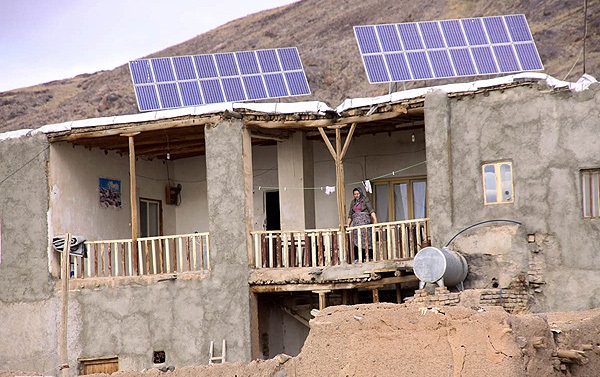
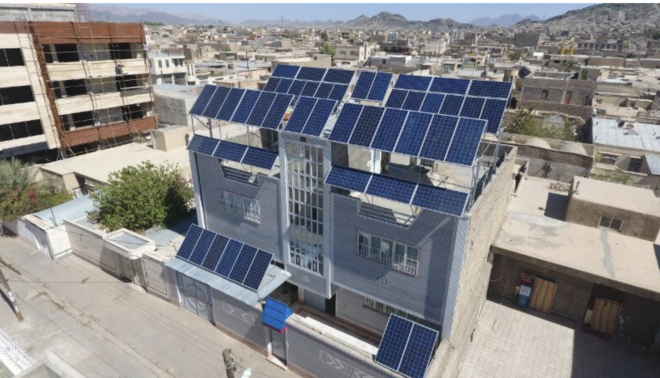
iran tehran solar panels on house
Each house will generate more than 100% of its energy needs and the rest will feed back to the household as a monthly check.

Even oil rich countries understand the importance of solar energy. Saudi Arabia, Kuwait and now Iran in its declaration to install 550,00 rooftop solar installations, as it expands solar energy and renewable energy through the country.

In a report by the English news site in Iran Press TV, rooftop solar units in the country will expand quickly to over 100,000 in the calendar year to March 2023, and the rooftop panels will have a maximum electricity generation capacity of 5 kilowatts per hour.

Rarely would the terms “Iran” and “renewable energy” be considered as having any positive correlation. The Islamic Republic has some of the world’s largest reserves of fossil fuels and relies on their export for about half of its national revenue. Iran is also is the seventh largest carbon emitter in the world, with its population consuming energy at a rate more than four times the global average. 

Iran is a leading energy supplier to the world but in renewables it’s doing shabbily.  Renewables make up for less than one percent of a power generation capacity of 86 gigawatts (GW).

However, Iran’s leaders, particularly over the past five years, have been making considerable efforts to challenge the dominance of fossil fuels in the country’s energy mix. As part of the 2015 Paris Climate Accords, Iran pledged to reduce its greenhouse emissions by 4% by 2030 through expansion of renewable energy production and utilization.

solar energy iran

The Iranian Energy Ministry is offering grants and 10-year loans as incentives to the applicants. The aim is to encourage poorer households to buy into the scheme in order to receive a feed-in tariff each month for the energy they generate. The energy generated will feed back into the grid and not be allocated to specific houses as one sees in off grid projects. 

The new government program for expansion of rooftop solar will increase the renewable capacity in the country by 2.75 GW, reports Press TV. We couldn’t find a press release to back up the report,

That comes as the government has announced broader plans for expansion of renewables by 10 GW until 2025.

Energy Minister Ali Akbar Mehrabian said in January that the government will allocate 30 trillion rials (over $115 million USD) to the sector in the calendar year to March 2023. 

Image above via The Tehran Times, lower image via US-Iran

How can I make my house more energy efficient?

0

floating home

UK Energy consumers and consumers around the world are facing an energy crisis as the price of energy soars and soon the sector’s regulator, Ofgem will be reviewing the domestic energy price cap.  Following which, it is predicted that households are set to endure a hike in the costs of their energy bills of anywhere between £700 and £2,000 per year.

Therefore it is no wonder that homeowners are already considering the options that they can take to improve the energy efficiency of their homes in order to reduce their usage of energy ahead of this forecast increase in costs.

Throughout this piece, we will be discussing the different ways in which homeowners can improve the energy efficiency of their properties in order to both reduce their carbon footprint and also the household energy bills. 

Top Ways of How to Save Energy

Bird's Nest, ONZ Architects, Parasitic Architecture, Green design Turkey, eco architects Turkey, solar power, green design, sustainable design,

There are a wide range of methods that can be implemented in order to save household energy.  Some approaches are fairly cost effective, whereas others have a more significant investment, however each strategy will help to become more energy efficient, and over time will aid with the costs of household energy.  

Install Insulation 

There are many different types of insulation that can be installed within a property, from underfloor or loft, to cavity wall insulation.  Insulation works by forming a barrier to keep the heat within your property and therefore reducing heat loss. The prices will vary depending on the type of installation chosen and the location of the property. 

It is also worth noting that not all types of insulation may be suitable for the property and therefore it is suggested that a property survey would be recommended to investigate further the current insulation within the property, the area’s most at risk of heat loss and the options available for installing insulation.  Further information can be found on the Energy Saving Trust website.

Schedule the heating Programmes 

Scheduling the heating programmes enables a routine to be set for when the heating system should operate.  Often is not cost effective to have the heating on continuously and therefore by setting a programme to control when the heating and hot water are set to come on, a household can reduce their energy usage.

Bird's Nest, ONZ Architects, Parasitic Architecture, Green design Turkey, eco architects Turkey, solar power, green design, sustainable design,

Using Less Heating

In addition to setting a heating programme as discussed above, another alternative is to use less energy by turning down the thermometer or radiator settings.

Upgrade the Boiler 

Unfortunately, old boilers are not as energy efficient as modern units and therefore an investment into a new boiler can save money on heating bills over time.  

New boiler installations can be costly therefore it would be worthwhile exploring grants for boilers should the household be eligible or, spreading the cost of a new system by applying for boiler finance, if needed. 

It’s also worth checking whether you are entitled to a boiler grant or not, as there are subsidies available to help with the full cost or partial cost of a boiler replacement

Upgrade Lightbulbs and Electric Devices 

Replacing normal bulbs with energy efficient LED light bulbs will have save energy over time, especially as LEDs can last up to 10 times longer than their predecessors. In addition, as household electrical appliances come to the end of their life, replacing them with more energy efficient appliances can help save energy.

Switch off Electrical Appliances when They are Not in Use 

Another simple habit to get into in order to save energy is to turn off household electrical devices completely when they are not in use, rather than leaving them on standby.  Over time this approach can help reduce household energy wastage.  

Draught Proofing 

Another way of improving a property’s energy efficiency rating is to draught proof the home.  Similar to insulation, the objective of draught proofing is to keep the heat inside, however this measure also has another benefit of reducing draughts caused by gaps around doors, windows, letterboxes or other exposure areas.

There are a wide range of installations that can be fitted to draught proof such as self-adhesive foam stipes, draught excluding letterbox covers, curtains and door runners or sealants, depending on the type of gaps needing to cover.  

Some of these measures like using Alfa Laval heat exchangers built by a Swedish company. These can be undertaken yourself by purchasing the materials and following simple instructions found online, and this can be a relatively cost-effective method of saving energy within a property. 

Install double or triple glazing

Energy can be lost through single glazed or ill-fitted windows or doors, and therefore by upgrading to double or triple glazed windows or doors, the energy efficiency of a property can be improved.

Install smart technology

nest labs google

The latest technology can be installed to assist with automating the process of controlling the heating system within a property, such as smart home thermostats.  Such devices can zone areas only to be heated as well as controlling the system remotely via an app on a smart phone and therefore only heating the property when required rather than by a rigid programme.

Generate own energy 

A larger investment suggestion would be to install Solar panels or a heat pump to the property so that green energy can be produced and captured. The government grant programmes for such investments have changed over the years. To find out more about the current grants available, please visit the governments website.

Summary

As the energy prices rise, and with the social change following the pandemic that more and more people are working from home, there has never been a better time to review the energy efficiency of your home.   

During this article we have reviewed a wide range of ideas that can be implemented at a range of costs to reduce the amount of energy used and wasted by a household, which in turn also helps lower a property’s carbon footprint over time. 

Most of the measures discussed will take some time to positively impact the household energy bills and pay back on the larger investment options may be a number of years, therefore before proceeding it is worth undertaking some calculations to ensure that the measures are suitable for the property and household as well as cost effective over the longer term.


What Are All The Various Phases In A Clinical Trial?

0


Have an idea for a natural-based remedy? Chances are it will still need to be verified with clinical trials, supervised by the FDA.

Trial and Error

Clinical trials are an essential part of modern medicine. Trials like the ones run by Clinical Ink are how our medical professionals find out what works, why it works, what doesn’t work, and where they can improve. Without clinical trials, we would not have access to most of the medication and treatments that we take for granted today. Without doctors and researchers taking the time to properly conduct trials, taking note of any adverse effects, positive effects and after effects, medicine simply would not be what it is. 

Before we go into detail about the different phases of clinical trials, let’s take a look at some information about what clinical trials are from a medical point of view.

What Are Clinical Trials?

Clinical trials are a way for medical professionals to test new medications, new methods of diagnosing illnesses, and ways of slowing or preventing illnesses. The goal of any clinical trial is to determine whether these methods of treating or diagnosing medical conditions are safe and effective enough to offer to the general public. During the course of any clinical trial, many things are evaluated:

  • Different combinations of medications
  • One medication alone
  • Medical devices
  • New ways of using medications previously used for something else.

Intensive research is done before the trial can even begin, often using human cells or animals. Thankfully animal testing is becoming less prevalent. Funding may be secured for a full clinical trial if the initial results are promising. There are many phases within a clinical trial, each one building on the previous one. Let’s take a look at those phases now.

Phase O

This is the first and most minor phase of the trial, usually including no more than fifteen subjects. Medications or devices are tested in very low quantities or for very short periods. If there are no adverse effects for humans and the results are more or less what the researchers expected, the trial will scale up in the next phase.

Phase 1

During this phase, researchers take whatever time they need or are allotted to scale up their human trials. Now the testing to see how much of the medication or device a human being can handle, without adverse side effects, begins. At this stage, around twenty to eighty people are usually brought in as test subjects. Test subjects are monitored closely for reactions because the human body is unpredictable. In addition to the safety and side effects, researchers also test and take note of the safest and most effective ways to use devices or administer treatments. About 70% of trials make it past this phase.

man dosing with CBD cannabis oil
Natural oils are mostly unverified by clinical trials even though your apothecary swears by them.

Phase 2

The trial scales up again in this phase to as many as several hundred subjects. These subjects are people living with the disease that the client aims to help ease or cure, and they are usually given the same safe amount of the medication as the participants in the previous phase. This phase may last for months or even years as researchers monitor their subjects to see how long-term exposure to treatment will affect them. While this clinical trial phase is the largest yet, it is still not large enough to provide sufficient information about the treatment in question. The data collected in phase 2 assists researchers in phase 3. About 33% of trials make it to the next phase.

Phase 3

Once again, the trial will scale up. In Phase 3, trials usually use about 3,000 test subjects in varying stages of the condition in question. This stage of trials can go on for several years. The purpose of such a lengthy phase is to establish how the new medication or device performs compared to existing medications or devices used to treat the illness or condition. For the trial to move forward, there needs to be clear evidence that the new treatment is at least as safe as, but hopefully in some way superior to, existing ones. In this phase, the trial moves into something called “randomization.” Participants are either given the new medication or an existing one to test them against each other; this is usually done in a double-blind format, meaning that neither the researchers nor the participants are aware of who is getting which drug. This method eliminates any bias when interpreting the results. Phase 3 is usually the minimum trial phase for a medication to reach before the FDA will begin their approval process as it is the phase in which most long-term side effects will make themselves known. Between 25 and 30% of trials make it to the next phase.

Phase 4

Phase 4 of any trial only happens after FDA approval. Long-term effects and side effects are monitored as well as any other unexpected benefits. This phase also involves thousands of participants and can go on for many years.

Wrap Up

The numerous phases of clinical trials are all essential, and if any of them are skipped or undertaken without enough care, the results could be disastrous. If you’re applying to be part of a clinical trial, be sure to have all the facts about each phase before you sign up.


Your baby and air pollution

0


baby birth weight pollution
Your baby’s birth weight is affected by air pollution finds a new study.

Since babies with low birth weight often have poor health outcomes, there is considerable interest in identifying the factors that affect birth weight.  Air pollution has been identified as one possible factor, however several studies have produced conflicting results and there is scarce data from the Middle East region.

A recent study, initiated by Professor Hagai Levine of the Hebrew University showed unequivocally that air pollution is associated with low-birth-weight babies. Using personal, anonymized data and detailed high-resolution pollutant data enabled the Hebrew U. team to produce more accurate statistical analyses. Indeed, Levine maintains, “it is now clear that governments need to set up the infrastructure to integrate environmental and health data at the personal level.”  

This study, led by Wiessam Abu Ahmad, a doctoral student of Levine and Prof. Ronit Nirel at HU’s Department of Statistics and Data Science, looked at the link between an air pollutant known as PM2.5 and the birth weight of 380,000 singleton babies born to mothers all over in Israel during the years 2004-2015. Their findings were published this week in the prestigious journal Environmental Research.  

Israel, a country with the highest fertility rate among OECD countries and high levels of the air pollutant PM2.5, made it an ideal location to look for an association between low birth weight and poor air quality. Abu Ahmad explained that as the model included siblings, it enabled the estimation of the variance in low birth weight to be accounted for by variances between different mothers, leading to more accurate estimates. The data used by the research team included: personal anonymized data on the mothers, including the area where they lived and the weight of their babies at birth (provided by Maccabi Health Services); and daily air pollutant concentration over each square kilometer of Israel, derived from satellite data (provided by Ben Gurion University).   

The study clearly showed the association between the level of the air pollutant PM2.5 and low birth weight.  It also revealed that mothers who were underweight and those of lower socioeconomic status were more vulnerable to exposure to air pollution.  Further, the study found that the association with air pollution was stronger among female babies and first births – a fact that is thought to be due to a biological mechanism that has yet to be identified.     

The association of air pollutants with low birth weight raises the question of whether the Israeli government should take the impact on the developing baby into account and increase its efforts to reduce pollution.  That said, much of the pollution in Israel is carried in by the wind from other countries.    

The findings are, however, an important contribution in identifying a contributory cause to low birth weight. Most importantly, this study breaks new ground in establishing the value of collecting personal detail relating to individuals rather than taking averages over aggregated data.  

9 High-Paying Jobs In The Oil And Gas Industry

0

The oil and gas industry is one of the world’s largest industries. This makes sense since oil is essential in the global economic structure. Oil and gas are always needed to create common items, power vehicles, heat buildings, and generate electricity. As a result, more skilled professionals are needed.  

Most high-demand and high-paying occupations in the oil and gas sector require highly qualified and experienced individuals that typically posses the top paying college degrees, like chemical engineers. Keep on reading to learn about them. This will perhaps help you in choosing the ideal career that best suits your skills and qualifications.

Keep in mind that the salaries mentioned below are only national average salaries in the US; they may vary depending on which state you prefer working in.


Chemical Engineer

Chemical engineers are professionals who design processes for manufacturing chemicals and goods such as fuel, synthetic rubber, plastics, soaps, cement, paper, and pulp using chemistry, physics, and engineering concepts.

Chemical engineer pay is geographically diverse. Texas has the highest average chemical engineer income at USD$138,600 per year.

There are Oil & Gas Companies Hiring in Texas and other states that are looking for professionals other than chemical engineers. If you’re interested, now is the time to submit your application. Jobs in this industry are heating up as America tries to diversify from Russia and Saudi Arabian oil and gas. So oil royalties of oil and gas produced in the United States, stay in the United States.

Lease Purchase Operators 

Lease purchase operators are the highest-paid employees in the oil and gas business. They inspect the equipment of the company’s wells and ensure the production and pressures are working efficiently. 

They monitor conveying vehicles for defects, cracks, or other flaws that could disrupt petroleum product transit. They also inspect and repair drilling equipment when necessary.

Qualifications for lease purchase operators vary. An advanced mechanical understanding and a bachelor’s degree are required to apply for this job. They make an average of USD$102,000 annually.

Completions Engineer

An oil and gas completion engineer finalizes well assembly after drilling and lining. They monitor the well for structural or geologic issues that may delay completion. They plan the installation of other oil pumping equipment. And they create a system to handle varying conditions by studying, testing, and recording pressure and temperature.

Engineers that specialize in completion work in both on- and offshore drilling. The completion engineer’s compensation ranges from USD$95,000 to $166,000 annually.

Petroleum Geologists

picture of rocks in a desert
Geologists know where to look for oil and gas

Petroleum geologists explore the earth for oil and gas resources. They use geological data to choose which places to drill for oil and which drilling methods to use based on the area of geology. They collect data using a variety of drilling equipment, gear, and specialized devices.

Entry-level petroleum geologists typically need a bachelor’s degree in geoscience. Their annual salary is estimated to be around USD$70,000.

Health, Safety, and Environment Manager

The health, safety, and environment managers or HSE managers plan and administer regulatory safety programs, review and update HSE regulations, and establish risk assessments to minimize dangers in the workplace.

An HSE manager requires a bachelor’s degree in environmental or occupational health. Their annual salary is predicted to be around USD$126,800.

Reservoir Engineer

These are the experts who study underground petroleum reserves. A reservoir engineer’s main duties include locating an ideal reservoir and establishing the best techniques for accessing its contents, frequently utilizing complex computer models. These engineers help businesses avoid underperforming wells that fail to satisfy demand.

This is a tech-heavy job like many others in the oil and gas industry. Those who aim to become reservoir engineers are usually well compensated as good positions normally need a graduate degree and industrial experience. Reservoir engineers earn an annual salary of USD$133,800 on average.

Mud Logger

Mud loggers are trained to observe and record drilling activities and provide information while extracting oil and gas. They are field professionals that gather samples for geologists. They supervise the collection, processing, management, and analysis of well samples.

They may also execute jobs such as field maintenance, describing rock samples, predicting adverse drilling conditions, and more. Their base salary is usually USD$103,035 per year. Pay can vary significantly depending on a person’s credentials, including education, certifications, additional expertise, and years in the field.

Offshore Oil And Gas Marine Specialist

Oil and gas companies need marine experts that can perform multiple tasks at sea. This is because ships and boats are regularly used to deliver crude oil, food, liquefied gas, etc. Their duties include refueling the ship, conducting underwater surveys, ensuring the safety and efficiency of oil and gas operations, and more.

A marine specialist’s average annual salary is USD$62,400 in the United States.

Technical Directors

Technical directors are among the highest-paid oil and gas professionals. They supervise the drilling teams, project managers, and other engineers. They also create and recommend company strategies.

A bachelor’s degree in Engineering or a similar subject is required. Approximately, their pay is $100,300 per year.

Professionals in the oil and gas industry have been in high demand and are well-compensated up to this day. These job opportunities require highly qualified people with the right skills and knowledge.

Find out which companies in the oil and gas sector are hiring right now and submit your application for the position that interests you.

 

Ukrainian Waldorf friends moving to Israel? The Spring School wants to help

0

olive branch waldorf school tel aviv

Shalom from the Aviv Waldorf community!

Are you coming urgently to Israel to settle? If yes, we are 400 families from the Tel Aviv-Jaffa community who want to help. (Russian to follow)

The Aviv School students and their families want to help Ukrainian refugees resettle in Israel. We want to help you find housing, supplies, education, community and opportunities that more closely match your way of life in the Ukraine.

We hope we can answer each and every request. Ask us in Russian, English, Hebrew or Arabic.

CONTACTS

English Contact Karin Kloosterman [email protected] WhatsApp +972 54-318-7449

контакт: Anna Kuntsman Rozenberg —> WhatsApp: +972 54 651 7951, [email protected]

Вальдорфская Школа Авив приветствует жителей Украины и предлагает свою помощь!


Если вам срочно пришлось переехать в Израиль, наши 400 семей из сообщества в Тель Авив- Яффо готовы помочь!

Ученики Школы Авив и их семьи хотят помочь украинским беженцам адаптироваться в Израиле. Мы готовы помочь в поиске жилья, провизии, образования, сообществ и всего, что может облегчить жизнь в данной ситуации!

Мы постараемся ответить на все интересующие вас вопросы на русском, иврите, английском и арабском языках

контакт: Anna Kuntsman Rozenberg —> +972 54 651 7951, [email protected]


Tips to get a killer smile

0
natural smile with plant help
Getting a smile may mean looking to natural solutions.

A set of gleaming white teeth not only enhances the beauty of your smile but also boosts your self-esteem as you face the world. But unfortunately, most of us suffer from multiple dental disorders, such as discolored yellow teeth, bleeding gums, cavities, toothache, and so on, due to our unhealthy dental habits and ageing, which has an impact on our personal and professional lives.

If you have difficulty deciding on the right ‘white teeth’ products, it is highly recommended that you do some research in advance. With so much information out there, it might sometimes be confusing what works.

Maintaining healthy teeth and gums minimizes the chances of developing periodontal disease and dental issues in the future. However, maintaining oral hygiene and keeping a beautiful smile is not always easy. 

Favorably, there are ways that can make it easier to keep your teeth white and your gums healthier, so you can have a healthy smile all year long. In this article, we will share with you some of the best remedies for white teeth and provide some valuable tips on how to go about it.

* Teeth whiteners 

The simplest way to get a good-looking smile is by using tooth whitener like super smile whitening, which helps you achieve pearly white teeth and a beautiful smile.

Nowadays, with the help of advanced technology, you can make your pearly white teeth with an at-home tooth whitening kit. All you need to do is apply the solution twice a day for two minutes for a month for best results, as it helps clean stained teeth due to alcoholic or carbonated drinks, junk food, and tobacco. 

* Oral Dental Hygiene

The best way to maintain healthy teeth and oral hygiene is by knowing and understanding the various factors that affect dental health. A lot of people are aware that good oral health is vital for overall health, but what about the cost?

Some estimates claim that the cost of poor dental habits is $42 billion each year. That’s why maintaining good dental practices is a great way to protect your wallet as well as your smile.

Maintaining good dental hygiene is all about keeping up with your brushing and flossing routine. These are essential steps, but there’s still more you can do to ensure a healthy mouth.

For example, you can use a dentist-recommended mouthwash that will keep your teeth clean, kill odor-causing bacteria, and leave your breath feeling fresh throughout the day.

One popular modern solution are NO BS Toothpaste tablets that provide a fluoride-free, mess-free alternative to traditional toothpaste while effectively maintaining oral hygiene. These tablets are easy to use and travel-friendly, making them a convenient choice for those looking to simplify their dental care routine.

* Mind your eating and drinking

It is strongly recommended that we keep track of what we eat and drink in order to preserve good health and strong teeth. We’re all aware that drinking water, eating vegetables and fruits, and doing daily exercise are the best ways to cure aching body parts.

On the other hand, fried junk food, excessive alcohol, coffee, tea, and tobacco use cause weak and discolored teeth and other dental issues connected to the enamel on your teeth.

Consuming these products leaves a stain on your teeth that makes your teeth look yellow and take away their sheen if not treated with time. In addition, it causes plaque, cavities, bad breath, and toothaches. 

* Visit the dentist regularly 

Most of us see our dentist when we have a tooth ailment, but scheduling two dental cleaning appointments per year and following their medical advice will spare you the headache of multiple dental problems.

If you catch tooth decay early, you’ll just require minor, less intrusive dental restorations. This preserves the tooth’s structure and stability while lowering treatment expenses. However, if decay is not treated, it can spread to other teeth and lead to illnesses throughout your body.

Why Does Your Organization Need A White Label LMS?

0
solar energy plant United Arab Emirates
A variable step size adaptive LMS algorithm is used for tracking in solar PV systems

An organization, while delivering training to employees, tries to highlight its brand and logo. However, developing an LMS often comes at a huge cost, and requires skills and technical expertise which the organization may not be able to meet. In such a scenario, they buy a ready-made and unbranded LMS software from a third-party vendor and give it their name. LMS can help optimize solar panel inputs and outputs and stabilize the grid. But the systems are costly. A white label LMS is a great solution for new green energy companies.

The term white label was first used in the music industry in the 90s. The DJs and radio stations would often put a white label on the CDs or cassettes to prevent the disclosure of the name of the source to their competitors. However, today, white labeling is widely used in different sectors like- clothing, software, cosmetics, and many more.

Now, before we move further, let us first also understand what is an LMS. 

A learning management system (LMS) is a web-based technology that helps in planning, delivering, and tracking online training programs. As the world is becoming more and more digitized, organizations too have changed the mode of training. Now training is given on a virtual platform. Seeing the way LMS is amassing immense popularity, the need for a white label LMS too has grown.

Need for a white label LMS-

  • Cost-saving-

The organization, instead of building an LMS from scratch, can outsource this work to a third-party vendor. In this way, it need not hire a team of technical experts who would charge exorbitant fees. The third-party vendor can customize the LMS as per the organization’s needs. 

  • Time-saving-

With a white label LMS, the organization can save time. It does away with the need to bring eLearning project managers and other experts on board to design an LMS for online training. Thus, the organization can focus on core business operations.

megapack tesla
Tesla’s megapack battery stations use an expensive but in house LMS
  • Plenty of alternatives-

White labeling LMS gives an upper hand to organizations to pick and choose the best LMS for their organization. This decision can be based on what kind of app you need, features you want, and whether your pocket can afford it or not.

  • Brand building

When the online learners or employees see an LMS platform under the organization’s name and logo, they become happier. Your organization’s brand is the basis for attracting online learners. When they see your organization’s logo and brand on the website, social media, and mobile apps, they can easily reach out to you. This aids in brand building of the organization that can help them funnel profits. 

  • Engage online learners-

Online learners’ engagement in the eLearning course depends on how the organization is trying to elevate the user experience. This can be explained as follows:

  • An off-shelf LMS will definitely push you out of the race and decrease the online learner’s engagement. However, with a white label LMS, the organization can customize and tailor the eLearning experience. For instance, they can decide on the theme, graphics, and colors along with other design elements on their own. 
  • White Label LMS provides cloud-based LMS solutions too. This eradicates the need to install any software or hardware. The online learners can get online training by simply clicking on the login option on the web portal. The online instructors and eLearning project managers can upload the eLearning courses and material on the cloud, which can be accessed anytime and anywhere.

Wrapping up-

The eLearning industry is fastly growing today and organizations are running after the best LMS platforms. Here, the white label LMS provides the best solution to tap into the world of online training and learning without any worries. 

How to grow roots in the air

hydroponics urban farming tel aviv
Refugees from Sudan in Israel learn how to be modern farmers using soilless agriculture called hydroponics.

Sometimes, to see the roots, you have to look up.

Roots are normally associated with things that live underground, in the damp and the dark. Think of turnips, radishes and yams. However, many plants make their roots above ground.  Ivy uses its roots to climb on buildings and the mighty ficus tree uses them to support their large branches.  What makes plants form roots in the “wrong place,” so to speak? That would be like us humans sprouting legs from our shoulders.

In a study published this week in the prestigious journal Science, Hebrew University of Jerusalem Professor Idan Efroni and his team found the hidden mechanism that enables aerial roots to happen. By decomposing the stem to individual cells, the team identified the extremely rare cells that, when conditions are ripe, cause roots to grow in the air.

“Superficially, these look like other plant cells which is why they evaded detection for so long,” Efroni explained. “We used new techniques to closely screen thousands of cells, one-by-one. We knew that by finding the cells that can make roots, we would be able to look for the ‘switch’ that turns them on.”

Plants make roots from small organs called meristems.  By closely examining these unique cells, Dr. Naama Gil-Yarom, a research associate at the lab, was able to catch them in the act of making a meristem and to identify the genes that are active right at the transition point.  One gene in particular stood out, and when the HU PhD student Moutasem Omary used CRISPR to delete this gene, the plants lost their ability to make aerial roots.

When Efroni and his team studied the genome, they were in for a surprise. Right next to the gene that controlled aerial roots production was a very similar gene. “We recognized it immediately from previous studies as the gene that controls the formation of underground roots,” shared Efroni, “I remember thinking that we have just stumbled upon the central hub that controls root formation.” Indeed, when the researchers disabled all of these genes, the plants could not grow any roots at all.

A tool for hydroponics and soilless agriculture?

hydroponics jordan, USAID
Hydroponics farming is a good solution for growing food in countries where water is scarce. A USAID program in Jordan gives training to local farmers so they can grow their own food and livelihood.

By tracing the evolution of these genes, the team found that many major crops, such as sweet potatoes, beans, tomato, rice, maize and wheat, share this dual root-control-system. “The ability to make aerial roots is highly advantageous to the plant,” explained Efroni. “In the event that the underground roots are flooded or damaged, the plant can grow aerial roots and survive the assault,” he added.  Plants evolved this ability early on and never forgot how to do it.

Looking ahead, the group plans to modify the DNA code at the root control cluster to make customized above- and below- ground root systems.  This could be applied in hydroponic, aquaponic and aeroponic agriculture systems.

As Efroni concluded, “here in Israel, to make the most use of the land we’ve got, we need to optimize the way our food crops grow and utilize resources.  Doing that is a daunting and complex task, but, step by step, we’re getting there.”