
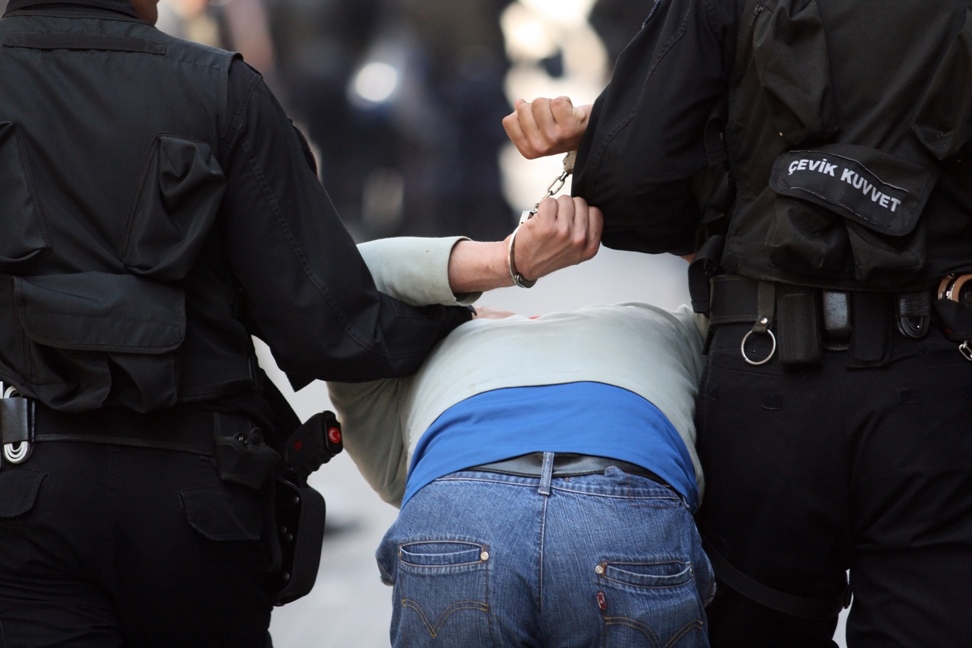

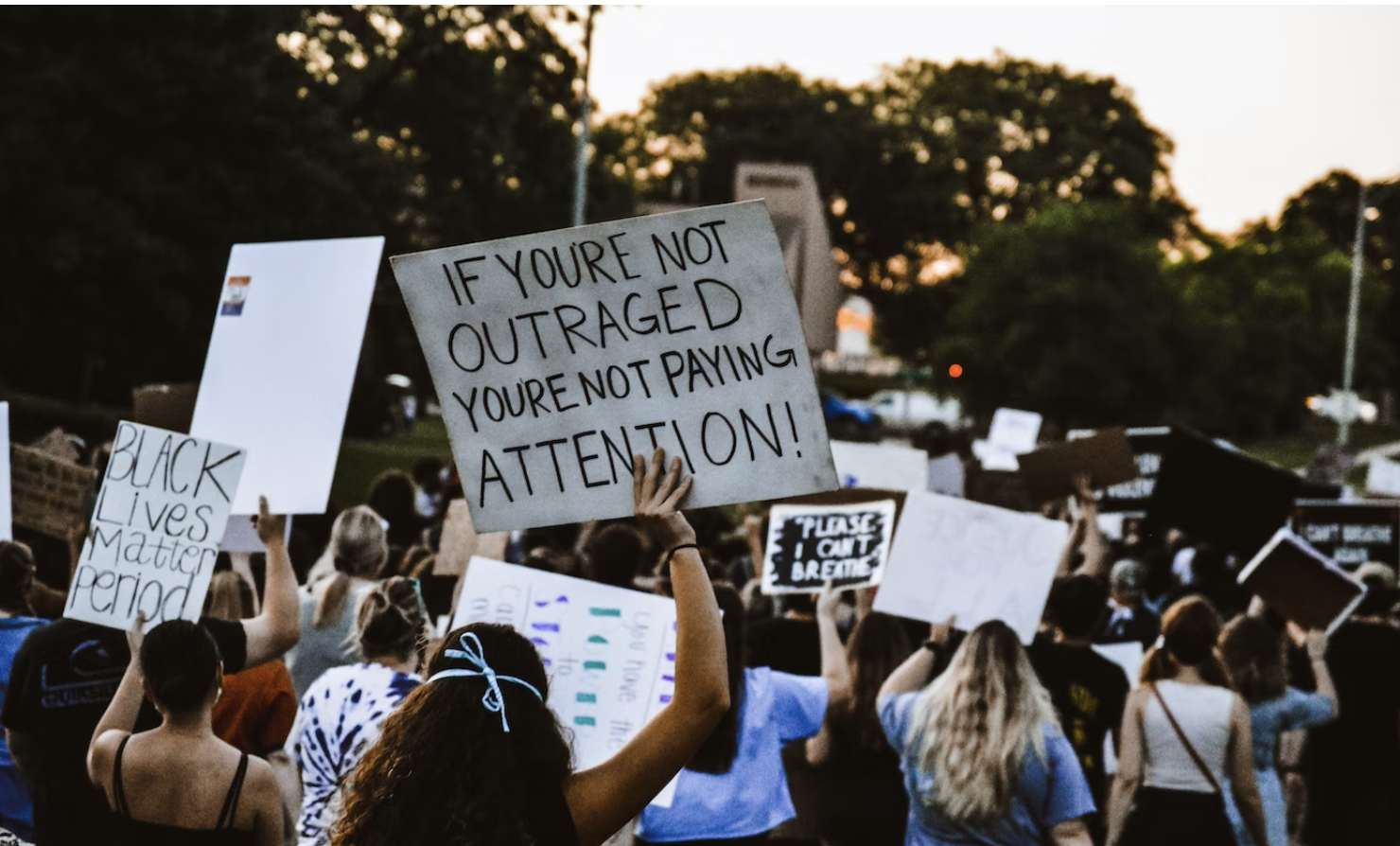
How can change occur if we’re not free to write about sensitive issues like human rights and the environment?
According to the 2012 census by the Committee to Protect Journalists (CPJ), there are 232 journalists in prisons worldwide, over half being held in the Middle East, the most of them surprisingly in Turkey. The online ‘zine Foreign Policy posted its “worst countries for journalism” with the Middle East grabbing three of the Top Ten slots.
As we scour the media, we already see how this fares for environmental reporting which is practically non-existent in the Middle East.
Bahrain = 1
Saudi Arabia = 4
Israel and the Palestinian Authority = 3
Iran = 45
Syria = 15
Yemen = 1
Uzbekistan = 4
Kyrgyzstan = 1
Iraq = 1
Turkey = 49
Read about this region’s biggest muzzlers of free expression, below:
Journalists in prison, Turkey
The world’s most repressive country is showcase Muslim democracy and NATO darling, Turkey.
A New Yorker article published last year stated, “According to the Journalists Union of Turkey, 94 reporters are currently imprisoned for doing their jobs. More than half are members of the Kurdish minority, which has been seeking greater freedoms since the Turkish republic was founded, in 1923.”
CPJ’s 2012 census counted 49 jailed reporters, but The Friends of Ahmet Sik and Nedim Sener (named after two imprisoned writers) maintains a list of 104 journalists currently imprisoned there. Another 800 face charges, and scores more have left their jobs because of government pressure.
“The government wants to set an example; it wants to intimidate,” investigative journalist Ertugrul Mavioglu told The Guardian. “Journalists are being told, ‘There are limits on what you are allowed to say.’”
Andrew Gardner, Turkey specialist at Amnesty International, added, “This prosecution forms a pattern where critical writing, political speeches and participation at peaceful demonstrations are used as evidence of terrorism offenses.”
Attorney Meral Danis Bektas said Turkey’s Prime Minister, Recep Tayyip Erdogan, openly threatened journalists and dictated what they wrote. Bektas said: “All of the defendants stand trial for doing their jobs. Free press and freedom of expression are cornerstones of democracy. Without them, democratic political participation becomes impossible.”
The government denies the journalists were arrested for their work as members of the press, instead citing terrorist offenses.
Journalists in Prison, Iran
Iran earns the silver medal for jailed journalists, with 45 behind bars as of December 2012.
The government controls all television and radio broadcasting, banning coverage critical of specific topics and events including national nuclear policy and the economy.
Internet access is skyrocketing, but content is restricted and censored and users risk persecution for online activity.
Social media (Facebook, Twitter, and YouTube) was blocked following the 2009 election and the number of disabled political sites grows exponentially. A 2010 Computer Crimes Law legalizes government internet surveillance and criminalizes online expression.
Cybercafes are obliged to record customers’ personal data and browsing histories. Last year, a national intranet was finalized, aimed at cutting Iranians’ connection to the worldwide web.
In 2012, Iran banned 250 ”subversive” books and closed the professional association “House of Cinema” that supported 5,000 Iranian filmmakers and artists. Don’t count on reading Lolita in Tehran, and forget about seeing the movie.
Journalists in Prison, Syria
Journalists receive reporting licenses at the pleasure of the prime minister. According to the CPJ, 28 licensed writers were killed in 2012 and 15 more were incarcerated by the end of that year.
Syria’s 2001 Press Law gives the state full control over all print media. It forbids reporting on issues of national security and allows the state to determine whether information is factual or not. Violate the law and face up to three years in prison with fines reaching $20,000.
The 2011 Media Law guarantees the “right to access information about public affairs” and bans “the arrest, questioning, or searching of journalists”, yet ironically bars publication of content that affects national unity and security, and incites public unrest. Guess who makes the determination?



[…] Turkey, Iran, Syria Top List for Worst Journalism Countries […]
[…] in the Square may be Turkey’s muzzled media, which is unable to report on it all. There are more journalists in jail in Turkey today than in any other country, and penalties are steep for broadcasting state-sensitive stories. Most of the news concerning […]
[…] the elder Sharaf stopped all artistic activities, including lessons to his son. The theme of censorship arises in another of the artist’s posters, see […]
[…] the elder Sharaf stopped all artistic activities, including lessons to his son. The theme of censorship arises in another of the artist’s posters, see […]
[…] source […]