Shebara hotel Saudi Arabia – is it eco-luxury dream or desert illusion?

Shebara hotel Saudi Arabia, Red Sea luxury resort, eco design, modern architecture, beachfront villas, sustainable tourism, desert island destination, travel experience
Shebara and its eco-pods, at $2000 a night

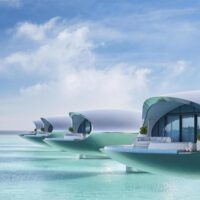
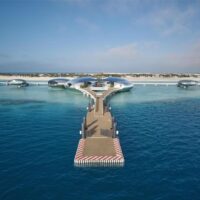
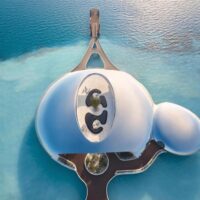
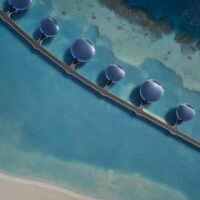
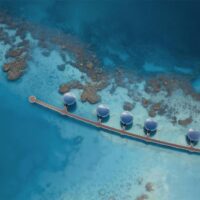
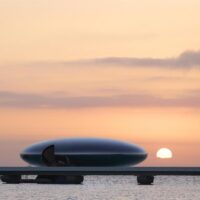
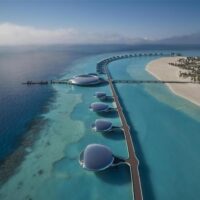
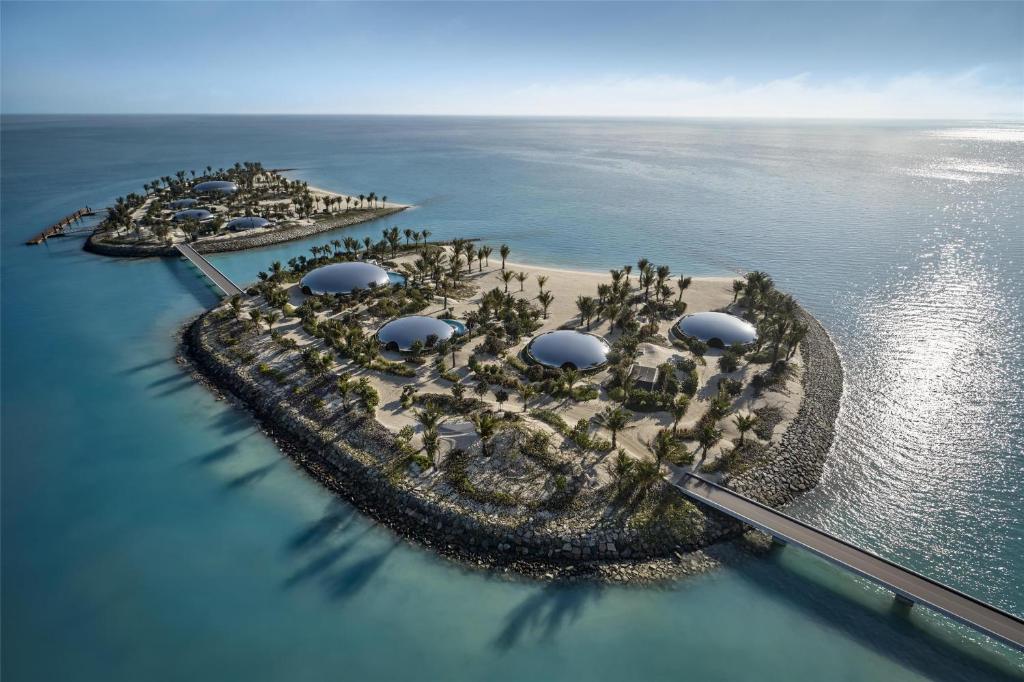
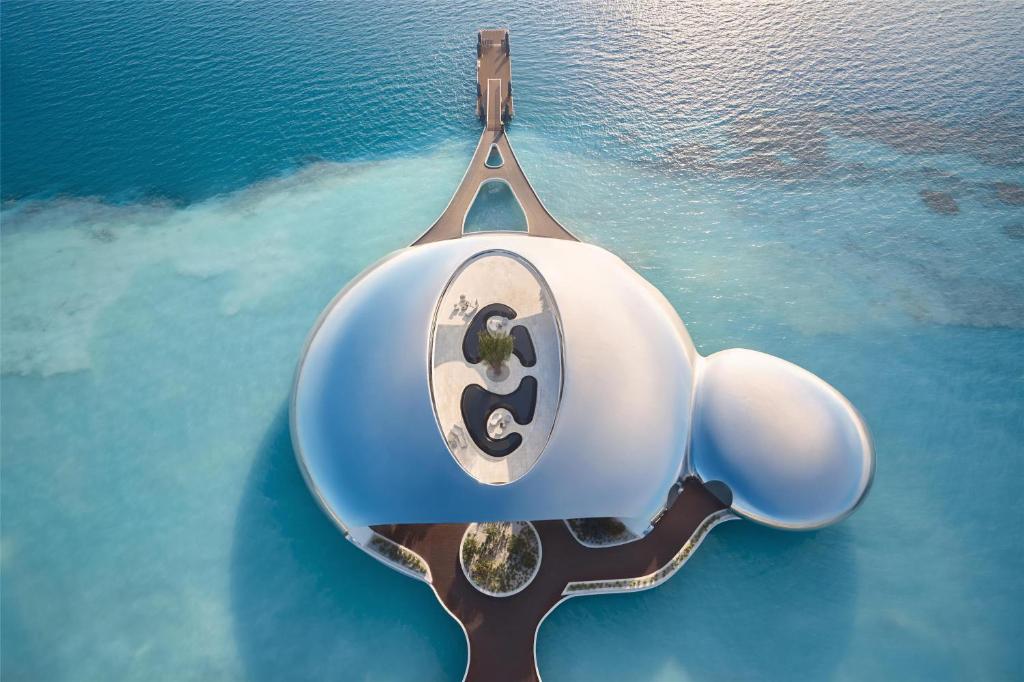
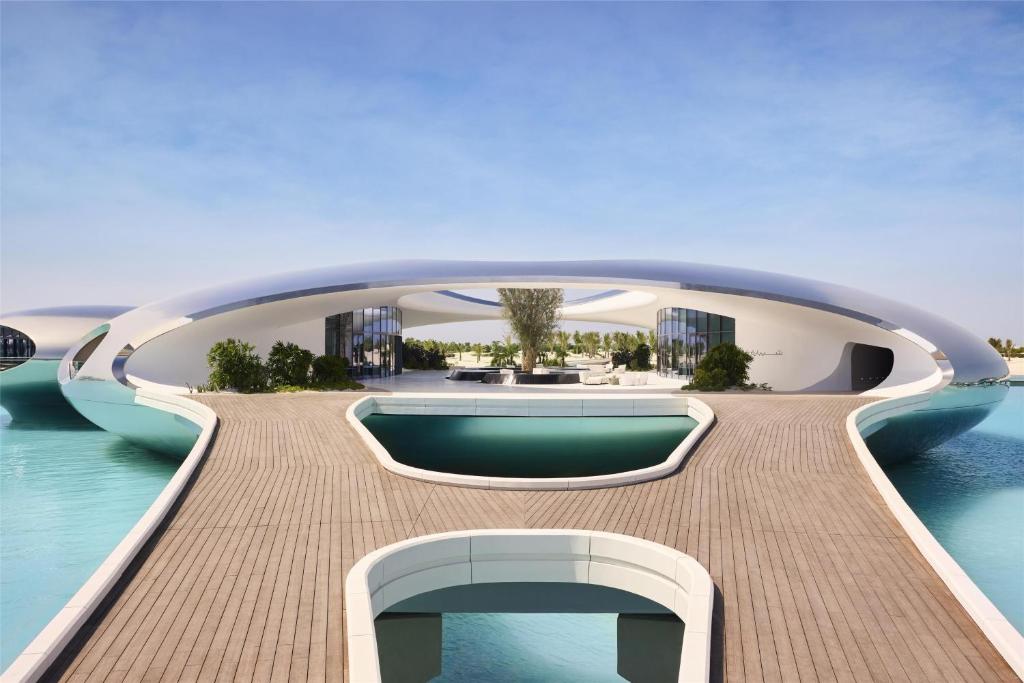
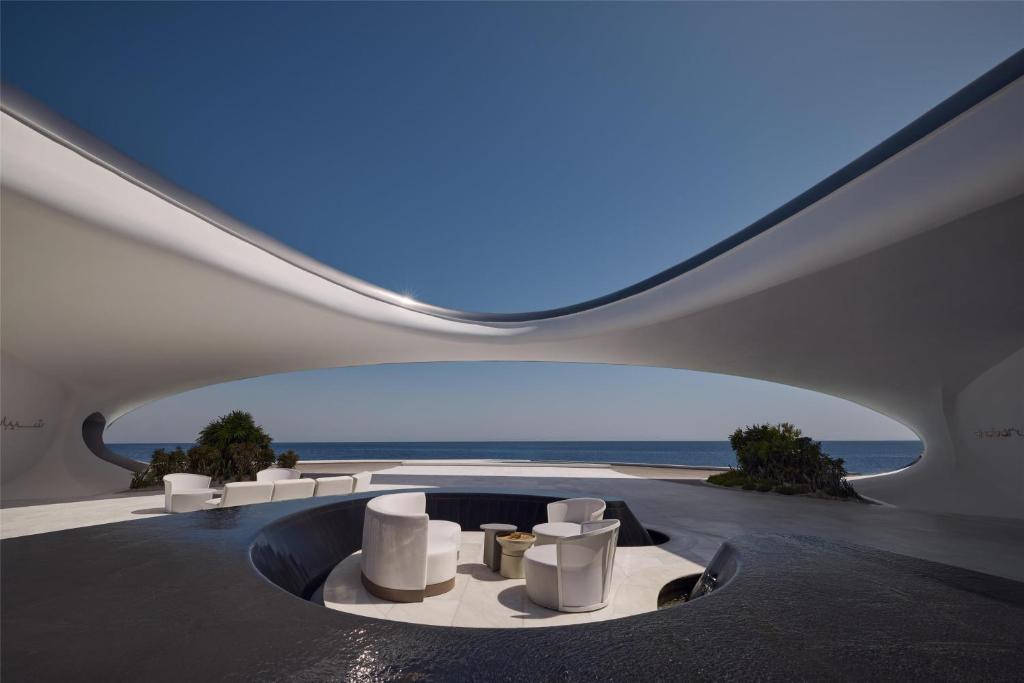
A new breed of luxury has landed on the Red Sea, mirrored pods floating above coral reefs, reflecting sky and sea like something not entirely of this Earth. Energy powered by solar powers, drinking water pulled from the sea using desalination.

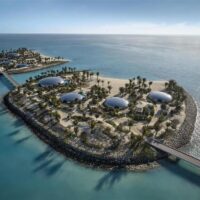
Welcome to Shebara, Saudi Arabia’s newest ultra-luxury resort, part of the Kingdom’s massive Red Sea tourism push. Opened in late 2024 on Sheybarah Island, the 73-villa resort is already being positioned as one of the most exclusive and visually striking hotels in the world. Celebrities, as we noted in the past, have been spotted there.

But is Shebara really sustainable? And is it worth the price, ethically, environmentally, or even financially?

A futuristic resort in a fragile ecosystem

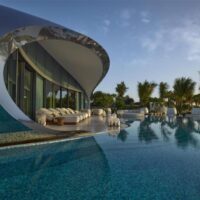
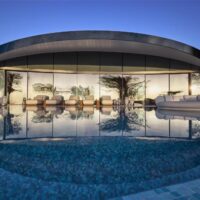
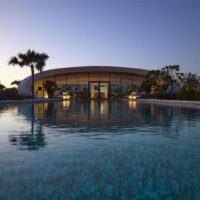
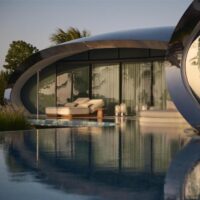
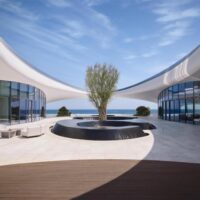
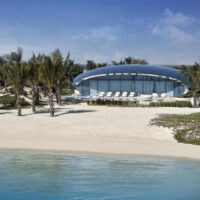
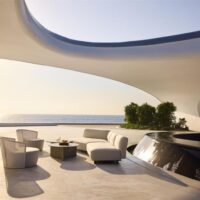
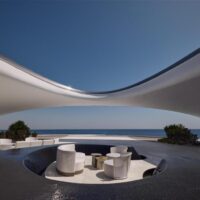
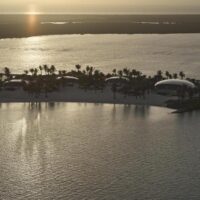
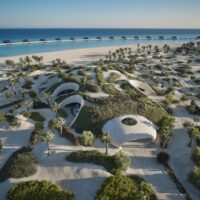
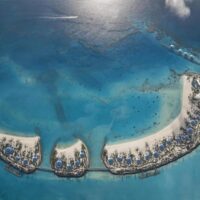
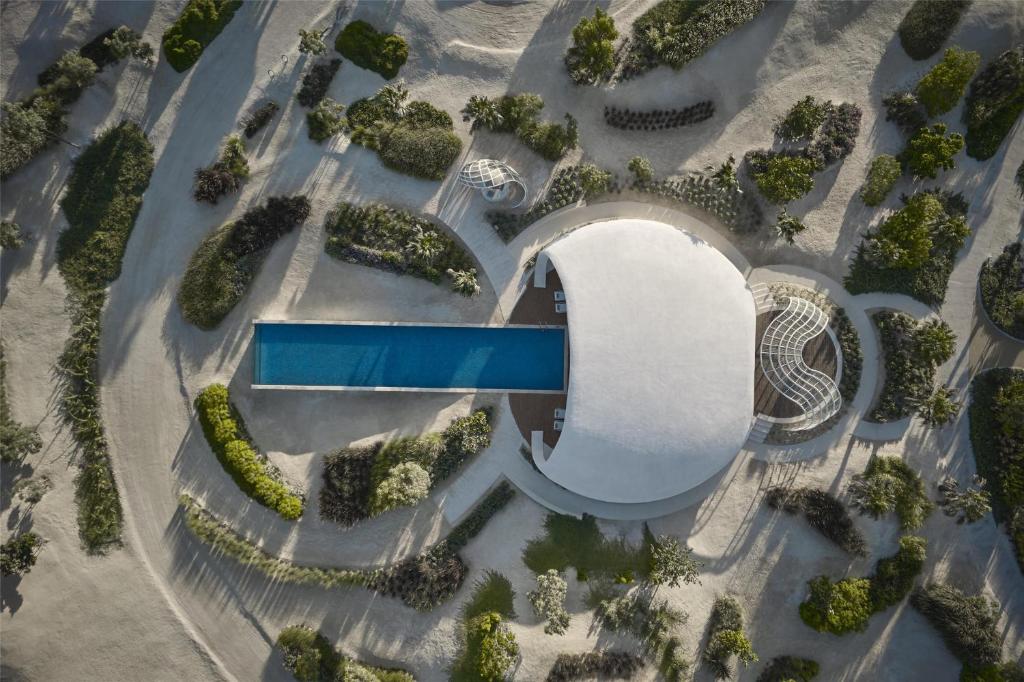
Shebara sits in a pristine archipelago of 90+ islands along Saudi Arabia’s Red Sea coast,  an area rich in coral reefs, seagrass, and mangroves. Its design is undeniably dramatic: stainless-steel, orb-like villas that mirror their surroundings, sometimes appearing to disappear into the horizon. Saudi Arabia says tourism here will be capped at one million visitors per year to protect the ecosystem.

That’s the promise, but the reality is harder to measure.

Is Shebara hotel actually sustainable?
Shebara hotel Saudi Arabia, Red Sea luxury resort, eco design, modern architecture, beachfront villas, sustainable tourism, desert island destination, travel experience, eco travel, mirror pods, KSA
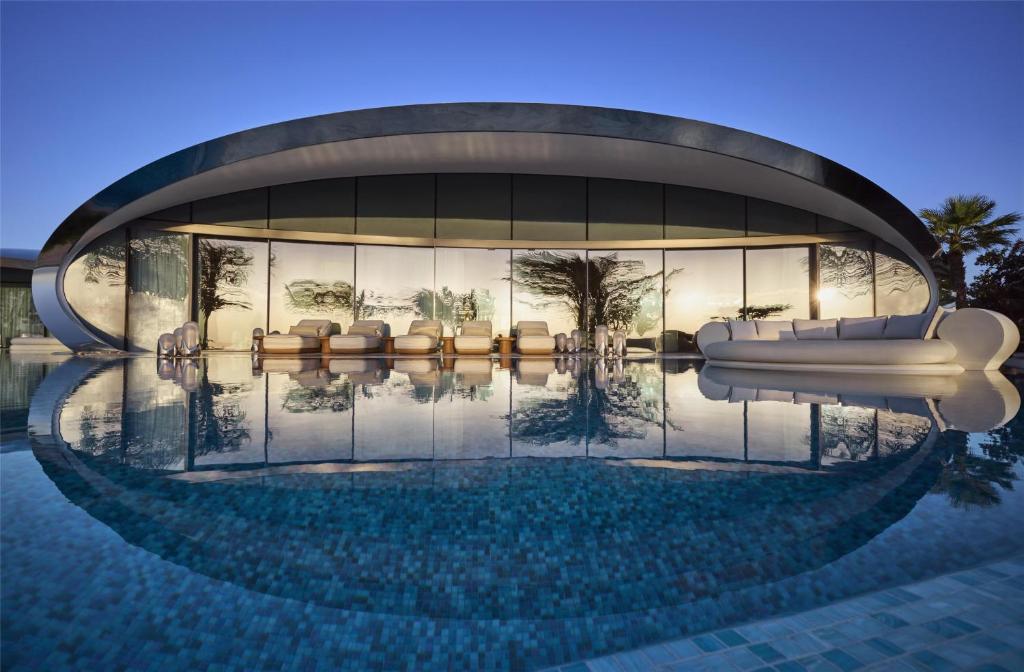
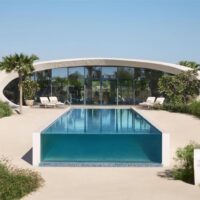
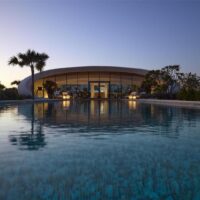
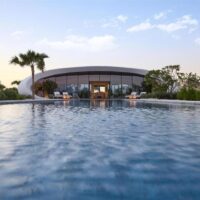
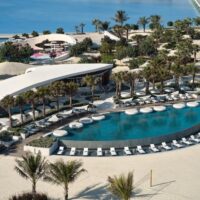
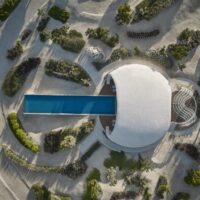
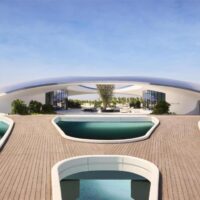
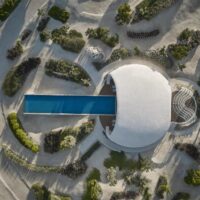
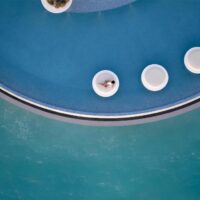
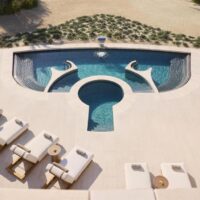
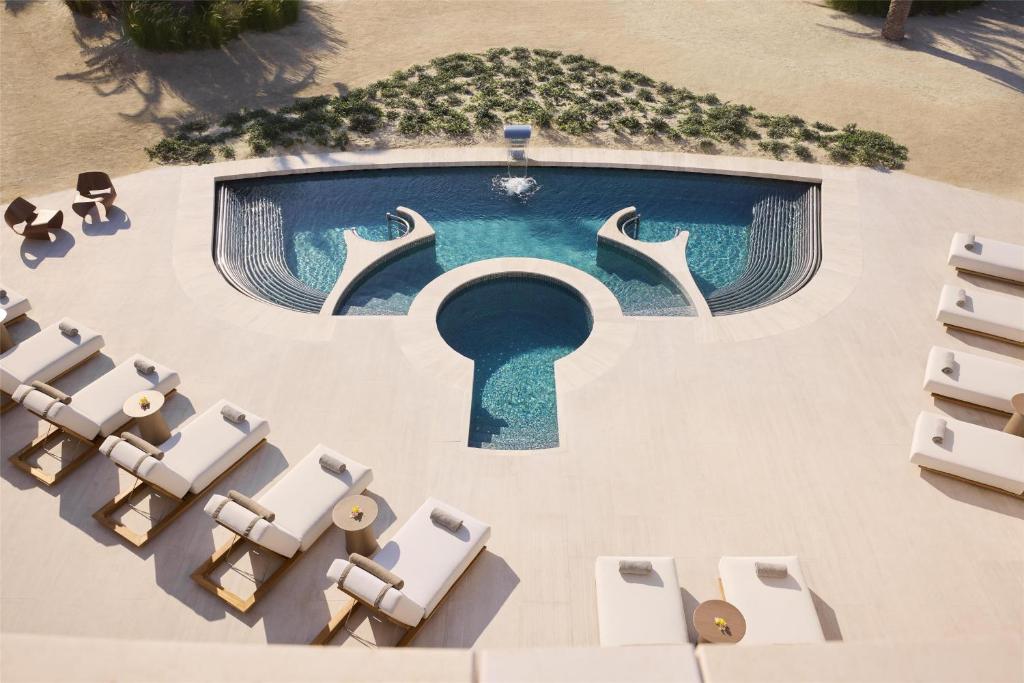
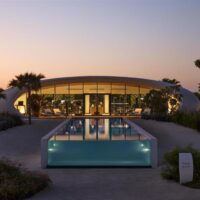
Private pool
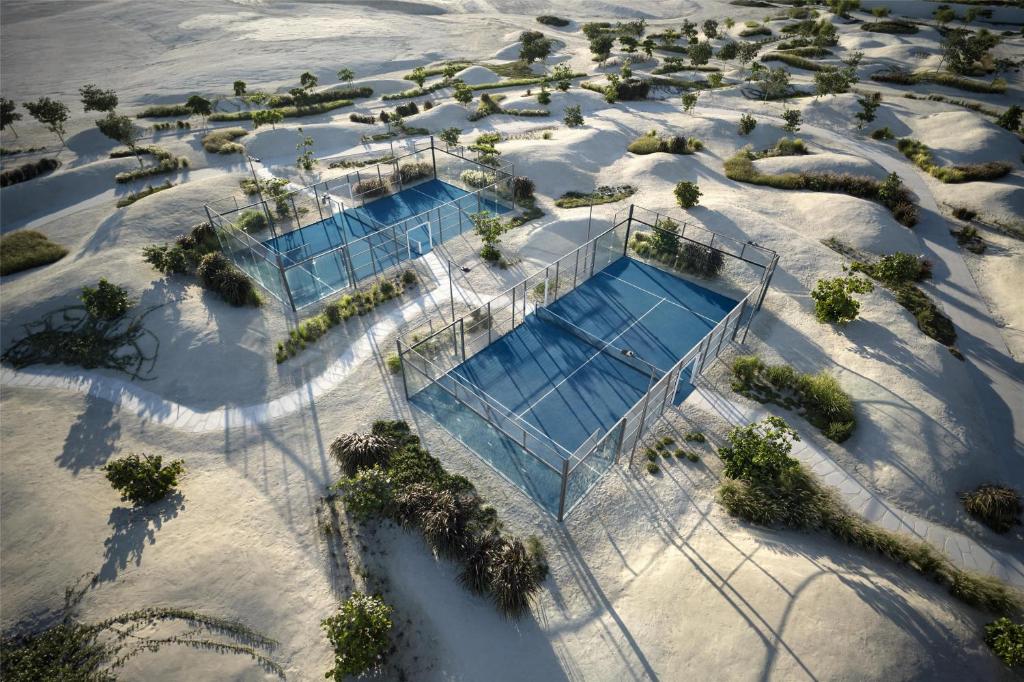
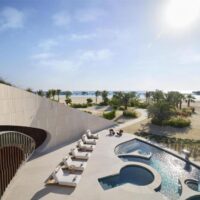
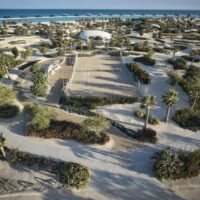
Shebara tennis courts

Saudi Arabia markets the Red Sea Project as regenerative tourism, powered by renewable energy and built with minimal ecological impact. But there is no information about third parties who certify these kinds of projects. Common in the Middle East.

And scale matters. Building luxury resorts on previously untouched islands, whether it’s in the Seychelles, or in the Red Sea. This raises familiar questions:

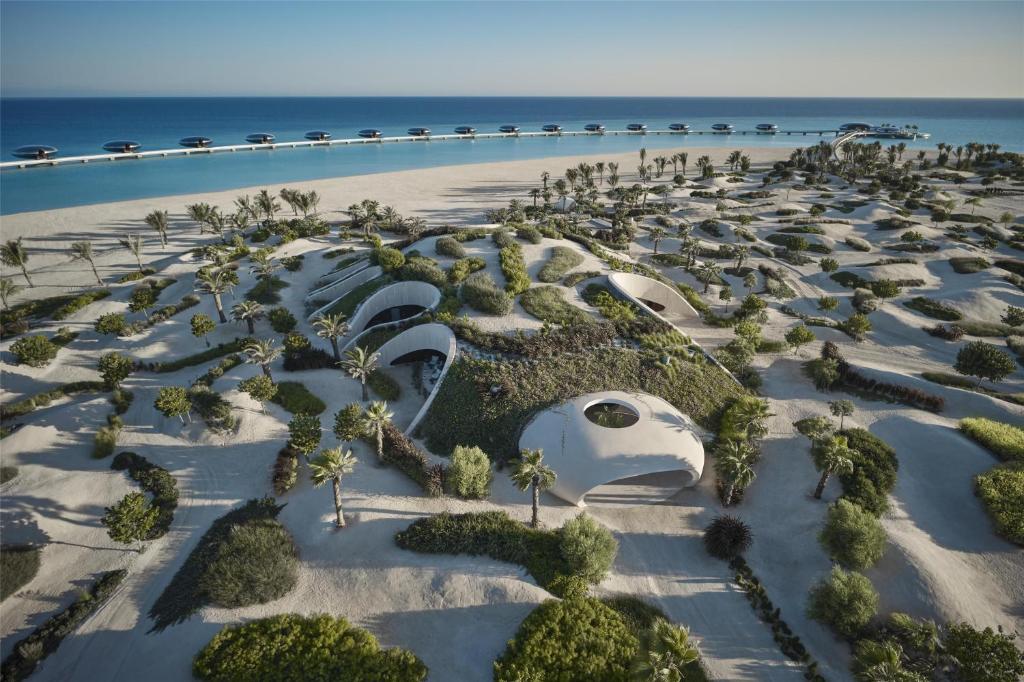
What happens to coral reefs under increased tourism pressure? How “low impact” is construction when villas weighing over 100 tons are shipped and installed offshore? Can high-end travel ever truly be sustainable?
Shebara hotel Saudi Arabia, Red Sea luxury resort, eco design, modern architecture, beachfront villas, sustainable tourism, desert island destination, travel experience, eco travel, mirror pods, KSA Shebara hotel Saudi Arabia, Red Sea luxury resort, eco design, modern architecture, beachfront villas, sustainable tourism, desert island destination, travel experience, eco travel, mirror pods, KSA Shebara hotel Saudi Arabia, Red Sea luxury resort, eco design, modern architecture, beachfront villas, sustainable tourism, desert island destination, travel experience, eco travel, mirror pods, KSA

Shebara hotel Saudi Arabia, Red Sea luxury resort, eco design, modern architecture, beachfront villas, sustainable tourism, desert island destination, travel experience, eco travel, mirror pods, KSA
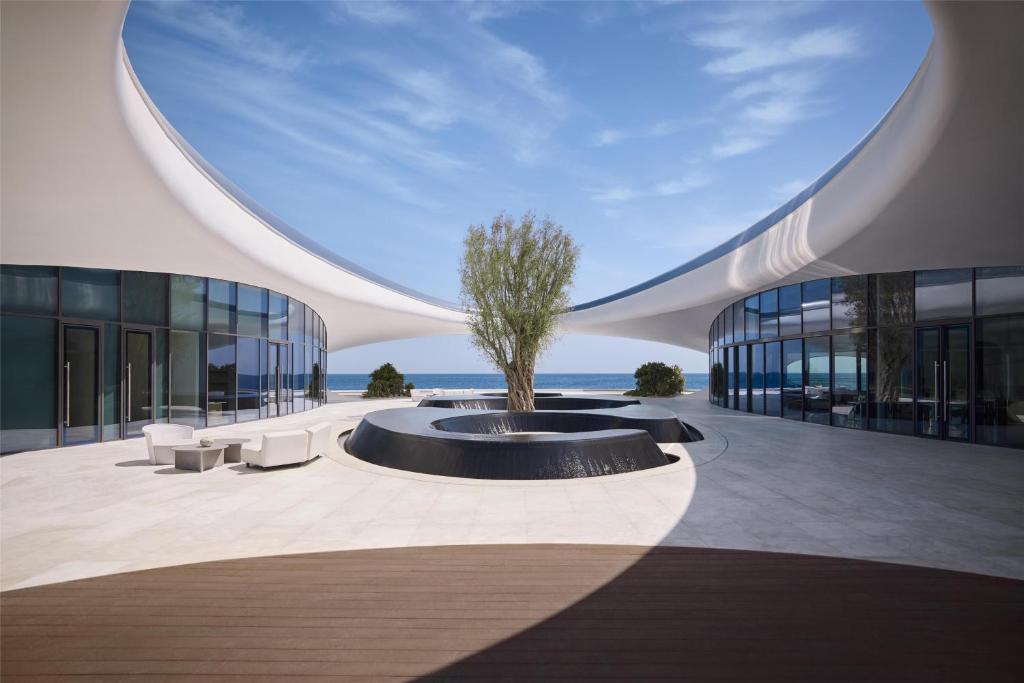
Gorgeous frame at Shebara

Even online, skepticism is growing. “Seems so consumptive and indulgent… makes me sick,” one Reddit user wrote about the Red Sea resorts.

Another described the destination as “completely deserted,” raising questions about demand versus hype about the place.

At the same time, guest reviews paint a different picture — “amazing staff,” “exceptional experience,” and “beautiful design” as found on Booking.com.

So which is true? Likely both. Celebrity buzz — and quiet luxury can co-exist. So if you have money to indulge in about $2000 a night listed on its booking site, go to Shebara and share your experience with us. Luxury hotels in Thailand cost about $1000 a night, like this one we stayed in – Keemala. While it’s not a sustainable option for weeks on end, a few nights can buy you a good reset with high-quality pillows. If you can find family rooms in high-end resorts, it might be cheaper than renting 2 or 3 rooms to fit the kids.

While Shebara isn’t yet flooded with celebrity sightings like Dubai or the Maldives (which has some racist policies in place), it’s clearly being built for that market — an ultra-private selection of villas, overwater pools, and controlled access to a rare island.
Shebara hotel Saudi Arabia, Red Sea luxury resort, eco design, modern architecture, beachfront villas, sustainable tourism, desert island destination, travel experience, eco travel, mirror pods, KSA Shebara hotel Saudi Arabia, Red Sea luxury resort, eco design, modern architecture, beachfront villas, sustainable tourism, desert island destination, travel experience, eco travel, mirror pods, KSA

Children playground because the wealthy don't play with plastic
Waldorf-inspired playroom
Shebara hotel Saudi Arabia, Red Sea luxury resort, eco design, modern architecture, beachfront villas, sustainable tourism, desert island destination, travel experience, eco travel, mirror pods, KSA
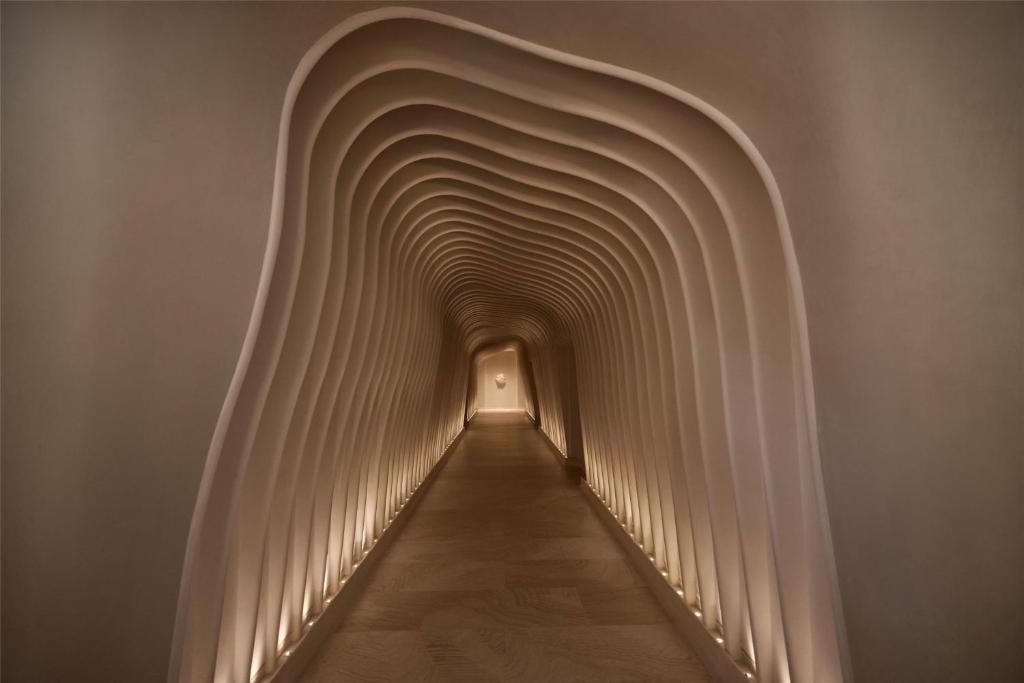
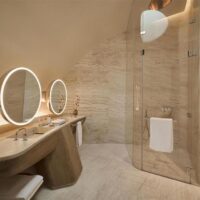
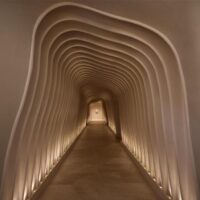
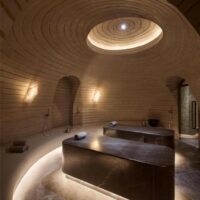
Organic hallway
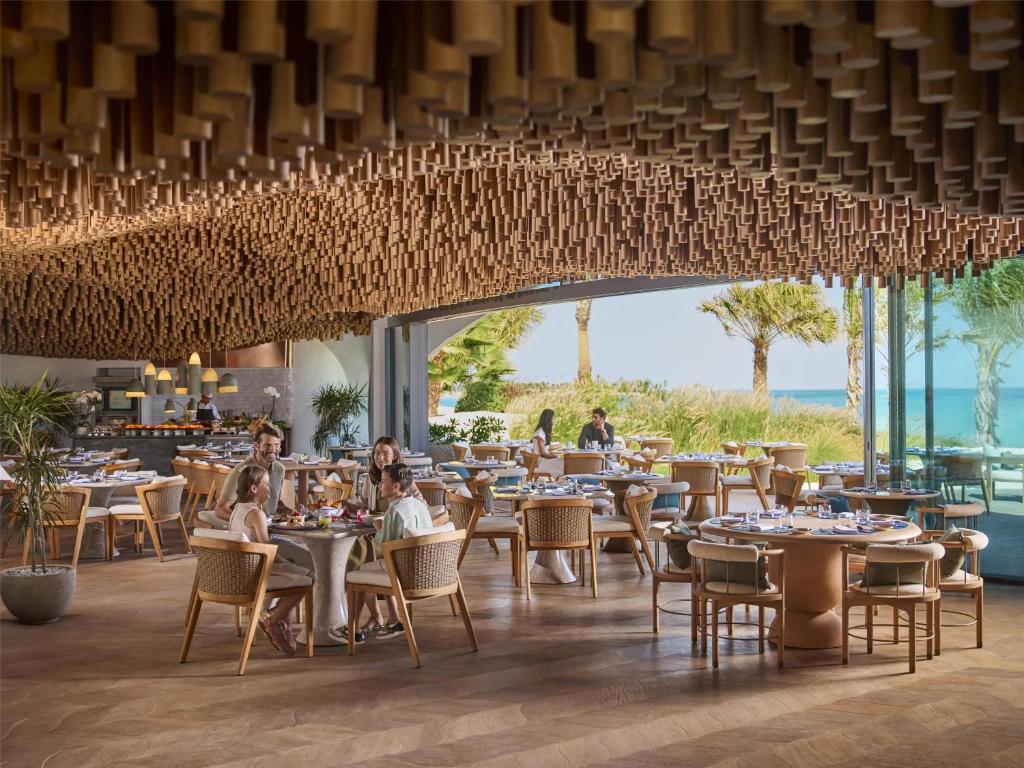
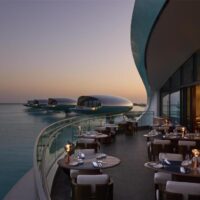
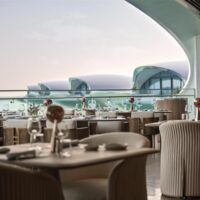
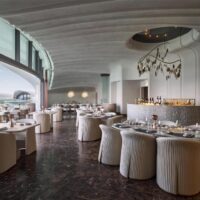
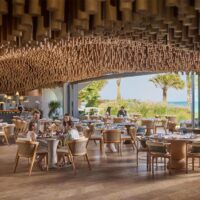
Dining room

Saudi Arabia’s Vision 2030 strategy is betting heavily on attracting global elites, influencers, and high-net-worth travelers to reshape its image through tourism. The celebrity pipeline will follow if they get paid well enough.

Are prices to Saudi Arabia and Dubai dropping because of Middle East conflict?

There’s a persistent rumor that regional instability is pushing luxury travel prices down. But the reality is more nuanced. There’s no strong evidence that Shebara itself is discounting heavily. Some reports suggest nightly rates in the luxury tier (well over $2,000+ per night).

However, broader travel demand in the Middle East can fluctuate with geopolitical tensions. When travelers hesitate, resorts sometimes adjust pricing quietly.

So yes — in some cases prices soften.

But Shebara is positioned at the very top of the market, where exclusivity often matters more than occupancy.

For Green Prophet readers, the question isn’t whether Shebara is beautiful. It’s whether it represents the future we actually want.
Karin Kloosterman
Karin Kloostermanhttp://www.greenprophet.com
Karin Kloosterman is an award-winning journalist, innovation strategist, and founder of Green Prophet, one of the Middle East’s pioneering sustainability platforms. She has ranked in the Top 10 of Verizon innovation competitions, participated in NASA-linked challenges, and spoken worldwide on climate, food security, and future resilience. With an IoT technology patent, features in Canada’s National Post, and leadership inside teams building next-generation agricultural and planetary systems — including Mars-farming concepts — Karin operates at the intersection of storytelling, science, and systems change. She doesn’t report on the future – she helps design it. Reach out directly to [email protected]

LEAVE A REPLY

Please enter your comment!
Please enter your name here

TRENDING

Hydrophilis SCUBA gear could make us one with the sea

Hydrophilis, Oliver Isler’s experimental rebreather suit, reimagines diving by reducing drag, eliminating bubbles, and bringing humans closer to the natural movement of marine life.

When peace returns, will we rediscover Saudi Arabia’s mud-brick soul?

When the region settles after the American war with Iran, and it will, American and European travelers will come back. Not just for spectacle or headline projects, but for places that feel real. Places that haven’t been engineered to impress and which get into your soul. We predict that visitors to Saudi Arabia will want to see places like Rijal Alma.When the region settles after the American war with Iran, and it will, American and European travelers will come back. Not just for spectacle or headline projects, but for places that feel real. Places that haven’t been engineered to impress and which get into your soul. We predict that visitors to Saudi Arabia will want to see places like Rijal Alma.

What are AWG air-water generators, and why they aren’t a golden-bullet solution (yet)

Atmospheric water generators (AWGs) sound like magic: machines that can pull drinking water out of air. The idea is mentioned in the Bible, where the elders would pray for water collected as dew on plants and the catch on turning this into a machine is in the physics. To turn invisible vapor into liquid, you must remove heat, especially the latent heat of condensation.

Jordan’s $6 Billion Aqaba–Amman Desalination Project from the Red Sea Moves Forward

In 2025, the Jordanian government signed agreements with a consortium led by Meridiam and SUEZ, alongside VINCI Construction and Orascom Construction. Under a 30-year concession agreement, the consortium will design, build, finance, operate, and maintain the system before transferring it back to the Jordanian government. The total investment is estimated at approximately $6 billion USD.
Saudi Arabia cancels the Asian games at Neom’s Trojena

Neom, a bombastic collection of futuristic cities and resorts, has flopped as Saudi oil prices roll back reality. The Saudi plan of hosting the 2029 Asian games to be held at Trojena, a ski report in the desert, has been cancelled. 

Nobul’s Regan McGee on Shareholder Value: “Complacency Is the Silent Killer” 

Why the governance framework designed to protect shareholders so...

Should You Invest in the Private Market?

startustartup Unlike public stock exchanges, which offer daily trading, strict...

How to build a 100-year-company

Kongō Gumi is a Japanese construction company, purportedly founded in 578 A.D., making it the world's oldest documented company. What can we learn about building sustainable businesses from them?

From Pilot Plant to Global Stage: How Aduro Clean Technologies’ 2026 Expansion Signals a Turning Point for Chemical Recycling Investors Like Yazan Al Homsi

The company's Next Generation Process (NGP) Pilot Plant in London, Ontario, has officially moved into initial operating campaigns, generating the kind of structured, repeatable data that separates laboratory promise from commercial viability.

How AI Helps SaaS Companies Reduce Repetitive Customer Support Work

SaaS products are designed for large numbers of users with different levels of experience, and also in renewable energy.

Pulling Water from the Air

Faced with water shortage in Amman, Laurie digs up...

Turning Your Energy Consultancy into an LLC: 4 Legal Steps for Founders in Texas

If you are starting a renewable energy business in Texas, learn how to start an LLC by the books.

Tracking the Impacts of a Hydroelectric Dam Along the Tigris River

For the next two months, I'll be taking a break from my usual Green Prophet posts to report on a transnational environmental issue: the Ilısu Dam currently under construction in Turkey, and the ways it will transform life along the Tigris River.

Related Articles

Popular Categories