

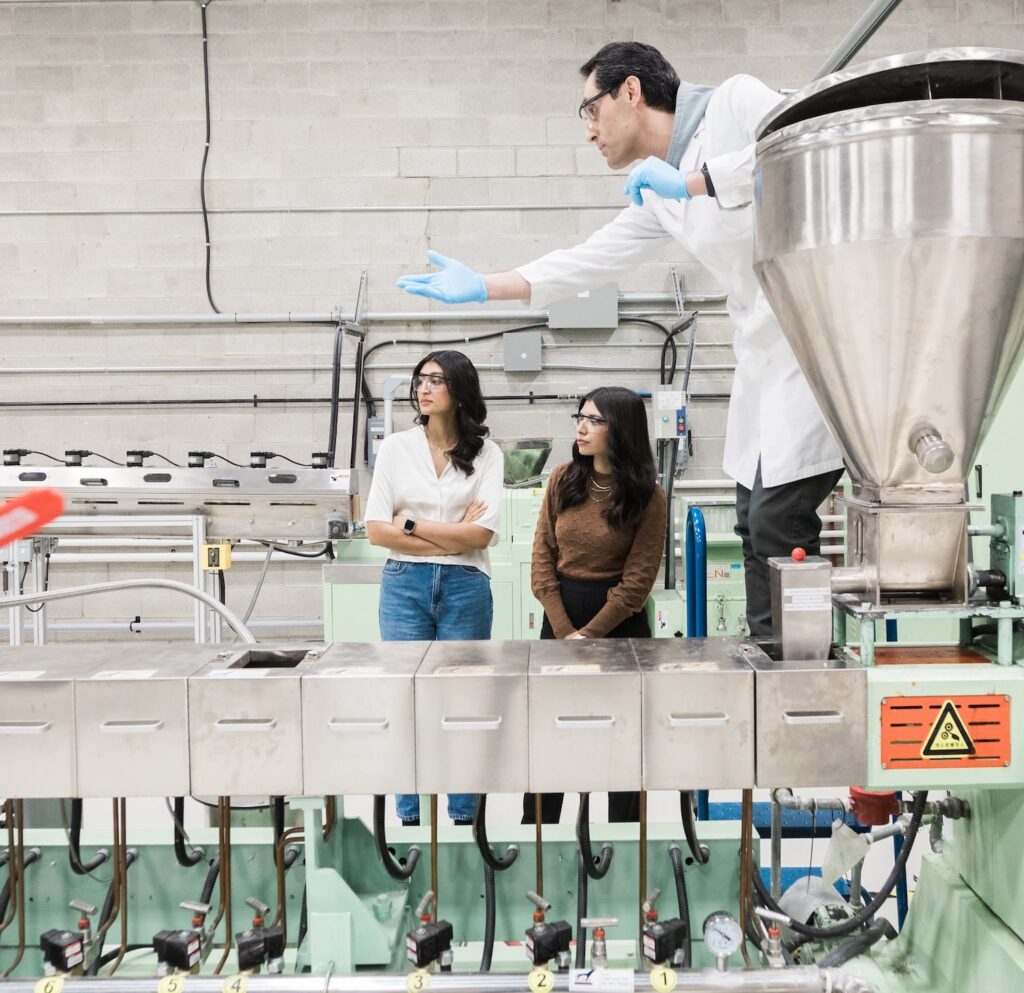
When I first studied forestry at the University of Toronto with Professor Sandy Smith, I didn’t realize how deeply the school’s ecological roots would shape the way I look at the world. The University of Toronto has always been, at its core, an environmental university. from its forestry program and plant biology labs to courses in sustainable cities.
So it’s not surprising that one of Canada’s emerging cleantech companies tackling plastic pollution also began there. Meet erthos, a Toronto-area startup developing plant-based materials designed to replace traditional petroleum plastics and help move the global economy toward a circular model.
The company began as a student project at the University of Toronto, where the founders started exploring alternatives to plastic while studying subjects ranging from environmental economics to plant biology. Their early work focused on whether agricultural byproducts and plant-derived ingredients could replicate the performance of conventional plastics, without leaving behind the same environmental legacy.
What began as a campus sustainability idea has since grown into a cleantech company that uses AI to design bio-based resins that can replace common plastics such as polypropylene or polystyrene, while still working within existing manufacturing systems. One of their recent talks was with Colgate-Palmolive.
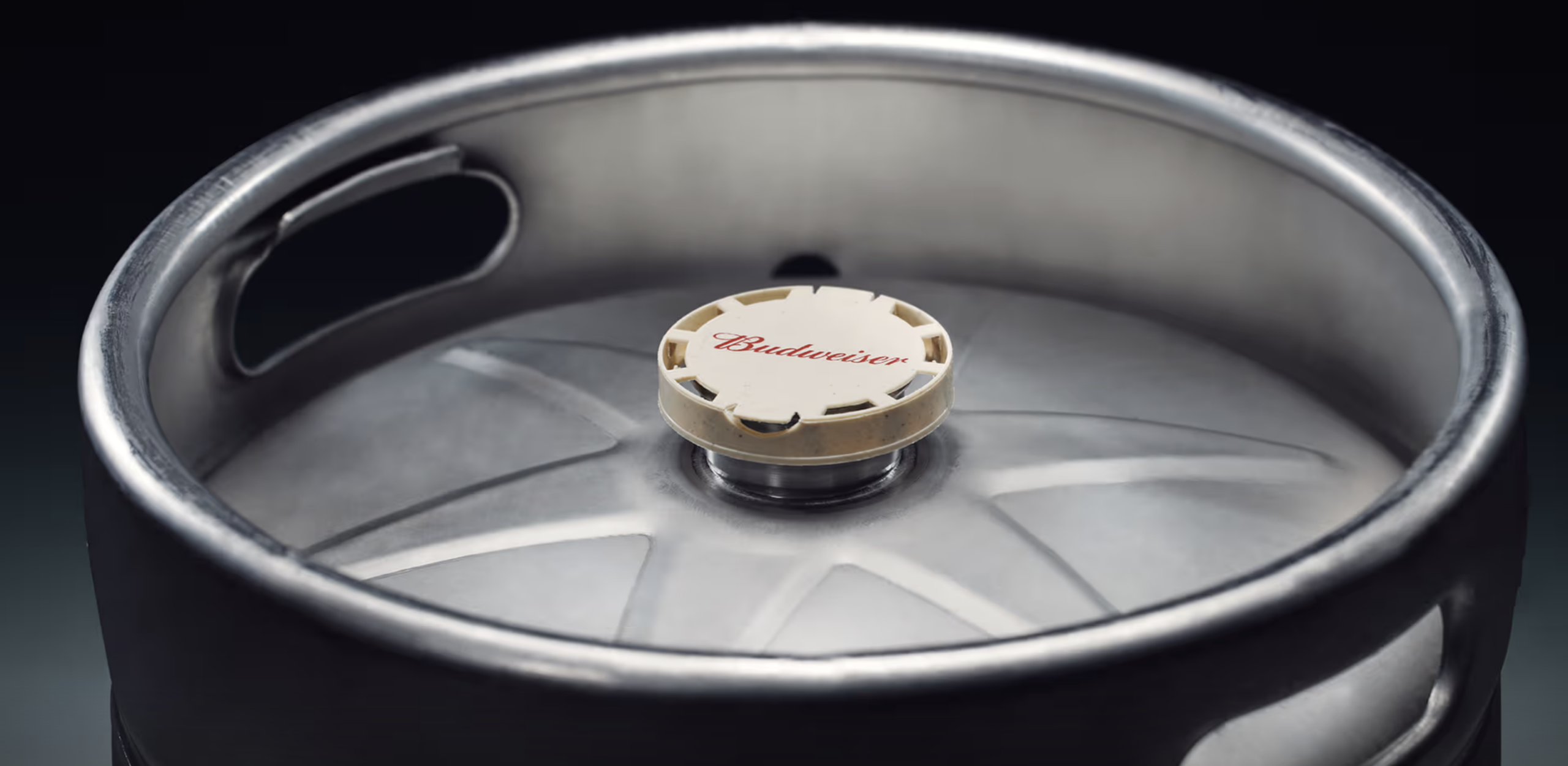
That compatibility with industry matters. One of the biggest barriers to replacing plastics is the massive infrastructure already built around them. Factories, molds, and production lines are designed for petroleum-based materials. If a sustainable material requires entirely new manufacturing systems, adoption slows dramatically. We see that working with big brands isn’t enough. The pineapple textiles and leather company Pinatex, which uses pineapple waste, emerged to great fanfare and worked with brands like Stella McCartney, but one-off and non-committal marketing opportunity can’t build a business. We need more commitment and responsibility taken by brands such as Colgate-Palmolive, H&M, and all ranges of food and plastics industries.

Can erthos help? It focuses on designing materials that can fit into the systems companies already use, making it easier for brands to transition away from fossil-fuel plastics without rebuilding their supply chains. Getting a product to fit into existing moulds and machines is the key for change from plastics to bio-plastics.
The company combines biomaterials science with advanced data tools, they say, to design plant-based formulations made from renewable ingredients such as plant fibers, starches, and oils. By using AI to test and refine formulations quickly, the goal is to create materials that match the durability and functionality of traditional plastics while reducing environmental impact. See Tipa, a brand that works.
The stakes are enormous. Hundreds of millions of tonnes of plastic are produced globally each year, and only a small portion is recycled. The rest accumulates in landfills, waterways, and ecosystems where it can persist for centuries. Worse even, bits of plastics called microplastics are getting into our lungs, our waterways, our food, our brains.
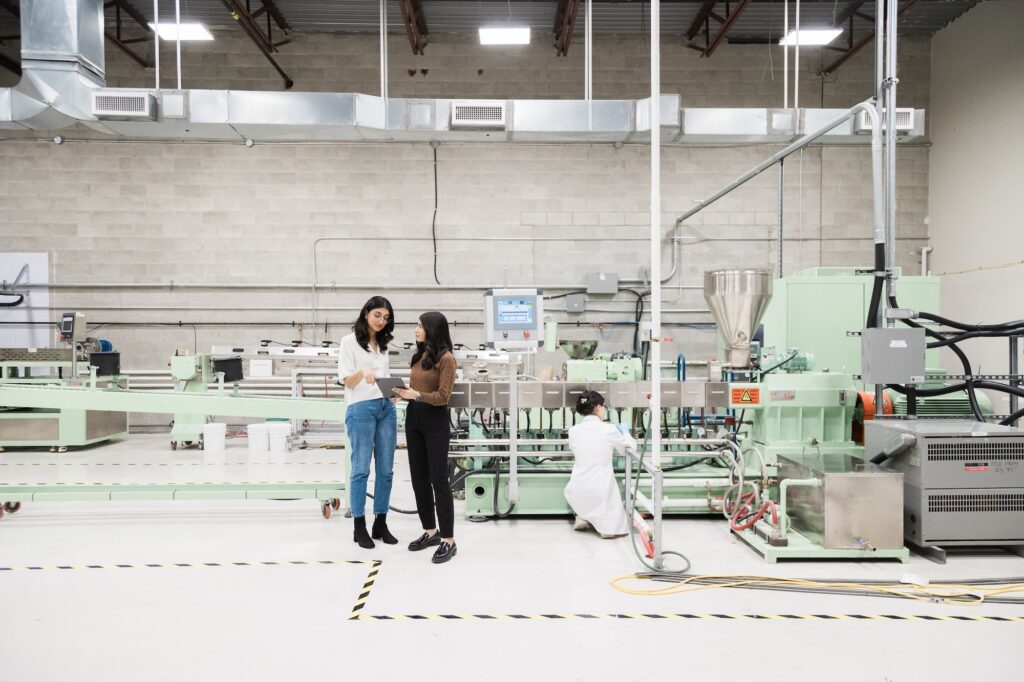
Startups like erthos are trying to change that equation by addressing plastic at its source, replacing the material itself rather than simply managing the waste it creates.
Today the company works with brands exploring alternatives for packaging, consumer products, and other plastic-heavy industries, helping design materials that can be recyclable, compostable, or derived from renewable feedstocks.
Erthos is a Canadian cleantech startup developing plant-based materials designed to replace petroleum plastics and support a circular economy. Founded in 2019 by Nuha Siddiqui, Kritika Tyagi, and Chang Dong at the University of Toronto, the company combines biomaterials science with artificial intelligence to create sustainable plastic alternatives.

Its proprietary platform, ZYA, uses AI to design bio-based resins that can perform like traditional plastics while working within existing manufacturing systems.
Erthos has raised $11.2 million in total funding, including a $6.5 million oversubscribed Series A led by Horizons Ventures, with participation from The51 Food & AgTech Fund, Thrive Venture Fund at BDC Capital, Francis Family Fund, TELUS Pollinator Fund for Good, DcarbonVC, Middle Cove Capital, and earlier investors Golden Ventures and Bee Partners.
More Bio Plastics News from Green Prophet