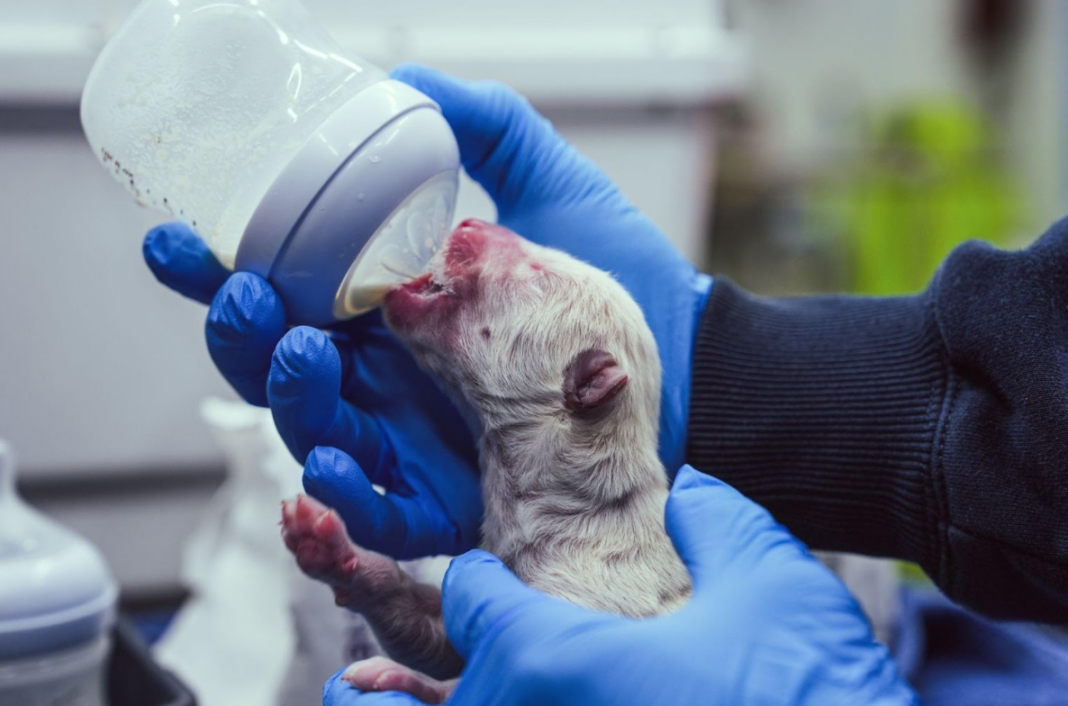


When the world’s first de-extinct animals were born, they presented veterinary professionals with an unprecedented challenge: how do you provide medical care for species that haven’t existed for over 12,000 years? The dire wolf pups at Colossal Biosciences represent not just a scientific breakthrough, but a new frontier in veterinary medicine and animal husbandry.
The challenge begins with the basic question of what constitutes normal health and behavior for dire wolves. While extensive research exists on gray wolves, dire wolves possess unique genetic modifications that could affect their physiology, growth patterns, and medical needs. The veterinary team must establish baseline health parameters for animals that have no modern precedent.
“The dire wolf pups set the record for number of precise genetic edits in any living species,” Colossal noted. “The company performed a record 20 precise edits to the genome, all modifications derived from analysis of the dire wolf genome with 15 of those edits being the exact extinct variants.” This level of genetic modification requires careful monitoring to understand how the changes affect the animals’ health and development.
The pups already display distinctive dire wolf characteristics at young ages. Romulus and Remus, now about six months old, weigh approximately 80 pounds—significantly larger than typical wolf pups their age. Their thick white fur, broad heads, and hefty builds reflect their genetic heritage, but these traits also require specialized care protocols.
Dr. Matt James, Colossal’s Chief Animal Officer, brings crucial expertise to this challenge. With over 13 years of experience managing exotic animals at major zoos, including oversight of 7,000 animals across 500+ species, he understands the complexities of caring for unique animals. His background maintaining AZA accreditation standards ensures that the dire wolves receive care that meets the highest professional standards.
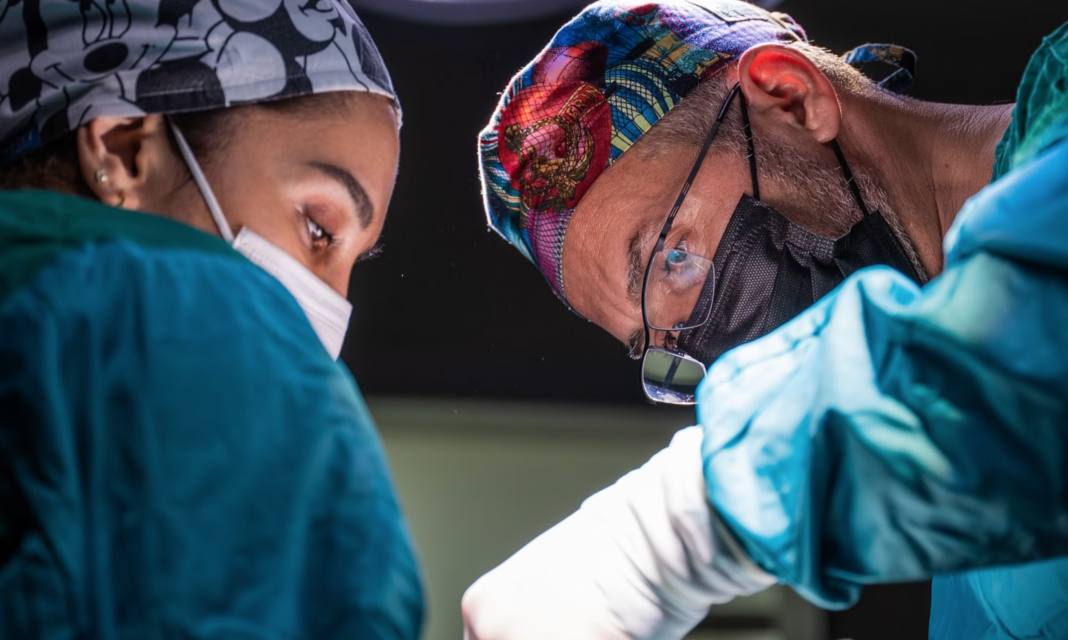
The facility includes a dedicated on-site veterinary clinic equipped specifically for large canid care. This immediate access to veterinary services allows for prompt response to any health concerns while minimizing stress on the animals. The clinic’s location within the preserve means that the wolves don’t need to be transported for routine care, reducing disruption to their daily routines.
Continuous health monitoring represents a crucial component of the care protocol. The veterinary team tracks physiological markers, growth patterns, and behavioral indicators to establish what constitutes normal development for dire wolves. This data not only ensures proper care but also provides valuable information for future de-extinction efforts.
The genetic modifications present both challenges and opportunities for veterinary care. While the 20 genetic edits were carefully selected to avoid known health problems, the team must monitor for unexpected interactions between modified genes and the broader wolf genome. This requires sophisticated genetic monitoring alongside traditional veterinary assessments.
Behavioral observations play an equally important role in health assessment. The dire wolf pups display markedly different behavior from domestic dogs or even typical wolf pups. They maintain distance from humans, flinching or retreating even from familiar caretakers, demonstrating true wild lupine instincts that may affect their response to veterinary procedures.
“Unlike domestic puppies, Romulus and Remus keep their distance from humans, flinching or retreating even from familiar caretakers, demonstrating true wild lupine instincts,” observers noted. This natural wariness requires veterinary protocols that minimize stress while ensuring thorough health assessments.
The care team has developed specialized protocols for routine procedures like vaccinations, health checks, and dental care. These protocols account for the wolves’ larger size, unique behavioral patterns, and the need to minimize human contact while ensuring comprehensive veterinary care.
Nutritional management presents another unique challenge. While dire wolves were hyper-carnivores in the wild, their precise dietary needs in captivity must be carefully balanced to support healthy growth without encouraging excessive size that could stress their skeletal and cardiovascular systems. The team has developed specialized feeding protocols based on wolf nutrition research but adapted for the dire wolves’ unique characteristics.
The veterinary team also collaborates with wildlife disease experts to ensure the dire wolves remain healthy while contributing to conservation science. Regular health screenings help identify any issues early while building a database of normal parameters for future reference.
Emergency care protocols have been established to address potential health crises. The on-site clinic is equipped with advanced diagnostic equipment and surgical capabilities, while relationships with specialized veterinary hospitals provide backup support for complex procedures if needed.
Perhaps most importantly, the veterinary team maintains detailed medical records that will inform future de-extinction efforts. Every health parameter, growth measurement, and behavioral observation contributes to a growing database of information about caring for genetically modified large carnivores.
The success of the dire wolf health management program has already informed care protocols for the red wolves born through the same technology platform. This knowledge transfer demonstrates how veterinary innovations developed for de-extinct species can benefit conservation efforts for living endangered species.
As the dire wolves continue to mature, they will undoubtedly present new veterinary challenges and opportunities. Their care represents a collaborative effort between veterinary medicine, conservation science, and genetic engineering—a model for addressing the complex health needs of animals created through emerging biotechnologies.
The veterinary team’s work with the dire wolves is writing the first chapters of a new field: medical care for de-extinct species. Their protocols, observations, and innovations will guide future efforts to bring back other extinct animals while ensuring the highest standards of animal welfare and scientific integrity.