


The Yemeni Houthis are a problem as they blow up ships passing through the Red Sea toward the manmade Suez Canal. The Houthis astarving out their own people. They use water as a weapon in their war against the west. In a recent UN report by UN Food and Agriculture Organization (FAO), they estimate that all of Yemen’s freshwater resources will be depleted by 2030.
It said that most conflicts revolve over water in Yemen, which remains the poorest in the world in terms of water resources. In a report entitled “To leverage Water for Peace,” FAO said Yemen urgently needs to fully understand the water governance systems, how resources are extracted, used, shared and replenished.
Watch Also: Yemen Jews have a song for the Houthis
“Our experience in Yemen has shown glaring gaps between policy and the ultimate use of the precious commodity. Another gap is limited funding to replicate best water management practices which have been piloted and proven effective,” the report said.
Also, Yemen is the poorest country in the world in terms of water resources.
The annual per capita share of water is a lowly 83 cubic meters compared to the absolute threshold of 500 cubic meters.
According to FAO, the agricultural sector accounts for about 90% of water use, most of it going to qat growing. It added that groundwater is being depleted at twice the rate it is being replenished and that groundwater resources are being used randomly.
“At the current extraction rate, by 2030, the water basins will be depleted,” the report warned, “This will be catastrophic for a country where 70% of the rural community practice agriculture.”

Also, the agri-food systems transformation agenda will be lost with the depletion of water resources in Yemen, it noted.
Climate change and rapid population growth have also put additional pressure on Yemen’s limited water resources.
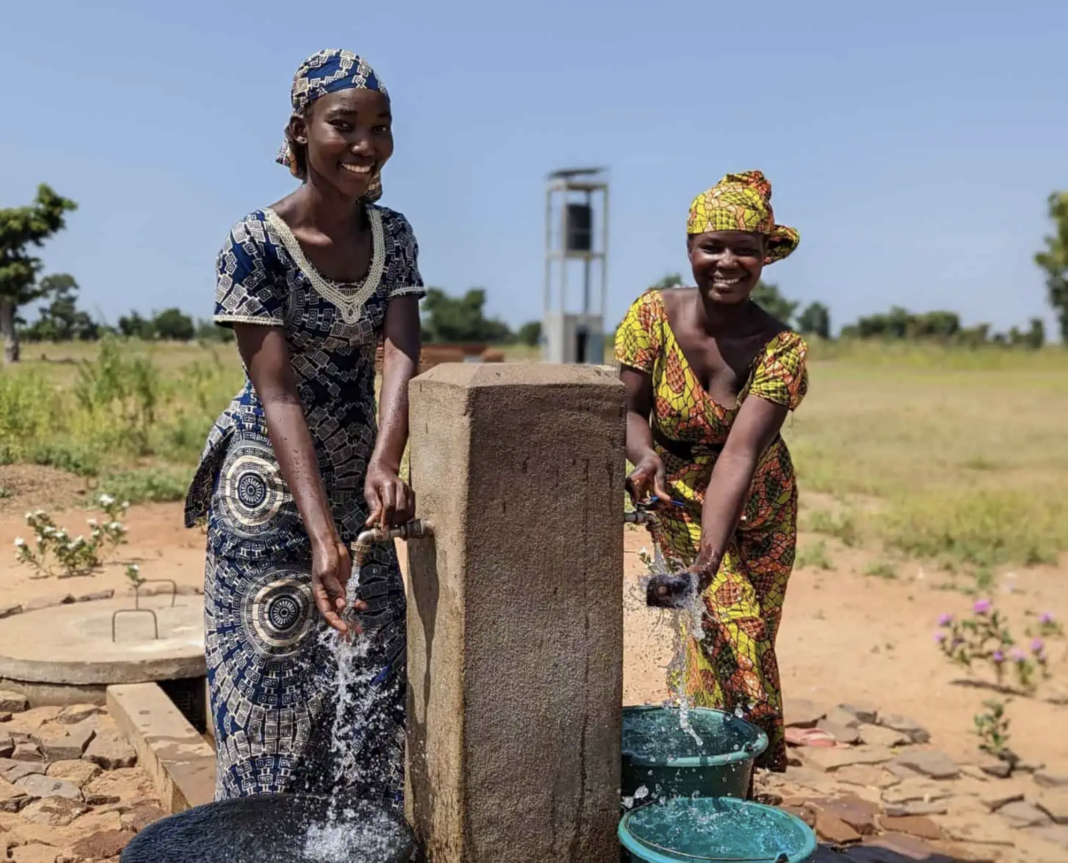
FAO said about 14.5 million people in Yemen are without access to safe drinking water and reliable sanitation facilities. “Women bear the brunt of this water situation which not only affect their crop and livestock production but entails more labor and time is used to travel to collect, store, and distribute water,” the report explained.


, they estimate that all of Yemen's freshwater resources will be depleted by 2030. )