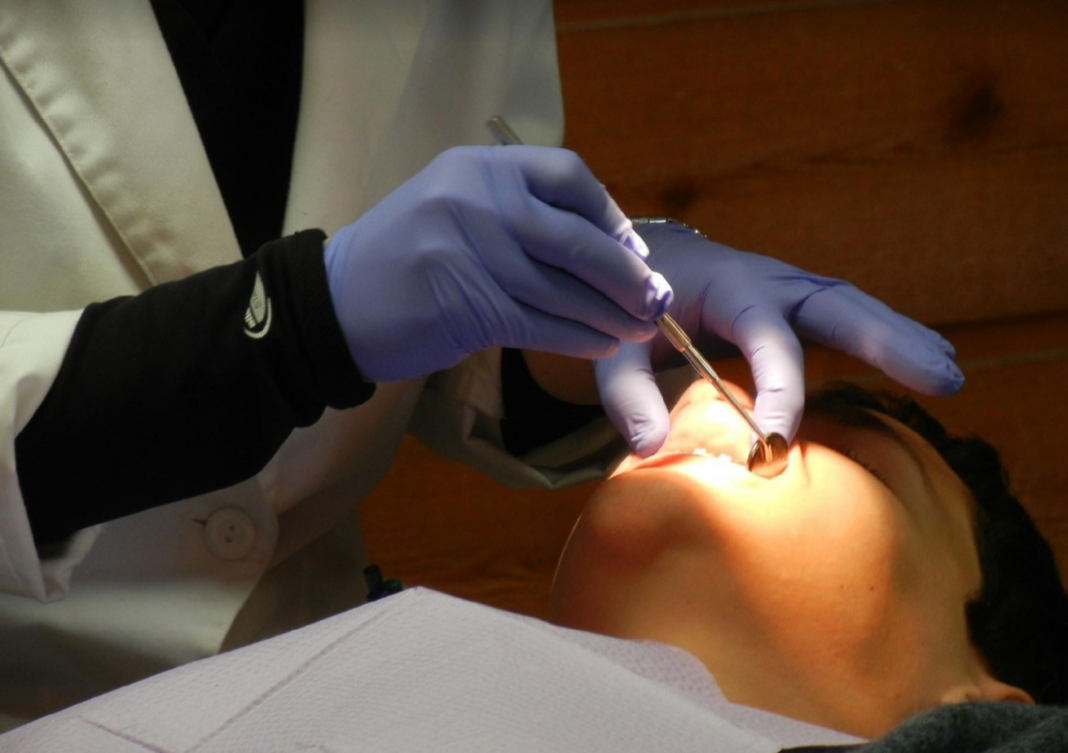
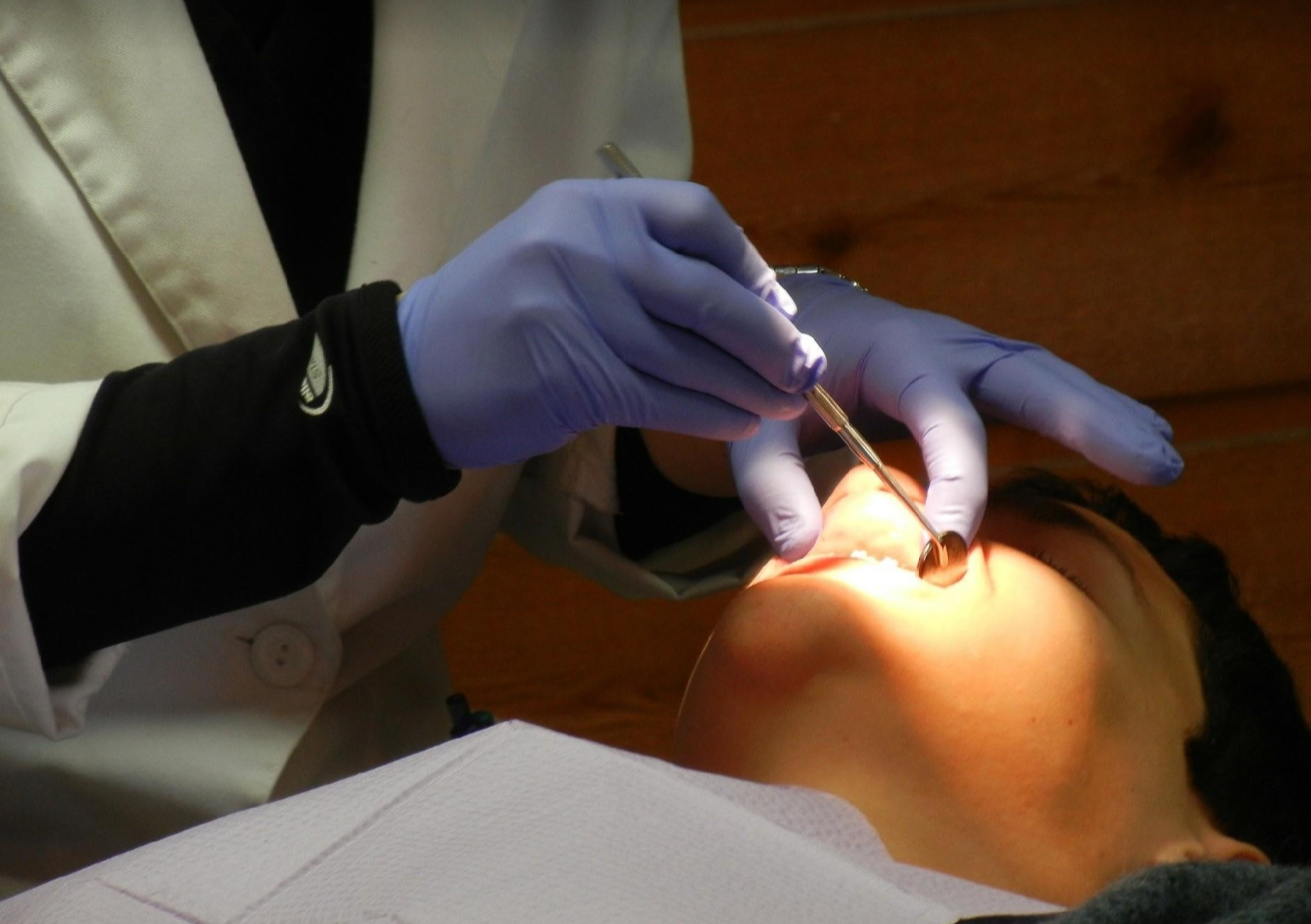
Eco products for disinfecting dental surgery instruments and clinical surfaces

In dental practices and surgery laboratories, as in all clinical environments, the surfaces of medical devices and objects can become a breeding ground for micro-organisms and therefore constitute a means of transmission of pathologies. For this reason, disinfection (in other words, the use of physical or chemical instruments to destroy, remove or neutralise pathogens) is of vital importance.

The transfer of these micro-organisms from a contaminated surface to a patient and vice versa can take place through direct contact by the patient with a contaminated object, or indirectly through contaminated gloves of surgery operatives.

Safeguarding the health of people in dental practices or surgery laboratories, whether patients or medical staff, is indispensable to undertake any dental treatment in full compliance with basic hygiene standards. To guarantee this, it is vital that the surgery staff implement and perform on a daily basis the correct procedures and the right disinfection and sterilisation protocols, using dedicated products for dental surgery instruments disinfection.

Just like the transfer of micro-organisms, the surfaces within the clinical environment are also classified according to the type of contact with the patient, according to two methods. Clinical contact surfaces, namely all the medical instruments which may come into direct contact with the patient during dental treatment. On the other hand, non-clinical surfaces include floors, washbasins, walls, and so on.

Every surface must be treated with proper caution and using appropriate products, in order to observe the highest safety and clinical quality standards.

To prevent contamination through aerosols or direct contact, clinical surfaces should always be covered with protective film. Once the dental treatment is complete, this protective film must be removed and replaced with a new film, after the surfaces have undergone purpose-provided disinfection procedures.

Surface disinfectants, to guarantee superior efficiency standards, must accommodate a series of fundamental requirements: they must have a bactericidal, fungicidal, tuberculocidal and virucidal effect. In addition to being compatible with the surface with which it comes into contact, it is vital for the disinfectant to have been tested in accordance with the latest European Community regulations. Ease of use, contact time (which should be limited, to guarantee the effectiveness of the product) and good shelf life are factors which make the difference between a good disinfectant and a “normal” one.

The products used for surface disinfection are sprays, foams and wipes soaked in disinfectant: the latter are extremely convenient and ready for immediate use, whereas a spray requires paper towels for application. Sprays which contain alcohol should not be sprayed directly onto the surface but onto a paper towel, in order to test its compatibility with the surface to be disinfected first, applying it on a small portion. On the contrary, alcohol-free sprays have no usage limitations and are not unsafe for the user. 

Among the products dedicated to disinfection developed by Zhermack, an historic brand that offers latest-generation dentistry and orthodontics solutions and which is considered an international benchmark in the field today, there are two alcohol products (specifically, one spray and wet wipes) which are especially recommended for surfaces resistant to the action of the disinfectant solvent. To treat more delicate surfaces, there is a dedicated foam spray or wipes with an ultra-low alcohol content.

Bhok Thompson
Bhok Thompsonhttp://www.greenprophet.com
Bhok Thompson is an “eco-tinkerer” who thrives at the intersection of sustainability, business, and cutting-edge technology. With a background in mechanical engineering and a deep fascination with renewable energy, Bhok has dedicated his career to developing innovative solutions that bridge environmental consciousness with profitability. A frequent contributor to Green Prophet, Bhok writes about futuristic green tech, urban sustainability, and the latest trends in eco-friendly startups. His passion for engineering meets his love for business as he mentors young entrepreneurs looking to create scalable, impact-driven companies. Beyond his work, Bhok is an avid collector of vintage mechanical watches, believing they represent an era of precision and craftsmanship that modern technology often overlooks. Reach out: [email protected]

Read More

LEAVE A REPLY

Please enter your comment!
Please enter your name here

TRENDING

Robot Monk Gabi Takes Vows in Seoul. What Would the Buddha Have Thought?

  How many of us looked twice when we saw...

8 Questions Families Should Ask Before Choosing Assisted Living

Few family decisions carry as much weight as choosing...

The fossil fuel problem hiding in your wardrobe

The fuel pumps don't lie. When oil prices spike,...

Australia’s $25 Billion AI Moment: Infrastructure Is the Easy Part

  Microsoft's record investment in Australia will build data centres....

Stella McCartney Returns to H&M — But Should We Trust the Wool?

Stella McCartney is back at H&M, and the fashion...

How to quiet noise from construction in your office

Streets need to be resurfaced in New York but the humming and grinding noise is unsettling. Noise is environmental pollution. 

EarthX and a blueprint for sustainable investing

Trammell S. Crow, a Dallas-based businessman and father of four, is focusing his efforts on impact investing, and media that focuses on saving the planet through EarthX.

Mining Afghanistan’s Mineral Discoveries Similar to Avatar

Now that American forces in Afghanistan are commemorating the longest period of any war that America has been involved in, including the 1965-73 Vietnam War, the recent discoveries of large and extremely valuable mineral and metal deposits may finally bring to light a reason to continue the presence of US fighting forces in this war torn and backward country.

From Pilot Plant to Global Stage: How Aduro Clean Technologies’ 2026 Expansion Signals a Turning Point for Chemical Recycling Investors Like Yazan Al Homsi

The company's Next Generation Process (NGP) Pilot Plant in London, Ontario, has officially moved into initial operating campaigns, generating the kind of structured, repeatable data that separates laboratory promise from commercial viability.

Nobul’s Regan McGee on Shareholder Value: “Complacency Is the Silent Killer” 

Why the governance framework designed to protect shareholders so...

Should You Invest in the Private Market?

startustartup Unlike public stock exchanges, which offer daily trading, strict...

How to build a 100-year-company

Kongō Gumi is a Japanese construction company, purportedly founded in 578 A.D., making it the world's oldest documented company. What can we learn about building sustainable businesses from them?

How AI Helps SaaS Companies Reduce Repetitive Customer Support Work

SaaS products are designed for large numbers of users with different levels of experience, and also in renewable energy.

Popular Categories