Three simple ways to lead a greener student lifestyle

Barefoot college, solar engineers, Jordan, Solar Mamas, renewable energy, clean tech, solar power, documentary, funding

Most people today know what it means to go green, but when you’re a busy college student with a packed schedule, finding the time to switch to a greener and more environmentally friendly lifestyle might seem impossible. However, the good news is that there are several small changes that you can make in your daily life that takes little time or effort, whilst helping to reduce your carbon footprint and even saving some money in the process. You’ll be glad to hear that as a student, adopting a greener and eco-friendlier approach to your lifestyle doesn’t have to be time-consuming or require a lot of hard work. Here are some simple changes that you can make today to be a greener student.

#1. Take Electronic Notes

girl_elearning_with_laptop

Today, the world is going digital and students are no stranger to the concept of digital. In fact, if you are studying remotely for an online masters in public administration, then you’ve probably found that taking paper notes is not necessary since you will have all the information that you need online. If you attend classes on campus, then it’s likely that you will be allowed to take your laptop or tablet along for taking notes, rather than using a notepad. Not only will this help you to be eco-friendlier by saving paper, it will also be kinder to your wallet since you won’t be buying notepads and flashcards.

#2. Recycle
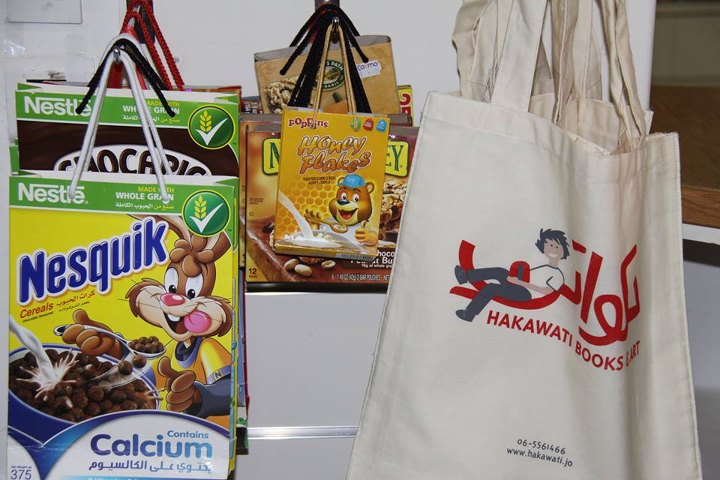
Recycled shopping bags

Getting into the habit of recycling whilst you are at college can set you up with a good habit for life. No matter what kind of products you are using, it’s important to always be mindful about what can be re-used, and the trash that you can save from being put into a landfill. Paper and cardboard, plastic bottles, tins, cans, and food waste can all be recycled and re-used in various ways. At home, it’s a good idea to use a few different trash cans, so that you can easily separate your recyclable and non-recyclable waste without having to put any more effort in than usual. Don’t forget about the things that you can recycle yourself, either, such as taking old bags back to the grocery store to use again, or refilling your water bottles.

#3. Unplug

If you’re studying from home for your online MPA program, then you might find that you’re using more power than usual by keeping the light on when needed, or charging your gadgets all day so that you are able to work. However, the good news is that even busy remote students can find ways to easily reduce the amount of power that they use, without it cutting into their valuable time. For example, it’s a great idea to invest in a surge protector for your electronic gadgets; this will enable them to charge when needed using the minimum amount of power needed and you can simply flip the switch when you leave the room to turn them off. In addition, you can use energy saving lightbulbs and appliances around the home to keep your energy use to a minimum without even having to think about it.

Did these tips help? Let us know in the comments.

Bhok Thompson
Bhok Thompsonhttp://www.greenprophet.com
Bhok Thompson is an “eco-tinkerer” who thrives at the intersection of sustainability, business, and cutting-edge technology. With a background in mechanical engineering and a deep fascination with renewable energy, Bhok has dedicated his career to developing innovative solutions that bridge environmental consciousness with profitability. A frequent contributor to Green Prophet, Bhok writes about futuristic green tech, urban sustainability, and the latest trends in eco-friendly startups. His passion for engineering meets his love for business as he mentors young entrepreneurs looking to create scalable, impact-driven companies. Beyond his work, Bhok is an avid collector of vintage mechanical watches, believing they represent an era of precision and craftsmanship that modern technology often overlooks. Reach out: [email protected]

Read More

TRENDING

How Responsible Tourism Could Help Protect the World’s Last Wild Places

From Antarctica and South Georgia to the Galápagos and Thailand, fragile destinations are finding ways to manage tourism without shutting visitors out. Visitor caps, conservation fees, biosecurity rules and controlled access can reduce environmental damage while helping fund the protection of wild places.

How Slow Travel Is Changing the Way We Explore

From trekking fees in Nepal and wildlife conservancies in Kenya to visitor limits in Patagonia and strict Arctic rules in Svalbard, responsible adventure travel can help fund conservation, protect habitats, and create sustainable income for local communities.

How Responsible Adventure Travel Can Protect the World’s Wild Places

From trekking fees in Nepal and wildlife conservancies in Kenya to visitor limits in Patagonia and strict Arctic rules in Svalbard, responsible adventure travel can help fund conservation, protect habitats, and create sustainable income for local communities.

Here is how Europe is still buying Russian gas

Greek-linked shipping vessels transported an estimated €2.35 billion worth of Russian Arctic liquefied natural gas to European ports during the first seven months of 2026, according to new analysis from Urgewald, a Germany-based environmental and human rights organization that investigates the financial institutions and companies supporting fossil fuel and other environmentally damaging industries.

Ancient Jewish New Year for Animals revived with global campaign against factory farming

Jewish Vegan Life has launched a global campaign celebrating the New Year for Animals, with synchronized events in Washington, D.C., Los Angeles, Pittsburgh, Montreal and Jerusalem, alongside an international livestream on August 9 featuring partners including Mercy for Animals, The Good Food Institute and Freedom Farm Animal Sanctuary.

The Essential Guide To Sustainability in Project Management

Sustainability is an approach where businesses and individuals balance the environmental, social, and economic aspects of a project such that current and future stakeholders are not overburdened with the impacts of the project in future.

Yerukim Forms a New Green Economy Where the Money is Really Green

The Yerukim members who pick up the recyclables get to keep the monetary reward, the public earns "green" bills that can be used in shops, and business owners get to be associated with environmentalism.

Choosing Riyadh over Dubai? What Investors Should Know

Saudi Arabia is deploying capital at unmatched scale to catalyze tourism and advanced industry while rewiring its power-and-water backbone. The investable frontier is widening—especially in renewables, grid storage, water efficiency/desal retrofits, and hospitality operating platforms. Prudent investors will insist on phased delivery, enforceable KPIs (energy, water, biodiversity), and RHQ/zone compliance—while pricing political-economy and reputational risks alongside growth upside.

Sell your cooking oil for biodiesel money

Want to make money on old french fry oil? Sell it.

Qatar Alternative Energy Summit Pairs Investors And Innovators

Alternative energy investors and innovators can meet n' greet in Doha, Qatar March 16 and 17.

Here’s How To Implement The Four Pillars Of Employee Engagement

If you throw a party for your work team and they are vegans, don't make it a barbecue. Know the sustainability values of your team to boost moral and retain good people.

Locals From Rishon Fight IKEA

Big Box stores are a pretty new concept in Israel, and thank God that not every Israeli city wants them in their backyard. A word from someone who has see the beautiful farmland around her hometown Newmarket, Ontario stripped and converted into vulgar strip malls of big box shops: they have no place in a healthy and sustainable town or city.

The Jewish National Fund Meets An Inconvenient Truth

According to the JNF, it has transformed thousands of acres of barren land into green forests in Israel. They state that each person emits about 23 tons of carbon per year, estimating that each tree planted can absorb one ton of carbon in its lifetime. That's a whole lot of trees you'd need to be planting. Could so many fit in Israel?

Popular Categories