Home Blog Page 770

How divers can overcome fears and become more green

0
coral reefs, free diving
Climate change is heating our seas so less oxygen can be absorbed. What does this mean for reef health?

How can you set your professional dreams in motion if you have mountains of fear to overcome? For some it may be quitting one’s job to start up the new “green” home business, for others it may be as simple as asking the boss for a raise.

For me, as an environmental journalist dreaming about marine biology and reporting on coral reefs, I didn’t have to overcome my fears, I needed to dive straight into them and walk the walk, or rather, swim the walk – by getting my diver’s certification in order to see my subjects first hand.

Fortunately, I had a loving friend by my side, who reminded me before embarking on my first dive, the words of the Jewish sage, Rabbi Nachman, “The whole world is a very narrow bridge, and the most important thing is not to be afraid!

These are words I would come to know quite well, and take to heart, as I made my first dive.

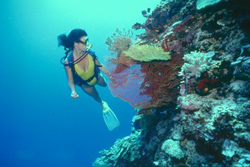
Underwater, the refraction of light made everything look bigger – especially my fear of drowning. Knees on deep sea-sand, small squares of lead weights holding my body down 18 metres below, in a place where birds never get to fly, I was petrified.

Breathing slowly like my Yoga teacher once taught me was something I was thankful for learning.

Before my first dive off the small island of Koh Tao (Turtle Island) in Thailand, I had tried to prepare myself on the beach – where I compared hypothetical ocean depths to the height of trees, spying through the gap between my forefinger and thumb as a way to estimate how low I would need to go.

Despite the panic swelling up inside of me due to the treacheries of diving we had learned in the classroom, such as decompression sickness, dangerous sea animals, and the possibility of our lungs swelling up like balloons and then bursting, I wanted to be a diver.

As a journalist keen on writing about marine biology and environmental science, I needed that passport to change theory into practice.

How could I speak about the dying coral reefs and polluted marine life if I had never been to any great depths?

But with my head underwater and breathing through the lifeline of my scuba gear, dreams of marine biology were swept away with the current. Once submerged, survival was the only thing I was concerned about.

I clamped my teeth down on the regulator, which supplied a steady flow of oxygen, and reluctantly let the air out of my BCD. My body sank slowly.

As we descended deeper, I watched our spent air rocket to the surface in the shape of silver-coloured mushrooms. The fish, blasé about their natural talent to breath underwater, appeared to be mocking me. One white fish the size of my hand caressed my arm in support.

The dive instructor then prompted our group of six, one at a time, to flood our masks. In order to earn a license, he told us, one must be able to demonstrate a familiarity with water and the ability to perform certain tasks underwater should we get caught on seaweed, run out of air or lose our masks.

As I watched the others remove their masks without hesitation, my breathing became quick and sharp. Water was already threatening to enter my nose; panic swelled inside my chest. I was going to die.

Biologists call it the “fight or flight reaction” of the sympathetic nervous system – my body’s physiology changing abruptly from a perceived threat. What would I do? The flight option sounded most appealing.

The swaying rope we slid down suddenly seemed inviting. I, on the edge of extreme panic, was separated from the world by a wall of time: when diving one must never swim quickly to the surface, or hold one’s breath. To go up would need to be controlled and with caution.

In that case, better to just get a hold of myself on solid ground, I reason, even if the ground is covered in water. Maybe a million years ago, this sand was actually soil in a forest.

In truth, I ached to join the bubbles on the surface where they broke and where my body would have been free to laugh out loud, cough, and breathe though its nose.

There was no way to speak to tell my instructor I needed time. I faced him, pupils dilated, as he waited for me to release the edges of my mask and let the water well up inside.

Switch breathing to your nose, I told my brain. But the panic had set in and my breathing became too fast to control with Yoga exercises. The instructor grabbed my vest and with two hands held me on the ground. Underwater or above, the ground felt solid. The instructor’s hands were on my heart and an overwhelming rush of love for humanity and nature overtook me.

“The whole world is a very narrow bridge, and the most important thing is not to be afraid!” said Nachman in my head, reminding me as a Jew by choice I have joined a community of people who only through miracles by the hand of God and facing their fears have survived for centuries, against the odds.

Needless to say, I lived.

For the second dive, the sea was rough, but a rainbow arched across the sky. Sinking down into the water, I saw that narrow bridge materialize, in the form of a sunbeam penetrating through the blue.

This time, all the tests my instructor asked me to accomplish underwater were done with ease.

“Our dive club used to volunteer to clean up the reefs,” said my instructor nonchalantly, swimming beside me after the dive. “Rising gas prices and the fact that other dive clubs backed out of the project was the reason why our group stopped helping out. There are a few important marine protection groups here on the island you should check out,” he continued.

“And,” he added, “How about a fun dive at 30 meters tomorrow?”

What’s that? A dive for fun? He’s treating me like a diver, I said to myself as I lugged my tank towards the boat, energized. I was now a diver, having faced my fears and found my faith.
Walking tour for a sustainable Israel

0

Hiking, Tunisia, travel, nature, MENA, eco-tourism, eco-lodge, biomimicry

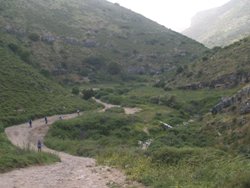
With spring just around the corner, the weather in Israel is perfect for enjoying the outdoors and getting back to nature. Try these 10 eco day trips around Israel for starters.

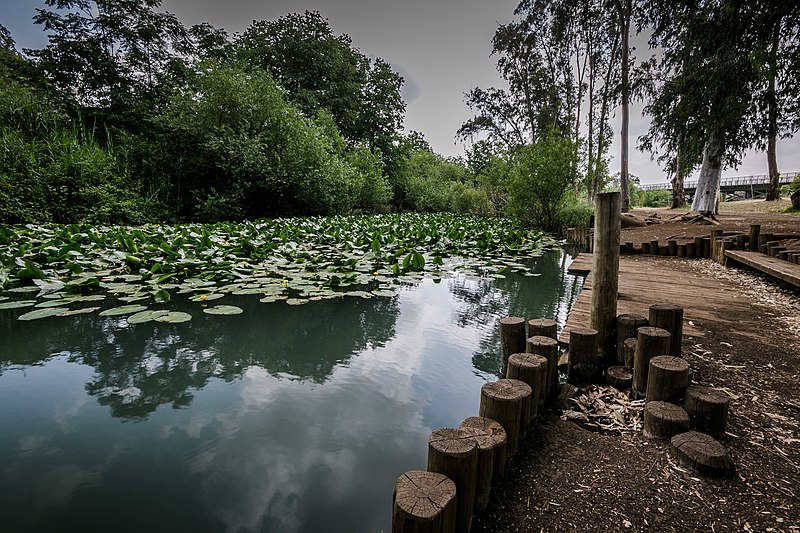
water lily park, Israel
Water lilies in Tel Afik

Before the short, but icy winter melts into the fierce summer heat, Israel’s Heschel Center for Environmental Leadership will be teaming up with Hazon in New York for a four-day hike along the northern stretch of Shvil Yisrael, the Israel National Trail next week (23 to 27 March).

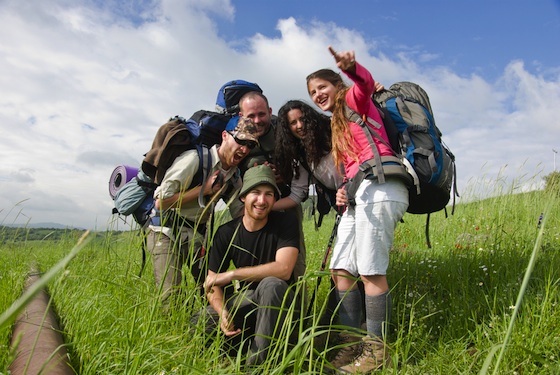
Walking For A Sustainable Future For Israel will bring hikers from across the world to experience some of the most breathtaking natural spaces in the country as well as to support the two environmental organisations.

Starting from the Dishon Valley not far from the Lebanese border, the trek will run to the Sea of Galilee, taking in the Amud River as well as the ancient city of Tzfat and Mount Meron, the highest peak in the Upper Galilee, on route. Wow.

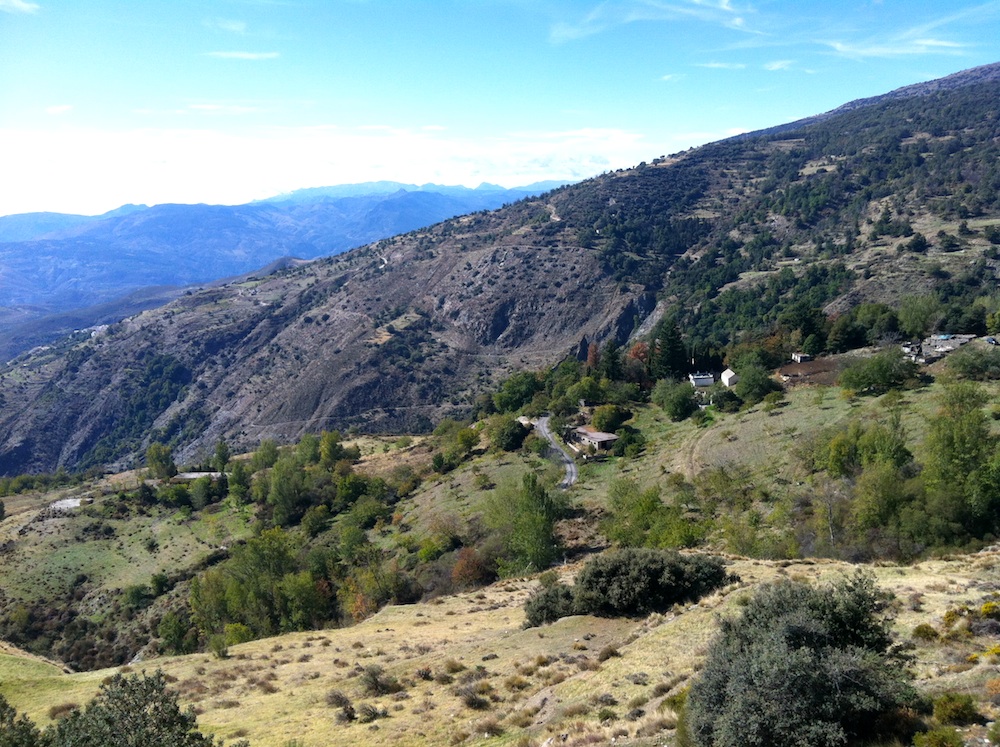
Hiking, Travel, Nature, Heartbreak, Spain, Sierra Nevada Mountains

A limited number of places are still available for the hike as well the popular Hazon/Arava Institute Israel Bike Ride that happens in Israel every year. Israel is certainly best experienced on two-wheels or by foot so, needless to say, I’m a little green with envy of the hikers. Maybe next year!

Related Prophecies: Pedal Power, Get on Yer Bike in Tel Aviv.

Greenpeace, Israel, Chernobyl and Thoughts on Nuclear Power

3

chernobylmain250.jpgAt the beginning of my teenage years in Canada, I remember my mother talking in hushed tones about Aunt Hana, who suddenly and mysteriously starting feeling strange aches and pains in her body. Doctors couldn’t find a systemic cause for her ailments, until she traced back dates to when she was last in Poland visiting her mother.
It was confirmed. She was there during the Chernobyl nuclear explosion.

Poland was not immune to the effects of the Chernobyl nuclear disaster that spat radioactive dust across the northern hemisphere landing as far as Ireland, Scandinavia and Israel.

For years after the blast originating in the Ukraine, Westerners were told not to consume wine and foodstuffs from the Ukraine, Belarus and Russia – for fear of subjecting oneself to untold amounts of nuclear radiation.

Do I really need this?

0

Ever have the gimme gimme’s? Hyper-consumption is a major contributor to environmental degradation. By getting in the habit of asking ourselves the question “Do I really need this?” each time we see something that catches our eye we can lessen the impact on the planet and save a ton of cash too.

Weekly Prophecies: The Roundup

0

  • Check it out: A solution to all that trash.
  • Do the words “business” and “green” sound antithetical to you? Read on.
  • Now you can wear your favorite banner advertisement on your purse. Forever.
  • Claudia waxes rhapsodic about a new organic restaurant in Tel Aviv. It’s all about the buckwheat dumplings!
  • Here’s what we bet is news to you: Israel has enough water. According to one researcher, that is.
  • In more water news, China is turning to Israel to help solve their water crisis.
  • Ruthlessly uprooted art in the heart of Tel Aviv.
  • But to counter that, a green art initiative in Tel Aviv springs up on Rothschild Blvd.
  • Here’s something we bet you never heard growing up: Have a healthy, sustainable Purim!
  • The Ecomum points to all the chemicals that are bad for your baby, and offers some tips on how to avoid them.
  • The leisurely life is the good life: Karin’s vacation in Costa Rica is food for inspiration.

Green Building or Greenwashing in Kfar Saba?

1

kfar-saba-green-greenprophet.jpgSlowly, but surely Israel is catching on to the idea of green building. We are wondering if the Israeli-style new “green” building neighborhood set to take over 650 dunams of land in Kfar Saba is really as green as it boasts.

A while back we read about single-family homes to be built there (a la white picket fence middle America suburbia) replete with tree-lined neighbourhoods and recycling and compost compartments built into the kitchen. Although solar energy panels were mentioned, implementing green technologies and concepts does not necessarily green a building or neighborhood make.

Israel is too small to keep developing its open spaces. We’d like to see a movement happening, where more people are encouraged to go green in the city — by revamping old apartments into shiny new green abodes. Have any good ideas to make this happen?

::JPost

Slow Down, You Eat Too Fast (All About the Slow Food Movement)

sloth-slow-food-slowfood-greenprophet.jpgAll the life of a sloth. Karin talks about all she knows on the Slow Food Movement.
Have you ever had the pleasure of watching the life of a lazy sloth? In Costa Rica on the Pacific shore near a busy surfing village, I rented a room in a small hotel for a week. There I watched the slowness of a sloth with curiosity and envy. For days she sat perched above my balcony in a large tree chomping slowly on its leaves.

In the room beside me was a writer looking to complete his next novel, on the other side was a surfer waiting to catch the next big wave. I, on a break from university, was looking for enlightenment and love.

In the hopes of finding some answers I took interest in the sloth who appeared, unlike those around her, to have no great aspirations in life.

Green Your Microwave

2

Microwaves are great cooking tools, they might not be the healthiest way to go but they sure do save time. Here are some tips to keep that cooking green:

The greenest, and safest, way to cook in a microwave is to cover your food using oven-safe glass cookware, which eliminates waste and the potential for chemicals leaching from plastic wrap.

“Microwave-safe” containers only means that the plastic won’t melt or crack in the microwave, but doesn’t guarantee that it won’t leach chemicals into your leftovers.

If you DO use plastic, only loosely cover your food, allowing steam to escape, and NEVER let plastic wrap touch food directly.

Only use ink-free paper towels in the microwave. Most printed paper towels use non-food-grade inks. (blech)

Never cover food with plastic bags, aluminum foil, grocery bags, or newspapers.

9 ways to keep baby safe from harmful skin care products

4

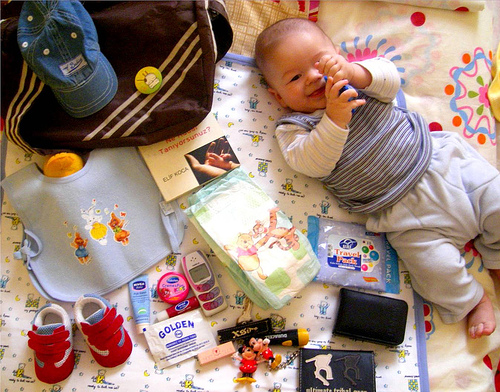
baby with bag of stuff

In previous stories we covered baby food and nursery furniture. Next on the list are those beautifully packaged and very enticing creams, soaps, lotions and wipes, which us as new moms are bombarded with and sometimes feel that our children will not survive without.

Baby toiletries are one of our biggest pet hates, they are a waste of money most of the time and off the shelf products are full of undesirable chemicals.

So what to do? Well at the risk of repeating ourselves, this will save you money and the environment, and be ever so kind to your health.

First: Quit the baby wipes! They are one of the most intrusive products around. Sure they clean your baby’s bottom, but what exactly are they leaving behind? Let’s have a look:

A Healthy, Sustainable Purim

1

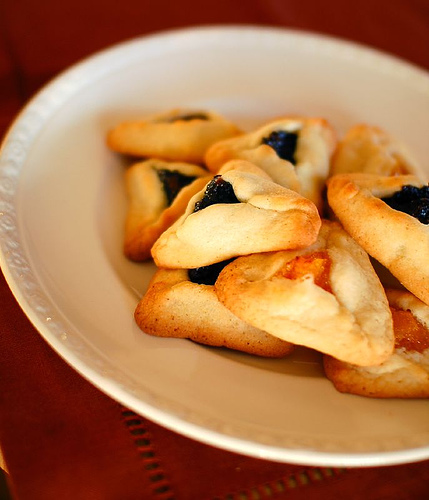
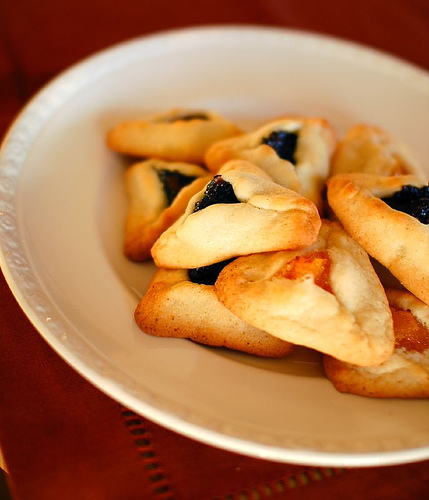
hamentashen-purim-green-prophetFood is never something lacking at Jewish celebrations, but, like most things in life, their environmental footprint keeps expanding, whether the factory-farmed chicken that ends up in the soup pan, or the throwaway plastic cutlery destined to spend the next few centuries in a landfill site.

Our friends at Jewish eco-NGO, Hazon, have devised a guide for a healthy, sustainable Purim that brings together traditional Jewish faith with modern concerns about unsustainable consumption. Purim is also an occasion when booze flows freely, so their tips come well in advance of the festival itself, which starts on Thursday 20 March.

Green Space

0

One way of greening is economizing space and where better place to economize than than in your own home… Here are a few tips for making your home bigger:A flat screen mounted on the wall eliminates the need for a TV stand or armoire, it also looks sleek and great!Paint the walls and ceiling in a continuous color to make the room seem taller. Paint moldings, doors and the like in the same color as the walls. Strongly contrasting elements chop up the space.Miltitaskers: A daybed that converts into a comfy guest bed, for instance, is a great space saver that precludes the need for another piece of furniture.Use furniture that is scaled appropriately to the room. For example, an oversize sofa will eat up too much space in a small room.Provide good illumination, which will enhance the sense of space.
Tel Aviv’s Rothschild Boulevard Just Got a Little Greener With Dani Karavan

1

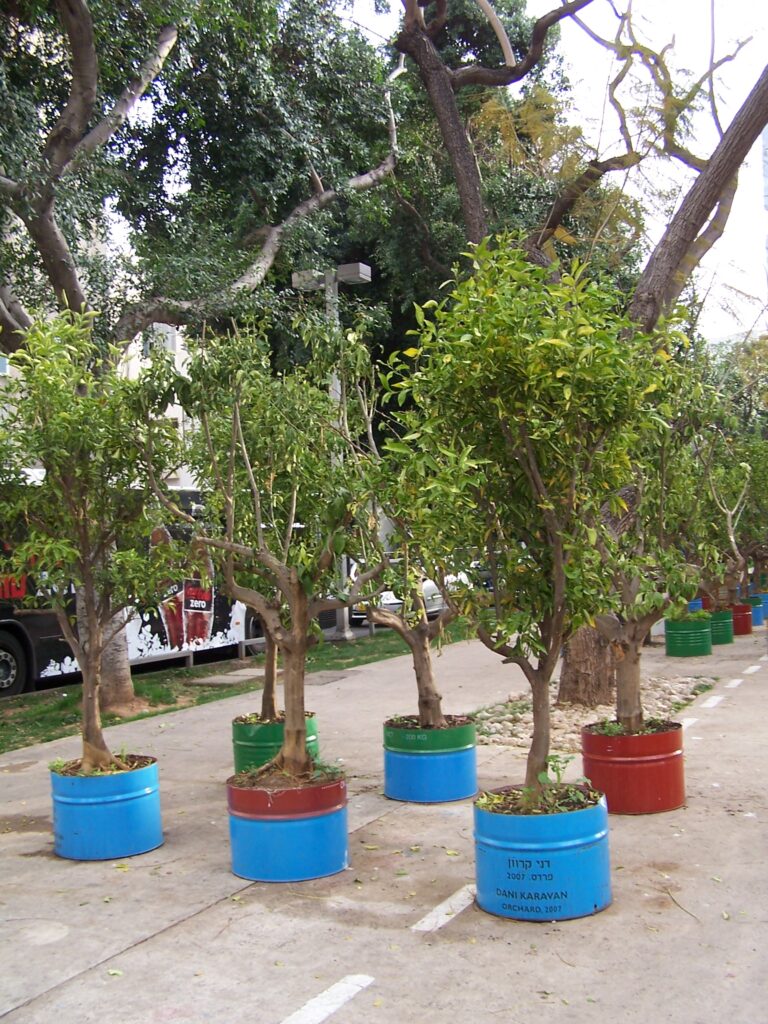
Dani Karavan, Orchard, 2007

Rothschild Boulevard has always been lined with trees, but anyone walking on Rothschild Boulevard between Bezalel Yafe Street and Yavne Street during the past couple of weeks may have noticed a special influx of greenery.

Lined in the center of the boulevard, this collection of trees is a special site-specific installation by Israeli environmental sculptor, Dani Karavan.

The installation, titled Orchard, was created by Karavan to accompany his recent retrospective at the Tel Aviv Museum of Art, and was displayed outside of the museum throughout the duration of his exhibition. Orchard is now part of an initiative called Well Houses: Disappearing Palaces of Jaffa which attempts to preserve the historical and cultural importance of the city’s wells.

Bialik Square Loses Famous Centerpiece

3

bialik-square-1.jpg

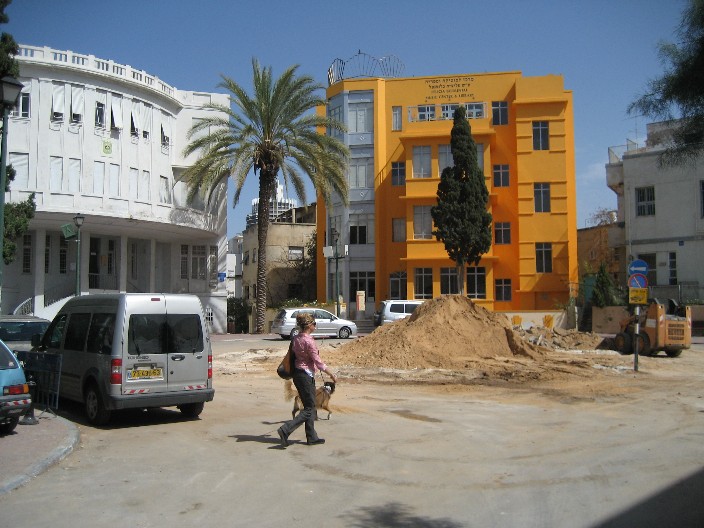
The colorful sculpture that once graced Bialik Square in the center of Tel Aviv is no more. The sculpture, designed for the square by artist Nahum Gutman in the 1970’s, rose out of a circular fountain and recounted 4000 years of Tel Aviv-Jaffa history in tiled mosaics. Today, a pile of dirt sits in the middle of the square, and Gutman’s piece sits, disassembled, in storage. Later this year, the city plans to reassemble the sculpture and move it to Rothschild Boulevard.

City authorities told Ynet (Hebrew link) that the decision to remove the sculpture was made a year ago, in coordination with the Gutman family, which supports the move. The reason for moving the sculpture is the fact that it partially blocked the facade of the old city hall building, which is slated for renovation and will house the Museum of the History of Tel Aviv-Jaffa. In place of Gutman’s mosaics, a “biological pond,” similar to the pond that existed pre-Gutman, will become the square’s new centerpiece.

Water Pact Between Israel and China

1

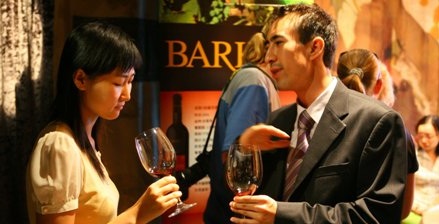
china-israel-wine-green-prophet-water-coop.jpg

Hebrew University, sent Green Prophet this press announcement today. Water seems to be the talk of the town these days:

Possessing only 6.2% of global freshwater resources to supply 21% of the world’s population, China’s severe water shortage has become one of the most pressing dangers the country faces, threatening its fast-growing economy.

Despite its vast water reserves, China is quickly running out of its most vital natural resources due to rampant industrial pollution and inefficient use. Today, 70 percent of running water in China’s cities is unfit for drinking or fishing and around 300 million rural Chinese currently drink polluted water.

Water-a-Plenty – Even in Israel?

3

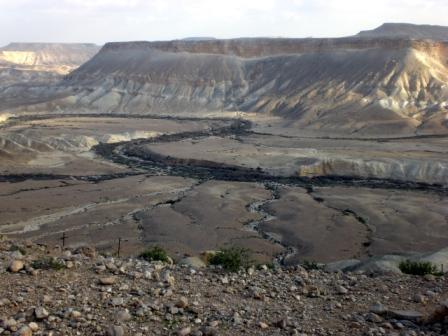
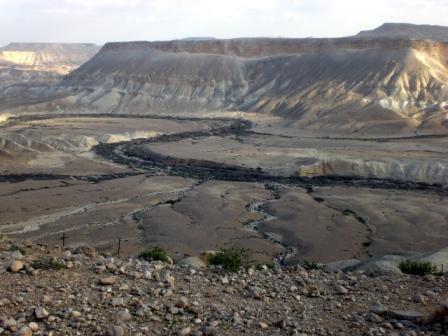
water-desert-green-prophet

 We’re accustomed to the doom-and-gloom prophecies of Israel’s chronic water shortage and how the thirst of the growing population of a country that is over 50% desert is going to crash and burn one day in the future. So it came as a shock to the system to hear Machiavellian German hydrogeologist, Clemens Messerschmid insist that, “Israel has plenty of water for everyone.”

Apparently Jerusalem has more rainfall each year than Berlin and the Palestinian city of Ramallah, 20 minutes drive north of Jerusalem, is wetter than Paris.