

(Flickr image credit: shlevich)
Though not a significant supplier of alternative energy, yet, Israel is just about to get a little greener. The country aims to have 5% of its national energy supply come by way of the wind by 2012. Seems like it is on the way. According to Globes, the Public Utilities Authority has granted a license to mineral water company Mey Golan (Wind Energy Development) to build a $500 million 400 MW wind farm spread over 140 km of the Golan Heights — about 150 turbines. Haaretz reports the deal is worth $600 million and that Mey Golan will partner with US energy giant AES Corporation.
The turbines will be constructed between Majdal Shams and Alonei Habashan, predominantly within privately owned orchards in both Jewish and Druze villages.
Mey Golan (alternately known as Mei Eden, Mey Eden or Eden Springs) is the same company that built Israel’s first wind farm more than 15 years ago in 1992 at Tel Aseniya, also in the Golan, where ten turbines generate 6 MW of energy, which goes to “wind power” local factories and about 20,000 people; the rest goes back to the national grid. The wind power supplies power to Mey Eden water factories as well as the Golan Wineries.


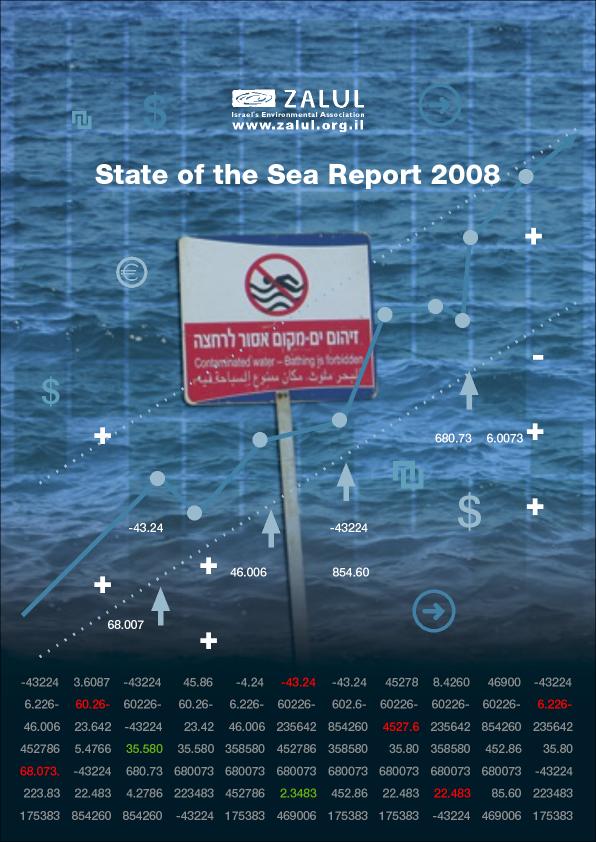
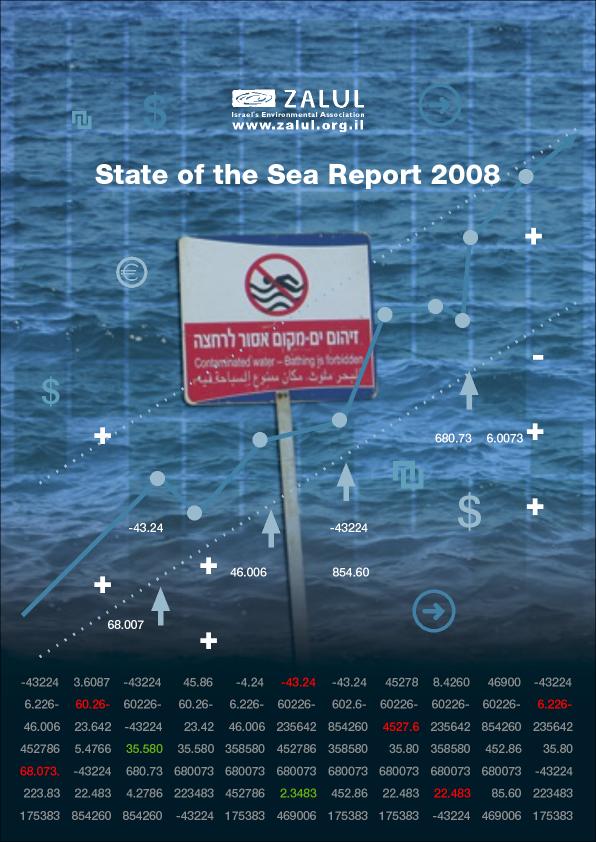 Zalul, the non-profit marine NGO, has released it’s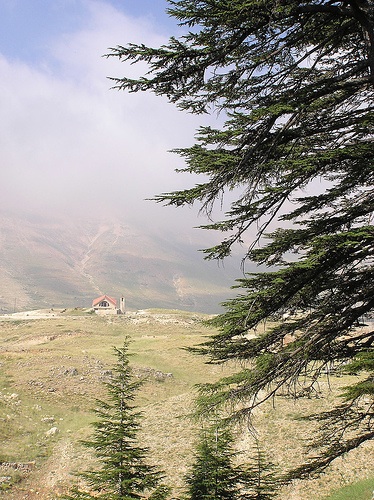

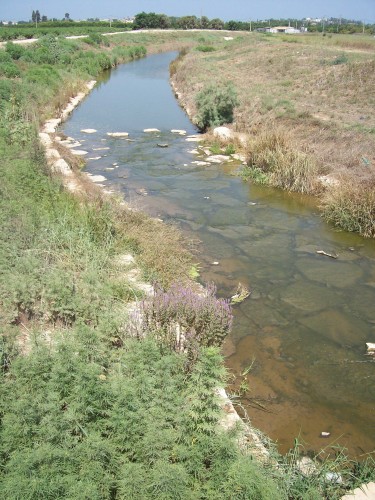


.jpg) We are undeniably in the thick of
We are undeniably in the thick of 






 Okay, first the bad news.