Home Blog Page 73

Innovative conservation action urgently needed in the Amazon

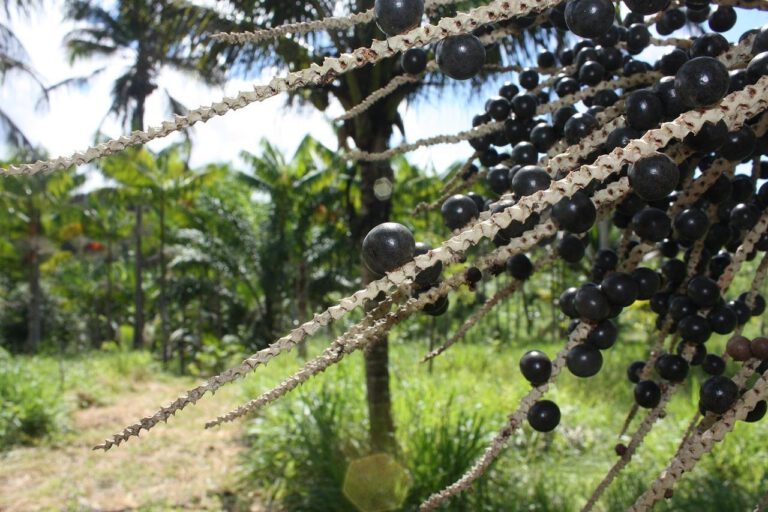
Acai fruit needs conservation

While efforts to curb illegal deforestation in Brazil are bearing fruit – the South American giant slashed forest loss by 36% last year – alarming signs continue to emerge concerning one of our planet’s most important biomes. Recent analysis shows that in some parts of the Amazon rainforest, wildfires in February exceeded average levels by a factor of five, with Marcio Astrini, the executive secretary of Brazil’s Climate Observatory, even cautioning dramatically that we are losing the Amazon rainforest.”

The fires, experts have warned, are being fuelled by deforestation and extreme drought exacerbated by the return of El Niño but ultimately resulting from climate change – an ecological plague which will only worsen should the Amazon be lost as a carbon sink. Earlier this year, scientists published a study warning that this vital rainforest is approaching a tipping point, notably concluding that nearly half of the ‘planet’s lungs’ could be threatened by mid-century in the absence of significant intervention to address the interconnected menaces of climate change, drought and deforestation.

The Amazon is too important to fail

Given its significant, irreplaceable contribution to our planet, the Amazon simply cannot be lost. Spanning nearly seven million square kilometres – roughly the surface area of Australia – the South American rainforest’s monumental size allows it to act as one of the world’s largest carbon sinks. According to University of Sao Paulo scientist and deforestation researcher Carlos Nobre, the Amazon stores over 150 billion metric tons of CO2– half of which is absorbed by its trees, which represent some 20% of vegetation-captured carbon globally.

Concerningly, deforestation and wildfires are releasing significant amounts of its stored carbon back into the atmosphere, with the Amazon now a net emitter of CO2. Beyond its climate warming impact, this release of carbon is triggering more intense droughts, creating a vicious cycle that threatens to degrade the Amazon into a Savanna-like grassland habitat if action is not taken—with devastating consequences for the environment, including rain cycle disruption spanning the wider region, widespread animal and plant biodiversity loss, and the inability to meet the Paris Agreement’s global warming and emissions reductions targets.

New conservation model for fight ahead

Under these circumstances, dramatic action will be needed to turn the tide. This gargantuan undertaking must notably involve a new breed of forest conservation projects that take into account the needs and economic realities of local communities, such as the Mejuruá Project, highlighted in a recent opinion article penned by Rubens Barbosa, former Brazilian ambassador to the U.S. and to the U.K.

Noting that conservation efforts incorporating this social, community-focused model remain in short supply, Barbosa has qualified Mejuruá as “one of the most innovative projects” yet announced in the Amazon and a “paradigm to be replicated” in endangered ecosystems around the world. Based in the Carauari, Juruá, and Jutaí municipalities in the heart of the State of Amazonas, Mejuruá is combining sustainable forest management, biodiversity protection and socioeconomic initiatives across a 903,000-hectare area of tropical rainforest; as Barbosa emphasized, the project is anchored in an overarching ambition to “support local communities, including indigenous people,” in generating sustainable value from their wealth of natural resources. 

The project is built on the conception that the only perpetual sustainable formula to preserve forest is centred on local communities’ education (including indigenous people), employment and governance participation. Furthermore, according to this new paradigm/model, the project is required to build also the infrastructure (equipment, saw mill, bio-energy plant, port, roads, schools, digital connection, etc.) that allows to carry out all activities aimed to actively preserve the forest, support bio-diversity conservancy and ensure long-term social and economic development for local communities.

Drawing on its biodiversity-rich land and strong local partnerships, the Mejuruá Project will create green jobs for the surrounding communities – including in the production of biomass energy and açaí berries – while implementing what Barbosa describes as a “self-sustainable economic profile” that will simultaneously ensure residents’ long-term social empowerment and ecosystem conservation. 

Holistic interventions leading way forward

Indeed, offering local communities such a sustainable economic lifeline is key. The Brazilian Amazon is one of the country’s most deprived regions, which has long left many residents with no viable alternatives to abandoning damaged farmland and clearing ever greater swaths of forest area, thus exacerbating soil degradation, hindering climate action and undermining livelihoods.

The careful, sustainable cultivation of crops like açai and cacao can lift countless families out of poverty while avoiding large-scale deforestation. Soaring international demand for açai in recent years has provided a significant economic boon for local Amazonian farmers; however, with intensive practices emerging as a new biodiversity threat, conservation funding – such as the Soros Economic Development Fund’s recent $15 million investment in the Amazon Biodiversity Fund (ABF) – should support small regional businesses producing within their ecosystem’s natural boundaries.

Complementing sustainable agriculture is the direct fight against illegal deforestation, with innovative interventions increasingly drawing on advanced monitoring technologies. The Brazilian Government is notably using satellite imagery provided by Planet, with the country’s Federal Police receiving daily detection alerts and precise geolocation to inform their targeted crackdown on illegal environmental activity. When paired with artificial intelligence (AI), satellite solutions allow authorities to access and analyse vast quantities of real-time forest data, with initiatives such as Project Guacamaya in the Colombian Amazon showcasing the revolutionary potential of tech-enhanced conservation efforts.

Reducing systemic drivers of environmental degradation in the Amazon, such as conflict, remains an equally crucial piece of the puzzle moving forward. Following years of accelerated deforestation driven by armed groups amid environmental conflicts and an ineffective military response from the Colombian Government, researchers from Del Rosario University have developed a novel approach to this crisis, offering local communities and governments new conflict resolution tools to bring lasting peace and curb deforestation in the region.

By combining this wide range of future-fit conservation initiatives with high-level political cooperation – exemplified by the new €1 billion Franco-Brazilian investment programme announced during President Macron’s state visit in March – international efforts to save the Amazon will hopefully rise to the occasion and preserve this critical biome for generations to come.
Late-stage cancer treatments may be unnecessarily wasteful: new US study

When should you switch from active treatment to palliative care? A new study gives answers.

If anyone who has ever had cancer or who has helped someone with the disease, any ray of hope pushes you forward to finding a new miracle treatment. But looking at numbers of late stage cancer treatments and outcomes, a group of researchers suggest most interventions do not help bring forward a positive outcome.

The study came out of Yale Cancer Center (YCC) and The University of Texas MD Anderson Cancer Center.

The study, which joins a growing body of research on end-of-life cancer treatment, published May 16 in JAMA Oncology.

The results were based on examination of health records for 78,446 adult patients from 280 United States cancer clinics between 2015 and 2019. The study focused on patients with metastatic and advanced tumors in six common cancers: breast, colorectal, non-small cell lung (NSCLC), pancreas, kidney, and urothelial.

“We wanted to find out if oncologic treatment of very advanced tumors is associated with improved survival or if there are times when it’s futile to continue care and instead oncologists should shift focus to palliative and supportive care,” said Maureen Canavan, PhD, associate research scientist, first author of the study, and a YCC member.

The researchers combed through patient health records to learn whether those with advanced disease who received systemic treatments — such as immunotherapies, targeted therapies, or hormonal therapies — benefitted by having better survival rates. They did not, the researchers found.

The findings revealed no statistically significant survival benefit for patients treated at practices that used more systemic therapy compared with those that used less. This finding was observed across all cancer types studied.

“Since we don’t see an improved survival benefit, oncologists should revisit their goals of care conversations with patients, and this information in the study should be explained to patients,” said Canavan, who is also an epidemiologist at the Yale Cancer Outcomes, Public Policy, and Effectiveness Research Center (COPPER). “We hope this information can help inform oncologists when they are deciding whether or not to continue treatment or transition patients who have metastatic disease to supportive care.”

The recent study builds on their previous 2022 work, also published in JAMA Oncology, that charted a gradual decline in chemotherapy use at end-of-life, but a corresponding uptick in use of the newer immunotherapy treatments. That study reported that the use of systemic treatment overall held steady at 17% in that time period (2015 to 2019).

The current study concluded, as have others, that oncologic treatment at end of life deserves re-evaluation. By identifying when additional therapy may be futile and improving communication skills around goals of care, oncologists may be able to better align treatment with patient preferences and improve end-of-life care.

Colossal Biosciences and Re:wild Unite To Rewrite the Future of Conservation

0
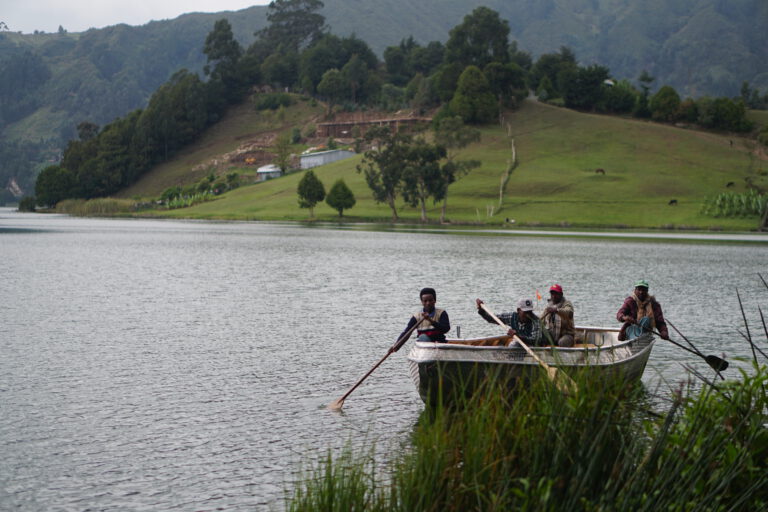
Lake Wanchii rowboat
Rewilding in Ethiopia

In a landmark collaboration, Colossal Biosciences and Re:wild have joined forces to tackle the global extinction crisis head-on. The partnership was unveiled during a recent virtual discussion moderated by Lindsay Nikole, a zoologist and science communicator on Colossal’s Youth Advisory Board. The conversation, which featured Matt James, chief animal officer at Colossal Biosciences, and Barney Long, senior director of conservation strategies at Re:wild, shed light on how the two organizations seek to revolutionize species conservation by merging cutting-edge de-extinction technology with proven conservation strategies.

Colossal Biosciences, a biotechnology powerhouse based in Dallas, is at the vanguard of applying advanced genetic technologies to conservation. With a team stacked with Ph.D. researchers specializing in genetics, genomics, and cell biology, Colossal is pioneering innovative tools to resurrect extinct species and fortify the populations of those teetering on the brink of extinction.

During the discussion, James declared, “Our mission is to make extinction a relic of the past. By harnessing the power of cutting-edge science, we are developing solutions that can have a profound, tangible impact on species conservation. This partnership with Re:wild allows us to channel our expertise and resources into projects that can make the greatest difference.”

Re:wild, a globally respected conservation organization, brings decades of experience protecting and restoring the planet’s most vulnerable species and ecosystems. Long emphasized the urgency of the partnership in addressing the mounting challenges facing biodiversity.

“When we started talking to Colossal, the idea of using new technologies, bringing in new tools into our toolbox to help these species, looking at those conservation breeding programs and how we can speed them up through some of these technologies or restore lost genes into populations to kind of walk back inbreeding, et cetera, just opens up a huge amount of really exciting possibilities and new tools in our toolkit for saving and recovering endangered species,” said Long.

Colossal Biosciences and Re:wild’s 10-Year Plan

living ark coral bank rendering outside australia
The Living Coral BioBank, a method for helping coral reefs rewild

The partnership’s ambitious 10-year plan, as discussed by James and Long, aims to prioritize projects that can deliver the most immediate and profound impact on species conservation. However, the success of these initiatives hinges not only on scientific breakthroughs, but also on the engagement and support of local communities.

“It really starts with the local stakeholders,” said James. “They must be on board, not just on board, but a part of the solution and they must benefit from the solution. So that’s really where projects like that advisory committee are coming in. It’s becoming a model for the way that we’re going to move forward with almost every program that we have.”

The alliance between Colossal Biosciences and Re:wild comes at a critical juncture in the global fight against biodiversity loss. According to the International Union for Conservation of Nature, over 44,000 species are currently threatened with extinction, representing 28% of all assessed species. This staggering figure underscores the urgent need for innovative solutions and collaborative efforts to stem the tide of species loss.

As the partnership takes shape, the conservation community is watching with keen interest. The prospect of reviving extinct species and bolstering the populations of those on the precipice of disappearance has ignited the imagination of conservationists worldwide.

The partnership’s impact is set to extend far beyond the confines of individual species. By pioneering new technologies and methodologies, Colossal Biosciences and Re:wild are laying the groundwork for a new era of conservation — one that is proactive, adaptive, and deeply rooted in the power of collaboration.

“One of the things that we’re really troubled with, which is a great problem to have, is that we have so many different potential projects that we could focus on so many ways that we could apply our technologies in a meaningful way to species in need,” said James. “But that becomes a prioritization challenge. And Re:wild is one of the leading organizations in the world when it comes to conservation planning and implementation.

“And so early on we identified Re:wild as someone that we should be aligned with, somebody that we could work closely with in order to provide guidance for how we can leverage technologies in the most meaningful way for nature. And so my first few conversations with Barney were really exciting. It’s sort of kid in the candy store stuff when we start talking about where could we go with these things, what are the dreams we both have for species?”

As the world grapples with the accelerating loss of biodiversity, the alliance between Colossal Biosciences and Re:wild offers hope. Their bold vision and unwavering commitment to species conservation serve as a clarion call for all those who refuse to accept extinction as an inevitability.

As the partnership embarks on its groundbreaking journey, the eyes of the world are upon them. With their combined expertise, passion, and determination, Colossal Biosciences and Re:wild are poised to reshape the landscape of conservation and offer a lifeline to countless species that were once thought lost forever. The future of biodiversity hangs in the balance, and this remarkable collaboration, as illuminated by the recent discussion moderated by Lindsay Nikole, may just be the key to tipping the scales in favor of life.

Said James, “Barney and I sat down with our teams and in really an amazingly short period of time, we’re able to hammer out a 10-year conservation plan for how we think Colossal and Re:wild should be behaving in the conservation space and what species we could impact. And so I think that was really a testament for what a strong partnership we have and how much alignment there is between our two organizations.”

Saudi Arabia opens first alcohol shop in 70 years

0

saudi Arabia mocktail, Muslims don't drink

We know that Muslims don’t drink alcohol, and they choose mocktails instead, but Muslims aren’t the only people who live in Muslim countries. In a bid to modernize and westernize Saudi Arabia the Kingdom is allowing the first alcohol shop to be open in 70 years.

The client’s will be limited to diplomatic staff, say sources in local media. These are people who have been for years importing illicit alcohol finally making it legal.

Read Related: Summer mocktails for Muslims in America

Prohibition has been law in Saudi Arabia since 1952, after one of King Abdulaziz’s sons drunkenly shot dead a British diplomat. Mishari bin Abdulaziz Al-Saud, a prince, shot and killed Cyril Ousman, the British vice-consul in Jeddah, in 1951 for refusing to pour him another drink at a function. Mishari was convicted of murder.

The new store will be located in Riyadh’s Diplomatic Quarter, according to a document seen by the AFP and Reuters. 

A source the shop was expected to open within weeks. There will be limitations, however:

  • Thirsty envoys would need to register beforehand and receive clearance by the government
  • No one under 21 will be allowed in the store and “proper attire is required” at all times inside
  • Drinkers will not be able to send a proxy, such as a driver
  • Monthly limitations would be enforced, the statement said.

Other limits is that patrons will be limited to 240 “points” of alcohol per month whereas one litre of spirits will be worth six points, one liter of wine three points and one liter of beer one point.

Carakale craft beer in Jordan. The company is thriving despite a Muslim majority

Related: Jordan gets its first brewery, upsetting Muslim leaders

The allowances are expected to widen to tourists and foreigners.

Even if alcohol is permitted to some in Saudi Arabia, sharia laws should not be forgotten: penalties for consumption or possession of alcohol can include fines, jail time, public flogging and deportation for unauthorised foreigners.

The moves are the latest in a series of initiatives known as “Vision 2030” to liberalise Saudi society under the crown prince and de facto ruler of the country, Mohammed bin Salman.

Other Gulf states operate similar alcohol programs.

Wine has never bee prohibited in the Holy Land, Israel as Jews used wine to sanctify the Sabbath and in other rituals.

Produced in the Middle East for the last 5,000 years, wine is even mentioned in the bible. The Bible’s Noah is attributed as the man who discovered the wine making process. When the Jewish King David ruled around 3,000 BCE — the same David depicted in Michelangelo’s sculpture in Italy — he was said to have an extensive wine cellar where he employed a man to select his wines for his meals.

There is a rumor told to us by vintner Roni Saslove that the Chardonnay grape and wine from France is actually an import from grape vines growing around ancient Jerusalem –– they were harvested around “Sha’ar Adonay” or God’s gate.

So wine isn’t going anywhere in the Middle East and it’s seeing a return to Saudi Arabian visitors. Locals have their own vices. Captagon is in. According to this source Saudi Arabia is the biggest consumer of the illicit drug peddled by Syria’s Prime Ministerial family and First Lady Asma al Assad who was born and bred in London, England:

“The largest supplies of Captagon are going to Saudi Arabia. In efforts to reduce imports, Saudi authorities have increased raids at key border crossings in recent years, resulting in high-profile, widely publicized seizures, especially at the Haditha border crossing.”

According to the US Department of State heroin and hashish are the most heavily-consumed substances, but Saudi officials report that cocaine and amphetamines are also in demand. Paint and glue inhalation and abuse of prescription drugs is also reported.

Sustainable Living With Modern Lighting Solutions 

Sustainability has become a cornerstone of responsible living, extending its influence into interior design. As homeowners and businesses reduce their ecological footprint, the focus has shifted toward integrating sustainability in every design aspect. 

According to the Energy Information Administration report, lighting accounts for 6.2 percent of the average household’s energy consumption. 

Image taken from US Energy Information Administration

While seemingly modest, this figure is significant, especially considering that lighting is not typically operational throughout the day. This intermittent use suggests that lighting is disproportionately energy-intensive when used, underscoring an opportunity for substantial energy savings.

A broader environmental necessity also drives the demand for sustainable interior design. The built environment is responsible for 42 percent of global CO2 emissions, and residential properties account for a considerable portion. 

Image taken from Architecture 2030

Given this, the choices made within our homes and offices have profound implications. 

Lighting, in particular, offers a unique opportunity to enhance aesthetic appeal and contribute significantly to energy conservation efforts. Interior design can address the urgent need for sustainability by focusing on innovative lighting solutions that combine efficiency with style. 

This integration of sustainability into lighting design helps reduce environmental impact. It aligns with growing consumer demands for green living options, positioning sustainable lighting as an essential component of modern interior design.

The Aesthetic and Functional Benefits of Eco-Friendly Designer Lighting

Designer lighting fixtures, particularly chandeliers and ceiling fixtures, serve as focal points and set the tone for the space. Fusing artistic design with eco-friendly technology allows these fixtures to provide more than just light. Here’s how it can benefit homeowners:

Energy efficiency

The essence of sustainable lighting lies in its ability to efficiently use energy without compromising on quality and output. Designer fixtures tailored for LED and OLED bulbs exemplify this principle by significantly lowering energy consumption. LEDs and OLEDs are remarkably efficient. They use 70 percent less energy than conventional bulbs to produce the same light. This reduces electricity bills and the household’s carbon footprint. 

Moreover, these energy-efficient bulbs reduce the risk of overheating and use less energy to cool spaces. This dual benefit enhances homes’ overall energy efficiency, contributing to a sustainable lifestyle. By incorporating fixtures designed for these bulbs, homeowners can achieve a modern aesthetic without sacrificing performance.

Better durability and longevity

Investing in high-quality designer lighting fixtures also speaks to the sustainability principle of reducing waste. These fixtures are constructed with superior materials and craftsmanship, ensuring they last longer than conventional lighting options. 

The longevity of these products means fewer replacements over time. Frequent discarding and replacing less durable items can result in considerable cost savings and waste reduction. 

Similarly, choosing high-quality lighting allows consumers to contribute to a decrease in the overall demand for raw materials needed to produce new products. This practice lowers the environmental footprint associated with their production and disposal.

The sustainable design of these fixtures often includes the ability to repair and upgrade individual components rather than replacing the entire unit.

Tips for Integrating Sustainable Designer Lighting

Sustainable living through lighting involves more than selecting energy-efficient bulbs. It requires a holistic approach to how lighting integrates into a home’s overall environmental impact. 

Here are some practical tips that can help you choose the right designer lighting fixtures that are beautiful and environmentally conscious.

Evaluate lighting needs

Before investing in new lighting fixtures, it’s essential to consider each area in your home or office and its lighting needs. Different spaces require various types of lighting to complement their functions. 

For instance, a study or home office might need task lighting that focuses on intense, direct light to enhance productivity. In contrast, a living room might benefit from ambient lighting that brings a warm, inviting atmosphere.

Balance aesthetics and efficiency 

Choose fixtures that meet the functional requirements and enhance the space’s aesthetic appeal. Designer lighting should serve as a centerpiece while fulfilling its purpose efficiently. Look for fixtures that distribute light evenly and can be easily adjusted to change the room’s mood. For example, a gas lantern made from recycled materials can give that industrial vibe for illuminating your outdoor space. 

Choose quality over quantity

Investing in a few high-quality fixtures is more sustainable than purchasing many cheaper, less durable options. High-quality lighting is typically made with superior materials that are more durable, reducing the need for frequent replacements and hence minimizing waste.

Pay attention to each piece’s craftsmanship. Well-crafted fixtures not only last longer but also tend to use more durable, responsibly sourced materials. 

Designer fixtures often come with better warranties, offering longer periods of protection, which indicates a product’s longevity.

Support sustainable brands

Research brands’ commitment to sustainability. Support brands and designers who prioritize sustainability in their practices. This includes those who use recycled materials, energy-efficient production processes, and ethical business practices. Supporting these brands helps sustain a market for eco-friendly products, encouraging more companies to adopt sustainable practices.

Buying from sustainable brands also contributes to broader industry shifts towards eco-friendly practices. This consumer pressure can significantly change how products are designed and manufactured, paving the way for a more sustainable future.

Educate yourself on lighting technology

Lighting technology is rapidly evolving, with new advancements offering greater efficiency and less environmental impact. This will help you choose the types of lighting that best meet your needs and are aligned with sustainable living principles.

Learn about the various types of bulbs—LEDs, CFLs (Compact Fluorescent Lamps), and halogens—and their respective efficiencies and applications. LEDs, for example, are more expensive upfront but offer significant energy savings longer than most other bulbs. Knowledge of these options will allow you to choose the most appropriate, energy-efficient lighting for each application in your home.

With these tips, you can effectively integrate sustainable designer lighting into your living spaces. Even a simple choice of lighting can have a huge impact on the environment. 

Lighting the Path To Sustainability

When selected thoughtfully, designer chandeliers and ceiling fixtures elevate a space’s aesthetics and lessen its environmental footprint. Every choice in lighting is a chance to show our commitment to a healthier planet. 

Let’s start making smarter decisions about our lights today. Opt for energy-efficient options, support eco-friendly brands, and help lead the way in your community. Together, we can make our world a brighter and greener place.

A majority of Thais want to reclassify cannabis a drug

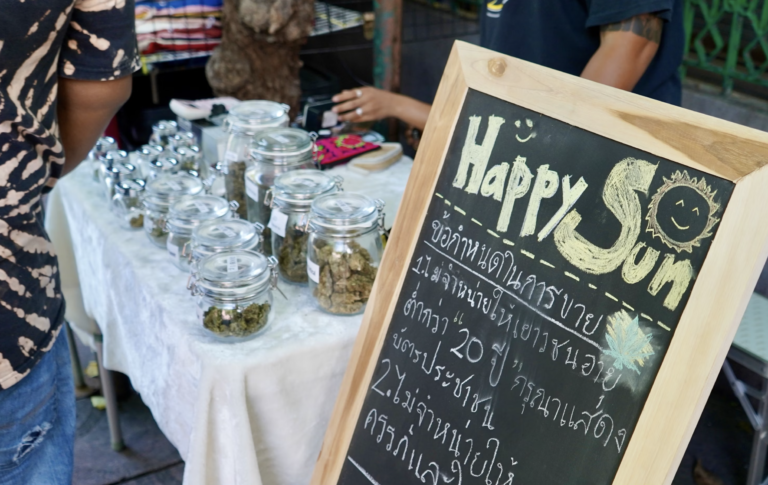
cannabis and medical marijuana for sale in Bangkok, buy cannabis in Thailand
Buying and selling cannabis in Thailand. Be aware of shifting policies as the government moves to reclassify it as a drug

Even before it was recreationally legal it was easy to find cannabis on the streets of Thailand. Head to a busy Phuket a couple of years ago, and cannabis pre-rolls were as easy to find as a Thai pancake. Last year when we were in Koh Phangan we went on an ATV tour to an organic farm. They offered hydroponically-grown lettuce and organic honey to us, along with jars of cannabis – all for sale.

But what could have been a boost to local and international tourism (it was the Thais from Bangkok who bought the cannabis in the end on our ATV trip) is falling out of favor with the mainstream Thai public.

About 76% of people who took part in a survey in Thailand said they “totally agreed” or “rather agreed” with their leader’s policy u-turn to re-criminalize the plant, according to a survey by the National Institute of Development Administration.

Related: our family trip to Chiang Mai, Thailand

The poll was conducted via phone between May 14 and 15 among 1,310 Thai nationals aged 18 and above. About 23.4% disagreed with the move, while 0.9% declined to answer or said they had no interest in the issue. Thailand’s latest prime minister Srettha Thavisin, nicknamed Nid, is a Thai businessman and politician currently serving as the prime minister of Thailand since 22 August 2023.

The proposed policy reversal is a blow for Thailand’s nascent cannabis industry after decriminalization was pitched as a way to boost agricultural income and the country’s wellness tourism industry.

Related: high tech shisha helps you smoke 100 cigarettes an hour

Srettha has vowed to restrict the use of marijuana to medical purposes. Canada is one of few countries in the world where medical cannabis legal. Varying stages of legality can be found in the United States but laws vary from state to state. While Israel is a medical cannabis research leader, recreation cannabis is not legal. A Telegram drug dealer recently got 8 years in jail for enabling cannabis buying and selling. Cannabis use, and even detection in your blood from previous use can put you in jail in the United Arab Emirates.

With changing laws in Thailand, tourists should exercise caution when using cannabis there. Thailand can be cruel and strict with tourists who break their laws.

About 75% of respondents in Thailand support the restricted use of cannabis for medical reasons, while 19% said the government shouldn’t implement any policies to support the use of the plant, the latest poll showed.

Cannabis advocacy groups last week rallied to protest Srettha’s order, asking the government to reconsider the plan to protect the interest of a rising industry and a large community of growers. Thailand’s lush tropical climate could be a great place to establish cannabis factories for export.

Almost 8,000 dispensaries and a large number of consumer-agro firms have cropped up across Thailand.

Saudi prince buys a Cybertruck

Saudi prince and cybertruck
Saudi prince and his Cybertruck

Billionaire Elon Musk reacted to a picture of Saudi prince Turki bin Salman Al Saud standing next to a Cybertruck manufactured by Tesla this weekend.

Born in 1987, Turki is the second of King Salman Bin Abdelaziz’s six sons with Fahda Bint Falah Bin Sultan Al-Hithlain.

The all-electric truck goes well with the Saudi prince. Better than gold Mercedes seen on the streets of Dubai.

Reposting the picture, Elon Musk wrote, “Cool.”

A white gold 2010 Mercedes-Benz SLR McLaren spotted in the United Arab Emirates

Saudi Arabia is lightning-speed trying to catch up with the west. The prince is building NEOM, a mega development which includes The Line and a super-yacht project on the Red Sea along with Trojena, a ski resort in the desert. The Kingdom hosted its first swimsuit catwalk this weekend – part of the Red Sea Fashion Week.


Saudi Arabia swimsuit edition

The Red Sea Fashion Week in Saudi Arabia kicked off this week as we reported last week.

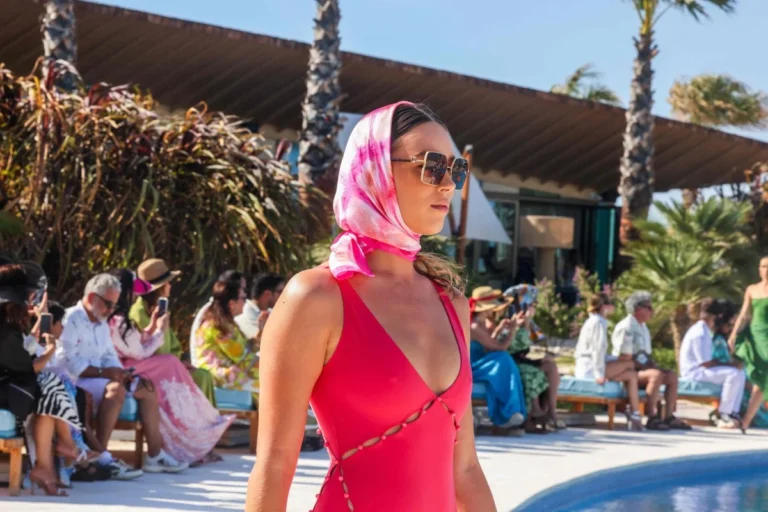
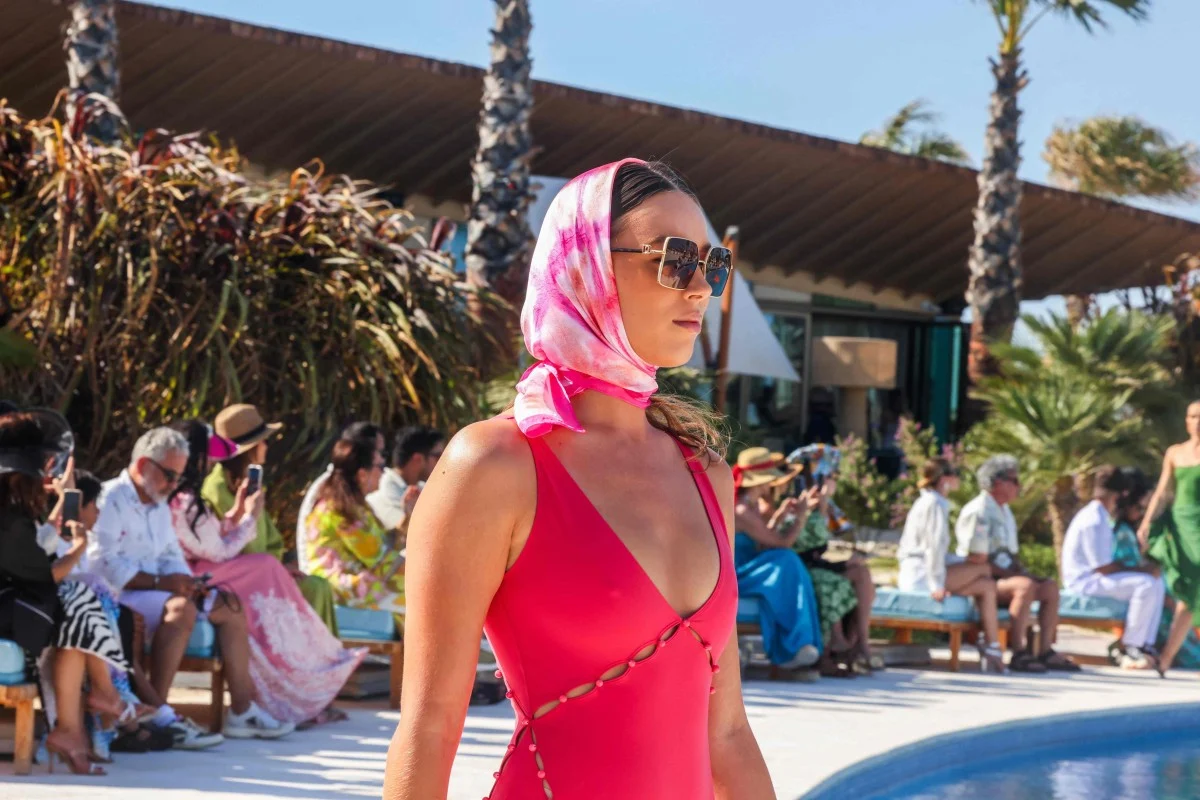
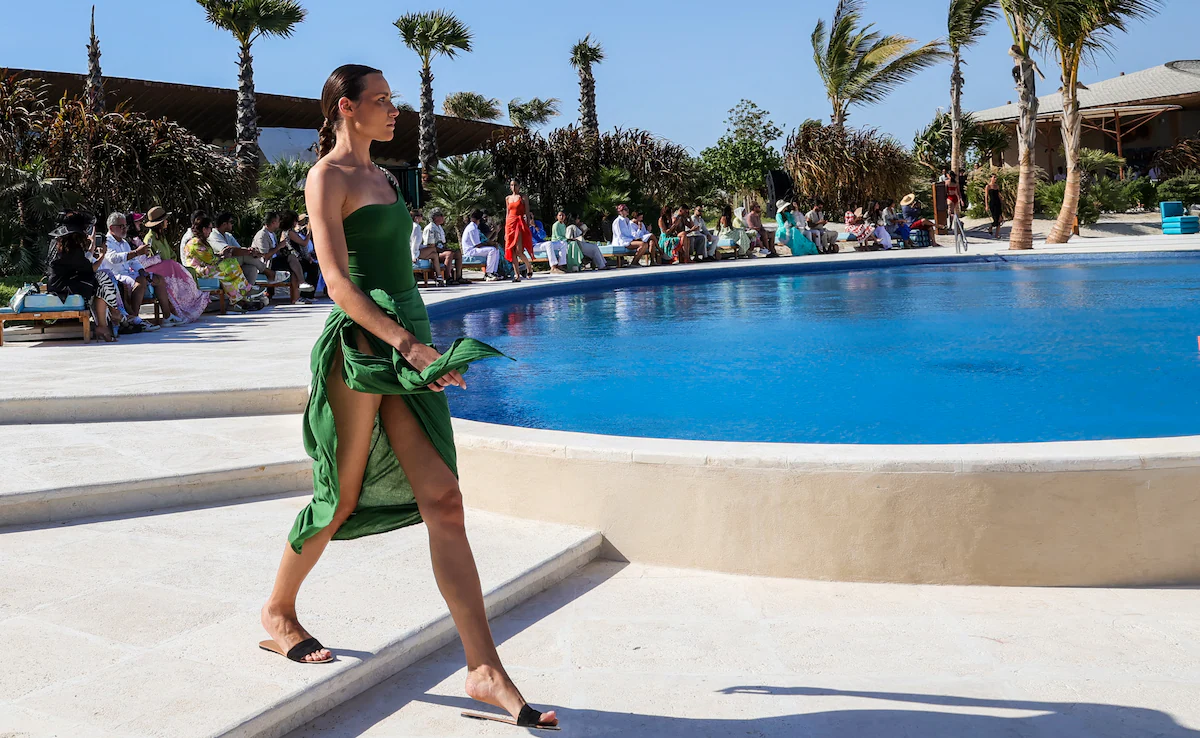
One of the poolside shows featured the work of Moroccan designer Yasmina Qanzal and included mostly one-piece suits in shades of red, beige and blue. Most models had exposed shoulders and some had their midriffs partially visible which veers from the modesty policy previously enacted in the Kingdom.

Saudi Arabia swimsuit edition

Saudi Arabia is creating NEOM, a giga-city concept that includes super yacht resorts and The Line, a 15 minute city. No tourists will visit the Red Sea if they can’t wear a swim suit, so this event is a statement.

“It’s true that this country is very conservative but we tried to show elegant swimsuits which represent the Arab world,” Qanzal said.

“When we came here, we understood that a swimsuit fashion show in Saudi Arabia is a historic moment, because it is the first time to have such event,” she said, adding it was “an honour” to be involved.

Saudi Arabia swimsuit edition Saudi Arabia swimsuit edition Saudi Arabia swimsuit edition

Saudi Arabia swimsuit edition

A long and hidden branch of the Nile River found close to pyramids

Nile river fishing boat
An ancient branch of the Nile River is found, explaining how the pyramids were built.

The Nile is one of the most important and well known rivers of the world. Researchers have just found something very exciting: the remains of an ancient branch of the Nile River has been found near the Giza pyramid complex in Egypt — hinting at why so many pyramids were built there.

Satellite images and geological data now confirm that a tributary of the river — which researchers have named the Ahramat Branch — used to run nearby several thousand years ago. The waterway would have provided a convenient way to transport materials to the sites.

ancient Nile
Ancient branch of the Nile that once passed by the Giza pyramids. Study released by researchers in a Nature paper.

The pyramids there are now many miles away from the Nile but thousands of years ago the ancient Nile branch probably carried people, supplies and wealth right to the pyramids.

In Egyptian pyramid complexes, the valley temples at the end of causeways acted as river harbors, write the researchers.

“These harbors served as an entry point for the river borne visitors and ceremonial roads to the pyramid. Countless valley temples in Egypt have not yet been found and, therefore, might still be buried beneath the agricultural fields and desert sands along the riverbank of the Ahramat Branch,” they explain.

Five of these valley temples, however, partially survived and still exist in the study area. These temples include the valley temples of the Bent Pyramid, the Pyramid of Khafre, and the Pyramid of Menkaure from Dynasty 4; the valley temple of the Pyramid of Sahure from Dynasty 5, and the valley temple of the Pyramid of Pepi II from Dynasty 6. All the aforementioned temples are dated to the Old Kingdom.

“These five surviving temples were found to be positioned adjacent to the riverbank of the Ahramat Branch, which strongly implies that this river branch was contemporaneously functioning during the Old Kingdom, at the time of pyramid construction,” they write.

Revealing this extinct Nile branch can provide a more refined idea of where ancient settlements were possibly located in relation to it and prevent them from being lost to rapid urbanization, the researchers said. This could improve the protection measures of Egyptian cultural heritage. “It is the hope that our findings can improve conservation measures and raise awareness of these sites for modern development planning,” they conclude.

Tourism to areas like Sinai and Dahab and Cairo is scant now due to the Palestinian and Israeli war, with tourists afraid of Hamas terror in Egypt, but there is no doubt that Egypt will always be one of the must-see countries of the world.

Related: Egypt asks Saudi Arabia to help them with the Nile

The Nile of course is not without its own major political problems. Ethiopia is home to the Blue Nile, one of the tributaries of the Nile River and Ethiopia has created a hydro-electric dam, known as GERD to harvest energy from the river. If it traps enough water long enough it may destroy up to half of Egypt’s agriculture. This does not make Egyptians happy as it threatens them downstream with loss of tourism, and water for agriculture.

Related: Nile cruise ship spills diesel into lake

The Blue Nile is a river originating at Lake Tana in Ethiopia. It travels for approximately 1,450 km through Ethiopia and Sudan. Along with the White Nile, it is one of the two major tributaries of the Nile and supplies about 85.6% of the water to the Nile during the rainy season. The Blue Nile and White Nile meet in Sudan to make The Nile River where it travels to Ethiopia.

Blue Nile and White Nile meet in Sudan

The Nile is a major north-flowing river in northeastern Africa. It flows into the Mediterranean Sea. The Nile is the longest river in Africa and has historically been considered the longest river in the world, though this has been contested by research suggesting that the Amazon River is slightly longer. It is different from the Suez Canal which is a man-made channel that connects the Red Sea to the Mediterranean Sea to make shipping routes from the Indian Ocean closer to Europe. It was built by Egypt yet currently Egypt has no control over stopping the terrorists targeting ships as they head to the Suez Canal.

The Suez Canal also has brought invasive species to the Mediterranean Sea such as jellyfish. Houthis, a terror group from Yemen are currently firing missiles at ships heading to the Suez Canal in the Red Sea. Many of these ships are oil tankers and they downed one already which is seeping poison into the Red Sea, with no condemnation from Greenpeace.


The History and Colonization of Socotra

dragon tree yemen
The haunting socotra trees in Yemen are at risk

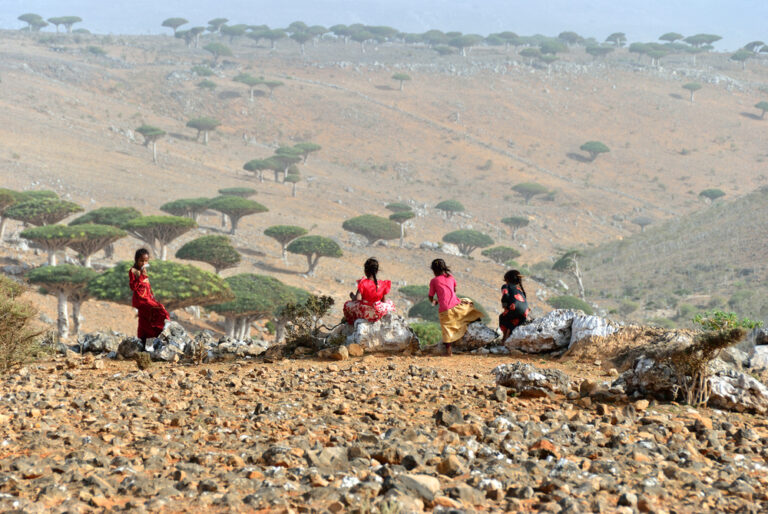
The Soqotri people are the indigenous inhabitants of Socotra, an island archipelago in the Arabian Sea, part of Yemen. They are ethnically distinct and have their own language, Soqotri, which is part of the South Arabian group of the Semitic languages. The Soqotri people have a rich cultural heritage and a unique way of life shaped by the island’s isolated and diverse environment and nature including the strange Socotra trees that bleed when cut. They are believed to have incredible medical benefits.

Ancient Times

Socotra has a long history of human habitation, with evidence suggesting settlement as far back as the 1st century BCE. The island’s strategic location made it an important stopover for ancient trade routes linking the Arabian Peninsula, Africa, and India.

Early Colonization

  1. Ancient Greeks and Romans: The island was known to the ancient Greeks and Romans, who called it “Dioscorides.” According to some historical accounts, Socotra was colonized by the ancient Greeks, possibly as early as the 4th century BCE. The Periplus of the Erythraean Sea, a 1st-century CE Greek navigational guide, mentions Socotra as a trading hub for various goods, including frankincense and myrrh.
  2. Christianity and the 6th Century: During the 6th century, Christianity spread to Socotra, likely due to contacts with the Byzantine Empire and the Kingdom of Axum (in modern-day Ethiopia). The island’s Christian community was reportedly established by Thomas the Apostle, although this is more likely a legend than a historical fact.
  3. Islamic Influence: By the 10th century, Socotra had come under the influence of Islam, like much of the Arabian Peninsula. This transition was relatively peaceful, and the island’s inhabitants gradually converted to Islam over the following centuries.

Medieval and Early Modern Period

  1. Portuguese Period: In the early 16th century, the Portuguese briefly occupied Socotra. They were interested in the island as a strategic base to control the Red Sea and the Indian Ocean trade routes. However, they abandoned it by 1511 due to its harsh environment and lack of resources.
  2. Mahra Sultanate: Following the Portuguese departure, the island fell under the control of the Mahra Sultanate, based in mainland Yemen. The Mahra ruled Socotra for several centuries, integrating it into their sultanate which included parts of southern Arabia.

British Influence

  1. 19th Century and British Protectorate: In the 19th century, the British Empire showed interest in Socotra as part of their broader strategy to protect their sea routes to India. In 1886, the Sultan of Mahra signed a protectorate treaty with the British, making Socotra part of the British Aden Protectorate. The British influence was mostly indirect, focusing on naval and strategic interests rather than direct administration.

Modern Period

  1. Post-Independence: After the British left South Yemen in 1967, Socotra became part of the newly independent state of South Yemen. In 1990, South Yemen unified with North Yemen to form the Republic of Yemen, which includes Socotra.

Current Status

Today, Socotra is renowned for its unique biodiversity and is often referred to as the “Galápagos of the Indian Ocean” due to its high number of endemic species. The island’s isolation has allowed it to develop a distinct culture and ecosystem, which continue to attract researchers and ecotourists. Despite the political instability in Yemen, Socotra has remained relatively peaceful and continues to be a symbol of Yemen’s natural heritage.

Saudi Arabia’s fashion week and bathing suits

0
Red Sea Fashion Week

It wasn’t that long ago, in 2018, that Saudi Arabia started letting women drive, and people still aren’t allowed to report on environmental issues and concerns from inside Saudi Arabia without fear of retribution; but Saudi Arabia is trying to bring its fossil fuel nation and Saudi Aramco to the 21st century. There is NEOM, a 15 minute city and mega grouping of resorts and destinations.

One other way to boost tourism and interest is fashion. And this month Saudi Arabia hosts its first Red Sea Fashion Week.

T-Shirt and sweatpants, by NOMS (Photography by Christian Navarro)
Menswear story;STYLE Vision Saudi

The Red Sea Fashion Week will celebrate both established and emerging talent. Alongside international brands, the spotlight will shine on 100 Saudi fashion labels.

The three-day event will include two runway shows and activations, featuring luxury fashion, jewelry, ready-to-wear, and resort wear collections from both Saudi and international designers.

Saudi fashion designer, Tima Abid will be opening the showcase. Established in 2003, Tima Abid’s haute couture collections are a celebration of her Saudi Arabian heritage.

Tima Abid Saudi Fashion designer
Tima Abid

Her creations are a fusion of contemporary design and cultural influences. Renowned for her exquisite craftsmanship and attention to detail, Tima has an illustrious roster of clients, including members of royalty and celebrated artists.

In 2020, she made her debut at Paris Haute Couture, displaying her quintessentially Arabian aesthetic onto a global sphere.

Now, the acclaimed fashion visionary is bringing her deep-rooted designs back to her home country, dazzling the sartorial set at Red Sea Fashion Week 2024.

Burak Cakmak, Chief Executive Officer of the Saudi Fashion Commission, said: “With Red Sea Fashion Week, we set out to forge a distinctive and dynamic platform that not only highlights the vast creativity and skill within Saudi Arabia but also elevates our nation as a key player on the global fashion stage.

“This initiative is a vibrant testament to our dedication to cultivating local talent and integrating them into the international arena, resonating deeply with the Kingdom’s Vision 2030 goals of enriching our cultural fabric and broadening our economic horizons.”

Launched in 2021, the Saudi 100 Brands program empowers Saudi designers to develop their fashion, luxury, and jewelry businesses, providing them with the best tools to grow their label in both local and international markets.

Through masterclasses, workshops, one-on-one mentorship sessions, and professional development delivered by industry leaders and experts, Saudi 100 Brands is already producing fashion stars and enjoying success on the world stage with events taking place at New YorkParis, and Milan Fashion Weeks.

In its first year, the program delivered more than 5,000 hours of specialized mentoring. The program covers ten different categories: ready-to-wear, modest, concept, premium, demi-couture, bridal, handbags, jewelry, and from this year, fragrances, and footwear.

The designers are a diverse group – aged from 20 – 70, 85% female, some educated in top international design schools while others are self-trained.

Together with the Ministry of Culture, the commission is working to unlock a thriving cultural sector to preserve and elevate the traditions that make the Kingdom unique.

The history of Saudi Arabian fashion 

Saudi Arabian fashion designers have carved a unique niche in the global fashion industry, blending traditional Islamic attire with contemporary designs to create stunning pieces that captivate audiences worldwide. You would imagine the results to be ultra-conservative to match the Islamic take on modesty – but it’s not always to case. While the fashion scene in Saudi Arabia has historically been more conservative due to cultural norms, there has been a significant shift in recent years with emerging designers pushing boundaries and gaining recognition internationally.

What we would like to see is a more sustainable approach to fashion like Stella McCartney in the UK. BUt the horse is before the cart. We are celebrating local Saudi talent and that’s a start.

One of the pioneers of Saudi Arabian fashion is Reem Al Kanhal. Known for her elegant and sophisticated designs, Al Kanhal has been instrumental in showcasing Saudi culture through her collections while incorporating modern elements. Her creations have graced runways across the globe, earning her a spot among the top Saudi designers of all time.

Reem Al Kanhal
A unisex collection by Reem Al Kanhal

Arwa Al Banawi is another prominent figure in Saudi fashion. Her brand is celebrated for its fusion of traditional Saudi aesthetics with contemporary streetwear influences. Al Banawi’s bold designs and impeccable tailoring have garnered attention from fashion enthusiasts worldwide, cementing her status as one of the leading voices in Saudi fashion.

Arwa al-Banawi
Arwa al-Banawi
Arwa al-Banawi
Arwa al-Banawi fashion

Razan Alazzouni has gained international acclaim for her intricately detailed designs that celebrate femininity and elegance. Her pieces often feature delicate embellishments and exquisite craftsmanship, reflecting her commitment to luxury and sophistication. Alazzouni’s creations have been worn by celebrities and royalty alike, solidifying her position as one of Saudi Arabia’s most influential designers.


Razan Alazzouni
Razan Alazzouni

Honayda Serafi is renowned for her avant-garde approach to fashion, pushing boundaries with her innovative designs and bold aesthetic. Serafi’s collections often challenge societal norms, embracing individuality and self-expression. Her fearless creativity has earned her a devoted following both in Saudi Arabia and beyond, making her one of the most dynamic figures in the country’s fashion scene.

Honayda Serafi
Honayda Serafi

Finally, Mashael Alrajhi has emerged as a trailblazer in Saudi Arabian fashion, known for her contemporary take on traditional attire. Alrajhi’s designs seamlessly blend heritage with modernity, offering a fresh perspective on Saudi fashion. Her innovative use of fabrics and attention to detail have earned her widespread acclaim, solidifying her status as one of the top Saudi designers of all time.

Mashael Alrajhi
Mashael Alrajhi

As part of the fashion week, Saudi Arabia hosted a poolside show featuring the work of Moroccan designer Yasmina Qanzal whose one-piece suits in shades of red, beige and blue caught the attention of the world. Most models had exposed shoulders and some had their midriffs partially visible.

“It’s true that this country is very conservative but we tried to show elegant swimsuits which represent the Arab world,” Qanzal said.

Red Sea Fashion week
Swim suits saudi arabia

“When we came here, we understood that a swimsuit fashion show in Saudi Arabia is a historic moment, because it is the first time to have such event,” she said, adding it was “an honour” to be involved.


Dubai hauls glaciers from Greenland for exotic ice and water drinks

0
Greenland glacier cut up for ice in Dubai
Greenland glacier cut up for ice in Dubai. Green-icing at its best.

We could balk about the price of crazy cat poop Kopi Luwak coffee, or people who pay thousands to eat a pea at a Michelin star restaurant, or those who pay to sit in an ice lounge. But “sustainable” artisanal ice from ancient glaciers in Greenland is now being sold in Dubai takes the cake. Are you listening Greta Thunberg?

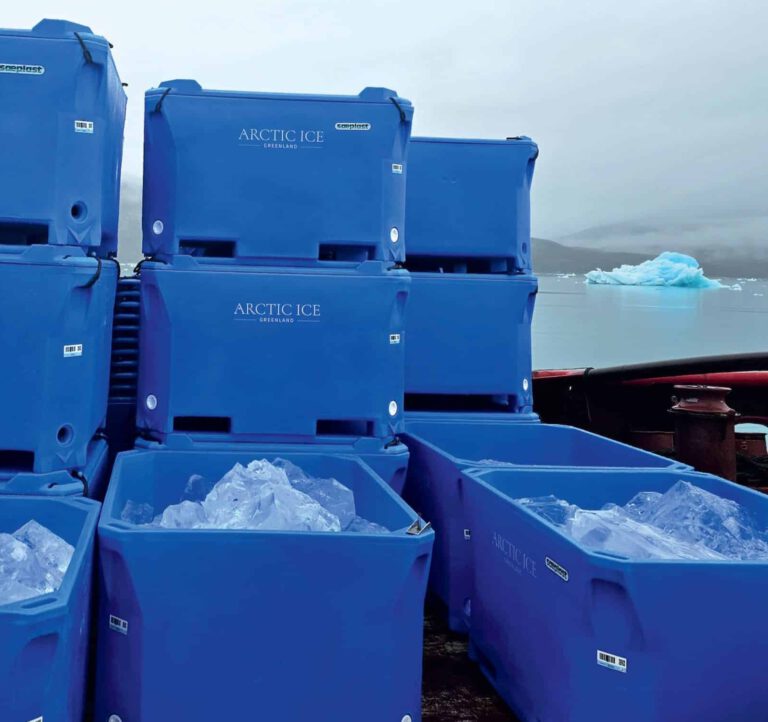
A local entrepreneur from Dubai bought 22 tonnes of a Greenland glacier and hauled it 15,000 miles to Dubai over 9 weeks where he is intent on selling artisanal ice. With almost zero dissolved solids this ancient ice may be the purest on earth, but even in excessive Dubai which built the world’s tallest skyscraper Burj and which is now building a 400 gate airport, to be the the largest in the world, this ice is more than excessive. And reflects on the ecological bankruptcy of the Middle East.

arctic ice Dubai

Like the indoor ski slope in Dubai, which is home to a colony of penguins, selling glacier ice involves an exorbitant energy expenditure.

“It’s the purest water on earth,” Samir Ben Tabib, chairman of international relations for Arctic Ice speaking with Esquire Middle East. The ice, he says, will be sold to bars and restaurants in Dubai as well as beauty salons who treat the skin with ice cubes.

Tabib intends to deal only with venues whose profile matches the exclusivity of the ice. F&B managers at Atlantis The Royal and Burj Al Arab should probably expect a phone call, he notes.

Consider that “officially” Muslims do not drink alcohol (read here why) so who will be buying expensive ice for their cocktails? Maybe mocktails?

arctic ice Dubai greenland

On a social media post Arctic Ice claims it will be bringing business opportunities to Greenland.The company writes: “We believe in this project, in its ability to shift the currents in Greenland. We believe in a sustainable future for our country and in an abundance of premium products for the world to experience. This is the mindset with which we work day and night to get our people on the map and our ice in your glass ???❤️”

A reader Aleksandra Yermak writes: “Seriously : “new ways of using natural resources” ?! Because there’s not enough of it worldwide ? Guys. This is nuts. I’m aware of the economic situation in Groenland, but still… I don’t get it ! The planet is freaking burning.”

The United Arab Emirates is one of the world’s largest oil producers and home to seven so-called “carbon bombs,” the world’s largest fossil fuel production projects. Air pollution and climate change are directly linked, as the burning of fossil fuels contributes to air pollution and drives climate change. We are hoping for better ideas from the UAE’s fossil fuel wealth.

For the love of falcons, to step up to the plate Sheikh Mohamed bin Zayed Al Nahyan.

::Arctic Ice 

More bizarre news from the Middle East:
7 of the Saddest Wildlife Stories in the Middle East
Kuwaiti Kills Wolf Then Shows Off
1 Million Migrating Songbirds are Killed for a Pickled Dish in Cyprus

10 Things to Take into Account When Booking a Flight

flight booking eco cheap flight

The process of reserving a flight involves many steps. There are several details to consider, such as layover times, baggage allowances, and travel dates. But if you approach it step by step, it doesn’t have to be intimidating. 

But there is still more to learn about the aviation plan’s specifics. If you are trying for a flight booking, there are a few key factors to consider. Here is a comprehensive list of 10 things to think about when making travel arrangements:

Before you make your travel arrangements, let’s review the checklist. 

Passport, Visa, and Vaccination Requirements

The first thing you should do when planning a foreign trip is to confirm the passport, visa, and immunization requirements of the destination. Make sure you can meet the conditions to enter the country before you agree to pay the hefty cost of an international trip. To find out whether there are any illnesses you should be aware of, consulting the CDC can also be beneficial. Once you have all the details, you can confidently book your flight.

Dates of Travel and Take-off Time 

Make sure your flight dates and times match with your schedule before completing your booking. This is especially crucial if you’re flying on a red-eye or passing across several time zones.

The entire transit time should be one of the primary factors you look at when booking a flight. Obviously, a quicker transit time is preferable when there are several stops. We have more time at our destination compared to the less time we spend travelling. 

Location and Design of the Layover 

A great travel day depends on choosing an appropriate layover airport if you are unable to travel immediately. The season should be taken into account initially while selecting a layover. For example, try to avoid flying via Florida around hurricane season or Minneapolis in January. 

Next, study the airport’s layout by bringing up a map. The hub should be simple to use if it only has one terminal or provides quick access between gates. It will be much harder to go to your next gate if the terminals are divided by structures or if a rail or shuttle is needed. 

Arrival and Departure Airports 

As a traveller, you have to be able to arrange your full itinerary, including the flights from your starting point to your final destination. Additionally, you must make sure that there is little chance of a cancellation for the towns that you need to visit.

Many airports are available to you when flying into a large city. If you’re not from here, learn everything there is to know about the city and its airports. Which airport is most convenient for your gathering, conference, or lodging? Which airport has a public transit connection to your local area? Determine what best suits your needs for vacation.

How to get from the airport to your house Will a taxi arrive by car? What would a vehicle like that cost? Flight schedules and local curfews must also be taken into consideration. For example, if your flight is scheduled for 8 AM but you have to get to the airport by 5 AM and there is a 7 AM time limit in the city, what should you do?  

Baggage Allowance

eco packing your bag

It’s relatively rare that we travel without luggage (unless you do wearable luggage), therefore it’s imperative to know how much is allowed. If you usually bring a wheeled carry-on, find out how big a carry-on suitcase can get and whether the airline is rigorous about this rule. 

The cost of the ticket

As airlines assess demand, early ticket prices will almost certainly be high. You will have to decide whether to incur this substantial cost, hope that the seven-day window for tickets will result in a lower price, or try other choices, such as planning or postponing your trip. If you reserve a seat for a journey that departs in less than two months and there is a known severe financial crisis on the aircraft, you risk losing all of your money if the airline fails prior to your scheduled departure.

Economy class

sustainable economy class

There are several different kinds of economic classes these days. There’s a lot to know about the fare you select, ranging from the basic economy to the business cabin.

Remember that flying in basic economy is not fun, despite the allure. It was recently discovered that in order to obtain a cheap ticket, one could not select a seat and could not bring a carry-on bag when utilizing an online third-party booking service.

Time of Year

Even if we want to, we are only sometimes able to go in ideal conditions. Nevertheless, we do have considerable discretion over our trip schedule. If you detest being stranded in blizzards and having your flights cancelled, staying grounded for the Christmas break can be worthwhile. 

But if you must travel during the winter, do, think about booking the first-morning flight. Although it can be challenging to wake up for the earliest flight, the jet is typically already there from the previous evening. You’ll leave on schedule and you won’t be concerned about waiting around for a plane to arrive. 

Airline Reputation 

An airline’s image matters a lot, from its in-flight amenities to its customer service. Before committing to a reservation with an unfamiliar airline, do some homework. How do they handle their clients? Is there free in-flight entertainment and Wi-Fi? Are drinks and snacks available? What is the size of the seats? You might not think much of these things right now, but believe me after more than five hours on a plane with an unpleasant flight attendant, narrow seats, and no snacks you’ll have a change of heart. It’s necessary to take these things into account when making your travel arrangements to guarantee a relaxing and pleasurable trip. You may make an informed choice and avoid potential trip disappointments by researching the airline’s reputation.

Flight Performance

Examining the flight’s latest performance is an excellent technique to select a flight from a list of possible options. You can use this information to select an aircraft with a significant number of on-time flights on airlines.


Picking the Perfect Employee App

0
office workers, startup wework New York, recycling
Want to create a team that considers sustainable issues?

Hunting for a good employee app ain’t no walk in the park these days. With a zillion options out there, it’s enough to make your head spin. But having the right app can seriously level-up your team’s productivity and communication. Here’s the lowdown on how to find The right employee app and cut through the clutter and pick a real winner.

Define What You Actually Need

First things first – get crystal clear on what the app needs to do for your specific workplace. Is it mostly for texting between employees? Scheduling shifts? Tracking tasks and projects? Knowing the must-have features up front is key.

Don’t get lured in by fancy bells and whistles you’ll never actually use. That’s just money down the drain. Make a checklist of your company’s top priorities and stick to it when evaluating contenders.

Get the Crew’s Input Early

Here’s a pro tip: get input and buy-in from the employees who’ll be using the app from day one. Send out a survey or organize a focus group to get the inside scoop on what features they’d find most useful.

If you choose an app without their input, you’re asking for it to flop hard. People hate having random tech forced on them that doesn’t jive with their actual needs and work style. Involve them early for way better odds of success.

Make Sure It Fits Your Flow

Just because an app worked great for another company doesn’t mean it’ll be the perfect match for yours. Every workplace has its own unique processes and workflows that need accounting for.

For example, if your team lives in their email inboxes, an app that seamlessly integrates email is clutch. Or if you use specific tools like Trello or Asana, finding an app that plays nice with those platforms is wise.

Don’t settle for an app that sticks out like a sore thumb. It should slide right into your existing tech stack and workplace rhythms. A clunky, disjointed app will just frustrate everyone and get abandoned.

Read the Reviews, But Think Critical

With any app, past user reviews can offer crazy valuable insights. People are always brutally honest about what worked and what was an epic fail for their team.

But don’t treat every random internet review as gospel. Some might be bitter ramblings from trolls with zero context. Look for patterns and details that mirror your circumstances. Then make your own informed judgment appropriately.

Check Out That Security Situation

Here’s something too many companies overlook until it’s too late: app security. Is that app actually gonna keep your private company data and communications safely locked down? Or does it have gaps that let hackers go to town?

Don’t cut corners here, fam. An employee app containing sensitive info that gets leaked or breached could be a nightmare PR situation. Maybe even potential lawsuits if things go really sideways. Research the app’s security credentials and reputation thoroughly.

Give It a Legit Test Drive

home office, eco green carbonless

Lastly, don’t just read about an app and assume it’s perfect. Get your hands on a free trial account to see if it passes muster in the real world with your actual team.

After all, an app can look stellar on paper but feel totally off and awkward once you start using it. Or initial performance issues might not surface until you put some heavy volumes through it. Kick the tires first before going all-in.

There you have it – some solid tips for sniffing out the ideal app for your workplace whirlwind of a team. Follow this advice and you’ll be well on your way to scoring an app that truly clicks and everyone actually uses.


Neom’s Jaumur marina resort added to string of Red Sea mega projects

Jaumur 15 minute city
Dock your yacht and send your kids to worldschooling

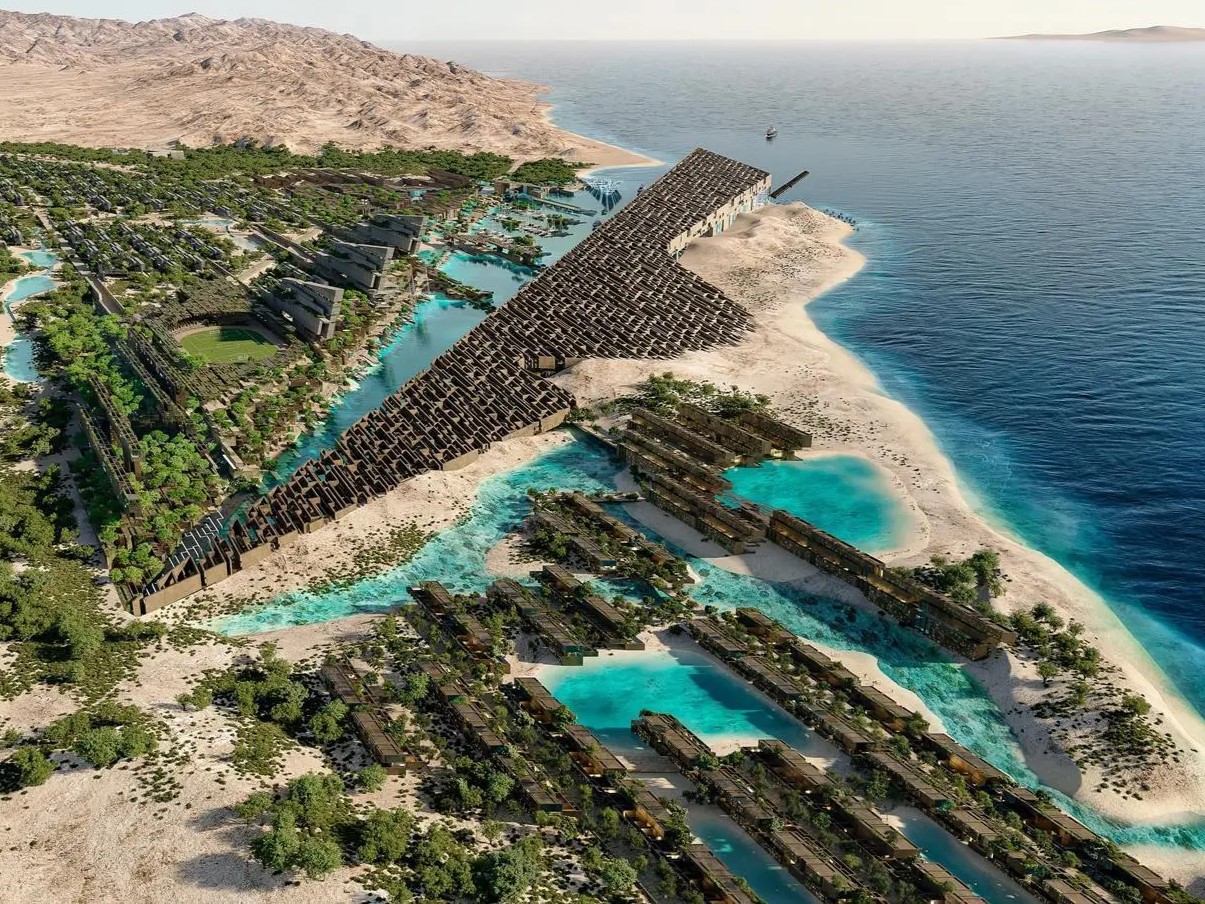
Neom expands its mega-development projects seemingly every week. Saudi Arabia is hoping to be the newest hightech destination of the Middle East, outpacing what Lebanon once was, and the country believes it can do this through over-the-top residential housing and tourism destinations. The Line is Neom’s first 15-minute city and a list of Neom’s projects would make your head spin, the latest to be built with oil money.  It is called Jaumer. And Saudi after all has to compete with the United Arab Emirates, emerging as the most progressive leading fossil fuel nation. (The UAE just announced building the world’s largest airport).

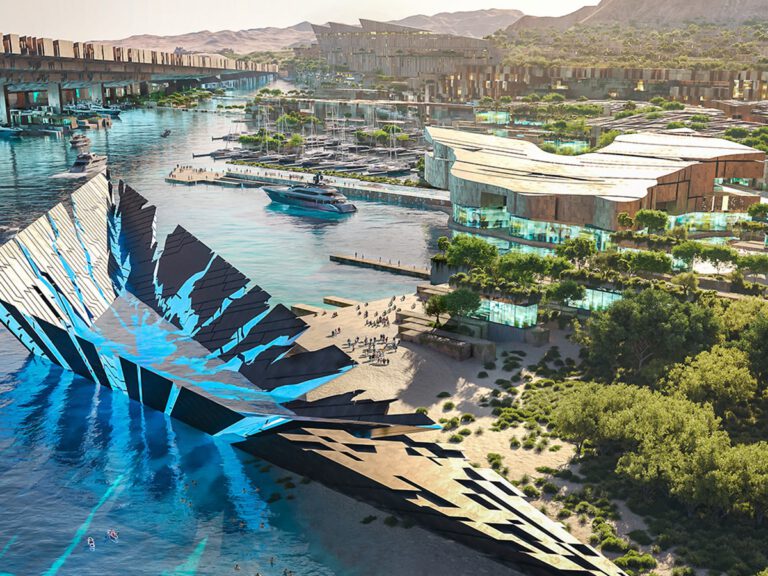
Jaumer, a brand-new marina destination is coming to Neom, the $500 billion USD ‘city of the future’ – and it will be about the super-yachting lifestyle, the one most of us don’t have.

Jaumer, 15 minute city Neom

The exclusive residential community is been planned around a marina set to become home to over 6,000 residents on the Gulf of Aqaba where Houthu pirates are firing at cargo ships and oil tankers.

Centred around a marina, Jaumer will feature a monumental 1-mile high aerofoil rising above the largest of the yacht berths, providing year-round protection yacht owners and residents. It will also have a gravity-defying cantilever (fixed or supported at only one end) to form a stunning entrance to marina, where the largest superyachts in the world can be put into park. The press material says there will be an international school onsite offering a progressive, broad based education, delivered by a diverse international faculty of experts and innovators.

Read More: Saudi Bedouin killed by trying to stop the 15 minute city from razing his home

The promotional material says there will be ladies playing french horns and a marine exploration center in the resort town, but honestly with the coral reefs near extinct and dolphins driven out of the Gulf of Aqaba we wonder if it will be worth the bother. A case of being the problem you are trying to fix. It’s so bad the greenwashing coming out of Neom and the Middle East, that we have given up laughing and are now just crying.