
 Thieves divert public water in Jordan for greenhouses and swimming pools.
With the Middle East facing a severe water shortage, government efforts to desalinate sea water, regulate usage and prevent waste are being undermined by a growing problem: theft. Thieves have gotten creative about diverting water from public pipes for private or business purposes, bypassing the water authority’s meters and ending up with free, unrestricted amounts of high-quality water.
Increase in Water Theft in Jordan Has Broad Implications for Middle East

Lots of ‘Ifs’ – But Afghan Mineral Reserves Offer Hope for the War-torn Country (and for the Electric Car Industry)
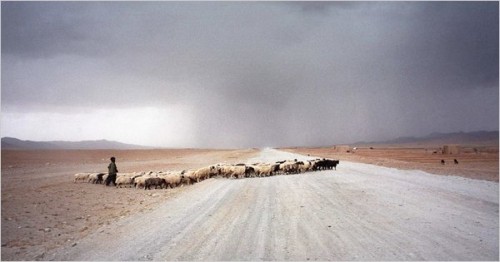
 Afghanistan’s desolate Ghazni Province may hold the world’s largest deposits of lithium. (Image: Tyler Hicks/The New York Times)
Just days after the Afghan War became the longest war in US history – 104 months, surpassing the 103-month American engagement in Vietnam – the New York Times, quoting top US government officials, reported the discovery of near $1 trillion in untapped mineral deposits in Afghanistan.
In addition to huge finds of iron, copper, cobalt and gold, Afghanistan could potentially rival Bolivia as the world’s largest source of lithium, a key material for green technologies, including batteries for electric vehicles. In fact, the NYT cites an internal Pentagon memo stating that Afghanistan could become the “Saudi Arabia of lithium.”
The report quotes US officials who claim that these mineral deposits have the potential to “fundamentally alter the Afghan economy and perhaps the Afghan war itself ,” but also notes that “the Obama administration is hungry for some positive news to come out of Afghanistan.”
Linum Systems Makes Cool from the Heat of the Sun

 Air conditioning powered by the sun, which bypasses the electricity grid? Perfect for the Middle East.
It’s perfectly logical: When the thermostat rises on scorching hot days, the air conditioners kick in, causing a massive electricity surge that strains the grid. Summer blackouts and brownouts are already occurring in the US and in the Middle East. If mismanaged, they may cripple cities and damage local economies.
In April 2006, for instance, parts of Texas experienced rolling blackouts lasting as long as five hours that were caused by air conditioner use. Blackouts from air con use in California were first experienced in early 2000 and continue to be a major priority on the California utility companies’ list of problems. Blackouts happen regularly in Israel in the summer; Lebanon suffers blackouts daily, and they loom in Kuwait as summer sets in.
Heat pumps and cleantech in Helsinki, Finland
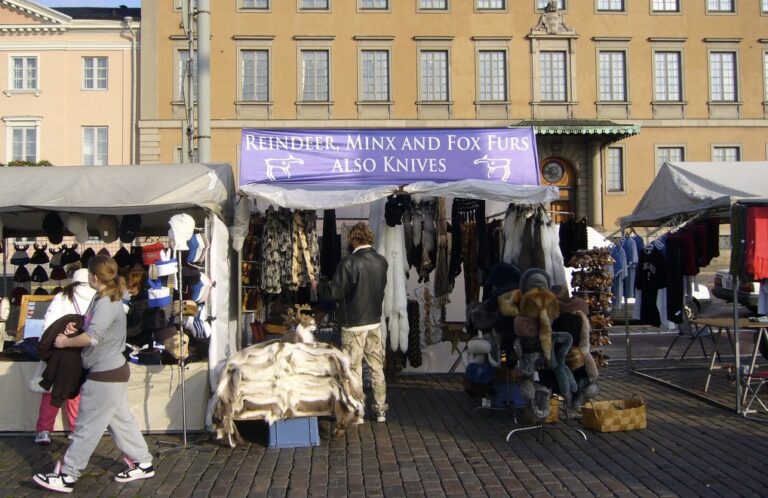
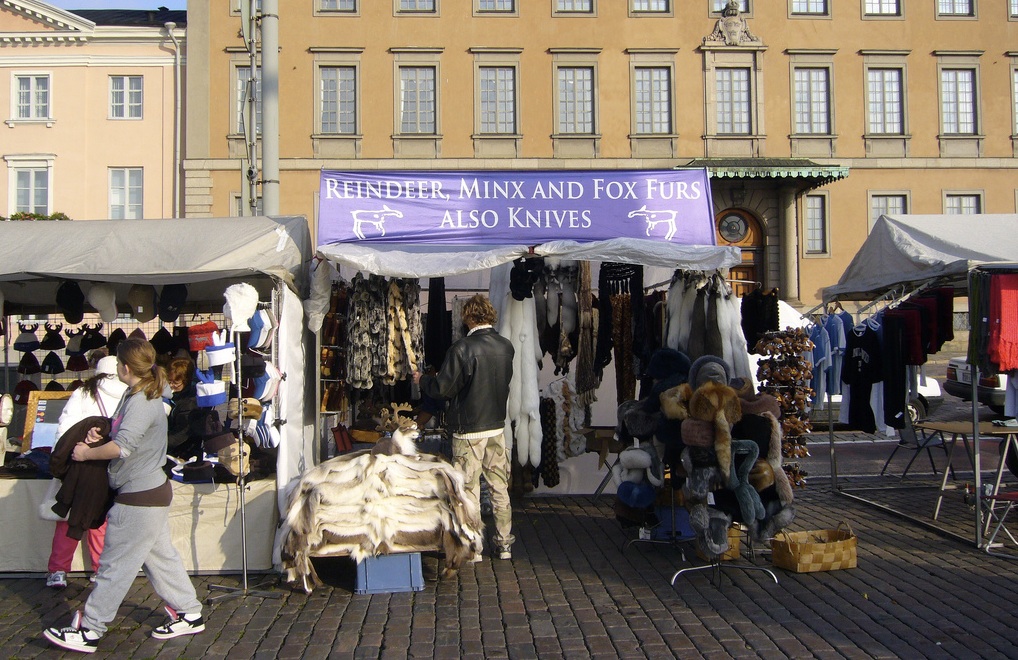 A market in Helsinki shows the “nature” of this cold country. Can Finland translate to the Middle East? Karin, in Finland, asks.
“Wear underwear over your eyes,” suggested Michael Kanellos’ daughter. Kanellos from Greentech Media is one of the sleep-deprived bloggers Green Prophet is with on a clean tech tour of Finland –– along with other green writers and reporters from sites like TreeHugger and Grist.
While gloomy and dark and cold for months in the winter, it’s as though the sun never sets in Finland in Summer. (I went to bed at 11 with the sun still “on” and was up at 4:30 am, somewhat sleep deprived from the light, though not intense).
A group of us are in Helsinki meeting some of the companies behind the country’s IT sector in clean technology, like Nokia; and lesser known companies such as BaseN, an international measurement service provider setting up a clean energy heat pump harvesting system for servers in a cave (and past bomb shelter), underneath the Uspenski Cathedral in Helsinki’s city center.
Propelled into what’s more like a Middle East winter in this Scandinavian country’s summer (temperatures are around 10 degrees C with cloud cover, and an ever-present spittle-like rain), I am curious about what Middle East energy and infrastructure companies, as well as entrepreneurs and investors can learn from this Nordic country. Do opposites attract?
So far I’ve learned that Finland is setting up an office in Masdar City –– according to Cleantech Finland’s Santuu Hulkkonen.
Hulkkonen’s organization operates like a chamber of commerce connecting international industry, innovators and investors to Finland and vice versa: “We were one of the first to sign up for that,” he says of the office being built in Abu Dhabi. So far none of the companies I’ve met seem to have much business in the Mideast region.
But like some Middle Eastern countries, such as Jordan, Yemen, Israel and Lebanon, there are no appreciable natural energy resources in Finland: “We have nothing in Finland, we sometimes say,” comments Hulkkonen bluntly, pointing out energy efficiency as being the cornerstone for the country’s clean tech economy. “Natural conditions forced us to develop our industry,” he adds.
Local products laid out at a Helsinki arts, crafts, and food market at the port (see above) suggest just how cold it can get in Finland: for sale are knitted slippers and thick scarves; huge fur hats, reindeer pelts a-plenty (for curling up with at the fire probably – though birth rates appear to be low here), fox fur stoles (heads included), canned bear meat, dried jerky of all kinds –– and various products made for a long winter hibernation. Knives. These and the ubiquitous talk about saunas: some from the clean tech companies we meet talk about energy units in terms of “saunas.”
The Finnish sauna is a fond memory of mine, growing up in Canada, where one my best friends Karita (half-Finnish) introduced me to the past-time. You get really hot, and then jump in the cold lake, or roll in the snow –– depending on the season.
Saunas are not at all common where I live now in the Middle East. But built by a country who against the odds had to stave off the winter’s cold and harsh elements, much can be learned from Finland. Strong in making use of nature’s elements, Finland offers opportunities in green IT and Smart Grid (several companies are now involved in building concept communities around smarter and greener energy use – “Scandanavia’s Masdar?”); among the country’s top clean tech companies, 90% of them are in energy efficiency, Hulkkonen tells us.
 Karin (far right) and Pablo from Treehugger (beside her) touring Metso’s biofuel reactor (Day 3).
Other areas for business development, partnership and expertise? Processing forest product waste (which comes from the pulp and paper industry) –– in bio-diesel, Finland’s Neste has built the biggest renewable energy plant in Singapore for certified palm oil. And st1, another company, can efficiently create bio-ethanol from the food industry with end products going to farms as feedstock.
We also learn that Finland has some lithium resources (although not quite as much as Afghanistan’s latest bonanza), important for developing electric car batteries, and it has expertise in wind turbine components. About 50% of all large turbine companies around the world combine Finnish engineering and parts, much like Israeli high-tech ingenuity is incorporated into big name chips, processors and telecom products.
Finland may not seem like a huge player in the clean tech market, but opposites do attract. According to the blog Arctic Startup, in 2008 Finnish cleantech companies posted a total of €139.5 million in investments, which represented the highest proportion (37%) of total investments (€372m) in all Nordic countries.
While it may be most natural for innovators, investors and infrastructure companies to look far to the east or to strain their necks to superpowers in the west like the US, Finland could be a new avenue for interest and cooperation. Necessity is the mother of invention for cold and isolated Finland. Their technologies matched with the people’s warm, hearty, inviting and casual nature could be a good fit for warm-spirited people of the Middle East.
More updates on that come, of course. Meanwhile, I am looking forward to a hearty breakfast that will stick to my ribs. Reindeer ragout?
Egyptians Question the Health of Their Tap Water

 With an abundant Nile flowing through it, people in Cairo wonder about industrial pollution dumping affecting their health, and future.
A common question asked by visitors to Cairo is “can I drink the tap water?” Many Cairenes have no problems with drinking the water. The Nile River is Cairo’s main source of water and begins in Burundi and Uganda passing through the Sudan, where it joins up with the Blue Nile, whose origins are in Ethiopia before flowing onto Egypt.
How pure is the water once it reaches Cairo?
“Of course I drink the tap water at home,” 21-year-old student Esra Mohamed, a resident of Giza said, surprised at the question.
Some travel websites report Cairo’s water is over chlorinated, while others say it has a high concentration of bacteria. What’s going on?
Preserving Acre's History, Heritage and People
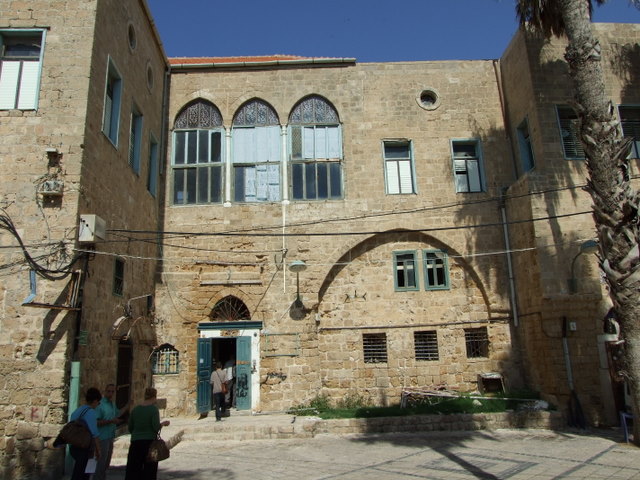
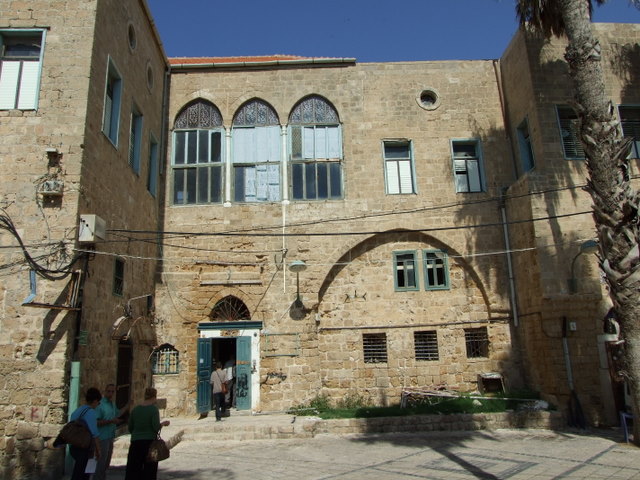 A living conservation laboratory (above): a new partnership with Rome will boost Acre’s efforts to protect its ancient history, making it more sustainable architecturally and for its residents and visitors.
Declared a World Heritage site by the United Nations (UNESCO), for more than 20 years the Israeli city of Acre (pronounced “Akko” by the locals) has been a living conservation laboratory. Its history is apparent in its citadels and fortresses, churches and mosques, all of which tell a story about the people who came, conquered, ruled and then glorified this Mediterranean port town, once considered the key to the Levant.
A new partnership with the City of Rome will give a boost to Acre’s efforts to protect its unique history, making the city a more sustainable one.
MENA Geothermal Powers West Bank Palestine Geothermally
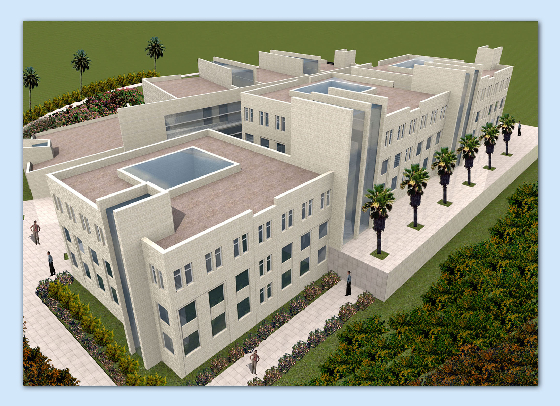
 With a burgeoning population and no natural resources to provide energy, Palestine has found a hero in MENA Geothermal.
In a world where natural gas is diminishing and oil spills spoil our oceans, we would think there is no better means to generate energy. Because if there were, surely we, intelligent beings that we are, would pounce at the opportunity to incorporate them. Finally, MENA Geothermal has done just that. In addition to its renewable, sustainable, zero emission heating and cooling systems for various commercial and residential applications, the company’s President, Khaled Al-Sabawi, recently signed an agreement with the US Consul General in Jerusalem to provide clean geothermal energy for the 522 unit Kober Affordable Housing Project near Ramallah.
Cycling for Peace as Israeli Arabs, Jews and Bedouins Kids Get Free Bikes and Clubs
[youtube width=”560″ height=”400″]http://www.youtube.com/watch?v=E43mUeMB_Go&feature=player_embedded[/youtube]
The Bedouin village of Um Bateen, just outside Beersheba in southern Israel, has no paved roads – which makes it the perfect place for a new mountain bike club. Now the Bikes4All project sponsored by the Israel Cycling Federation and funded by the International Fellowship of Christians and Jews, has distributed free bikes to more than 1,400 Jewish, Arab, Druze and Christian kids throughout Israel. Fifty of them were donated to two schools in Um Bateen. (See above video).
Corruption Plagues Lebanese Environment Movement and Energy Exploration
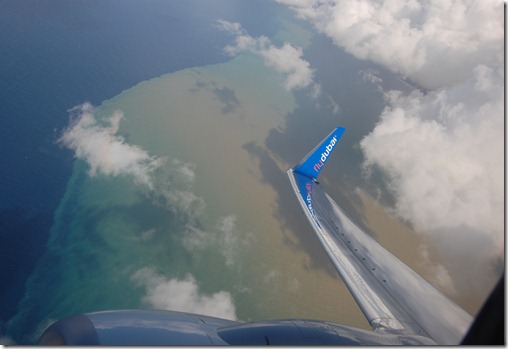
 If Lebanese sewage dumping can be seen from the air, it is centainly seen, and smelled on ground level.
Rampant corruption and nepotism among Lebanese government officials is causing a delay in improving the country’s environment, according to the Lebanon Daily Star. The remarks were made by the country’s environment minister, Mohammad Rahhal during a conference ‘The State of the Environment in Lebanese Courts, which was held in Beirut on World Environment Day in May.
Baking Sourdough Bread, Part III (The Recipe)

 Finally, the recipe for sourdough bread!
We’ve broken it up in parts, because it’s complicated, but today we’ll put it all together so it’ll makes sense if you’ve been following the parts. Last week we started with making a sourdough starter, and dedicated a whole post on how to care for and feed your sourdough starter (click here). Cutting to the chase, today you get the basic recipe.
Abu Dhabi Municipality Launched Successful Paper-Less Day Campaign
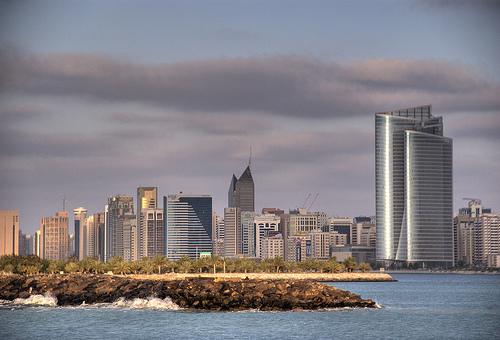
 Abu Dhabi City Municipality teaches its employees how to reduce consumption on Paper-Less Day. [image via: hunflickr]
Generally known worldwide as bureaucratic, red tape repositories for paper forms, municipalities do not have the most eco-friendly reputation when it comes to paper consumption. (In fact, some environmentalists may claim that all those paper forms are wasteful and unsustainable.) So a couple weeks ago the Municipality of Abu Dhabi City decided to take its green reputation into its own hands by staging a “Paper-Less Day”.
American-British Relations Take a Direct Hit from BP Debacle
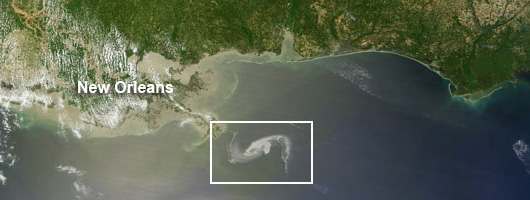
 Anti British Rhetoric Placing the two Nations on a Collision Course
As the White House starts crunching the numbers behind the costs of BP’s Gulf of Mexico debacle, the projected costs – and future debt of BP – begins to become clearer, placing Washington and London on a collision course.
In the US, the spill has caused BP to become public enemy number one, and a target of the White House. Meanwhile, in the UK, BP is increasingly perceived as the victim. “It was an accident that took place, and BP is paying a very, very heavy price indeed,” said London mayor, Boris Johnson who also called the position held by the US “anti-British rhetoric” and “name-calling.”
Honey Is Bittersweet In The Middle East
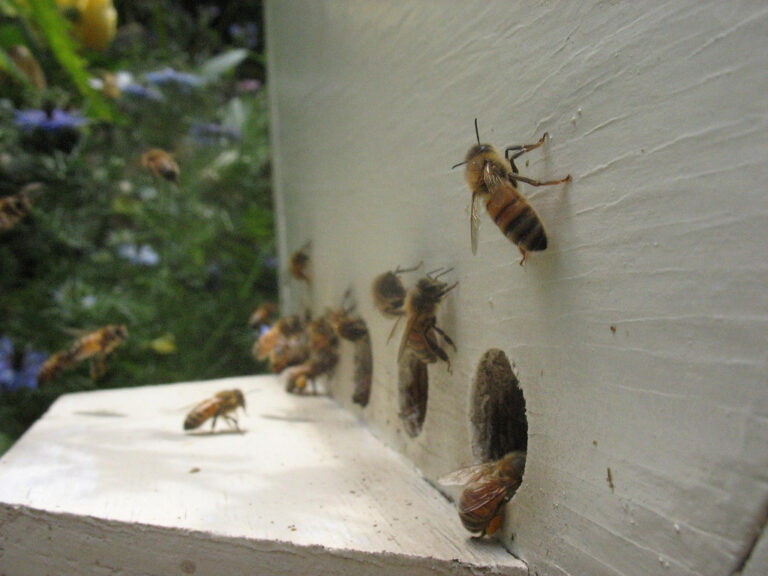
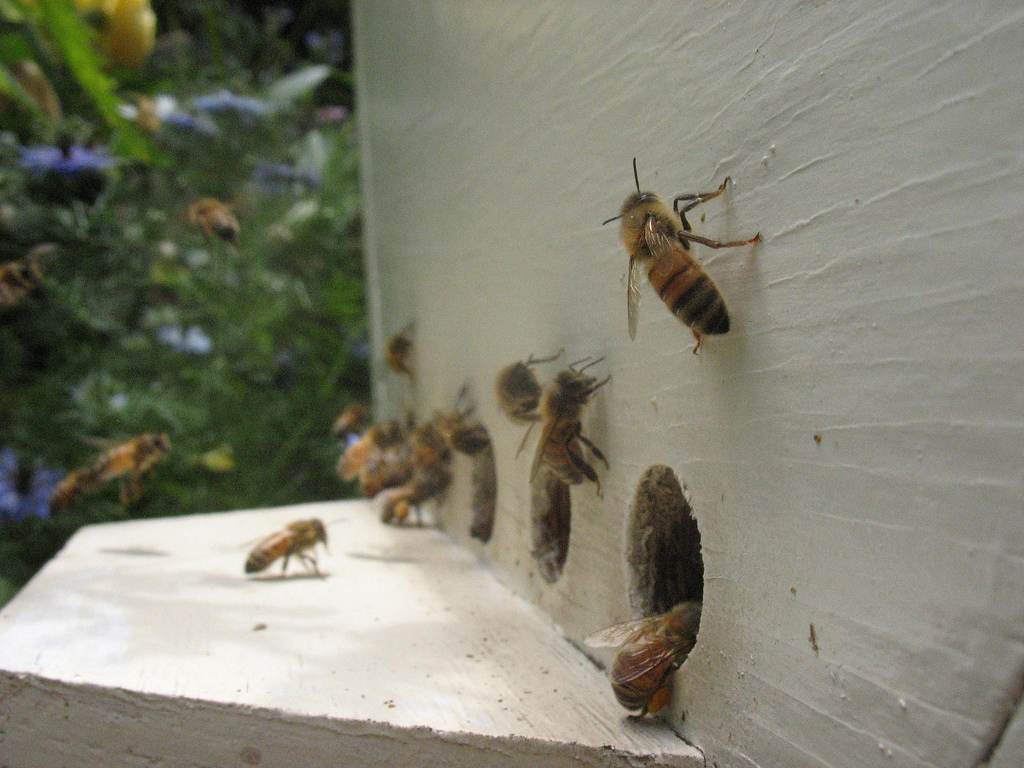 The Honey Council, Hive Thievery and Bee Ecology education in Arabic: In Israel and Lebanon, honey is both a problem and a solution. Image via orinrobertjohn
Archeologists have uncovered beehives in northern Israel that date back 3 000 years. A courtyard in the ancient city of Rehov was home to bees producing honey in at least 30, possibly as many as 100, hives. The discovery firmly establishes the fact that beekeeping was known and practiced here in the Middle East since Biblical times. Honey and beeswax, precious commodities then, are still valuable crops. You would think that everyone’s gotten used to the routine by now.
Half of UAE’s Falaj Mualla Camels Choked on Plastic Bags
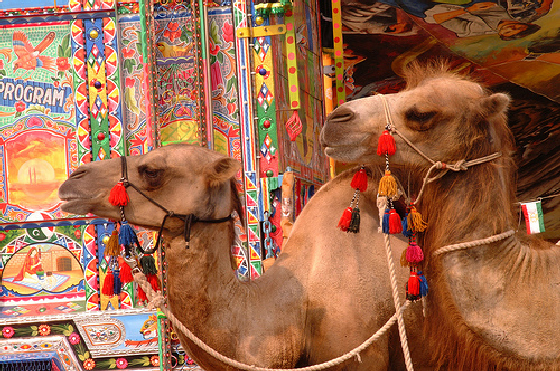
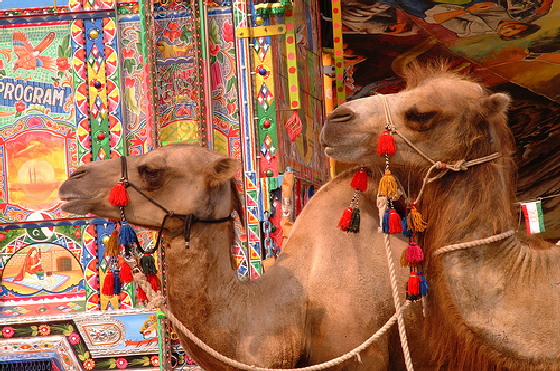 There is life after plastic. Ban the bags, and save the camels
One hundred years ago, there was no such thing as a plastic bag. They simply didn’t exist. The plastics revolution began slowly in 1868 but really pushed forward in the 1930s when acrylic resins were developed to create housewares, toys, and packaging. The industry exploded. The first plastic garbage bag was invented by Harry Waslyk in 1950. They weren’t supposed to be used at home since their original purpose was strictly commercial, but now they are ubiquitous. Surely Mr. Waslyk could not have predicted how much havoc his plastic child would wreck in a mere 60 years.
Pumping $30 Million Into Cycling Tourist's Pedals
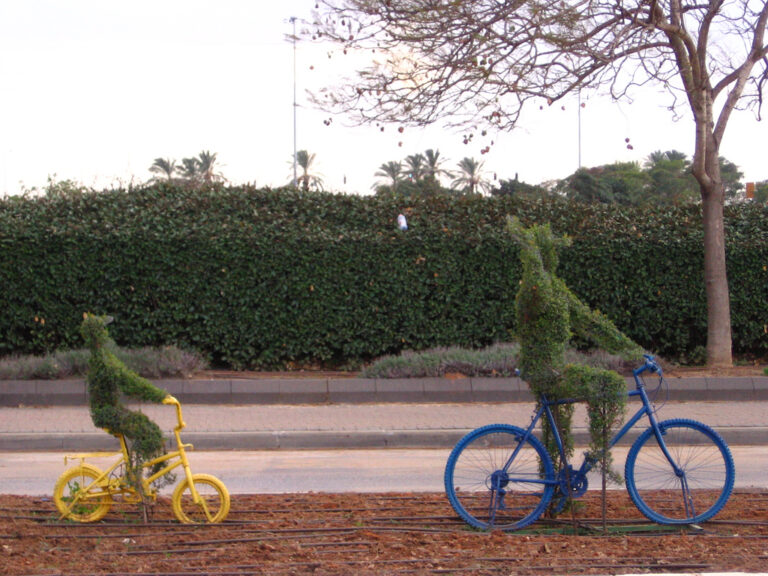
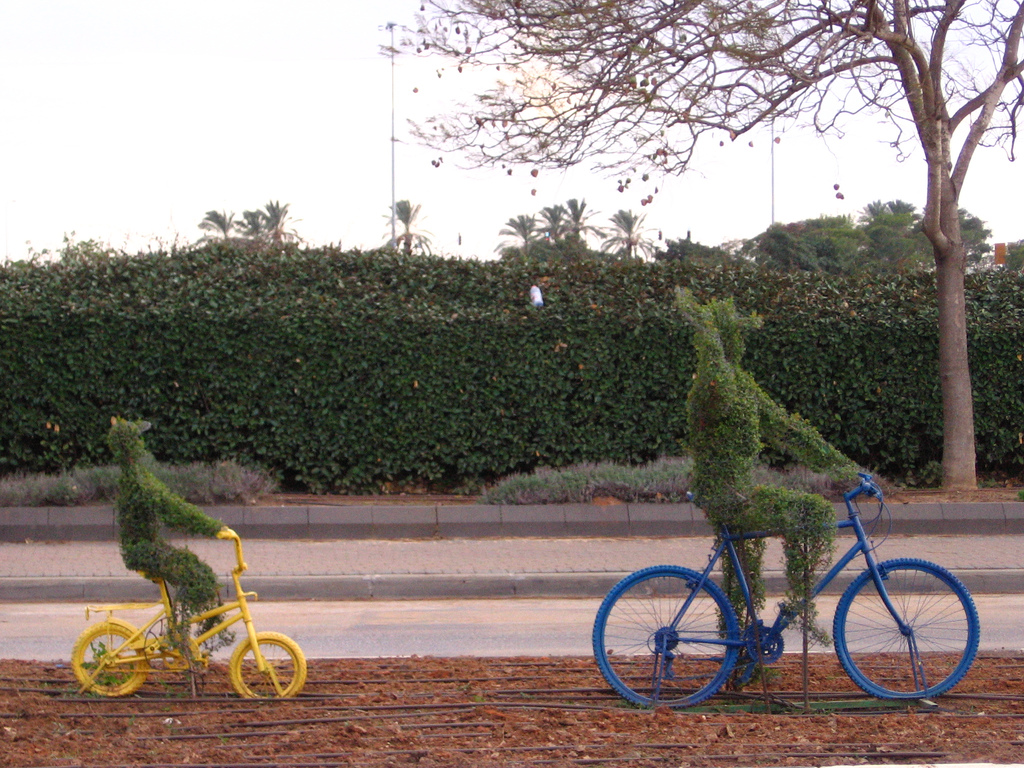 In 2008, the Israeli government announced a 20 million shekel (around $6 million US) plan to revamp cycling tourism. Upping the ante, the government wants to put about $30 million into making Israel a cycling destination hotspot.
Cycling tourism is worth billions of dollars in Europe, where lodges and facilities are set up for the eco-friendly sport. And some off-the wall travellers are finding some locations in the Middle East can make ideal cycling holidays too. Despite the fact that you might need to wear a burka in Saudi Arabia, ladies.
Despite the intense summer heat, it virtually doesn’t rain in the Middle East in the summer time, and the lack of bugs – especially mosquitos – allows people to sleep outdoors, even without tents. We’ve blogged about some hotspots for cycling in the Middle East, now let’s look at Israel:
The country’s tourism Minister Stas Misezhnikov announced recently a 100 million shekel-plus multi-year plan to promote the cycling industry in Israel. While ten years ago a cyclist on the streets of Tel Aviv would be considered a foreign labourer, every one and his sister are getting out the cycling hot pants these days and heading out in the cities and on the nature trails.