Home Blog Page 618

Hamas Thwarts A Greener Gaza

0

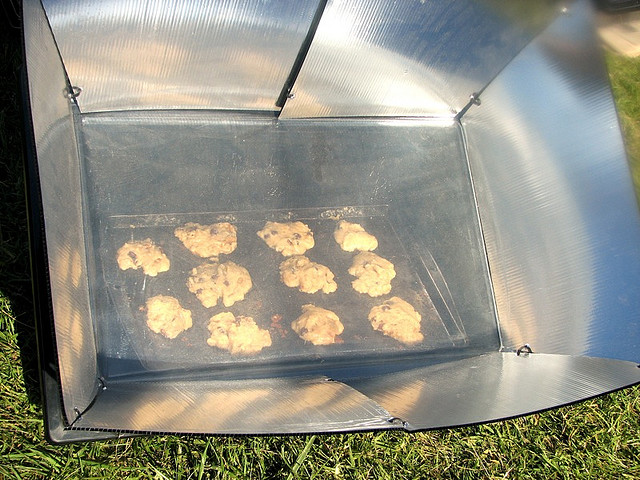
solar-oven-cookiesResponding to necessity, some Gaza residents are designing clever “eco” products, but Hamas is bringing them down

Matt recently described the possibility of a green coexistence between Palestinians and Israelis south of Jerusalem. Israel is shipping their cleantech expertise to their neighbors, thereby fostering good relations and a more sustainable future. On the other side of the sliver that is Israel, the green situation is slightly more complicated. While it would seem that the Israeli blockade is the sole reason for Gaza’s fledgling eco-enterprise, it turns out, says Theodore May, that Hamas is responsible for pushing it down.

Pink mountain salt, sea salt, or mined?

0

salt in handRock salt, Redmond sea salt, table salt, pink Himalayan salt. How much salt is in your diet might be the more important question.

When it comes to taking care of our diet there are many aspects to consider. Most people are aware of the amount of sugar they eat, or fatty foods, but have you ever stopped to consider your salt intake? Eating too much salt is just as bad as eating too much sugar, the effect is different, but it can be just as harmful.

The smartypants at Harvard say too much sodium in the diet can lead to high blood pressure, heart disease, and stroke. It can also cause calcium losses, some of which may be pulled from bone. Most Americans consume at least 1.5 teaspoons of salt per day, or about 3400 mg of sodium, which contains far more than our bodies need.

The problem is that there are lots of foods out there with more salt in them than what you might think. Right now the argument is about microplastics and what kind of salt you should eat. Pink? Sea salt? Mined in America salt? We are saying, mind any kind of salt.

To begin with, a certain amount of salt is necessary in our diet. Salt is made up of sodium and chloride. Sodium is the mineral that regulates bodily fluids and blood as well as impacting nerve impulses and heart activity. All this means that a certain level of sodium is needed for our bodies to run smoothly. In summer, especially in the Middle East this year, the heat causes you to sweat meaning you lose a certain amount of sodium through your skin that needs to be replaced.

That amount of sodium needed differs between people, the recommended sodium intake ranges from 1500 mg to 2400 mg per day. At the higher end of this range, it equals approximately 1 teaspoon of salt each day. So now the question is, can you regulate your salt intake?

To start with, it is important to read the labels on packaged food. Many cereals, frozen foods, salad dressings and canned goods have a surprising amount of sodium. If you have a look on the packets there are tables which indicate how much sodium (chemically labeled Na) is in the food. Margarine for example, is risky for more than one reason, but its sodium content should be enough of a warning to stay away.

Of course with all this sodium, what you really need is to balance your diet. Try eating some low-sodium foods, like fresh fruit and vegetables to help you avoid the risks of a high sodium diet. Don’t underestimate the power of salt, too much salt in your daily diet, over time can lead to problems with your blood pressure, kidney troubles and hardened arteries which in turn leads to heart issues.

If you are a busy person who doesn’t find enough time to cook your own food, then you need to be aware of the high content of sodium in many packaged foods. Even if you don’t have time to cook, there are some things you can do to lower your salt intake. Fresh vegetables are always better, but at the very least try buying canned vegetables labeled “no added salt” or rinse the vegetables from the can before you use them.

Salt can be used in other ways apart from cooking, but when it comes to your food, it is something you should be aware of, just as much as we are concerned with sugar and saturated fats. It might not be easy at the beginning, but your body will thank you for making low-sodium intake a priority in your diet.

Why people are choosing pink Himalayan salt

Pink Himalayan salt
People are choosing pink salt, mined from the Himalayas, to avoid microplastics found in sea salt

Some sources say that pink Himalayan salt contains up to 84 different trace minerals, offering a rich mineral content for your body. But the main reason it’s on people’s mind is to avoid eating microplastics, now covering beaches around the world with tons of teeny bits of plastics, also called microplastics. If you want to escape for fresh air to the Joshua Tree National Park in California, you will find microplastics in desert air as well. Some of them you can’t see they are so small, but the adverse health effects of eating microplastics are a concern.

Read more on healthy lifestyle changes:
6 Tips to Cutting Down Stress
6 Herbal Teas – A Natural Way to Cure What Ails You

Celebrity Lake Naivasha Gets Help. Are Others Left Behind?

3

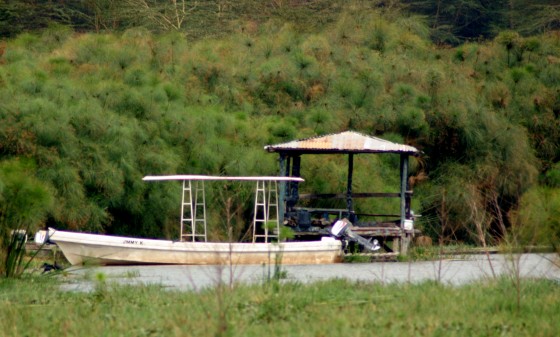
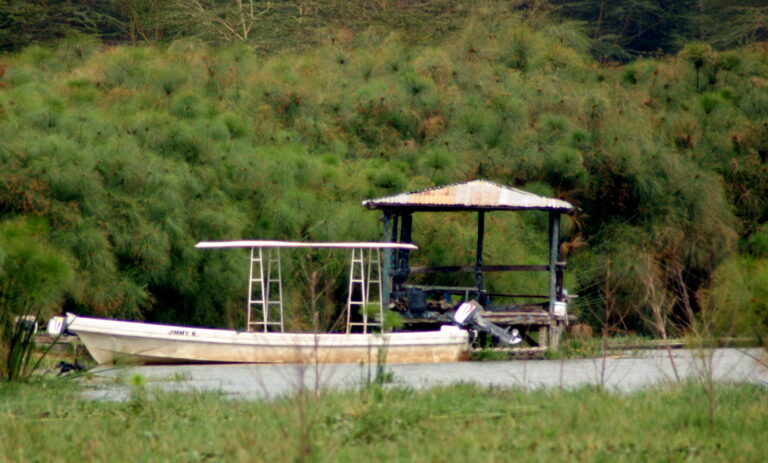
lake-naivasha-boatLake Naivasha has received celebrity status, but what can we do to draw attention to other important water bodies?

We just heard from Captain Goodman that the potash industry, unfettered, is having a disastrous effect on what some consider one of the seven wonders of the world. The Dead Sea is celebrated for its healing salts and draws scores of tourists each year, who are seemingly ignorant of the lake’s latent perils. But the Dead Sea is not alone. Lake Naivasha, a freshwater lake in Kenya’s central rift valley, is similarly taxed.

Dead Sea Worker Exposes Environmental Disaster Through Film

4

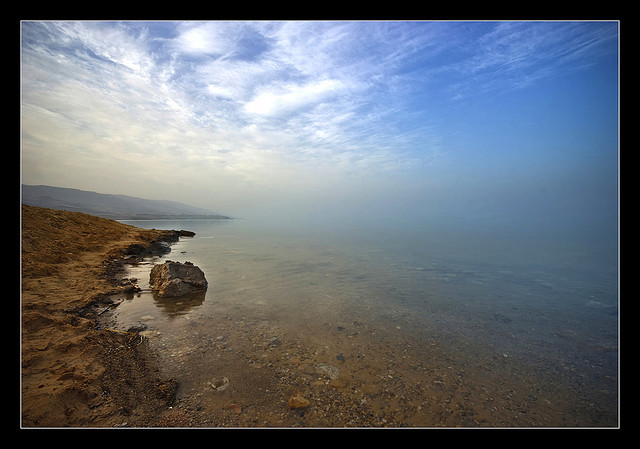
dead sea worksLearning a lesson from the BP workers who kept silent about Deepwater Horizon’s inevitable burst, Dead Sea Workers speak out. And one is putting it on film.

The BP workers from the Gulf of Mexico kept quiet about the foreboding well disaster for years until the Deepwater Horizon burst and became North America’s largest ecological catastrophe ever. To most of us, that’s a sad story, but not all that relevant.

My name is Solomon Isaac Goodman. I grew up on the ocean and I’ve spent most of my life sailing around the world. Four years ago I was hired as a captain on the Dead Sea. I had sailed the Pacific, the Atlantic, the Med and the Red, had crossed canals like the Suez and Panama, and sailed through hurricanes, but nothing prepared me for what I was going to find out about the Dead Sea. 

Ten Tips for Keeping Your Food Safe This Summer

0

frozen raspberriesFood spoils quickly in the heat and releases harmful methane gases. Hannah provides 10 green tips for keeping your food safe.
Summer is coming to a close in some parts of the world, but here in the Middle East we’ve yet to see a break from soaring temperatures. But people and animals aren’t the only ones to feel the heat—our food has been suffering too. If you’ve ever come home to find that the leftovers you planned to eat have gone bad, you’ll know what I mean. Here are ten ways to keep your food at is freshest even in stifling weather.

Solar Power Spreads To Har Gilo Settlement in the West Bank

1

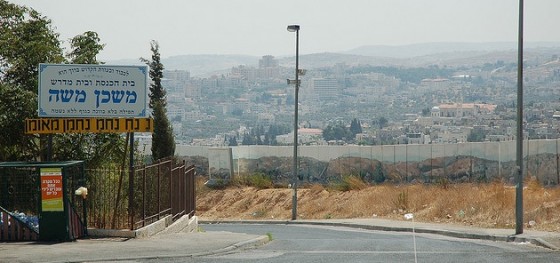
har gilo west bankDue to political constraints West Bank settlements will pay more for solar energy.
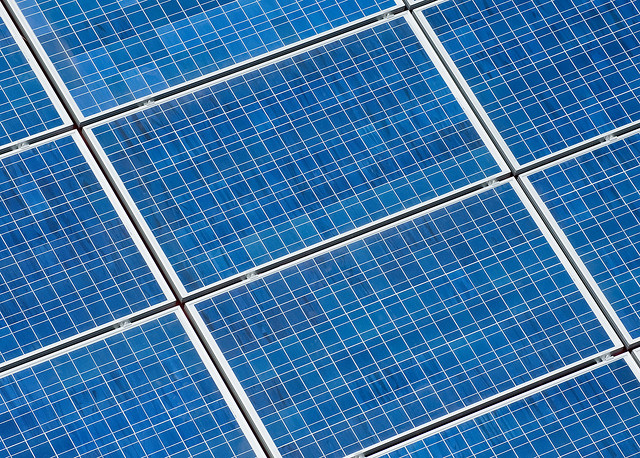
Residents of the Har Gilo settlement in the Guzh Etzion settlement block just south of Jerusalem might not be considered part of Israel by some. But we all know that nature does not care for political borders, and in this case, neither does green technology. The Israeli business daily Globes is reporting that Friendly Energy, an Israeli company that installs photovoltaic technology, has installed two 4 kilowatt solar installations that will supply electricity to the public power firm Israel Electric Company under a 20 year contract that will pay 54 cents per kilowatt hour. The higher price for the power is due to a complicated legal situation that has kept the residents of the West Bank outside the Israeli solar power market, which operates under a Building and Planning Law known as the Electricity Law.

While most of the West Bank is controlled by Israel, it is not a part of Israel and is therefore run by a Civil Administration that acts as de facto government over the region; hence the new power plants could only be built after receiving a special permit from the Civil Administration.

Windstalks May Compete with Turbines to Energize the Middle East

2

field-of-windstalks energy windWindstalks are an interesting concept; but will they really work?

Wind turbines, some of them as large as commercial airliners, have been receiving their fair share of attention recently as being viable producers of electricity in the Middle East and other regional countries, including Turkey.

But now, a new wind energy concept being planned for Abu Dhabi’s Masdar City, involves a totally new concept of  erecting fields of 55 meter high kinetic energy generating “windstalks” that will sway in the  wind in a similar manner as stalks of wheat,  according to inhabitat.

Growing Green Ethic Amongst Emirati Businesses

0

growing-green-ethicDespite the UAE’s bad “eco-rap,” Summertown Interiors is helping to boost the region’s environmental ethos

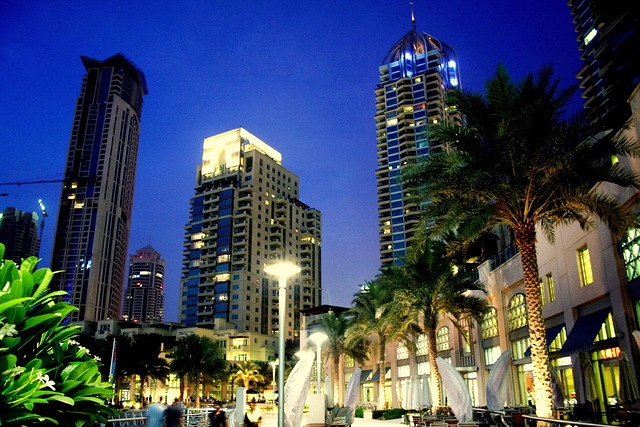
The UAE has been getting some rather bad press recently about their lack of environmental awareness. First, it emerged that only 1 in 25 Emiratis walked anywhere on a weekly basis and then that they throw away around 500 tonnes of food every Ramadan. In 2008, the UAE even beat the US to claim the highest carbon footprint per capita. But it’s not all bad. According to the green-certified design company Summertown interiors, which is based in the country, the UAE is increasingly an environmentally friendly place to do business.

Blue-Green Algae’s Slimy Tricks Revealed

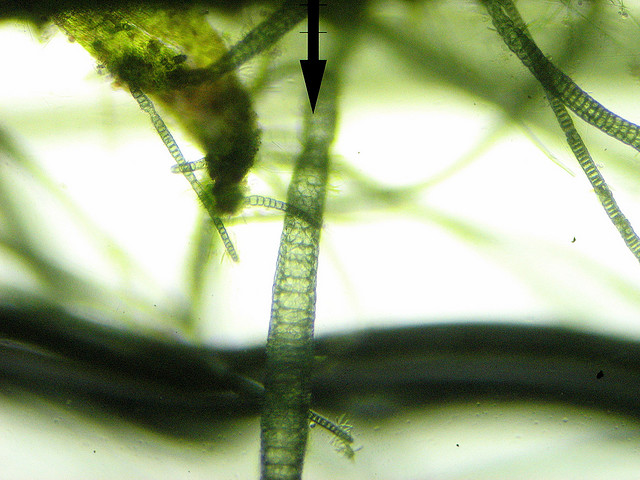
blue-green-algaeBlue-Green algae threatens freshwater bodies (and marine bodies) worldwide. Will a new discovery by Israeli scientists help restore those threatened watersheds?

Freshwater bodies such as the Kinneret have been compromised by the influx of human development and population. Run-off and phosphates enter the water, disrupting the ecological balance and often resulting in eutrophication. This means that the lakes and rivers become deficient in oxygen, but rich in other nutrients that allow plant-life, such as algae, to proliferate. Realizing this, scientists and water boards worldwide have stepped up efforts to reduce the flow of phosphates into water in order to stabilize the ecosystems. Even so, algae continues to bloom. Yehonatan Bar-Yosef with the Hebrew University, in conjunction with the Kinneret Laboratory of the Israel Institute of Limnology and Oceanography, may have discovered why.

Public Transportation Takes Flight In Dubai

0

dubai-metroWill more people in Dubai catch on to merits of metro-riding, ditch the car, and reduce their carbon footprint?

We’ve already established that the Emiratis are not the most enthusiastic walkers; this can be attributed to the region’s crippling heat, as well as a simple cultural phenomenon. This has led to one of the world’s highest emissions rates given that both personal vehicles and power plants are funneling unsustainable plumes of greenhouse gases into the atmosphere. In fact, in 2008, the UAE won the dubious distinction of having the highest environmental footprint per capita. And that was not the first time they hung that dirty plaque on their mantel. Though seemingly bleak, the healthy rate at which the metro is used suggests that the environmental horizon could improve.

Miami Herald Considers Tel Aviv to be the Latest Green Destination

1

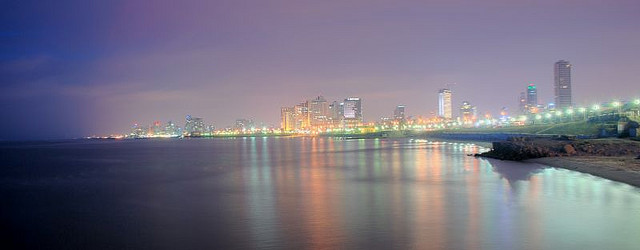
Tel Aviv is home to all types of trendsetters – including the green ones.

This past week the Miami Herald reported on what we’ve known for years: that Tel Aviv, while hot in general, is also one of the hottest green destinations of late.  Their article reported on Tel Aviv’s urban farming, vegan/organic/local food options, green drinks, farmer’s markets, eco-friendly forms of transportation, sustainable design, and more.  And so in light of the Miami Herald stepping up and noticing, we decided to put together our own mini-green guide to Tel Aviv.

Jordanian King Goes to War Over Celebratory Gunfire

jordan wedding traditional gunfire, shooting, killing
No more guns for celebrations, says King of Jordan.

Men in the Arab world shoot live fire in the air to celebrate weddings, and holidays. But stray bullets from the “festive” ceremony injures and kills people, causes stress, and poses a threat to wildlife. Jordan’s king says no more: Jordanian King Abdullah II has decided to personally tackle the issue of festive firing, a common Middle Eastern practice for expressing joy during public celebrations.

The King’s intervention came after two citizens were killed and 13 others injured as a result of celebratory gunfire during last week’s announcement of scores from the Tawjihi, the country’s final high school examination. Following the deaths, the King convened a high-level meeting with Prime Minister Samir Rifa’i, General Intelligence Director Muhammad Rakad, Chief of Police Hussein Al-Majali and other ministers to discuss methods of combating the lethal phenomenon.

Lease Your Roof To A Fiddler, A Farmer, or An Independent Power Producer

1

lease rooftop for solar energyNeed a place to park your solar panels or urban garden? SEGlet’s website offers a revolutionary crowdsourcing solution

Real estate has taken on a whole new dimension. Urban and vertical farming is becoming more popular, as is solar and wind energy production, but space to develop these industries – especially in dense urban areas – is scarce. Naomi Younger developed a viable, symbiotic solution to this quandary. Individuals or organizations that own or lease buildings with a lot of roof space need electricity and food, and power and food producers need space. In order to bring them together, Younger developed SEGlet, a website listing of rooftops and other open spaces. Here’s how it works.

Sushi, Healthy or Risky – 3 Factors to Consider

2

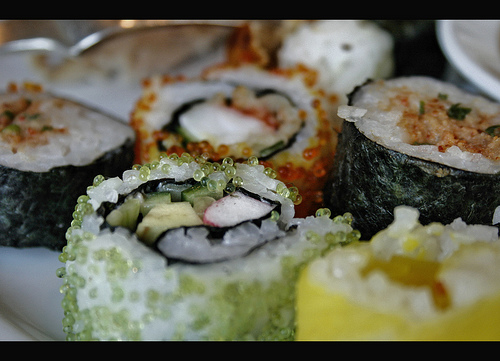
sushi platterSushi always seemed so healthy, but there are less healthy issues to think about

It’s summer, it’s too hot to eat stew or pie, so sushi seems like the perfect idea. It’s filling without being heavy and being made mainly of rice and vegetables it is very healthy. Still you have to remember that there is also the raw fish or seafood in sushi which many of us love. This is where the problems begin, since there are some health issues with the raw fish content of sushi that you might not be aware of.

Bed bugs in the UAE

3

bed bugs, UAE, boy in bed itching

When temperatures increase, so do the incidents of bugs, including those that your mother sang about before you went to bed

As complex, rollercoaster climate change alters life on this planet, we will confront new and unforeseen challenges. Some problems we can anticipate such as reduced food supply and further reductions of biodiversity. We’ve encountered higher, more fatal flooding incidents as a result of decreased biomass, as well as drought. But other symptoms of global warming, such as the new tide of insect infestations in the UAE, may seem less dramatic and less obvious.

Could rising temperatures in the United Arab Emirates be the cause of a new tide of insect infestations?

A bed bug super-strain in the UAE

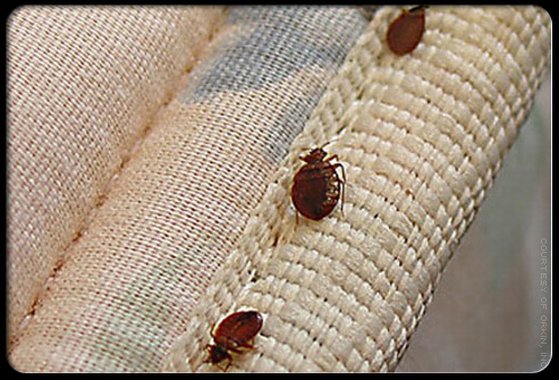
A new at new strain of bed bugs has infiltrated the United Arab Emirates. Only 5mm long, they hitch a ride into people’s homes via clothing and personal items, and then stake out in beds, paintings, wall sockets, and essentially any other elusive, dark place.

The bugs are more active during the summer due to the heat and humidity, but remain a problem year-round, according to pest experts. “The incidences are increasing,” said Mr R, the operations manager of National Pest Control, with offices in Abu Dhabi, Dubai and Sharjah.

“Out of 10 inquiries, seven of them are for bed bugs.”

These bugs are able to survive up to 18 months without food, though they typically seek out nourishment every eight days. When they do, they sneak out of their dark crevices at night, while the rest of the home is fast asleep. AirBNB and short term rentals have been a number one reason for bed bug infestation in large cities like Abu Dhabi and Dubai. Same is true for cities like New York.

How to get rid of bed bugs in the UAE

  • Identify the infestation (find red and itchy welts on neck and body)
  • Find the bed bugs (usually under the mattress)
  • Contain the bed bugs to a room or a bed
  • Get rid of clutter
  • Exterminate bed bugs – using eco-friendly heat treatments, diatomaceous earth. Put bags of stuff in the sun and heat for a week
  • Clean all infested items with hot water, a little bleach.Blow dry on hot.
  • Check the infested area
  • Here are some eco mattress standards if you have no choice

As a result, bed bugs are very difficult to snuff out. Further adding to their cunning, the pests have evolved to resist low level pesticides used to control them, and require several blasts, leading to drastic efforts to exterminate them. Unfortunately, some of these methods have exterminated people instead.

“The Ministry of Environment and Water has increased the limits on the kinds of pesticides available to licensed pest control companies after two of five-month-old triplets died when pest controllers sprayed their neighbour’s home in Ajman in late March,” according to Detrie.

Dubai’s municipality demands that pest controllers disclose the pesticides they are using, as well as their registration certificates, but this hasn’t stopped some “rogue” outfits from taking matters into their own hands.

What are bed bugs?

Bed bugs are small, reddish-brown insects that are about the size and color of apple seeds. They usually live indoors but can also be found in hostels on roofs and in mattresses on patios where people lounge and rest. They feed mostly on human blood although here and there they can agree to suck the blood pets.

They don’t eat food crumbs, skin cells or anything else for that matter. Your blood is all they are interested in.

Bed bugs are flat in general, even after a blood meal, and very good at hiding in small cracks. They don’t have wings, and they don’t jump. But crawl slowly to you at night when you are asleep. Telltale signs are dime-sized swollen patches that are both itchy and sore. They usually appear in the back of your neck but can also appear on other body parts as well, usually those that are hidden like the tummy.

The smaller, younger stages bedbugs (nymphs) start out tan and darken as they grow to the adult stage. Bed bugs that have recently fed will be swollen and reddish. Bed bugs don’t carry diseases, but their bites can cause itchy skin reactions. People who are worried about being bitten, or that they have bed bugs in their homes, also may be anxious and lose sleep.

We got bedbugs from a hostel in Jerusalem and we have many friends with infestations in the UAE. If you are desperate you might go as far as throwing out your entire bedroom. But you needn’t do that. There are eco friendly solutions on the market, so look out for them.

Be wary of dangerous pesticide companies in the UAE

“They treat their own accommodation with this gas, which comes in a tablet form, and then it will kill people sleeping in the next unit,” according to Dr. Alan Dickson, the founder of Ridapest.

These tablets reportedly sold at flower shops are said to be more appropriately used out of doors, for agriculture, though this writer certainly hopes that is not the case. Anything that has the power to kill indoors is bound to be equally toxic outdoors.

“In June, a Nepalese man and an Indian woman were killed in Sharjah after their lodgings were fumigated by colleagues using banned pesticides,” according to Detrie.

Carbon dioxide foam that freezes bugs is considered a friendlier alternative to the killer gas tablets.

“It’s a premium service, but we’ve supplied these treatments to some clients. Our clients can stand in the room next to us while we do the treatment.” said Mr R.

Ecological treatments against bed bugs

Heat treatment is the the most effective eco-friendly bed bug solution available. You can rent a professional heat chamber from an extermination company or contact a bed bug removal professional to treat an infestation. Heat treatment brings the overall temperature of the affected area up to 118 degrees Fahrenheit for at least 90 minutes. The heat destroys any bugs that have infested your home, as well as their eggs.

Heat steam all cloth furniture, like mattresses and couches, by passing the heat steamer close to all surfaces. Once the heat treatment is complete, you should vacuum all bed bug debris and immediately throw out the vacuum bag or container contents. You want all the eggs, every single one of them, gone out of your life.

Diatomaceous earth found in health food stores will kill bed bugs. Treat washable fabrics and steam clean your mattress and box springs if possible.  Dust food grade diatomaceous earth liberally around the legs of your bed. Make sure no fabrics touch the floor and that your bed doesn’t touch any of your room’s walls.

More News from UAE:
Abu Dhabi Chef Removes Threatened Fish From Menu
Masdar City: Small Hiccups, Or Total System Failure?
Can UAE Foreign Minister and South African President Jacob Zuma Save The Environment?