Home Blog Page 595

Inspired By Nature, Water Tips For The Middle East #1

0

stenocara-desert-beetleIn a region where water grows increasingly scarce, we look to nature for various tips on how to make the most of what we have.

Melissa Sterry, a futurologist and scientist whose “Bionic City” incorporates lessons from biomimicry, resilience theory, and living architecture to create a city model that can withstand any extreme natural phenomena, explained that nature has thousands of solutions to the Middle East’s water problems.

Inspired by this, we’ve decided to embark on a quest to bring our readers examples of fauna and flora that have adapted shrewd solutions to water conservation, extraction, or filtration. We’re kicking off with an inconspicuous little beetle from the Namib desert that has a few slick tricks on its wings.

Yemen’s Water Crisis Could Worsen Security

0

yemen-water-shortagesThe Federation of American Scientists urge Yemen to take up “science diplomacy” – otherwise existing security problems could get worse.
Yemen looks like the bust of a flat-faced woman floating on the Gulf of Aden. Recently this harsh stretch of land, which shares its northwestern and most volatile border with Saudi Arabia and is flanked by Oman in the east, has been the scene of much hullabaloo over a terror plot in the US. Most of the country’s problems are attributed to Al-Qa‘ida’s presence in the Arabian Peninsula (AQAP), a disruptive presence indeed. But scientists are trying to draw attention to another crucial source of present and future danger: water scarcity.

Ungreen News: Israeli PM Travels in Million-Dollar Armored Audi

1

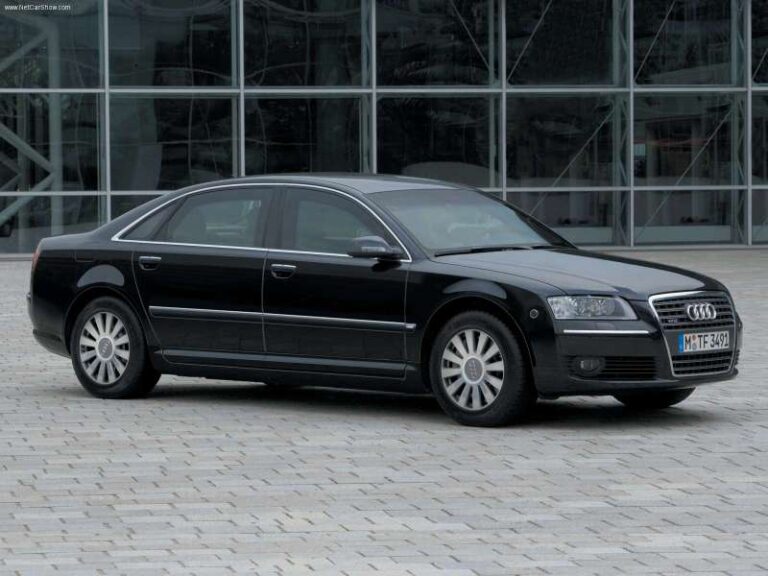
security audi prime ministerA green choice? Fit for a Mexican drug lord, with cigar moistener, the outside view of the Israeli PM’s new Audi A-8 Security. Worth a million bucks?
Shades of James Bond? No folks, this isn’t a special version of the gadget loaded Aston Martin DB-5 that James Bond star Sean Connery drove around in some of the earlier Bond films. And which recently sold at auction for a paltry $4.5 million. And it’s clearly not that white gold Mercedes Benz of some wealthy sheikh in Abu Dhabi still turning heads wherever it goes.

Interview with Assaf Wexler of Dosuno Design, a Multidisciplinary Design Studio

0

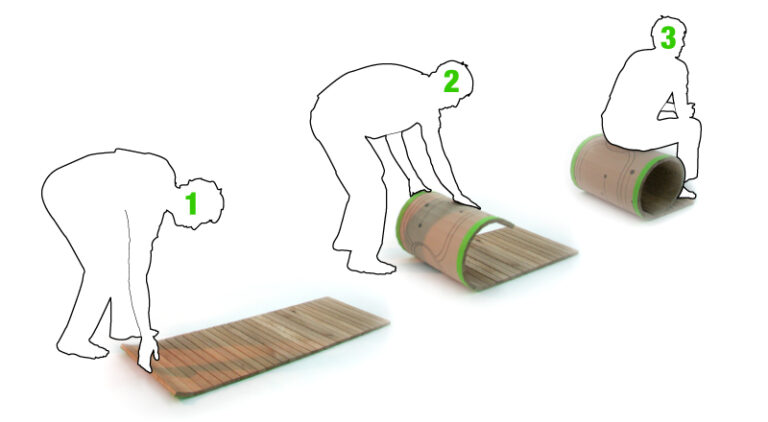
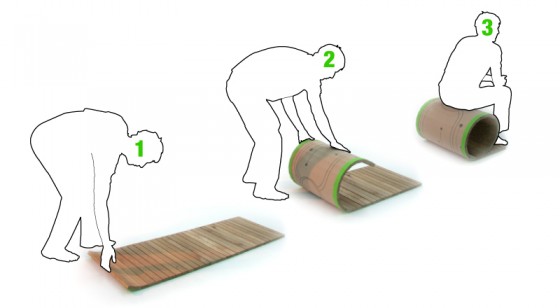
"reusable multifunctional furniture design"Green Prophet talks to Assaf Wexler of Dosuno Design about the sustainability of multifunctional furniture, using recyclable materials, and an eco-prognosis for his old hometown of Tel Aviv.

When it comes to furniture design (or design in general), Green Prophet has consistently been a fan of the sustainable variety – which comes in many shapes and sizes.  Sustainable furniture can be upcycled and made out of repurposed materials, such as old doors and shutters.  It can also be made out of recycled materials altogether (like Amir Zinaburg’s chairs made out of recycled soda cans).  We’ve also seen very stylish and durable furniture made of cardboard – a recycled and easily recyclable material.  But to date we have not seen much multifunctional furniture design, which is sustainable because it frees people to require less furniture (and therefore fewer resources).

Israeli designer Assaf Wexler and his partner, Santiago Restrepo, of Dosuno Design in Bogota, Colombia, create many multifunctional furniture pieces and we decided to have a chat with them.

Luz Rises Again as BrightSource for California

7

brightsource breaks ground
As a Californian, I am very happy that BrightSource Energy has been first to break ground on the new solar power projects in California’s desert.

After all, the brains of BrightSource Energy, Israel-based BrightSource Industries, which is responsible for the plant design and engineering, used to be Luz.

Luz built the world’s pioneering solar thermal project in California’s desert, back in the Carter era ’80s, when, just like now, a truly rare green-minded US president promoted clean energy. Now, once again there is a massive resurgence in clean solar energy in the US, propelled by Obama administration funding under the Recovery Act.

But last time, we almost killed it.

People Who Live in Glass Houses…Should Harvest the Desert Sun

3

glass roof tiles sun
These pretty glass tiles from Sweden offer yet another way to create a net zero home, by harvesting energy from the sun all through those sunny Middle East winters.  SolTech Energy tiles are engineered to harvest the heat needed to heat your home by trapping rooftop sunshine and then feeding that heat through the house.

The idea is to turn your entire roof space into a solar heat farm.

San Francisco Taxis Make The Switch To Better Place Electric Vehicles

0

better-place-EVSan Francisco plans to join the EV fray with an electrified taxi fleet.

In the short-term, electric vehicles (EVs) aren’t so sustainable. Although they reduce carbon emitted from individual vehicles to basically zero, they still require electricity, the bulk of which in most countries is produced by burning carbon-emitting fuels.

They also require unfriendly batteries that are not easily disposed. But once electricity is generated from solar and wind power and appropriate recycling solutions are created, EVs could go a long way to reducing city din and smog.

But there’s more. A significant challenge is getting enough of a charge to make EVs practical. Modern drivers are accustomed to being able to travel long distances, stop, fuel up, and drive on. But recharging EV batteries requires an investment that tests our time-starved society. As a solution, this past April Better Place inaugurated a battery switch program for a Tokyo taxi fleet. Following their success, San Francisco plans to implement the same.

Formula Companies Harm Saudi Babies by Promoting “Safe” Formula

0

Child holding cigarettePfizer’s Saudi Arabia campaign to teach doctors safe baby milk practices is  like cigarette companies  promoting cancer prevention.
In the book Understanding Breastfeeding in the Middle East, author Modia Batterjee laments the decline of breastfeeding in Saudi Arabia. At first glance, the 26 Club Forum for Child Health and Nutrition founded to “raise awareness on the new health problems that affect Saudi children,” is a step in the right direction. Now, 26 experts in the field of infant health and safety gathered last Thursday to discuss health among Saudi children. The theme of the first session is “Breast Feeding: The Ideal Diet.” Yet a closer look at the organizers and content of the forum raise serious health concerns.

Phoebus Energy Offers A Hybrid Heating System for Hotels and Hospitals

1

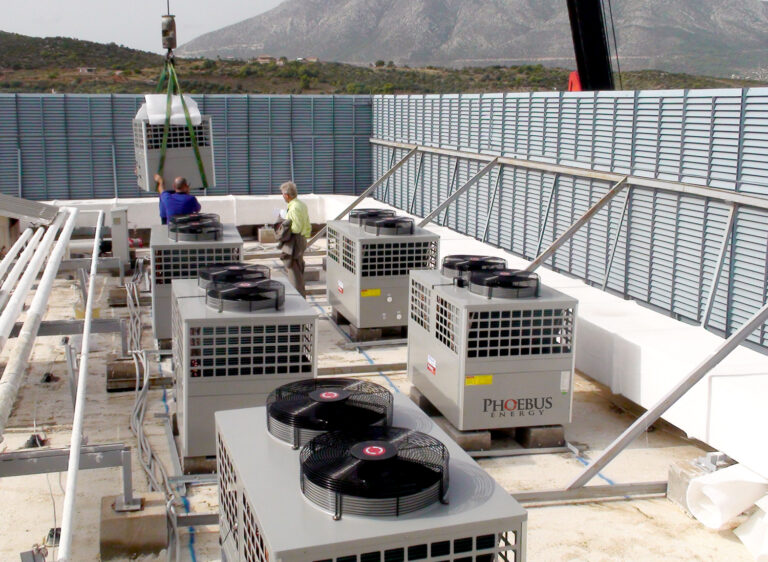
phoebus energy inbal hotelUsing heat pumps and expert data analysis, Phoebus is installing their energy saving solution at the Inbal Hotel in Jerusalem. They promise to offer energy savings, an ROI after 2 to 3 years.

Some of the highest energy costs for large facilities today, especially in the hotel hospitality and health care industries, stem from their extensive heating systems. Not only is the continuous operation of these systems expensive, but since many facilities are heated by fossil fuel-powered central boilers, their fuel consumption and carbon emissions are significant.

Unfortunately, traditional solar power systems don’t seem to be able to provide these industries with the energy performance they need. Phoebus-Energy develops and markets an innovative hybrid water heating system which saves 40-70% of annual fuel consumption and drastically reduces carbon emissions.

Utilizing indirect solar thermal energy and complex data analysis, Phoebus could be a game changer for the industry. Green Prophet sat down with Phoebus-Energy CEO Yoav Ben Yaacov to learn some more about this innovative system.

Interview: Melissa Sterry And The City That Loves Floods

0

Melissa Sterry green awardsA 21st Century Bionic Pioneer, Melissa Sterry talks to Green Prophet about built environments that embrace the volatile new world order.

Melissa Sterry makes our spooky future full of increased flooding, stronger hurricanes, and severe drought look like a playground.

By applying Resilience Theory, Biomimicry, and Living Architecture principles to every aspect of building, she is creating a city model that not only anticipates but welcomes intensifying natural phenomena.

A judge on the recent GREEN AWARDS 2010 panel, Melissa is an interdisciplinary design scientist, futurologist and sustainable innovation strategist.

The think tank and laboratory Societás Melissa founded in 2004 fuses the sustainability mantra with media, design, and visual arts, while NEW FRONTIERS is  “A catalyst for rapid innovation of sustainable design.”

Politicians are talking, but Melissa is walking, and she’s taking all of the world’s most cutting-edge thinkers with her.

Jordan’s Environment Minister Resigns Over Media Controversy

8

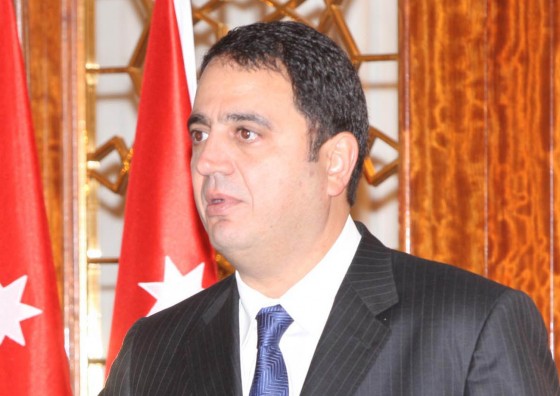
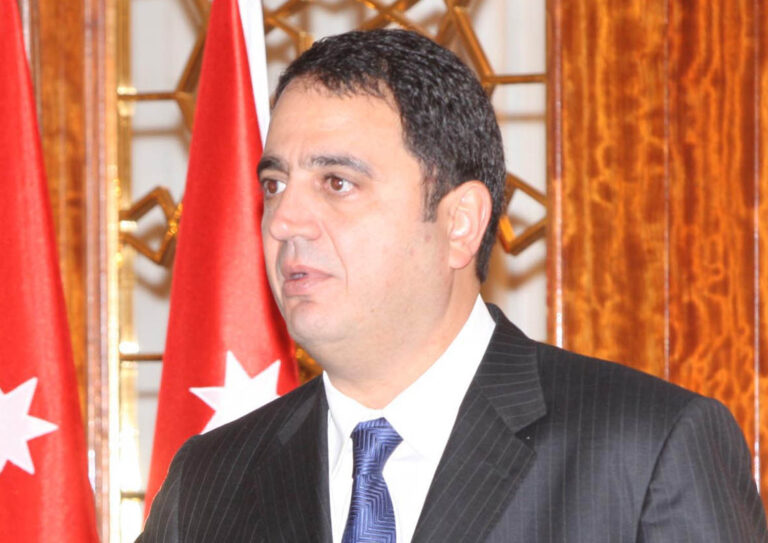
jordan-environment-minister-media-resignNo apologies: Calling the Jordanian media “donkeys” and criticizing them for lack of fact-checking, Jordan’s enviro minister resigns.

It’s no secret that the media coverage on issues relating to climate change in the Middle East is far from perfect. A lot of journalist either don’t get climate change or – even worse- don’t care about it and this often reflected in the standard of journalism coming out of the region. But when the Environment Minister of Jordan Hazem Malhas made some rather harsh remarks about the state of journalism in Jordan last week, he faced fierce criticism which led to his resignation.

BrightSource Breaks Ground (Finally) in California (VIDEO)

1

[youtube]http://www.youtube.com/watch?v=34o8RU5g8XY[/youtube]Cheesy patriotic music and all, BrightSource breaks ground last week in California. Click on the video above to see it.

It’s the moment the world has been waiting for: the Ivanpah solar energy, massive 392-MW solar farm, has broke ground! Being built beside the Ivanpah Dry Lake, in San Bernardino County, California, the plant is now – according to this video – officially under construction. It will be the first site to use BrightSource’s solar thermal concentrating installation to to provide power for 140,000 homes. Set to be active by 2013, the video, and some super-, I mean really cheesy music, shows the official ground-breaking ceremony. I guess BrightSource got around the building-on-native-land-problem that’s recently come to light.

A Growing Gulf Dependent on Imported Food

rotating skyscraper
Skyscrapers (even rotating!) and dreams of vertical farms, but not a greenhouse to be seen. The Gulf is growing more and more dependent on imported food.

Many Gulf countries are investing heavily in foreign farmlands that are more fertile, chiefly in Africa, but also India and Pakistan, in a bid to secure a steady food supply. Looking out over the glass and concrete skyscrapers that dominate the skylines in Abu Dhabi, Jeddah or any other oil dependant city in the Gulf, farmlands or greenhouses are nowhere to be seen.

Ever since oil and natural gas was found in the 1950s and 60s, the region has undergone tremendous economic development, turning small villages into sprawling modern metropolises. Food production, on the other hand, has not been able to keep up pace to feed the masses of expats who have moved to the region to work in the bustling economy.

Esfahan Is Almost As Polluted As Tehran

4

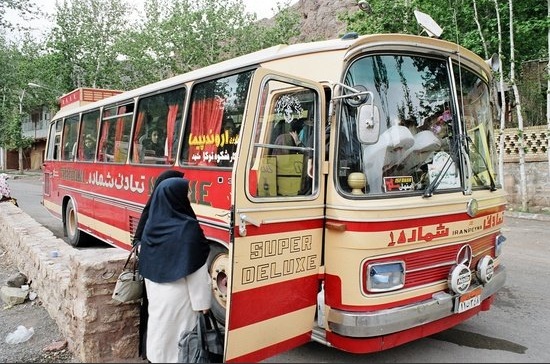
esfahan bus iranA look at the air pollution in Esfahan, Iran. Cars and the clay brick industry are some of the biggest problems. The solution? Take the bus.
In 2005 it was announced for the first time that the air pollution of Esfahan, the third big city of Iran, was in an emergency situation. Since then Esfahan has experienced a quick increase in air pollution. Today this city is the most polluted Iranian city after Tehran. The number of the “clean air” days in Esfahan was only 11 days last year. 

Where is the pollution coming from? Seventy to 75 percent of this pollution is caused by automobiles. So this has caused more strict control over emissions of the vehicle motors. Yearly checking of the car engines are done by special centers. This has recently been compulsory for car owners.

Nuclear-Powered Water For The UAE?

0

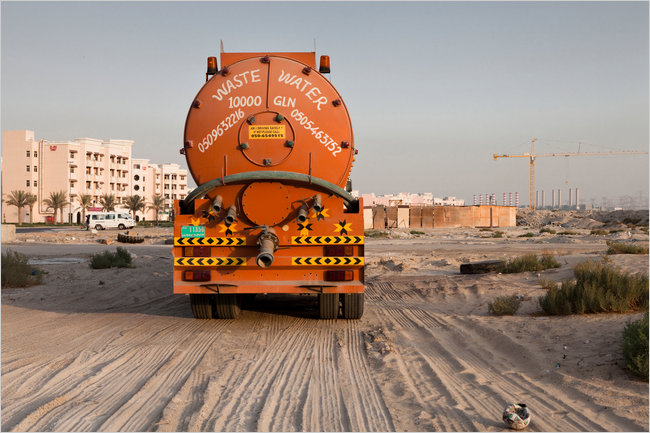
UAE-water-shortages-nuclearThe Emirates are feeling the pressure of energy and water deficits. Unfortunately, their nuclear solutions are still shortsighted.

Dubai grew and grew: without any kind of environmental foresight, the Emirate built the tallest this and the biggest that, showing off its engineering might. And despite some efforts to learn from its neighbor’s mistakes, Abu Dhabi is heading in the same direction with developments such as the new Ferrari theme park. Now everyone in the UAE is beginning to suffer the upshot of such developmental hubris. Running out of energy, but desperate for water, the Emirates are going nuclear to power their desalination plants.