
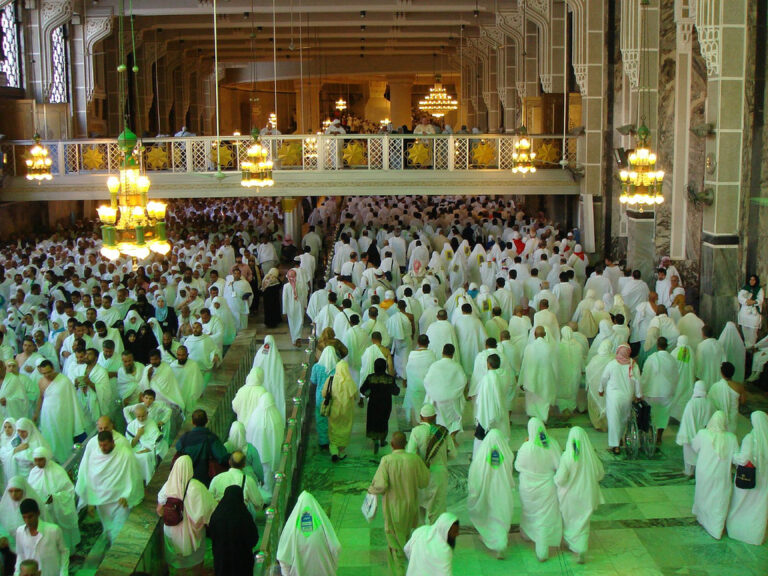

A high speed train to Mecca in Saudi Arabia will cut down on carbon emissions during hajj this year, but its reach is limited.
Every year, around three million Muslims from across the world prepare for the spiritual journey of a lifetime. Many will have been saving up for the trip for years and will be prepared to travel thousands of miles to reach their destination: Mecca in Saudi Arabia to perform the hajj.
As one of the five pillars of Islam, every Muslim who has the financial and physical ability is encouraged to make the pilgrimage to Mecca which is Islam’s most holy site. The question is can this spiritual pilgrimage, which leaves behind a trail of waste and carbon emissions, really be transformed into something more green?
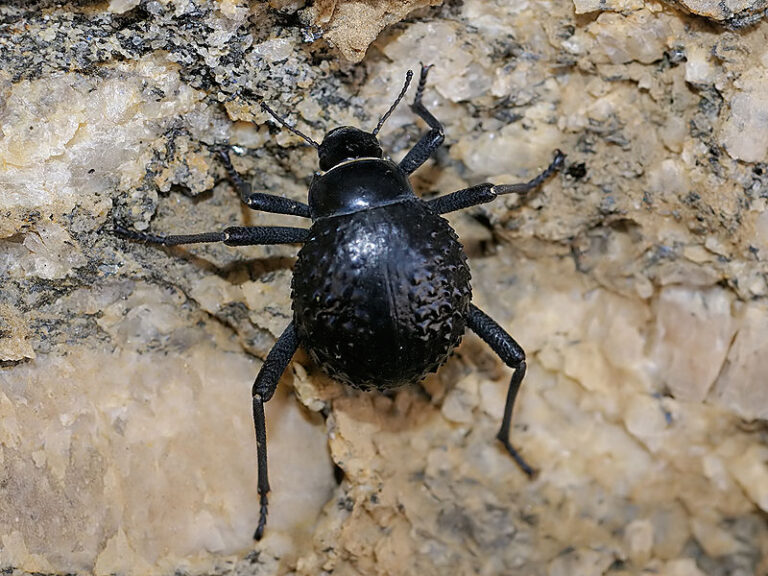


 The Federation of American Scientists urge Yemen to take up “science diplomacy” – otherwise existing security problems could get worse.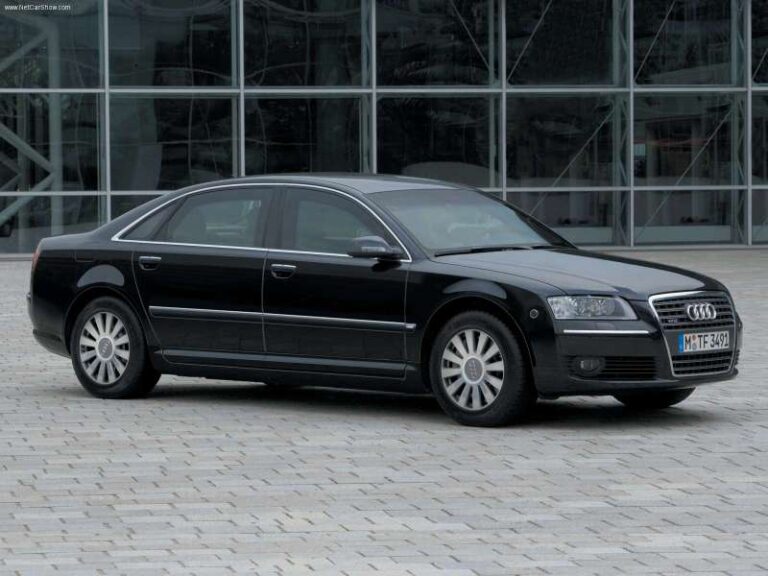
 A green choice? Fit for a Mexican drug lord, with cigar moistener, the outside view of the Israeli PM’s new Audi A-8 Security. Worth a million bucks?


 Pfizer’s Saudi Arabia campaign to teach doctors safe baby milk practices is like cigarette companies promoting cancer prevention.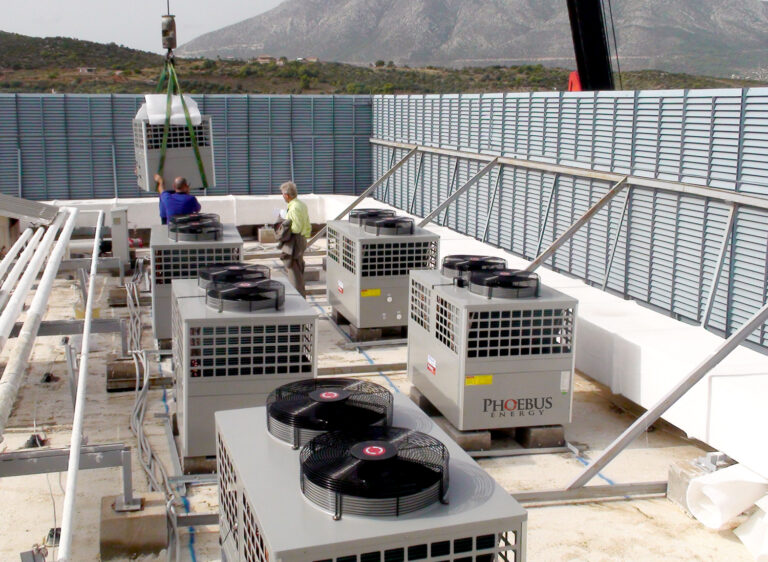
 Using heat pumps and expert data analysis, Phoebus is installing their energy saving solution at the Inbal Hotel in Jerusalem. They promise to offer energy savings, an ROI after 2 to 3 years.


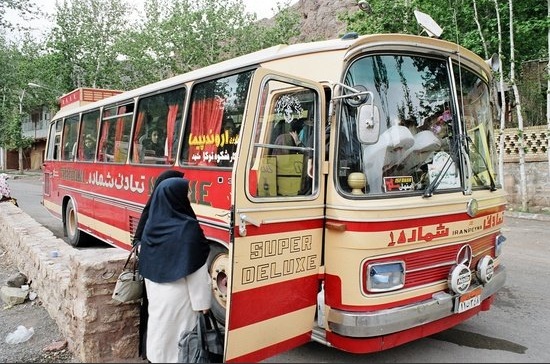 A look at the air pollution in Esfahan, Iran. Cars and the clay brick industry are some of the biggest problems. The solution? Take the bus.