The Middle East North American beauty market is estimated at $60 billion by 2025 and it currently sits at $46 billion USD according to The Middle East Market Report. MENA countries include Saudi Arabia, the United Arab Emirates, Kuwait, Oman, Jordan Lebanon, Syria, Israel, Tunisia, Afghanistan, Libya, Morocco, Greece and sometimes Turkey.
Currently valued at $46 billion, the MENA beauty industry is projected to grow to $60 billion by 2025, driven by a young, addicted population and rising incomes.
A MENA woman. She could be from Morocco, Lebanon, Israel or Yemen.
There is a growing demand for “A-beauty” (Arab beauty) products that cater specifically to regional preferences and color palettes, and skin tone, and a surge in local brands like Saudi-based Asteri and Omani luxury fragrance house Amouage. Israeli-conceived Moroccan Oil and Yes To products are some better known ones in the mainstream.
One standout trend is the region’s focus on heritage and local ingredients, with many consumers in places like Saudi Arabia prioritizing brands that preserve cultural traditions. See the folk Bedouin beauty products of Miriam Aborkeek.
E-commerce is expected to hit $50 billion by 2025, driven by high online engagement, particularly in Saudi Arabia, where 82% of the population consumes digital content regularly.
Beauty categories such as skincare, make-up, and fragrance will see double-digit growth, with the global fragrance market expected to reach $7.21 billion by 2032, largely influenced by the UAE and Saudi Arabia.
A sea robin Prionotus carolinus tasting with its legs.
We met a Russian scientist who is convinced that people can see with their skin. He’d like this research: leggy fish called sea robins that can taste with its legs.
The northern sea robin (Prionotus carolinus) uses its six legs to stroll the ocean bottom and to taste the sea floor for buried prey.
Sea robins are unusual animals with the body of a fish, wings of a bird, and walking legs of a crab. Now, researchers show that the legs of the sea robin aren’t just used for walking. In fact, they are bona fide sensory organs used to find buried prey while digging. This work appears in two studies published in the Cell Press journal Current Biology.
“This is a fish that grew legs using the same genes that contribute to the development of our limbs and then repurposed these legs to find prey using the same genes our tongues use to taste food—pretty wild,” says Nicholas Bellono of Harvard University in Cambridge, MA.
It’s “the weirdest, coolest fish I’d ever seen”, says developmental biologist David Kingsley.
Bellono, along with Kingsley of Stanford University and their colleagues, didn’t set out to study sea robins at all. They came across these creatures on a trip to the Marine Biological Laboratory in Woods Hole, MA. After learning that other fish follow the sea robins around, apparently due to their skills in uncovering buried prey, the researchers became intrigued and took some sea robins back to the lab to find out more. They confirmed that the sea robins could indeed detect and uncover ground-up and filtered mussel extract and even single amino acids.
As reported in one of the two new studies, they found that sea robins’ legs are covered in sensory papillae, each receiving dense innervation from touch-sensitive neurons. The papillae also have taste receptors and show chemical sensitivity that drives the sea robins to dig.
“We were originally struck by the legs that are shared by all sea robins and make them different from most other fish,” Kingsley says. “We were surprised to see how much sea robins differ from each other in sensory structures found on the legs. The system thus displays multiple levels of evolutionary innovation from differences between sea robins and most other fish, differences between sea robin species, and differences in everything from structure and sensory organs to behavior.”
Through further developmental studies, the researchers confirmed that the papillae represent a key evolutionary innovation that has allowed the sea robins to succeed on the seafloor in ways other animals can’t. In the second study, they looked deeper into the genetic basis of the fish’s unique legs. They used genome sequencing, transcriptional profiling, and study of hybrid species to understand the molecular and developmental basis for leg formation.
Their analyses identified an ancient and conserved transcription factor, called tbx3a, as a major determinant of the sea robins’ sensory leg development. Genome editing confirmed that they depend on this regulatory gene to develop their legs normally. The same gene also plays a critical role in the formation of sea robins’ sensory papillae and their digging behavior.
“Although many traits look new, they are usually built from genes and modules that have existed for a long time,” Kingsley said. “That’s how evolution works: by tinkering with old pieces to build new things.”
The findings show that it’s now possible to expand our detailed understanding of complex traits and their evolution in wild organisms, not just in well-established model organisms, according to the researchers. They are now curious to learn more about the specific genetic and genomic changes that led to sea robins’ evolution.
Last week, the first schizophrenia medication in decades with a new mechanism of action won US regulatory approval. The drug, KarXT (sold as Cobenfy), targets proteins in the brain known as muscarinic receptors, which relay neurotransmitter signals between neurons and other cells.
Activating these receptors dampens the release of the chemical dopamine, a nervous-system messenger that is central to the symptoms of schizophrenia.
The approval is an example of what molecular pharmacologist Andrew Tobin calls “an emerging golden age of muscarinic drug development”.
The area has its roots in antiquity, he notes: ancient Egyptians treated airway disease by breathing the smoke from a herb containing a muscarinic receptor antagonist.
Now, with a better understanding of the receptor’s biology and advances in drug design, these medications offer promise for other hard-to-treat neurological diseases, including Alzheimer’s disease which can be treated with a Middle East secret you can buy at the supermarket.
Microplastics and your testicles: a poster from the NY subway train
Plastic pollution is creating a ‘plastisphere’: a widespread habitat that includes pathogenic viruses and antimicrobial-resistant bacteria, a group of environmental researchers highlights. The problem has no easy fix, but the ecosystems of the plastisphere must be thoroughly studied, with consistent sources of funding and backing from policymakers, if we’re to mitigate the risks posed by the pathogens lurking within.
L to R: Sheikh Ahmed bin Saeed Al Maktoum, Saeed Mohammed Al Tayer, Waleed bin Salman, Yousuf Mohammad Ali, Abdul Nasser Akil Abbas, Waleed Alnuaimi, Devarajan Srinivasan.
In a significant move towards enhancing energy efficiency and sustainability, Emirates the official airline of the UAE has partnered with Etihad Clean Energy Development to launch a large-scale solar energy project at the Emirates Engineering Centre in Dubai.
The signing ceremony took place at the World Green Economy Summit 2024 in the presence of Sheikh Ahmed bin Saeed Al Maktoum, Chairman of the Dubai Supreme Council of Energy, and Chairman and Chief Executive, Emirates Airline and Group; and Saeed Mohammed Al Tayer, Vice Chairman of the Dubai Supreme Council of Energy, and Managing Director and CEO of Dubai Electricity and Water Authority (DEWA).
The project includes the development, engineering, procurement, construction, testing, and commissioning of solar photovoltaic (PV) systems at Emirates Engineering Centre, along with 20 years of operation and maintenance services.
A total of 39,960 solar panels will be installed, providing 37% of the facility’s annual energy consumption and reducing CO2 equivalent emissions by over 13,000 tonnes each year when fully operational. The total capacity is 23,177 kWp, with an estimated annual generation of 34,301,960 kWh.
Sheikh Mohammed bin Rashid Al Maktoum, Vice-President and Prime Minister of the UAE and Ruler of Dubai, stands in front of the the first world functional 3D printed offices during the official opening in Dubai May 23, 2016.
Sheikh Ahmed bin Saeed Al Maktoum said: “This initiative highlights Emirates’ commitment and continued investment in renewable energy solutions as part of our sustainability strategy. By integrating solar energy into the Emirates Engineering Centre, we are significantly reducing our carbon footprint while supporting the UAE’s clean energy goals. We are pleased to partner with Etihad Clean Energy Development in this solar PV project, which adds another milestone in our sustainability journey and greatly expands the number of solar installations at our facilities.”
Saeed Al Mohammed Tayer said: “Etihad Clean Energy Development, a leading provider of energy efficiency solutions in the region, will spearhead the project, showcasing its expertise in delivering high-performance energy systems. Through this partnership, Etihad Clean Energy Development and Emirates Airline will ensure the long-term operational efficiency of the solar PV systems while achieving substantial reductions in carbon emissions and energy costs. We are proud to collaborate with Emirates Airline on this landmark project. Our partnership not only supports the UAE’s vision for a sustainable future but also sets a precedent for renewable energy adoption in the aviation sector.”
With a 20-year agreement for operation and maintenance, the solar PV systems will contribute to long-term environmental benefits, ensuring that the Emirates Engineering Centre continues to operate efficiently using clean energy. This project is part of both companies’ broader efforts to support the UAE’s sustainability agenda, which focuses on reducing reliance on non-renewable energy sources and driving progress towards a low-carbon future.
Other Emirates-owned and managed facilities in Dubai with solar panel installations include: the Emirates Flight Catering facility, and The Sevens Stadium which boasts the region’s first and largest solar carport at a sporting facility.
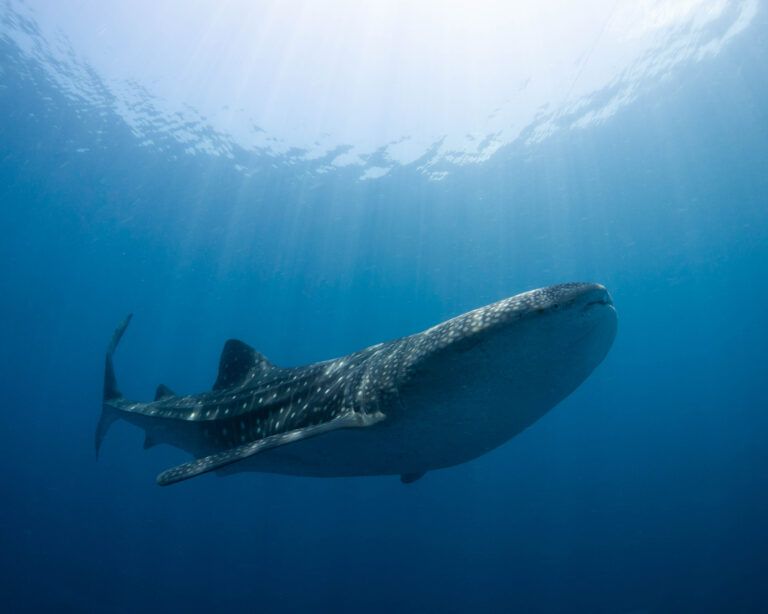
Global warming could increase the threat posed to whale sharks from large ships, according to a new study published in Nature Climate Change.
Researchers from the Marine Biological Association (MBA) and University of Southampton predict that increased ocean temperatures will see this already endangered species driven into new habitats crossed by busy shipping lanes.
The study predicts that the co-occurrence of whale sharks and large ships could be 15,000 times higher by the end of the century compared to the present day.
Lead author Dr Freya Womersley, Postdoctoral Research Scientist at the MBA and University of Southampton said: “These shifts in the whale sharks’ habitat were most extreme under high emission scenarios. A global reshuffling could lead to core habitat losses in some areas as well as increased co-occurrence with shipping traffic as oceans warm and other variables change.”
Whale shark injuries up close
Whale sharks, the world’s largest fish, are highly mobile and responsive to changes in temperature. Recent evidence suggests they are also particularly vulnerable to ship strikes – where large marine animals are struck and injured, often fatally, by large vessels in the global fleet.
Researchers used whale shark satellite-tracking data coupled with global climate models to project the distribution of whale sharks under three different future climate scenarios.
The models project core habitat losses of over 50% in some national waters by 2100 under high emissions (where we continue to rely heavily on fossil fuels), with the greatest potential losses in Asia. Under a sustainable development scenario (in line with the target of no more than 2°C of global warming), some areas showed a gain in core habitat, notably in Europe.
“The shifts we predict are likely to be less extreme if we are able to slow warming and mitigate climate change, suggesting that even complex, multi-factor impacts of climate change can be somewhat alleviated by our actions,” says Professor David Sims, co-author and Senior Research Fellow at the University of Southampton and MBA.
The team paired the distribution maps with information on shipping traffic density to determine if these habitat shifts would see whale sharks move into more heavily trafficked areas in the future, potentially increasing the likelihood of ship strikes.
They found that some newly suitable habitats overlapped with busy shipping routes. This was the case in the US part of the north Pacific Ocean, the Japanese part of the eastern China Seas, and the Sierra Leonian part of the north Atlantic Ocean, among many other sites globally.
Some areas, such as the Mexican part of the Gulf of Mexico, saw reductions in co-occurrence, where core habitats shifted into more coastal waters, away from the busy shipping routes in the centre of the Gulf.
Professor Sims says: “Overall ship co-occurrence increased under all future climate scenarios, even if shipping remained at current levels, rather than its anticipated expansion of up to 1,200 per cent by 2050.”
Womersley added: “We show that climate change has the potential to indirectly impact highly-mobile marine species through interacting pressures of humans and the environment. This highlights the importance of factoring climate change into discussions around endangered species management.”
Perhaps a software engineer can help solve this by timing migrating patterns with shipping routes.
Scientists at The University of Texas at El Paso and Stanford University were recently surprised to find that the natural community of zooplankton — tiny, aquatic animals known to graze on bacteria— present in freshwater and saltwater do not clean water that is contaminated with fecal microorganisms. That means poo.
The research, published today in the biology journal mSphere, reveals important insights about the limitations of zooplankton in treating bodies of water that have been contaminated with fecal organisms, the team said. A 2017 US water quality inventory revealed that over 50% of rivers, bays and estuaries were unsafe for at least one use, in many cases because of fecal contamination.
“When sewage is released into clean bodies of water and humans are exposed to it, it can lead to illness in humans,” said Lauren Kennedy, Ph.D., assistant professor of civil engineering at UTEP, who is the corresponding author on the study. “Our research seeks to understand what factors can render pathogens unable to infect people. In other words, how long does it take for the water to become safe for recreation again without any forms of outside intervention?”
Kennedy explained that water from sewage and septic tanks can accidentally enter bodies of freshwater as a result of accidents, inadequate water treatment or corroded infrastructure.
The authors hypothesized that zooplankton naturally present in water might graze on microorganisms from fecal contamination, inactivating the organisms and effectively “cleaning” the water.
To test this idea, the team added a virus called MS2 and the bacteria E.coli to samples of freshwater and saltwater taken from the San Francisco Bay area of California. MS2 and E.coli are considered useful proxies for scientific research, Kennedy said, because they are present at high concentrations in sewage and their presence often indicates fecal contamination in the environment. The water samples naturally contained both “large” particles like zooplankton, sand and dirt, and “small” or dissolved particles like salt.
They found that the large particles, including zooplankton, did not have a significant effect on the inactivation of the pathogen proxies. The small particles, however, seemed to have a greater impact. The pathogen proxies were inactivated at higher rates in high-salinity water, for example, ocean water taken from San Pedro Beach.
“I am proud that we were able to provide another perspective to consider for surface water remediation efforts,” Kennedy said.
The research, she added, is an important step forward in understanding the limits of zooplankton as natural “cleaners” of contaminated water. The next phases of the research will focus on the impact of salinity on pathogen survival in contaminated waters.
Gift giving might be better friendship glue than a late night support chat
There is an expression from Jewish sages: choose a rabbi, buy a friend. Research now shows that at least the second part of the expression rings true when put to the test.
Researchers found that the next time you’re looking to cheer up a friend or loved one, giving them a small gift — flowers, candy, a homemade treat — may lift their spirits faster and better than a supportive talk or text chat.
A new research paper co-authored by Hillary Wiener, assistant professor of marketing at UAlbany’s Massry School of Business, finds that receivers of support “perceive a gift to be a larger sacrifice” by the support giver rather than a conversation. This perceived difference in sacrifice results in gifts being more effective at “promoting emotional recovery” or, in other words, making recipients feel better.
The paper, “Money can buy me love: Gifts are a more effective form of acute social support than conversations,” was published in the Journal of Consumer Psychology. Co-authors are Holly Howe from HEC Montreal and Tanya Chartrand from Duke University.
“A gift that’s given — outside of a birthday or holidays — feels more like they were really thinking about you. They went out of their way to do something special for you,” Wiener says of the findings. “And it’s that feeling of being cared about that makes people feel better.”
Sustainable gifts are simple and natural
The research deployed seven studies, including a behavioral analysis of live interactions between 81 pairs of genuine friends with actual sacrifices of time and money. In that study, the friends were assigned roles of “support givers” and “support receivers.”
The latter group wrote private notes, unseen by researchers, about situations for which they wanted support. The former group, the givers, were further divided to either give a small gift or to have a talk with their friend. Researchers checked to ensure the gifts and time were of comparable value. As expected, the support recipients reported feeling better after receiving the gifts versus having the talks. The six other studies examined aspects such as why recipients perceive gifts as a larger sacrifice, the intentionality of the gift and how direct enjoyment plays a role.
Wiener knows that the finding may seem counterintuitive, perhaps even controversial to some.
“I think there’s this idea in society that … talking to others can be difficult and that you shouldn’t just buy your way out of doing it,” says Wiener. “What I really like about this finding is that it’s kind of a win-win where the thing that feels easier for the giver is actually more beneficial for the recipient.”
Wiener and her research partners acknowledge more studies need to be done and caution that constant gifts and higher perceived levels of sacrifice could actually cause feelings of indebtedness or even guilt in the recipient. If you’re thinking that springing for a shared gift experience, like a spa treatment or kayaking trip is the perfect answer, the researchers say to consider that the gesture could be perceived by the recipient as partially self-motivated.
A key region of Antarctica is getting warmer and therefore greener with alarming speed — a trend that will spur rapid change of Antarctic ecosystems say climate change researchers.
“It’s the beginning of dramatic transformation,” says remote-sensing specialist and study co-author Olly Bartlett.
Vegetation cover across the Antarctic Peninsula has increased more than tenfold over the last four decades, new research shows.
The new study – by the universities of Exeter and Hertfordshire, and the British Antarctic Survey – used satellite data to assess how much the Antarctic Peninsula has been “greening” in response to climate change.
It found that the area of vegetation cover across the Peninsula increased from less than one square kilometre in 1986 to almost 12 square kilometres by 2021.
Published in the journal Nature Geoscience, the study also found this greening trend accelerated by over 30% in recent years (2016-2021) relative to the full study period (1986-2021) – expanding by over 400,000 square metres per year in this period.
In a previous study, which examined core samples taken from moss-dominated ecosystems on the Antarctic Peninsula, the team found evidence that rates of plant growth had increased dramatically in recent decades. This new study uses satellite imagery to confirm that a widespread greening trend, across the Antarctic Peninsula, is under way and accelerating.
“The plants we find on the Antarctic Peninsula – mostly mosses – grow in perhaps the harshest conditions on Earth,” said Dr Thomas Roland, from the University of Exeter.
“The landscape is still almost entirely dominated by snow, ice and rock, with only a tiny fraction colonised by plant life.
“But that tiny fraction has grown dramatically – showing that even this vast and isolated ‘wilderness’ is being affected by anthropogenic climate change.”
Norsel Point. Credit Dan Charman
Olly Bartlett, from the University of Hertfordshire, added: “As these ecosystems become more established – and the climate continues to warm – it’s likely that the extent of greening will increase.
“Soil in Antarctica is mostly poor or non-existent, but this increase in plant life will add organic matter, and facilitate soil formation – potentially paving the way for other plants to grow.
“This raises the risk of non-native and invasive species arriving, possibly carried by eco-tourists, scientists or other visitors to the continent.”
The researchers emphasise the urgent need for further research to establish the specific climate and environmental mechanisms that are driving the “greening” trend.
“The sensitivity of the Antarctic Peninsula’s vegetation to climate change is now clear and, under future anthropogenic warming, we could see fundamental changes to the biology and landscape of this iconic and vulnerable region,” said Dr Roland: “Our findings raise serious concerns about the environmental future of the Antarctic Peninsula, and of the continent as a whole. In order to protect Antarctica, we must understand these changes and identify precisely what is causing them.”
The recent nomination of Jessika Roswall as the European Union’s Environment Commissioner has stirred a wave of skepticism across Brussels. Coming from Sweden’s conservative Moderate Party, Roswall represents a government criticized for its lackluster commitment to EU environmental goals. Her appointment has raised concerns about the future direction of the European Green Deal, particularly as she takes on a portfolio fraught with contentious issues such as deforestation and biodiversity.
With the EU struggling to meet its own climate and environmental targets, Roswall’s leadership will be under intense scrutiny, especially as debates over environmental regulations heat up. European Commission President Ursula von der Leyen’s recent comments about possibly delaying the enforcement of the EU’s anti-deforestation regulation underscore the precarious balance the new commissioner will have to maintain. The regulation, aimed at preventing the import of products linked to deforestation, such as cocoa and coffee, has been mired in controversy. Industry groups and NGOs alike have expressed concerns about the feasibility of compliance under the current timeline.
Roswall’s task will not be easy. Sweden’s own environmental record has been less than stellar recently, with the country pushing back against several EU environmental initiatives, including the Nature Restoration Law and anti-deforestation rules. Critics have warned that her nomination could signal a weakening of the EU’s resolve on critical environmental issues. As MEPs prepare for her parliamentary hearing, many are eager to see if she can rise above her government’s track record and advocate for stronger, more effective environmental policies at the European level. However, given how critical these environmental policies are, it’s particularly concerning that EU policymakers are often distracted by less impactful debates.
Distracting Debates
One such issue is the ongoing controversy over the harmonization of front-of-pack food labeling. One of the systems being considered for implementation is Nutri-Score. The FOP label was introduced in 2017 and was developed to help consumers make healthier food choices. Since then, it has only courted criticism. Nutri-Score was designed to simplify nutritional information through a color-coded scale ranging from green ‘A’ to red ‘E’, but its execution has been far from straightforward. The system oversimplifies complex nutritional data, creating confusion among consumers. Foods that are nutrient-dense but traditionally high in fat or salt, such as olive oil, cheese, and cured meats, often receive lower scores, despite being integral parts of balanced diets in many European cultures. This has led to well founded accusations that Nutri-Score unfairly discriminates against heritage foods. Moreover, the frequent changes to the Nutri-Score algorithm have only added to the confusion.
Slow Food cows make high fat milk using regenerative agriculture. Such food made by mistakenly labeled as unhealthy.
For instance, Bel Group announced that the company would not be applying the Nutri-Score label on its cheese products in countries where the system is in place. Bel Group, which produces popular cheese brands like Babybel and The Laughing Cow, expressed concerns that Nutri-Score does not currently account for the specific nutritional benefits of cheese, particularly in relation to recommended portion sizes and its role in a balanced diet. They argue that Nutri-Score fails to provide consumers with accurate information about cheese products. In the meantime, Bel Group continues to provide detailed nutritional information and balanced meal suggestions on packaging and via their websites, ensuring consumers still have access to the information needed for healthier choices.
While the debate over Nutri-Score has captured significant political and media attention, it seems to be a distraction from the more pressing environmental challenges facing Europe. With the EU struggling to meet its climate goals and facing significant pushback on essential regulations like the anti-deforestation law, it is crucial that policymakers focus on the bigger picture.
Managing complexity
Image generated by AI
Roswall’s tenure as environment commissioner will likely be defined by her ability to navigate these complex, high-stakes issues. Von der Leyen’s suggestion to delay the anti-deforestation regulation’s enforcement is emblematic of the balancing act that Roswall will have to perform. The regulation, which officially came into force in June 2023, is currently in a transition phase, with full compliance expected by December 2024. However, the enforcement deadlock, coupled with industry pressure, has led to calls for a postponement. Proponents of the delay argue that companies need more time to adapt to the stringent requirements, which include providing geolocation data to prove that their products are not sourced from deforested land.
The implications of such a delay are significant. MEPs like Pascal Canfin have warned that postponing the regulation could set a dangerous precedent, undermining the EU’s credibility on environmental commitments and potentially stalling other crucial aspects of the Green Deal. Canfin and others argue that backtracking now would send the wrong signal, both to the international community and to European citizens who have placed their hopes in the EU’s ability to lead on environmental issues. A postponement could also embolden those within the EU who are resistant to ambitious climate policies, making it even harder to pass future legislation aimed at tackling deforestation, biodiversity loss, and climate change.
Roswall’s leadership will also be critical as the EU faces increasing scrutiny over its ability to meet its own climate and environmental targets. The bloc has set ambitious goals, such as achieving climate neutrality by 2050 and protecting 30% of its land and sea areas by 2030. Yet, progress has been slow, and there are growing concerns that the EU is not on track to meet these commitments. The upcoming parliamentary hearings will be an opportunity for Roswall to articulate her vision and commitment to these targets.
While the debate over Nutri-Score may seem peripheral in comparison to these larger issues, it is indicative of the broader challenges facing EU policymakers. The controversy surrounding the labeling system reflects a deeper struggle over how best to reconcile public health, cultural heritage, and economic interests.
Roswall’s challenge will be to ensure that the EU’s focus remains on the critical environmental challenges at hand. The EU’s ability to lead on global environmental issues depends on its willingness to make difficult decisions and to stay the course in the face of political and economic pressures.
The new commissioner will need to navigate a complex web of stakeholders, from industry groups and NGOs to national governments and European institutions. Each will have their own interests and agendas, and finding common ground will be no small feat. Yet, the urgency of the environmental crisis demands bold action and decisive leadership.
When exposed to static for 30 minutes daily, the fungal soil microbe Trichoderma harzianum, pictured here, grew more massive and produced more spores than microbes kept in silence.U.S. Department of Agriculture/Agricultural Research Service/Systematic Botany and Mycology Laboratory via Wikimedia Commons
Medical marijuana growers swear by it: that music from different styles enhances the growth of their plants. This is the reason why parents in the 80s played Mozart to their embryos.
There may be something to it:
Soil microbes enjoy bouts of white noise finds scientists in a new research project. Fungal soil microbes that promote plant growth seem to get a boost from white noise. Researchers say it’s like hosting an underground rave.
Members of the the Flinders ecoacoustics team listening to soil (left to right): Dr Jake Robinson, Associate Professor Martin Breed, Nicole Fickling, Amy Annells and Alex Taylor. Photo and animation by Traci Klarenbeek (Flinders University).
When scientists periodically played a noise similar to radio static to Trichoderma harzianum, the fungi grew bigger and produced more spores than other samples grown in a soundproof booth. The vibrations might stimulate mechanoreceptors in Trichoderma’s cell walls, which alters the expression of genes involved in growth, suggest researchers.
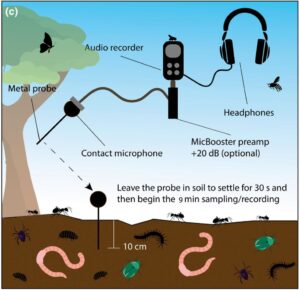
Barely audible to human ears, healthy soils produce a cacophony of sounds in many forms – a bit like an underground rave concert of bubbles and clicks.
Special recordings made by Flinders University ecologists in Australia show this chaotic mixture of soundscapes can be a measure of the diversity of tiny living animals in the soil, which create sounds as they move and interact with their environment.
With 75% of the world’s soils degraded, the future of the teeming community of living species that live underground face a dire future without restoration, says microbial ecologist Dr Jake Robinson, from the Frontiers of Restoration Ecology Lab in the College of Science and Engineering at Flinders University.
This new field of research aims to investigate the vast, teeming hidden ecosystems where almost 60% of the Earth’s species live, he says.
“Restoring and monitoring soil biodiversity has never been more important.
“Although still in its early stages, ‘eco-acoustics’ is emerging as a promising tool to detect and monitor soil biodiversity and has now been used in Australian bushland and other ecosystems in the UK.
“The acoustic complexity and diversity are significantly higher in revegetated and remnant plots than in cleared plots, both in-situ and in sound attenuation chambers.
“The acoustic complexity and diversity are also significantly associated with soil invertebrate abundance and richness.”
Gulf oil companies want to support circular startups: Dr. Abdulwahab Al-Sadoun
The Gulf Petrochemicals and Chemicals Association (GPCA), the voice of the chemical industry in the Gulf region, is pleased to announce the launch of its brand-new networking platform – the “GPCA Startup Nexus” – which will debut during the Annual GPCA Forum from 3 to 4 December 2024 at the Oman Convention and Exhibition Centre, in Muscat, Oman.
For the first time, “GPCA Startup Nexus” will provide young startup companies with a stage to present their unique and forward-looking technologies to a broad audience of investors, experts and decision-makers from chemical companies and international players.
During the forum10 young and motivated startups engaged in advancing the circular economy and climate action will showcase their technologies in Shark Tank-style presentations and take questions from the audience.
During the forum, they will have the invaluable opportunity to forge new connections with large established companies and international investors and promote their solutions. The aim is to create a network of mutual exchange that catalyzes collaboration and to stimulate investments.
The deadline to submit applications and become part of the GPCA Startup Nexus has now been extended until October 7, 2024. Startups established less than seven years ago and with a Technology Readiness Level (TRL) higher than 4 will have the opportunity to apply for one of the coveted places in the two technology fields – circular economy and climate action.
The top five companies in each of the two categories will be shortlisted by an Expert Panel, comprising seven esteemed industry veterans with significant leadership experience in research and innovation at chemical and petrochemical firms.
GPCA will provide eight more startups, which have not been established yet or whose technology has not progressed beyond TRL 4, with the opportunity to apply, connect with potential investors and promote their brand through short “elevator pitch” presentations.
Dr. Abdulwahab Al-Sadoun, Secretary General, GPCA, commented: “In line with our effort to stimulate collaboration and innovation in the chemical ecosystem, we are providing a unique opportunity to emerging and established startups from around the region to take part in the “GPCA Startup Nexus” and present their successful innovations and technologies in the field of circular economy and climate action on the sidelines of the 18th Annual GPCA Forum. We truly believe that the solution to climate innovation depends on cross-sector collaboration, where stakeholders from across the board come together, share their experiences and knowledge and collaborate for a cleaner, more resource-efficient and smarter future.”
Some server farms are buried deep underground to offset carbon emissions created by air conditioning. Choose services that are moving in this direction.
Key takeaways
Data centers, devices, ICT networks account for up to 12% of global energy use
Cooling systems need electric power to keep equipment at the right temperature
Green hosts use renewable energy or put energy back into the grid
Manufacturing electronic equipment accounts for 80% of greenhouse gas emissions
Digital businesses should host multiple virtual servers on one machine
Implementing liquid or free-air cooling can lower energy
A server’s environmental footprint involves carbon emissions, extensive energy use, and other resource expenditures. Online activities like downloading files and streaming videos demand more energy and generate more emissions. Data centers that host servers account for 1% of the global energy demand. It is a low percentage but draws attention to the environmental impact.
According to data of the International Panel on Climate Change, data centers, devices, and ICT networks make up 6-12% of the world’s energy use.
Blockchain, cloud gaming, and virtual reality will create even more demand for data services. Online shopping contributes as well. The number of people who shopped online increased by 68% between 2017 and 2021, reaching 2.3 billion worldwide.
Green hosting mitigates the impact
Data centers use cooling systems to prevent overheating, but they increase water use and energy consumption substantially. They also use electric power for their storage systems, servers, and networking equipment, and cooling systems need electricity to keep all the equipment at the right temperature.
High-capacity hosting centers also need a lot of electric power. Their machines hold and send data around the clock, and keeping them running takes a lot of energy. This is a big part of their environmental impact, which is a compelling reason to choose green web hosting.
Green hosts use renewable energy, put energy back into the grid, or buy certificates, such as Renewable Energy Certificates and Carbon Offset Certificates.
Managing the heat produced by data center equipment
Managing heat from creating crypto.
All the equipment in a data center produces heat. It’s important to manage this heat, but cooling systems also use a lot of energy, creating a vicious cycle that ultimately harms the environment.
Fossil fuels are a frequent source of power for conventional servers. When they are burned, carbon dioxide is released into the air, which is among the causes of climate change. The carbon dioxide produced is proportional to the energy these servers use.
Ecological consequences in numbers
IT equipment has a lifecycle with several stages, and each one impacts the environment.
Manufacturing, using, and disposing of electronic equipment all have ecological consequences. Manufacturing accounts for an estimated 80% of greenhouse gas emissions over the equipment’s life cycle.
Daily use of servers and data centers is growing, which is becoming a real challenge for the economy. As of 2024, the digital sector comprises over 4% of the global carbon footprint. Terminals’ life cycles are the main reason for these emissions. Telecommunication networks and data centers contribute to a lesser extent.
Businesses that invest in corporate social responsibility must consider these issues. The technology used by some service and tech companies contributes to as much as 20% of greenhouse gas emissions. In France, the healthcare sector accounts for 8% of emissions.
Best practices for digital businesses
Digital businesses can reduce the number of physical servers by hosting multiple virtual servers on one machine.
Implementing liquid cooling, free-air cooling, or evaporative cooling systems can lower energy consumption.
PUE, or Power Usage Effectiveness, evaluates how efficiently a data center uses energy. A lower PUE indicates higher energy efficiency. Industry leaders aim for PUE values close to 1.0, which means most energy goes to computing, not cooling.
An abandoned oil tanker with more than 1 million barrels of crude was rusting off the coast of Yemen after it was seized. Solving crises like this requires a special legal expertise.
Maritime law, also known as admiralty law, is a legal field that helps to govern legal issues that may arise in the seas, oceans, or other navigable waters. A maritime lawyer plays a crucial role in handling a wide range of cases relating to shipping, navigation, ocean resources, and maritime industries. This is a specialised branch of law that is particularly useful for nationals with extensive coastlines or significant shipping industries. If you’re looking at maritime legal jobs, read through our article below to find out what a maritime lawyer really does and how to become one.
What Does A Maritime Lawyer Do?
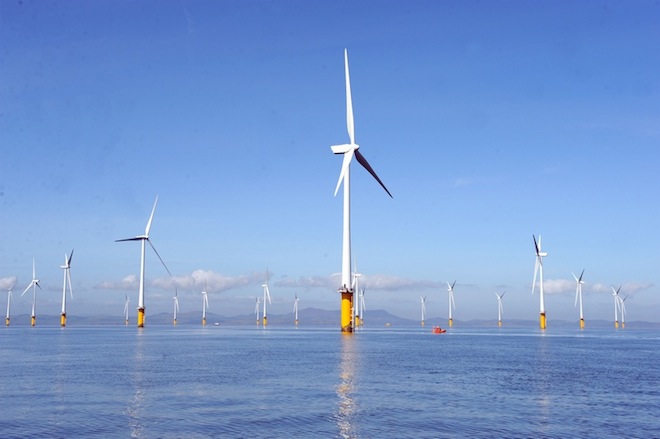
An offshore wind farm needs a team of lawyers.
Maritime lawyers handle a variety of legal issues related to shipping, offshore activities, and marine resources. Some of their main roles include:
Advising on shipping contracts and regulations
This is a vital part of the shipping industry as all forms of global trade rely on creating contracts between the shipmaster and the company looking to transport their goods. A maritime lawyer’s role is to advise businesses and individuals on the many different laws and regulations related to shipping and marine trade. These laws help to govern everything from the movement of goods across seas to environmental standards. Maritime lawyers will typically help to draft and review shipping contracts, ensuring that they comply with the vast array of international and domestic regulations.
Resolving disputes that arise
Maritime disputes are common in commercial shipping, fishing, and offshore operations. Some disputes include cargo claims, ship damage, collisions, and even pollution incidents. Maritime lawyers may take on shipowners, insurance companies, or injured seamen in cases that involve a dispute and can carry out different roles, including litigation, arbitration, or mediation.
Assisting in personal injury and worker claims
It is well-known that safety is a concern in the shipping industry, and that means that maritime lawyers are often involved in personal injury cases arising from the maritime industry. For example, injuries that might happen on ships, oil rigs, and even on docks would all be the responsibility of a maritime lawyer, should they need one. Seafarers, longshore workers, and offshore oil rig personnel may face hazardous working conditions, and a lawyer’s role is to ensure that they receive appropriate compensation under laws such as the Seafarers Rehabilitation and Compensation Act.
Dealing with environmental regulations
The shipping industry is dealing with a growing focus on environmental conservation, and maritime lawyers have to become well-versed in dealing with cases that may involve pollution and environmental damage. Regulations in this area are changing rapidly meaning lawyers must remain up to date with changing laws and requirements to help protect oceans and marine ecosystems. Some cases that may come up in this line of work include oil spills, illegal dumping, and breaching environmental protection laws.
How To Become A Maritime Lawyer
Saudi Arabia wants to turn an oil rig into a Burning Man-like theme park.
If you’re interested in becoming a maritime lawyer, you’ll need to follow a specific educational and professional path.
Firstly, you’ll need to get your law degree and complete practical legal training to apply the theoretical knowledge you have gained. Once you’ve gained admission as a lawyer to practice law, you can start to specialise in maritime law – i.e., working specifically law firms, shipping companies, or government agencies that specialise in this area. You can also consider pursuing postgraduate studies or joining professional organisations that can help you with your specialisation.
Conclusion
Becoming a maritime lawyer requires a sincere amount of dedication and a keen understanding of both national and international laws. With the ability to advise on highly complex shipping regulations, help resolve disputes, and protect the environment, maritime law is a difficult but highly rewarding career path for those interested in a legal profession.
Engineer optimizing renewable energy grids, digital interface, solar panels
As the world transitions to renewable energy sources like solar, wind, hydro, and geothermal, businesses must leverage cutting-edge renewable energy software solutions to manage and optimize their energy resources. Renewable energy software not only facilitates efficient operations but also plays a key role in reducing carbon footprints, ensuring regulatory compliance, and promoting sustainability. In this blog post, we will discuss the best tools and software solutions for renewable energy projects, how to select the right solution for your renewable energy project, and the latest economic developments in renewable energy software.
Understanding Renewable Energy: Powering a Sustainable Future
Renewable energy harnesses Earth’s replenishing resources like sunlight (solar), wind, water, geothermal, and agricultural byproducts to generate clean and sustainable renewable energy systems. These resources are virtually inexhaustible, positioning them as critical for achieving a decarbonized energy sector.
Companies like Arrowhead Economics empower businesses to harness the potential of renewable energy through advanced renewable energy management software and energy management solutions. By optimizing energy production and simplifying compliance with environmental regulations, companies can reduce operational costs, boost sustainability efforts, and seize new opportunities. Take advantage of an expertrenewable energy consultant like Arrowhead Economics to help your team with these complex challenges.
Best Tools and Software for Renewable Energy Projects
Renewable energy software for solar and wind turbines
Choosing the right renewable energy software is essential for optimizing the efficiency and effectiveness of renewable energy projects. The following are some of the best tools in the renewable energy software landscape:
Energy Management Software (EMS)
Energy management software is a core tool for businesses looking to monitor and optimize energy production. EMS solutions such as HOMER Grid and OpenEMS provide real-time monitoring of energy resources, allowing businesses to make informed decisions. These platforms enable integration with grid connected systems and distributed energy resources, helping organizations improve asset performance and maximize efficiency while maintaining regulatory compliance.
Solar Design Software
For businesses investing in solar panels, design software like Helioscope and PVsyst is indispensable. These programs allow users to model photovoltaic (PV) systems, analyze shading impacts, and estimate energy yields under different scenarios. The precise modeling capabilities ensure that solar installations deliver maximum value, reducing inefficiencies and operational costs, while aligning with overall business objectives.
Wind Energy Software
Wind energy projects benefit from tools such as WindPRO, which assists in analyzing wind resource data for better placement of turbines and optimizing renewable assets. This renewable energy software can predict wind patterns, integrate grid considerations, and analyze potential environmental and social impacts, making it crucial for asset managers to optimize assets for maximum returns.
Battery and Energy Storage Software
As energy storage becomes a critical part of hybrid power systems, battery management software like Fluence plays a vital role in managing off grid energy systems. This type of energy software is essential for ensuring operational efficiency, especially for projects that rely on distributed energy resources like solar and wind. These platforms offer advanced analytics, enabling predictive maintenance and real-time monitoring of asset health to ensure continuous power availability.
Hydroelectric Software
Hydropower projects also rely on specialized software like HYDRUS to optimize dam operations and monitor water flow. This software ensures that hydroelectric facilities operate efficiently and sustainably, contributing to the overall mix of renewable energy sources.
Selecting the Right Software Solution for Your Renewable Energy Project
When choosing a renewable energy software solution, consider the size, scope, and specific needs of your renewable energy project. Factors such as the type of renewable energy sources involved (solar, wind, hydro), grid connection requirements, and asset performance metrics should influence your decision. For example, solar projects may require solar design software like PVsyst, while wind farms benefit from wind energy modeling tools like WindPRO.
Additionally, businesses must consider the ability of the software to provide high-quality data for analysis. For asset managers focused on maximizing operational efficiency, software that offers real-time monitoring and predictive maintenance will be vital. By choosing the right energy software tailored to your business objectives, you ensure you can optimize assets and maintain maximum value over the lifespan of your renewable energy project.
Economic Trends in Renewable Energy Software
The renewable energy software market is experiencing rapid growth due to increased global demand and advancements in technology. Governments worldwide are providing incentives for businesses and utilities to adopt renewable energy solutions, driving the need for more innovative solutions in energy management.
Artificial Intelligence (AI) in Renewable Energy Software
AI plays a transformative role in renewable energy software, helping to predict energy production and consumption patterns, particularly for grid-connected systems. These tools allow for the prediction of output from variable renewable sources like solar and wind, optimizing energy distribution and reducing operational costs.
Blockchain in Renewable Energy Trading
Blockchain technology is transforming renewable energy systems by enabling peer-to-peer energy trading. This decentralized system allows energy companies and customers to trade excess power, reducing reliance on centralized grid operators. This shift could have a profound impact on the energy sector, opening the door to more inclusive energy solutions.
How Renewable Energy Software is Driving Economic Growth
The renewable energy sector is a significant driver of global economic growth. According to the International Renewable Energy Agency (IRENA), the sector employed 12.7 million people in 2021, with renewable power sources like solar being the largest contributors. Investment in renewable energy systems, supported by policies like the Inflation Reduction Act, is fostering economic development, sustainability, and innovation.
Takeaway
By adopting renewable energy software tailored to their specific projects, businesses are better positioned to manage their renewable assets, achieve business objectives, and contribute to global sustainability goals. As the energy transition continues, having access to the right tools will be critical for success.























 With 75% of the world’s soils degraded, the future of the teeming community of living species that live underground face a dire future without restoration, says microbial ecologist Dr Jake Robinson, from the