Home Blog Page 545

McNuggets? Macabre.

2

image-chicken-mcnuggets
You thought meat glue was gross? Miriam ventures further into the dark world of food industry.

An article in the Huffington Post by Dr. Joseph Mercola caught my attention recently. It was about McNuggets, the chicken-based fried food that caused a drunken woman to riot when denied her nugget fix last year. Those amused by irrational behavior can watch the surveillance video. It seems that those little fried chunks are addictive. Yet the ingredients listed on their packaging makes me want to head right out to the local farmer’s market, right now.

So what’s really in McNuggets? Although the McDonalds chain has thankfully taken mechanically separated chicken (a paste created out of bones and the scraps clinging to them) out of its kitchens since April of 2010 , the nuggets purportedly contain dimethylpolysiloxane, an anti-foaming agent made of silicone and tertiary butylhydroquinone (TBHQ), a highly toxic  chemical preservative.

Egyptian women forced to take virginity tests

5

virginity test egypt
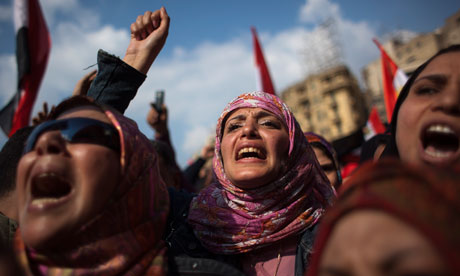
Unstable and unsustainable societies threaten our health, and that of the environment. The latest: virginity tests in Egypt.

Despite their massive involvement in the protests and overthrow of their government, Egyptian women are being denied a voice in the formation of a new government, World Pulse and other watchdog organizations report. Amnesty International has called on the Egyptian authorities to investigate serious allegations of torture, including forced ‘virginity tests’, inflicted by the army on women protesters (we’ve written about in Egypt) arrested in Tahrir Square earlier this month.

After army officers violently cleared the square of protesters on 9 March, at least 18 women were held in military detention. Amnesty International has been told by women protesters that they were beaten, given electric shocks, subjected to strip searches while being photographed by male soldiers, then forced to submit to ‘virginity checks’ and threatened with prostitution charges.

A 2020 documentary on virginity tests in Egypt

‘Virginity tests’ are a form of torture when they are forced or coerced. An Amnesty International spokesperson said:”Forcing women to have ‘virginity tests’ is utterly unacceptable. Its purpose is to degrade women because they are women. All members of the medical profession must refuse to take part in such so-called ‘tests’.”

Twenty-year-old Salwa Hosseini told Amnesty International that she was arrested and taken to a military prison in Heikstep where she was made, with the other women, to take off all her clothes and searched by a female prison guard, in a room with two open doors and a window.  During the strip search, Salwa Hosseini said male soldiers were looking into the room and taking pictures of the naked women.

The women were then subjected to ‘virginity tests’ in a different room by a man in a white coat. They were threatened that “those not found to be virgins” would be charged with prostitution.

According to information received by Amnesty International, one woman who said she was a virgin but whose test supposedly proved otherwise was beaten and given electric shocks.

An Amnesty International spokesperson said: “Women and girls must be able to express their views on the future of Egypt and protest against the government without being detained, tortured, or subjected to profoundly degrading and discriminatory treatment.

“The army officers tried to further humiliate the women by allowing men to watch and photograph what was happening, with the implicit threat that the women could be at further risk of harm if the photographs were made public.”

Journalist Rasha Azeb was also detained in Tahrir Square and told Amnesty International that she was handcuffed, beaten and insulted.

Following their arrest, the 18 women were initially taken to a Cairo Museum annex where they were reportedly handcuffed, beaten with sticks and hoses, given electric shocks in the chest and legs, and called “prostitutes”.

Rasha Azeb could see and hear the other detained women being tortured by being given electric shocks throughout their detention at the museum. She was released several hours later with four other men who were also journalists, but 17 other women were transferred to the military prison in Heikstep.

Testimonies of other women detained at the same time collected by the El Nadeem Center for Rehabilitation of Victims of Violence are consistent with Rasha Azeb and Salwa Hosseini’s accounts of beatings, electrocution and ‘virginity tests’.

An Amnesty International spokesperson said:

“The Egyptian authorities must halt the shocking and degrading treatment of women protesters. Women fully participated in bringing change in Egypt and should not be punished for their activism.

“All security and army forces must be clearly instructed that torture and other ill-treatment, including forced ‘virginity tests’, will no longer be tolerated, and will be fully investigated. Those found responsible for such acts must be brought to justice and the courageous women who denounced such abuses be protected from reprisals.”

All 17 women detained in the military prison were brought before a military court on 11 March and released on 13 March. Several received one-year suspended prison sentences.

Salwa Hosseini was convicted of disorderly conduct, destroying private and public property, obstructing traffic and carrying weapons.

Amnesty International opposes the trial of civilians before military courts in Egypt, which have a track record of unfair trials and where the right to appeal is severely restricted.

Related reports on what creates an unsustainable Middle East :

Egypt’s Conflagation is an Advanced Warning for an Unsustainable World

Tunisia, Egypt: What Fuels Middle East Repression


Project to Reduce Water and Electricity Consumption in 300 Mosques in Dubai

0

The ‘Green Mosques’ project hopes to help conserve water and electricity at 300 mosques- and save around US$1.5 million every year

Water scarcity in the Middle East is nothing new- in fact, the region has been struggling to cope with drought and water shortages for centuries. The only problem is that today, modern urbanisation and population increases have put immense pressure on dwindling water supplies which are already threatened by the effects of climate change. The solution: conservation.

As well as high rates of waste production, the UAE also happens to have one of the highest water consumption rates in the world with around 550 litres of water allocated per person each year. With this in mind, we were happy to hear of an important new scheme which plans to install water and electricity saving devices in 300 Dubai mosque. Not only will it help reduce consumption by 20% it will also help save around US$1.5 million (Dh6 million). Not bad, eh!

Plans To Rehab Israel’s Dunes Will Expand Mediterranean Beach Fun Too

0

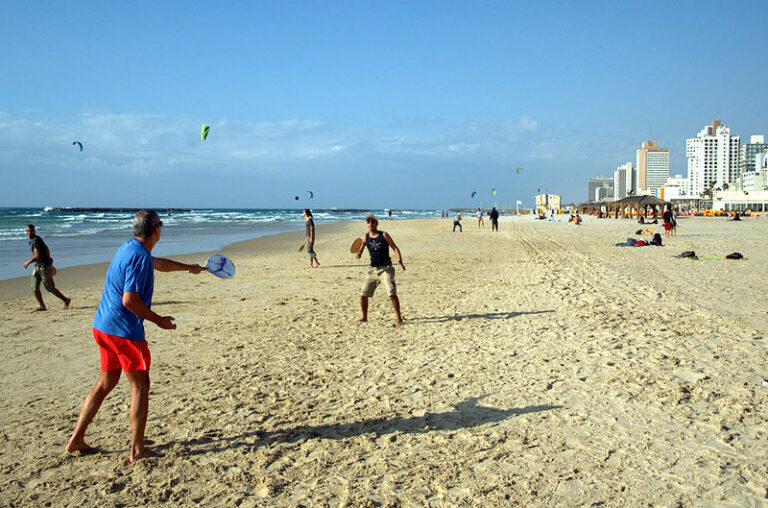
israel tel aviv beachNew parks will give relief to Tel Aviv’s crowded beaches, and save the environment!

Israel’s announcement that it will create a new network of land and sea parks in order to protect its coastal escarpment is a boon for beach-lovers too. A harbinger of what might happen should the Gaza artificial island project take root, Israel’s coastal erosion is an ecological and safety hazard. To make up for years of neglect, the government will pump $144 million into a restoring a total of just over eight miles of beachfront along the Mediterranean Sea. Under the plan, bathing areas will also be expanded. 

MezooMe Designs Creates Fun Organic Baby Linens

1

"organic baby blanket israel"MezooMe puts the “zoom” back in organic textile design.

Like other designers who have turned their energies towards organic baby product design, Israeli designer Anat Biala’s inspiration for MezooMe Designs – a line of organic linens for babies – was her firstborn son, Jonathan.  In 2008, shortly after Jonathan’s birth, Biala had a strong urge to surround her son with high-quality, non-harmful (and very cute) products, which led her to start MezooMe.

MezooMe uses organic textiles both because organic fabrics have been shown to help reduce exposure to allergens and irritants, and because they are more environmentally friendly.  (Not to mention, super soft.)

Defiant Ethiopia To Proceed With Massive Dam On The Nile River

50

blue nile ethiopia

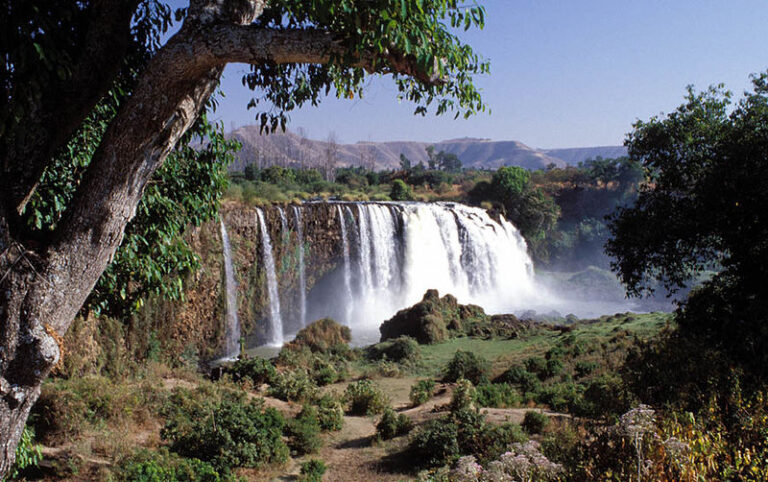
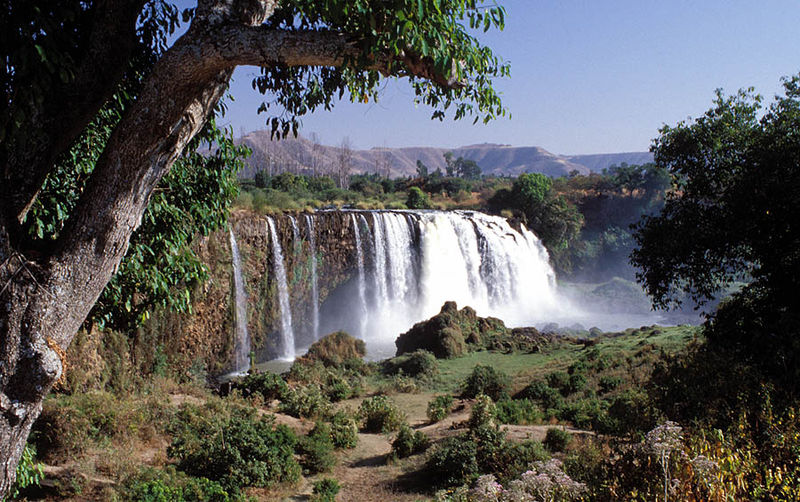
Waterfalls on the Blue Nile. Ethiopia has plans to grab hold of a bigger share of the river despite Egypt’s long held monopoly.

Defiant of Egypt’s historic monopoly over its flow, Ethiopia is pushing ahead with a controversial plan to build a massive dam on the Nile river. Egypt and Sudan have maintained control of the Nile through a series of laws originally brokered by colonial powers in 1929.

But last May, six upstream countries signed a legally binding document that dispossessed Egypt of its right to veto decisions regarding the Nile’s distribution. Buoyed by President Hosni Mubarak’s recent ouster, and undaunted by criticism, Ethiopia insists that it will proceed with its plan even without international support.

At a recent news conference, Ethiopia’s Water and Energy Minister Alemayehu Tegenu explained that construction of the dam near the Ethiopian and Sudanese border is expected to start soon, Reuters reports.

This despite widespread opposition to the project, which Minister Tegenu suspects is a direct result of Egypt’s campaign to prevent the dam’s construction.

But Mr. Tegunu is adamant that Ethiopia will proceed with the $4.78 billion dollar project even without donor support. In order to finance the project, they will sell off government bonds.

white blue river niles, map of africa and the nile

At present, Ethiopia uses 1% of its annual 86% contribution of Nile water, while Egypt has access to 55 out of the river’s 84 billion cubic meter annual flow. Last year, Ethiopia, Kenya, Uganda, Rwanda, Tanzania and Burundi signed an agreement to re-apportion the Nile, an agreement Egypt refuses to acknowledge.

The Nile Dam is expected to generate 5,250MW of hydroelectricity after its completion in approximately 44 months, contributing more than a third to the country’s $12 billion plan to generate 15,000 MW within the next 25 years.

Apart from a non-renewable aquifer, Egypt relies almost exclusively on the Nile to provide for its 85 million and counting residents and is eager to maintain its control. So eager, some mutter, that this dispute could lead to war.

nile delta farms, nile river map, google maps

The Ethiopian Prime Minister Meles Zenawi told Reuters that Egypt is sending rebel groups into its country, but that any effort to declare war on the upstream riparian nations would result in failure.

It behooves Egypt to take diplomatic action, cede its unbalanced influence without sacrificing a reasonable percentage, and start working overtime to improve management of those water resources it does have.

:: Reuters

More on the Nile River:

American Elections Are Bad for the Nile Delta

In The Face of Nilelessness, Egyptians Protest Water Shortages

Nile Water Kills 17,000 Children Each Year

Top image via wikicommons

Udderly Creepy? ‘Humanized’ Milk From a Cow

0

cow udder
Chinese biotech researchers hope consumers will develop a taste for their GM-altered bovine milk.

Attitudes towards public breastfeeding in Israel are more relaxed, in general, than in the USA where the sight of mom’s nursing babies is often met with squeamishness (or worse) as various factions debate the utilitarian vs. pleasure functions of the female bosom.  Never mind the brouhaha over breast milk vs. formula, something covered in length by Greenprophet.com writers. Now, Chinese researchers have introduced a third teat into the equation: they’ve genetically engineered cows to produce ‘humanized’ milk. This makes Lady Gaga’s ice cream from human milk seem positively tasteful in comparison.

With Three Raging Reactor Meltdowns at Fukushima, What’s Positive About Nuclear Power?

4

Destroyed reactor: Dead Zone for 100 years?

Three of Japan’s stricken Fukushima nuclear reactors may now be  in a meltdown situation according to nuclear energy experts studying the ongoing situation and the amount of radiation in reactor core water leaking into the sea. What’s worse, workers at the plant who have been exposed to high amounts of radiation are expected to “die within weeks” according to an article in UK based Daily Mail. The only option remaining appears to be to pour large amounts of concrete onto the reactor cores and permanently seal them. This means, the Fukushima plant, like the one at Chernobyl, is for all practical purposes a “dead” plant, which also goes for the geographical area surrounding the plant for a distance of 30 km. “It will take 50 –100 years before the reactor rods will be cool enough to remove” a UK nuclear energy expert said.

Sharjah Students Win Prestigious Award For Making Renewable Energy From Noise

6

american university of sharjah studentsThese four gentlemen are developing piezoelectric technology that harvests power from noise.

While some researchers wrack their brain over how to make solar energy more affordable, or to extract energy from a ruthless ocean, four students from the American University of Sharjah are testing a more benign kind of renewable energy. They have developed a device that can convert otherwise wasted mechanical energy, acoustic noise, and ultrasonic waves into electricity by using piezoelectric technology. Although this application could not be used to create massive power plants, their device has an extraordinary range of potential applications, including tapping ultrasonic waves produced at large aquariums.

UAE divers: Stop buying shark fin soup

3

shark fin trade uaeWe speak to Ibrahim Al Zu’bi from the Emirates Divers Association about why the ban on shark finning in the UAE hasn’t worked and what ordinary people can do to stop the horrific trade

In 2008, shark finning in the United Arab Emirates was banned. For many environmentalists and conservationists this was a time to rejoice and a moment of hope when it seemed the constant threat to sharks in the region may have eased. Over the years, however, it has become apparent that the change in law has done little to alter the situation on the ground.

Shark fins still fill fish markets in Dubai and the country remains an important market hub for the lucrative delicacy. This got me thinking- if the change in law has done nothing to protect sharks what can be done? I got in touch with two important organisations based in the country who are actively tackling shark finning, to talk about their views and what they think is needed to end shark finning once and for all.

Green Prophet spoke to the Emirate Diving Association, a non-governmental organisation setup in 1995 which works within the diving sector and marine conservation and has been encouraging its members to support the ban on shark finning. We caught up with Ibrahim Al Zu-bi, the driving force behind the organisation which is based in Dubai to find out more.

Aburawa: Can you tell us a little about the work that the Emirate Diving Association organisation does to end shark finning?

Ibrahim Al Zu’bi: EDA is a non-profit voluntary federal organization and is accredited by UNEP as an International Environmental Organization. We oversee all the locally based dive centres with the legal documents to operate within the UAE.

Through our strong membership base, we try to raise awareness about the practice of shark finning and use our members as tools to spread awareness. We also support all shark conservation initiatives and co-organize shark tagging expeditions to help research students know more about them.


Why is the EDA against shark finning and the need to protect sharks?

Sharks like any other fish are being over fished in general, but the fact that sharks are being over fished for their fins only makes it worse. The luxury of shark fins has put a lot of pressure on sharks, which we don’t want to encourage.Shark finning is not common here as people eat sharks here like other fish and deal with it as another whole fish.

Why do you think that the shark finning ban in 2008 the UAE has not worked?

Like any other environmental law, you need to be firm in implementation and monitoring. Also, we need ordinary people to stop buying sharks and shark fin soup- ask restaurant managers to take it off the menu and tell them that you won’t come back if they don’t.

CEO Of Organic Foods Company In Dubai Calls Local Farming “Stupid”

21

organic agriculture UAE The CEO of a Dubai-based company says growing organic food in the UAE is “stupid.”

No one would ever expect an organic food distributor to favor importing food to locally-grown produce, except in the Middle East. Despite efforts from people like Baker & Spice’s Yael Mejia, who is working furiously to improve the quality of local food, most of the United Arab Emirates receive their nutrition in large crates from afar. And we thought this was a bad thing.

Not so, according to the head of a leading organic food store in Dubai. Nils El Accad told Arabian Business that it makes more sense for the UAE to freight its food in from other countries than to grow it locally. His ideas may seem completely anti-green coming from an organic food distributor, but his logic is fairly sound. Well – almost.

Fesenjan, Persian Chicken in Walnut Sauce

2

image-fesenjan-chicken iran persian recipe
A classical Iranian dish, Fesenjan is chicken cooked in a rich walnut and pomegranate sauce.

Scientists from the University of Scranton, Pennsylvania, now proclaim that walnuts aren’t only tasty, they’re also good for you. According to studies cited by an article in the BBC News, the rich-tasting nut is so high in antioxidants that small quantities, eaten daily, may prevent cancer, heart disease, and diabetes. Try our almond milk also , another nut-based superfood recipe. That walnuts are part of a healthy diet is no news to Persian cooks.

Walnuts are a well-loved addition to many Iranian foods. A cupful, chopped, might get mixed into a sturdy vegetable omelet; the standard bunch of fresh herbs that accompanies almost every meal might be studded with a handful of halved walnuts that were softened by soaking in cool water. Traditional cookie recipes feature walnuts.

So does the aromatic chicken stew, Fesenjan, which is made for festive occasions. It’s slightly sweet and sour with pomegranate juice.  View our pomegranate-nut salad for another angle on this delicious combination.

Notes: Fesenjan may be made with duck or turkey instead of chicken.You may grind your own walnuts in a food processor, but beware of overworking them – you’ll get walnut butter.

Fesenjan, Persian Stewed Chicken with Walnuts and Pomegranate

Ingredients:

2 tablespoons olive oil
1 chicken, cut into 8 pieces
1 onion, thinly sliced
1 cup  toasted, ground walnuts
1 teaspoon salt
4 cups pomegranate juice
1/2 teaspoon ground cardamom
1/2 teaspoon cinnamon
2 tablespoons sugar

Heat olive oil in a large skillet over medium heat.

Place chicken and onions in skillet. Cook 20 minutes, stirring occasionally.

Mix in ground walnuts, salt, pomegranate juice, cardamom and cinnamon. Bring to a boil. Reduce heat to low, cover, and simmer for 1 1/2 hours, stirring occasionally. Dilute the sauce with a few tablespoons of water if it becomes too thick.

Mix in sugar, taste for seasoning, and simmer 30 minutes more.

Serve with rice.

Enjoy!

More Middle-Eastern recipes on Green Prophet:

Holon Design Museum Hosts Conference About Sustainable Cities

0

"sustainable city conference"“The city is not the problem, but the solution,” says architect Jaime Lerner.

Throughout history, philosophers have been dreaming about the utopian city.  The current age is faced with environmental challenges, and so many of today’s thinkers are dreaming of the sustainable utopian city.  Mayors, visionaries, academics, entrepreneurs, scientists, designers and architects will all gather at the Design Museum in Holon, Israel this Thursday (April 7th) to discuss the concept of urban sustainability at a conference sponsored by the Design Museum, the Ministry of Environmental Protection and the Holon Municipality.

Saffron is world’s most expensive aphrodisiac

10

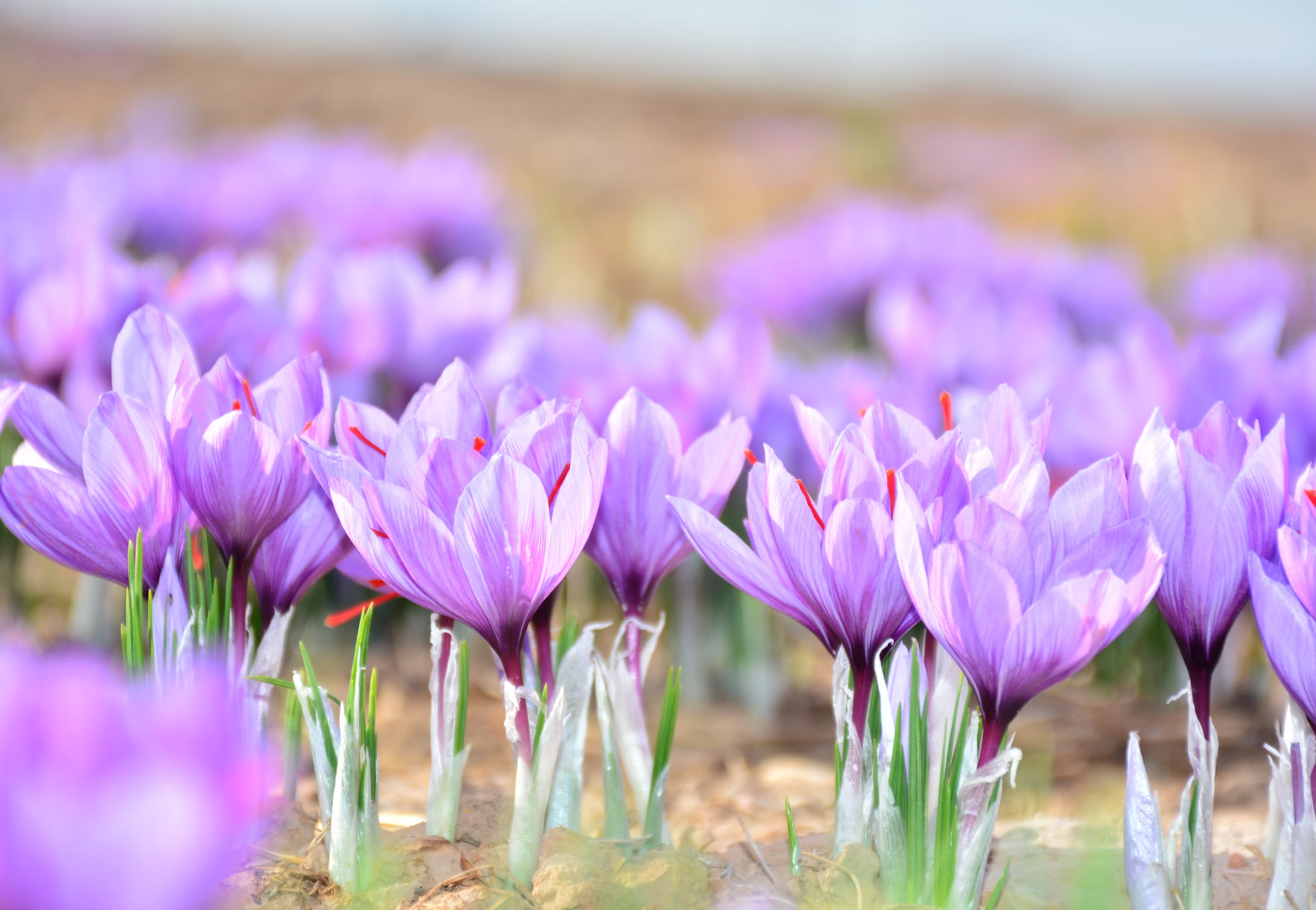
saffron flowers, natural viagra?

Saffron can ‘spice’ up your love life, Canadian study finds.

History is ripe with stories of foods, herbs and spices thought to enhance the libido, but scientific data to support whether a man’s virility or a woman’s sex drive could really be enhanced by certain supplements is scant. The dearth of proof may be changing.

Canadian researcher, Massimo Marcone, a professor in Guelph’s Department of Food Science, and master’s student John Melnyk, have confirmed what the ancients knew with regards to food and sexual health. Specific compounds, including the world’s most expensive spice (read further for the big reveal!) – whose origins are Middle Eastern/Asian – offer up eco-sexy nutrition without the side effects of pharmaceuticals such as Viagra (sildenafil) and Cialis (tadalafil).

Their results are available online and will appear in print in the journal Food Research International.

First the Science, then the Sex

bright red saffron

Marcone and his team examined hundreds of studies on commonly used consumable aphrodisiacs to investigate claims of psychological or physiological sexual enhancement. Ultimately, they included only studies meeting their most ‘stringent controls.’

“Ours is the most thorough scientific review to date. Nothing has been done on this level of detail before now.” Marcone reportedly said of their investigation into natural sexual enhancers. Such research is compelled in part by the multi-billion dollar erectile dysfunction drug industry that comes with a ‘price.’

“These drugs can produce headache, muscle pain and blurred vision, and can have dangerous interactions with other medications. They also do not increase libido, so it doesn’t help people experiencing low sex drive.” There’s additional concern that younger men are using these drugs when they have no history of erectile dysfunction, and in combination with other agents that could cause dangerous side effects or adverse reactions. Green lovers recognize the need for natural products that enhance sex without negative side effects, hence the growing popularity of the eco-sexuality movement.

The results? They found that panax ginseng from Asia and yohimbine, a natural chemical from yohimbe trees in West Africa, improved human sexual function.  Increased sexual desire was reported after eating muira puama from Brazilian and maca root from the Andes. Alcohol was found to increase arousal but impede performance. But despite its purported aphrodisiac effect, chocolate was not definitively linked to sexual arousal or satisfaction, the study said.

“It may be that some people feel an effect from certain ingredients in chocolate, mainly phenylethylamine, which can affect serotonin and endorphin levels in the brain,” Marcone said.

Get it on with Saffron
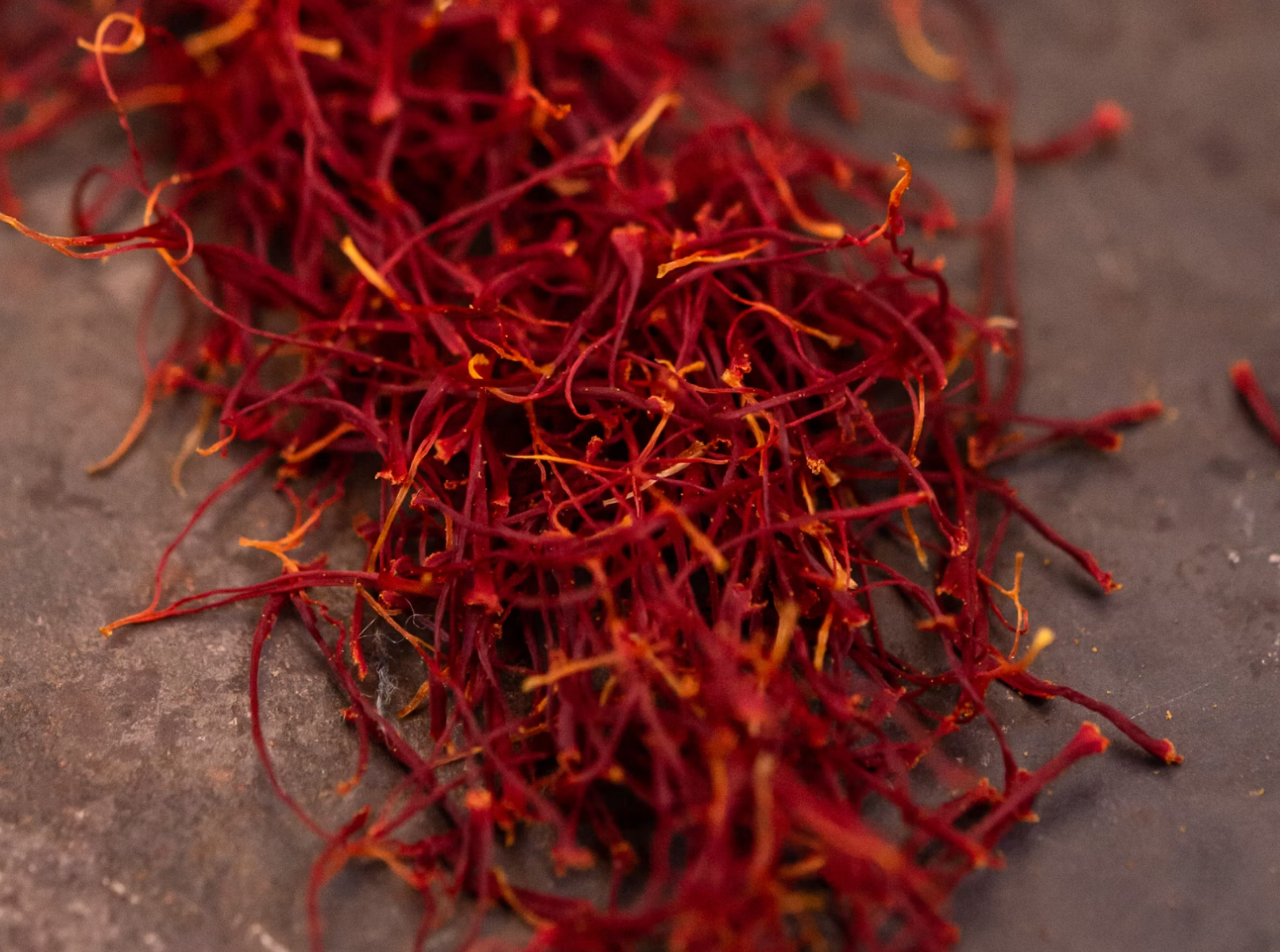
Is saffron a natural Viagra?

As for the contribution from this region to our sexual palates, it turns out that saffron, a spice used along Europe’s glamorous Mediterranean coast and throughout Middle Eastern cuisine, from Iran to Iraq, Turkey to Greece with evidence dating back thousands of years, may be one of the most potent enhancers yet.

Stories abound about the use of saffron by Cleopatra (who is said to have taken baths in waters scented with this rare gem prior to making love), Ancient Persia, the Sumarians and Alexander the Great (as a curative for battle wounds), among many others.

To this day, the northern town of Safranbolu in Turkey – a UNESCO World Heritage Site whose name is derived from this delicate flower – is known for its annual saffron harvest festivals.

Even the Hebrew Bible sets claim to saffron’s seductiveness in the Song of Solomon.

“Your lips drop sweetness like honeycomb, my bride, syrup and milk are under your tongue, and your dress had the scent of Lebanon. Your cheeks are an orchard of pomegranates, an orchard full of rare fruits, spikenard and saffron, sweet cane and cinnamon.

It has been suggested that part of saffron’s magical property is thought to be its enhancement of “lust” via certain neurotransmitters that stimulate libido or erogenous zones. Saffron may also lower blood pleasure and stimulate respiration.

The parts used for culinary purposes are the stigma or style, the female sexual organs of the flower. There are three stigma on any one flower, so it takes 150,000 flowers to produce one kilogram of dried saffron, making it the most expensive spice in the world. Iran and Spain are the world’s largest producer of this flower (part of the Iris family Iridaceae) accounting for 80% of the global crop.

While their findings support the use of foods and plants for sexual enhancement, the authors urge caution. “Currently, there is not enough evidence to support the widespread use of these substances as effective aphrodisiacs,” Marcone said. “More clinical studies are needed to better understand the effects on humans.”

More eco–sexuality news:

The GINK Manifesto: Childless, Loud and Proud

April is Green Sex Toy Month

“Love Begins with L” Eco-Sexy Condom Company Empowers Women

CollPlant Enables Vegan-Friendly Collagen

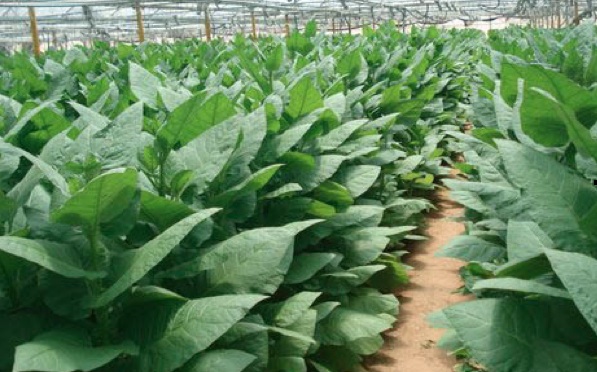
Vegan-friendly lip enhancers? CollPlant makes an animal-free collagen, using tobacco plants.

Advocates of vegetarianism often point out the detrimental effects of raising livestock on the environment.  One frequently cited study is the  Food and Agriculture Organization of the United Nations (FAO) report, Livestock’s Long Shadow, showing that livestock production is responsible for 18 percent of greenhouse gas emissions, a bigger share than that of transport. But even the most devout vegetarians are likely to avail themselves of drugs and bio-materials  that owe their origins to animal subjects.

Is there a way to replace the role animals play in the bio-pharmaceutical industry where they are used for testing new drugs? And what about the use of pig and cow tissues for the  repair of defective human organs?