Home Blog Page 529

5 Spectacular Eco Mosques Of The World – real and conceptual

2
ismaili center houston architecture, ismaili center houston gardens, farshid moussavi building design, thomas woltz landscape, aga khan green building, houston buffalo bayou skyline, islamic modern architecture texas, sustainable civic center houston, reflecting pool ismaili center, aga khan development network, faith based architecture, pluralism in texas, eco architecture houston, islamic art design usa, houston cultural corridor, farshid moussavi architect, thomas woltz nelson byrd woltz, greenwashing architecture, aga khan award sustainability, houston civic landmark
The Shia Islam center in Houston is the latest eco-mosque – launched in 2025

Green Prophet loves to cover where eco meets faith and the Middle East. Zaufishan puts together a handy list of five of the world’s most beautiful eco-mosques.

Albania’s Mosque for All

Albania’s “Mosque For All” pictured above and below and designed by BIG features an inside-outdoor shaded Islamic centre, promoting religious harmony through Quran Gardens and a unique intersecting square design.

Albania sits at the crossroads of three major religions: Islam, Catholicism and Orthodox Christianity, and two new churches were recently completed for the later religions. So in order to promote religious harmony within a capital city in the midst of major renovations, Skanderbeg Square has been set aside for the Islamic cultural center.
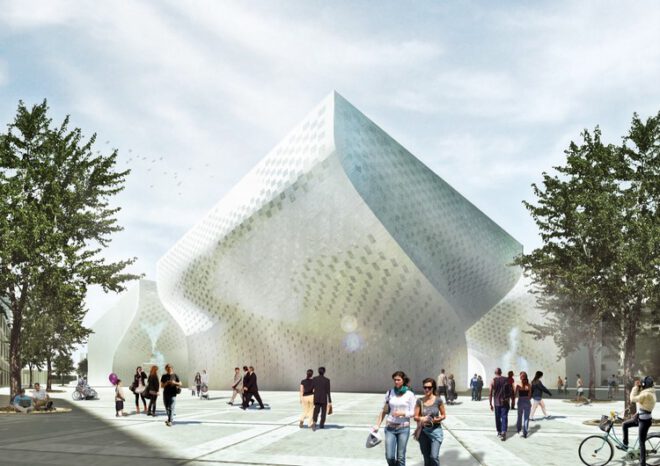
Islamic cultural center, Albania
Islamic cultural center, Albania. Nice in rendering. In reality? Not yet.

Playing off the orientation of the existing square as well as alignment towards Mecca, the buildings’ forms emerge from these intersecting axes. The back of the buildings line up with the streets while a series of semi-covered plazas, two minor ones on the sides of the Mosque and a major plaza with a minaret in front, face Mecca.

The mosque area would be flexible to accommodate up to 1,000 people for daily prayers all the way up to 10,000 for special holy days like Ramadan – especially those make it eco. All the shaded spaces are cool and inviting, while the curved facades are covered in a multitude of rectangular windows inspired by mashrabiya screens. Was it ever built? Doesn’t look like it.

The Green Mosque In Chicago

chicago green mosque

The Green Mosque, which was awarded Best Freestanding Religious Structure in the Faith in Place competition in Chicago, incorporates a library, education center, lecture halls, and a soup kitchen. Is this the world’s greenest mosque?
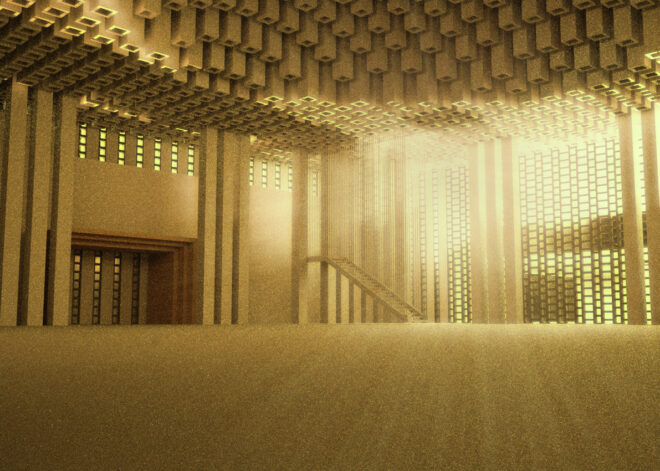
green mosque chicago

As far as we know the mosque has never built built. In theory it’s green, in practice, not so much. But details here can lend to any architect’s inspiration.

Cambridge Eco Mosque

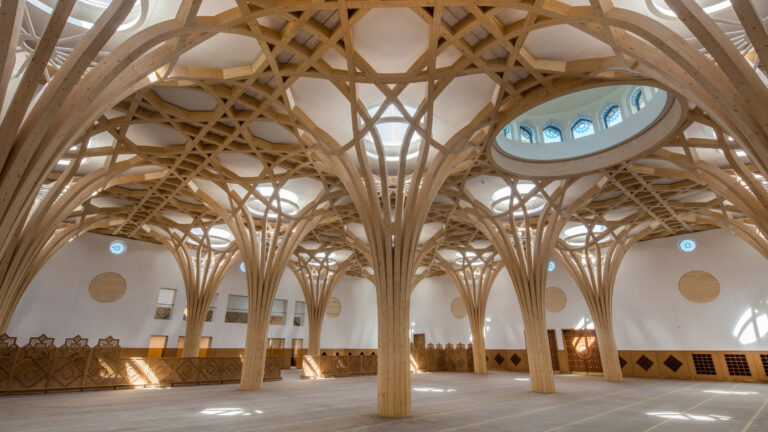
eco mosque cambridge The United Kingdom’s largest environmentally-friendly mosque in Cambridge adopts energy saving techniques. Architect Marks Barfield will be designing the £13 million eco mosque on a 0.4 hectare site in Cambridge embedded within some of the region’s most beautiful scenic views. Read the Green Prophet exclusive on England’s eco mosque. (Update 2021: the mosque is finally complete and the images here reflect that.)

The defining internal characteristic of the mosque is the timber ‘trees’ which form the structural support for the roof and the roof lights. The geometry of the trees was developed through work with geometric artist Keith Critchlow, creating the underlying geometry of the mosque. It combines an Islamic ‘the Breath of the Compassionate’ pattern into a structural grid that supports the roof and is then brought to a point at the columns. It is a simple device that combines the structural logic of supporting a large span with few columns and a celebration of the structural material and its decorative possibilities, bringing to mind both Fosters’ Stansted Airport, and King’s College Chapel.

The external brick tiles that clad the CLT structure are from traditional Cambridge Gault and are red brick colours. The protruding headers form a pattern of Arabic Kufic calligraphy that reads “say he is God (the) one”.

Social and environmental sustainability were central to the competition-winning scheme and have been delivered. The intent was to produce a building in accordance with the spiritual belief that humanity’s role is as a responsible custodian of nature, meaning one should minimise their carbon footprint.

eco mosque cambridge

The building has achieved net zero carbon energy on site in use. The competing elements of the demand for car parking to suit large events with elderly congregations, creating an underground car park and the environmental consequences of embodied carbon have been recognised. The passive and active sustainable measures incorporated within the building meet and exceed some elements of the RIBA 2030 Climate Challenge targets and other elements of the design have future-proofed the building to allow for predicted climate change.
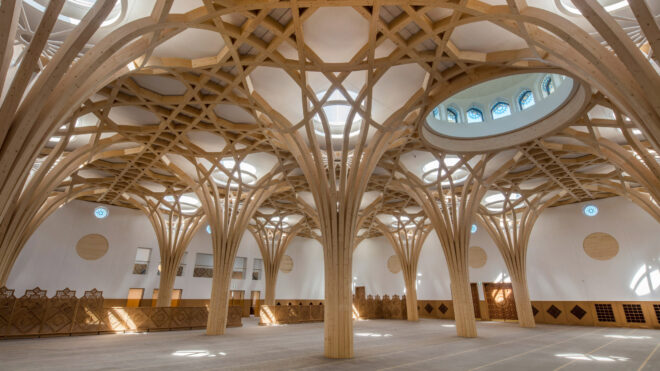
eco mosque cambridge

Great Mud Mosque of Djenné, Mali

islam-mud-architecture-mali-great-mosque

The Great Mud Mosque of Djenne in Mali is just one of the world’s hand built mud buildings that are increasingly considered as options for low-carbon and low-cost construction. It was built in 1917, though it looks like a thousand years old and still standing.

Yemen boasts the magnificent ‘Manhattan of the Desert’ mosque and Iran is home to the Bam citadel. Check out more Middle Eastern beauties and mud architecture.

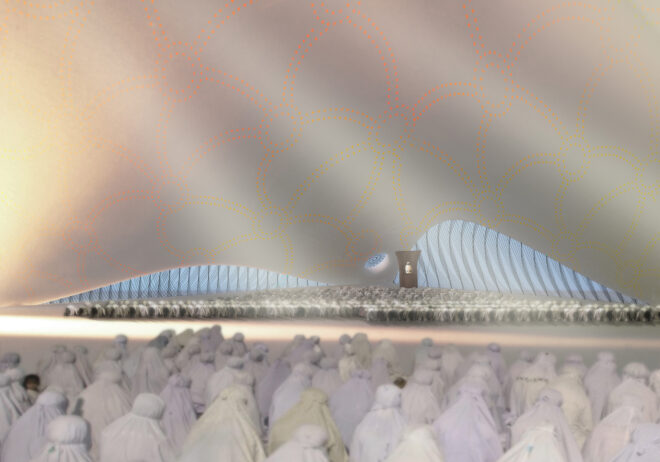
Ray of Light Mosque, Dubai

Nicknamed the “Ray of Light,” this unusually shaped entry for the Dubai Mosque Competition is illuminated with LEDs, designed to minimise energy use and metaphysically segregate worshippers by a ray of light (most Muslim places of worship include separate prayer spaces for men and women).
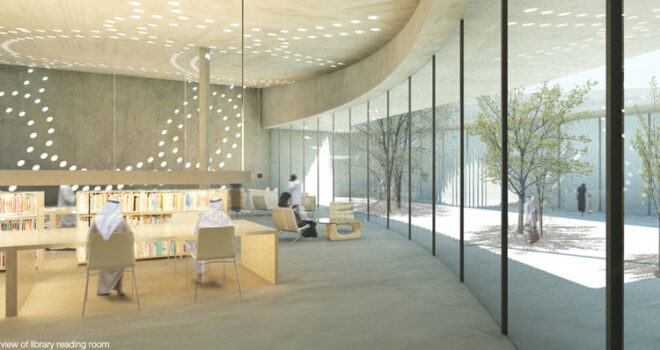
ray of light mosque dubai

Like most great ideas it takes more than an architecture proposal to get off the ground. Millions of dollars of investment and years of building are needed. Looks like this one didn’t succeed. But the photos are fascinating.
More green urban architecture:
Stunning Abu Dhabi Resort Celebrates Bedouin Architecture
Luxurious Chiseled Desert Lodge In Jordan Is Also Sustainable
Dubai’s New Net Zero Building Codes Should Boost Cleantech Worldwide
What Happened To Islam’s Environmentally Friendly Architecture?

Aflaj: Ancient Channels Keep Water Flowing In The Desert

1

falaj water irrigationGulf States such as the UAE may now depend on expensive desalination technology for their water, but in the past they relied on more sustainable forms of water conservation

In the arid landscapes of Oman and the United Arab Emirates, water has always been a huge issue. Whilst desalination which removes salt from water may have offered a temporary (and very expensive) solution to this age-old problem, in the past, drought and a dwindling supply of naturally available water meant that waste wasn’t tolerated and conservation was the order of the day.

Nothing attests to this more than the two and half thousand year old architectural water wonder that is the ‘Aflaj‘ system.

The aflaj water system (falaj in singular) is an ancient technique by which underground tunnels are dug to channel water from distant sources to villages where it was needed. It’s a tried and tested method which helps conserve water and is still used around the world today in places such as the Sahara desert and Oman.

In Islam, water is held in such high regard that its life-giving properties are mentioned in the Qur’an sixty-three times and paradise is described as “gardens beneath which rivers flow.” Muslims also make wudu before prayers five times a day by washing with water and the Prophet Muhammed stated that amongst the people God will ignore on the day of resurrection include those “[who] possessed superfluous water on a way and withheld it from travellers.”

As such, water is declared a public good that must be available to all and shared between everyone fairly. Much like Hima, an ancient form of land conservation which was embraced and extended under Islamic rule, the aflaj water management system precedes the advent of Islam.

However following Islamic principles, water from a falaj was declared public property and so couldn’t be diverted for personal use- the common presence of aflaj at mosques demonstrates its communal use.

Aflaj are still widespread in Oman where there are currently 4,112 such channels with an annual flow of 680 million cubic metres. Indeed, five of these aflaj were included in the UNESCO’s World Heritage lists in the past and the government reported back in 2006 that it spent one million Omani riyals every year on preserving them.

In Oman, the oldest falaj is believed to be 2,500 years old whilst the first falaj built in the United Arab Emirates (UAE), discovered in 1985 in Al Ain, dates back to the Iron Age.

Whilst some Gulf States may believe they have resolved their water scarcity problems through desalination, there is still a lot to learn from the ancient aflaj system which not only supplied clean water cheaply and effectively but also reminded the masses of the preciousness of water.

For more on water issues in the Middle East see:

Zam Zam Holy Water ‘Unsuitable for Human Consumption”

How Islam Could Help Fight Water Scarcity

The Best Way To Preserve Water? Make It More Expensive

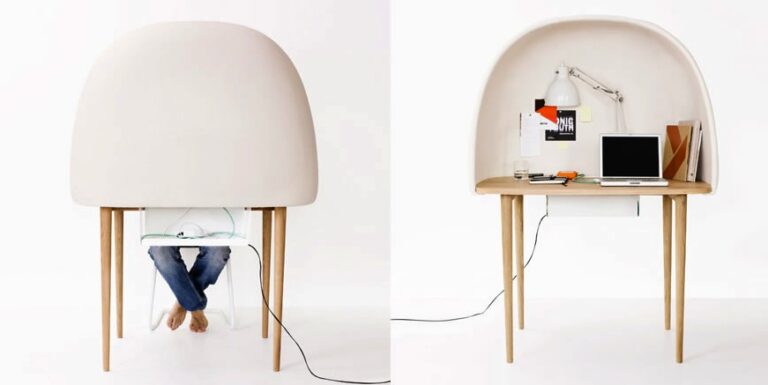
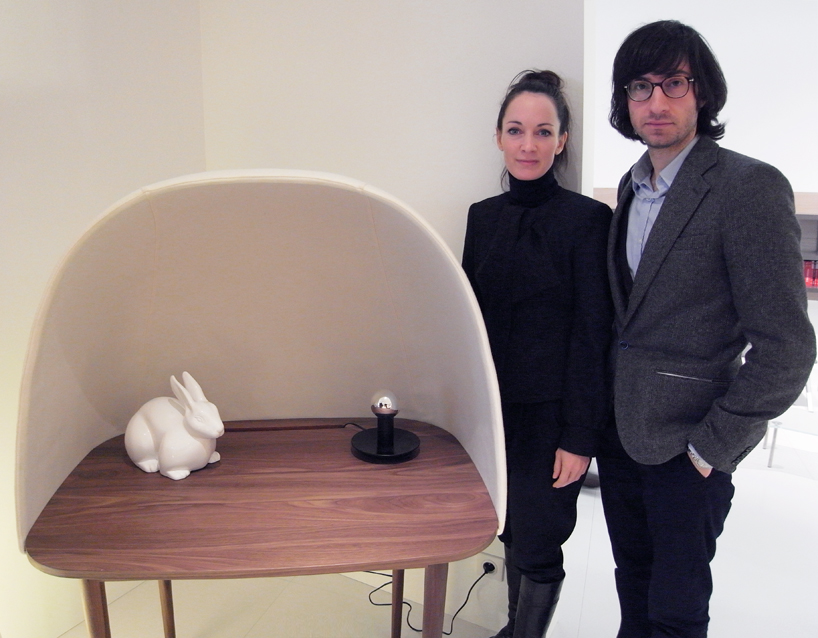
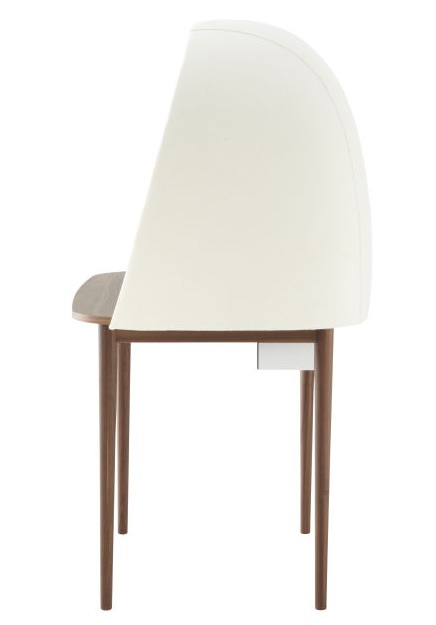
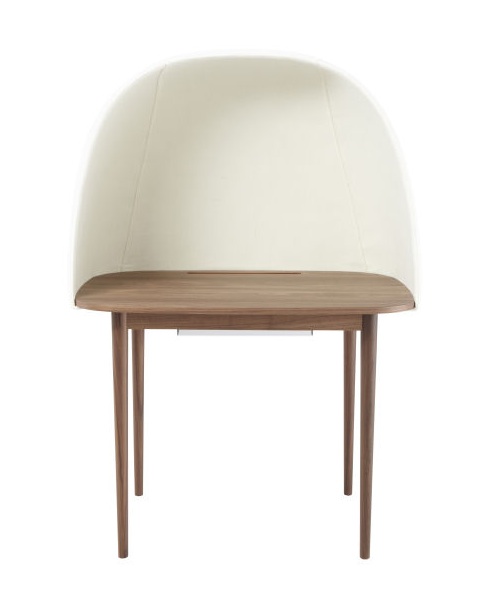
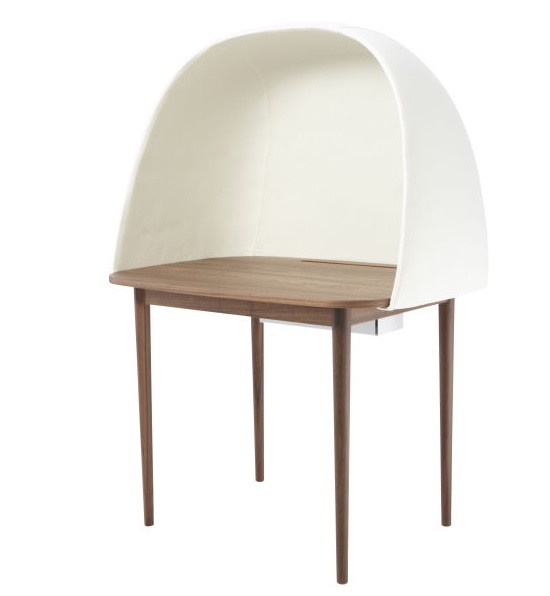
Rewrite’s Soft and Cozy Study Bubble by GamFratesi

gamfratesi

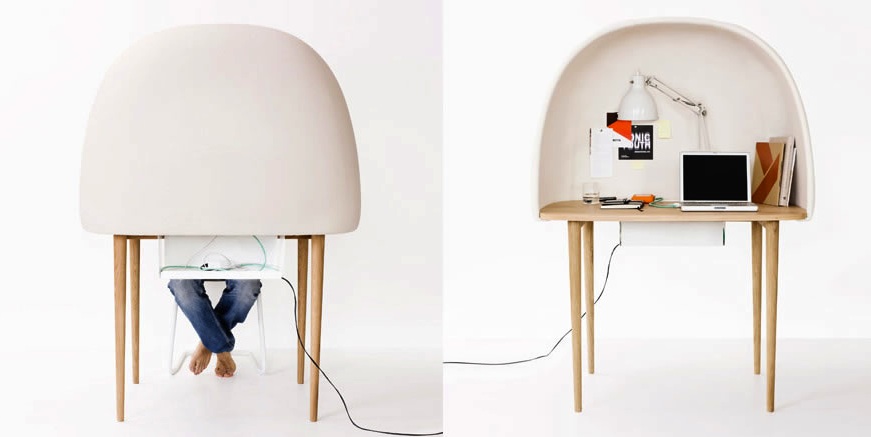
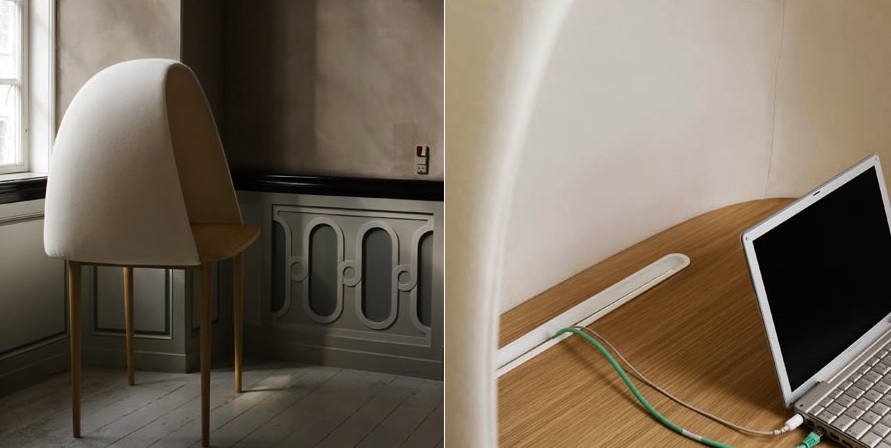
Want to get rid of the clutter from your home office? Cozy up in the Rewrite desk.

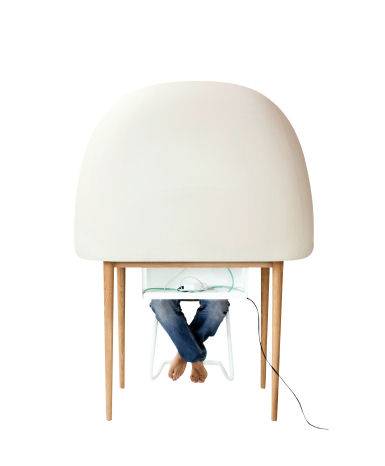
Even when I had a large two room open-concept flat in a Templar’s house in Tel Aviv, I still craved the intimacy of small spaces. Those were the days when I was writing for newspapers, and found my thinking cap worked best when I was tucked into my home office under the stairs. Living alone, I didn’t need to create my own little study bubble to keep out the noise and distraction, but there, I felt safe and protected. As more of us migrate from the traditional setting of office to home, we can expect to see more of these products like the Rewrite desk created by an Italian-Danish couple. WAN calls it “a little jewel of modernity and softness.”


rewrite-gamfratesi-desk

Covered in sound absorbing woolen material, the desk designed by GamFratesi is also a sound barrier for those who might be in shared office spaces or sharing the home with kids and other work-from-home people.

gamfratesiAbove image via designboom

rewrite desk

Made from walnut and Kvadrat Divina wool, the materials writes the architecture magazine “reinforce the overall feeling of softness and security.”

Put your Rewrite desk in the center of your loft, the center of your porch, living room, bedroom or as an efficient use of space under the hallway.

I might just get my own and install it under the stairs! It also reminds me of the cubicles that the grad students got in university – ones that inspired me to want to continue post-graduate education.

No news on availability in the Middle East, but the Rewrite desk which lovingly hides cords, and cleans the “clutter” of an office in your kitchen, has already been on display at the Danish Museum of Art and Design, Copenhagen.

The designers write that it’s been in production since Jan 2011 with Ligne Roset:

“The idea behind Rewrite began as a study of the desktop and especially an atmosphere and feeling we believe is needed even in the middle of an accelerating communication and technology. Rewrite is thought of as a kind of isolating working-bubble, that can work as a satellite-desk anywhere one can feel the need of concentration and shielding – in open space offices, public spaces or at home.

With its rounded shape it can be placed freely as dots in a room. A private base in the group without being a denial of it, but an addition to it causing an alternative.

It has a cave-like shape and creates a secure and intimate sphere, which partially closes out disturbing light and sounds. It has a doublesided acoustic function that protects against noise from the outside as well as from the inside.

::World Architecture News

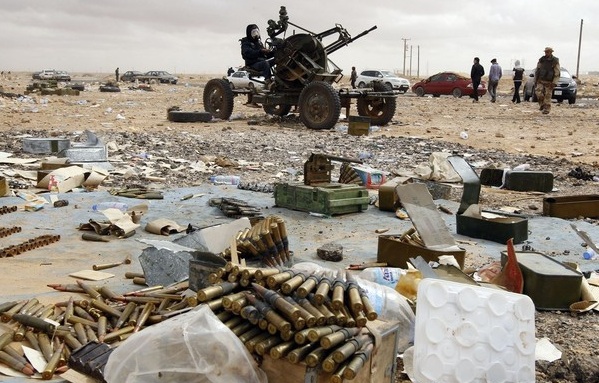
“War-Waste” of Rockets, Shells and Morters Facing Local Libyans

0

munitions libyaLooking for scrap metal, unexploded ordinances a major danger to local Libyans

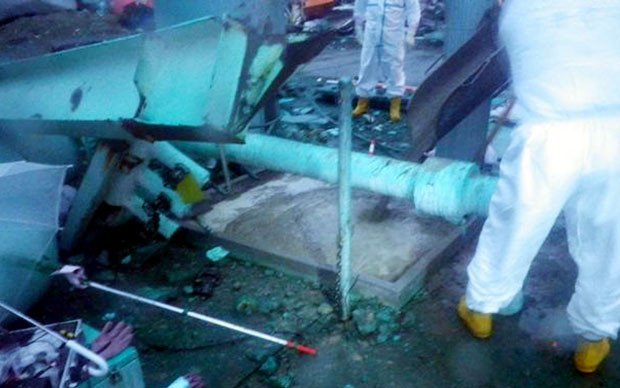
There is so much ammunition and unexploded ordnance scattered across eastern Libya that local people will face a serious threat when they return home, reports the United Nations. But it is difficult to determine the exact quantities because of ongoing fighting just how dangerous these munitions are. “In Tobrouk and Benghazi there are munition bunkers that were destroyed by [government] forces prior to the establishment of the no-fly zone,” Tekimiti Gilbert, spokesman for the UN Mine Action Service (UNMAS), said. “Gaddafi’s forces bombed the bunkers to deprive rebels of weapons. As a result, a lot of ammunition is spread across a wide area on the surface of the ground.

An Octopus Goal Keeper for the Next World Cup?

0

octopus robot
Looking to our octopus friends will help scientists build robots, maybe even goal keepers, for tomorrow.

In case you thought that octopuses were smart only in guessing the outcome of soccer matches (remember the late Paul the octopus in Germany who picked all the right winners in last year’s world cup matches in Johannesburg?), scientists at the Hebrew University of Jerusalem have now shown that not only are they smart, octopuses can make some pretty good moves as well. In time for Qatar’s World Cup in 2022?

Fukushima Nuclear Plant Suspected of Actual Meltdown

1

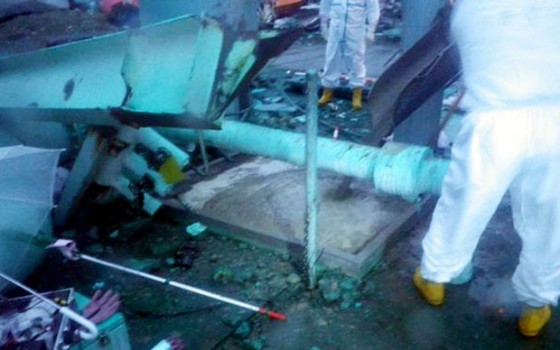
japan nuclear meltdown Lava melting through the vessel? Greenpeace compares the Japan meltdown to this.

As Japan’s post earthquake, tsunami, and nuclear plant environmental crises pass the two month mark, ongoing events have been reported at regular intervals by Green Prophet, including news that measured radioactivity in seawater near the plant indicated radioactivity up to 1,250 times above normal. Yes we’re a site that focuses on the Middle East, but the Japan nuclear event is huge, and will affect all life on this planet. It now appears that at least one of the Fukushima Diiachi nuclear reactors, its No. 1 reactor,  has indeed experienced an actual meltdown. This sobering reality, as reported in news media sources, including the Daily Telegraph.

Blogging about Muslims? The dos and donts

1

muslim eco bloggingNeed some ideas to help inspire Muslims on environmental issues? Here are my ten top tips…
As much as I’d like to tell you that there is an easy and foolproof way to capture the imagination of every Muslim when talking about the environment, the reality isn’t so simple. Sadly, there’s no magic formula to dazzle every Muslim into going green or at least I haven’t found it yet! Fear not though, intrepid blogger, because there is something you can do to improve your chances of firstly tapping into a Muslim readership and secondly, encouraging them to green their way of life.

1.  Do Your Research- While no one expects you to be an expert in Islamic jurisprudence, a basic understanding of Islam and Muslim culture will help you when you are writing or blogging. Doing your research about the topic you’re discussing and referring to Green Islamic principles will show the reader that you’re serious about green Muslims and consequently they’ll take your work seriously.

2.  Do Keep Things Varied- From news, reviews and interviews keep things interesting with a diverse range of blogs that reflect the diversity of the Muslim readership. Remember to appeal to them on lots of diverse topics- whilst faith shapes many Muslim lives, they still have interests and passions so if you can appeal to them in these areas you will have a better chance of success.

image middle eastern spices

3.  Do Celebrate Green Successes- Highlighting the existing work of Green Muslims is an important aspect of blogging for a Muslim audience as it will appeal to them directly and also show them that there is a well established link between environmentalism and Islam. This will also help you build networks with the leading green Muslims. Just remember to ask them to keep you updated with exciting goings on and other Green Muslims worth talking to!

4.  Do Use Social Media Networks – Sites such as Linkedin, Twitter and Facebook are vital for keeping ahead of the news, getting in touch with people and even getting pictures to use on the your blogposts. As evidenced by the recent Arab revolutions that made the most of the social media networks, the Muslim world really is online- so make sure you’re signed up and are kept updated.

5.  Do Ask For Advice- If all else fails, just ask. We all learn through each other, so if after scouring the Internet you’re still not sure about a topic or issue then it may be worth dropping someone an email. The online Muslim community is pretty friendly and there are lots of people out there willing to help or at least try and help you.

6.  Don’t Rely On Islamic Verses Alone– The green roots of Islam should be a starting point onto other aspects of the environmental movement and ways to green the Muslim way of life. If you are just going to repeat the reasons Muslims should be environmentally friendly according to the Qur’an and hadith over and over again, it’s going to get very boring and repetitive very quickly. Trust me.

design, religion, animal rights, leather, unsustainable design.

7.   Don’t Be Rude! – No, I am not talking about sex and swearing (Muslims are just open to these are the average person!) but certain topics which Muslims will be more sensitive about. Whether you’re reporting on topics such as the pilgrimage of Hajj or poisoned holy water, remember to apply a little bit sensitivity and care.

8.   Don’t Be Afraid To Tackle Controversial Topics– Debate and discussion are at the heart of every blog so embrace controversial topics and remember that nothing is off-limits if it is done with care and is backed with research. There will inevitable be some topics that must be approached with care when blogging for Muslims but that doesn’t mean that they should be ignored altogether.

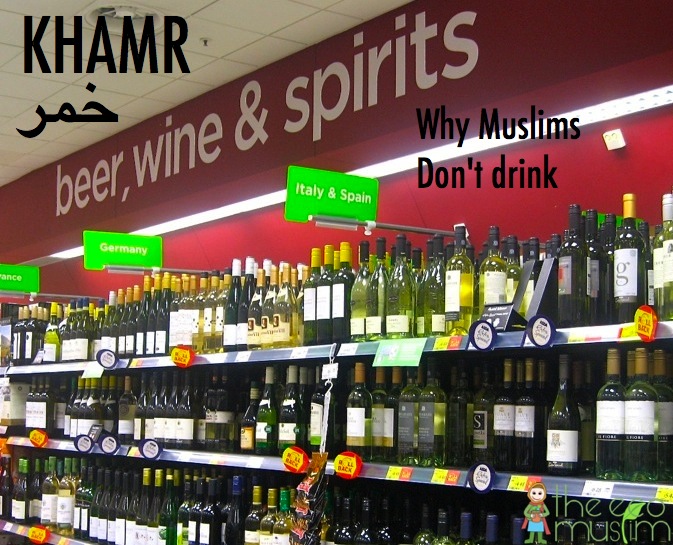
alcohol muslims drink haram halal wine

9.  Don’t Preach– Avoid the temptation of seeing blogging for Muslims as an opportunity to teach them about being green and instruct them how to live their lives. This is a two-way street and there is probably a lot you can learn about being green from Muslims themselves. Listen out for their feedback and comments (you’ll be surprised how well informed some of your readers may already be) as these will also help you judge what blogs and topics attracted their attention and which ones don’t.

10.  Don’t Forget To Have Fun! After all these do’s and don’ts I just want to remind you the blogger to have a little fun with it all, add your own personality and flair to your blogs and stay positive. Engaging with Muslim audience will put you on a steep learning curve which is as fun as it is hard work- you can expect a lot feedback and encouragement, so good luck!

Recommended Reading:

Green Deen: What Islam Teaches About Protecting The Planet by Ibrahim Abdul-Matin, Berrett-Koehler Publisher, November 2010.

199 Ways To Please God by Rianne ten Veen, Upfront Publishing, May 2009.

Animals in Islamic Tradition and Muslim Culture by Richard C. Foltz, Oneworld Publications, December 2005.

The No Nonsense Guide to Islam by Ziauddin Sardar and Merryl Wyn Davies, New Internationalist, 2007.

Forum on Religion and Ecology- Islam Section: http://fore.research.yale.edu/religion/islam/index.html

Alliance of Religions and Conservation- Islam Page: http://www.arcworld.org/faiths.asp?pageID=6

Islamic Foundation for Ecology and Environmental Sciences- http://ifees.org.uk/

:: Image via place light/Flickr.

For more on Green Muslims see:

A Guide To Green Blogging For Muslims

Zam Zam Holy Water is ‘Unsafe for Human Consumption’

Can Muslims Be Buried At Sea?

Muslims Debating Harassment, Standing Up for Women’s Rights via Harassmap.com

Additional reading

Better Place EVs Priced at $35,623 USD for Summer Delivery

How many battery exchange stations will be ready when the cars do go on sale this July?

Ever since Israeli entrepreneur Shai Agassi opened his Better Place test drive center near Tel Aviv, back in February 2010, more and more Israelis have had the chance to not only find out about Agassi’s unique electric car battery swap concept, but also a chance to drive one, as I did in April last year. I  was very impressed by the quietness of the ride, as well as how much pick up the engine had; describing the acceleration to be “like being in a rocket”. This week Better Place announced pricing for its first models.

Food Politics: What Everyone Needs to Know by Robert Paarlberg

Food Politics: What Everyone Needs to KnowConsumers today are thinking more and more about where their food comes from, how it’s produced and what impact their grocery shopping choices have on the world. But, when pushed, many can’t  explain logically why they make the choices or hold the views they do. For all those people who care about what they buy and eat but aren’t necessarily that well-versed on the arguments and issues at stake, Food Politics: What Everyone Needs to Know, is a must read.


In it Robert Paarlberg, a professor of political science and leading authority on food politics, addresses clearly and concisely each of the questions at the heart of the matter.

EXCLUSIVE: On Dubai’s Saner Future With Former Foster & Partners Partner

0

emanuele mattutini, foster and partners, dubai, green buildingIn an exclusive interview, Emanuel Mattutini, one of the first Foster & Partners’ Associate Partners to move to the UAE, talked to Green Prophet about Dubai’s next era of development and his new architectural firm.

Dubai’s next era of development will be entirely more sane than the last, according to Italian architect Emanuele Mattutini.

Formerly an associate partner with Foster & Partners, an international design firm behind the much-touted Masdar City and the Zayed National Museum on Saadiyat Island, Mattutini was one of many expatriates who left during the economic crisis.

But his return to Dubai following four years in London may signal an overall shift in the Emirate’s design paradigm.  

Medical Clowns, Laughter Improve Fertility?

Women undergoing In-Vitro Fertilization are understandably stressed, but now they may find something to smile about; new research out of Israeli hints at the value of ‘Medical Clowns’ towards improving IFV success rates.

In a recent study of 219 women undergoing In-Vitro Fertilization (IVF), Israeli researchers found the odds of success were greater among women who were entertained by a professional “medical clown” right after they had the embryos implanted in the womb. Overall, 36 percent became pregnant, versus 20 percent of women who’d had a comedy-free recovery after embryo implantation.

The findings appear in the journal Fertility and Sterility, and expand on research previously presented by the Israeli group, led by Dr. Shevach Friedler, who got the idea for the study after reading about the potential physiological effects of laughter as a “natural anti-stress mechanism.” This is not the first time we’ve reported on novel research about sexual health, reproduction and fertility out of Israel, but it is likely one of the most pleasant and potentially ecosexy.

The UAE’s Plastic Bag Story Isn’t Eco-Happy Yet

biodegradable plastic bags, UAE, plastic bag banThe plastic bag story isn’t over yet, but it’s definitely on the right track.

United Arab Emirates’ residents are awash with excitement over the Ministry of Environment and Water’s moves to ban conventional plastic bags by 2013. And so they should be. Plastic bags are the bane of natural existence. They leach toxic materials into our soil and water, they kill marine and terrestrial life, choke roughly half of the UAE’s camels, and won’t stop doing these things for centuries since they don’t biodegrade. But there is reason to cast a questioning eye on the alternatives.

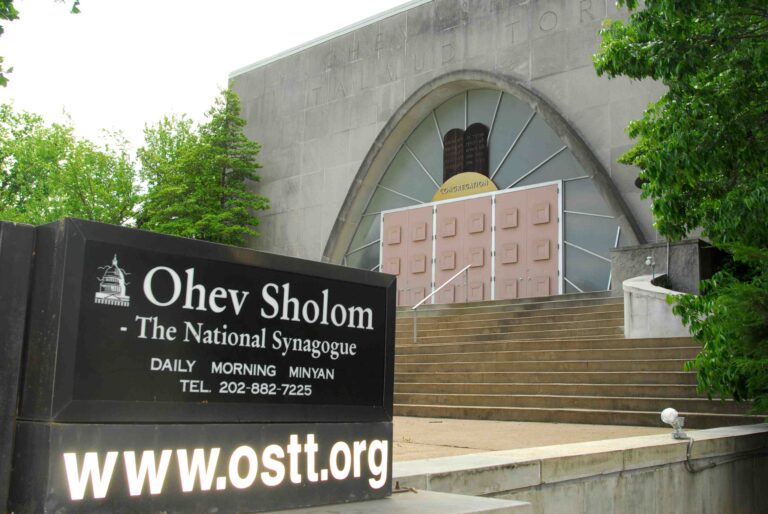
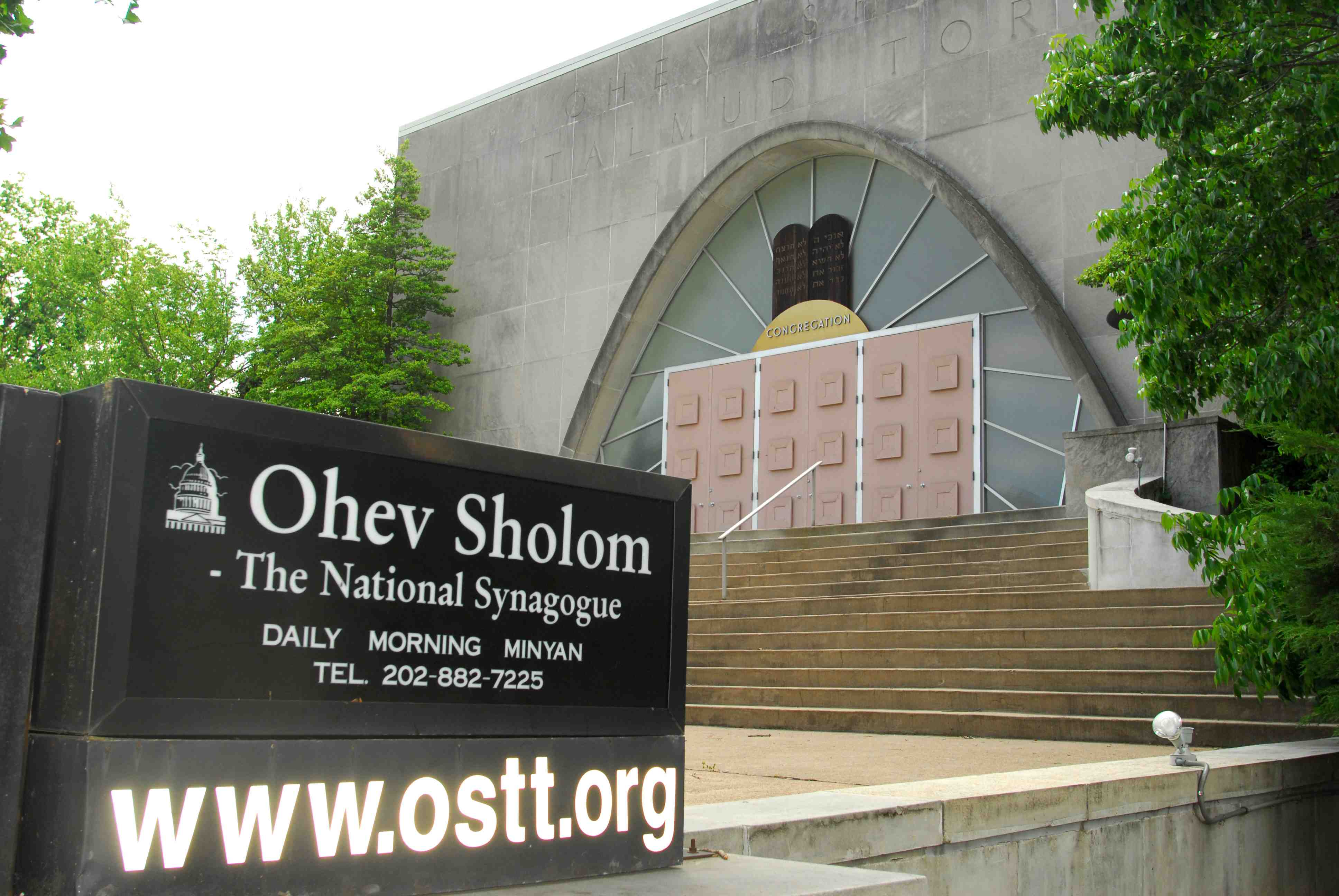
Ohev Sholom is America’s First Jewish “Energy Star”

ohev shalomAs California’s LEED synagogue hits the auction block, a more sustainable “light unto the nations” might be the DC synagogue’s Energy Star rating. Larry reports.

Orthodox Judaism rarely gets mentioned in the same breath as energy conservation. And from the outside, there’s little to suggest that Washington DC’s Ohev Sholom — which brands itself “The National Synagogue” — is a trailblazer when it comes to eco-friendliness.

But step inside the capital city’s oldest Orthodox congregation, and you might notice a few new wrinkles: Modern LED-illuminated exit signs on the walls instead of the incandescent glass-covered ones that were there before. Brand-new T8 fluorescent lights rather than less efficient T12 lighting fixtures. Brightly colored recycling bins for plastics used in weekly Kiddush lunches. Individually adjustable air-conditioning units in the shul’s three offices — so the entire building doesn’t need to freeze just to keep those three offices comfortably cool.

Dubai’s Eco Maid Is Green And Orange

eco maidTolga Soytekin may not look like an Eco Maid, but his new Dubai-based business is pretty darn green.

When a close friend became pregnant several years ago, and he introduced pets into his Dubai home, Tolga Soytekin began to search for environmentally-friendly cleaning products. A few years down the road and post-economic crash, that search evolved into the UAE’s first eco-friendly cleaning service. Called Eco Maid, the company uses none of the harmful corrosives that almost poisoned one Green Prophet reader’s baby. And, proving that it pays to “go green,” they can offer their service for the same price as their toxic competitors.

Knit Your Own Sustainable Muslim ‘Sunnah’ Beard

14

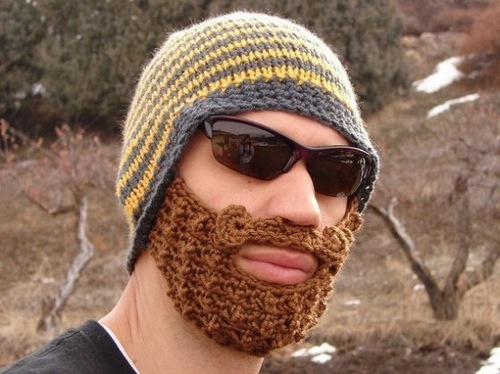
knit beard sunnah, muslim image sustainable

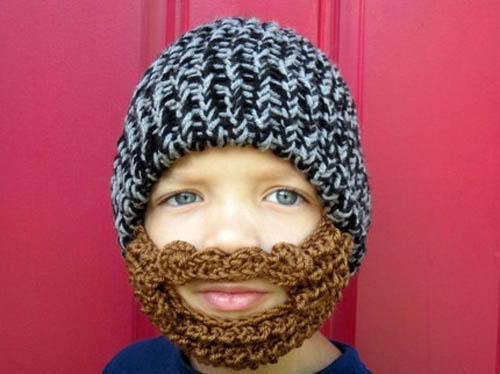
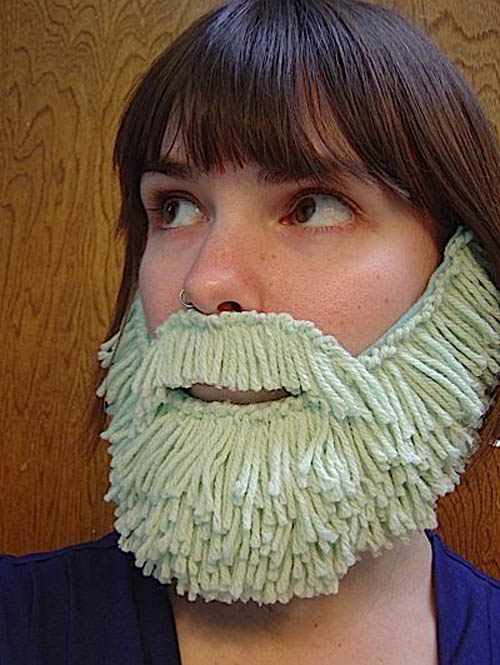
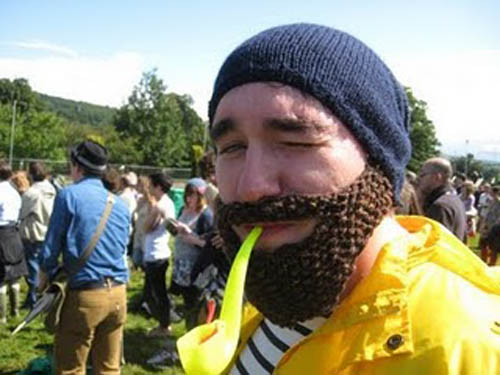
For Muslims on a budget, or those who can’t grow a full one: make or buy your own everlasting beard.

Are you religious? Do you wish you had a beard? Do you want to make your own? Whether man or woman, creating your very own face-scarf in the shape of a beard will make the boldest fashion statement about your eco beliefs that you really can wear on your sleeve… or head.

Beards are good for faith

In Islam men are encouraged to grow out their beards when becoming adults. But it must be kept tame, regularly trimmed and environmentally friendly. This means it shouldn’t cost the earth to maintain or make a nuisance in your more intimate moments.

A Muslim “Sunnah” beard

The rewards behind the chin fuzz lie in the fact that sporting a beard is a “sunnah” – a prophetic tradition following the footsteps of Muhammad, the last prophet in Islam. A beard is therefore a Muslim symbol of manhood, purity, of maturity, and let’s face it, any man that can carry off a facial forestation looks mighty sexy. But if waiting to sprout is not your thing, check out how you can get your own awesome beard!

1. Knit one – ask your grandmother’s knitting group to gift you a unique beard with your own initials. Or if you’re a hardcore DIY junkie follow download them!

2. Buy one – in 2010 the “knit-o-beard” became a massive European hit for men and women alike. Although they’re made from 100% acrylic yarn for easy care, Green Prophet suggests investing in an all organic-fibre beard that’s free of chemicals and dyes.

Etsy is selling a Bearded Beanie in a variety of colours, sizes and comfort factors; just the solution to our naked faces.

3. Crochet one – borrow a pair of needles, watch a YouTube video or invest in a “how to” book to learn the essentials of handcrafting a new disguise. And when you’re done with your beard, pay it forward by trending it to friends or hang it outside full of stale bread as a make-shift bird feeder. For the more creative weird beard lovers, be inspired by the following thematic looks:

knit muslim beard

knitted muslim beard

knit beard muslims

knitted beard

knitted beard

Sustainable benefits of a knitted beard

It makes great insulation for your head and neck, especially if you live in a colder climate or plan on visiting a Middle Eastern country after global warming covers the region with snow.

They double up as a neck warmer and hat.

It can be interchanged every season depending on your mood.

It makes an affordable party costume.

They make fantastic profile pictures and excellent one-of-a-kind gifts.

It can enhance the double life you’re leading as an eco-warrior and corporate slave.

Wearing a synthetic beard made from yarn shows how dedicated you are to looking Muslim.

Children everywhere will marvel at your superhero like image. You heard it here first. If the beard doesn’t fit, go forth and knit!

More sustainable design:
Save One Million Gallons Of Water – Grow A Beard
Lebanese Man Turns Garbage Into Beautiful Glasses
“THIS” Toothbrush Is A Miswak
Interviewing Abu Dhabi’s Most Innovative Design Couple Plastic Bag Shoes At Milan Design Week