Home Blog Page 523

RECIPE: Eggplant Stuffed with Bulgur and Fruit

0

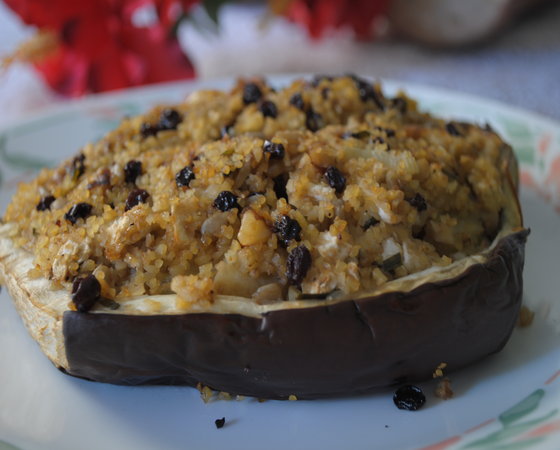
image-stuffed-eggplantThe Middle East’s favorite vegetable, served in a creative new recipe.

We’re fond of stuffed vegetables here on Green Prophet. They’re satisfying to the appetite and pleasant to look at. Like our butternut squash stuffed with quinoa, this stuffed eggplant recipe is an elegant twist on a traditional dish.

Among the myriad Middle Eastern eggplant recipes are those where the vegetable is stuffed and baked.  Eggplant stuffed with bulgur. Eggplant stuffed with bulgur and fruit? Unusual, but very good. The sharpness of eggplant flesh and shallot combines well with sweet dried and fresh fruit, everything held together by the grainy bulgur in an eggplant shell. Just delicious. A powerhouse of good-for-you superfoods. And it’s vegetarian.
Beirut Activists Try to “Green the Grey” of Their Concrete Urban Environment

0

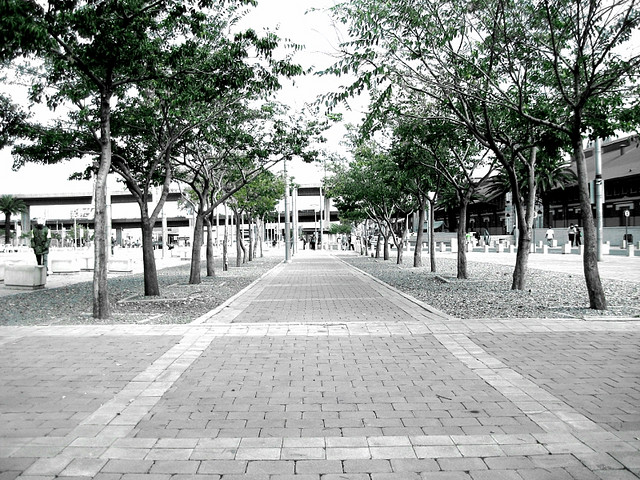
"urban greenery environment"200 Beirut residents reminded others that cities can (and should) be green.

Fed up with the absence of greenery in Beirut, 200 residents of the city gathered this past Saturday in a decidedly concrete Sassine Square to collectively say that they wanted to “Green the Grey”.  Beirut has definitely been taking steps towards being “green” in recent years, including opening a popular local farmer’s market and paving bike lanes to encourage non-carbon emitting forms of transportation.   But some city residents believe that greenery itself needs to spread in Beirut, and that more green spaces are necessary.

Beirut Is Getting Its First Green-Roofed Tower

0

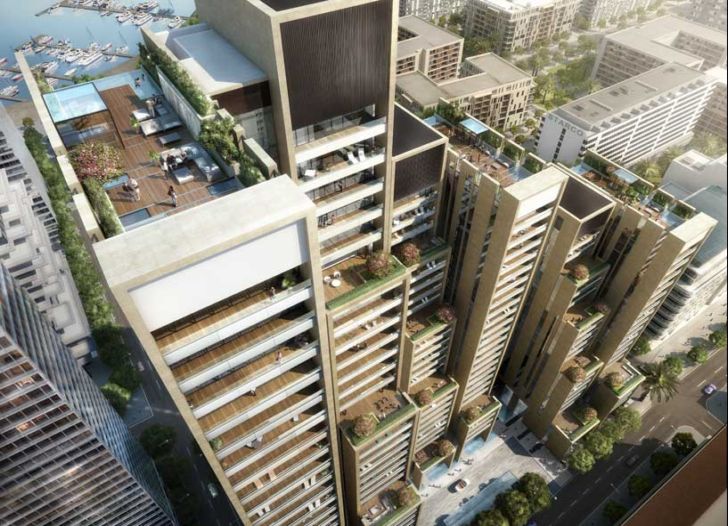
green building, sustainable architecture, foster & partners, lebanonFoster & Partners broke ground on their first project in Lebanon. This new tower will also be the first in Beirut to have green roofs.

The 3Beirut tower in Lebanon will be the first Foster & Partners development in that country. As fans of something a little more earthy, like the mud brick building entrusted to house Timbuktu’s sacred Islamic texts, we don’t always agree that what F&P does is sustainble. But they are certainly making their mark in the Middle East. The designers behind Masdar City, this beautiful bank in Morocco, and scores of other projects in the region, they have just broken ground on Beirut’s very first green-roofed mixed use development.

Bottom Trawlers In Oman Get The Boot

4

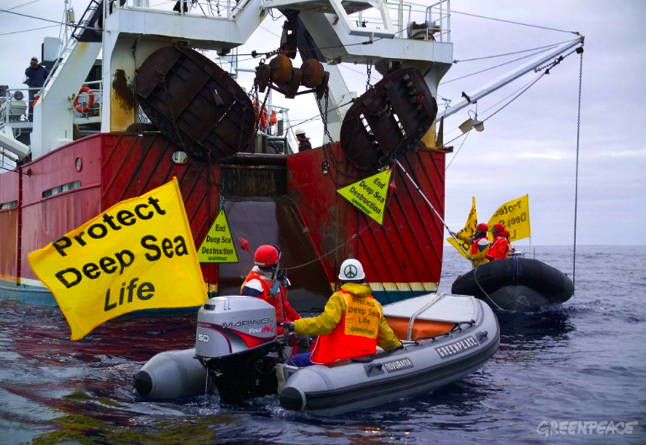
Greenpeace, bottom trawlingGreenpeace activists take on bottom trawlers. But in Oman, they no longer have to.

Bottom trawlers were forced to set sail after Oman effected its ban on this destructive “fishing” practice. A small Gulf country that borders the United Arab Emirates, Oman is renowned for its incredible coral reefs and marine diversity. But 16 large factory fishing boats operating off shore had jeopardized the Sultanate’s marine health and put many fishermen out of work.

First put in place by the Ministry of Agriculture and Fisheries in May 2009, the ban stipulated that licensed bottom trawlers would have to pack up their nets and leave the Sultanate’s waters within two years. And now, their time is up. Oman is the first Gulf country to officially ban bottom trawling.

The Middle East Nuclear Power Boom Without Toxic Waste Strategy

the screamLast week, the government of Saudi Arabia announced that it would go ahead with its nuclear energy ambitions and invest more than $100bn in building 16 nuclear reactors over the next two decades. At a time when other countries like Japan or Germany are looking for exit strategies from nuclear energy production, Saudi Arabia and its rich GCC neighbors, as reported by Green Prophet, continue to push on with their nuclear program.

Given that most are seven to ten years away from actual power generation, GCC governments view nuclear power as a way to reduce domestic oil and gas consumption. According official sources from Saudi Arabia, the new planned reactors will cover 20 per cent of its electricity needs, as demand in power grows at an estimated 8 per cent during the next ten years.

One may argue that these countries do not seem alarmed by the Fukushima disaster as they perceive that the risks of tsunami or earthquakes in the GCC are low, that the technology has evolved, and/or that proliferation unlikely. However, even if these risks and dangers are minimized, not much has been declared about plans to dispose of toxic nuclear waste.

Sunday Solar’s Energy Hope Floats IPO Stock Offering

sunday solar IPOSunday Energy is looking for public capital to jump start 188 megawatts worth of solar projects in Israel

Israel’s home based solar energy efforts seem to be taking a “one step forward and two steps backward” approach in supplying country with at least 10 percent of its total energy needs by the year 2020. With all the publicity surrounding the launching of Arava Power’s new commercial solar energy field at Kibbutz Ketura, and the attempted “blocking” of the launch by rival SBY Solutions, one may wonder why Israel is currently lagging behind many countries in the actual installation of solar energy power projects in the country itself.

“There Is Hope Now”- Conservationist On Egypt’s Post-Revolution Future

4

We speak to conservationist Mindy Baha El Din about the rise of the environmental movement in post-revolution Egypt, tourism and the challenges ahead

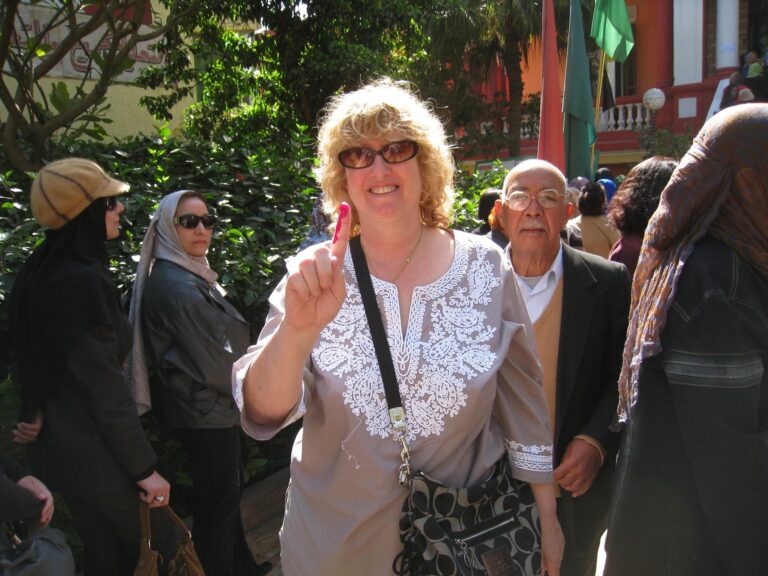
Mindy Baha El Din was born in the US and came to Egypt in 1988 armed with a degree in Arabic and Economics as well as a passion for birdwatching, to establish a conservation education centre at Giza Zoo. Through her work she met Sherif, Egypt’s foremost ornithologist, who she would later marry and together they formed a formidable team campaigning on everything from bird hunting controls, developing Egypt’s protected area networks to ecotourism.

“Over the years, we have witnessed massive changes and degradation to Egypt’s natural heritage,” remarks Mindy. “It’s shocking how one generation’s decisions about natural resources is affecting the present and all future generations of Egyptians. Both Sherif and I have a strong sense of civic duty- we have tried our best to make a difference but it is an uphill struggle.”

Earth Architecture All The Way To Timbuktu

0

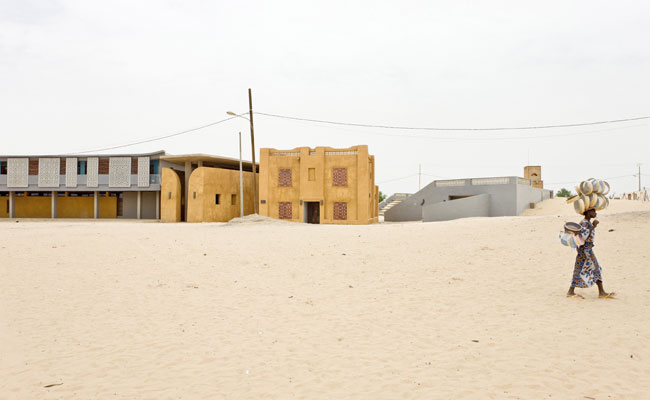
earth architecture, mud building, timbuktu, green architectureSouth African architects chose mud as the main building material for an $8.36 million Islamic Research Institute project in Timbuktu.

Using the name Timbuktu in a phrase denotes a sense of something that is far, far away. And it is. Located near the Niger River Delta in Mali, Timbuktu is the gateway to the vast Sahara desert. But it is also, perhaps surprisingly, the seat of a long tradition of Islamic scholarship. (See the 5 Spectacular Eco-Mosques of the World)

Initially built in the 1970s, the Ahmed Baba Institute of Higher Islamic Studies and Research needed an uplift. With an $8.36 million budget to work with for the 50,000 square foot Institute, Cape-Town based dhk Architects chose mud as their primary building material for the project’s first phase.

Tweets, Shares, And Dirty Searches That Destroy Earth

world wide web, carbon emissions, global warming, greenhouse gas emissionsEvery web search sends 10 grams of carbon into the environment, making the internet one of the most polluting “industries” in the world.

One of the most empowering and significant human developments, the Web is also one of the most destructive. Facebook (which eggs on eating disorders) and Twitter played an enormous role in the revolution that de-seated Hosni Mubarak, and worldwide people have unprecedented access to information. Green Prophet depends on the internet to share important news that brings us and our readers closer to a more sustainable future.

There is no doubt, seedy sites aside, that the internet is a remarkable tool. Craiglist search for instance helps us find housing and jobs. But all those online searches are also killing our planet. At present, every web search sends up to 10 grams of carbon into the atmosphere. That number multiplied by millions of shares, tweets, billions of emails, and one billion Google searches every day amounts to greenhouse gas emissions that soar almost as as high as the aviation industry.

Planned Lion-Fight In Egypt Takes A Political Turn

4

al-sayed-al-essawy, gladiator, lion fightThis young Egyptian man believes he is the strongest in the world, and hopes to use this gift to battle lions.

The surreal story of the Egyptian man who plans to fight a lion in order to generate revenue for his country has taken a bizarre political turn. Following the announcement that 25 year old al-Sayed al-Essawy from Daqahlia plans to fight an African lion in front of the Pyramids of Giza, hundreds of people signed petitions in protest.

Not only has the man broken wildlife trafficking laws by purchasing a lion on the black market for roughly $4,000, but he will most likely kill a magnificent and endangered animal for sport. Wild rumors proliferated that the modern-day gladiator was arrested, but not so. Our friends at Al-Masry Al-Youm interviewed al-Eassawy, who explains that Israel (“through all their atrocities” he grew up watching on television) led him to this fight.

Leaked Poop Forces 2 Tel Aviv Beach Closures

2

sewage, contaminated water, Israel, Tel Aviv, Mediterranean SeaLocals and holiday makers who love the beautiful Gordon Beach will have to leave their bikinis at home.

Contaminated waters off Gordon Beach and Charles Clore Beach in Tel Aviv are stinking up plans to get the summer fun started. Leaked sewage has forced the municipality to shut down the beaches, and signs have been posted discouraging bathers from entering the polluted water.

Considered one of the most beautiful stretches of beach in Israel, Gordon Beach recently received a major thumbs up from the Environmental Protection Ministry’s Blue-Green Flag campaign. An initiative launched to monitor beaches throughout Israel, the campaign awards a 0 to 3 ranking for beaches according to their cleanliness, accessibility, and popular appeal. 

Green Muslims Build Green Neighbourhoods

2

US Green Muslims embrace the notion of co-housing, an environmentally friendly (and Islamic) lifestyle which combines privacy with a more tight-knit community

Do you know the name of your next-door neighbour? What about what they do for a living? Do you know what their favourite pastime is?

If you answered ‘no’ to any of these questions, you shouldn’t feel bad because the reality is most people don’t know who their neighbours are, never mind whether they prefer to read a good book or go shopping on a Saturday afternoon. Living in busy towns and cities means that most people don’t go beyond the polite ‘hello’ to their neighbours over the garden fence, but are disconnected neighbourhoods good for the planet?

Green Muslims in the DC area of Washington argue that they are not and state that the key to sustainable living is sharing facilities and working together to improve our sense of community.

Here Comes the Arava Sun at Kibbutz Ketura

arava powerScandals aside, it was a historic day in the sun at Arava Power’s launch on Sunday. Green Prophet’s new intern Bracha Arnold was there

VIP barbecue by the pool. Champagne. Red carpets. Internationally recognized musicians. No, it wasn’t a glitzy awards show, just the launch of Kibbutz Ketura’s solar field, the first of its kind in Israel. It marked a turning point for renewable energy in Israel.

We all know that Israelis love to boast how green their country is–after all, they say, every home has a solar panel on its roof! “We heat all our water with the sun!” they cry earnestly. However, in most other environmental areas, Israel has been lagging behind other countries. Indeed, it took Arava Power Company roughly five years to make their dream of a solar field a reality.

‘Human Well-Being & the Natural Environment’ by Economist Partha Dasgupta

DasguptaHow do you measure human well-being? How do you fully account for the impact of human interventions in poor regions like in Iraq? What costs are paid by the citizens of one country for the consumer demands of another?

Renown economist Partha Dasgupta’s recent book, ‘Human Well-being and the Natural Environment’ is not for the faint-hearted. It is academic in style and suitable for ‘economists, and students of economics, environmental studies, political science and political philosophy’, as is described on the jacket. It would also interest motivated readers.

Not being familiar with economic theory, equations or statistics, I did find this a challenging read and much was inaccessible to me. I am an intuitive person by nature and was attracted by the title. I am grateful that it had such appeal because it is unlikely that I would have picked it up if it had been called, ‘An in-depth theoretical study of how to evaluate policy change impact on social well-being and the natural environment in regions of poverty’, which may have been more accurate. Having said that, this book gave me much food for thought and stimulated a desire in me to speak with the author.

Romantic Desert Lodge in Egypt Offers Fresh Eggs And Sanity

2

eco-tourism, organic produce, desert, egypt, el-qasrTired of pollution and noise? Seek refuge and organic food at the Desert Lodge in Egypt’s western desert.

The stunning Desert Lodge en route to Luxor has everything the weary green-minded traveler looks for: friendly faces who will welcome you with a glass of delicious hibiscus juice, sustainably-built accommodations modeled after an ancient village, fresh food, and resplendent views of the nearby limestone mountains.

A twelve hour bus ride south of Cairo (travel overnight if you like), the lodge is great for artists or yogi masters seeking refuge from the noise and pollution further north, couples in love, or the single adventurer with a decent budget. Despite its remote location, the lodge offers a smorgasbord of activities that will keep restless children occupied all day, leaving parents free to bask in the desert’s rustic warmth.