
Home Blog Page 501

Circumcision and Sexuality in Islam

43

labiaplasty Islam
Islam and circumcision. Both men and women do it. Hear from a candid Muslim about khitan and sunat.

Why would you slice off a body part? When a baby is born healthy there appears no medical reason to remove something that God created, something that is naturally there. Circumcision in females and men has been a hot topic in medical professionalism and faith because of the controversy coming from varying opinions.

Yet major world religions including Islam, encourage a snip of a sensitive nature to improve one’s quality of life. So how can having less mean having more?

What is circumcision?
Male circumcision in Islam is the surgical removal of the mucosal tissue from the tip of the penis commonly known as a foreskin (prepuce). The foreskin is an incubator-type lining that can be pulled back, uncovering the head of the penis (glans) that it protects.

A local anaesthetic – a cream or injection – is used to block pain. Typically, only the foreskin is amputated by a doctor and a clamping device or a few soluble stitches prevents excessive blood flow.

Recovery can take a couple of weeks and the procedure itself shouldn’t last more than 20 minutes.

Circumcision for women, called a sunat or hoodectomy in America, involves removing a small part of the skin covering the clitoris. Read Sabrina’s account of her circumcision here.

Circumcision in Islam

In Islam, male circumcision is widely practiced at infancy, following the religious tradition of Prophet Ibrahim who “was the first to be circumcised” in his old age.

Circumcision is carried out a hospital or clinic, and although not compulsory in Islam (fardh), it is a highly recommended prophetic act (sunnah) aimed at improving hygiene.

The Prophet Muhammad of Islam, stated that good physical health is connected to the divine nature in humans (fitra). Taking measures such as circumcision, shaving pubic hair and trimming the moustache for a neat beard are rewarding acts that look good and clean.

Male or female circumcision is not enforced in Islamic teaching and is not a condition for converting to Islam or carrying out religious duties. There is no fixed age for circumcision, varying from country to country and depending on community culture.

Muslims believe the benefit of removing the foreskin is twofold. An intact foreskin can potentially trap drops of urine and as Muslims perform a ritual ablution (wudhu) before the obligatory five daily prayers, it is essential no impurity if left on the body. It is a nod to the Islamic principle of sacrifice, as the American Muslim scholar Hamza Yusuf Hanson said,

“We are circumcised to be reminded throughout our lives that we have an oath with God. We will not become slaves to that lower part of ourselves. If there is a section of it that is cut off… (It is) To indicate there is a purification, an obedience to the higher self, not to the animal, bestial nature of the human being…”

Further, a circumcised penis is a preventative from infections and passing on diseases during intercourse. The foreskin is more susceptible and can be an entry portal for the HIV virus. A study in Baltimore found that heterosexual men were less likely to become infected with HIV from infected partners if they were circumcised.

Health benefits to getting a snip

Organisations such as the Joint United Nations Programme for HIV have highlighted many examples that prove circumcision prevents the risk of sexually-transmitted diseases like AIDS.

Human immunodeficiency virus (HIV)

According to the World Health Organisation (WHO), male circumcision reduces the risk of acquiring HIV in heterosexually active males by 66%.

Human papillomavirus (HPV)

Circumcised men are 35% percent less likely to contract HPV, a sexually transmitted virus responsible for cancers such cervical and penile cancer. A study on the transmission of HIV published this year in the Lancet showed that women whose partners are circumcised are 28% less likely to become infected with HPV.

Sex life

Can circumcision affect your sexual life? Although there is little conclusive evidence, it does provide important health advantages and has the potential to increase physical pleasure (read this personal and blush-worthy account of a Muslim circumcised woman). From a British study of 150 men who circumcised as adults, 38% reported an improved penile sensation with an overall 62% satisfaction in their intimate lives.

For Africa

A decade’s worth of research in the 1990’s by a senior research scientist at Harvard’s school of medical health, found that circumcision played a role in regions in Africa where HIV rates were relatively low.

That is supported by a recent case that found Zulu tribes in Africa are increasingly returning to male circumcision to reduce the spread of AIDS.

Importance to the procedure has been heightened by authoritative research. Experts summoned by the WHO and UNAIDS announced that circumcision should “be part of a comprehensive HIV prevention package.”

This proposal was because results from three medical trials of over 10,000 men in Kenya, Uganda, and South Africa, proved that circumcision could significantly reduce the risk of HIV infection. This could potentially save three million lives over the next two decades in Africa alone.

Female Circumcision versus female genital mutilation

You’d be surprised to learn that female circumcision exists in Islam. Female genital mutilation, does not. Yes, there is a difference.

Khitan, in Arabic ختان‎, is the word for male and female circumcision. Neither is obligatory in Islam and the ultimate purpose is personal purification.

There are Muslims who believe female circumcision is required and others who say it is not allowed. In the Islamic texts of law, there is not enough evidence supporting either position. The Quran, however, does not condemn female circumcision as long as it does not compromise women’s health.

Circumcision in women involves removing only a tiny part of the hood (‘de-hooding’ or ‘unhooding’) that covers the clitoris – a fleshy protrusion that is the female sexual organ.

This is known as Type 1 circumcision according to WHO and is very similar to male circumcision. It is typically performed on girls a few days old, although, like male circumcision, there is no timeframe or age limit.

This is the only form of legitimate circumcision allowed in Islamic law and its goal is to enhance sexuality during intercourse, as well as improve hygiene. Countries like Malaysia that banned circumcision have taken steps to medicalise and legally stipulate  what needs to be removed, namely, the prepuce of the clitoris.

All other procedures, where the labia and clitoris may be removed, are completely forbidden (haram) in Islam for carrying immense bodily harm.

Female genital mutilation (FGM) is regrettably more documented and a widespread brutal act amongst African and Asian regions. An unhealthy attitude towards the expression of female sexuality has lead to partial or complete removal of the female sex organs, rendering women with a lower libido, painful sexual experiences and deep psychological trauma.

Islam’s teaching has always protected a woman’s right to sexual enjoyment and health. If female circumcision violates those rights, the practice would be automatically rendered forbidden.

hoodectomy in Islam

Egyptian Muslim scholar Dr. al-Qaradawi stands by this principle noting that female circumcision leads to a number of physical and psychological problems that make it unnecessary.

As the practice is not common, the majority of Muslim women in the West and Europe, are not circumcised.

More health matters:
Oy, Soy! Does Soy Put Your Health At Risk?
Natural Herbs for Breast Health and Enhancement
Are You An Eco-Sexual?
UAE Stands By Its Nuclear Plans

0

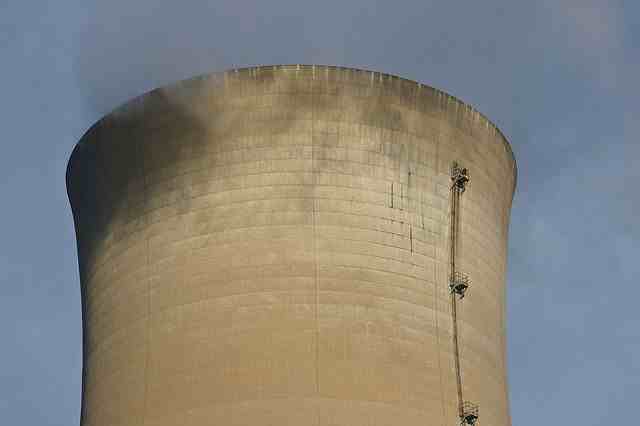
nuclear-middle-east-power-uae-emirates Despite the Fukushima nuclear power disaster, the energy minister of the United Arab Emirates states that they will stick by their nuclear energy plans

With Jordanians taking to the streets to protest the dangers of developing nuclear power and the recent nuclear accident in France following hot of the heels on the Fukushima disaster, you would think that the Middle East would be seriously re-thinking any nuclear plans. Well, you would be wrong. For the United Arab Emirates at least, nuclear power is still firmly on the table for future energy plans.

Full Frontal Exposure: World Reacts to Naked Israelis (photos)

21

“Let the world see the openness of Israel,” wrote one participant. Fortunately, mostly positive press dominates the Naked Sea photoshoot, which took place on private property along the shores of the salty lake.

Prior to the Spencer Tunick photo shoot at the Dead Sea this Saturday, international coverage of the famed artists latest installation was as barren as the landscape surrounding the world’s lowest point. Now that the Naked Sea project went off without a stitch, the world outside of Israel is reacting. And that’s good news for the Middle East’s only democracy.

Saudi Diners Charged If They Don’t Finish Their Plates!

1

arab food
In a bold move to stop food wastage, the Marmar Restaurant in Dammam, Saudi Arabia will charge you fines if you don’t finish your food.

Super-sizing it is still really an American patent, even though large portions of food are still the norm in the Middle East. Now to curb food wastage even further, there is a new food savings trick we like: A Saudi restaurant has started charging diners if they order more than they can eat, according to an article in Gulf News.

It seems that restaurant eaters were ordering extravagant amounts of food to impress their guests. Fahad Al Anezi, the restaurant owner said: “There are many clients who make large orders in order to impress the people around them and boost their social prestige.”

The fine is more of a symbolic one, and meant to hurt the ego of diners whose eyes are bigger than their bellies. The move has been endorsed by Saudis. And Green Prophets everywhere.

::Gulf News, via Freakonomics

Image via Gorski

Dead Sea naked activism

6

Alex Gutman, a participant of the Naked Sea Spencer Tunick photography happening yesterday sends Green Prophet his personal account of the event.

The excitement was building all day Friday as a friend (we attended Burning Man in 2006) and I were getting ready for Spencer Tunick’s historic Dead Sea photo shoot early on Saturday morning. We kept checking the web all day to hear of any last minute developments that would prevent the shoot from happening.

We were assured by the organizers that it will happen and the 1,000 plus people will be boarding buses throughout Israel on schedule early Saturday. We arrived at the Arlozorov train station in Tel Aviv a bit early at 11:30 PM on Friday night to join up with the masses awaiting to board the many buses in line to depart.

The departure time that was communicated to the TA group was 1AM. We ended up leaving a bit after 3. Given the hordes of people, ID cards and paperwork to be checked, the operation ran very smoothly. While waiting, we bumped into friends, made new ones and connected with people on many levels.

We were all very excited (and tired), but the thought of disrobing for the sake of art and history was awakening! Yes. We were doing this for the sake of art and being part of history, but most importantly, we wanted to bring attention to the plight of the Dead Sea, a candidate for inclusion in the world-renowned list: The Seven Wonders of the World. At current estimates, the Dead Sea will disappear within 50 years due to its draining resources by companies looking to exploit it for the sake of money.

You can feel the excitement in the air!

So, here we were. I would say there were more than 500 people leaving from Tel Aviv with the remainder leaving from such cities as Be’er Sheva, Netanya, Jerusalem and Haifa. Most of the organizers and even some of the drivers didn’t even know where our final destination along the sea would be, as the project in the past few weeks had hit some snags. But, that did not deter Spencer, Ari Fruchter (curator for the event) and the rest of the Naked Sea 2011 team.

When there’s a will there is a way. This was going to be the climax of many months of planning.

When we arrived to the spot by way of Jerusalem, we were greeted and steered by organizers and security personnel who guided us to the bathrooms and the beach where chairs were set up (most of us sat on the beach) for the clothed observers and the soon-to-be-naked models.

We were briefed by a few of the Naked Sea 2011 team and then by Spencer who explained how it was going to go down as far as choreography and safety. Don’t drink the water, splash and move slowly were some of the things repeated many times.

Even before Spencer told us to disrobe, people were already undressing. We had only a few hours to get this done as the permit only lasted till 8AM. We hit the water just before 6AM. Spencer and his team were battling time and the sun. There were some people my friend and I spoke to that just did not see the meaning behind what we were about to do: This was not pornography. This was art. Everyone was extremely respectful and cool. Sometimes, it takes a provocative act of this sort to wake people up.

Much more than being naked

This was more than just being about 1,000 people in the buff. This was about bringing attention to the cause of the Dead Sea and its rapidly impending demise. This was about waking people up and a call to action.

naked dead sea spencer tunick
Naked Dead Sea

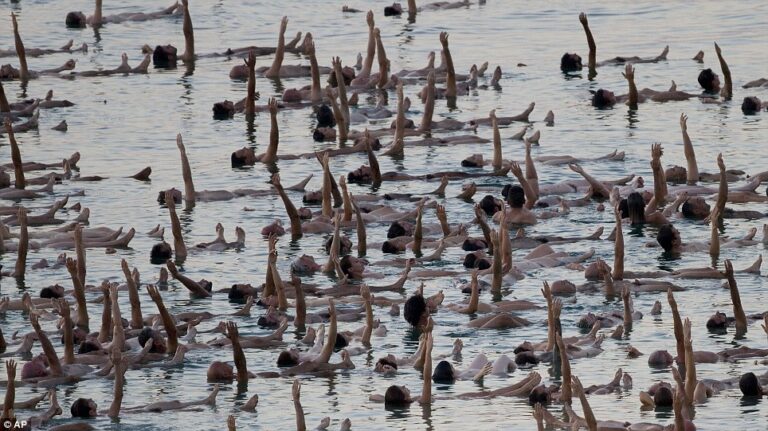
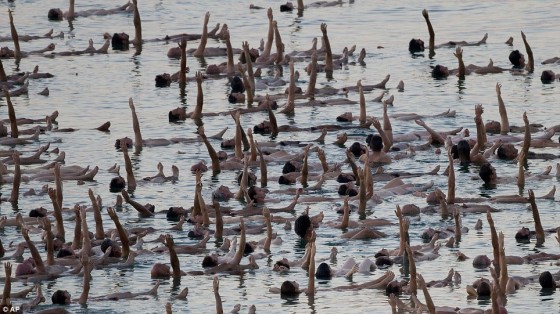
The vulturous paparazzi  in a plane and via other flying vehicles swarmed above us for about half an hour snapping their own shots, sometimes hovering so low that it drowned out Spencer’s directions over a megaphone. They may have gotten many shots, but most of them were probably of two thousand middle fingers waving at them. The males were a bit jealous as the females got to pose for shoots covered in mud.

This morning as I scanned the web for articles, new ones were popping up every hour or so. Washington Post, the Israeli press, Reuters, NY Newsday, Green Prophet and a slew of others.

My friend and I discussed how it sorta gave us the same feeling that we had after Burning Man as far as being therapeutic and relaxing (the Dead Sea is a natural calming drug) and how we felt alive and rejuvenated (after our Shabbat afternoon nap).

Nature, Dead Sea, float, Save our Sea, Spencer Tunick, Israel, Travel

Today I feel refreshed and inspired by what we all have done. As Israelis, tourists, as concerned citizens of the world. As Spencer said on more than a few occasions, this is the only place in the Middle East that an event like this can even be discussed. Let alone carried out.

As Spencer walked up to the gathering area being trailed closely by the press, we snapped photos with him and gave him a Hero’s welcome. It was a great day and one I and a thousand or so others will remember for the rest of our lives. Great job Naked Sea 2011 Team!

naked dead sea photo areil
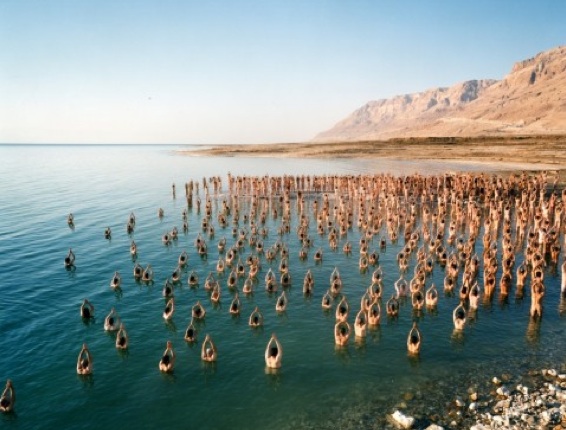
An aerial perspective of Spencer Tunick’s Naked Sea project 2011 at the Dead Sea. Photo by Itamar Grinberg.

Mazal Tov!

About Alex: Alex Gutman is a new immigrant to Israel via NYC and has been writing for over 15 years. He currently works in the High Tech industry as a Technology Evangelist/Publicist and a Copywriter. He has written short stories, travelogues and a variety of different styles over the years.

He has a BA in Speech Communications, is well-traveled, single and lives in Tel Aviv. He has also been involved in the Music industry since the mid-90s as a manager, promoter and concert producer working with some famous Israeli artists Internationally. His LinkedIn profile can be found here.

1000 Naked Israelis Strip to Save the Dead Sea

30

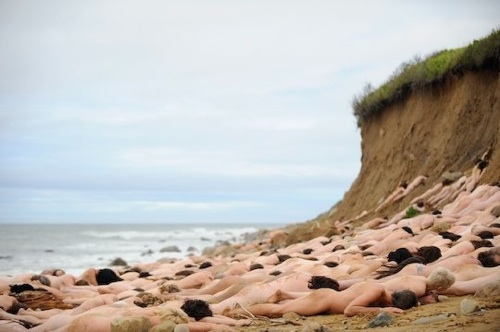
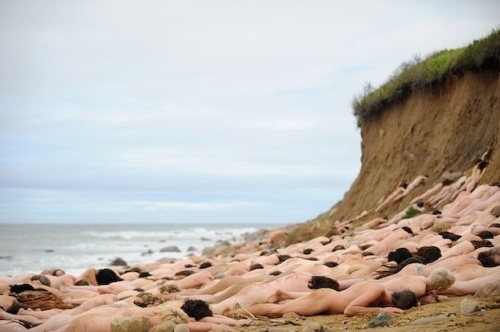
Spencer Tunick’s naked shoot at the Dead Sea in Israel: yes, some women even got covered in Dead Sea mud.

Cloaked in secrecy, they wouldn’t know the location until they got into the bus. While politics in the Middle East seems to overshadow environmental issues, some passionate Israelis decided to be a part of history, and photographer Spencer Tunick’s dream of his latest “Naked Sea” installation, at the Dead Sea, the lowest point on earth.

‘The Dome’ Mosque In Gaza Strip Is Under Repair

0

The Dome mosque, Gaza Strip, Palestine, Economy

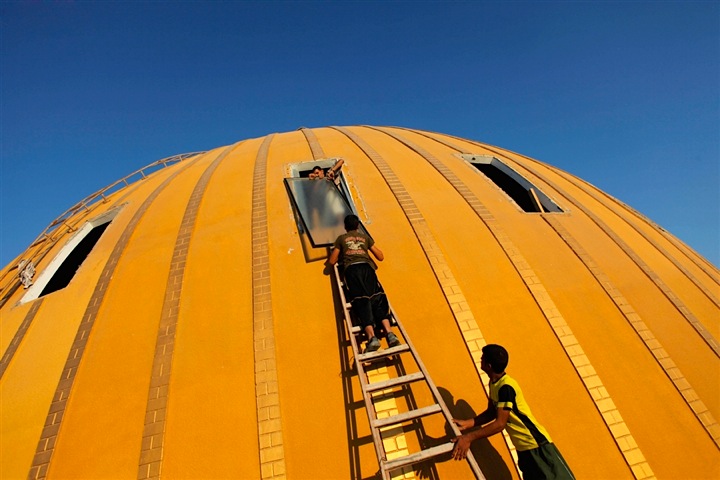
In a bid to join the UN, Palestine needs more funding to repair damage and mosques like “The Dome” in Khan Younis, Gaza Strip

Economical growth is evaporating in Palestine’s land. This year, donors to the Palestinian government have not transferred the money they pledged, according to a West Bank and Gaza World Bank report on Monday, 12th September. Despite this, local Palestinians contribute their man power to installing a new window or two.

Naomi Campbell Receives Plans For a Self-Sufficient Eco-Home in Turkey

5

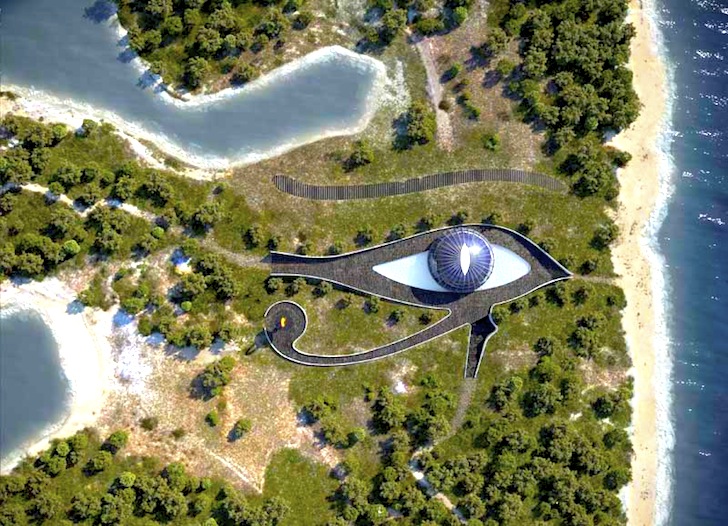
green building, geothermal energy, solar energy, photovoltaic panels, Naomi CampbellAs a birthday gift to famous model Naomi Campbell, Luis de Garrido from Spain designed an off-grid home complete with photovoltaic panels, a sophisticated geothermal system, an interior landscaped terrace, and – ahem – 25 bedrooms.

For those who believe that the Eye of Horus from Egyptian mythology is actually an illuminati cult symbol, this incredible project on the Isla Playa de Cleopatra in Turkey might be a bit hard to swallow. But for everyone else who sees it for what it is – a work of pure architectural genius – read on.

Although it comes with 25 bedrooms and five lounges, which is definitely well out of range for anyone whose name is not Naomi Campbell or maybe Sheikh Hamad (who inscribed his name into a Gulf beach so that it would be visible from space), it is a scaled example of what can be achieved in architecture when the goal is to achieve complete self-sufficiency.

Natural Gas Creating New Axes of Alliance Across Mediterranean

1

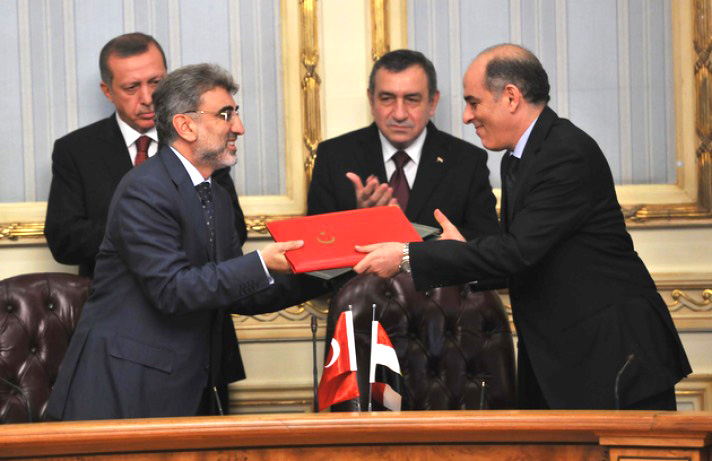
Egypt and Turkey entered into several new energy-sharing arrangements on a recent diplomatic visit to Cairo by Turkish Prime Minister Recep Tayyip Erdoğan and Energy Minister Taner Yıldız. Analysts speculate that the new alliance comes in response to a perceived Israeli-Cypriot alliance over natural gas extraction.

Oil wars are so last century. The resource with the potential to stir up most turmoil in the Mediterranean region over the next year? Natural gas. In the last week alone, the Turkish government has launched three aggressive foreign policy initiatives regarding this precious (and polluting) fuel.

It can be difficult to sift through all the news and figure out exactly what’s going on, and how each case is connected. Read on for a simple breakdown of natural gas politics in the Mediterranean — and how it’s unlikely to get simpler any time soon.

Masdar City Faces New Setbacks

3

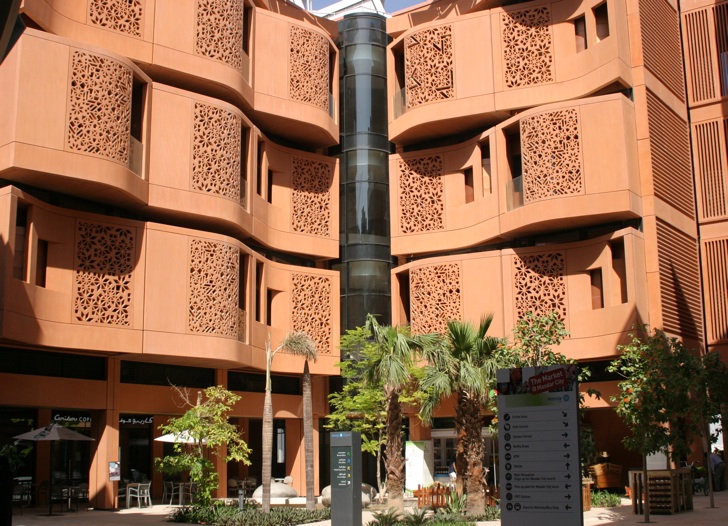
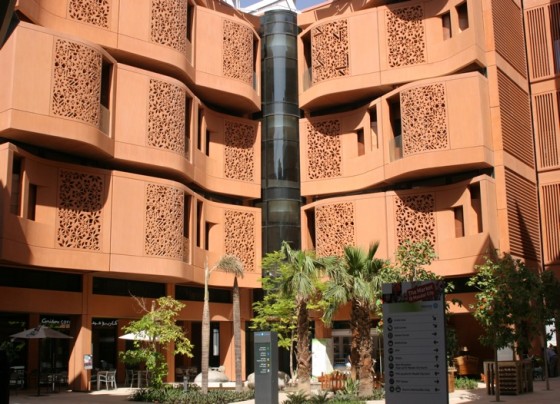
zero carbon, zero emissions, Masdar City, Abu Dhabi, UAEThe Masdar buildings that have been realized are impressive, but they comprise a shadow of the original, grandiose plans

Everybody loves to criticize the Abu Dhabi state-owned energy company Masdar, which has been forced to eat humble pie on numerous occasions for failing to realize the grandiose zero carbon, zero emissions city promised to the world when oil money was pumping in. Their small achievements are certainly impressive – see our exclusive Masdar images here – but few of the original specs have been incorporated into the buildings already erected.

As time goes on and mostly financial obstacles continue to emerge, the plans look increasingly less like the original. Bloomberg recently announced that Masdar is now in the process of revising Adrian Smith + Gordon Gill’s design for an energy-positive headquarters in Abu Dhabi. The firm behind Saudi’s ridiculously large tower along the Red Sea is expecting to hear within the month whether or not their design will survive the latest round of economic setbacks.

Deepest Wonder of the World About to Get Naked

7

naked dead sea

“Israel is not a theocracy, it is a democracy. We want to create a work that would probably not happen anywhere else in the Middle East.” Spencer Tunick, photographer.

If all goes according to Spencer Tunick’s plan, the Dead Sea will serve as the backdrop this Saturday September 17 for his next photographic installation: hundreds of Israelis appearing naked at what some have hailed as the world’s deepest natural wonders. Any would-be gawkers please take note: the exact location is top secret.

Update: Read Full Frontal Exposure: World Reacts to Naked Israelis for more on the Naked Sea Project, including photos.

Another Effect of Climate Change: Cholera Bacteria in our Oceans

0

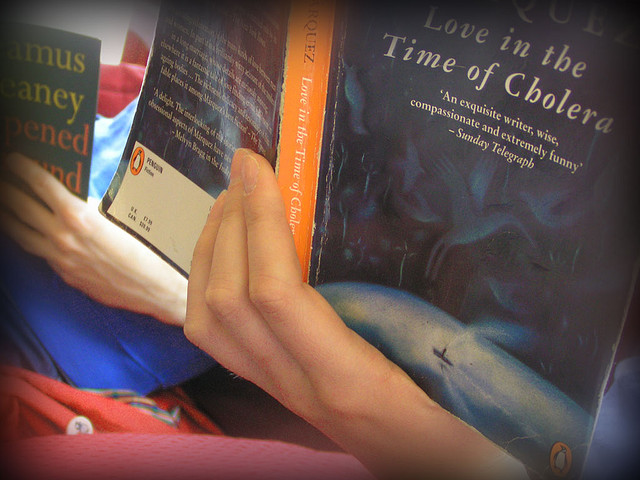
climate change, rising temperatures, oceans, marine pollutionScientists have always been worried about the runaway effects of climate change. Did anyone think that we might have rising concentrations of cholera-causing bacteria in our oceans as a result of higher temperatures?

If rising temperatures on land are enabling bed bugs and drug-resistant diseases to proliferate, it stands to reason that something similar might happen in our oceans. And it is. A 200 page document detailing over 100 EU-funded marine watch projects shows that since the 1980s, there has been an increase in the Vibrio bacteria. Why do we care? Well, in addition to causing food poisoning, gastroenteritis, and septicemia, one genus of Vibrio – namely V. cholera – causes cholera.

Power + Water: Middle East to Bring Energy Sector Together With Desalination Industry

Power and water are inextricably linked in the rapidly growing Middle East. An exhibit hopes to green up both

Desalination and water treatment have seen massive growth in the MENA region, which has now emerged as the largest market in the world.  The region will have to build approximately three million cubic meters per day of desalination capacity every year to meet the mounting water demand, according to a report from Ventures Middle East.

Needed investment in desalination and water treatment will total a staggering $20 billion over the next four years. Massive amounts of energy are needed to power desalination, and water can potentially host massive renewable energy plants too. The two could be synergistic and could release the potential for a cleaner future.

So how much of this new water infrastructure could be run on clean renewable energy? Mark your calendars: October 16th to 18th, to attend the Power + Water Middle East exhibition to find out.

“Green” Reverse Osmosis System Launched by Grandfather of Desalination Companies

We’ll need huge desalination projects to meet the world’s future fresh water needs – but the energy to do it will be in short supply

Reducing the fossil energy needed in desalination is simply critical to a sustainable future, as we cover here, frequently, because the MENA nations are at the forefront of the issue: Saudi Options Narrow With Peak Water and Israel Commits Itself To More Desalination. But it comes with a huge energy cost, which is why “Desalination Should Be A Last Resort”.

So it was with excitement that I opened a Press Release from Israel’s IDE Technologies touting “the first green Reverse Osmosis system” for water desalination. Great! Who better to solve this crucial issue than a company has been around since the dawn of desalination? IDE Technologies is the grandfather of water treatment plants, with 400 desalination plants in 40 countries built worldwide since 1965.

Subsides Jeopardize Renewable Energy Projects In The Middle East

0

energy-subsidies-middle-east-petrol-oil-renewables-efficiency-petrol-oil-windEnergy subsidies keeping petrol and electricity prices low in the Middle East are jeopardizing the chances of renewable energy projects

The Middle East may be unique for many reason- the stunning souks, the hospitality of the people and explosive political mentality- but they are probably known for just one thing: oil. Indeed, Gulf nations have emerged from the wilderness and built entire economies and industries around their oil wells. The steady supply of cheap energy also means that petrol prices in Gulf nations are some of the lowest in the world, with many paying under $0.2 per litre at the pump. However, according to a new report by Carboun, these low prices are negatively impacting energy efficiency in the region and undermining the commercial viability of renewable energy projects.