We love Dr. Bronner’s sustainable and regenerative chocolate. Chocolate lovers are always on the lookout for new and exciting flavors, and camel milk chocolate is quickly gaining attention as a delicious and sustainable alternative to traditional dairy-based chocolates. But what makes camel milk chocolate special? Where can you buy it? And why is camel milk considered a more sustainable choice? Let’s explore.

What Does Camel Milk Chocolate Taste Like?
Camel milk chocolate has a distinct flavor that sets it apart from regular cow’s milk chocolate. It is often described as being creamier, with a slightly salty and caramel-like undertone. The natural sweetness of camel milk allows for reduced sugar content in chocolate, making it a healthier option for those looking to cut back on added sugars.
Additionally, it lacks the strong aftertaste that goat’s milk chocolate can have, making it an appealing choice for those seeking something new yet familiar.
Why Is Camel Milk More Sustainable?
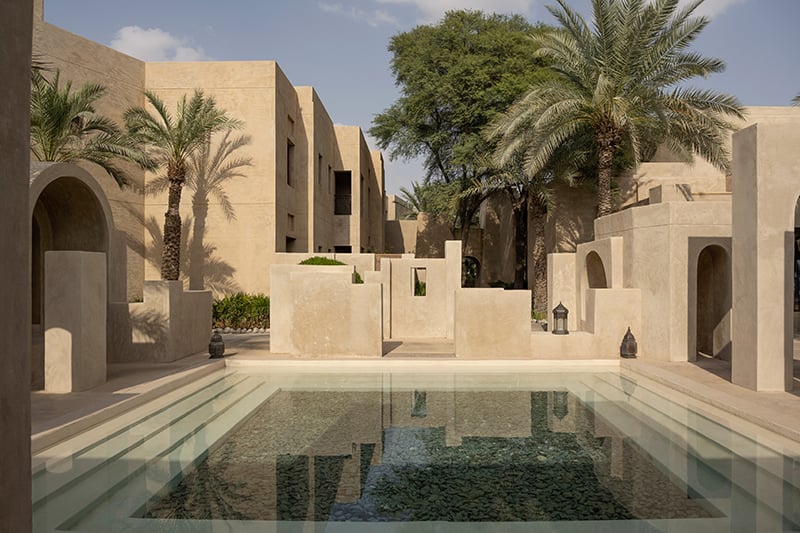
Lower Environmental Impact – Camels require significantly less water than cows, making them a more sustainable option in arid and drought-prone regions. They can thrive in desert environments where other dairy-producing animals would struggle, reducing the need for artificial irrigation.

No Need for Intensive Farming – Unlike large-scale dairy farms that often contribute to deforestation and greenhouse gas emissions, camels can be raised in natural desert ecosystems without destroying native flora and fauna.
Nutritional Benefits – Camel milk is rich in vitamins and minerals, including iron, vitamin C, and B vitamins, while being lower in fat and lactose than cow’s milk. This makes it a suitable alternative for those with lactose intolerance or those looking for a more nutrient-dense dairy source.
Where to Buy Camel Milk Chocolate
If you’re curious to try camel milk chocolate, several brands and retailers offer this unique treat:
Al Nassma (UAE) – One of the pioneers in camel milk chocolate, offering a variety of flavors including whole milk, dark chocolate, and nut-infused varieties. Available online and in select luxury stores worldwide.
Dubai-based chocolate shops – Many specialty confectioners in the UAE sell camel milk chocolate, making it a must-try if you visit the region.
Amazon and Online Specialty Stores – Some online marketplaces offer camel milk chocolate for international delivery.
Local Health Stores and Gourmet Shops – Some high-end or organic stores may stock camel milk chocolate, particularly in regions that promote sustainable and ethical food choices.
Can camel milk work in a keto diet?
Camel milk can be considered keto-friendly in moderation. One cup of full-cream camel milk contains approximately:
- 100 calories
- 5g protein
- 8g carbohydrates
- 5g total fat
- 3g saturated fat
Since the ketogenic diet typically limits daily carbohydrate intake to 20-50g per day, camel milk’s 8g of carbs per cup may fit within that range if consumed in moderation. However, compared to other keto-friendly dairy alternatives like almond milk (which has fewer carbs), camel milk is on the higher end in terms of carbohydrate content. If you’re strictly following a keto diet, it’s best to use camel milk sparingly or opt for a lower-carb alternative.








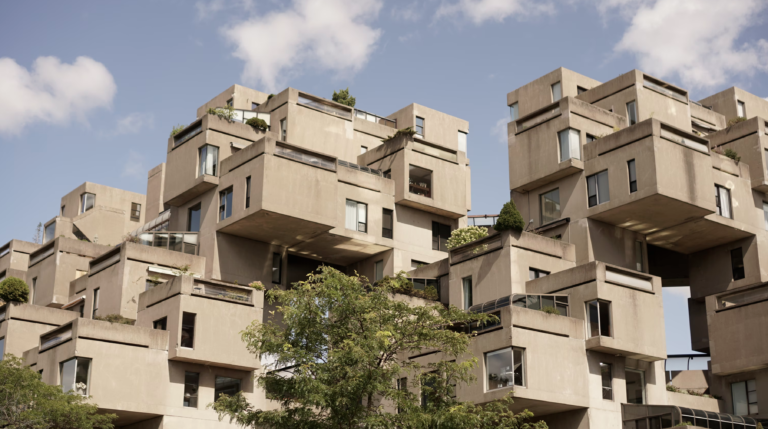

![Academics from the University of Bath have issued a new resource on the potential for regenerative design to deliver net-positive benefits, as well as actionable principles for change. RENEW: a manifesto for regenerative design and engineering is a 35-page electronic guidebook developed by the university’s Centre for Regenerative Design & Engineering for a Net Positive World (known as RENEW). A top 10 ranked university in the U.K., the University of Bath has demonstrated international leadership in research dedicated to achieving climate resilience, decarbonization, and a healthy future for the planet. The RENEW center takes a cross-disciplinary approach to developing systems for the built environment that harmonize benefits to society with the natural world. RENEW combines expertise from more than 40 academics, researchers, and industry stakeholders in water and chemical engineering, materials and composites, and placemaking and architecture with social science, economic, governance, and ecological studies. Image courtesy of the University of Bath The University of Bath’s Centre for Regenerative Design & Engineering for a Net Positive World (RENEW) has released a guidebook focused on defining regenerative design and expanding awareness of its prospects. Left to right: Dr. Juliana Calabria-Holley, co-director; Prof. Sukumar Natarajan, director; and Dr. Emma Emanuelsson, co-director. The University of Bath’s Centre for Regenerative Design & Engineering for a Net Positive World (RENEW) has released a guidebook focused on defining regenerative design and expanding awareness of its prospects. Left to right: Dr. Juliana Calabria-Holley, co-director; Prof. Sukumar Natarajan, director; and Dr. Emma Emanuelsson, co-director. Regenerative > Sustainable? Technology, science, and education have long focused on improving the human experience—such as by extending life expectancy worldwide—and evolving the spaces where we live, work, and play, but have done so through “extractive, non-regenerative practices,” said RENEW members in the manifesto. Sustainability has been championed for four decades to manage and minimize damage to the Earth’s resources but has been slow to penetrate the industrialized world. The guidebook’s authors note that contemporary net-zero emissions efforts and global climate target policies do not prescribe a way forward for “human systems to contribute positively to natural systems.” In order to adequately mitigate the impacts of climate change, improve biodiversity, and rebalance social inequities, the RENEW manifesto authors indicate that society requires an evolution from resource exploitation to a framework that prioritizes restoration of the global ecosystem. Image courtesy of the University of Bath Cover image for RENEW: a manifesto for regenerative design and engineering “Regenerative design, as a philosophy and practice, aims not merely to limit the damage we cause to the environment but to restore natural systems.” In an announcement launching the RENEW guidebook, center director and professor Sukumar Natarajan said that the initiative is designed to provide guiding principles for engineering, architecture, and other disciplines that enable society to “create resilient, fair communities that can thrive in balance with nature, while improving standards of living.” Six Principles of Regenerative Design The RENEW manifesto lays out six guiding principles of regenerative design, then offers a framework for putting them into practice. The six principles include: Reflective governance—Establish continuously evolving metrics and monitoring practices to track progress and impact. Embrace interconnectivity—Recognize that the world is intricate and interdependent. Take a holistic view accounting for the dynamic relationships between ecosystems and communities. Work as nature—Work harmoniously with and as nature. Design systems that work as part of species and ecosystem patterns, processes, and cycles. Prioritize net positive—Prioritize regeneration, replenishment, and restoration, recovering and reusing waste to create net-positive solutions and an abundance of resources. The aim should be to repair, sustain, and enrich the planet, rather than deplete its precious resources. Cultivate resilience—Systems should be designed with a capacity to adapt, diversify, and self-renew even in the face of uncertainty, change, and disturbances. Transmit—Document, curate, and publicize to help proliferate best practice through active discourse on a global scale. The authors concluded that the guide is intended as a foundation for continuously evolving this multidisciplinary approach to solving building/engineering problems. Center co-director Emma Emanuelsson observed that “We want this manifesto to help create a less anxious future for today’s young people, and for humans and nature to prosper in equal measure. […It] may not show us the full journey, but it does have advice and a framework to allow us to get started.” For the full guidance, readers can download RENEW: a manifesto for regenerative design and engineering free of charge from the University of Bath’s website.](https://www.greenprophet.com/wp-content/uploads/regenertive-design-bath.avif)




 During the Spring Meeting in