
I keep a wary eye open against illness, and prefer to immediately treat any scratchy throat, cough, or stomach upset with natural remedies. It usually works. But it’s happened that illness has caught me first.
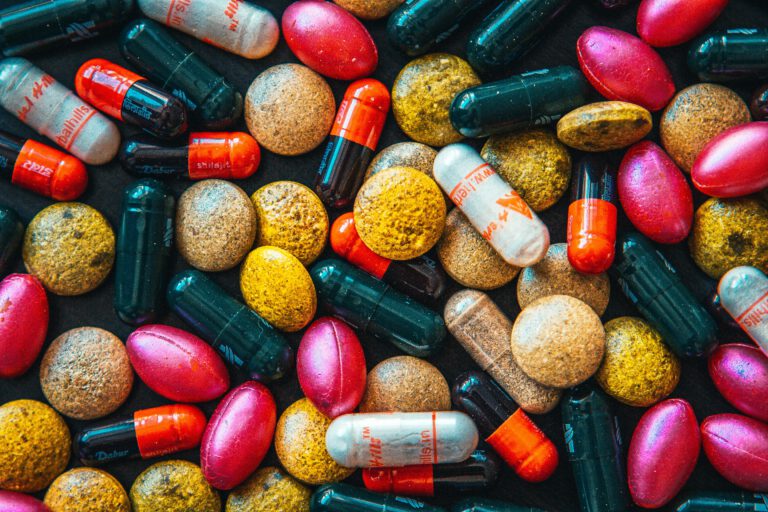
I wonder what would have become of me without antibiotic treatment for pneumonia with peritonitis at one time and a post-partum breast infection at another. Later in life, I had a whopper all-around infection of the chest, throat, eyes, and ears after a loved one died. My immunities had bottomed out due to exhaustion and grief. Antibiotic meds got me back on my feet, and I’m here to tell the tale.
There’s no doubt that antibiotics save lives. They’ve certainly saved mine. As Green Prophet’s Karin Kloosterman pointed out, antibiotics, after washing hands, is the biggest breakthrough in medical history.
Strep throat, bronchitis, urinary tract infections and other ailments appear any time. We can almost shrug and say, “People get sick.” We’re confident that we’re going to be uncomfortable for a while, but that we’ll survive: there’s antibiotics.
Yet there’s another side to antibiotics. At the same time that antibiotics kill harmful bacteria, they destroy beneficial bacteria that live in the gut and keep us healthy. According to a study of intestinal bacteria published in the journal Clinical Infectious Diseases, “Gut microbiota (micro-organisms) mostly repopulate within two to four weeks of finishing a course of antibiotics. However, it can take up to a year or longer for your gut microbiome to fully recover.”
Microbiomes are colonies of specific bacteria that live in specific places in or on the body. Here we’re focusing on the health-supporting bacteria that are found in the large intestine or colon, but also in the vagina. These “good” bacteria are often weakened or largely destroyed by antibiotic treatment.
So what can be the effects of weak, or absent good bacteria?
Commonly, nausea, gas, diarrhea and a scraped sensation in the gut. In women, a yeast infection may occur after a round of antibiotics. People complain of feeling “wiped out” after illness treated with antibiotics; not only because illness is debilitating itself, but because the bacteria that nourish their colon and prevent inflammation aren’t there.
It may also happen that a person whose gut bacteria have vanished either extensive treatment with antibiotic meds, gets sick again – needing another round of antibiotics. A continuing cycle of illness/antibiotics can lead to a severe gut infection called Clostridium difficile. It’s a life-threatening condition. in 2023, the FDA approved a new therapy for that: poop pills. Transferring fecal bacteria from a healthy donor replaces up to 95% of the missing bacteria in the patient’s depleted gut.
But don’t get grossed out. The good news is, that in common cases, it’s more than possible to encourage gut health, and to replace missing healthy bacteria. It’s even easy. It’s about eating pre-biotic foods regularly, to help maintain a high level of healthful bacteria.
Let’s look at the difference between prebiotic and probiotic foods.
Prebiotics are rich in fiber and pass through the body partially undigested. Think of whole grains, sourdough bread, organic leafy greens and fruit. According to the American Society for Nutrition, dandelion greens, Jerusalem artichoke, garlic, leeks, and onions have the highest amounts of prebiotics. Their list includes onion rings, creamed onions, cowpeas, asparagus, and Kellogg’s All-Bran cereal.
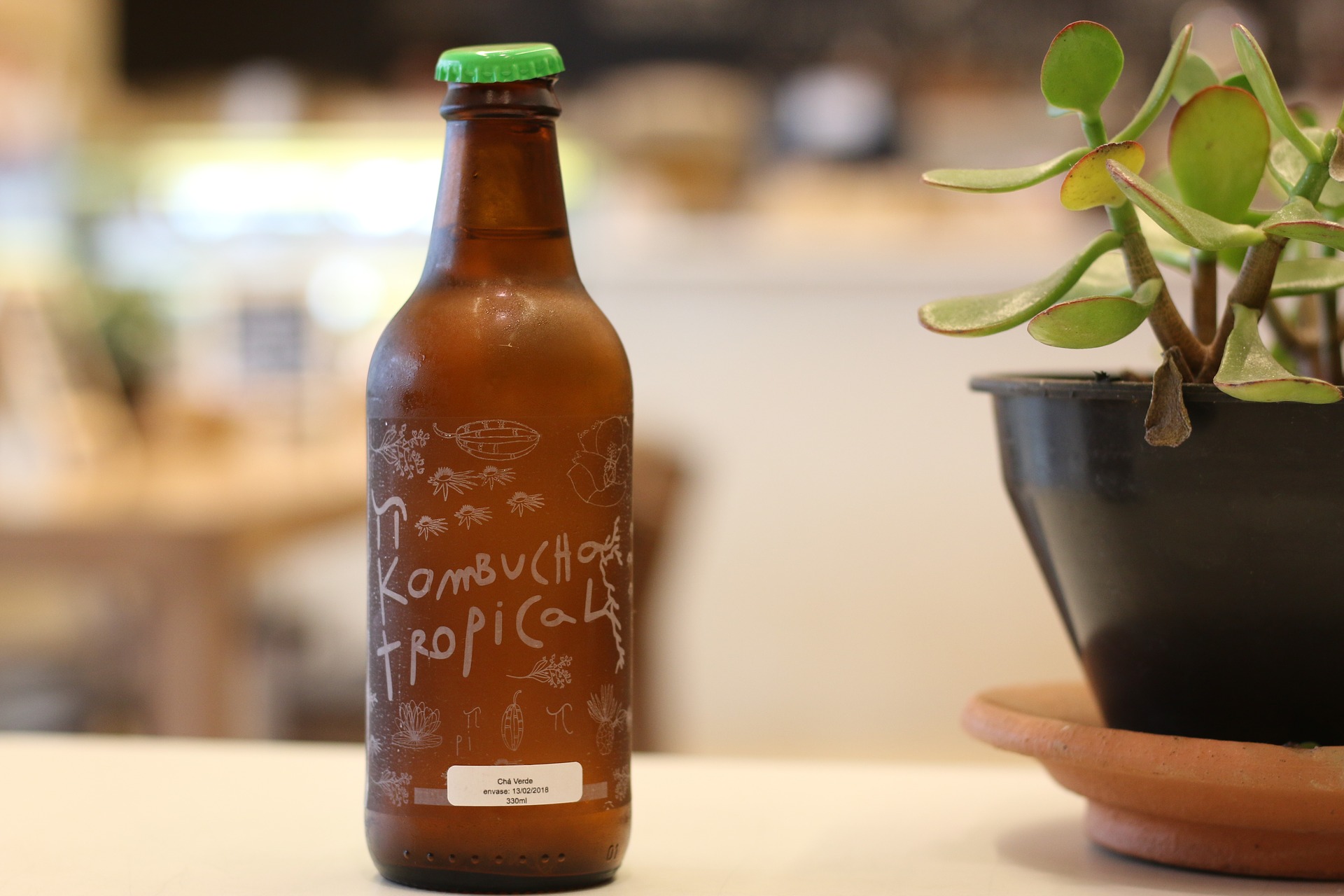
Probiotic foods are a slicker trick, many either being liquid, semi-liquid, or having been fermented in liquid, usually brine but sometimes milk. Here we’re looking at miso soup,; vinegar-free sauerkraut (and here’s how to make your own); kimchi; kombucha; yogurt with active culture; kfir, and unpasteurized pickled vegetables.

You can make many gut-friendly foods at home, such as labneh, a tangy spread based on yogurt. Start with yogurt whose label reads “bio-active” or “active cultures” or some such label indicating it has active friendly bacteria.
You do have to locate kfir grains and the kombucha starter (also called the mother) first. I’ve acquired both by putting out a call on my local WhatsApp groups, but if that doesn’t work for you, natural foods stores often carry them. Otherwise, there are many online sources.


What to avoid eating while taking antibiotics:
Some authorities warn that dairy and calcium-rich foods bind the meds to the calcium and prevent them from being absorbed by the body. The list includes tofu, kale, fortified cereals and orange juice, alternative milks and chia seeds; all calcium-rich. But you can eat them if you wait two hours after taking the antibiotic and six hours before the next dose.
High acid foods like citrus, sodas, chocolate and tomato products may interfere with absorption of certain meds. Best to stay away from them altogether while on antibiotics. Caffeine and alcohol are on the list too.
Surprisingly, multi-vitamins and antacids are also on the “take it easy” list while taking antibiotics. These products contain minerals that bind to the meds and prevent their absorption. As with calcium-heavy foods, take the vitamins and antacids two hours after you take your antibiotic and six hours before your next dose.
Read the label or the pamphlet inside the box. If it says to take with food, you can take your medicine with a meal or a little snack like crackers and fruit. Food helps the body to absorb certain medications and can reduce side effects. If the product should be taken on an empty stomach, time your meals to be either one hour after you take the medicine or two hours before your next dose.
And no matter what, stay hydrated while you’re sick. Drink plenty of water or warm herbal tea like mint or chamomile.
After finishing the course of antibiotics, it’s wise to continue eating probiotic foods. Indulge, and enjoy.
More about medicine on Green Prophet:
Cannabis company starts testing CBD drug for autism in children












![Academics from the University of Bath have issued a new resource on the potential for regenerative design to deliver net-positive benefits, as well as actionable principles for change. RENEW: a manifesto for regenerative design and engineering is a 35-page electronic guidebook developed by the university’s Centre for Regenerative Design & Engineering for a Net Positive World (known as RENEW). A top 10 ranked university in the U.K., the University of Bath has demonstrated international leadership in research dedicated to achieving climate resilience, decarbonization, and a healthy future for the planet. The RENEW center takes a cross-disciplinary approach to developing systems for the built environment that harmonize benefits to society with the natural world. RENEW combines expertise from more than 40 academics, researchers, and industry stakeholders in water and chemical engineering, materials and composites, and placemaking and architecture with social science, economic, governance, and ecological studies. Image courtesy of the University of Bath The University of Bath’s Centre for Regenerative Design & Engineering for a Net Positive World (RENEW) has released a guidebook focused on defining regenerative design and expanding awareness of its prospects. Left to right: Dr. Juliana Calabria-Holley, co-director; Prof. Sukumar Natarajan, director; and Dr. Emma Emanuelsson, co-director. The University of Bath’s Centre for Regenerative Design & Engineering for a Net Positive World (RENEW) has released a guidebook focused on defining regenerative design and expanding awareness of its prospects. Left to right: Dr. Juliana Calabria-Holley, co-director; Prof. Sukumar Natarajan, director; and Dr. Emma Emanuelsson, co-director. Regenerative > Sustainable? Technology, science, and education have long focused on improving the human experience—such as by extending life expectancy worldwide—and evolving the spaces where we live, work, and play, but have done so through “extractive, non-regenerative practices,” said RENEW members in the manifesto. Sustainability has been championed for four decades to manage and minimize damage to the Earth’s resources but has been slow to penetrate the industrialized world. The guidebook’s authors note that contemporary net-zero emissions efforts and global climate target policies do not prescribe a way forward for “human systems to contribute positively to natural systems.” In order to adequately mitigate the impacts of climate change, improve biodiversity, and rebalance social inequities, the RENEW manifesto authors indicate that society requires an evolution from resource exploitation to a framework that prioritizes restoration of the global ecosystem. Image courtesy of the University of Bath Cover image for RENEW: a manifesto for regenerative design and engineering “Regenerative design, as a philosophy and practice, aims not merely to limit the damage we cause to the environment but to restore natural systems.” In an announcement launching the RENEW guidebook, center director and professor Sukumar Natarajan said that the initiative is designed to provide guiding principles for engineering, architecture, and other disciplines that enable society to “create resilient, fair communities that can thrive in balance with nature, while improving standards of living.” Six Principles of Regenerative Design The RENEW manifesto lays out six guiding principles of regenerative design, then offers a framework for putting them into practice. The six principles include: Reflective governance—Establish continuously evolving metrics and monitoring practices to track progress and impact. Embrace interconnectivity—Recognize that the world is intricate and interdependent. Take a holistic view accounting for the dynamic relationships between ecosystems and communities. Work as nature—Work harmoniously with and as nature. Design systems that work as part of species and ecosystem patterns, processes, and cycles. Prioritize net positive—Prioritize regeneration, replenishment, and restoration, recovering and reusing waste to create net-positive solutions and an abundance of resources. The aim should be to repair, sustain, and enrich the planet, rather than deplete its precious resources. Cultivate resilience—Systems should be designed with a capacity to adapt, diversify, and self-renew even in the face of uncertainty, change, and disturbances. Transmit—Document, curate, and publicize to help proliferate best practice through active discourse on a global scale. The authors concluded that the guide is intended as a foundation for continuously evolving this multidisciplinary approach to solving building/engineering problems. Center co-director Emma Emanuelsson observed that “We want this manifesto to help create a less anxious future for today’s young people, and for humans and nature to prosper in equal measure. […It] may not show us the full journey, but it does have advice and a framework to allow us to get started.” For the full guidance, readers can download RENEW: a manifesto for regenerative design and engineering free of charge from the University of Bath’s website.](https://www.greenprophet.com/wp-content/uploads/regenertive-design-bath.avif)





 During the Spring Meeting in