Home Blog Page 459

Gulf Municipality Pampers Villa Owners Who Don’t Get Green Building

1

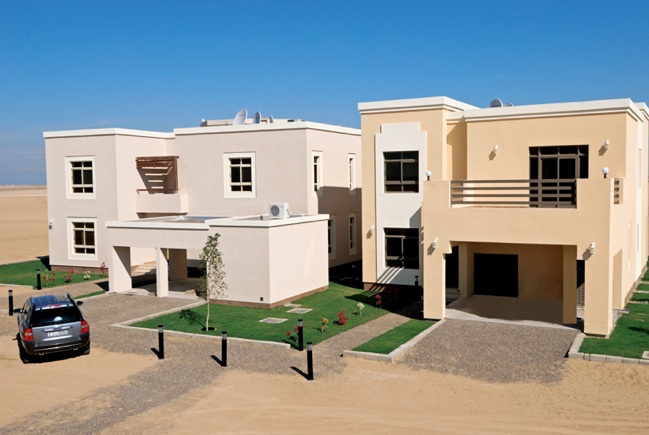
green building, sustainable building, energy, water, carbon footprint, Estidama, United Arab Emirates, villas, Abu Dhabi, pearl ratingGoing green doesn’t come naturally to wealthy villa owners in the Gulf.

An online real estate  company listed a seven bedroom villa in Dubai’s neighboring Emirate Abu Dhabi for $95,300 a year, which amounts to nearly $8,000 a month. Anyone who can afford to spend that much money on rent probably has little incentive to turn off the lights in order to conserve energy or shorten their showers, which may explain why the Abu Dhabi Urban Planning Council sometimes has to meet with villa owners six times before they grasp the minimum requirements of the country’s mandatory Estidama green building code.

Egypt’s Hottest Mountain Climber Goes Carbon-Neutral

1

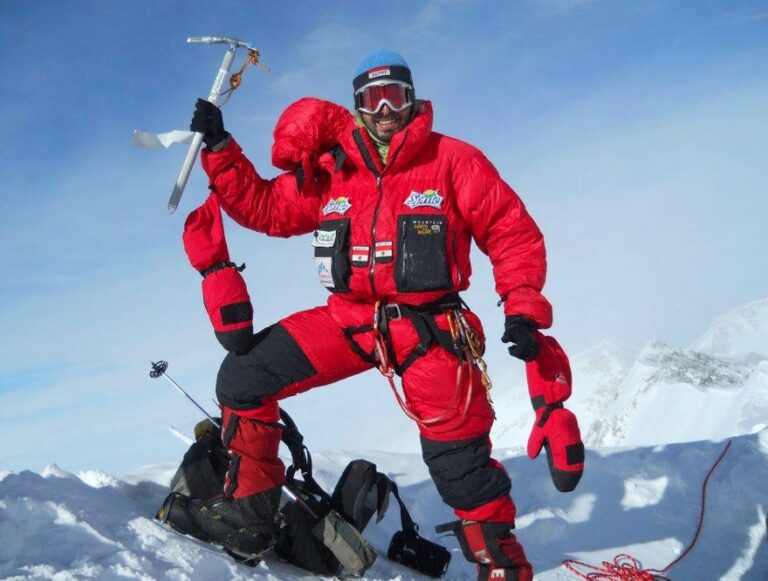
eco-tourism, Omar Samra, Mt. Everest, carbon neutral, carbon credits, Mt. Kilimanjaro, Wild Guanabana, green travel, sustainable tourismOmar Samra is an adventurer whose incredible pursuits highlight the importance of environmental awareness.

When Omar Samra isn’t running one of the few genuinely eco-friendly and socially responsible tourism outfits in Egypt called Wild Guanabana, he climbs mountains. Big ones. He was the first Egyptian to summit Mt. Everest in 2007 and by the end of 2012, if he secures the necessary sponsorships, he will also be the first from his country to reach the top of the world’s seven highest peaks – including the formidable Mt. McKinley in Alaska. If you’re aren’t already impressed by the man who graduated from the London School of Business but eschewed a life of high finance life for something more soulful, maybe this will help: all of Samra’s journeys are carbon neutral.

Egypt Launches Anti-Bird Flu Campaign

0

aswan bird
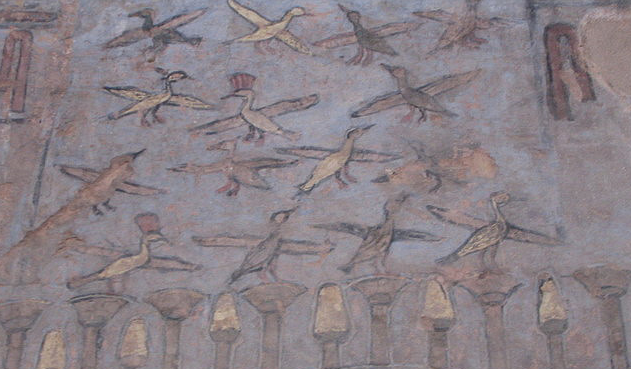
H5N1 has infected 159 and killed 55 people in Egypt since 2006.

A nationwide campaign to stop the spread of H5N1 avian influenza in Egypt is to be launched by the government in a few weeks, say officials, but details are still sketchy. The new plan, which will involve coordination between the Health Ministry, the Agriculture Ministry and poultry producers, requires close monitoring and various bio-safety measures.

Tel Aviv Water Wells Polluted from Contamination

0

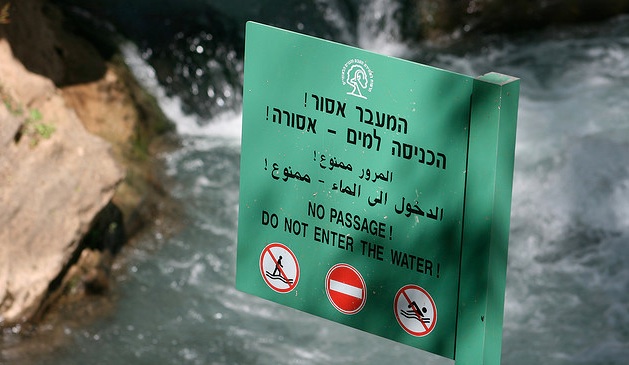
israel water no walking, sea of galileeTwo-thirds of Tel Aviv’s water wells are too polluted to use.

A recent study discovered that many Tel Aviv wells are polluted beyond suitability as drinking water sources.  Data collected by the Health Ministry and Water Authority showed that 96 of a total 166 wells in the Tel Aviv area were closed due to contamination. Nearly two-thirds of the wells have been shuttered since 1980, when all 166 were in full operation.  The pollution has been caused by two types of activities.  First, contaminants from armament manufacturing, agricultural runoff and sewage systems seep into the groundwater table.

New Natural Gas Field in Israel on Lebanese Border Stokes Conflict Flames

1

israel natural gas lebanonTanin 1 gas field, in large yellow area north of the Tamar field, is too close for comfort to Lebanese shores. Lebanon is going to the UN to complain.

Israel’s got natural gas. A lot of it. Cleaner burning than coal or bitumen, natural gas has a reputation for being more environmentally friendly. Countries like Qatar have a lot of natural gas and now Israel – with help from the American company Noble Energy – has found enough gas to make it energy independent for decades.

Following previous natural gas finds by Yitzhak Tshuva’s Yam Tethys Energy Exploration Company, as well as those by Texas-based Noble Energy Company in the Tamar gas field off Israel’s Mediterranean coast, the fortunes of Israeli billionaire Yitzhak Tshuva now appear to be increasing with the discovery of yet another large undersea gas reservoir.

Will Ancient Mega Lake Bring Peace to Sudan?

3

darfur mega lake sudan

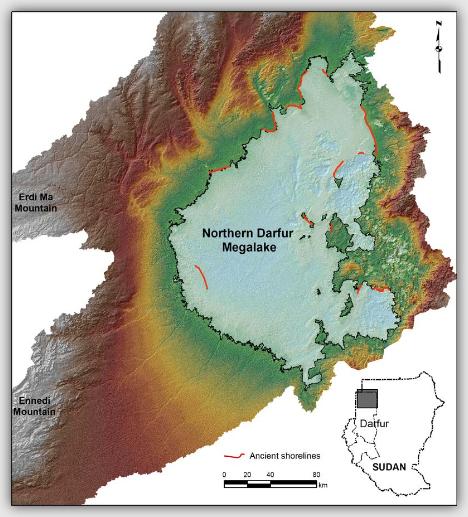
Can mega well bring peace to Sudan?

At least 300,000 people died and almost three million were displaced by the Darfur conflict in Sudan. Egyptian-American geologist Farouk El-Baz believes that limited access to water is one of the root causes of this conflict. Doctor El-Baz is director of Boston University’s center for remote sensing. He is known for his use of satellite images to search for water in the Mideast and North Africa. His work led to the discovery of a large underground water source in Egypt’s East Uweinat region near the borders with Libya, Chad and Sudan. This Nubian Sandstone Aquifer System (NSAS) contains over five million cubic feet of groundwater and is already bringing life and prosperity to a desolate part of the Eastern Sahara.

Tu Bishvat: Is the Jewish New Year of the Trees Green?

12

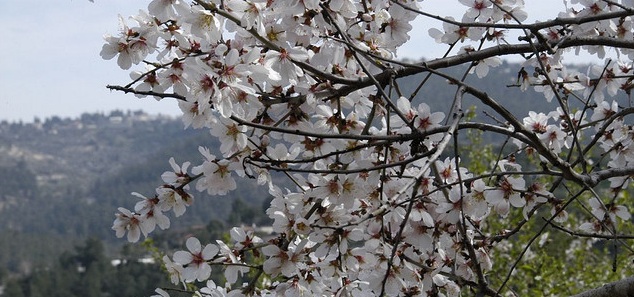
almond blossoms israel tu be shevatSpring has sprung in Israel, marked by almond blossoms and Tu Bishvat

The Jewish holiday of Tu Bishvat begins as the sun sets on the 7th of February 2012.  This holiday has its origins in some ecologically-focused passages in the Talmud.  Deuteronomy 14:22-29 requires that one tenth of all that a field produces in a year should be set aside as a tithe and that every third year’s tithe should be stored in towns so that widows, foreigners and Levites (who have no land allotment) would have food.

Arabic Calligraphy – eL Seed’s Writing Is On the Wall

3

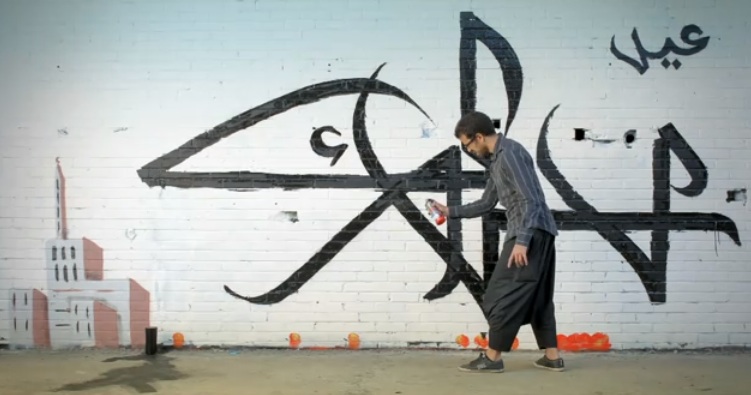
el seed image from youtube videoeL Seed, a Tunisian artist who combines Arabic calligraphy and street painting, is making an imprint on the world street art scene.

I can’t remember how I found him. One of those idle internet ramblings where a sound or image grabs you by the hair and pulls you smack up to the monitor to find out more. I love when that happens. And it happened with eL Seed.

I’m a graffiti fan. Filthy subway cars in ‘70’s Manhattan made more tolerable by paint-sprayed shells.  Crumbling underbellies of bridges and tunnels, colorfully tagged, sound out visual wake-up calls.  People observe, and comment. I love public art.  The kind spelled in lower case.  Yarn-bombing, sidewalk chalk painting, Lego micro-installations, and graffiti.

Hajj terminal for Mekkah is aviation’s green gem

2

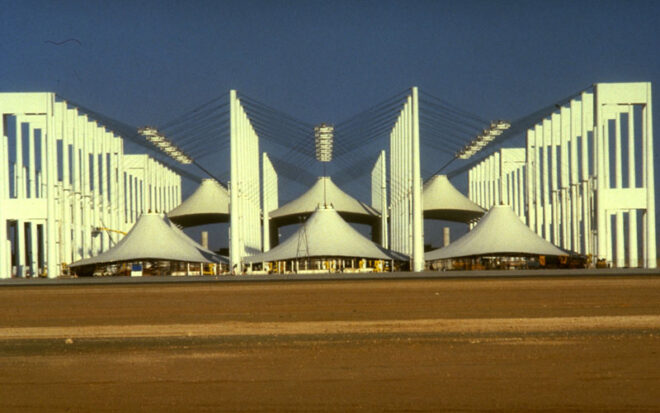
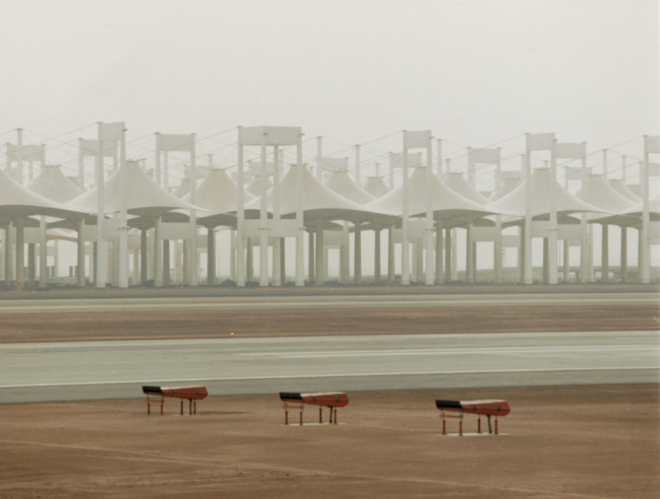
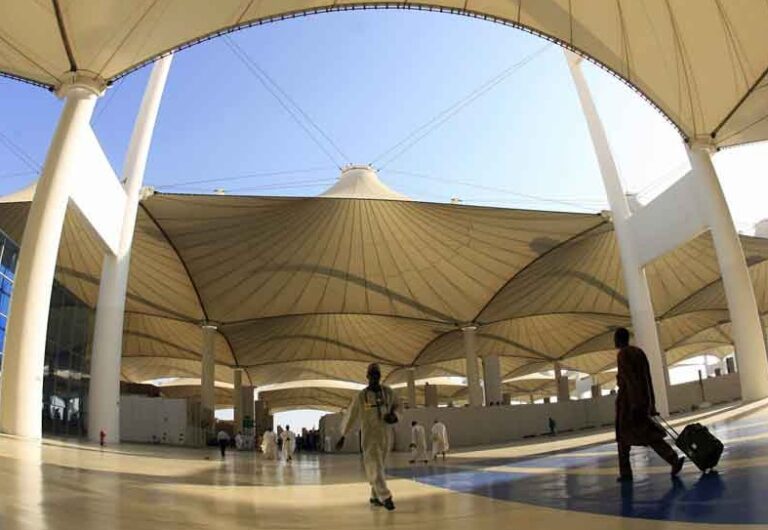
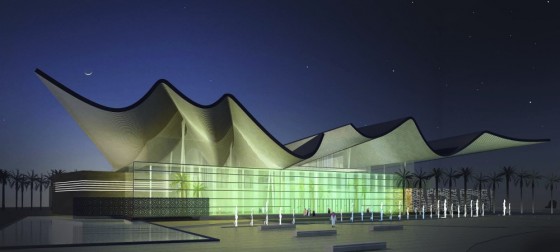
hajj terminal saudi arabiaHajj Terminal, Jedda Saudi Arabia, the 6-week terminal at Abdul Aziz Airport built by Skidmore, Owings and Merrill, a Chicago-based architectural firm. It stands the test of time as a green gem.

Dozens of gleaming white tents form a bold roofline covering 120 acres of passenger services; sustainable magnificence created by visionary architects Skidmore, Owings & Merrill over thirty years ago. Located in Jeddah’s King Abdulaziz International Airport in Saudi Arabia, the terminal serves as a temporary city for millions of pilgrims destined for Mecca to take part in the annual Hajj.
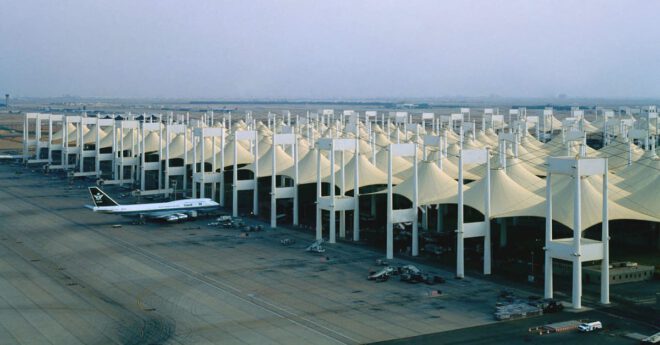
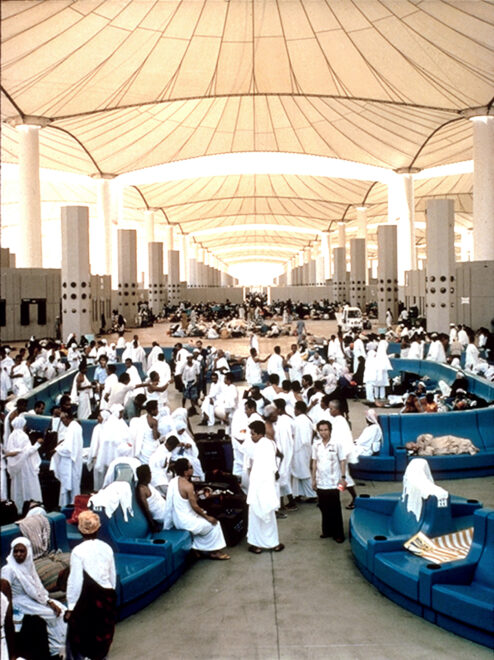
Hajj Terminal, Jedda Saudi Arabia, Terminal at Abdul Aziz Airport built by Skidmore, Owings and Merrill, a Chicago-based architectural firm Hajj Terminal, Jedda Saudi Arabia, Terminal at Abdul Aziz Airport built by Skidmore, Owings and Merrill, a Chicago-based architectural firm Hajj Terminal, Jedda Saudi Arabia, Terminal at Abdul Aziz Airport built by Skidmore, Owings and Merrill, a Chicago-based architectural firm

The world’s 1.7 billion Muslims are all encouraged to undertake the pilgrimage, and approximately 0.01 percent heed the call each year. With increasingly accessible air travel, the number of hajjis – or pilgrims – grows annually,  now over 1.5 million.

A human tide rolls into the airport as pilgrims fly in from around the world before travelling by road to the holy cities of Mecca and Medina. The crush returns as Hajj concludes. The entire cycle occurs in a matter of weeks.

Crowd dynamics in Mecca led to stampedes in 2004 and 2005, killing 244 and 360 people, respectively. Safe and efficient handling of this eclectic population is a logistical challenge with critical risks.

Terminal plans hatched in the mid-‘60’s were mothballed in the decade after the 1967 Six Day War.
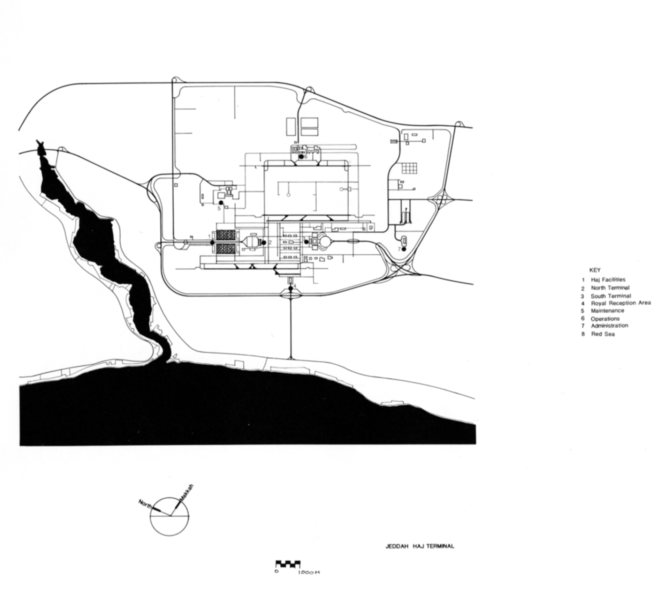
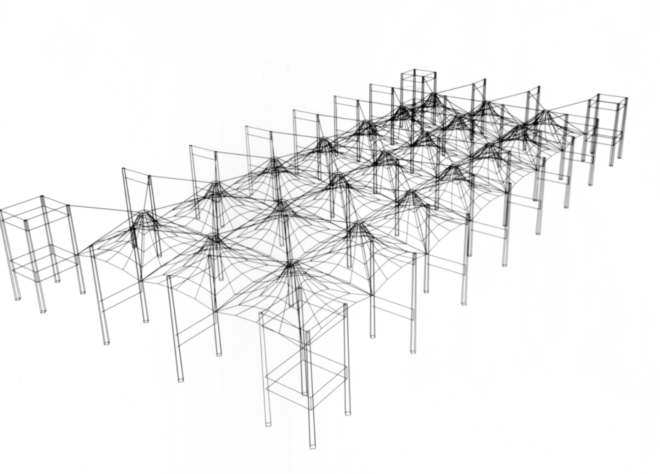
Hajj Terminal, Jedda Saudi Arabia, Terminal at Abdul Aziz Airport built by Skidmore, Owings and Merrill, a Chicago-based architectural firm Hajj Terminal, Jedda Saudi Arabia, Terminal at Abdul Aziz Airport built by Skidmore, Owings and Merrill, a Chicago-based architectural firm Hajj Terminal, Jedda Saudi Arabia, Terminal at Abdul Aziz Airport built by Skidmore, Owings and Merrill, a Chicago-based architectural firm

Hajj King Abdul Aziz

In 1974,  SOM’s superstar design team led by Bengalese-born engineer Fazlur Kahn and American architect Gordon Bunshaft resumed work on the terminal, part of an ambitious airport Master Plan. Initially designed as a fully enclosed building (Edward Durrell Stone, modern architecture legend, consulted during early planning), this new design team had a flash of contextual insight and determined that a traditional air-conditioned terminal wasn’t ideal for the desert site, nor for the unique passenger demographic.

They played with Arabian imagery of desert tents, billowing fabric. In the wake of the moonwalk, they experimented with space-age materials. Tent-like shapes, made of Teflon-coated fiberglas (resistant to heat, humidity and sun-damage), suggested an open-air environment. Kahn’s radically innovative structural design allowed for long-span open spaces.

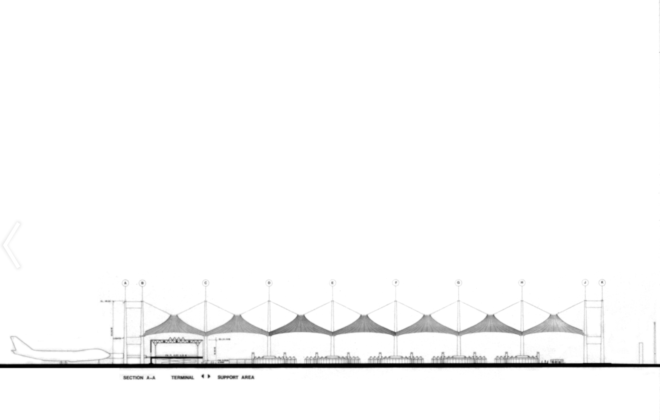
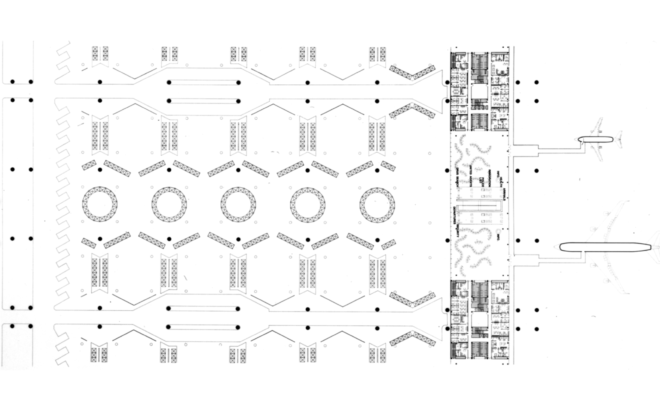
Two symmetrical sections of tent “modules”, framed by towering pylons, are separated by a landscaped mall.  Steel cables weave between the elements, suspending the tents and eliminating clunky roof supports. The tents cover the air-conditioned arrival buildings, sited along terminal edges and housing security, check-in, toilets and shops.

The tents are the showstopper, capable of accommodating 80,000 people at any time.

The white tents deflect heat and diffuse natural daylight into interiors. Their conical shape creates a chimney effect, cooling interiors with minimal mechanical assistance. When outside air burns at 120 degrees F, inside stays a balmy 75.

The designers understood these travelers’ needs. Tucked below the tents is a mosque. And gathering areas where pilgrims can meet their tour groups. There are private spaces for changing into ritual garments and performing ablutions. Travellers trade goods along the pilgrimage route and seek mementos of their Arabian experience, so SOM integrated a traditional market (souk) into the design.

Completed in 1981, the Hajj Terminal received that year’s Progressive Architecture award. In 1983 it scored an American Institute of Architects (AIA) National Honor Award and the 1983 Aga Khan Award for Architecture. In 2009, it received the AIA Twenty-Five Year award for its architectural design of “enduring significance”.

The AIA explained, “This project exemplifies the power of a clear idea. With a very simple bay repeated quite beautifully, they set the standard for many airports since.

“The architects created a highly sustainable project well ahead of the green movement. The terminal presents a sense of place, ecology, economy of means, and culture – not imposing on but learning from the local culture and environment. The brilliant and imaginative design of the roofing system met the awesome challenge of covering this vast space with incomparable elegance and beauty.”

Airport terminals evolve. Functional hangers to protect travelers from weather have morphed into ersatz shopping malls.   A place to check luggage, then navigate increasingly difficult security hurdles.  Run the gauntlet of duty-free; grab an overpriced bite; conduct impromptu business via wireless gadgetry; and eventually board a flight.  Terminals have become a car-to-plane conduit, designed so we shop every step of the way.  Can you name a new terminal that provides a real sense of place?

Last week, Frommers.com named this aviation old-timer as one of the best terminals in the world, based on stellar performance in key operational metrics such as on-time departures, cleanliness, and ease of travel to and from city center.

High functionality coupled with environmental smarts, wrapped in a gorgeous skin: Hajj Terminal is a timeless beauty.

Watch the vintage film on the creation of the Hajj Terminal

EU’s Planned Nabucco Gas Pipeline To Be Displaced By Russian Project

0

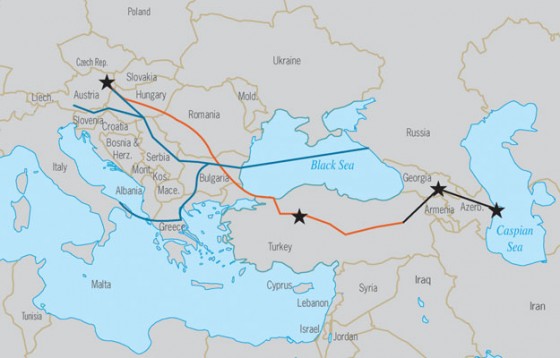
The Nabucco natural gas pipeline (in orange) was designed to lessen eastern Europe’s dependence on Russia’s sometimes unreliable gas supply. But Russia’s South Stream pipeline project (in blue) now seems more likely to be built. 

A 2,400-mile pipeline transporting 30 million cubic meters from central Asia to Austria each year. That was the plan when the European Union designed the Nabucco gas pipeline in 2009 as part of its Southern Gas Corridor initiative for enhanced energy security throughout Europe.

Turkey’s cooperation in the project was vital, given its central location between the gas-producing central-Asian ‘stans and the gas-hungry nations of eastern Europe. But now it appears that Turkey is favoring alternate routes instead, including a gas pipeline by Russia — the very nation whose gas supply Nabucco was designed to bypass.

Tu B’Shvat Ecology Study Opportunities, 2012

0

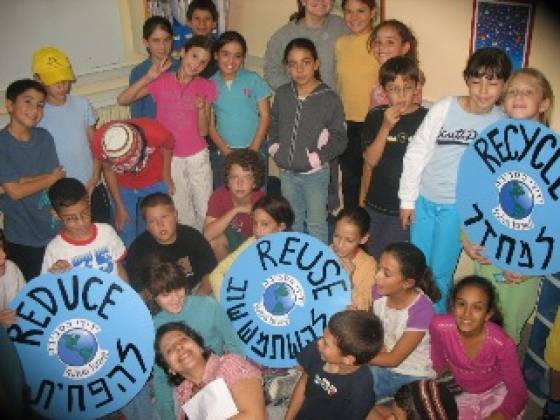
sviva israel childrenThe 15th day of the Jewish month of Shavat signals the launching of new Jewish eco-education programs.
A potent mystical, ecological, legal and historical mix  runs through Tu B’Shvat, a date known as the New Year For The Trees. For more on the meaning of Tu B’Shvat, read this post.

According to Jewish tradition, it’s the day on which each tree is judged as to the amount of water it will receive over the year. It’s also the cut-off date when determining the age of the tree. As man is compared to “the tree of the field,”  Tu B’Shvat is a good day to inaugurate ecology studies.

Proposal for Riyadh’s Celebration Hall in Saudi Distorts Bedouin Values

0

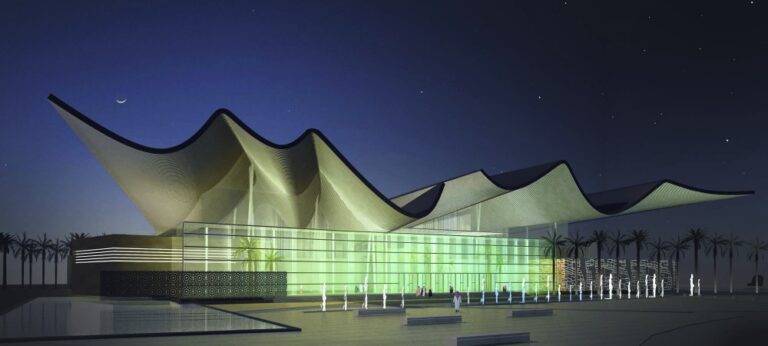
green design, sustainable design, eco design, bedouin, saudi arabia, bedouin tent, Celebrational Hall Riyadh, Studio Schiattarella, Tecturae, sustainable architecture, green building, unsustainable architectureStudio Schiattarella and Tecturae’s winning proposal for the Celebration Hall of Riyadh distorts true Bedouin values.

It is common in Middle Eastern design to evoke images of a more sustainable past in order to justify a less sustainable present, and nowhere is this more true than in Saudi Arabia. The winning proposal for the Celebration Hall of Riyadh submitted by Studio Schiattarella and Tecturae has used the symbolism of a Bedouin Tent “as a starting point the “signs” of the Saudi cultural identity, or rather the formal elements that represent it symbolically.” But given its huge wealth and consistently obese architecture projects, we have to ask: what true Bedouin values do the Saudis continue to display today?

20 Penguins From Texas Live at Dubai Ski Slope

1

PETA, penguins, Ski Dubai, animal conservation, wildlife, Middle East, Dubai, United Arab Emirates10 King and 10 Gentoo Penguins imported from Texas are now living at Ski Dubai – an indoor ski slope in the desert! Picture : © Samuel Blanc / www.sblanc.com

It’s bizarre enough that Dubai has an indoor ski slope despite outdoor summer temperatures averaging at over 40 degrees Celsius, but now a colony of penguins has taken up residence at this popular tourist attraction. Ten King Penguins listed as “least threatened” on the IUCN’s Red List of Threatened Species, and ten Gentoo Penguins which are “near threatened” were relocated from Seaworld in Texas, where a penguin breeding program has been underway for several years. Ski Dubai insists the animals are treated like royalty and are there to raise awareness, but animals rights activists are already criticizing at the move.

Is Pink Slime Worse Than Meat Glue for Enhancing Fast Food?

18

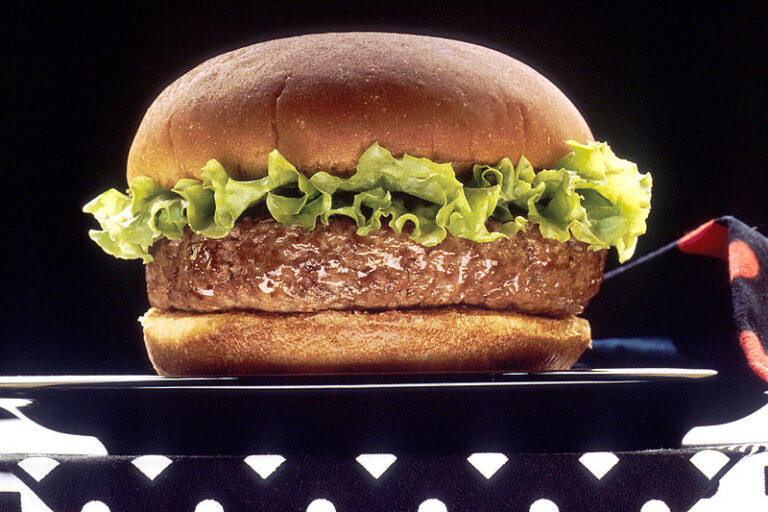
pink slimeLooks good – tastes good for meat eaters. But how much of that meat patty is pink slime?

Ever wonder what makes the meat patties used in hamburgers in fast food eateries like McDonalds and Burger King seem so fresh? The secret is not really how much meat glue is used, or whether the meat patty used is actually 50 percent or more n-hexane based soy protein. The real issue has been the use of a meat quality enhancer, or a product  known scientifically as ammonium hydroxide which turns fatty beef residue into a mixture that has been non-affectionately called “pink slime”.

Run Your Carbon Footprint Against the World’s

0

black footprintMy feet are big, at US women’s size 10, but my footprint is enormous. See how yours compares to other nations in the world                                                       

Drop a teabag in a mug, add boiled water, and in the time it takes to brew, you can calculate your carbon weight. Trust me – you’ll need a comforting drink when you see your results. A  free and simple to use carbon calculator is available on the Carbon Footprint website that tabulates your carbon imprint in a matter of minutes, and benchmarks it against performances of your country, of industrial nations, and of the entire world.

I tried it and got a footprint of 9.88 tons of carbon dioxide (CO2) emissions. Low for an American, but astronomical for a resident of Jordan.