Home Blog Page 442

The Origin of Earth Day and Greening the Arab Spring

0

Arab Spring, earth, social media, Earth Day, environment, activism

It is worth remembering that a few decades ago, there were no environmentalists in the United States. There were no rules that prohibited polluters from spewing toxic fumes into the atmosphere. Nobody was watching the agriculture industry to ensure that their pesticides weren’t contaminating water ways. Americans were asleep.

Then Rachel Carson’s Silent Spring hit the NY Times bestseller list in 1962 and woke them up. Suddenly the relationship between environmental degradation and public health became clear and angered people. But even then it wasn’t until a US senator channeled energy from anti-war protests into the first Earth Day in 1970 that the US green movement was born. Enter the Arab Spring.

Carpet Made From Pebbles Gives Great Foot Massage

0

Neora Zigler pebbles carpet
An Israeli designer creates a rug that incorporates real pebbles. Walking on them is like a foot massage!

It’s pretty common these days to see pottery and household objects that are designed to resemble nature. And carpets too. While you may see pathways made of pebbles, it’s not likely you’ll find them inside your carpets. Inspired by the east, Israeli designer Neora Zigler chose to sew pebbles inside layers of synthetic fabric and the result is her Pebbles Carpet. Zigler says it forces one to walk slowly, with concentration, but I bet walking on it is good for your health, and heart.

Get Into Green Music and Art in Iraq Before Earth Day

iraq green music and art festival
Who would have thought that Iraqis and Kurds could start a green music and art event?

Two non-profits, Nature Iraq and Development Now are holding the first Green Music and Arts Festival in Iraq tomorrow to honor Earth Day the day after. To be held in Sulaimani’s Azadi Park in Sulaimani, it will be the first event of its kind held in Iraq, and it will celebrate the beauty of nature, the unique landscape of Iraq, and the people and organizations who are devoted to protecting the environment through the arts and education.

Solar War Flares Up in Israel

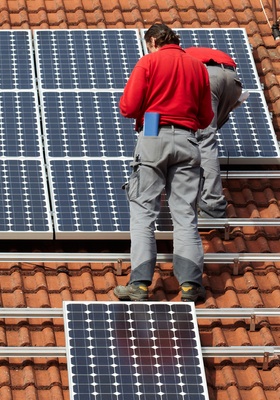
solar energy rooftopssolar energy pv panels

Two solar energy companies are part of a larger conflict and dilemma in Israel: should solar panels be installed on limited open space or on rooftops?

There is a small war going on in Israel and it has nothing to do with a nuclear Iran or local terror cells. This war is over the sun. Two companies Arava Power and Solar By Yourself represent a new kind of conflict in Israel’s complicated renewable energy landscape.

Solar By Yourself, a company that helps homeowners or businesses install small-scale solar panels on rooftops, says there are “corrupt” clerks in the government approvals agencies giving unfair advantages to certain solar energy companies.

They also believe the Israeli government isn’t standing by its own policies when it hands out licenses for new installations. Israel has offered attractive, but very limited quotas on solar energy installations. While the companies looking to land the licenses are usually operating out of genuine concern for the environment, there is also very big business at stake. Companies are racing for the quotas, trying to get the approvals and licenses as fast as they can.

Eole Uses Wind Power to Make Water From Desert Air

6

Abu Dhabi hosts successful test of prototype water condensation, using wind power.

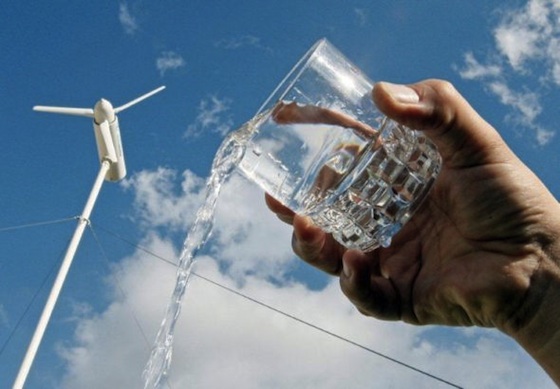
A  revolutionary way to condense water from the desert air, powered by – and housed within – a wind turbine has been tested in the UAE  since October of 2011, by French innovation startup Eole Water.

The ground-mounted version has proven that it can condense up to 800 litres a day from air with just the 15-20% humidity typical of the region, and the company believes that a tower top turbine will produce levels well over 1,000 litres (264 gallons) a day.

Saudi Arabia’s Fast Food Boom is Finger Lickin’ Awful

4

saudi boys burgers

The Kingdom of Saudi Arabia’s (KSA) fast food market is expected to reach $4.5 billion in gross sales by 2015, driven by growing demand from its young, western-influenced population, higher disposable incomes, and new financing arrangements, according to a report by Euromonitor, a leading analyst of global markets.Western coffee chains are less about catching a caffeine fix than they are about providing a cozy venue to check your email or write your screenplay.  Similarly, future expansion of junk food joints in the Middle East will be sold as “lifestyle destinations” that just happen to come with a side of sugar, fat and processed carbs.

Extremely limited social outlets for young Saudis mean there’s a wide market in which fast food outlets can position themselves as central points for uber-passive “recreation” and hip social gathering.

Ecosex and Why Environmentalists are Avoiding the e-Spot

woman body covered in grass
Ecosex is the ‘trend that could’ except among most green bloggers and editors. Why are they avoiding the one subject that could resurrect environmentalism?

Take a hike to fall in love with Planet Earth and embody green loving? End your romance with plastic because the evidence is irrefutable; BPA is nasty to your naked bits? You bet! From healthy habits in the bedroom to eating for optimum performance, Ecosex is the optimal way to experience intimacy that is good for you and safe for the planet. With rare exception however (Green Prophet is notably cool), the green blogosphere has yet to catch the enthusiasm; even though it is this writer’s opinion that Ecosex has the potential to revitalize enthusiasm for eco-conscious living among a populace grown bored, weary or deaf. Yes, Ecosex can save the world. But greenies have to finally listen.

Arsenic-Fed Chickens – Watch Out!

1

factory chickens arsenic Arsenic and hormones? Until someone checks your chicken, be suspicious of what’s in it. 

Is this bad news for all those folk in America and probably us in the Middle East who eat factory farm raised chickens: When we wrote previous articles about factory farm raised chickens, such as those used by fast food chains like Kentucky Fried Chicken (KFC), we spoke of the possibility that a form of arsenic was being fed to the poultry to rid them of various parasites. Now that’s a recognized fact in America.

Greenwashing the Brotherhood

eye arab world, arab spring, brotherhood egyptSurprisingly they are inspired by Hassan Fathy: we interview Egypt’s Brotherhood’s Think Tank on Environmental Policy – A Green Prophet Exclusive

The Muslim Brotherhood estimates that 70 percent of Egypt’s agriculture might be affected by pollution. And in a while they will probably be in charge. It’s time to ask them how they’ll remediate this.

I ask Jamal Himdan. Around thirty, he never ran for office, but he is still in charge of the Muslim Brotherhood’s think tank, for the environmental part at least. We had an elaborate chat, which I’ll shorten as much as possible. But I won’t reduce it to an enumeration of their program, along with some juicy quotes. Instead I’ll quote you the most interesting passages in their entirety. The Brothers are said to have an ideology of their own so it might be interesting to understand their logic. To help you with this, I’ll let you read how Himdan explains their ideas.

Creative-Young-Workaholics OGE Grow Magic at Israeli Flower Festival

0

green design, sustainable design, OGE, art, Haifa, Flower Festival

Perhaps best known for their extraordinary 2009 solar-powered night garden installation in Jerusalem, or their creative street branding cooperation with Castro, Israeli designers OGE were entrusted as the creative directors of the largest flower exhibition to ever take place in Israel.

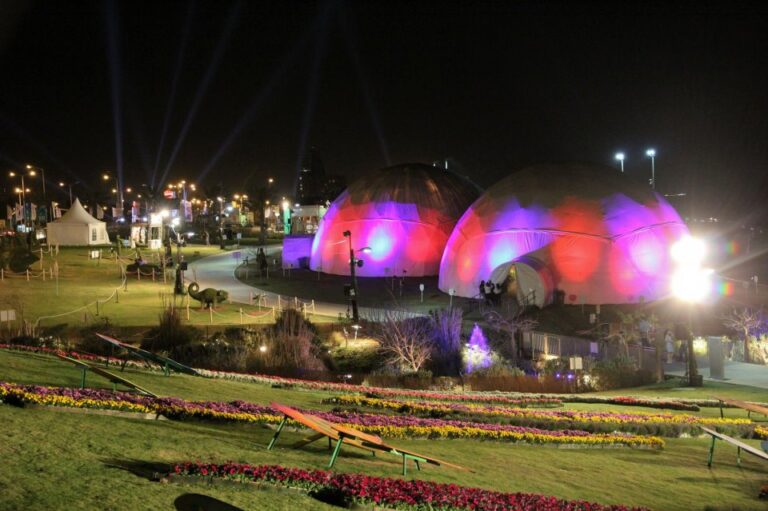
19 years after the original Haifa International Flower Exhibition, the self-described “Creative-Young-Workaholics” helped to ensure that this year’s program would be completely unforgettable. Included in the 30 acres of Hecht Park exhibition space were nine geodesic domes, each featuring a different world of flowers enhanced by ethereal designs. Check out OGE’s beautiful images after the jump.

Consumerism, Ecology, and the Sabbath

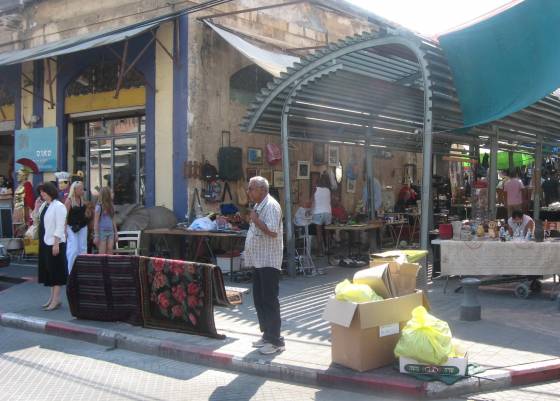
image-flea-market-yaffoBen-Gurion researchers claim that Israel’s urge to shop will eventually force Shabbat laws to change.  

This is a typical side street in the Yaffa flea market, Israel. From left to right, notice a charming second-hand shop that sells amusing things like the full-sized statue of a Roman gladiator. Blond tourists with cameras hanging from their necks stroll by.  A woman consults with her husband by cellphone. A rug vendor gazes at something across the street.  And stacked away for city garbage disposal, garbage.

It’s a work day in a shopping district. Inevitably there’s garbage, packaging mostly. I wonder if any of this shopping detritus will get recycled, although I feel doubtful. But at least on one day a week, there is less garbage and energy consumption because shops are closed by law. That’s Shabbat. See Tafline’s post on Shabbat awareness.

Yet Israeli’s urge to shop is so strong, according to Ben-Gurion University researchers Guy Ben-Porat and Omri Shamir, that it may well put an end to Shabbat store closure. So traditional values erode, and so do landfills rise.

DGrade’s Hipster Trash Clothing is Made Cheap in China

4

green design, sustainable design, carbon emissions, fashion, China, recycled materials, plasticDetermined to make a positive environmental contribution, the UK-based clothing manufacturer DGrade perfected a method that converts recycled plastic into yarn. They use 20% less water, 50% less energy, and produce 55% less carbon emissions than the cotton manufacturing process requires, and they have recently opened a branch in the Dubai mall.

(As of 2022 it looks like the brand has shut down)

Their cost-competitive brand Dirtball targets young, sporty types, and they are also under license to sell Spiked clothing designed for the hipsters among us. Which was all very exciting, until we learned that their clothes are made in China.

green design, sustainable design, carbon emissions, fashion, China, recycled materials, plastic

How to make clothes from plastic

DGrade’s Managing Director Kris Barber described the process by which their plastic clothing is manufactured to Gulf News correspondent Anupama Varma Chand.

Our factories buy post-consumer plastic bottles recovered by recycling companies, says Kris. These are then shredded into flakes and heated and extruded through a spinarrette (something like a showerhead). When cooled the strands of plastic (polyester) are then crimped and re-shredded into fibre. In some cases this fibre is then blended with cotton and spun into yarn, then knitted and dyed to produce blended polyester/cotton or 100 per cent recycled polyester.

Approximately three 500ml plastic bottles are used to make a t-shirt, 30 bottles go into a pair of shorts, while 40-60 bottles might be diverted from the waste stream in order to make a jacket. These are admirable numbers, and Barber told the paper that they are heavily audited by SEDEX, the supplier ethical data exchange, a non-profit organization that ensures ethical practice in global supply chains.

While DGrade sites altruistic reasons for switching to post consumer recycled plastic, many other clothing manufacturers have been moving away from cotton as prices in the last two years have risen in some cases by as much as 80% as a result of flooding, cold weather snaps and other factors that have decimated global crops.

Climate and cotton production

In a report called Cotton and Climate Change: Impacts and Options to Mitigate and Adapt released by the International Trade Centre (ITC), researchers demonstrate how the effects of climate change are changing the industry. Rising temperatures and carbon dioxide levels adversely affect cotton crops, water is less widely available, and more pest infestations are occurring.

Cotton also contributes up to 1% of the global greenhouse gas emissions.

Because of the high price of cotton, more environmentally-friendly fabrics are becoming more cost-competitive. But we have to question how much of this results from cheap labor in China. A truly sustainable clothing manufacturer uses local labor, even if it means the prices are somewhat higher. Not to mention the embodied carbon emissions associated with shipping half way across the globe.

Creating plastic awareness in the Gulf

According to Gulf News, producing the yarn, made for the UK company Greenspun in China, “requires between 60 to 90 days, which includes the time taken to ship the consignment of plastic waste to China where it is converted into yarn, woven into fabric and fashioned into clothes by the manufacturing unit in China, before they are shipped back to the UAE.”

Still, this is an admirable initiative and the company is also engaged in plastic-awareness programs in the Gulf, which is quickly becoming a leading promoter of earth-friendlier packaging. They were the first in the region to completely ban regular plastic bags, even though biodegradable alternatives have a long way to go before they are completely viable.

DGrade’s clothing is perfectly safe to wear, according to the company, since no chemicals are used in the manufacturing process, and they have the same texture and feel as cotton. Best of all, once you tire of your item, you can return it to the company for a 20% discount and they will recycle it.

More on Recycled Couture

Lebanese Eco-Designer Ziad Ghanem Creates Recycled Couture

Are Muslim Women Ready for Bamboo Hijabs and Chadors?

EcoGir Flaunts its Recycled Polyester Suits

Za’atar is a natural acne remedy

5

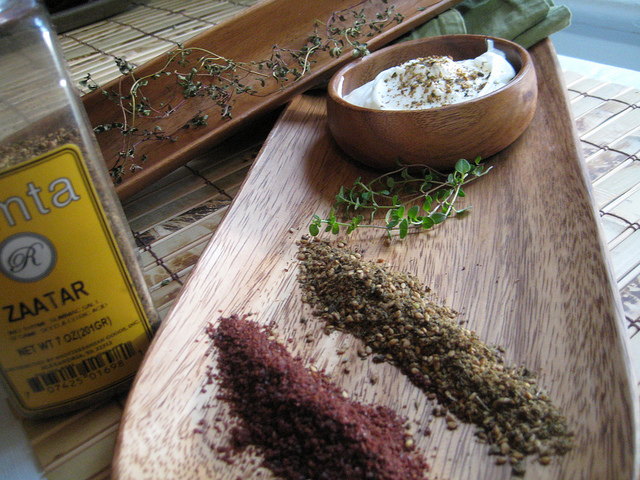
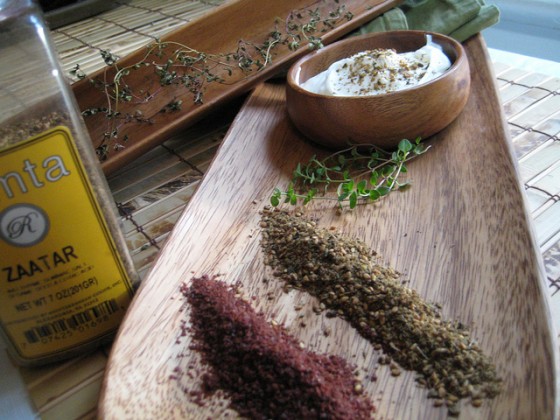
thyme-zaatar-acne-natural-remedyNew research has found that thyme, the main ingredient in Zaa’tar, could be more effective in treating acne than prescription creams

In the Levante no breakfast is complete without a small plate of oil and Zaa’tar, a special herb mix of wild thyme, sesame seeds and salt. New research has now found that herbal preparations of thyme could be more effective in treating acne than prescription creams.

Researchers at the Leeds Metropolitan University found that thyme was able to kill spot-causing bacterium after five minutes and also soothe the skin with natural anti-inflammatory properties.

Thyme for treating acne
Old Wive’s wisdom finds that herbal treatments make great skin remedies

What’s more, they discovered that the thyme tincture had a greater antibacterial effect than standard concentrations of benzoyl peroxide – the active ingredient in most anti-acne creams or washes. Dr Margarita Gomez-Escalada who is heading the project said: “While thyme, marigold and myrrh are common herbal alternatives to standard antibacterial skin washes, this is the first study to demonstrate the effect they have on the bacterium that causes the infection leading to acne.”

A herbal remedy to deal with acne would surely be a welcome alternative to those concerned about the long term implications of using harsh chemical treatments. In fact, Dr Gomez-Escalada added that the problem with treatments containing benzoyl peroxide is the side-effects they are associated with. “A burning sensation and skin irritation are not uncommon. (But news in 2025 suggests that some benzene-contaminated acne products are linked to cancer and are being recalled by the FDA.)

Related: Za’atar is a natural treatment for acne

“Herbal preparations are less harsh on the skin due to their anti-inflammatory properties while our results suggest they can be just as, if not more, effective than chemical treatments.”

Proof if you ever needed it that nature knows best.

For more on natural remedies see:
Some Tips to Consider Before Buying Beauty Products
5 Natural Ways to Keep Your Skin Beautiful
The ABCs of Middle East Spices Medicines, Part IV – Oregano to Rosemary

Dubai’s Vertical Village Has a Skirt of Photovoltaics

1

design, architecture, gulf, solar power, solar energy, clean tech, green building, dubai, vertical village, graft architects We keep harping on about making the most out of solar energy, particularly in the Middle East and North Africa where we have more than our fair share of sun, but have any of us really thought about what such a future might look like? As much as we Green Prophets would love to see more earth architecture and buildings made out of recycled materials, recent history suggests that the bulk of developers are more likely to opt for more modern designs, like this concept for a mixed-use tower in Dubai.

Water Scarcity Leads More to Peace Than War (Interview)

4

water issues, security, climate change, Geoffrey Dabelko, Yemen, Israel, Jordan, Palestine, Woodrow Wilson CenterGeoffrey Dabelko at the 12th National Conference on Science, Policy, and the Environment in Washington D.C.

A couple of months ago a friend of mine studying at the Monterey Institute of International Studies engaged with a Green Prophet post about the link between water and security. As it turns out, she is studying with adjunct professor Geoffrey D. Dabelko, who is also director of the Environmental Change and Security Program (ECSP), a nonpartisan policy forum on environment, population, health, and security issues at the Woodrow Wilson International Center for Scholars in Washington, DC.

He is currently focusing on climate change and security with an emphasis on managing transboundary fresh water resources. Since my friend introduced me to Geoffrey, he has appeared on NPR’s Diane Rehm Show, a leading radio show in the United States, to talk about a recently released US National Intelligence Council report that focused on the link between water and global security. We have continued that conversation (link to transcript) here in order to better understand whether our region’s water scarcity is more likely to lead to war or peace.