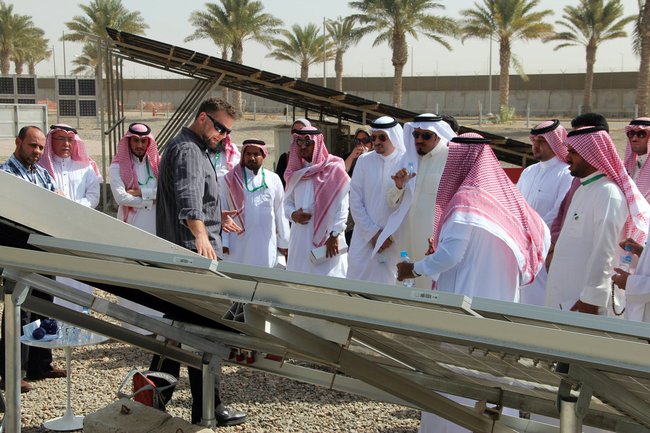
For millennia, the Middle East's water crisis seemed an immutable fact of geography — a region defined as much by what it lacked as by what lay beneath its sands. Today, a convergence of plummeting solar costs, advancing membrane technology, and hard-won engineering expertise is rewriting that story.
Adults who are 21 or older can carry up to 30 grams. This amount applies to personal use within Pittsburgh’s limits. Carrying more could lead to confiscation or legal action. Staying under the limit avoids problems during any public stop.
In the study, the scientists didn’t just test one plant compound at a time. They tested two traditional Chinese medicine compounds together — luteolin (from flowers like honeysuckle and chrysanthemum) and astragaloside IV (from astragalus root, Huang Qi). These plants have been combined in Chinese herbal formulas for centuries to help the body recover from injury and inflammation.
For millennia, the Middle East's water crisis seemed an immutable fact of geography — a region defined as much by what it lacked as by what lay beneath its sands. Today, a convergence of plummeting solar costs, advancing membrane technology, and hard-won engineering expertise is rewriting that story.
Adults who are 21 or older can carry up to 30 grams. This amount applies to personal use within Pittsburgh’s limits. Carrying more could lead to confiscation or legal action. Staying under the limit avoids problems during any public stop.
In the study, the scientists didn’t just test one plant compound at a time. They tested two traditional Chinese medicine compounds together — luteolin (from flowers like honeysuckle and chrysanthemum) and astragaloside IV (from astragalus root, Huang Qi). These plants have been combined in Chinese herbal formulas for centuries to help the body recover from injury and inflammation.
For millennia, the Middle East's water crisis seemed an immutable fact of geography — a region defined as much by what it lacked as by what lay beneath its sands. Today, a convergence of plummeting solar costs, advancing membrane technology, and hard-won engineering expertise is rewriting that story.
Adults who are 21 or older can carry up to 30 grams. This amount applies to personal use within Pittsburgh’s limits. Carrying more could lead to confiscation or legal action. Staying under the limit avoids problems during any public stop.
In the study, the scientists didn’t just test one plant compound at a time. They tested two traditional Chinese medicine compounds together — luteolin (from flowers like honeysuckle and chrysanthemum) and astragaloside IV (from astragalus root, Huang Qi). These plants have been combined in Chinese herbal formulas for centuries to help the body recover from injury and inflammation.
For millennia, the Middle East's water crisis seemed an immutable fact of geography — a region defined as much by what it lacked as by what lay beneath its sands. Today, a convergence of plummeting solar costs, advancing membrane technology, and hard-won engineering expertise is rewriting that story.
Adults who are 21 or older can carry up to 30 grams. This amount applies to personal use within Pittsburgh’s limits. Carrying more could lead to confiscation or legal action. Staying under the limit avoids problems during any public stop.
In the study, the scientists didn’t just test one plant compound at a time. They tested two traditional Chinese medicine compounds together — luteolin (from flowers like honeysuckle and chrysanthemum) and astragaloside IV (from astragalus root, Huang Qi). These plants have been combined in Chinese herbal formulas for centuries to help the body recover from injury and inflammation.
For millennia, the Middle East's water crisis seemed an immutable fact of geography — a region defined as much by what it lacked as by what lay beneath its sands. Today, a convergence of plummeting solar costs, advancing membrane technology, and hard-won engineering expertise is rewriting that story.
Adults who are 21 or older can carry up to 30 grams. This amount applies to personal use within Pittsburgh’s limits. Carrying more could lead to confiscation or legal action. Staying under the limit avoids problems during any public stop.
In the study, the scientists didn’t just test one plant compound at a time. They tested two traditional Chinese medicine compounds together — luteolin (from flowers like honeysuckle and chrysanthemum) and astragaloside IV (from astragalus root, Huang Qi). These plants have been combined in Chinese herbal formulas for centuries to help the body recover from injury and inflammation.
For millennia, the Middle East's water crisis seemed an immutable fact of geography — a region defined as much by what it lacked as by what lay beneath its sands. Today, a convergence of plummeting solar costs, advancing membrane technology, and hard-won engineering expertise is rewriting that story.
Adults who are 21 or older can carry up to 30 grams. This amount applies to personal use within Pittsburgh’s limits. Carrying more could lead to confiscation or legal action. Staying under the limit avoids problems during any public stop.
In the study, the scientists didn’t just test one plant compound at a time. They tested two traditional Chinese medicine compounds together — luteolin (from flowers like honeysuckle and chrysanthemum) and astragaloside IV (from astragalus root, Huang Qi). These plants have been combined in Chinese herbal formulas for centuries to help the body recover from injury and inflammation.
For millennia, the Middle East's water crisis seemed an immutable fact of geography — a region defined as much by what it lacked as by what lay beneath its sands. Today, a convergence of plummeting solar costs, advancing membrane technology, and hard-won engineering expertise is rewriting that story.
Adults who are 21 or older can carry up to 30 grams. This amount applies to personal use within Pittsburgh’s limits. Carrying more could lead to confiscation or legal action. Staying under the limit avoids problems during any public stop.
In the study, the scientists didn’t just test one plant compound at a time. They tested two traditional Chinese medicine compounds together — luteolin (from flowers like honeysuckle and chrysanthemum) and astragaloside IV (from astragalus root, Huang Qi). These plants have been combined in Chinese herbal formulas for centuries to help the body recover from injury and inflammation.
For millennia, the Middle East's water crisis seemed an immutable fact of geography — a region defined as much by what it lacked as by what lay beneath its sands. Today, a convergence of plummeting solar costs, advancing membrane technology, and hard-won engineering expertise is rewriting that story.
Adults who are 21 or older can carry up to 30 grams. This amount applies to personal use within Pittsburgh’s limits. Carrying more could lead to confiscation or legal action. Staying under the limit avoids problems during any public stop.
In the study, the scientists didn’t just test one plant compound at a time. They tested two traditional Chinese medicine compounds together — luteolin (from flowers like honeysuckle and chrysanthemum) and astragaloside IV (from astragalus root, Huang Qi). These plants have been combined in Chinese herbal formulas for centuries to help the body recover from injury and inflammation.
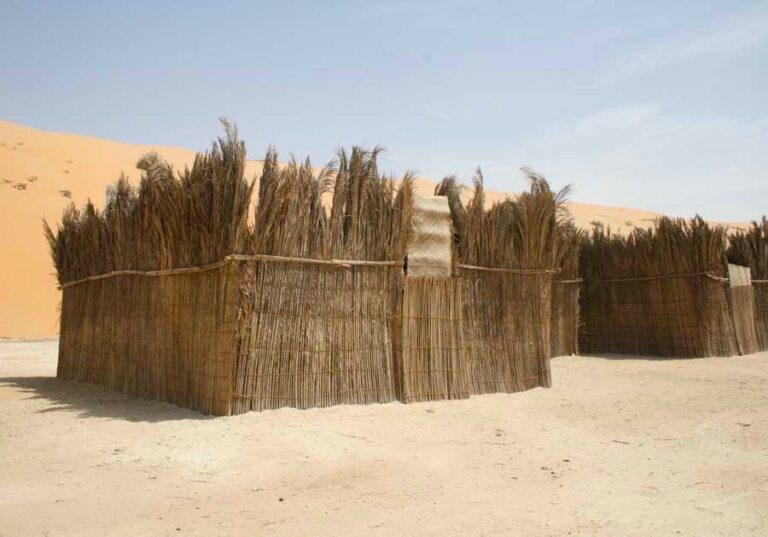
One of the most exciting exhibits we’ve heard about is currently on display at London’s Royal Geographic Society. What makes it so exciting? Amidst stately buildings made of brick, vernacular desert architecture is enjoying its month of fame, and dozens of websites are talking about the event.
Polish designer Sandra Piesik is curating the exhibit Arish: Palm Leaf Architecture, which is being hosted by His Excellency Abdul Rahman Ghanem Al Mutaiwee – UAE Ambassador to the United Kingdom, following three years of exploring the role that date palm leaf architecture plays in Emirati history. She has published a book by the same name.
With a rotor diameter of 100 meters and hub heights of 80 meters, GE’s 1.6-100 MW turbines have the highest power production capacity of any turbines in their category.
A 50 MW wind farm in a town near Istanbul will be the first site in Europe to use GE’s revolutionary 1.6-100 MW wind turbines, GE announced at the European Wind Energy Association’s annual meeting last week. A project of Fina Enerji, a Turkish renewable energy firm, the Tayakadin wind farm will use 31 of GE’s super-efficient turbines. It will come online by 2013.
Following violent protests in February, Cairo police stacked 10-feet-tall masonry walls around the Ministry of the Interior to cut access to that hated symbol of Egypt’s ousted regime. New barriers appeared after subsequent riots, turning nearby communities into a labyrinth of roadblocks and checkpoints.
Recently, artists “removed” them, overpainting concrete with images of the streetscapes they blocked. In a few days, the “No Walls” protest covered every barrier with a mural. Some residents are sanguine about the obstructions, expecting them to come down as the new government emerges. Others, like these nameless artists, don’t want to wait. Their optical illusions convey a powerful political message: Give us back our streets.
Are android sex workers the future of tourism or an absurd use of clean technology?
People will soon be having sex with robots as the latest in sex tourism, suggests a recent news report. This novel twist on ‘clean technology’ (the inventors point out that the androids will be made of bacteria-resistant fibers) is enough to turn us green, and not with envy. More of the puke, I’m going to be sick, let me run to the market and get some organic veggies and eat them raw kind of green. We are already living in a wired world. Do machines have to commandeer our genitals too?
That’s the con. A pro? Maybe robot hookers will offer a meaningful solution to the problem of sex slavery (a concern in the Middle East and globally). Let’s examine the wild wired world of robots for pleasure from two sides: the revolting and the revolutionary.
Recent images of a dead, bloody wolf and broken flamingos that young Kuwaiti men killed for sport gave the oil-rich state a dark reputation. But a new video narrated so eloquently by Dalal Al-Abdulrazzak, a Kuwaiti Phd candidate studying Gulf marine ecology at the University of British Columbia, provides a glimpse into a less-celebrated segment of society – one that we really need to support.
In fact, this battle between ignorance and education, or entitlement and accountability seems to be at the crux of our many environmental woes. Hit the jump to enjoy, for just a few minutes, the power of one woman who has taken it upon herself to help restore the Gulf’s marine ecosystem to its pre-Gulf War glory.
When we learned about Planetary Resources’ asteroid mining scheme, a well-known Cree Indian proverb came to mind: “Only when the last tree has died and the last river has been poisoned and the last fish has been caught will we realize we cannot eat money.” We knew this day would come.
Not content to change our consumer culture, which has been vastly destructive not just to the planet, but also to our very social fabric, Google billionaires are supporting a hugely expensive scheme to pull asteroids into the moon’s orbit and mine them for gold, platinum, and other rare earth metals. These will then be used to produce more unessential stuff on earth.
New York-based Lebanese designer Leen Sadder has even tried to make miswak twigs available commercially (read about it here). Yet it’s unlikely that Western society will let go of its colorful toothbrushes with convenient handles in favor of Miswak.
We trash our worn-out plastic toothbrushes in a minute, but they stay in landfills just about forever. To keep your teeth in shape and serve the planet, World Centric, a US-based company selling Fair Trade and eco-friendly products for daily food service, now offers a biodegradable toothbrush.
Made from a plant-based resin called Ingeo, the used toothbrush handle and carrier case break down in commercial composting facilities within 6 months.The toothbrushes don’t biodegrade in landfills. If you don’t have access to a composting facility, World Centric even offers a pre-paid envelope for mailing their used toothbrushes and cases back for them to deal with.
The 6th electro, automation & energy event in Algiers is happening May 5 to 8.
Interested in knowing more about renewable energy opportunities in North Africa and the Arab world? Then head to Algeria this May to meet a high profile group of decision makers and companies targeting the growing Algerian energy sector. In step with the Algerian Government’s “Renewable Energy and Energy Efficiency Program” penned in March 2011, meet the Algerian Ministry of Energy and Mines along with market leaders and suppliers from 10 countries already confirmed.
Some notable new investments made in the MENA region include a new solar thermal power plant in Saudi Arabia.
The revolutions that have been taking place in the Arab world since December 2010 have had a significant impact on the economy, not only in the countries involved, but also the rest of the World. How is the Arab Spring, which has caused massive financial losses on one side, also able to influence growth and development of renewable and green sources of energy?
There is no doubt that the Arab Spring has had a significant influence on oil prices. Mohammed Al Hamli, the United Arab Emirates’ oil minister, recently said that a reasonable price for oil would be around $80 to $100 a barrel. This is a significant increase from $50 a barrel, which is what OPEC oil ministers defined as a reasonable price just five years ago.
The International Monetary Fund (IMF) stated in their latest bi-annual “Regional Economic Outlook: Middle East and Central Asia”-report that breakeven oil price for the UAE has risen from $60 in 2008 to $80 a barrel.
Geopolicity published “The Cost of the Arab Spring” back in October 2011, the same month as the war in Libya ended, and concluded that “Oil exporters were winners and oil importers were losers.” – with the exception of Libya, where revenues had dropped by 84 percent.
“More than 740,000 people have fled the country since the start of the conflict, and the severe disruption in the hydrocarbon sector has devastated the economy.”
According to the same report, Egypt, Syria and Libya paid the highest financial price as a result of the Arab Spring.
On the other hand, big oil-exporting countries such as Saudi Arabia, United Arab Emirates Kuwait that have avoided the worst uprisings, and some of which have only have had minor protests, have seen great increases in revenue since the Arab Spring started. In fact, public revenues are up as much as 31% in UAE.
Renewable energy has become more attractive
Net importers of energy face great economical challenges caused by the high and unstable oil prices. In countries such as Egypt, where fuel subsidies are rooted in the financial structure of the country’s budget, the high oil prices encourages the development of renewable energy power.
Rising fuel costs and increasing demand in solar power reduces the need of governmental incentives to support the growth of renewable energy. According to Emirates Solar Industry Association (ESIA), photovoltaics have reached a level of cost-competitiveness on par with conventional electricity generation based on fossil fuels.
Has the Arab Spring lead to renewable growth so far?
Investments are happening that possibly wouldn’t have taken place if it weren’t for the Arab Spring and high oil prices. Major projects have been announced during the last six months.
Same month, Abu Dhabi’s Enviromena Power Systems and American owned Petra Solar announced an alliance, stating that they would work together to develop integrated solar power and smart grid projects in the Middle East North Africa region.
And lastly, just a few days ago, Germany’s Centrotherm Photovoltaics announced that they are building a a new polysilicon plant in Saudi Arabia.
Stability is still a problem in the post Arab Spring world, especially in the countries that have had the greatest losses. Investor confidence has to be rebuilt. With new governments in place in Tripoli, Tunis and Cairo, all located in countries where sun and space is abundant, new investors from abroad are likely starting to get involved. High oil prices combined with the European power demand to meet green quotas, makes further development of the renewable resources inevitable.
Ban Ki-Moon, the UN Secretary General, stated the following earlier this year at the World Future Energy Summit in Abu Dhabi:
“Investing in the green economy is not simply a luxury of the developed countries. It represents opportunity for job creation and economic growth in developing countries.”
Renewable energy will bring many new jobs to the table, spur economic growth and make industries and countries less vulnerable against volatile energy prices. The transition to democracy seems to be an intrinsic part of fighting global warming.
Mathias Aarre Mæhlum is doing a masters degree in energy and environmental engineering at NTNU in Norway. In his spare time he runs EnergyInformative where he writes about green energy and increasing energy efficiency.
I speak to historian Relli Shechter about smoking in Egypt, consumerism and why the Middle East still has a long way to go before it embraces sustainability
When we think of consumerism and the consumer society, the Middle East is not the first thing to come to mind. Wall St, Las Vegas, London, China – maybe. The Middle East? Not so much. Even so, over the last half a century the region has been transformed into a consumer society. It may not be at the scale witnessed in the Western world but nonetheless it has happened. Relli Shechter, a lecturer from Ben-Gurion University, has been studying this transition to consumerism in countries such as Egypt and Saudi Arabia for some time now. I caught up with him to talk about the influence of the oil boom of the 70s and 80s and whether the Arab world is ready to explore a more sustainable path.
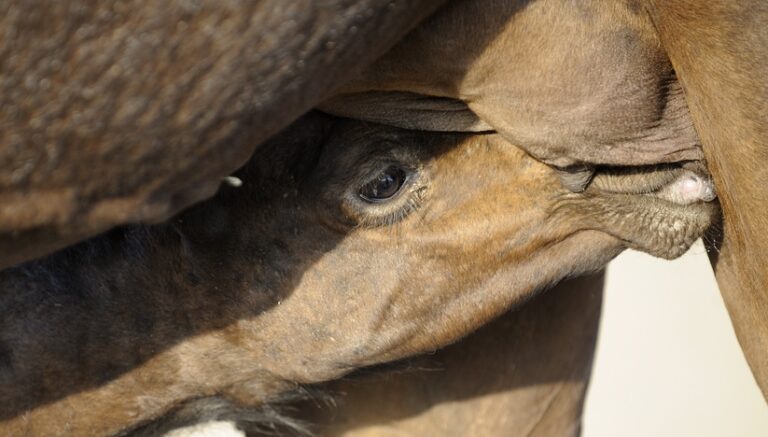
Camel milk joins the herd of new ingredients in milkshakes, cheese and ice cream. Laurie tells you where you can find camel milk products.
Exotic camel milk is climbing to the top the menu in coffeehouse classics like cappuccino, latte, and the improbably named Americano (can someone tell me what’s so “stateside” about java with whole milk?). For centuries, milk from the one-humped Arabian camel has been a Bedouin staple, but this is the first time it’s being produced on a large commercial dairy scale, and marketed for secondary use in baked goods and fine chocolates.
Dubai coffee shop Cafe2Go was the first to introduce the cow-alternative, inviting customers to sip specialty camel-milk coffee drinks such as their custom Camel-ccino.
If you love the odorous bulb – and don’t mind your house smelling like a salami for a few days – now is the time to head out to the shuk and snatch up braided ropes of fresh garlic. Or braid your own, or simply hang it up to dry in a shady, dry place. It will keep for at least 9 months.
Prices are about the lowest they’re going to go, so hurry to buy now, because garlic season will soon be over. And with a stash of dried local garlic, you can afford to ignore the bleached Chinese garlic in the supermarkets.
What fruits are in season?
Fruit: Avocados are still going strong. Strawberries are wonderful now, with prices going down. Now really is the time to make strawberry ice cream and jam (recipe for strawberry jam below).
Cantaloupes, honeydews and watermelons are all excellent, just in time for hotter weather that approaches. Fresh green almonds in their fuzzy pods are now sold in the shuk. Crack their shells open and scoop out the milky, gel-like kernel. It’s a taste like no other, and doesn’t last long because the kernels begin hardening within a few days of harvest.
Loquats are still falling off trees in neighborhood gardens, as are oranges, clementines, grapefruit and pomelos. For those who don’t have those trees, look for the fruit in markets. Small, squat peaches just appeared, but prime peach (and apricot) season will come in the next weeks. Lemons are still abundant.
Bananas are good, with reasonable prices. There are local apples and green pears, but they seem to have come from cold storage. There are plenty of flavorless imported apples.
Vegetables in season in April
Vegetables: Cauliflower heads are full, fat, and white right now with good prices. Broccoli, however, looks sad and not worth buying unless you chance upon a new crop. Fresh, green ful (fava) beans are in, as are string beans, broad Italian beans and wax beans.
For some reason, all those fresh beans are still quite expensive, although in season and looking good. Root vegetables continue good: kohlrabi, beets, turnips, and red radishes. The exotic radishes such as daikon seem to be played out for now.
Cucumbers, zucchini, and corn are abundant and at good prices. Cabbages, both white and red, are very inexpensive right now – time to make sauerkraut before the weather goes really hot.
Artichokes are still available, but very much at the end of their season. All the nightshade vegetables are in and affordable: tomatoes, eggplants, and all the varieties of peppers. Fennel is in evidence and looking full and fat. Potatoes continue excellent, although the new-crop baby potatoes aren’t so new anymore.
Herbs in season in April
Fresh zaatar
Herbs: Are much the same as in March, with the exception of new za’atar (chop some up to top pita, as in our recipe), oregano, and savory. The herb vendors display the usual lettuces (romaine, iceberg, ruffled white and purple), Swiss chard, leeks, mushrooms, spinach, parsley, sorrel, chives, wormwood, rocket, watercress, celery, parsley and green onions. Mint is especially big and beautiful now.
Fresh mint in season for tea, salads, lemonade
Get a bunch of mint and put in cold water with a slice of lemon for a refreshing drink. You can also dry some for future teas, and put a few big sprigs in water to grow roots. Some markets carry fresh grape leaves now.
Foraging in April
Forager’s notes: Local trees are full of citrus blossoms. Gather a small handful to flavor malabi or warm, sweetened milk. Use the blossoms to bake in sweets or treats or cocktails, alcoholic or non. Plantain still hasn’t dried up. Wild oats are everywhere – pick the whole aerial part for a soothing tea, and to give to pet birds. Birds love pecking at wild oats, either fresh or dried.
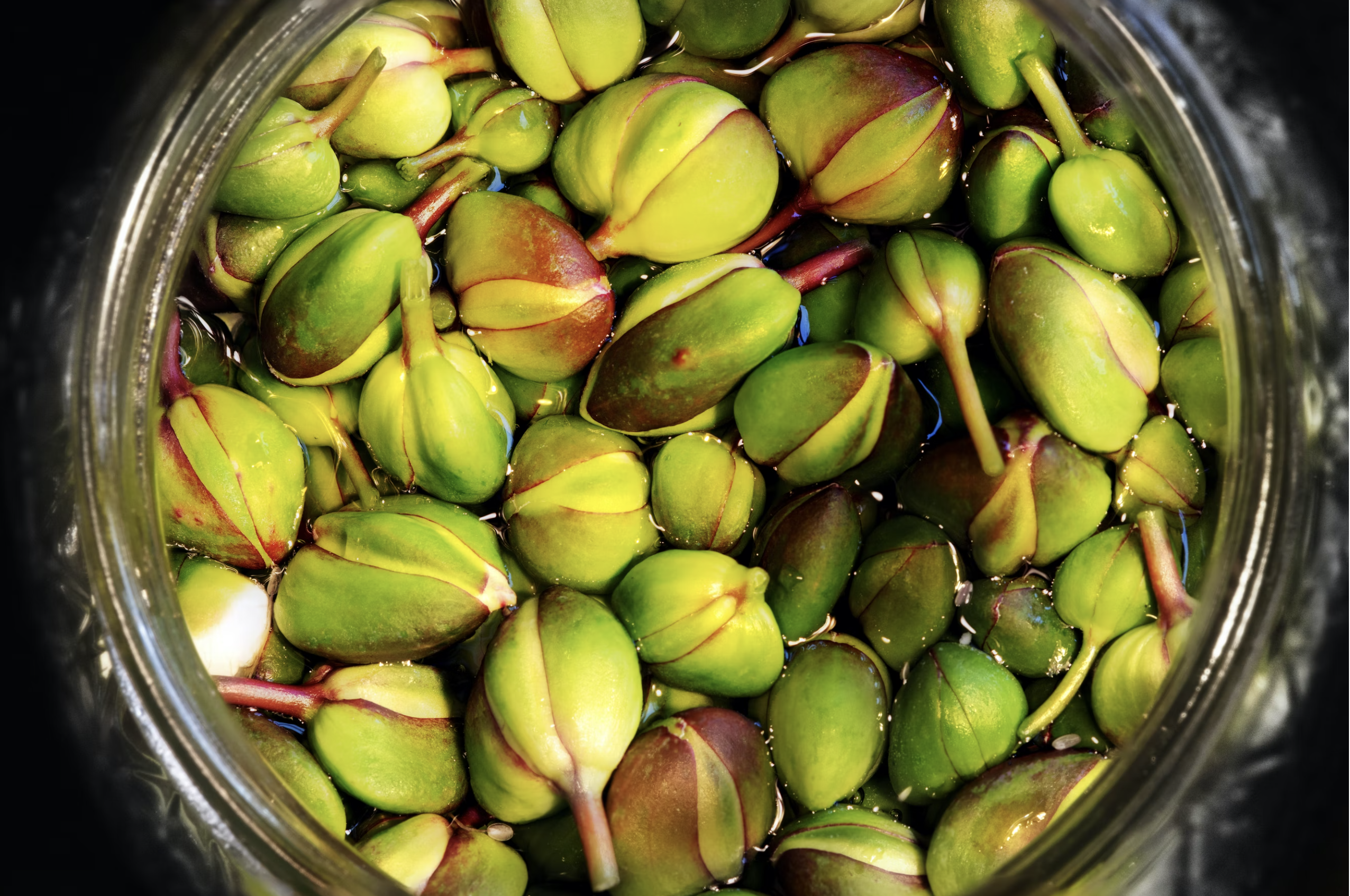
You may find wild rocket (eruca sativa) for your salad. Capers have started to bloom – brave the thorns and pick a few buds that have opened just enough to show a white stripe. Place the bud in a little bowl of water and it will open into a beautiful white and purple flower in your home.
Wild hollyhocks are in glorious bloom: snip off a few leaves and flowers to dry as a cough-remedy tea for winter. Hollyhocks also grow easily from seed, so if you see any dry brown seed capsules, take a couple and plant them in your garden or in pots.
Recipes starring Middle-Eastern produce in season in April:
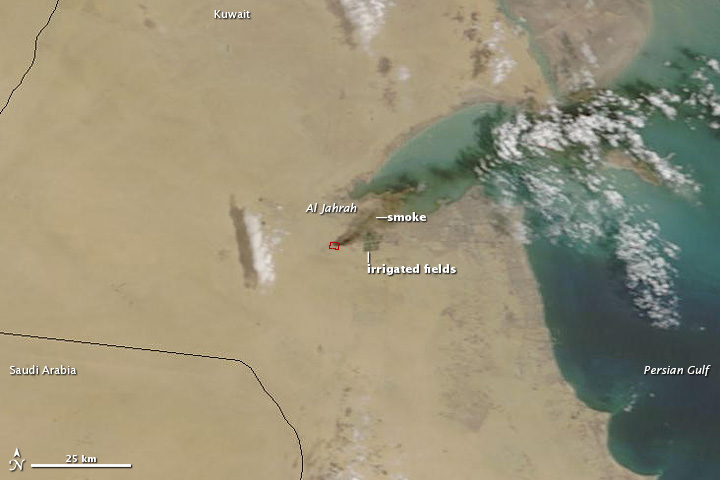
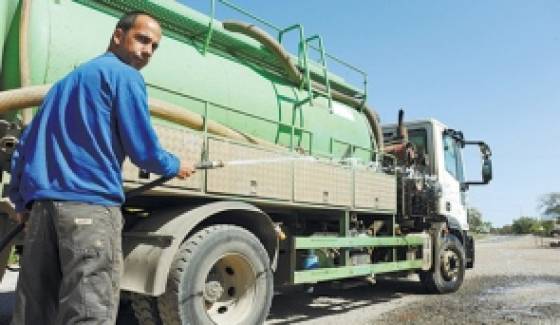
Israeli polluters can no longer dump raw sewage, lest they get caught. Drivers often dump collected waste into open areas to save on fuel and avoid paying authorized landfills. One incident occurred in 2009 in which drivers dumped the contents of 50 trucks worth of sewage food waste near the Sea of Galilee, polluting the area’s groundwater. But will the government put GPS trackers on all the country’s sewage trucks to monitor their whereabouts?
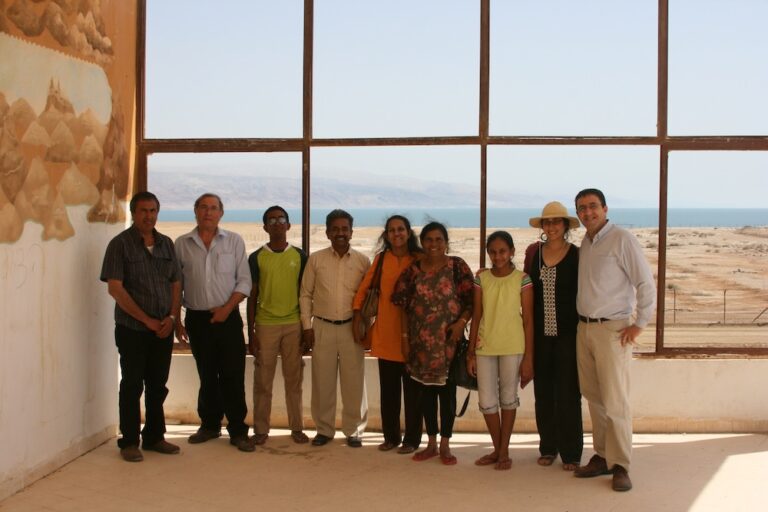
Green Prophet goes on another water trip with Friends of the Earth and guests from Sri Lanka.
“Even sewage has a national flag,” said Gidon Bromberg, co-director and co-founder of Eco-Peace/Friends of the Earth Middle East (FoEME). Israel Director of the organization for 18 years, Bromberg says he’s seen how natural resources, like water, and even human waste, have become political tools in the Middle East regional conflict. A sewage treatment plant that was built for West Jerusalem, for example, does not treat the sewage from East Jerusalem. His goal: to use these very environmental tools to instead find common goals and connection and to build peace.



 With a rotor diameter of 100 meters and hub heights of 80 meters, GE’s 1.6-100 MW turbines have the highest power production capacity of any turbines in their category.








 Camel milk joins the herd of new ingredients in milkshakes, cheese and ice cream. Laurie tells you where you can find camel milk products.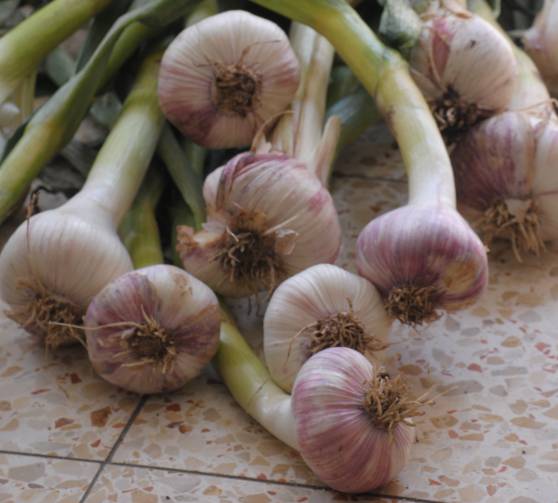


 Green Prophet goes on another water trip with Friends of the Earth and guests from Sri Lanka.