Home Blog Page 421

Test Driving a Better Place Electric Car

better place test driveBetter Place driving guide Ronit hooks up ZE car after test drive

In the six month period since Better Place put its first 100 Renault Fluence electric cars on Israeli roads in January, 2012; the company headed by entrepreneur Shai Agassi has already put around 300 cars on Israeli streets and highways. Many of them have been spotted in the country’s central region, including the suburban  city of Ramat Hasharon, just north of Tel Aviv, and in the coastal city of Netanya.

Owners of some of these cars live in much different locations, including the northern Galilee and Ramat Beit Shemesh, not far from Jerusalem. I wanted to try one.


better place engine battery under the hood
Engine compartment view of Renault Fluence ZE

As an avid follower of this project, which included a visit to the Better Place electric car education and test center at Pi Glilot in April, 2010 I decided it was time to revisit Better Place’s main car showroom and take an even longer test drive – this time on the highway. Following one of my previous articles about spotting these cars on the road, I was able to arrange the test drive, and also speak with one of their top international marketing persons, Julie Mullins, who originates from California and has been a member of the company’s international team since 2008.

Julie has been involved in Better Place electric car network projects in the U.S., Australia, Denmark, and now here in Israel. Julie told Green Prophet that: “The idea from the beginning was to establish the charging and battery exchange network before the cars go out on the road. If we were to explain what we are doing in one simple sentence, I can say that we at Better Place buy electricity and  batteries for these cars, and then provide the infrastructure that goes with driving them.”

Julie added that it was important to make the price of these cars as competitive as possible by owning the lithium ion battery pack, which powers the car and costs $12,000. “This battery and car separation idea has enabled a reduction in price for the car and also is better for the car purchaser,”she said.

Taking the Renault Fluence ZE out on the highway was a much better experience than the short ten minute drive on the Center’s test track. The car has amazing acceleration and is very quiet on the road with the only sounds coming from the car’s AC unit and tires turning on the road.

There is no gear changing sequence like in a gasoline driven car, enabling the car to reach highway cruising speeds from an intersection in a relatively short period of time. “With an electric motor there is no wasted fuel, and no need for gear changing like in an ordinary car,” says Mullins who came along for the drive. The cars feature an in-board computer that “talks” to the driver and can calculate how much energy is needed to reach a planned destination.

“If a battery switch is needed, the computer will advise the location of the nearest battery switching station,” says Mullins. She added that the entire process of switching a used up battery for a fully charged one takes less than five minutes, of about the same time it takes to run a car through an automatic car wash.

Back at the showroom center, we popped the hood of one of the cars to see what the electric motor and other mechanical features lookj like. At first glance, the motor almost resembles an ordinary engine, and radiator (for the heater and AC Unit). The car also has a normal 12 volt “wet cell” battery that provides power for the electronic accessories and components, and is recharged by an alternator like in a normal car.

“Special fluid is needed to keep the engine cool as well as for the radiator,” says Mullins. She added that all certified Renault garages have been trained to service and repair the car. Mullins also pointed to a demo “cut open” model that shows the rectangular shaped 250 kg battery pack, that is different form the flat “pancake” design of the original prototypes. “The flat design is being used now in Australia, but we found that the rectangular shaped one is better suited for Israel, she says.

Since my last test drive, on June 12, more battery exchange stations have been added to the Israel network, and at present 8 of them are now online. “We hope to have several stations in place in the south by summer’s end, enabling car owners to be able to drive all the way to Eilat,” says Mullins.

If so, it can be safe to say that the Better Place network of charging and battery exchange stations that began with only a dream less than six  years ago is now a definite reality.

Read more on Better Place:

All Electric Renault Spotted in Netanya Israel
Better Place Electric Car Spotting
Better Place Puts 100 Electric Cars on Israeli Roads
Better Place’s Shai Agassi “Gets Wired”
Egypt’s Taziry Ecolodge and the Golden Age

0

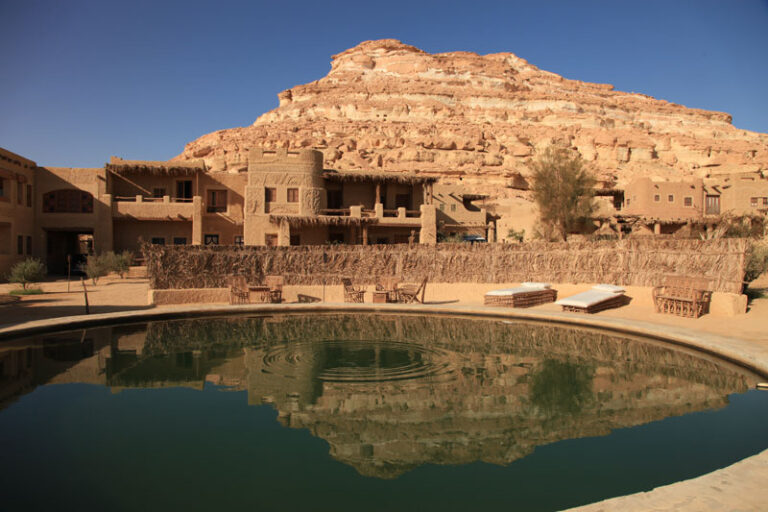
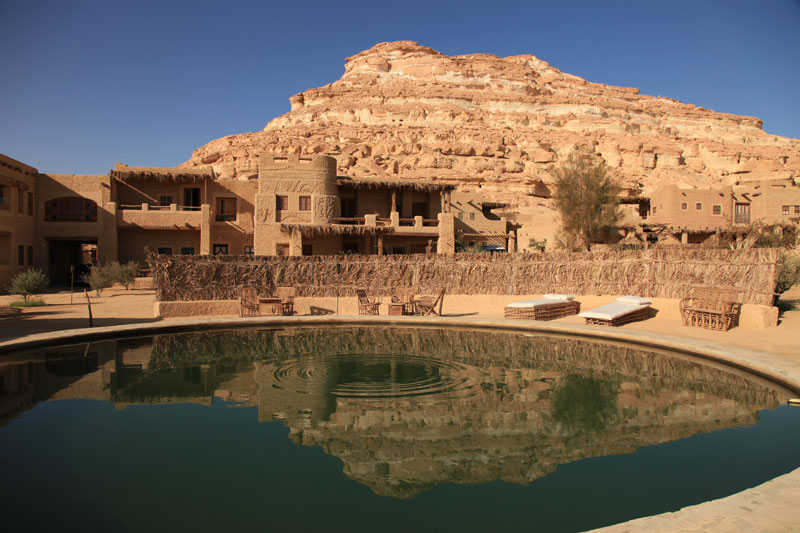
sustainable architecture, Taziry, Ecolodge, Siwa, Egypt, organic farming, green building, solar energyThe golden age is undergoing a quiet revival at the edge of Egypt’s western desert thanks to the Taziry eco-lodge. So much more than just a holiday destination, this peaceful resort located roughly 752 km west of Cairo at the footstep of Siwa’s Red Mountain (Adrar Azugagh) runs a camel and Arabian horse-breeding program as well as an organic farm, and features a series of buildings constructed sustainably in accordance with ancient and recently neglected Siwan tradition. And that is just a small sample of the value they have already brought to the remarkable Siwa oasis.

Iranian Warden Fined After Shooting Poacher in Foot

1

iran-poacher-warden-shot-nature-blood-moneyAn Iranian warden is being asked to pay ‘blood money’ to a poacher he shot in the foot whilst guarding a wildlife protected area

Sabz Press, a green Iranian news site, is reporting that a warden working in the protected wildlife area of Lawvardin in Hormozgan province has been ordered to pay blood money to a poacher he shot in the foot. Al Zare’, who is better known as Bagher (not pictured above), had an altercation with the poacher who was trespassing in the protected region.

The court decided that he should pay double the blood money as there was an entry and exit wound in his foot. Thankfully, wardens from across the country rallied to support Bagher and were able to raise the money needed to secure his release. However, whilst this support of the warden is fantastic to see, I can’t help but wonder why he was asked to pay it in the first place?

Plants Of The Quran: Pomegranate

2
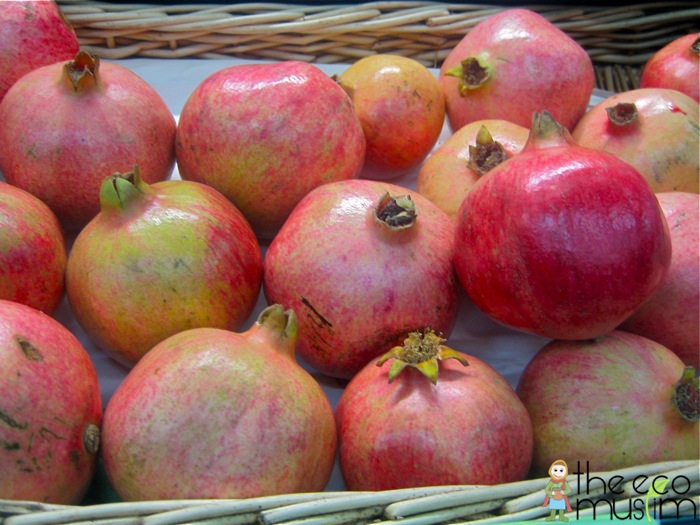
how to open a pomegranate
Pomegranates are a holy food for Muslims and Jews

The princely pomeganate, ar-Rumm in Arabic, is mentioned in the Koran as one of the many delicious rewards awaiting in Paradise. Its numerous uses in cooking and medicine, as well as its beautiful structure, make the fruit a wonder for Muslims who believe that each pomegranate seed is a sign of the sustainer.

Pomegranates are mentioned three times in the Koran or Qur’an: As one of the fruits that will be found in paradise:

“In both of them [gardens] are two springs, spouting […]In both of them are fruit and palm trees and pomegranates. So which of the favors of your Lord would you deny?” (Quran, 55:66-69)

As a reminder of God’s sustenance on earth,

“And He it is who produces gardens (of vine), trellised and untrellised, and palms and seed-produce of which the fruits are of various sorts, and olives and pomegranates, like and unlike; eat of its fruit when it bears fruit, and pay the due of it on the day of its reaping, and do not act extravagantly; surely He does not love the extravagant.” (Quran, 6:141)

And as a sign of his artistry,

“And it is He who sends down rain from the sky, and We produce thereby the growth of all things. We produce from it greenery from which We produce grains arranged in layers. And from the palm trees – of its emerging fruit are clusters hanging low. And [We produce] gardens of grapevines and olives and pomegranates, similar yet varied. Look at [each of] its fruit when it yields and [at] its ripening. Indeed in that are signs for a people who believe.” (Quran, 6:99)

The frequent mentions of this fruit owe to its gem-like beauty, a glistening core of seeds compacted in a layer resembling honeycomb.

Equally astounding are the colours of both the fruit and flowers which are an attestation to the Qur’anic verse:

“And whatsoever He has created for you on the earth of varying colors [and qualities from vegetation and fruits] and from animals. Verily! In this is a sign for people who remember.” (Qur’an, 16:13)

In Arabic a pomegranate is known as the royal word ‘rumaan‘, in Urdu ‘anaar‘ and interestingly, because of its resemblance to many fragments resulting from detonating a grenade, in Hebrew the word ‘rimon‘ may mean both pomegranate and shell.

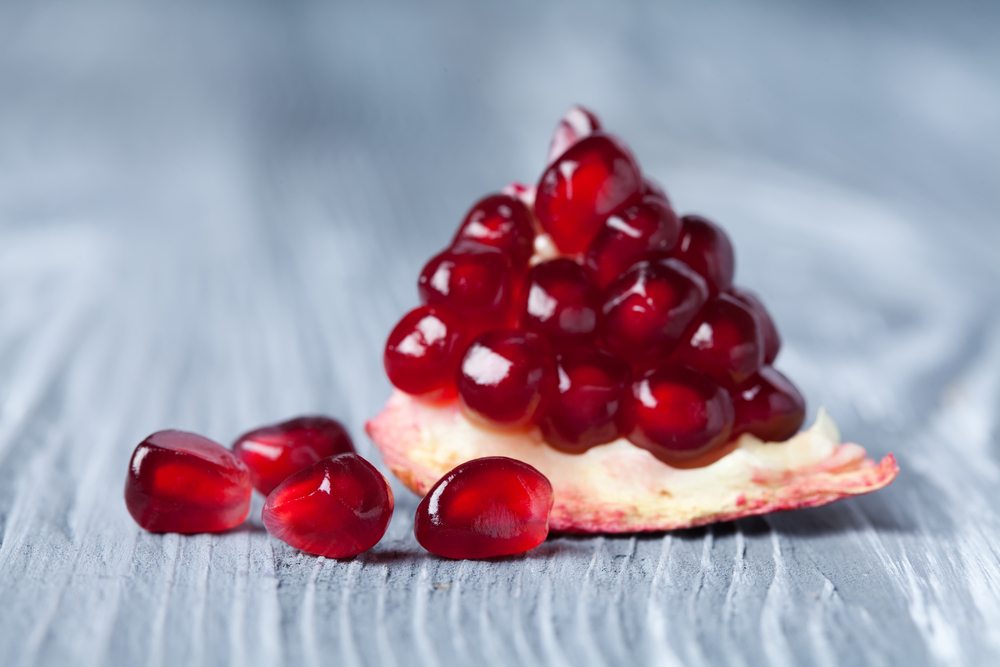
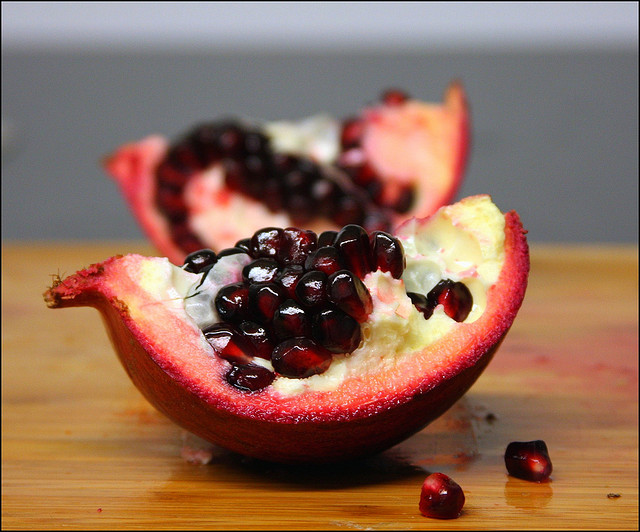
blood red seeds in open pomegranate

 A split-open pomegranate fruit reveals red gems resting between protective papery skins

Inside a pomegranate are the edible succulent grains of pulp-like tissue, pink-red in colour. Once the leathery skin is removed, these “seeds” can be plucked loose for on-the-go eating or a sharp tap of a wooden spoon will scatter them into a bowl.

Tasting Those Seeds

Pomegranate grains have a “fresh, sweet-sour”, very juicy taste (Gernot Katzer), while other forms of the fruit may be acidic. Here in Britain one rarely finds a very acidic pomegranate although many fruit varieties very popular throughout the Middle East are used to sweeten meat dishes and salads.

Where Pomegranate Shrubs Grow

Pomegranates originate from the Middle Eastern region and are cultivated in central Asia, Mediterranean countries and northern India. They often resemble a shrub more than a tree. In Turkey you can find them adorning outdoor swimming pools in hotels; in Israel people plant them as one of the Seven Species of the Bible.

In India, pomegranates have a culinary reverence. The grains of more sour fruits are dried and used as a flavouring and substituted for raisins in baking. The juice of the pomegranate is a favourite in many Middle Eastern countries and Asia.

I remember, as a child, my family would buy the cool red juice from street vendors in Pakistan and just before a rice dish had finished cooking, handfuls of pomegranate grains would be stirred in, bursting with red colour and bite. Pomegranate fruit juice is also used to make sauces and jellies.

Nutritional Value of Pomegranates

Nutritionally, pomegranate fruit is rich in Vitamin C and contain 65 calories and it is a good source of sodium, riboflavin and calcium. A handful of grains for suhoor (pre-dawn meal) are ideal for balanced health over the Ramadan fasting period.

Prophet Muhammad of Islam told his companions that each pomegranate potentially held a heavenly grain, “There is not a pomegranate which does not have a pip from one of the pomegranate of the Garden (Jannah) in it.” (Abu Nu’aim)

And these pips, along with the outer skin, are rich with antioxidant and antibacterial properties, testimony to its benefits for cleansing the palate. The prophet therefore also said, “Pomegranate and its rind strengthen digestion (stomach).” (Abu Nuaim, narrated by `Ali)

Uses Of Pomegranate

Among its various uses in the culinary world, the scarlet flowers of the pomegranate plant produce a vibrant red dye for textiles, which has been used for centuries in Central Asia.

Pomegranate plants also provide herbal medicines for diarrhoea, fevers, gum disorders and earaches. Resourceful explorers have found the bark of the pomegranate shrub to have medicinal use while the fragrant flowers of the tree can be used to relieve sore eyes.

We have a wonderful recipe here for the adventurous on how to make pomegranate molasses

Find more fruity goodness:

Go Green this Ramadan! (6 Steps)
June Seasonal Produce, Melons, Cherries, and Apricots
4 Unique Aloe Vera Juice Recipes for Summer and Health

Off the Gireed is a Sassy Egyptian Furniture Line Made with Organic Palm Fiber

1

Cairo, Studio Meem, Design is a Verb, green design, sustainable design, eco-design, crafts, tradition

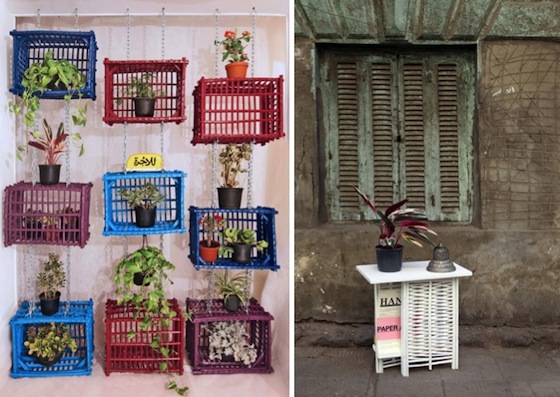
Egypt’s hottest new environmentally-conscious designer Manar Moursi studied in two of America’s most prestigious academic institutions before founding Studio Meem – a sassy and sustainable design studio based in Cairo. Leaving the stoic traditions of Princeton University and UVA behind, Moursi is now making green waves in her home country.

Studio Meem

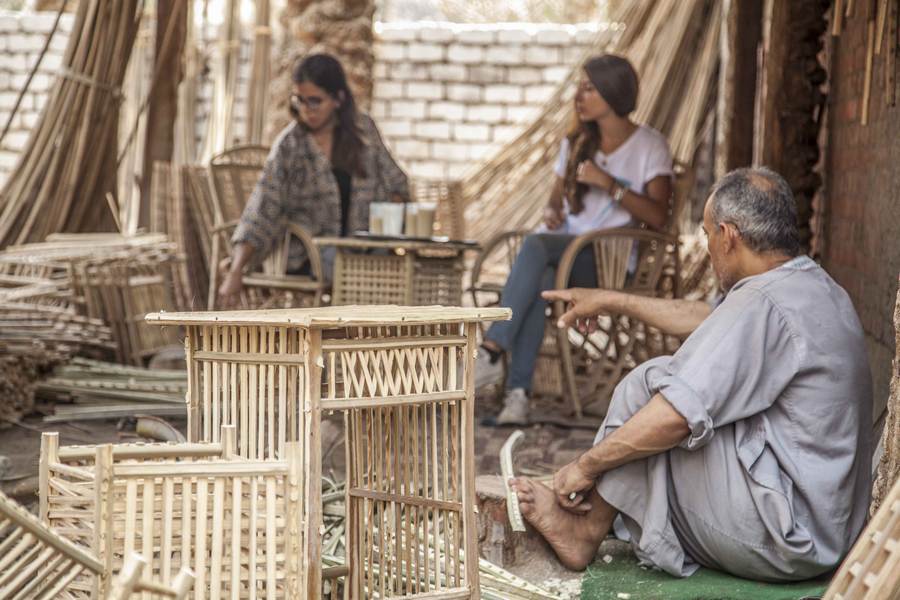
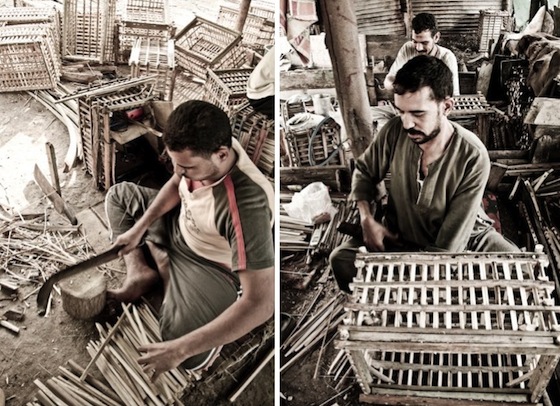
Despite being a fairly young firm, this week the studio is already displaying their inaugural project at the annual Design is a Verb exhibition set up by the Bibliotheca Alexandrina Arts Center. PALMCRATE Off the Gireed is comprised of a vibrant series of lamps, tables and other unique pieces constructed out of organic palm fiber by local artisans. Hit the jump to learn more about the studio and its talented founder.

Cairo, Studio Meem, Design is a Verb, green design, sustainable design, eco-design, crafts, tradition

Chic street sensibility

Made possible in part by a 2011 British Council Grant for artists and quite a lot of gumption, Studio Meem strives to design distinctly Egyptian products with a chic street sensibility. Creating a bridge between local artisans and designers, the studio relies on locally and sustainably-sourced materials, but never compromises either quality or style.

“All our products embody a perfect balance between unique design-know-how and traditional artisanal craftsmanship,” according to the studio’s website literature.

PALMCRATE Off the Gireed  recently won a coveted Red Dot Design Award. It has also been awarded a 2011 Good Design award by the Chicago Athenaeum: Museum of Architecture and Design and The European Centre for Architecture, Art Design and Urban Studies.

Cairo, Studio Meem, Design is a Verb, green design, sustainable design, eco-design, crafts, tradition

The sustainable route

Although Moursi has worked on satellite cities in Kuwait and interior design for river Nile cruise boats, it is telling that she has switched her focus to creating a sustainability ethos within the Egyptian context. Such leadership is badly needed in this country, although we are happy to report that the newly-invigorated local populace is slowly taking up the mandate to forge ecologically and socially-responsible businesses.

Critics might consider design among the most frivolous concerns given the many other challenges that Egyptians face, but Studio Meem’s work is no less important as it creates meaningful job opportunities and ensures a certain level of long-term self-sufficiency.

Plus, an increase in lighthearted, quirky projects such as these might permit a touch of color to crack through the darkness that has shrouded Egypt for far too long.

:: Studio Meem

Sharing Eden – Green Teachings from Jews, Christians and Muslims (Book Review)

2

sharing-eden-green-religion-islam-jew-christianFaith is something which the Middle East has a lot of. Whether that faith is being used solely for good is another matter altogether – some are trying to change that by invoking the shared green aspects of the Abrahamic faiths

Sharing Eden – Green teachings from Jews, Christians and Muslims is a small book which is trying to do a big thing:  encourage those of faith to take more positive action for the environment. And therein lies the strengths and also the weaknesses of this book. Three writers from each faith explore issues such as sustainability, water, food and biodiversity through the lens of their faith.

They look at the teachings from the Torah, Bible and Qur’an whilst also highlighting practical action faith groups and communities are taking across the continents. It’s only 100 (small!) pages long, it’s very readable with lots of images and I managed to go through it all in a short train journey. The writers manage to fit a lot of spiritual and practical information into a very short space but there is naturally a lot still missing.

Israel’s bSolar Designs Promising Double-Sided Solar Cell

3

bSolar, cleantech, renewable energy, startup, Israel, solar energyBifacial solar panel can boost energy yield by 50%.

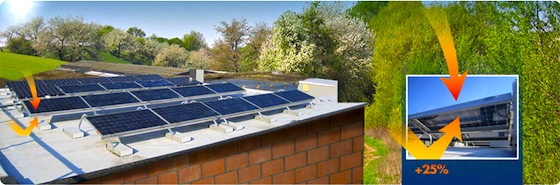
Researchers have been trying to develop double-sided solar cells that can capture both direct and reflected sunlight for the last forty years, and now an Israeli startup believes they have come up with the winning formula. bSolar, a venture-backed project founded in 2007, showcased their bifacial solar cells at a trade show in Germany last month. According to Yossi Kofman, co-founder and CEO, their cells could produce up to 20% more energy than conventional cells. But it won’t be easy.

Environmentalists: “Explore Alternatives to Red-Dead Canal Project”

2

dead-red-canal-projectFollowing the Israeli Minister’s green light for the Red-Dead Canal project, Friends of the Earth Middle East are calling for alternatives to the project to be fully explored

Since the very start, the Red-Dead Canal project has been fraught with controversy. The project which aims to revive the Dead Sea, which is shrinking one metre a year, by tunnelling water from the Red Sea has faced serious criticism. One of which is that rather protecting ecosystems, the project could be the harbinger of doom for the Dead Sea’s fragile ecology. Now that the Israeli minister Silvan Shalom has given the project the go-ahead, environmentalists such as the Friends of the Earth Middle East say that alternatives to the project need to be fully explored.

Grasshopper Stress Changes Local Environment

spiders grasshoppers stress in webAn Israeli research team discovers a mechanism whereby even tiny seemingly insignificant chemical changes in a creature can affect the ecology of the earth.

Snakes, spiders and creepy-crawly things that go bump in the night are the creatures of children’s nightmares. But who ever thought that the little critters might actually be scared of each other? A new research project by Israeli researchers at the Hebrew University of Jerusalem and scientists at Yale University, shows that grasshoppers are afraid of spiders. And this fear has an impact on the soil quality after the scared grasshoppers die.

According to a new paper written by the researchers in the prestigious journal Science, a fear of predation by spiders stresses out the grasshoppers so much that it affects their metabolism and subsequently the nitrogen content in their bodies. Scared grasshoppers eat more sugary plants, a process that affects the microbes and chemical processes in the local environment.

Green Wheel is an Energy-Harvesting Machine for Beirut Runners

0

design, sustainable design, clean tech, green wheel, Nadim Inaty, Beirut, Lebanon

Beirut-based Nadim Inaty designed the Green Wheel – a zany exercise machine concept that harvests kinetic energy and converts it into electricity. Comprised of a single unit complete with a bench and patches of real grass, the green wheel features three different levels for runners of varying strengths and produces roughly enough energy in 30 minutes to charge 12 mobile phones.

Given energy shortages that leave some parts of Lebanon without power for up to twelve hours at a time, not to mention more than a few big bellies, we think this is a brilliant idea that could easily catch on with help from an angel investor or two.

Burning Tires the Bokja Way – to Protest Against Beirut Pollution

0

Beirut, Lebanon, Pollution, Bokja Studio, Design, Environment, Art, Activism
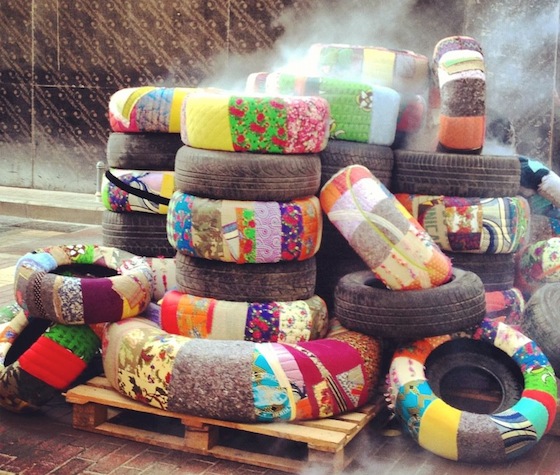
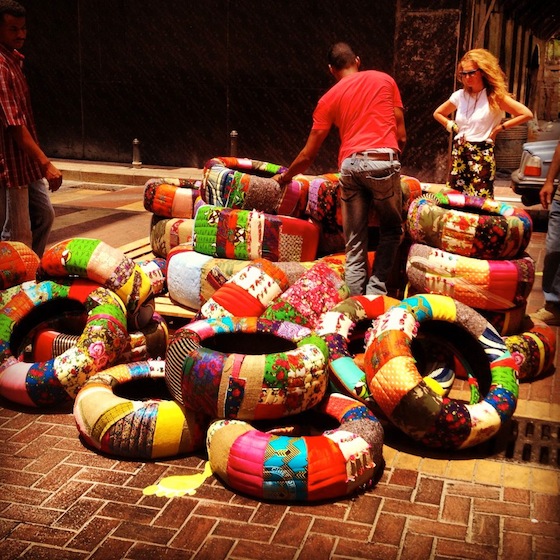
“We are Tyred” by Bokja Studio. Bokja design in Beirut embroiders the tires, in protest

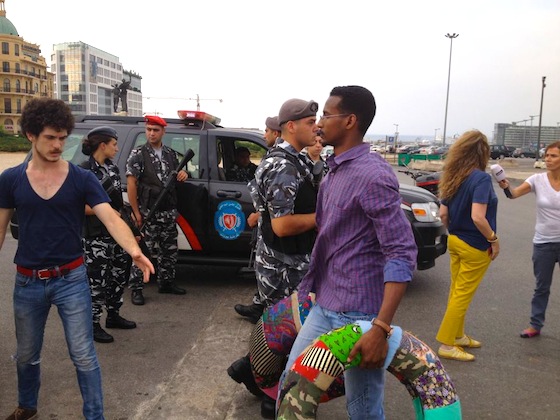
Following a spate of tire burning protests in Beirut that choke the city’s skies and people, Hoda Baroudi and Maria Hibri staged a colorful protest. The creative duo behind Bokja Design Studio treated more than a dozen tires with the same reverence as their antique and vintage furniture pieces by wrapping them in opulent textiles reminiscent of the Levant and legendary Silk Road. They then scattered the adorned tires across a road in Saifi Village as two young volunteers held a banner stating quite simply: “We are Tyred.”

Beirut, Lebanon, Pollution, Bokja Studio, Design, Environment, Art, Activism
We are Tyred by Bokja Studio

Disenchanted Lebanese residents have been blocking Beirut roads with stacks of burning tires in order to protest against the shooting of two Muslim preachers in Akkar, another man at a Batroun Army checkpoint, and the kidnapping of 11 pilgrims in Syria. Constant power outages have fuelled their ire.

Whilst attempting to subdue these violent elements is understandable, the approach is exceptionally toxic to both the environment and people.

As Linda pointed out in a previous post, burning tires releases “a concentration of dangerous metal particles such as zinc, mercury, lead and chromium…[and] toxic gases like polycyclic aromatic hydrocarbons that are type 1A carcinogens.”

These carcinogens then build up in the food chain and adversely affect immune systems and fertility.

“Tyred” of the black smog, the Bokja duo, whose studio emphasizes sustainable design and local craftsmanship of the most sensuous order, took a more inspired approach to social protest.

Beirut, Lebanon, Pollution, Bokja Studio, Design, Environment, Art, Activism

“They were planning to install them on the Airport Road since it has become the symbol of social discontent,” according to the author of Ghannouj Around the World. “I don’t know if they could but what I know is that we are working on getting the approval to have the installation at the arrivals  of Rafic Hariri International Airport since the tire became as much a symbol of Lebanon as the cedar tree.”

Uniformed men and women sporting weapons who showed up to the scene looked conspicously out of place amid the peaceful protestors, but Baroudi and Hibri were unphased. “We took it to the streets. Someone wasn’t too happy about it. #WeDontCare #WeAreTyred,” they wrote on their Facebook page. And they have received a huge outpouring of support from their many followers.

“I wish that Lebanon is identified with ONLY the amazing/artistic people like you guys,” wrote one fan.

“Very creative and expressive,” wrote another. “Hope it will reach the minds of all and acknowledge the bad impacts of burning. So to those who want to protest, use wheels but don’t burn.”

Richard Branson Makes Virgin Water Bar With Israel’s Strauss

0

virgin pure water branson ofra straussNo more bottled water, no more Brita? Virgin’s Sir Richard Branson and Strauss Group’s Ofra Strauss pose with Virgin Pure, a new dispenser now in the UK

There is no shortage of ideas on how to filter drinking water, from filters in plastic beverage bottles, or by creating water from air conditioning units.  Some water filtration devices have included technology that use specially formulated “beads” of bacteria that actually eat nitrates often found in untreated water supplies. Due to dire necessity, Israel has become a world leader in water filtration and treatment, including treatment of waste water. The country’s food and beverage empire Strauss has now forged a deal with Richard Branson and Virgin to make an on-demand water filter that sits on your counter. The aim is to provide filtered hot or cold water on demand, while reducing the need for plastic bottled water.

Water filtration devices especially home water bars are now commonplace in many Israeli homes, especially the TAMI filtered water bars upon which the new UK-Israel partnership is based on.

These water bars began appearing in homes and offices about ten years ago and became so popular that the company TAMI was later purchased by the giant Strauss – Elite food products company in 2009. The success of the TAMI home water filtration units were brought to the attention of British billionaire/entrepreneur Sir Richard Branson, who became impressed with these devices during a tour last of Israeli technology innovations.

This later resulted in Branson’s Virgin group of companies reaching a deal with the Strauss Group to market these water bars in the UK under the name Virgin Pure in a 300 Million Pound deal that he hopes will rival the Hoover vacuum cleaner as being the gadget that changed British homes.

Says Sir Richard after seeing one of these water bars demonstrated to him by Strauss CEO Ofra Strauss : “Ofra showed me the machine in Israel and I wanted to buy one for our family. I realized how few homes in the UK had one of these.”

Water bars and other water filtration devices have been competing for years in Israel against the use of bottled or “mineral” water that is commonly sold in supermarkets. The country’s Mekorot national water company has claimed that purified tap water is safer to drink than bottled mineral water; and this water is now said to be even tastier than bottled water with the use of water filtration units like the TAMI 4 water filter that is being used more and more in restaurants as well as in private homes.

This reality may have helped convince Branson to enter into this agreement with the  Strauss Group. Branson also appears impressed in the amount of international investment in Israel’s technology enterprises. He was  quoted as being impressed that the Strauss Group began its business “with two cows” and compared it to his own business origins that began with “a phone box at school”.

He added that increased international investment will result in more job opportunities for both Israelis and Palestinians.

Read more on water filtration and production projects:
Waste Water treatment Plant in Israel Wins UN Recognition
Water Filter Uses Bacteria Beads to Eat Nitrates
Time to Drink Water From Air Con Units
The SODIS Makes Light – and Water – of Plastic Bottles

Istanbul’s Top 10 Secondhand Clothing Shops

9

istanbul second hand shops secondhand

Istanbul’s top ten secondhand clothing shops are easily accessible from the city’s main pedestrian drag, Istiklal Avenue, highlighted in blue on the map.

Until recently, Istanbul’s secondhand clothing culture had been minimal, confined to costume shops, small racks in antique stores, and “eskicis” — old men wheeling carts of used items around the streets of the city. But secondhand clothing stores are now on the rise in Istanbul. Several excellent options have opened in fashionable central neighborhoods such as Galata and Cihangir. Always check online before to make sure the shops are still open.

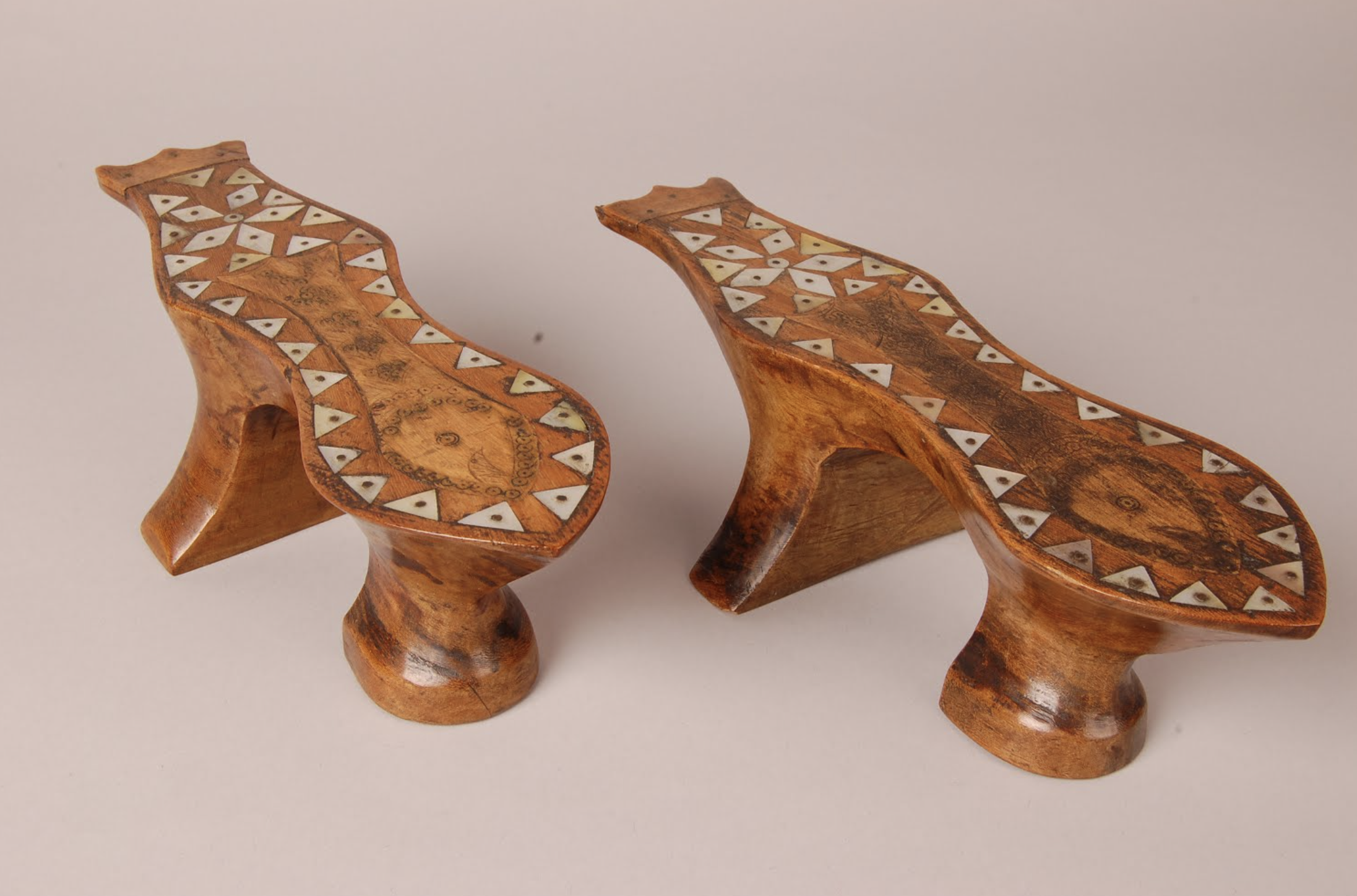
Fish clogs, Turkey, 1900-1950, Provenant de la collection : British Museum
Fish clogs, Turkey, 1900-1950, Provenant de la collection : British Museum. Find these Turkish fish clogs while hunting for second hand in Istanbul?

Secondhand clothing stores are better for the environment and better for your bank balance. You’re also guaranteed to find a one-of-a-kind piece. What’s not to love? For anyone trying to avoid the flashy department stores and have a more eco-friendly shopping experience in Istanbul, Green Prophet has assembled a handy guide to the city’s top ten secondhand clothing stores, with an interactive version of the above map here or below.

1. By Retro Suriye Pasajı, İstiklal Caddesi 166C, Beyoğlu, 0212 245 6420

retro shop istanbul secondhand

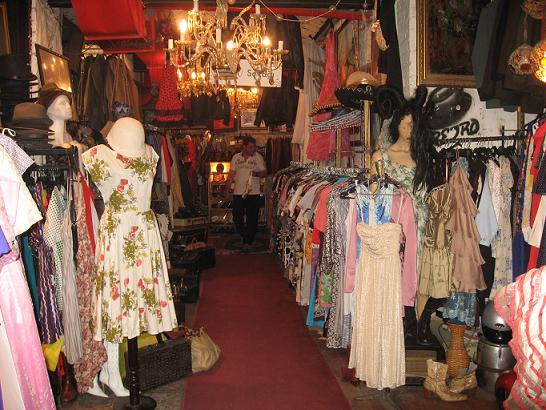
Featuring a dazzling array of vintage clothing from the past half-century, By Retro is Istanbul’s oldest and largest secondhand clothing shop. Men and women can browse a vast selection of retro fashions, from evening dresses to peacoats, vintage sunglasses to chandeliers, glittery heels to winter boots, as well as various household furniture and accessories. By Retro is located just off of Istiklal Avenue, in Suriye Passage – watch for the store’s sign and small display as you’re walking down the avenue, and you can’t miss it.

Price of a summer dress: 40 TL ($22)

2. Nahıl Bekar Sokak 17, Beyoğlu, 0212 251 9085

nahil shop istanbul second hand secondhand

Originally founded as a handicrafts shop supporting Turkey’s Foundation for the Support of Women’s Work, Nahıl is also one of Istanbul’s least-known secondhand clothing treasures. With two rooms of gently used dresses, blouses, pants, skirts, shoes, jewelry, and a menswear section upstairs, all supplied by donations to the foundation, Nahıl’s prices come closest to those of Goodwill or other major secondhand chains that don’t exist in Turkey. Pick up a handmade soap, journal, or doll in the front on your way out – it all supports a very worthy cause.

Price of a summer dress: 15 TL ($8)

3. Eleni Vintage Kuloğlu Mh, Adile Naşit Sokak 3, Cihangir, Beyoğlu, 0532 506 5019

eleni vintage shop secondhand istanbul, turkey

One of the newest additions to Istanbul’s secondhand clothing scene, Eleni Vintage just opened four months ago in Istanbul’s bohemian Cihangir neighborhood. Despite this recent opening, owner Eleni Özgür has already amassed a very respectable selection of women’s clothing, accessories, and small furniture. Prices are a little on the higher side, but the quality of the items merits that. Especially charming is the whimsical display.

Price of a summer dress: 50 TL ($28)

4. mozk Kuloğlu Mh, Ağahamam Sokak 13/B, Cihangir, Beyoğlu, 0212 252 3499

mozk istanbul second hand secondhand shop turkey

Istanbul’s priciest secondhand clothing shop by far, mozk has survived long enough to prove that demand exists for the very high-quality vintage pieces they have on offer. Arranged like the rooms in a house of extremely well-dressed ladies, the clothing displays are in magnificent wardrobes, most of which are also for sale. Other furniture and accessories (think vintage perfume bottles and costume jewelry) are also tastefully arranged on mozk’s two floors. A perfect place to splurge on a beautiful dress with a clean green conscience.

Price of a summer dress: 90 TL ($50)

5. myPERA Kuloğlu Mh, Altıpatlar Sokak 2A, Cihangir, Beyoğlu, 0212 292 51 87

mypera second hand shop turkey secondhand, istanbul

Anyone who has wandered through Cihangir before will recognize the lovely outdoor displays of myPERA, one of the neighborhood’s oldest secondhand stores. Conveniently located just next door to a used shoe-seller, this cosy little corner shop contains some real gems in its limited space. Owner and fashion designer Türkan Rodoplu is always helpful and ready with fashion tips. Equal parts vintage boutique and thrift shop, myPERA is a must-visit for any secondhand shopper in Istanbul.

Price of a summer dress: 40 TL ($22)

6. Binbavul Şahkulu Mh, Galip Dede Caddesi 66, Galata, Beyoğlu

binbavul second hand turkey, istanbul secondhand

Tucked underground in a building just off Galip Dede Street, the hill that winds down from Istiklal Avenue to Galata Tower, Binbavul feels like a pirate cave. Half the fun is in exploring the various clothing racks and accessory displays in the dim lighting of the shop. Vintage delights such as record players and old accordions can be purchased here, as well as more ordinary items. Although in the pricier range of Istanbul’s secondhand shops, Binbavul’s wide selection contains treasures for everyone.

Price of a summer dress: 70 TL ($39)

7. Atölye Dö Bora Serdar-ı Ekrem Sokak 8-A, Galata, Beyoğlu

Atölye Dö Bora istanbul second hand secondhand shops turkey

Although it’s at the top of its street, the underground den of Atölye Dö Bora is hard to spot unless you know to look for its display of vintage televisions, roller skates, and clothing hanging outside. From the fun name (“Atölye Dö Bora” is Turkified French for “Atelier de Bora”, or “Bora’s Workshop”) to the quirky combination of clothes and vintage accessories and electronics inside, Atölye Dö Bora is a unique secondhand experience in Istanbul.

Price of a summer dress:  50 TL ($28)

8. Molly’s Cafe Bereketzade Mh, Camekan Sokak 1, Galata, Beyoğlu

molly's cafe, istanbul second hand shops secondhand

One of Istanbul’s favorite expatriate hangouts, Molly’s Cafe has become a Galata institution. Part cafe, part secondhand clothing and bookshop, part boutique, this inviting space just beneath Galata Tower has a mix of used items and new ones. At 5 TL ($3) each, the stacked shelves of used books are a steal – and the cafe is the perfect place to read them, or to catch some local authors and poets giving a reading.

Price of a summer dress: 30 TL ($17)

9. The Works – “Objects of Desire” Faik Paşa Caddesi 6/1, Çukurcuma, Beyoğlu, 0212 252 2527

the works second hand shop istanbul secondhand

Like an old curiosity shop, every inch of this longstanding secondhand store is covered with intriguing antique items for sale, from old photographs, movie posters, and jewelry to bird cages, vintage games, and taxidermied animals. The clothing section is a small room in the back, and while it’s not the main attraction, some interesting pieces can be found. The store’s slogan says it all: “for the slightly deranged collector seeing identifiable memories.”

Price of a summer dress: 15 TL ($8)

10. Mine’s Shop Kuloğlu Mh, Maç Sokak 3, Cihangir, Beyoğlu

mine's shop istanbul second hand shop secondhand

This secondhand shop in Cihangir has just moved indoors from its habitual stall at a corner of two main streets in the fashionable neighborhood. It’s such a casual place that it doesn’t even have a name, but its friendly blonde owner, Mine, is always sitting outside, ready to welcome customers in and help them find some clothing to their liking. A mix of quirky vintage pieces, costumes, and used clothing in piles in the back, Mine’s shop is secondhand culture at its most local and grassroots. It’s just one more sign of how Istanbul’s used clothing industry is becoming more organized and accessible to the general public.

Price of a summer dress: 30 TL ($17)

Hassan Fathy-Inspired Regenerative Home Planned for Buddhist Center

0

Earth Construction, Hassan Fathy, Regenerative Home, Cleantech, Architecture, Green Building, PermacultureScott Howard is among a growing number of people working on building projects that are not only eco-friendly, but actually help to regenerate natural systems. Once built, the Regenerative Home in Colorado will hopefully produce its own food in an entryway greenhouse and vertical garden, process all of its own waste, capture and recycle water several times and rely entirely on solar energy for its power needs.

And best of all, the project slated for what will eventually become an eco-village and Buddhist retreat takes its form and inspiration from Egyptian architect (and the Middle East’s father of sustainable building) Hassan Fathy.

The Wrath of Global Warming and the Middle East

4

global warming, climate change, wildfire, Colorado, Middle East, North Africa, water scarcity, drought, agriculture

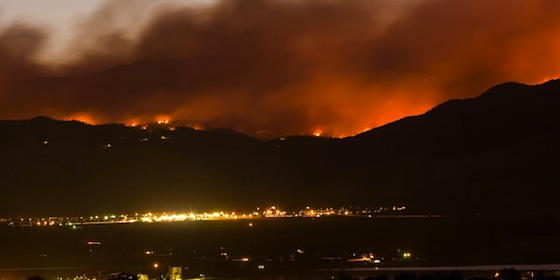
Last week global warming’s wrath swept through the United States and hardly anybody took notice. The worst wildfires in Colorado and Utah history  torched hundreds of homes and miles of forest. The Waldo Canyon fire alone, which is still only 45% contained, burned 350 houses right down to the ground. Some residents returned yesterday to find their cars turned to scraps.

Then the searing heat wave that exacerbated these fires marched on, joining forces with a furious hurricane-force wind storm that ripped through several states on the east coast. More than 3 million people are without power amid temperatures of 100 degrees Fahrenheit plus and could remain that way for a week or more. At least 17 people have died. Yet the world has been mostly silent; oil drillers drill on; new deals are signed.