Home Blog Page 42

Climate change will reduce the number of satellites that can safely orbit in space

spacex starlink from space, satellite
SpaceX has deployed satellites to run Starlink but there is a limit to what we can send to space, says MIT

MIT aerospace engineers have discovered that rising greenhouse gas emissions are altering the near-Earth space environment in ways that will gradually reduce the number of satellites that can safely operate in this region.

In a study published today in Nature Sustainability, the researchers reveal that carbon dioxide and other greenhouse gases are causing the upper atmosphere to shrink. The thermosphere, a layer where the International Space Station and most satellites orbit, is of particular concern. When the thermosphere contracts, its density decreases, which reduces atmospheric drag—the force that typically pulls old satellites and space debris down to lower altitudes where they burn up upon re-entry.

With less drag, satellites and debris will remain in orbit longer, creating an overcrowded environment in critical regions and heightening the risk of collisions.

The team ran simulations to assess how carbon emissions impact the upper atmosphere and orbital dynamics, estimating the “satellite carrying capacity” of low Earth orbit. Their findings predict that by 2100, the capacity of popular orbital regions could decline by 50-66 percent due to the effects of greenhouse gases.

“Our behavior with greenhouse gases over the past century is affecting how we will operate satellites over the next century,” says Richard Linares, an associate professor in MIT’s Department of Aeronautics and Astronautics (AeroAstro).

Related: all about space junk

“The upper atmosphere is in a fragile state as climate change disrupts the status quo,” adds lead author William Parker, a graduate student in AeroAstro. “At the same time, satellite launches have surged, particularly for broadband internet from space. If we don’t manage this activity and reduce emissions, space could become too crowded, leading to more collisions and debris.”

The study also includes co-author Matthew Brown from the University of Birmingham.

space junk debris
Space junk

The thermosphere naturally contracts and expands in response to the sun’s 11-year activity cycle. During periods of low solar activity, the Earth’s outer atmosphere cools and contracts before expanding again during solar maximum.

In the 1990s, scientists wondered how greenhouse gases might affect the thermosphere. Early models suggested that while these gases trap heat in the lower atmosphere, they radiate heat at higher altitudes, cooling the thermosphere. This cooling, they predicted, would cause the thermosphere to shrink, reducing atmospheric density at high altitudes.

In recent years, scientists have measured changes in drag on satellites, providing evidence that the thermosphere is contracting in response to factors beyond the sun’s natural cycle.

“The sky is literally falling, but at a rate that spans decades,” says Parker. “We can see this by how drag on satellites is changing.”

The MIT team explored how these changes might affect the number of satellites that can safely operate in Earth’s orbit. There are currently over 10,000 satellites in low Earth orbit—an area extending up to 1,200 miles (2,000 kilometers) above the Earth’s surface. These satellites provide vital services like internet, communications, navigation, weather forecasting, and banking. With the recent explosion in satellite launches, operators now perform regular collision-avoidance maneuvers to maintain safety. When collisions occur, debris can linger in orbit for decades or longer, heightening the risk of further collisions.

“More satellites have been launched in the last five years than in the preceding 60 years combined,” Parker says. “One of the key things we’re trying to understand is whether the path we’re on today is sustainable.”

In their study, the researchers simulated different greenhouse gas emissions scenarios over the next century to evaluate their impacts on atmospheric density and drag. For each altitude range, they modeled orbital dynamics and the risk of satellite collisions based on the number of objects present. This approach helped identify the “carrying capacity” of low Earth orbit, a term typically used in ecology to describe how many individuals an ecosystem can support.

“We’re translating the concept of carrying capacity to this space sustainability problem to understand how many satellites low Earth orbit can sustain,” Parker explains.

The team compared several emissions scenarios: one in which greenhouse gas concentrations remain at 2000 levels, and others based on future projections from the IPCC’s Shared Socioeconomic Pathways (SSPs). They found that increasing emissions would significantly reduce the capacity of low Earth orbit.

By the end of the century, the team predicts that the number of satellites safely accommodated in altitudes between 200 and 1,000 kilometers could decline by 50-66 percent compared to a scenario where emissions remain at 2000 levels. If satellite capacity is exceeded in any region, the researchers anticipate a “runaway instability,” where a cascade of collisions would generate so much debris that satellites could no longer operate there.

Although these predictions extend to 2100, some regions are already nearing capacity, especially those occupied by recent “megaconstellations” like SpaceX’s Starlink, which consists of thousands of small internet satellites.

“The megaconstellation is a new trend, and we’re showing that because of climate change, we’re going to have a reduced capacity in orbit,” Linares says. “In local regions, we’re already approaching this capacity.”

“We rely on the atmosphere to clean up our debris,” Parker adds. “If the atmosphere is changing, the debris environment will change as well. Our study shows that the long-term outlook for orbital debris depends critically on curbing greenhouse gas emissions.”

This research is supported, in part, by the U.S. National Science Foundation, the U.S. Air Force, and the U.K. Natural Environment Research Council.”

The Battle Against Over-Tourism: How Destinations Are Fighting Back

0
sustainable beer tours, amsterdam, by bike
You can do a sustainable beer tour in Amsterdam, by bike.

Tourism is an economic powerhouse, but over-tourism has strained many beloved destinations, leading to environmental degradation, cultural dilution, and declining quality of life for locals. To counteract these issues, various hotspots have introduced regulations to curb excessive visitor numbers. Many have also developed eco-volunteering opportunities and sustainable lodging options for travelers who want to give back. Below, we explore the measures being taken in different locations and how visitors can engage in meaningful, sustainable tourism.

Ibiza, Spain

To address the influx of cruise tourists, Ibiza has introduced new regulations limiting the simultaneous docking of cruise ships to no more than two at a time. This measure aims to ease congestion and reduce environmental strain.

Eco-volunteering opportunities in Ibiza:

  • IbizaPreservation: Works on marine and land conservation efforts.
  • Plastic Free Ibiza & Formentera: Dedicated to reducing plastic waste on the islands.
  • GEN-GOB Ibiza: Focuses on biodiversity conservation and sustainable farming.

Sustainable Lodging in Ibiza:

  • Cas Gasi: A boutique eco-hotel focusing on organic farming and renewable energy.
  • Finca Can Marti: A rustic retreat offering organic food and sustainable living.
  • La Granja Ibiza: A farmstead that embraces permaculture and community-driven experiences.

Machu Picchu, Peru

Peru has implemented a strict ticketing system requiring visitors to arrive within designated time slots, preventing overcrowding and ensuring sustainable site management.

Eco-volunteering opportunities in Peru:

  • Conservamos por Naturaleza: Supports conservation initiatives across Peru.
  • Inkaterra Asociación: Engages in biodiversity conservation and research.
  • Centro de Rescate Amazónico: Works on Amazon rainforest preservation and wildlife rehabilitation.

Sustainable Lodging in Machu Picchu:

  • Inkaterra Machu Picchu Pueblo Hotel: A leading eco-lodge with conservation programs.
  • Sumaq Machu Picchu Hotel: A luxury lodge promoting Andean traditions and sustainability.
  • Tierra Viva Machu Picchu: A sustainable hotel using eco-friendly practices.

Santorini & Mykonos, Greece

Cyclades home in Greece, dream balcony, Serifos offers beautiful beaches, historic sites, and hiking trails, maintaining its authentic character despite tourism development. With 2 bedrooms and 2 bathrooms, this residence sleeps 4, offering a delightful retreat in the village of Hora

The Greek government plans to limit cruise ships to mitigate the effects of overtourism on the Cycladic Islands, preserving their natural beauty and cultural integrity.

Eco-volunteering opportunities in Greece:

  • Aegean Marine Life Sanctuary: Protects marine ecosystems in the Aegean.
  • Archelon – The Sea Turtle Protection Society of Greece: Focuses on sea turtle conservation.
  • Hellenic Ornithological Society: Protects bird species and their habitats.

Sustainable Lodging in Santorini & Mykonos:

  • Santorini Eco Retreats: Offers sustainable stays with renewable energy sources.
  • Mykonos Earth Suites: Built with eco-friendly materials and solar power.
  • Eros Keros: An off-grid retreat on Koufonisia near Mykonos.

Amsterdam, Netherlands

Amsterdam is taking drastic measures to curb overtourism, including limiting river cruises, banning new hotels, reducing annual visitor numbers by 271,000, and capping overnight stays at 20 million.

Eco-volunteering opportunities in Amsterdam:

  • Plastic Whale: Organizes plastic-cleaning boat trips on the canals.
  • Stichting De Noordzee: Works to protect the North Sea ecosystem.
  • IVN Natuureducatie: Focuses on nature education and conservation projects.

Sustainable Lodging in Amsterdam:

  • Conscious Hotel Westerpark: A fully sustainable hotel powered by green energy.
  • Hotel Jakarta Amsterdam: Built with sustainable materials and featuring an indoor rainforest.
  • Ecomama Hotel: A boutique eco-hostel with a strong focus on social responsibility.

Menorca, Spain

Residents of Binibeca Vell have set time restrictions for tourists, only allowing visits between 11 a.m. and 8 p.m. to prevent noise pollution and overcrowding.

Eco-volunteering opportunities in Menorca:

  • Menorca Preservation Fund: Supports local conservation efforts.
  • GOB Menorca: Focuses on environmental protection and sustainable agriculture.
  • Fundació Foment del Turisme de Menorca: Promotes sustainable tourism initiatives.

Sustainable Lodging in Menorca:

  • Torralbenc: A luxury eco-retreat using sustainable farming methods.
  • Agroturismo Son Vives: A rural eco-hotel supporting organic agriculture.
  • Hotel Rural Biniarroca: A boutique hotel committed to sustainable tourism.

Barcelona, Spain

Barcelona has reduced cruise dockings to seven per day and removed a popular bus route to Parc Güell to discourage peak-season tourism.

Eco-volunteering opportunities in Barcelona:

  • Projecte Boscos de Muntanya: Works on forest conservation.
  • Rezero: Focuses on waste reduction and sustainability.
  • Surfrider España: Engages in marine conservation and beach cleanups.

Sustainable Lodging in Barcelona:

  • Hostal Grau: A carbon-neutral eco-hotel.
  • Yurbban Trafalgar Hotel: Focuses on sustainable energy and community projects.
  • EcoZentric Hotel: Uses renewable energy and eco-friendly products.

Sustainable Travel: A Collective Effort

While governments enforce new regulations, travelers also play a key role in ensuring sustainability. Opting for eco-volunteering experiences and choosing eco-friendly accommodations provide a more meaningful connection to a destination while actively contributing to its preservation. By making mindful travel choices, we can ensure that these breathtaking places remain vibrant and welcoming for generations to come.

The Future of Sustainable Veterinary Care

0

Eco sustainable veterinarian services

With sustainability quite rightly taking center stage worldwide, different industries have to rethink their environmental impact and what their sectors might look like in 10 or 20 years. Veterinary medicine is one such industry. From waste reduction to energy-efficient medical equipment, animal healthcare is embracing greener solutions that benefit the planet and improve patient outcomes. Let’s take a look. 

The Role of Digital Imaging in Reducing Waste

One of the most significant leaps forward in veterinary care has come with X-ray methods. As with human medicine, vets can now take advantage of digital and often portable X-ray machines. Modern veterinary X-ray machine technology eliminates the need for film, reduces radiation exposure, and delivers faster, high-quality results for accurate diagnoses. Additionally, digital records minimize paper waste, making veterinary clinics more environmentally friendly.

To further improve efficiency, many clinics now use PACS (Picture Archiving and Communication System) to manage and store digital images. This system allows veterinarians to access X-rays from any device, share them instantly with specialists, and maintain a secure archive without relying on physical storage. Cloud-based solutions such as Studycast veterinary PACS make the process even more seamless, giving clinics the ability to reduce costs, streamline workflows, and support more sustainable practices.”

Eco-Friendly Innovations in Veterinary Medicine

Veterinary medicine has changed dramatically in the last couple of decades. Once the frequently underappreciated younger sibling of human medicine, animal care has seen some astonishing technological breakthroughs. Yet traditional veterinary practices still often rely on disposable materials, energy-intensive procedures, and chemical-based treatments—but things are changing.  

Veterinary hospitals are being constructed with energy-efficient insulation, solar panels, and natural lighting to reduce electricity use. Biodegradable or recyclable pet care products, including compostable bandages and eco-friendly cleaning solutions, are quickly becoming the norm and medication disposal methods are helping to lower the impact of pharmaceutical waste on water systems.

Minimizing the Carbon Pawprint

The food we eat is under the spotlight—but so is what we feed our pets and the animals that go into our food system. While cost has long been at the forefront of people’s minds, the environmental impact and whether eco-friendly alternatives are available are now major considerations.  Ethically sourced, plant-based, or insect-based pet food options are reducing the carbon footprint of animal diets. Collars, leashes, and pet beds made from recycled or biodegradable materials are replacing synthetic options, and shampoos, conditioners, and pet wipes free of harsh chemicals and packaged in biodegradable containers are gaining popularity.

Advancing Wildlife and Conservation Efforts

And it’s not just about pets, cows, and sheep; we need to think much wider. Many endangered species rely on veterinary intervention for survival, and incorporating eco-friendly medical practices helps minimize human impact on fragile ecosystems. Veterinarians working in the field are developing non-invasive diagnostic tools and remote monitoring systems to reduce the need for human intervention while still providing life-saving care to animals in their natural habitats.

A Greener Future for Veterinary Medicine

Technology is advancing at a dizzying rate, and so is the opportunity to integrate sustainability into every aspect of veterinary care. From cutting-edge digital tools to greener clinic operations, the shift toward environmentally responsible animal healthcare is no longer a luxury. With the planet’s health at stake, we need to examine every industry, product, and system in place. Are we doing enough? Veterinary care is already a transformed industry, but as with every other, major changes are still to come.   

Why Are All the Dishwashing Soaps Diluted with Gel?

0

If you’ve ever wondered why modern dish soaps feel thicker and more gel-like than they used to, you’re not alone. Twenty years ago, dish soap was simpler—effective, easy to rinse, and often available in smaller bottles. Today, however, many brands have adopted a thicker, gel-based formula. While this may seem like a minor change, it has significant environmental consequences that are worth considering.

I bought an old pioneer home owned by hoarders and discovered gallons of Palmolive dish soap from 30 years ago. One drop can clean a greasy pot. Now, with new soap, one drop can’t even clean a glass cup. What has happened? Why are all our dishwashing soaps and hair shampoos full of gel? What is this gel made of, and why are we agreeing to this?

What Are These Gels Made Of?

Today's dishwashing soap feels like 99% gel and 1% actual soap. Patricia Kloosterman demonstrates.
Today’s dishwashing soap feels like 99% gel and 1% actual soap. Patricia Kloosterman demonstrates.

The thickening agents in modern dish soaps are typically synthetic polymers, petroleum-based compounds, or plant-derived cellulose. Common ingredients include:

Sodium Chloride (Salt): Used to thicken surfactant mixtures, but primarily a cheap filler.

Xanthan Gum & Cellulose Gum: Plant-derived thickeners that create a gel-like consistency.

Carbomer & Acrylates Copolymer: Synthetic polymers that help stabilize the formula and create a thick texture.

PEG (Polyethylene Glycol): A petroleum-based compound used to emulsify and thicken soap.

While some of these ingredients are harmless, others contribute to unnecessary waste and pollution. Many are simply cheap replacements for higher-quality, concentrated formulas that once existed.

The Environmental Downsides of Thicker Dish Soaps

Excessive Packaging Waste

With gels taking up more space in a bottle, manufacturers need larger plastic containers to hold the same amount of active cleaning agents. This leads to more plastic waste, contributing to pollution and landfill overflow. A truly concentrated dish soap in a smaller bottle would drastically reduce plastic consumption.

Increased Transportation Emissions

Bulkier, heavier bottles require more energy to produce and transport. More packaging and unnecessary weight mean higher carbon emissions from shipping and distribution. A more compact, concentrated formula would be more efficient and sustainable.

Unnecessary Water Usage

Many modern dish soaps contain fillers that do little more than add bulk. This means consumers are paying for diluted products that use more water during manufacturing. If companies focused on ultra-concentrated formulas, they could significantly reduce their water footprint.

More Chemical Additives

To maintain their thick consistency, many modern dish soaps contain synthetic thickeners and stabilizers. These chemicals don’t always break down easily in wastewater treatment systems and can contribute to water pollution, harming aquatic ecosystems.

Alternatives: Dish Soaps Without Gelling Agents

natural dishwashing liquid without gels
Sonnet’s natural dishwashing liquid without gels

If you’re looking for effective dishwashing soaps that skip the unnecessary gelling agents, here are some great options available in the U.S.:

Seventh Generation Free & Clear Liquid Dish Soap – A plant-based, fragrance-free soap that’s biodegradable and free from dyes and synthetic fragrances.

ECOS Hypoallergenic Dish Soap – Biodegradable, hypoallergenic, and gentle on hands, while remaining tough on grease.

ATTITUDE Dishwashing Liquid – EWG Verified and vegan, made with naturally derived ingredients and free from dyes and synthetic fragrances.

Sonett Organic Dishwashing Liquid – A concentrated, organic, biodegradable formula that’s gentle on skin and the environment.

A Call for Smarter Dish Soap Design

The shift toward gel-based dish soaps may have been driven by marketing rather than necessity. Thicker soaps create the illusion of being more concentrated, but in reality, they often contain unnecessary fillers that don’t enhance cleaning power. Consumers who care about sustainability should push for more concentrated formulas that require less packaging, use fewer resources, and reduce waste. There are some companies that make dry soap bars for shampoo. Can that work with dishwashing soap for washing dishes manually?

Would you switch to a truly concentrated dish soap in a smaller bottle if it were available? Or maybe we need to demand the value we once had in a larger bottle? The solution to this problem starts with consumer demand. By choosing brands that prioritize sustainability over gimmicky formulations, we can encourage the industry to rethink its approach and reduce its environmental impact.

How to make camel burgers at home

2
camel herder, camel milk, camel dairy, camel farming, desert livestock, Bedouin camel culture, camel breeding, camel milk benefits, sustainable desert farming, Middle East camels, camel pastoralism, camel milk nutrition, camel herding traditions, desert agriculture, camel dairy industry
A camel burger, like reindeer meat, can be a sustainable, local option for those in the Middle East and Australia

Tasty, high-protein and low-cholesterol, camel meat even has the approval of the Australian Heart Association.

Sustainability in the kitchen is our creed, and camel is a far more sustainable meat than beef (which the world was horrified to discover may be contaminated with horse meat). We have posted about camel milk and its health benefits. And where camels are as much a part of the landscape as native trees, people know how tender and tasty camel flesh is.

Looking further into camel as food, we discovered Café Clock, a blog authored by Mike Richardson, proprietor of a famous eatery in Fez by the same name. The Café Clock eatery flips hundreds of camel burgers every day. According to Richardson,

“One camel will produce on average, 150 to 200 kilos of kefta (minced meat). As our burgers are around 180 grams, that works out at 1000 burgers per camel.”

Related: don’t eat camels who have had Botox treatments

Considering that camels need less feeding and produce so much meat, it makes economic and sustainable sense for Westerners to get used to eating camel. In Morocco and Australia, it’s as acceptable as any other meat – and far easier to get than, say, locusts.

Richardson and his chef shared the secrets of their delicious camel burger with cookbook author Tara Stevens. She has written a well-received cook book, Clock Book, with traditional and modernized Moroccan recipes. The rose petals in the meat mix are said to be aphrodisiac…but we think that the hash fudge recipe would probably do the trick better.

Camel is permitted in halal kitchens, but kosher-keepers must only cast their eyes over the recipe, possibly extracting the tomato sauce called Taza Ketchup to accompany kosher burgers at home.

Camel Burgers recipe

Serves 4

Ingredients:

1 kilo – 2.2 lbs. ground camel meat

1 tablespoon fat from camel hump, or butter

4 tbsp finely chopped red onions

6 cloves of garlic, crushed

2 tbsp chopped cilantro

tbsp chopped parsley

2 tbsp chopped mint leaves

2 tbsp chopped dried culinary rose petals

2 tsp ground cumin

2 tsp red paprika

1 tsp cloves, ground

Lemon juice to taste

Salt  and pepper to taste

For the Taza Ketchup:

5-6 ripe tomatoes, roughly chopped

4 tsp ground cinnamon

4 tsp honey

Olive oil

Salt and pepper

For The Burgers:
Put all burger ingredients through a food processor. Pulse (don’t make it too mushy).
Knead together and shape into 4 patties. Cover and chill well before cooking.
Fry on a dry pan or skillet for 4 minutes both sides or to your preferred level of doneness.
Serve on a toasted sesame bun with Taza ketchup and all the trimmings: a slice of cheese, tomato and onion rings.
For The Ketchup:
Blend the tomatoes in a processor until fairly smooth and then gently sauté in a little olive oil for 5 minutes.
Add the cinnamon and honey, season and simmer until the sauce is thick and glossy (about 10 minutes).

More on camel meat and milk from Green Prophet:

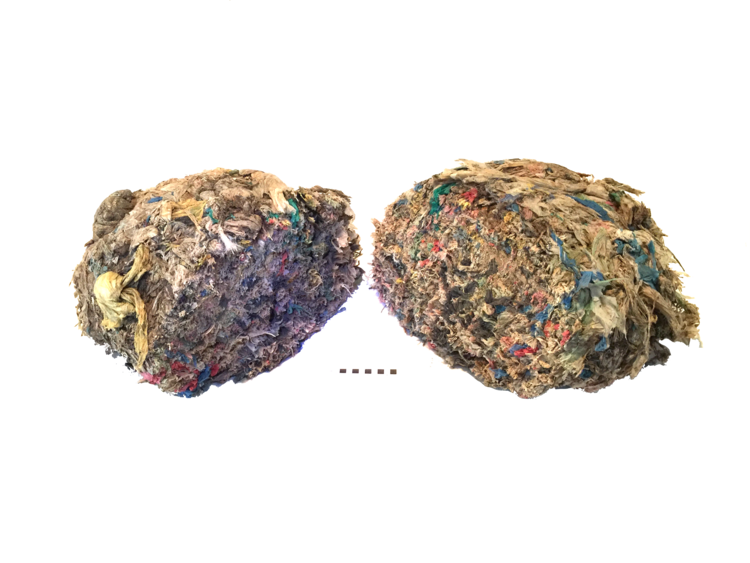
Don’t eat camels from the United Arab Emirates that eat plastic. This is inside their guts

Camel Meat Catches On In Canada

Camels For Milk And Who’s Buying

Grand Camel-ccino, Anyone?


The Fall of Rodney McMullen: A Story of Greed, Inequality, and the Unsustainable Corporate Culture

Rodney McMullen via Wikipedia

In the world of business, few things captivate attention like the scandal surrounding the firing (or leaving) of a high-profile CEO. On Monday, Kroger’s CEO, Rodney McMullen, was dismissed for cause, and as expected, the media exploded with coverage. Stories of McMullen’s personal failings and corporate drama poured in, each headline adding fuel to the fire. But beyond the salacious gossip and personal allegations, there lies a much deeper story—one about the growing wealth inequality, the unchecked corporate greed, and the environmental toll these systems exact.

Hypothesis: McMullen’s downfall is not just an isolated incident—it is a symptom of a broader, unsustainable corporate culture that prioritizes short-term profits over long-term sustainability, both for the environment and society at large.

And this is where MySayOnPay.com comes in. The platform provides journalists with data that can shift the narrative. By offering access to vital financial information, such as CEO compensation comparisons and broader wealth inequality trends, MySayOnPay.com allows reporters to highlight how McMullen’s enormous wealth came at the expense of workers and the planet.

Related: Is Lucid lucid about being a sustainable EV company? 

Michael Cooper, the founder of MySayOnPay, and a personal friend of mine, has long argued that “the unchecked pursuit of wealth by the few at the expense of the many isn’t just bad for society, it’s unsustainable. For every dollar that a CEO makes beyond reason, there’s a broader environmental and social toll.” This statement is key to understanding why McMullen’s story is not just about one man’s rise and fall but about the systemic flaws within corporate America that encourage unsustainable practices and exacerbate wealth inequality. (Read here where Cooper guest authors the article – How to create a 100 year old company).

The Systematic Culture of Excess

equitable pay, kroger

McMullen’s compensation package, a staggering $15.7 million per year, places him in a category of corporate elites whose wealth is vastly disproportionate to the average worker, says Cooper. And yet, despite this eye-watering salary, his story is far from unique. A look at McMullen’s pay compared to other CEOs in similar positions reveals a troubling trend: the top executives benchmark themselves against their peers and cause dramatic wage inflation among themselves. Imagine if every time one cashier gets bonus pay, perhaps from working overtime, all the other cashiers who don’t perform long hours get benchmarked to the high performer and pay gets increased.


The disparity is even starker when compared to the wages of workers on the front lines—cashiers, stockers, and others who make up the backbone of companies like Kroge, Cooper explains to Green Prophet.

Graph 2 & 3: Kroger CEO Compensation vs. Average Stock-based Compensation on a per employee basis

Notice the tiny amount that is average compensation per employee when we consider the welfare of all the employees.  Typically, total stock-based compensation is not distributed evenly so most of the employees receive nothing and a small group at the top distribute the spoils among themselves.


These figures are not just numbers—they represent a culture of greed and excess. McMullen’s story isn’t just about personal greed; it’s about how a system is designed to reward excess at the top while leaving little for those who actually power the business. This imbalance fuels inequality, both in terms of income and opportunity, but it also contributes to a greater societal and environmental cost.

As Cooper points out, “This unchecked system cannot be sustained indefinitely. Every time a CEO takes home a bonus that exceeds reason, we’re investing in a future where the environment, the workers, and the broader social fabric pay the price.”

The Environmental Toll: The Cost of Corporate Excess

The true cost of this culture is not just economic—it’s environmental. The corporate world, with its relentless focus on profits and short-term gains, has created a model that exploits natural resources, fosters waste, and accelerates climate change. Companies like Kroger, though lauded for their profits, often operate under business models that don’t account for the environmental damage they cause. The packaging waste, supply chain emissions, and unsustainable sourcing practices are all byproducts of a corporate mindset that prioritizes profit over sustainability.

McMullen’s compensation, which peaked in 2020 as Kroger generated depressed profits, and customers endured both unstocked shelves and rampant food inflation, is a direct reflection of a system that rewards the CEO in spite of performance. But as the planet faces the consequences of unrestrained consumerism, it becomes clear that these practices cannot continue.

Cooper’s words ring true here: “The reality is that we can no longer afford to pursue profits without considering the environmental consequences. Sustainability must be at the heart of the corporate model, or we risk a future of social instability and environmental collapse.”

The Personal and the Systemic

As McMullen’s career came to a crashing halt, many journalists focused on the salacious details of his personal life. Yet, as the story unfolds, it becomes clear that McMullen’s personal failings are but one part of a larger narrative about corporate culture. While it’s easy to point fingers at individuals, the systemic issue is far more troubling: A corporate world where greed is not only tolerated but celebrated, where CEOs can amass obscene wealth while their workers struggle to get by.

This is where MySayOnPay.com offers something essential: A way to link these individual stories of scandal with the broader issues of economic inequality and environmental harm. Journalists now have the tools to tell a story that isn’t just about McMullen’s fall from grace—but about how corporate greed and the pursuit of wealth have far-reaching consequences that affect us all.

The unraveling of McMullen’s story is an opportunity to begin a much-needed conversation about how we can build a more equitable and sustainable future for all. It’s a chance to reimagine the way we define success, power, and wealth in a world where the consequences of inequality and environmental damage are no longer ignorable.

As MySayOnPay.com continues to equip journalists with the tools to tell this story, one can hope that McMullen’s fall will not just be remembered as a corporate scandal—but as a turning point in the fight for a more just and sustainable world.


Babaa Sweaters Review – A Bold 80s Vibe and a Nod to Nature

0
soft babaa sweater
Sweaters by Babaa use real, natural wool for a sweater than won’t shed microplastics to the environment or your body

Babaà was founded in 2012 by Marta Bahillo, a textile designer with a passion for natural fibers and sustainable fashion. After studying textile design in Dublin, Ireland, and gaining experience in Argentina, Bahillo returned to her roots in Spain, where she created Babaà with the goal of offering beautifully crafted, eco-conscious clothing. Her vision was to bring timeless, locally made garments to life, using the finest natural materials sourced from Spanish sheep. Marta’s commitment to sustainability and the slow fashion movement is embedded in every piece, ensuring that each sweater is crafted with care, precision, and respect for the environment.

natural sheep slow fashion, babaa spain

Babaà’s mission wasn’t just about creating clothes—it was about creating a lifestyle. Bahillo, who values simplicity and a natural way of life, made sure that every aspect of her brand aligned with those values. Whether it’s her preference for wearing only natural fibers or her choice to get movies from a “video club” in Madrid instead of streaming services, Bahillo’s dedication to a more mindful and authentic way of living is at the heart of Babaà.

The Appeal of Babaà Sweaters:

babaa blue sweater
Oversized blue sweater by babaa borrowed by my teenager.

Babaà sweaters have a special place in the hearts of those who love a combination of comfort, style, and sustainability. These thick, cozy pieces have a nostalgic, almost “homemade” charm, reminiscent of something your grandmother might have knitted—if she were an expert at working with the best wool and colors. The sweaters are designed with large buttons, simple yet aesthetically pleasing patterns, and come in a variety of vibrant hues as well as calming shades of oatmeal. Their timeless design and high-quality craftsmanship give them an effortlessly cool, vintage feel, making them perfect for anyone who loves to feel cozy without sacrificing style.

Related: Adrian Pepe and his sheep

The brand has gained a loyal following over the years, especially among women who appreciate the slow-fashion movement and a natural lifestyle. In fact, The New Yorker even covered the brand’s appeal to a group of women the author dubs “organic moms,” who are known for their love of co-ops, clogs, and laid-back, sustainable living. These women are drawn to Babaà not just for its beautiful designs, but because it aligns with their values—supporting local craftsmanship, ethical production, and natural materials.

Babaà Sweater Review:

babaa sustainable wool

I recently had the chance to try out two Babaà sweaters, and I have to say, they absolutely live up to the hype.

The Oversized Blue Sweater

Bold Yet Comfortable: This oversized blue sweater immediately grabbed my attention. With its bright, bold color and relaxed fit, it has that 80s vibe that feels both nostalgic and modern. The sweater is soft—softer than you might expect from a wool sweater—and it drapes beautifully. It’s the kind of piece that stands out on its own, making a statement without feeling over-the-top.

The softness of the blue sweater is definitely a win. Compared to the natural brown one, it’s much softer against the skin, which makes it ideal for those days when you just want to be wrapped up in warmth and softness. It’s the kind of piece that stands out, whether you’re at a casual get-together or just chilling at home. It’s fun, cozy, and the perfect nod to a past decade of fashion.

The Natural Dark Brown Sweater

Babaa, organic knit, regenerative agriculture, natural sheep wool, slow fashion spain

A Nod to Nature: The natural dark brown sweater has a completely different vibe. This one is all about authenticity and connection to nature. The undyed wool gives it a raw, earthy feel, and the short-neck design adds to its simplicity.

The sweater smells like a sheep—something that may seem odd to some, but for me, it only adds to the charm. It’s clear this sweater was made with the finest natural materials. The texture of the wool is a bit more rugged compared to the softer blue sweater, but it’s still incredibly cozy. This piece is perfect for anyone who appreciates raw, unprocessed materials and loves that “earthy” feel.

A Minor Drawback – Pilling: One minor downside to both sweaters is the pilling. After a few wears, they do show some light fuzzing. It’s not a huge deal, and honestly, it’s easy to overlook because the overall comfort and style of the sweaters far outweigh this small imperfection. If you’re someone who’s sensitive to pilling, you might want to keep a fabric shaver handy, but for the most part, it’s a minor issue in the grand scheme of things.

babaa handmade sweater
Karin Kloosterman in a babaa sweater

That said –– my new babaa sweaters add to my collection of 3. The green cardigan has been a go-to favorite for the last 5 years.

Supreme court greenlights lawsuits against big oil over climate deception

0
Image of FSO Safer slowly sinking off the Yemen coast
Image of Exxon’s FSO Safer slowly sinking off the Yemen coast after it was held hostage by the Houthi terror group

The US Supreme Court made a landmark decision this week by dismissing a challenge from 19 Republican-led states. This ruling allowed five Democratic-led states to continue their lawsuits against major oil companies, including Exxon, Chevron, ConocoPhillips, Shell, and BP. These lawsuits accuse the oil giants of misleading the public about the environmental impacts of fossil fuels, particularly with regard to climate change.

The legal battle centers on the argument that these companies downplayed the dangers of fossil fuel consumption despite their knowledge of the potential harms, including global warming, rising sea levels, and extreme weather events. The states involved in the lawsuit argue that oil companies’ deceptive practices have contributed to the environmental crises the world faces today, placing both the planet and public health in jeopardy.

This decision marks a significant victory for the plaintiffs, as it paves the way for further legal action against the fossil fuel industry. The lawsuits are aimed at seeking compensation for the costs associated with mitigating the impacts of climate change, such as infrastructure repairs, disaster response, and public health improvements. It also signals a broader shift in accountability, as more states and cities take legal action against oil companies and other corporations linked to environmental degradation.

The ruling is likely to have far-reaching consequences, not only for the oil companies but also for future climate-related litigation. It could potentially set a precedent for more climate change lawsuits across the nation, further challenging the practices of industries contributing to environmental harm. As the court case proceeds, it will likely bring more scrutiny to the role of big oil in shaping public perception and policy around climate change.

This decision is part of a larger movement in the U.S. and globally to hold corporations accountable for their role in the climate crisis, encouraging greater transparency and responsibility in addressing environmental issues. It also underscores the growing tension between state governments, particularly those advocating for environmental protection, and the fossil fuel industry, which has long been a powerful political force in the country.

Why Aren’t Lawsuits Filed Against Saudi Aramco for Climate Deception?

As U.S. states intensify their legal efforts to hold major oil companies accountable for climate change, one notable omission stands out: Saudi Aramco, the world’s largest oil producer, has largely been absent from climate-related lawsuits, despite its pivotal role in global carbon emissions. While American companies like Exxon, Chevron, and BP are facing growing legal challenges for misleading the public about the environmental impacts of fossil fuels, Saudi Aramco, a state-owned enterprise, remains largely unscathed by similar lawsuits.

One of the primary reasons Saudi Aramco has not been targeted by lawsuits in the United States is the principle of sovereign immunity. As the state-owned oil giant of Saudi Arabia, the company enjoys legal protections afforded to foreign governments. Sovereign immunity generally prevents foreign governments and their entities from being sued in U.S. courts unless they waive this immunity or fall under specific exceptions. This creates a significant barrier for U.S. states that are looking to hold Saudi Aramco accountable for its environmental impact, as legal actions against foreign government-owned entities face substantial challenges in U.S. jurisdiction.

Diplomatic and Political Considerations

The diplomatic weight of Saudi Arabia also complicates the legal landscape. Saudi Arabia is a key ally of the United States in the Middle East, with strong ties in areas like defense, trade, and oil production. Pursuing legal action against Saudi Aramco could strain these important relations, potentially affecting broader geopolitical dynamics. Saudi Arabia is a major player in the global oil market, and its actions can have far-reaching economic consequences, especially within the context of the Organization of the Petroleum Exporting Countries (OPEC).

The U.S. government has traditionally been cautious about taking legal actions that could disrupt its relationship with Saudi Arabia, especially given the country’s significance in global energy markets. As the largest oil exporter and a leader within OPEC, Saudi Arabia’s influence over global oil prices is considerable, and any legal move against Saudi Aramco could have unintended global economic consequences.

Beyond the political and diplomatic hurdles, there are significant legal challenges when it comes to suing Saudi Aramco. U.S. courts have traditionally focused on holding companies that directly operate within U.S. borders accountable. While Saudi Aramco does have some operations in the U.S., they are relatively limited compared to the extensive presence of domestic oil giants like Exxon or Chevron.

The question of jurisdiction is another obstacle: can U.S. courts fairly prosecute an oil company owned by a foreign government for actions that occur primarily outside the U.S.? The legal system may find it more difficult to assert control over a foreign entity that is not as closely tied to U.S. consumers and infrastructure. Without a direct link to U.S. communities and businesses, Saudi Aramco is less vulnerable to legal action under current U.S. environmental laws.

For the time being, the legal focus remains on U.S.-based oil companies. Lawsuits targeting domestic corporations are often framed in the context of holding companies accountable for their direct impact on U.S. citizens. These companies operate large-scale refineries and infrastructure in the U.S., and their products are deeply embedded in American society, making them a primary target for climate litigation.

IPCC Kicks Off Special Report on Climate Change and Cities with Landmark Meeting in Japan

0
Sustainable Building
Sustainable building is the only future we can predict with climate change. Follow The Arc at the Green School in Bali.

In a world where cities are both the frontlines and catalysts for climate action, the Intergovernmental Panel on Climate Change (IPCC) is setting the stage for a transformative discussion on urban resilience. From March 10 to 14, nearly 100 top experts from over 50 countries are convening in Osaka, Japan, for the First Lead Author Meeting of the IPCC Special Report on Climate Change and Cities.

Hosted at the Osaka International Convention Centre by Japan’s Ministry of Environment, this high-stakes gathering brings together a diverse array of climate scientists, urban planners, policymakers, and sustainability experts. These Coordinating Lead Authors and Lead Authors, handpicked by IPCC’s three Working Groups, will be the driving force behind a pivotal report designed to shape the future of climate-resilient urban development.

A Turning Point for Cities in the Climate Crisis

“The IPCC Special Report on Climate Change and Cities will provide a foundation for all of us to harness the full potential of our cities in tackling climate change, ensuring that they are resilient, inclusive, and sustainable for generations to come,” said Winston Chow, Co-Chair of Working Group II. “We look forward to the insights that our invited experts will bring to developing a robust and actionable report.”

The meeting marks the beginning of the drafting process for this landmark report, the only Special Report of the seventh assessment cycle, scheduled for completion in March 2027. This first phase will focus on selecting and assessing the most up-to-date scientific literature, structuring the report’s chapters, and establishing a collaborative research agenda.

Why This Report Matters

As urban areas continue to expand and climate risks intensify, cities are at a crossroads. This report will offer a cutting-edge synthesis of scientific knowledge on how cities contribute to climate change, how they are impacted by it, and most importantly, what can be done to mitigate and adapt. From innovative green infrastructure to policy-driven emissions reductions, the report aims to serve as a critical resource for city leaders worldwide.

“It is exciting to meet leading experts from all corners of the world, bringing together diverse perspectives and expertise to draft this Special Report,” said Diana Ürge-Vorsatz, Chair of the Scientific Steering Committee for the scoping of the report and Vice Chair of the IPCC. “We applaud the commitment of scientists and practitioners who volunteer their time to work toward a more livable future for our cities.”

What’s Next?

This meeting in Osaka is just the beginning. Over the next two years, authors will engage in multiple review cycles, incorporating feedback from governments, scientists, and the public. The final report, expected in 2027, will be a key tool for city planners, policymakers, and international bodies striving to integrate climate resilience into urban development strategies.

As cities continue to grow, so does their responsibility in the fight against climate change. With the right strategies, they can be part of the solution—innovating, adapting, and leading the way toward a sustainable and climate-resilient future.

C3 AI: Leveraging Artificial Intelligence to Combat Climate Change

Sara Beeri
Sari Beeri from MIT uses AI to map city trees for urban planners and to assess the impact of climate change

In an era where companies face growing pressure to minimize their environmental impact, C3 AI is emerging as a crucial player in the battle against climate change. Rather than simply providing solutions for operational efficiency, this enterprise AI company is revolutionizing how industries measure, manage, and reduce their carbon footprints.

For years, businesses have treated sustainability as a secondary concern, often relegating it to the background rather than embedding it into core operations. C3 AI is changing this narrative by integrating artificial intelligence into sustainability efforts, enabling companies to make informed, data-driven decisions to reduce waste, optimize energy consumption, and lower emissions.

In February 2023, C3 AI set an ambitious goal to achieve net-zero greenhouse gas emissions by 2050. This commitment is more than just corporate rhetoric; the company has laid out a detailed plan, aiming for a 50% reduction in direct and energy-related emissions by 2030 and a 25% decrease in supply chain emissions by 2035. These targets are aligned with the 1.5˚C climate pathway and will be verified by the Science Based Targets initiative (SBTi), an organization that ensures corporate climate goals are grounded in scientific data.

AI-Powered Solutions Driving Change

C3 AI’s sustainability efforts extend beyond internal operations, with the company offering powerful AI-driven solutions that help other businesses manage their environmental impact.

One of the standout products, C3 AI ESG, offers real-time monitoring of carbon emissions, water usage, and waste production. This platform not only ensures compliance with Environmental, Social, and Governance (ESG) standards but also helps companies spot inefficiencies before they become expensive problems.

Another vital tool is C3 AI Energy Management, which analyzes energy consumption patterns and provides actionable recommendations for improvement. In industries where even minor efficiency gains can lead to significant reductions in emissions—such as manufacturing, logistics, and transportation—AI insights can produce meaningful environmental and financial benefits.

Collaborations for Accelerated Impact

C3 AI recognizes that technology alone can’t solve the climate crisis, which is why the company has built strategic partnerships to advance sustainable AI solutions.

For instance, a collaboration with ENGIE, a global low-carbon energy provider, is focused on developing AI technologies that help large facilities and university campuses optimize their energy use and cut carbon emissions. These efforts are particularly vital in tackling Scope 3 emissions—the indirect emissions generated through supply chains and business travel.

Beyond the energy sector, C3 AI is working with urban planners and government entities to incorporate AI into the development of smart cities. By using predictive analytics, C3 AI aims to reduce waste, enhance public transportation systems, and improve the resilience of urban infrastructure to climate-related challenges.

C3 AI’s dedication to sustainability goes beyond the technology it offers—it also shapes the company’s internal practices. Unlike traditional software firms that rely heavily on energy-consuming data centers, C3 AI has adopted a cloud-based infrastructure, which significantly reduces its own energy consumption.

The company also employs a remote-first work model, cutting down on commuting-related emissions while providing employees with more flexibility. Additionally, its supply chain policies prioritize vendors that adhere to environmentally and ethically responsible standards.

As the climate crisis demands urgent action, C3 AI is demonstrating that artificial intelligence can play a pivotal role in addressing one of the world’s most pressing issues. By combining cutting-edge technology with bold sustainability goals, C3 AI is not only transforming its own operations but also empowering businesses across industries to take action.

As the global corporate landscape increasingly shifts toward sustainability, C3 AI’s innovations emphasize a crucial point: with the right technology, climate action can be both an opportunity and a catalyst for smarter, more efficient, and more responsible business practices.

A Personal Reflection: Irony and Innovation

As Michael Cooper of MySayOnPay.com poignantly stated, “Life is full of irony. Tom Siebel – legendary CEO of C3.AI has recently gone blind, due to complications from a brief but bitter illness. The irony stems from Tom’s lifetime of successes in letting corporations see more clearly what is happening throughout their organizations. As the father of the Customer Relationship Manager (CRM) and Enterprise Resource Planning (ERP) systems, Tom and his team invented the concept of seeing into the organization with technology. Siebel’s new company, C3.AI, advances the effort by moving from description of the enterprise to prediction with AI, allowing companies to avoid unwanted outcomes and leverage the desired outcomes faster and more accurately. We hope this type of technology will allow Siebel to see the light of day again soon.”

This tribute to Tom Siebel underscores not only the personal challenge he now faces but also the enduring power of his vision for a world where businesses can gain greater clarity and foresight through AI technology.


C3.ai, Inc. is an American technology company specializing in enterprise artificial intelligence. Based in Redwood City, California, the company founded in 2009. The company is listed on the NYSE as AI. 

Ancient nuns disguised as men: what we learn from their radical faith

ancient skeleton, Jerusalem, iron chains, burial site, Byzantine monastery, church altar, excavation, Israel Antiquities Authority, female nun, extreme asceticism, historical discovery" "researchers at excavation site, Israel Antiquities Authority, Weizmann Institute of Science, archaeologists, scientific research, proteomic analysis, tooth fragment, biological gender identification" "Byzantine monastery ruins, Jerusalem, ancient church, altar, archaeological excavation, historical site, burial crypts, ancient graves" "iron rings, chains, body bindings, ascetic practices, spiritual discipline, historical artifacts, ancient self-flagellation, extreme self-denial" "historical cross, burial site, Byzantine era, metal artifacts, nuns, monks, ancient religious practices, spirituality, Jerusalem"

Imagine this: an ancient skeleton wrapped in iron chains, buried under a church altar in Jerusalem. Sounds like something straight out of a history book, right? But it’s not just a relic of the past—it’s a powerful reminder of the lengths people once went to for spiritual enlightenment. And get this: it was a woman.

This incredible discovery, made in a Byzantine monastery site just outside Jerusalem, is rewriting what we know about early Christian spirituality—and the role women played in it. Researchers uncovered the remains of a female nun who lived more than a thousand years ago. But she wasn’t just buried with rings and metal discs; she was bound in chains.

But why would anyone willingly put themselves through this kind of physical pain?Back in the 5th to 7th centuries, asceticism—the practice of extreme self-discipline—was all the rage. And it wasn’t just monks. Nuns were doing it too. The idea was that by denying yourself physical comforts, you could elevate your soul to a higher spiritual plane. Think fasting, self-flagellation, and living in uncomfortable conditions.

This isn’t just some weird niche thing. This type of asceticism was widespread, with monks and nuns stretching across the Byzantine Empire, from Syria to Egypt to Italy. And women? Yeah, they were in on it too—often in secret, or disguised as men, because let’s face it: living out extreme spirituality wasn’t exactly considered a “female-friendly” activity back then.

According to Dr. Amit Re’em, Jerusalem District Archaeologist for the Antiquities Authority, “Ascetic nuns represent a fascinating phenomenon worth dwelling on, and even more so – against the background of International Women’s Day, which is marked this week. These literally extra-ordinary women lived and functioned in a rigid male and patriarchal environment, which inhibited their activities.

“In order to take part in the idealistic religious ideals of the life of nuns and ascetics of that time, which were mostly a male domain, of necessity they had to –according to traditions and legends – disguise themselves as men, and live thusly until their death.”

Here’s Where It Gets Even More Interesting:

ancient skeleton, Jerusalem, iron chains, burial site, Byzantine monastery, church altar, excavation, Israel Antiquities Authority, female nun, extreme asceticism, historical discovery"
"researchers at excavation site, Israel Antiquities Authority, Weizmann Institute of Science, archaeologists, scientific research, proteomic analysis, tooth fragment, biological gender identification"
"Byzantine monastery ruins, Jerusalem, ancient church, altar, archaeological excavation, historical site, burial crypts, ancient graves"
"iron rings, chains, body bindings, ascetic practices, spiritual discipline, historical artifacts, ancient self-flagellation, extreme self-denial"
"historical cross, burial site, Byzantine era, metal artifacts, nuns, monks, ancient religious practices, spirituality, Jerusalem"

The skeleton was found wrapped up in chains and bound by iron rings around her arms, neck, and legs. Researchers even found a small cross buried with her. But here’s the twist: she wasn’t tortured. This was voluntary. According to ancient sources, self-inflicted suffering like this was thought to purify the soul and get you closer to God. So, the more you suffered, the more spiritual “points” you scored.

This practice wasn’t just about personal sacrifice. It was about aligning with nature, minimizing distractions, and living sustainably. In the harsh, arid environment of the Holy Land, extreme asceticism was also a way to live simply and in harmony with the land. These monks and nuns didn’t need all the material stuff we’re surrounded by today; they were focused on the essentials.

So, What Does This Have to Do With Us Today?

In today’s world, sustainability isn’t just about saving the planet—it’s about living mindfully and intentionally. And while extreme self-denial might not be everyone’s cup of tea, the core message here is clear: sometimes, less really is more. Just like these ancient nuns and monks, we can find deeper meaning by living in alignment with nature and prioritizing spiritual growth over material gain.

New Discovery in the Negev Desert Sheds Light on How Climate Affects Earth’s Surface

0
Ben-Gurion University of the Negev, geologists, climate change, drainage divides, Negev Desert, climate fluctuations, migration rates, Proceedings of the National Academy of Sciences, drainage basin, landscape evolution, river terrace dating, field site, Israel, study findings, drainage divide migration, environmental science, climate history, Negev region, Earth’s surface, scientific discovery, desert ecology.
The research reveals how climate fluctuations over the past 230,000 years have influenced the migration of drainage divides in the Negev Desert, shedding light on the dynamic relationship between climate and landscape evolution.

A groundbreaking study conducted by geologists from Ben-Gurion University of the Negev has revealed crucial insights into how climate fluctuations over the past 230,000 years have influenced the migration of drainage divides in Israel’s Negev Desert. Published in Proceedings of the National Academy of Sciences (PNAS), the research provides the first-ever time-dependent record of drainage divide migration rates, offering a unique perspective on how climate shifts shape the Earth’s surface.

Drainage divides are topographic boundaries that separate neighboring drainage basins—areas where water from rainfall or melting snow flows into a single outlet, such as a river or lake. The migration of these divides can have significant effects on the surrounding landscape, including the redistribution of water, rock particles, and even ecological niches. While previous studies have examined long-term average rates of divide migration, this new research reveals more detailed, time-sensitive data on the process.

The research team, led by Prof. Liran Goren, along with Elhanan Harel and collaborators from the University of Pittsburgh and the Geological Survey of Israel, focused on a unique field site in the Negev Desert. They studied a sequence of terraces, which allowed them to trace the movement of drainage divides across thousands of years.

Prof. Liran Goren
Prof. Liran Goren

Linking Divide Migration to Climate Change

One of the most exciting aspects of this study is the discovery that episodes of rapid drainage divide migration correlate with periods of climate change in the region. The researchers found that during certain climatic fluctuations, the migration rate of divides doubled compared to other periods. This finding sheds light on how climate changes over millennia influence the physical dynamics of the Earth’s surface.

“It’s an exciting discovery,” said Prof. Goren, whose team used field observations, river terrace dating, and numerical simulations to construct the migration timeline. “We were not expecting to discover the correlation with climate fluctuations nor the speed with which the divide shifted. It adds to our knowledge of the drivers affecting the Earth’s surface evolution in fascinating ways.”

The Negev Desert, often seen as a barren landscape, has now proven to be a key site for understanding climate’s influence on natural processes. While the area may seem unremarkable at first glance, it holds valuable clues about how the Earth has evolved over time. Elhanan Harel, a PhD student involved in the research, expressed awe at how this small desert channel could tell such a powerful story about divide migration and climate history.

Elhanan Harel
Elhanan Harel

“We discovered that even this modest site can provide a remarkable record of drainage divide migration,” Harel said. “This discovery will contribute to the ongoing scientific conversation about the climatic history of the Negev and offer a new way to think about the dynamics of our planet’s surface.”

The study not only enhances our understanding of landscape evolution in arid regions but also opens up new avenues for examining the relationship between climate and the Earth’s topography. As the researchers continue to explore the Negev Desert’s secrets, the findings are likely to inform future studies on the broader impact of climate change on ecosystems and natural landscapes worldwide.

The research was supported by the United States–Israel Binational Science Foundation (BSF) and the U.S. National Science Foundation (NSF-Geomorphology and Land-use Dynamics).

The Eco Benefits of Radcom: Pioneering a Greener Future in Telecommunications

Self driving cars need a solid 5G network. Radcom is driving the future forward

As the world moves toward a more connected future, and self-driving cars, the transition from 4G to 5G standalone (SA) networks is inevitable and essential. This evolution is not just about faster speeds and lower latency—it also brings significant environmental benefits.

Radcom (NASDAQ: RDCM), a leading provider of assurance services for communication service providers (CSPs), is at the forefront of this transformation. Their innovative solutions help phone companies migrate their networks to the cloud, reducing hardware reliance, cutting operational and capital expenses, and significantly decreasing environmental impact.

Reducing Hardware and Cutting Costs

Traditionally, cellular networks required extensive physical infrastructure, including thousands of base stations, cables, and on-site testing equipment. Radcom’s cloud-native technology changes the game by enabling CSPs to move network assurance and testing to a software-driven approach. This transition leads to a dramatic reduction in hardware, lowering the physical footprint of telecommunications infrastructure.

As a result:

Operating costs drop by 30%

Capital costs are reduced by 40%

These savings are not just financial—they also contribute to environmental sustainability. Less hardware means fewer resources are used in manufacturing, transportation, and maintenance, leading to a smaller carbon footprint for telecom providers.

Eliminating Field Service Calls and Reducing Energy Consumption

Before Radcom’s advanced assurance technology, CSPs relied heavily on field service teams to physically inspect and test networks. This process involved fuel-intensive travel, contributing to emissions and increased labor costs. With Radcom’s automated, software-driven network monitoring, real-time testing is continuously conducted without human intervention.

Michael Cooper, CEO of My Say On Pay, and an investor in Radcom, highlights this crucial shift: “No more field service guys going out to physically test the network. The network is constantly tested via software. Major reductions in service calls as Radcom helps to automatically heal the network.”

This automated approach not only reduces energy consumption but also enhances network reliability by proactively identifying and resolving issues before they affect customers.

Powering Industry 4.0 and Reducing Pollution

The migration to 5G SA is a crucial step in enabling Industry 4.0—the next wave of technological evolution. Radcom’s technology is helping pave the way for innovations such as:

  • Self-driving cars that reduce traffic congestion and carbon emissions.
  • Fully automated factories that can be remotely controlled by employees working from home, eliminating unnecessary commuting and reducing energy waste.
  • Smart cities that optimize energy use, lower pollution levels, and improve overall efficiency.

Cooper further emphasizes the transformative impact of Radcom’s role in Industry 4.0: “But the real upside is how the successful migration to 5G SA will unleash Industry 4.0—that includes self-driving cars, factories of the future that will be fully automated and remotely controlled by employees working from home. All of these outcomes reduce physical and human effort and therefore pollution.”

By facilitating these advancements, Radcom is not only supporting CSPs but also enabling a more sustainable future where human effort and environmental strain are minimized, he stresses.

Currently, only 60 out of 1,000 CSPs have deployed a 5G SA network. This means that there is enormous potential for Radcom to grow by helping mid-tier CSPs transition to 5G. The company is also working on a next-gen networking data plane analytics solution powered by Nvidia BlueField-3 DPU, further strengthening its position in the market, says Cooper.

Founded in 1991, Radcom has been a leader in network intelligence and assurance solutions for over three decades. The company has won multiple awards for its pioneering contributions to the telecom industry and has built strong relationships with major players such as AT&T, Dish, and Rakuten. With a workforce dedicated to pushing technological boundaries, Radcom is well-positioned to drive the future of 5G and beyond.

As the global demand for faster, more reliable, and environmentally friendly communication networks grows, Radcom’s solutions will play a crucial role in shaping a cleaner and more efficient digital future.

More sustainable investment commentary:

How to build a 100 year old company

The top 10 pay packages for American CEOs

How excess CEO pay affects us all 


A Sustainable Path to Rebuilding Gaza: Opportunity for Collaboration and Peace

A solar cooker on a roof in Gaza
A man in Gaza cooks food on his roof using a solar cooker, powered by the sun

As discussions about Gaza’s future unfold, one thing is clear: rebuilding must be done sustainably and inclusively. The sheer scale of destruction presents both a challenge and an opportunity—one that demands a forward-thinking approach rather than short-term, profit-driven solutions.

A logical starting point for reconstruction is utilizing the vast amount of rubble already present. Recycling this debris into new building materials is not just an environmentally responsible choice but also an efficient and cost-effective solution. Infrastructure companies specializing in sustainable urban development should be incentivized to establish operations in Gaza, creating jobs and stimulating local economic growth. This approach would ensure that rebuilding is not only rapid but also resilient, reducing dependency on costly imports.

Masdar Incubator Building, Foster & Partners, clean tech, free economic zone, green design, Masdar City, Abu Dhabi
Masdar is a sustainable city in the UAE. The problem is no one wants to live there

U.S. President Donald Trump has called attention to Gaza’s potential as valuable real estate, given its prime coastal location. However, a luxury-driven redevelopment strategy risks exacerbating inequality rather than fostering long-term stability. If rebuilding efforts focus solely on high-end properties, ordinary Gazans—who have already suffered immense losses—could find themselves permanently displaced.

A more sustainable approach would prioritize mixed-income housing, ensuring that new developments are accessible to a broad range of residents. Investment in public infrastructure, schools, and renewable energy sources would help create a thriving, self-sustaining community rather than an exclusive enclave for the wealthy.

Hempconcrete is a sustainable building material which is fire-proof and which has great thermal insulation

Rebuilding Gaza cannot happen in a political vacuum. Any reconstruction plan must align with agreements between Israel and whatever governing body takes control after Hamas. Israel has made it clear that it will not accept a Hamas-led Gaza, and the formation of a new leadership structure will be a decisive factor in how reconstruction proceeds.

Related: Trump could use these sustainable technologies to rebuild Gaza

This governing body must play an integral role in urban planning, ensuring that development aligns with the needs of Gaza’s residents rather than external interests. International collaboration—including partnerships between governments, NGOs, and sustainability experts—will be key to ensuring a stable and inclusive future.

Given the likelihood of a buffer zone along Gaza’s border, an innovative approach could be to transform this space into a greenbelt. Many cities worldwide have successfully implemented green zones that serve as ecological buffers while also benefiting urban populations. A well-planned greenbelt could provide environmental benefits, support agriculture, and even serve as a shared space between Gazans and Israelis—turning a divisive border into an area of mutual sustainability.

About the author:

Batel Spivack
Batel Spivack

Batel Spivack completed her MA in Environmental Studies with a focus on urban sustainability at Tel Aviv University’s Porter School and has a BA in Political Science from Stern College Yeshiva University. She has been living in Israel for over 20 years and grew up in the USA.

Batel works for the Jerusalem Green Fund where she directs a center for sustainability for the Ultra-Orthodox community, coordinates the Sustainable Jerusalem Lobby which aims to set a sustainable agenda for the city while being heavily involved in urban development on a grassroots level with residents from all sectors.

PG&E’s $15 Billion Deal Could Mean Higher Energy Costs and More Blackouts for Californians

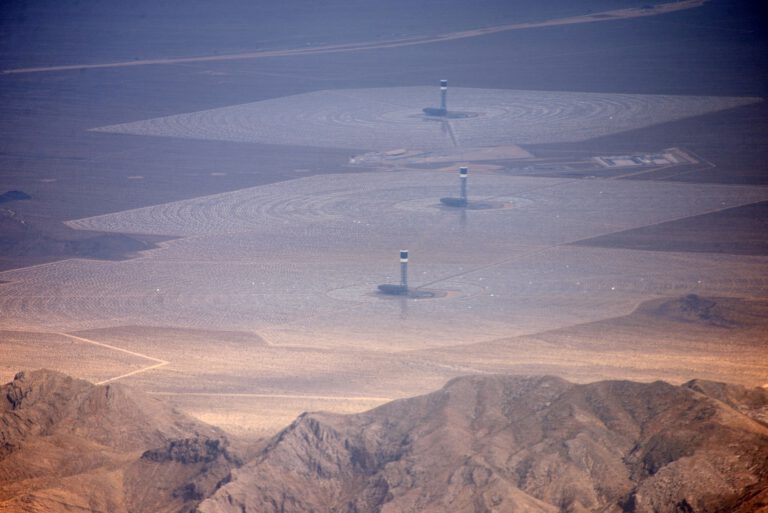
Ivanpah, CSP plant
Is Ivanpah shutting down because of an underhanded deal before Biden left office?

A little-known $15 billion deal between PG&E and the Department of Energy is raising concerns for California residents. The agreement, which will expand hydropower, also includes shutting down the Ivanpah solar plant, which has been providing energy to 140,000 homes.

Without this reliable source of clean energy, California’s already overburdened power grid will struggle, leading to higher energy costs and more frequent blackouts. Critics argue that while PG&E benefits financially, everyday Californians will be left paying the price with increased bills and an even less reliable power system.

Questions are also being raised about possible conflicts of interest with key players in the deal, making it even more controversial. We spoke with one of the main investors of the $2.2 billion Ivanpah plant to learn more.

___

In the final days of the Biden administration, a major energy deal quietly unfolded that could have long-lasting consequences for California’s power grid and taxpayers. A $15 billion loan guarantee from the Department of Energy (DOE) to Pacific Gas & Electric (PG&E) for hydropower expansion has raised concerns about energy reliability, cost, and who ultimately pays the price. This deal, which has been largely unreported, suggests that the Biden administration orchestrated a backroom agreement that benefits PG&E while undermining California’s already fragile grid.

The heart of the issue lies in PG&E’s agreement to buy out Ivanpah’s power purchase agreement (PPA), which will result in the shutdown of the Ivanpah solar plant, a major renewable energy facility. With Ivanpah’s closure, the 140,000 homes it powers will have to rely on the already overburdened grid, especially during peak demand hours. This will further strain the grid at times when energy consumption is highest, leading to more frequent blackouts and an even less reliable power system for California.

Related: what we can learn from Ivanpah’s failure

What’s more concerning is that the energy PG&E will lose from Ivanpah, which can be one of the most affordable sources of power during peak demand, will need to be replaced by energy purchased from the market. However, PG&E’s market purchases are expected to come at a significantly higher cost. These increased costs are likely to be passed on to ratepayers, ultimately negating any supposed savings from the deal and potentially causing long-term rate increases for California consumers. The decision to shut down Ivanpah not only jeopardizes energy reliability but also threatens to undermine the state’s clean energy transition.

A vast field of solar mirrors, at the Ivanpah solar energy facility, reflecting sunlight toward tall central towers, against a desert landscape
Ivanpah solar energy panels

A better alternative would have been for the DOE to restructure Ivanpah’s loan, allowing the facility to remain operational while investing in energy storage technologies to help meet peak demand. “Ivanpah  produces power for 140,000 homes, and has been a reliable source of energy for California residents for over a decade,” said Neal Lee, Vice President of CMB, one of the lead investors in the Ivanpah project to Green Prophet.

Related: Why the Collapse of a $2.2 Billion Solar Dream Threatens the Future of Renewable Energy

“We applaud the Trump Administration’s efforts to unleash the full power of American energy, and rectify the bad deals the previous administration struck that will take energy off the grid. We look forward to working with Secretary Wright to help implement his all-of-the-above energy strategy, and are excited to continue our work with the Department to find more ways to provide affordable, reliable energy during high-demand hours.

“Continued innovation in this plant will expand its capacity and its lifespan, and ensure it powers homes in a state that needs it long into the future,” he added.

Adding to the complexity of this story is the recent hiring of former Energy Secretary Jennifer Granholm to the board of Southern California Edison (SCE), which receives energy from the Ivanpah plant, says an undisclosed source close to the deal.

“We’re thrilled she is joining our boards, and we look forward to the guidance she will provide based on her understanding of the technical, political and economic forces shaping our industry today.” said Pedro J. Pizarro, president and CEO of Edison International, in a statement.

This move raises questions about possible conflicts of interest, given Granholm’s involvement in shaping energy policy during her tenure as Secretary, alludes an advisor working with Lee. “Her new role with SCE has prompted concerns that her influence may have played a role in orchestrating deals like the one between PG&E and the DOE, potentially prioritizing the interests of private energy companies over those of California’s residents,” the source says.

At the heart of this issue is the fact that, while PG&E stands to benefit from the loan guarantee and the Ivanpah deal, it is California’s taxpayers and residents who are left to bear the costs. The shutdown of Ivanpah will weaken the state’s energy infrastructure, could increase the likelihood of blackouts, and may ultimately raise electricity prices. PG&E is under no obligation to replace Ivanpah’s energy at a cost-effective rate, meaning ratepayers are likely to feel the financial strain for years to come. The deal appears to be a short-term gain for PG&E, but at the expense of long-term energy reliability and affordability for California residents, says our source.

__

CMB holds the equity position in Solar Partners that was originally owned by BrightSource (now Kelvin Energy). Solar Partners is a larger group that includes NRG, Google, and Kelvin, all of which own and operate the Ivanpah power plant. CMB is also one of the primary investors in Kelvin Energy, which holds a 13% stake in Solar Partners. In short, CMB is involved both in owning part of the Ivanpah power plant through Solar Partners and as a major investor in Kelvin Energy.