 Years of drought and mass displacement in Syria may have been the straw that broke the camel’s back and led to the ongoing uprising
Following the eruption of revolts and riots in 2011 which later became the Arab Spring, the link between food prices and rising political opposition was a difficult one to ignore. The Arab revolutions had been sparked by the actions of a desperate young man who set himself alight in Sidi Bouzid after being forbidden from selling his produce at market. People across the region were also vocally unhappy with the rising price of basic foods and falling wages – in Egypt, loaves of bread were waved in protests to highlight this struggle. The link between climate change related factors and the war in Syria, however, hasn’t been as widely discussed. Yet, drought and ineffective water and agricultural policies are believed to have contributed to the uprisings and should “serve as a warning of the potential impact of climate change on political stability.”

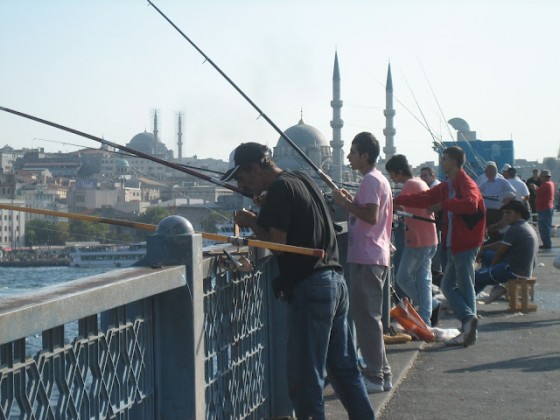 New regulations will restrict fishermen in Turkey from catching juvenile fish and using dragnets in shallow waters. But environmentalists say the laws don’t go far enough.