Neom, a bombastic collection of futuristic cities and resorts, has flopped as Saudi oil prices roll back reality. The Saudi plan of hosting the 2029 Asian games to be held at Trojena, a ski report in the desert, has been cancelled.
A large sperm whale has washed ashore on Zikim Beach in southern Israel, marking only the eighth documented case of its kind along the country’s Mediterranean coast since monitoring began.
For millennia, the Middle East's water crisis seemed an immutable fact of geography — a region defined as much by what it lacked as by what lay beneath its sands. Today, a convergence of plummeting solar costs, advancing membrane technology, and hard-won engineering expertise is rewriting that story.
Neom, a bombastic collection of futuristic cities and resorts, has flopped as Saudi oil prices roll back reality. The Saudi plan of hosting the 2029 Asian games to be held at Trojena, a ski report in the desert, has been cancelled.
A large sperm whale has washed ashore on Zikim Beach in southern Israel, marking only the eighth documented case of its kind along the country’s Mediterranean coast since monitoring began.
For millennia, the Middle East's water crisis seemed an immutable fact of geography — a region defined as much by what it lacked as by what lay beneath its sands. Today, a convergence of plummeting solar costs, advancing membrane technology, and hard-won engineering expertise is rewriting that story.
Neom, a bombastic collection of futuristic cities and resorts, has flopped as Saudi oil prices roll back reality. The Saudi plan of hosting the 2029 Asian games to be held at Trojena, a ski report in the desert, has been cancelled.
A large sperm whale has washed ashore on Zikim Beach in southern Israel, marking only the eighth documented case of its kind along the country’s Mediterranean coast since monitoring began.
For millennia, the Middle East's water crisis seemed an immutable fact of geography — a region defined as much by what it lacked as by what lay beneath its sands. Today, a convergence of plummeting solar costs, advancing membrane technology, and hard-won engineering expertise is rewriting that story.
Neom, a bombastic collection of futuristic cities and resorts, has flopped as Saudi oil prices roll back reality. The Saudi plan of hosting the 2029 Asian games to be held at Trojena, a ski report in the desert, has been cancelled.
A large sperm whale has washed ashore on Zikim Beach in southern Israel, marking only the eighth documented case of its kind along the country’s Mediterranean coast since monitoring began.
For millennia, the Middle East's water crisis seemed an immutable fact of geography — a region defined as much by what it lacked as by what lay beneath its sands. Today, a convergence of plummeting solar costs, advancing membrane technology, and hard-won engineering expertise is rewriting that story.
Neom, a bombastic collection of futuristic cities and resorts, has flopped as Saudi oil prices roll back reality. The Saudi plan of hosting the 2029 Asian games to be held at Trojena, a ski report in the desert, has been cancelled.
A large sperm whale has washed ashore on Zikim Beach in southern Israel, marking only the eighth documented case of its kind along the country’s Mediterranean coast since monitoring began.
For millennia, the Middle East's water crisis seemed an immutable fact of geography — a region defined as much by what it lacked as by what lay beneath its sands. Today, a convergence of plummeting solar costs, advancing membrane technology, and hard-won engineering expertise is rewriting that story.
Neom, a bombastic collection of futuristic cities and resorts, has flopped as Saudi oil prices roll back reality. The Saudi plan of hosting the 2029 Asian games to be held at Trojena, a ski report in the desert, has been cancelled.
A large sperm whale has washed ashore on Zikim Beach in southern Israel, marking only the eighth documented case of its kind along the country’s Mediterranean coast since monitoring began.
For millennia, the Middle East's water crisis seemed an immutable fact of geography — a region defined as much by what it lacked as by what lay beneath its sands. Today, a convergence of plummeting solar costs, advancing membrane technology, and hard-won engineering expertise is rewriting that story.
Neom, a bombastic collection of futuristic cities and resorts, has flopped as Saudi oil prices roll back reality. The Saudi plan of hosting the 2029 Asian games to be held at Trojena, a ski report in the desert, has been cancelled.
A large sperm whale has washed ashore on Zikim Beach in southern Israel, marking only the eighth documented case of its kind along the country’s Mediterranean coast since monitoring began.
For millennia, the Middle East's water crisis seemed an immutable fact of geography — a region defined as much by what it lacked as by what lay beneath its sands. Today, a convergence of plummeting solar costs, advancing membrane technology, and hard-won engineering expertise is rewriting that story.
Neom, a bombastic collection of futuristic cities and resorts, has flopped as Saudi oil prices roll back reality. The Saudi plan of hosting the 2029 Asian games to be held at Trojena, a ski report in the desert, has been cancelled.
A large sperm whale has washed ashore on Zikim Beach in southern Israel, marking only the eighth documented case of its kind along the country’s Mediterranean coast since monitoring began.
For millennia, the Middle East's water crisis seemed an immutable fact of geography — a region defined as much by what it lacked as by what lay beneath its sands. Today, a convergence of plummeting solar costs, advancing membrane technology, and hard-won engineering expertise is rewriting that story.
Summer’s in its last laps: a new school year’s looming. Green up the school day with 10 easy tips
Wherever you live around the world, it’s probably time to start the school year at the end of the summer. Here are some tips to pass on to parents with kids. They’re also good for high-school and college kids to follow.
1. Put the word out on Facebook or Craigslist or Freecycle that you’re in the market for staplers, rulers and scissors: bet you’ll be rained on with a “loaves and fishes” appearance of everyone’s extra office supplies. If you must buy, check out biodegradable pencils and vintage refillable fountain pens.
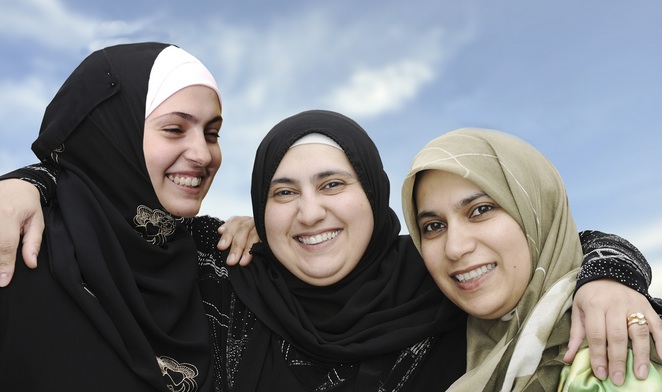
The patriarchal kingdom of Saudi Arabia creates an all-female city where (the arguably better half) of humanity can work freely, within Islamic guidelines.
Saudi Arabia has an increasingly educated female population, but its ultraconservative interpretation of Wahabi sharia law and rigid tribal customs forbid women from interacting with men. The upshot is chronic female unemployment. An utterly Saudi solution is underway. Why shift cultural mores, when, instead, you can raise up a completely new, self-sustaining city that will be fully devoid of men? The pilot project will go live in 2012 in the Eastern Province city of Hofuf. Smaller “ladies-only” communities will then pop up in capital city Riyadh.
According to scientists from Canada and the Netherlands, the world is depleting underground water reserves faster than they can be replenished
In the Middle East, water shortages are a widely accepted reality which many countries are trying to fight head on. Worldwide, however, the issue is not so pressing with environmental issues such as energy and emissions taking centre stage. Despite this, new research from McGill University in Montreal and Utrecht University in the Netherlands indicates that the world is increasingly dependent on an unsustainable supply of groundwater. They estimate that the world’s ‘water footprint’, which is defined as the area above ground required to sustain groundwater use, is about 3.5 times the actual area of the available aquifers. And this has huge implications not only on water supplies but for food and political security too.
Some of the most fashionable people on the planet, the Lebanese are also very concerned about what people think of them. But the lovely Yasmina Sawma of Tchensol is shaking things up a bit with an intriguing new line of re-purposed accessories. The trained interior architect converts LEGO pieces into chunky earrings and rings, strings stuffed grape leaves together into a bracelet and even chops off the tips of coloring pencils to make bright and cheerful rings.
World food prices soared over 6 percent in July according to the United Nations’ Food and Agriculture Organization. Prices are continuing to rise, and food security is already a constant threat in the West Bank and Gaza.
The Applied Research Institute in Jerusalem estimates that over half the households in Gaza are food insecure, and almost 80 percent of households in Gaza are reliant on relief support. The institute estimates there are up to 550,176 food insecure persons in the West Bank, 22 percent of the population, and 829,954 in the Gaza Strip, around 52 percent. In the West Bank, those living along the border and separation barrier experience higher levels of food insecurity. These dire circumstances need innovative, domestic solutions.
Israel’s Deputy Foreign Minister, Danny Ayalon, landed on Monday in Addis Ababa, Ethiopia. He continued on to Uganda and Kenya, where he will inaugurate two Israeli-cooperation projects in agriculture and health. According to Gil Haskel, Israel’s ambassador to Uganda, the Jewish state is interested in strengthening agricultural cooperation and collaboration with Uganda.
Agriculture and water are becoming the foundation for a new era of Israeli relations with African states.
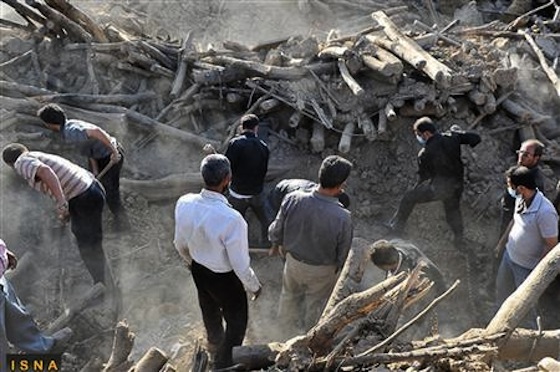
Over the weekend, two earthquakes measuring 6.3 and 6.4 on the richter scale hit the country’s east Azerbaijan province, killing at least 360 people and displacing and injuring thousands more.
Most of these casualties occurred because poorly-constructed buildings made with cheap materials collapsed, according to Kaveh Samiei, principal architect at AAG and a lecturer at Semnan University, crushing their inhabitants.
Leading causes of earthquake casualties
The Iranian authorities have been criticized for their emergency response to the earthquakes over the weekend after search and rescue efforts were called off within less than 24 hours.
But the Foundation of Housing, a branch of the Roads and Urbanism ministry should also be held to account as the development of rural areas falls under their jurisdiction.
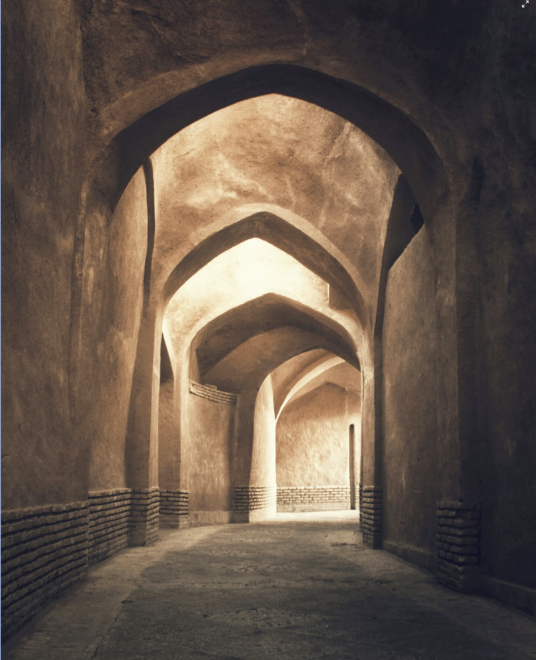
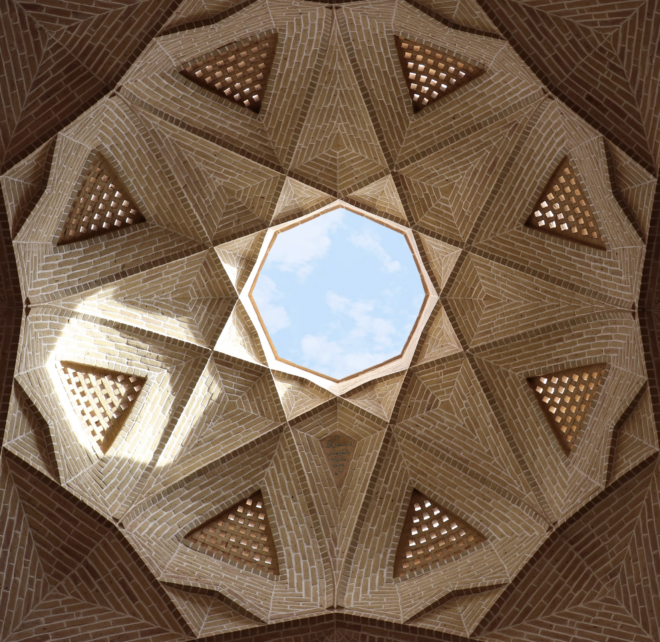
Yakhchal (Meybod), Yazd, Iran
The University of Tulane in the United States sites three main causes of high casualties in areas that are prone to earthquakes: a) population density, b) construction standards, and c) emergency preparedness.
Given that Iran is one of the most seismically-active areas in the world and that 126,000 people have been killed in earthquakes since 1900, the government should map fault lines and establish building codes accordingly.
“We can’t prevent earthquakes from happening,” Samiei told Green Prophet in an email interview, “but at least we can prevent the deaths of hundreds of people that are caused by collapsed buildings.”
Crushed by the earth in Bam, Iran
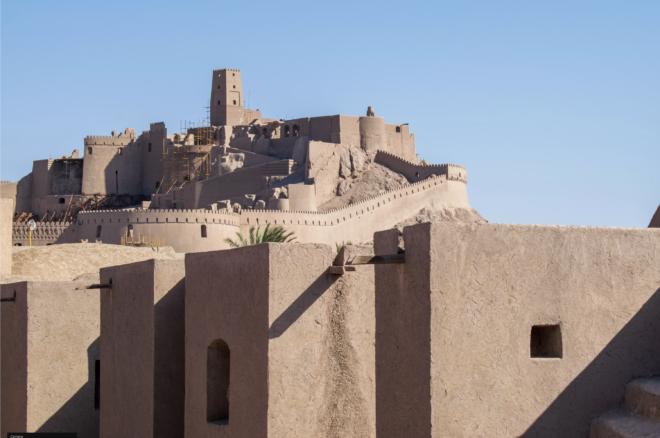
Bam Citadel, Iran
“If we can build safe and resistant structures, then we will decrease the rate of deaths and injuries,” he added.
Samiei explained that most rural Iranians live in buildings that have bulky walls and wooden ceilings that crush residents when large earthquakes strike.
“In the recent earthquake, almost all of the buildings that were damaged were constructed in this way. And exactly the same thing happened in Bam.”
“The experience of some countries like Japan shows that it is possible to construct safer buildings,” the architect continued. He said that the use of “lightweight” construction materials in Japan is a strategic approach that could be implemented in Iran, though he emphasized that technology should be supplemented with appropriate safety education and disaster preparedness.
Earthquake preparedness in earth buildings
The worst earthquake in recorded human history killed 830,000 people in 1556, according to Tulane researchers. Most of the casualties were living in wind-deposited silt and clay caves in Shaaxi, China.
Earth construction may be great for staying cool in hot climates and reducing waste of natural resources, but this kind of construction must be coupled with sophisticated engineering to ensure safety – especially along fault lines.
“In some parts of Iran it will be necessary to deconstruct nearly 100% of the existing buildings and plan a new village,” Samiei warns.
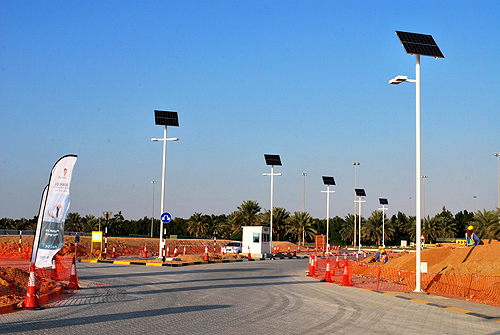
Sustainable public lighting is mandated in Abu Dhabi City.
Over 6,000 units of sustainable public lighting have been installed across Abu Dhabi’s capital, as part of three separate projects carried out over the past year, according to a statement released to Gulf News by the Municipality of Abu Dhabi City . The light fixtures conform to sustainability standards specified in Abu Dhabi emirate’s Sustainable Public Lighting Strategy. That program was decreed by the Department of Municipal Affairs, which oversees the municipality, along with Al Ain Municipality and the Western Region Municipality.
A new campaign attempts to stop a hunting deal in Tanzania forcing 48,000 members of Africa’s Maasai tribe off their land so Middle Eastern royalty can hunt lions and leopards in the Serengeti
The Middle East’s love affair with wild animals has hit the headlines again. No, there haven’t been sightings of cheetahs on the streets of Dubai or dead wolves and owls on parade, rather Middle Eastern royals are being accused of aiding a massive sell-off of the Serengeti. And in a new twist to the land-grab meme, this land sell-off is not to secure access to precious food supplies but, rather, to indulge in the hunting whims of the Middle East’s elite.
The campaigning group Avaaz has launched a online petition to ask Tanzania’s President Kikwete to reject the hunting corporation’s big deal and stop the sell-off of the Serengeti.
“The last time this same corporation pushed the Maasai off their land to make way for rich hunters, people were beaten by the police, their homes were burnt to a cinder and their livestock died of starvation” explains Avaaz via email to Green Prophet.
“But when a press controversy followed, Tanzanian President Kikwete reversed course and returned the Maasai to their land. This time, there hasn’t been a big press controversy yet, but we can change that and force Kikwete to stop the deal if we join our voices now.”
Oxfam, an international charity, also reported on the eviction which took place in July 2009 in Tanzania leaving nearly 2,000 people homeless. They aded that “two of the most infamous land conflicts are with Emirates hunting company Ortello Business Corporation and American-owned Thomson Safaris Ltd.”
As of August 13, more than 400,000 people had signed the petition in just 24 hours and Avaaz reported that President Kikwete’s inner circle was starting to react: “ a few hours ago, the President’s close confidante, Mr. January Makamba MP, tweeted saying he would send our voices to the President himself. Keep up the pressure by signing now and forwarding to others.”
The Maasai are semi-nomadic herders who have lived in Tanzania and Kenya for centuries, playing a critical role in preserving the delicate ecosystem and wildlife of the Serengeti. As such, a deal to evict the Maasai to make way for rich foreign hunters is as bad for wildlife as it is for the communities it would destroy.
Olympians Wojdan Shaherkani and Sarah Attar landed world records before the Games even began. But online they battle a new war where social media is calling them the “Prostitutes of the Olympics”
You know the story: two teens arrived in London as the first women athletes to ever represent the Kingdom of Saudi Arabia (KSA), where conservative clerics forbid women’s participation in sports. KSA wasn’t alone in coming late to the party: Brunei and Qatar also sent female athletes for the first time this year. But the post-Olympiad tongue-lashing these women are now suffering sets Saudi culture apart once again.
Saudi delayed until mid-July the announcement that their Olympic team would include women, a decision following months of negotiations between their government and the International Olympic Committee (IOC). Without women in their ranks, the KSA Olympic team would’ve likely been disqualified.
Saudi women lack the framework to develop into world-class athletes: they’re forbidden from entering all-male national trials, making it impossible for them to qualify for international competitions. So these competitors never actually qualified for their events, but, instead, were given special invitations by the IOC.
Their performances were unimpressive. Shaherkani was defeated in her first judo match after only 82 seconds and Attar finished last in her 800-meter dash. The results were not surprising; but how brave for these underpups to compete. What was surprising were horrendous comments uploaded on social media.
Researchers who collected and studied 100 pale grass blue butterflies from the Fukushima prefecture following last year’s nuclear meltdown have discovered serious mutations resulting from exposure to radiation. The butterflies, which were collected two months after the March, 2011 earthquake and tsunami caused the worst nuclear disaster since Chernobyl, had abnormalities in their legs, antennae and abdomens, as well as dents in their eyes. Some of them had broken or wrinkled wings and changes in wing size and markings.
A team of British researchers devised a calculator that weighs you against the world.
Did Olympic fever catch you? Itching to get sporty and lean? Before jumping into a new exercise routine, of course respect that classic disclaimer: first consult your doctor, who will check your weight and height and calculate your body mass.
A shortage of tents and an overseas trip taken by Ahmadinejad has sparked criticism of the Iranian government’s response following the devastating earthquake which hit the country
On Saturday afternoon, two earthquakes with magnitudes of 6.4 and 6.3 hit the East Azerbaijan province of Iran. Entire villages were flattened instantly, 360 people were killed and thousands were injured and displaced in the surrounding towns. Less than 24 hours later, officials announced that search and rescue operations had finished and all survivors had been freed from the rubble.
However, those who know the area well insist that it would have been impossible to finish the rescue mission so soon. Locals explain that some villages are unreachable by car and so it would have taken time to get to there and assist those trapped. This, as well as the shortage of tents for the displaced, has sparked criticisms of the Iranian government’s response to the crisis.
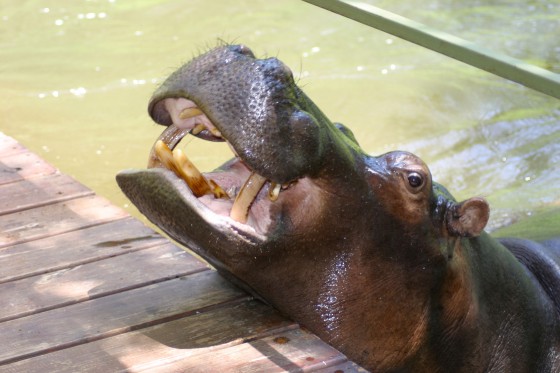
Africa’s most dangerous animal will make its debut in time for the upcoming Eid holiday at the Al Ain zoo in the United Arab Emirates. The hippopotamus (Hippopotamus amphibius) is a massive herbivore that roams swamps and shallow waters throughout sub-saharan Africa.
My stepmother kissed Jessica the Hippo on her rubbery snout last year in South Africa, but get between a normal mother and her calf, and you may as well say your prayers.
The most creative design solutions are often spurred by the tightest restrictions and this is definitely true of the new loveat branch in Jaffa, Israel. Commissioned to transform a 20th century orange-packing plant just south of Tel Aviv into a hip new coffee shop, Ronen Levin and Eran Chehanowitz faced several challenges.
Not only were they prohibited from making any adjustments to walls and facades given the building’s historical nature, but glass louvers on three sides made establishing non-public areas an issue. Hit the jump to find out how the design team surmounted these obstacles to produce a fresh, industrial-chic space that both locals and visitors will enjoy.


 Summer’s in its last laps: a new school year’s looming. Green up the school day with 10 easy tips