Maggie Baird, best known as the mother of Billie Eilish and Finneas O’Connell, is stepping into a much larger spotlight, this time as a climate storyteller.
Tillage is one of the clearest signals of how a farm treats its soil. Intensive plowing can degrade structure, release carbon, and increase erosion. Conservation practices—no-till, cover cropping, minimal disturbance—do the opposite. They build soil, retain water, and support biodiversity. But until now, measuring these practices at scale has been slow, expensive, and often self-reported.
Hydrophilis, Oliver Isler’s experimental rebreather suit, reimagines diving by reducing drag, eliminating bubbles, and bringing humans closer to the natural movement of marine life.
If you work as a roofer, landscaper, pool builder, or in construction, installing garden slabs or solar panels, building sheds, or working on outdoor home improvement projects, take note of new research that can help you protect your heart.
Maggie Baird, best known as the mother of Billie Eilish and Finneas O’Connell, is stepping into a much larger spotlight, this time as a climate storyteller.
Tillage is one of the clearest signals of how a farm treats its soil. Intensive plowing can degrade structure, release carbon, and increase erosion. Conservation practices—no-till, cover cropping, minimal disturbance—do the opposite. They build soil, retain water, and support biodiversity. But until now, measuring these practices at scale has been slow, expensive, and often self-reported.
Hydrophilis, Oliver Isler’s experimental rebreather suit, reimagines diving by reducing drag, eliminating bubbles, and bringing humans closer to the natural movement of marine life.
If you work as a roofer, landscaper, pool builder, or in construction, installing garden slabs or solar panels, building sheds, or working on outdoor home improvement projects, take note of new research that can help you protect your heart.
Maggie Baird, best known as the mother of Billie Eilish and Finneas O’Connell, is stepping into a much larger spotlight, this time as a climate storyteller.
Tillage is one of the clearest signals of how a farm treats its soil. Intensive plowing can degrade structure, release carbon, and increase erosion. Conservation practices—no-till, cover cropping, minimal disturbance—do the opposite. They build soil, retain water, and support biodiversity. But until now, measuring these practices at scale has been slow, expensive, and often self-reported.
Hydrophilis, Oliver Isler’s experimental rebreather suit, reimagines diving by reducing drag, eliminating bubbles, and bringing humans closer to the natural movement of marine life.
If you work as a roofer, landscaper, pool builder, or in construction, installing garden slabs or solar panels, building sheds, or working on outdoor home improvement projects, take note of new research that can help you protect your heart.
Maggie Baird, best known as the mother of Billie Eilish and Finneas O’Connell, is stepping into a much larger spotlight, this time as a climate storyteller.
Tillage is one of the clearest signals of how a farm treats its soil. Intensive plowing can degrade structure, release carbon, and increase erosion. Conservation practices—no-till, cover cropping, minimal disturbance—do the opposite. They build soil, retain water, and support biodiversity. But until now, measuring these practices at scale has been slow, expensive, and often self-reported.
Hydrophilis, Oliver Isler’s experimental rebreather suit, reimagines diving by reducing drag, eliminating bubbles, and bringing humans closer to the natural movement of marine life.
If you work as a roofer, landscaper, pool builder, or in construction, installing garden slabs or solar panels, building sheds, or working on outdoor home improvement projects, take note of new research that can help you protect your heart.
Maggie Baird, best known as the mother of Billie Eilish and Finneas O’Connell, is stepping into a much larger spotlight, this time as a climate storyteller.
Tillage is one of the clearest signals of how a farm treats its soil. Intensive plowing can degrade structure, release carbon, and increase erosion. Conservation practices—no-till, cover cropping, minimal disturbance—do the opposite. They build soil, retain water, and support biodiversity. But until now, measuring these practices at scale has been slow, expensive, and often self-reported.
Hydrophilis, Oliver Isler’s experimental rebreather suit, reimagines diving by reducing drag, eliminating bubbles, and bringing humans closer to the natural movement of marine life.
If you work as a roofer, landscaper, pool builder, or in construction, installing garden slabs or solar panels, building sheds, or working on outdoor home improvement projects, take note of new research that can help you protect your heart.
Maggie Baird, best known as the mother of Billie Eilish and Finneas O’Connell, is stepping into a much larger spotlight, this time as a climate storyteller.
Tillage is one of the clearest signals of how a farm treats its soil. Intensive plowing can degrade structure, release carbon, and increase erosion. Conservation practices—no-till, cover cropping, minimal disturbance—do the opposite. They build soil, retain water, and support biodiversity. But until now, measuring these practices at scale has been slow, expensive, and often self-reported.
Hydrophilis, Oliver Isler’s experimental rebreather suit, reimagines diving by reducing drag, eliminating bubbles, and bringing humans closer to the natural movement of marine life.
If you work as a roofer, landscaper, pool builder, or in construction, installing garden slabs or solar panels, building sheds, or working on outdoor home improvement projects, take note of new research that can help you protect your heart.
Maggie Baird, best known as the mother of Billie Eilish and Finneas O’Connell, is stepping into a much larger spotlight, this time as a climate storyteller.
Tillage is one of the clearest signals of how a farm treats its soil. Intensive plowing can degrade structure, release carbon, and increase erosion. Conservation practices—no-till, cover cropping, minimal disturbance—do the opposite. They build soil, retain water, and support biodiversity. But until now, measuring these practices at scale has been slow, expensive, and often self-reported.
Hydrophilis, Oliver Isler’s experimental rebreather suit, reimagines diving by reducing drag, eliminating bubbles, and bringing humans closer to the natural movement of marine life.
If you work as a roofer, landscaper, pool builder, or in construction, installing garden slabs or solar panels, building sheds, or working on outdoor home improvement projects, take note of new research that can help you protect your heart.
Maggie Baird, best known as the mother of Billie Eilish and Finneas O’Connell, is stepping into a much larger spotlight, this time as a climate storyteller.
Tillage is one of the clearest signals of how a farm treats its soil. Intensive plowing can degrade structure, release carbon, and increase erosion. Conservation practices—no-till, cover cropping, minimal disturbance—do the opposite. They build soil, retain water, and support biodiversity. But until now, measuring these practices at scale has been slow, expensive, and often self-reported.
Hydrophilis, Oliver Isler’s experimental rebreather suit, reimagines diving by reducing drag, eliminating bubbles, and bringing humans closer to the natural movement of marine life.
If you work as a roofer, landscaper, pool builder, or in construction, installing garden slabs or solar panels, building sheds, or working on outdoor home improvement projects, take note of new research that can help you protect your heart.
Silver, gold, oil, stocks, bonds, real estate! I won’t pretend to know more than the investment experts, but many people lost a lot of money following their advice. Why have these experts overlooked a resource that is guaranteed to rise– even if only within the confines of a lost balloon? Yes I’m talking about helium! Helium (He) is the second lightest element with an atomic number 2. Unlike hydrogen, which destroyed the Hindenburg, helium adds non-flammable fun to birthday parties. It also cools superconducting magnets in MRI medical scanners, helps with the manufacture of microchips and makes everyone sound just like Donald Duck.
Defying the Iraqi central government, the Kurdistan Regional Government (KRG) has begun selling gas directly to Turkey. Crude oil sales will also begin soon.
Five tankers crossed the border from the KRG into Turkey in July, marking the first exchange of oil or gas between the two governments. The trade was just a harbinger of a bigger hydrocarbon trading relationship between them, according to a recent report in Reuters. For Turkey, the KRG represents a new source of oil and gas imports, to which Turkey has long been addicted. For the KRG, the opportunity to trade with Turkey is a way of flaunting its independence from Baghdad and demonstrating the value of its resources.
The cedar tree, Lebanon’s national symbol , has been for centuries overused by various civilizations. Reforestation might not bring them back from the brink.
The Cedar of Lebanon, Cedrus Libani, is an evergreen coniferous plant native to Lebanon, Syria and southern Turkey. Cedar forests once covered the entire Mount Lebanon chain but the cedar,an emblem of Lebanese patriotism, now represents only 2,000 hectares (0.4% of original estimated forest cover).
The history of Lebanon’s cedar tree decline is long. The superb quality of the cedar wood in terms of color, hardness, fragrance, resistance to insects humidity and temperature has made it one of the most sought after raw materials, resulting in mass deforestation. The sheer significance of the cedar of Lebanon to various civilizations and religions can be illustrated through its uses.
Bake a batch of honeyed cookies for the Jewish New Year.
Symbol of all things sweet and good, honey is part of many Rosh HaShanah recipes. Here at Green Prophet, we use only chemical-free honey.
Our popular honey cake (see below) is based on a traditional recipe, and so are these honey cookies. German immigrants brought the recipe to Israel in the nation’s early years, and now all ethnic groups regard them as standard Rosh Hashanah fare. Kids especially love these cookies, maybe because they fit into the hand comfortably and can be eaten on the run.
A recipe for honey cake is great for the Jewish New Year
Honey Cookies – The Recipe
24 cookies
Ingredients:
1 cup white sugar
1 cup shortening
1 cup honey
2 eggs
1 teaspoon vanilla extract
1 teaspoon baking soda
4 cups all-purpose flour
1 teaspoon ground ginger
Confectioner’s sugar to dust over cookies – about 1 -1/2 cup
Mix sugar, shortening and honey in a pan and cook over low heat till blended. Cool the mixture.
Mix eggs, vanilla, baking soda and ginger. Gradually add to cooled honey mixture.
Add flour to mixture, 1/2 cup at a time. Stir well between additions until you have a smooth dough.
Form teaspoon-sized balls and roll each one in confectioner’s sugar.
Drop onto cookie sheets about 2 inches apart.
Bake at 350° F – 180° C 12-15 minutes or until a golden brown.
This recipe calls for marinating lamb cubes overnight in pomegranate molasses, a sweet, thick reduction of pomegranate juice. We have a recipe for it here. Then it takes only 15 minutes to cook. Have ready rice, a variety of salads, hummous to spread on your challah, and one holiday meal is ready to set on the table.
Lamb Kebabs in Pomegranate Molasses
6 servings
Ingredients:
1/2 cup pomegranate syrup
1/3 cup olive oil
1 tablespoon lemon juice
1-1/2 teaspoons salt
1/2 teaspoon pepper
2 cloves garlic, chopped fine
2 bay leaves
1/2 teaspoon dried thyme
1 kg. – 2 lb. boneless lamb shoulder, cubed into pieces 1-1/2 inch large. Read our post on visiting a family ritual slaughter in Jaffa, Israel.
How to make lamb kebabs
Combine pomegranate molasses, olive oil, lemon juice, salt, pepper, garlic, bay leaves and thyme in a large container. Add the lamb, tossing it to coat with the marinade. Cover tightly and refrigerate overnight.
Remove lamb from marinade and reserve the marinade. Skewer the lamb.
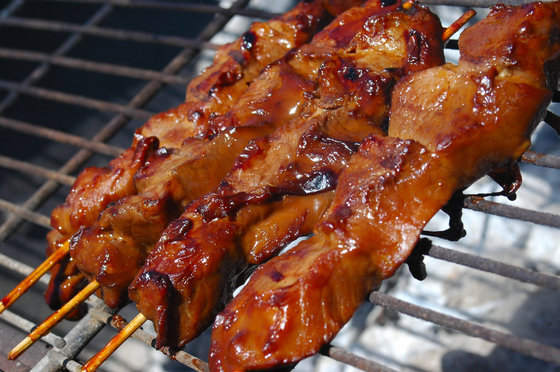
Grill kebabs over medium heat, turning often and basting with reserved marinade until the meat is brown on the outside and medium-rare on the inside, about 10 to 15 minutes.
Enjoy!
Recipes to round out the menu starring lamb kebabs:
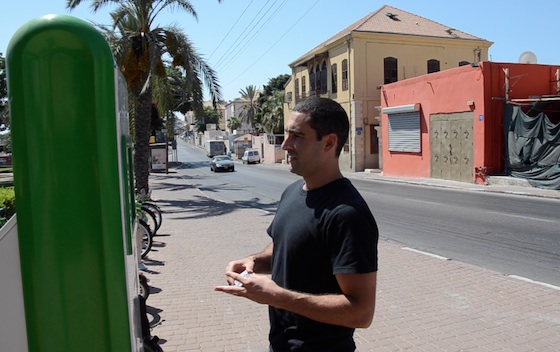
We didn’t have a camera with us at the time, so we invited Tel Aviv native Daniel to join us at the same station about two weeks later in order to put the system to the test again. His experience was much better than ours. Hit the jump to watch our small video clip of Daniel hiring a Tel-o-Fun bicycle and find out how his experience compared with ours.
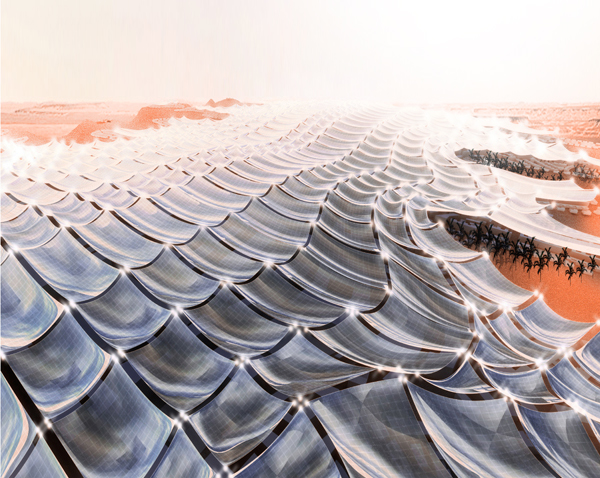
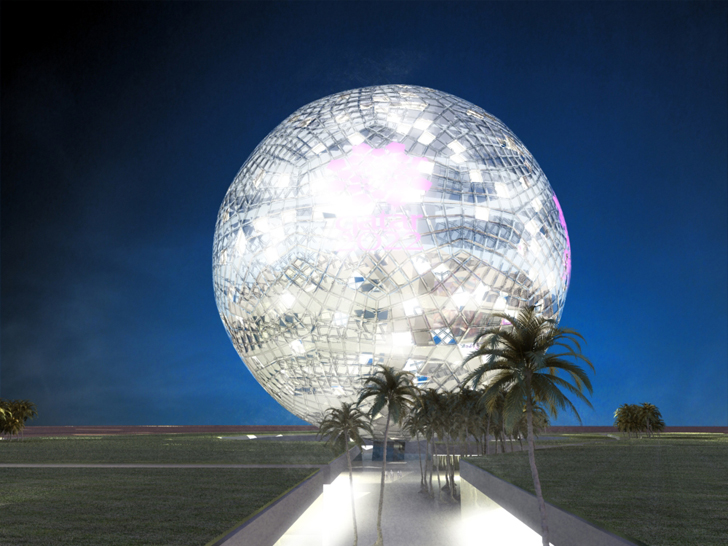
MIT student Otto Ng proposes to solar-power the Arabian peninsula with more than 10,000 square kilometers of Powerscape – a tensile solar-collecting canopy comprised of inflatable mirrors. The problem with solar power, says Ng in a TED presentation, is the great amount of space required to produce the same amount of energy as a conventional power plant.
So, unless we’re making beautiful power stations a la the Land Art Generator Initiative, we’re sapping up precious land with ugly, resource-intensive solar collectors du jour. Ng proposes instead to cover the desert with an energy-generating canopy that also provides shade and a comfortable microclimate.
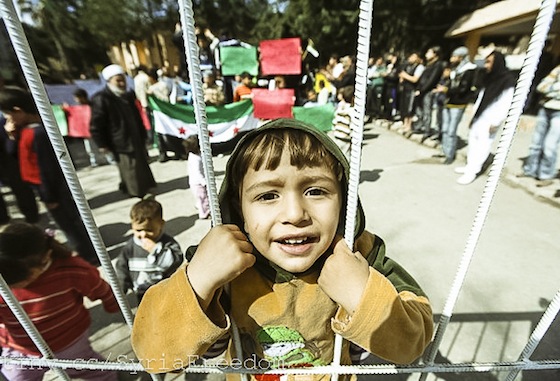
We speak to Shahrzad Mohtadi about the devastated drought that crippled Syria’s food centre and shook Assad’s political stability
The link between climate change and political instability may still be ambiguous, but recent research is uncovering a connection between sustainable water and food policies and the survival of governments. Shahrzad Mohtadi found that whilst a prelonged drought in Syria may not have caused the political uprising, the Assad regime’s failure to deal with it effectively certainly did. “Assad promoted water intensive crops such as cotton, while not providing efficient methods of watering such crops. There were many such policies that created a scenario where the drought’s effects were even more devastating than they otherwise would have been,” say Mohtadi.
“So one can’t say climate change will create a domino effect of instability and migration whatsoever – but Syria’s case is a warning that developing nations… should create sustainable agricultural policies.” I spoke with Shahrzad Mohtadi to find out more about the devastating drought in Syria and what other Middle Eastern nations need to do to protect their dwindling water resources – and their political stability.
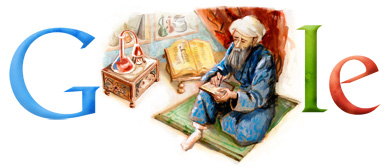
Google does it again: sliding big history lessons into my idle internet surfing.
This week in Jordan, the Google image was of Middle Eastern pharmacist, physician and alchemist, Muhammad ibn Zakariya al-Razi, the preeminent man of science of his time, and beyond. If Guinness doled out world records in Razi’s day, this 9th century Persian would best swimmer Michael Phelps in a stack of “firsts”: but Razi’s events were in the pool of medical research, clinical care and chemistry.
Razi dabbled in alchemy and discovered numerous compounds and chemicals, including kerosene. An early proponent of experimental medicine, he was one of science’s most prolific authors and arguably the most original of all the world’s physicians. The Encyclopedia of Islam said,”Razi remained up to the 17th century the indisputable authority of medicine.”
Educated in music, mathematics, philosophy, and metaphysics, Razi chose medicine as his day job. He differentiated smallpox from measles, and made distinctions between curable and incurable diseases.
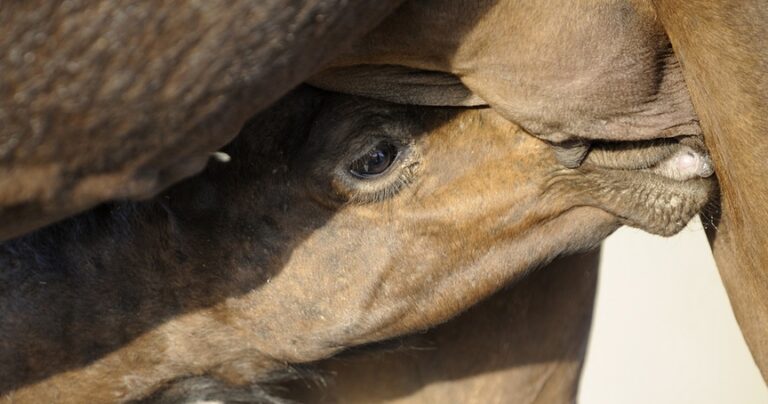
Dubai’s dream of exporting fresh camel milk to the rest of the world will soon become reality.
Green Prophet’s been doing alot of yakking about camels lately. Prepare to hear a lot more as the camel products go commercially global. Camel milk is a healthy alternative to cow milk; Camel milk is for good for diabetics. Camel milk’s been sold in supermarkets throughout the United Arab Emirates (UAE) for several years, and it may soon be approved for export to the European Union, but this means that the UAE’s two commercial dairy camel farms must quickly gear up to meet expected demand. Extracting camel milk is tricky business. These “ships of the desert” are rock-star temperamental.
Sol Chip’s technology will allow small devices to run indefinitely without replacing and disposing of those silly lithium batteries.
A tale of two wafers: Both begin as 99.9999999 percent pure silicon, one of the basic ingredients in desert sand. A furnace melts the silicon and controls the cooling and growing of a mono-crystalline cylindrical ingot which is then sliced into standard 100 to 300mm (4 to 7.5 inch) wafers. Infinitesimal quantities of doping materials are added to change the wafer into a semiconductor with the correct properties to become either a microchip or a photovoltaic solar cell. From this point these two types of wafers go their separate ways and give little indication of their common roots. But now a company named Sol Chip of Haifa Israel intends to combine these two silicon-based technologies to make solar-powered microchips.
Alzainah Albabtain, a 22 year old student, is growing her own food in the scorching heat of Kuwait and wants others to give it go too
A green fingered student from Kuwait is taking the blogosphere by storm with her ‘It All Grows’ blog. Filled to the rafters with gorgeous photos of lovely fruit and veg, recipes, and gardening tips, Alzainah wants to prove that “good fruits and vegetables don’t have to travel across the world to make it to your plate.” I caught up with her to find out how she got hooked on gardening and her insider tips for growers in the Middle East.
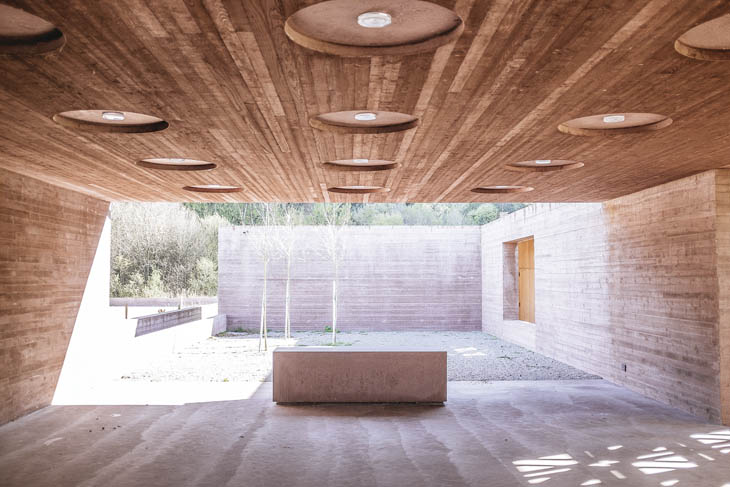
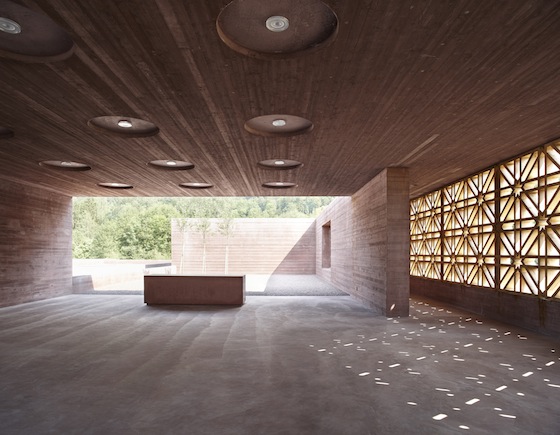
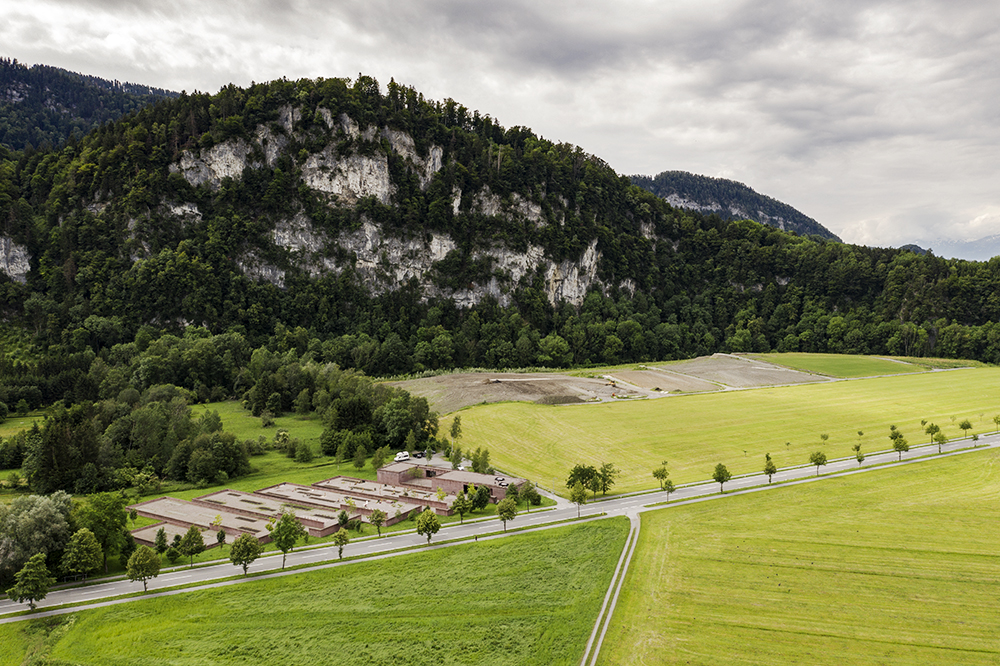
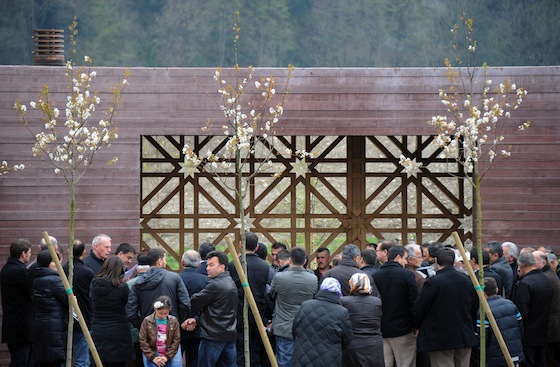
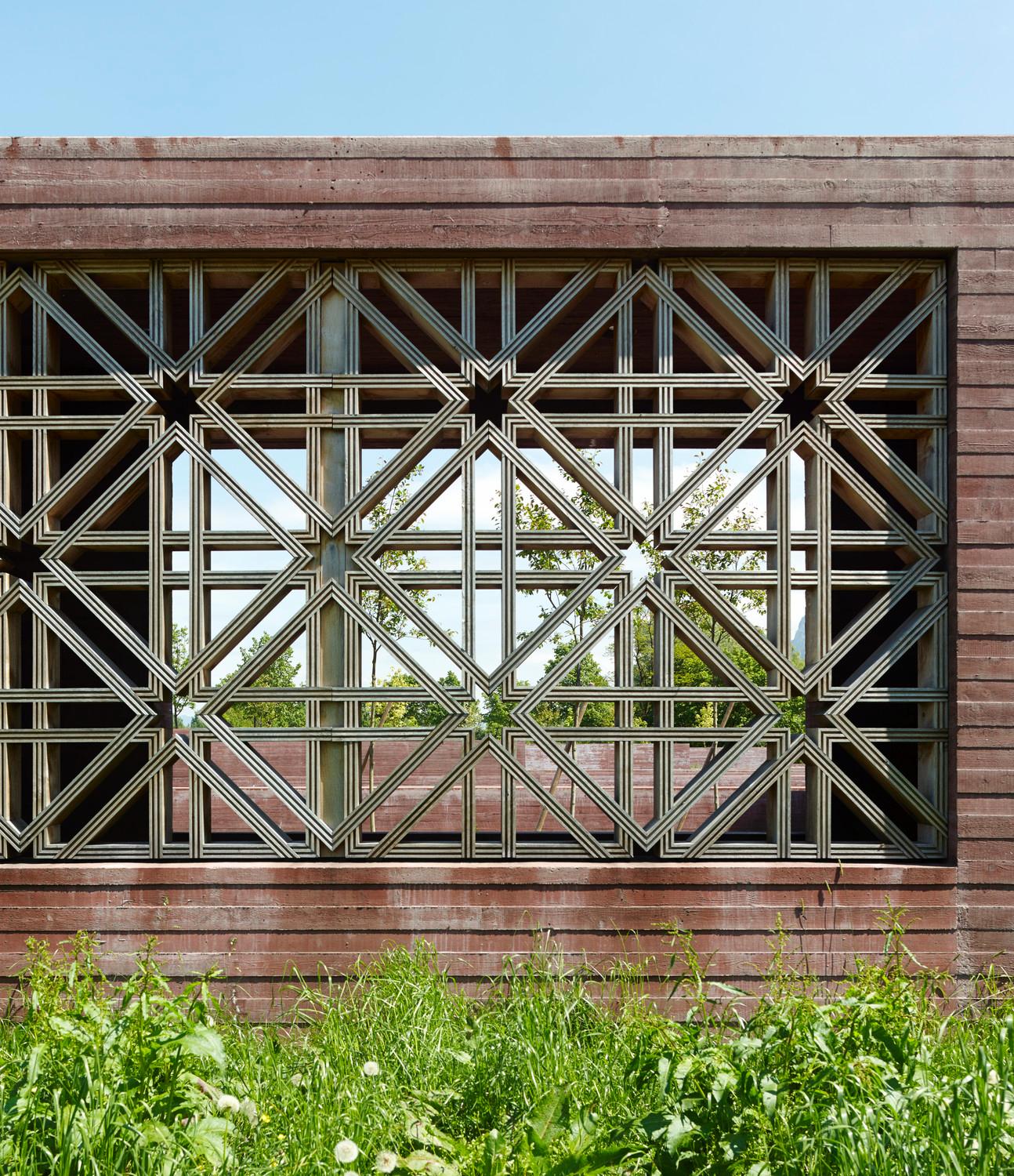
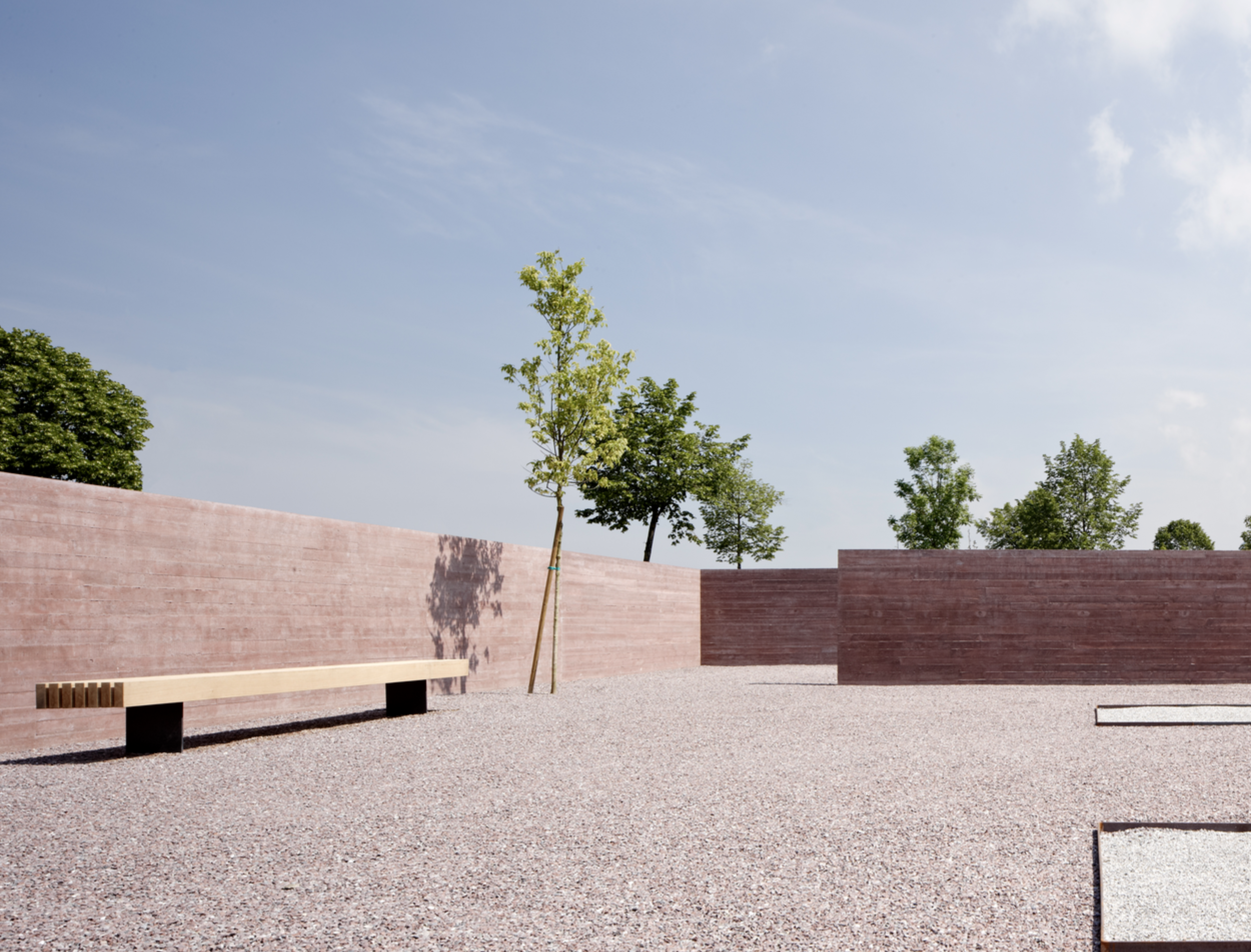
An 8,400 square meter cemetery for Islamic burials in Austria reinforces humanity’s connection to nature until the end. A tranquil design flawlessly executed by Bernardo Bader with an applaudable combination of simplicity and reverence, the cemetery built in Vorarlberg features a series of variously-sized walls that not only separate the cemetery from the surrounding landscape, but also gently cordon off grave burials.
In its purest form, Islam (like most religious and spiritualideological systems), calls for humanity to retain their connection to the earth. That we are custodians of the planet is an idea that is expressed in numerous Quranic tenets.
Bearing this in mind, Bader aimed to design a cemetery for Muslim residents living in Altach, Austria that would be a gentle reflection of this powerful and largely overlooked sense of responsibility.
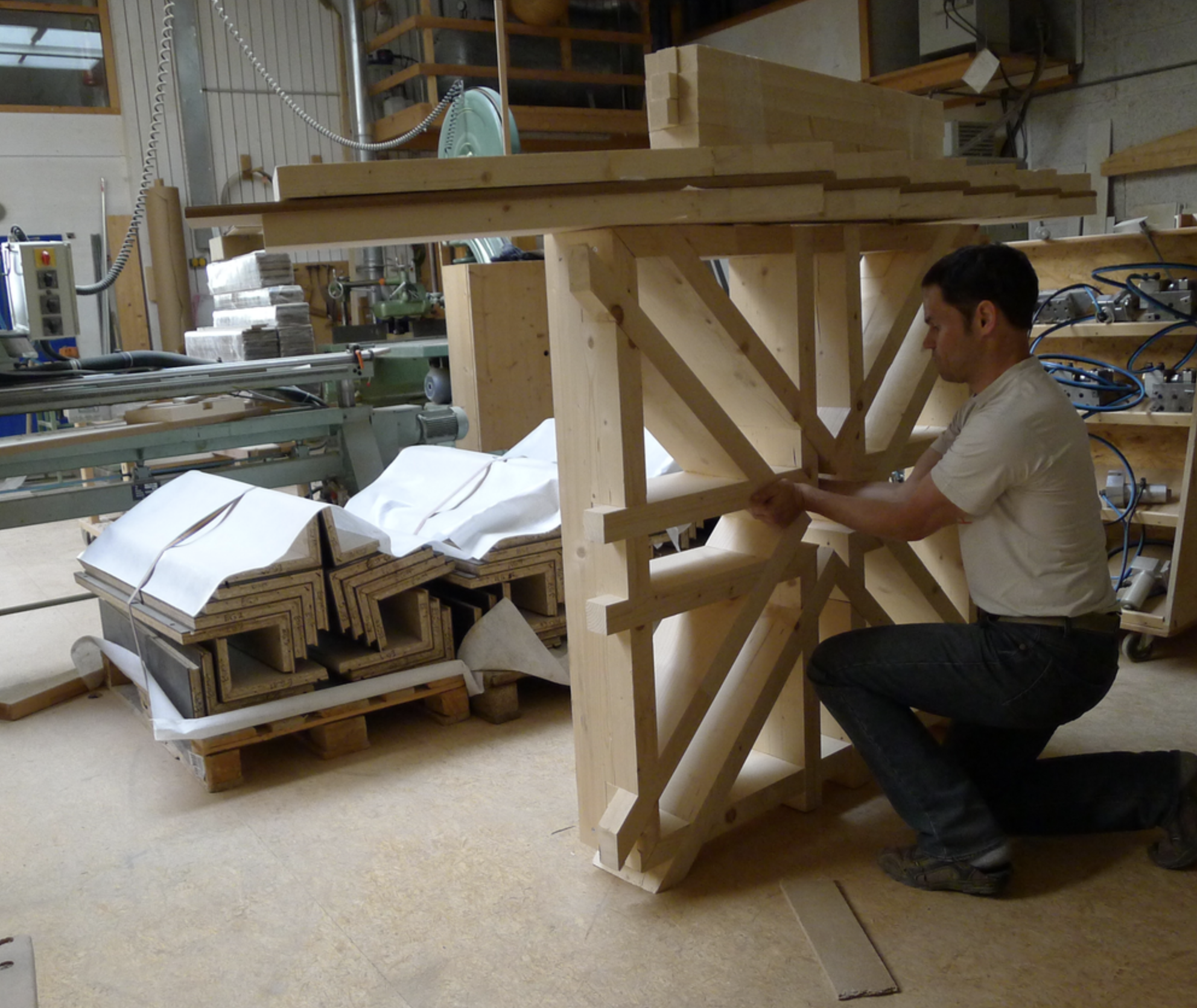
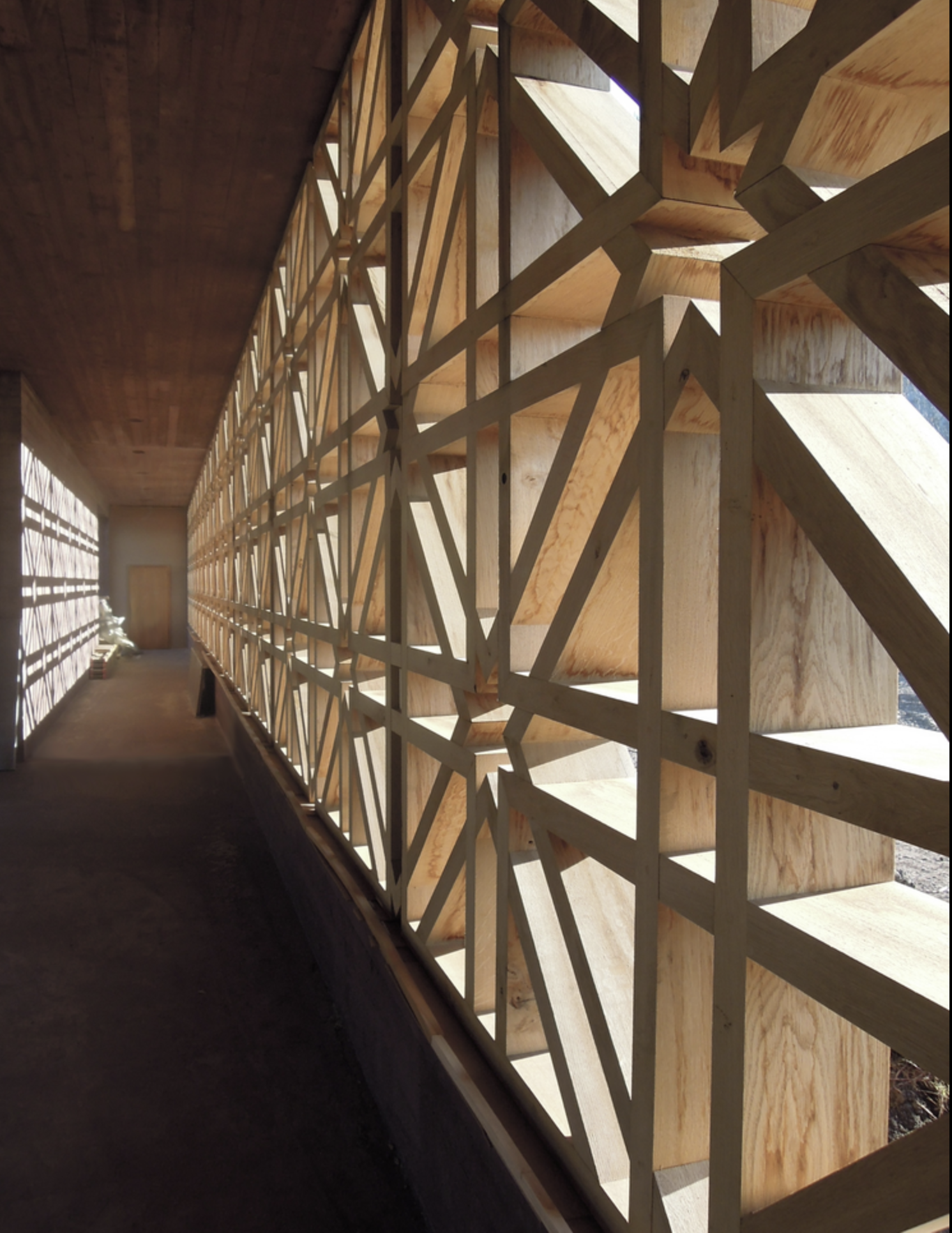
Unlike some embarrassingly overdone monuments to the dead, a series of elegant walls depicting intricate designs very similar to the Mashrabiya screens that help to facilitate natural light and ventilation in mosques and homes in the Arab world.
It is at once a tasteful intervention that minimizes site impact while also creating intimate spaces that allow families to mourn their loss in a magical alpine environment.


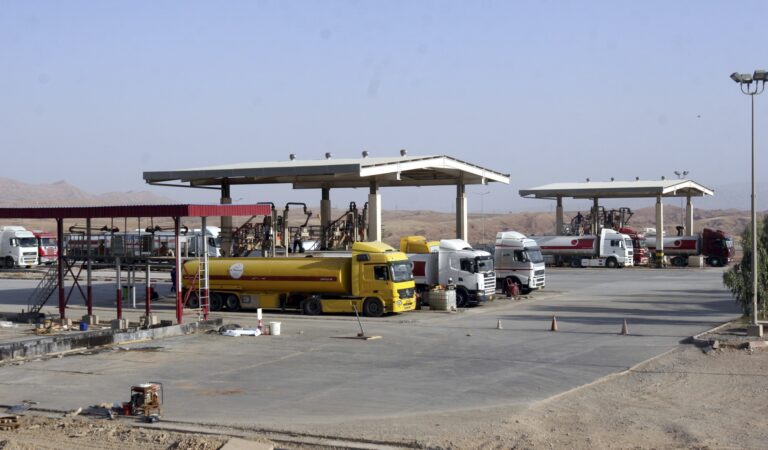
 Defying the Iraqi central government, the Kurdistan Regional Government (KRG) has begun selling gas directly to Turkey. Crude oil sales will also begin soon.